Custom Box Wholesale Supplier Business Continuity Planning
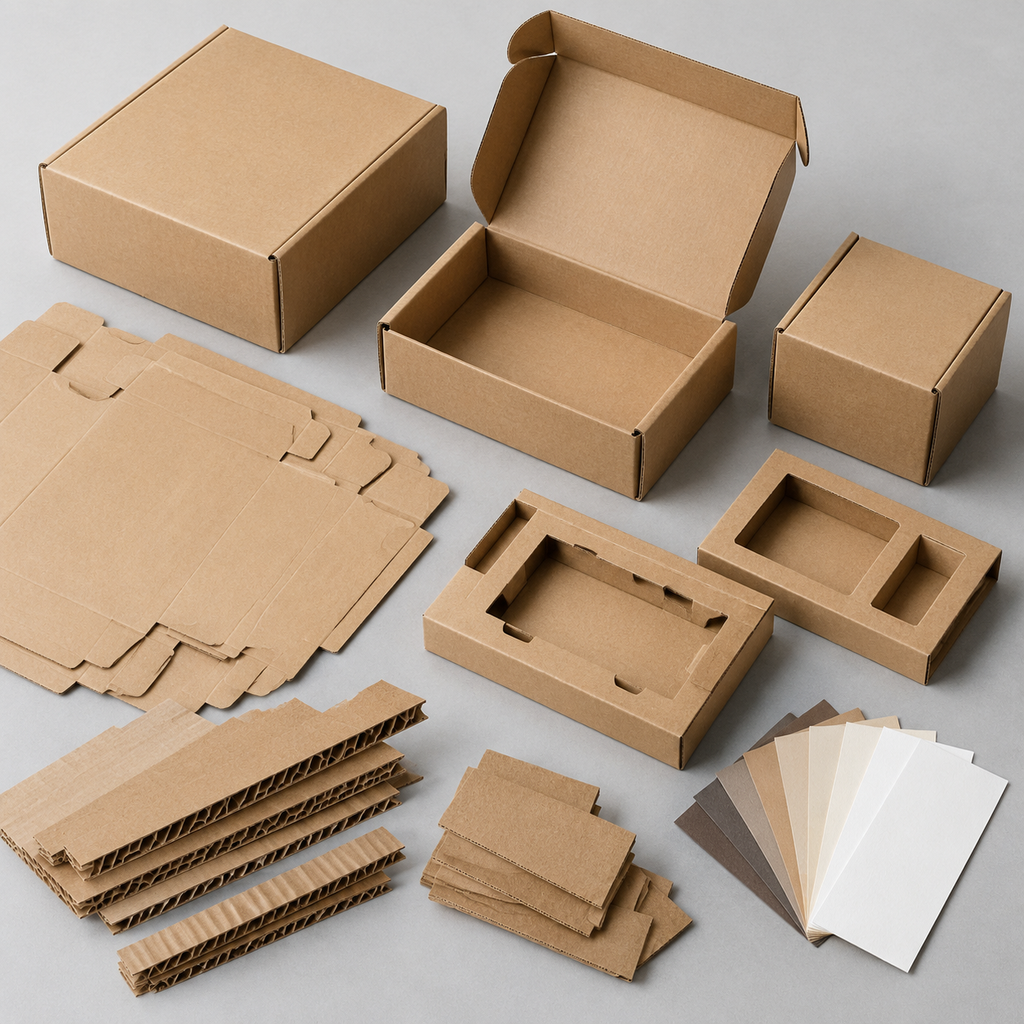
Business continuity planning for a custom box wholesale supplier
Vincent Xi — Editorial Author
For United States B2B buyers, make business continuity planning part of the custom box wholesale supplier RFQ. Ask each candidate to explain how it proposes to handle a defined disruption for the packaging box items you intend to order. Compare responses against the same specification revision, quantities, receiving destination, and delivery requirements—not unit price alone.
Use the comparison to decide whether to approve an alternate, request revisions, or hold an affected order release. Treat every contingency as a proposal until the buyer and supplier agree its scope, costs, approvals, and delivery terms. Do not assume that any option below is available from a particular supplier.
United States business continuity planning: define the order scope
Identify the custom box items, purchase orders, quantities, and United States receiving locations covered by the plan. Assign the buyer responsible for approving a disruption response and set shipment priorities if only part of an order can be released.
Select the scenarios suppliers must address, such as unavailable board, interrupted printing, inaccessible tooling, a missed production slot, or a delayed shipment. For each scenario, ask for:
- A proposed response and the orders it would cover.
- Dependencies on materials, files, tooling, production arrangements, and transport.
- Buyer decisions needed before activation.
- Maintenance and activation charges, with exclusions identified.
- Conditions for confirming delivery milestones.
Separate fixed requirements from changes you may consider temporarily. Identify whether simplified printing, a different insert, or a staged release may be proposed. State that an RFQ request does not authorize a substitution, production, or shipment.
Control the alternate box specification
Provide the current buyer-approved specification and require each candidate to list proposed deviations separately. Include the box style, intended contents, supplied form, dimensions and measurement basis, material construction, inserts, closure, finish, and printing requirements. Ask for proposed tolerances and measurement methods wherever the buyer has not already defined them.
Compare substitutes against those fields rather than approving them by material name or appearance alone. For each deviation, decide whether to require a sample, further specification details, or review by the buyer's responsible specialist. Agree the review method and acceptance criteria before authorizing production.
For artwork and labeling, supply the approved file revision, colors, print locations, orientation, clear areas, and identification fields. Distinguish requirements for the custom box from those for outer shipping units and any proposed pallets. Have the buyer's responsible specialist determine applicable product-specific labeling requirements before approving alternate artwork; do not treat an offer to print labels as confirmation that those requirements are resolved.
Ask who owns and controls production-ready files, cutting layouts, and tooling. Request the access permissions, release conditions, charges, and adaptation approvals needed for a proposed alternate route. Do not assume assets are transferable.
Give each approved substitute a distinct revision or order reference. Record its permitted use, affected orders, and conditions for returning to the original box.
Compare continuity options against the same disruption
Use the table to request comparable proposals. Ask suppliers to mark each option as proposed, conditional, or not offered, and identify unresolved conditions.
| Continuity option | What the buyer should compare | RFQ control to request | Approval boundary |
|---|---|---|---|
| Alternate production route with the same supplier | Check dependencies on the affected materials, tooling, printing, scheduling, and transport. | Ask for the proposed route, asset access, activation conditions, charges, and delivery milestones. | Limit approval to the identified route, accepted deviations, and named orders. |
| Separate alternate supplier | Compare the proposed box with the controlled specification and selected disruption scenario. | Request a deviation list, sample or review proposal, tooling requirements, order minimums, and release terms. | Approve the alternate specification and commercial terms before placing its order. |
| Finished-box reserve | Compare proposed quantities, ownership, storage arrangements, and treatment of artwork changes. | Specify stock identification, allocation, reporting, release authority, replenishment, and cancellation terms. | Agree condition and revision checks before release. |
| Reserved materials or unfinished components | Identify the conversion stages and resources still needed to produce the requested boxes. | Ask what would be allocated, what remains unconfirmed, and which charges and delivery conditions apply. | Agree how outstanding dependencies must be resolved before order release. |
| Temporary simplified box | Compare changes to structure, printing, inserts, closure, and receiving identification. | Specify permitted deviations, review requirements, affected orders, and return-to-original conditions. | Approve the substitute only for its stated use and order scope. |
| Split delivery or staged release | Compare shipment priorities, freight, handling, receiving constraints, and outstanding balances. | Request quantities, dates, charges, and reconciliation arrangements for each shipment. | Authorize only the agreed releases, schedule changes, and additional costs. |
Check whether the proposed alternative still depends on the resource affected by the disruption. Require the supplier to address that dependency before accepting the option for that scenario.
For reserves or reservations, distinguish finished boxes, allocated components, accepted production arrangements, and uncommitted planning estimates. Agree how unused materials, obsolete artwork revisions, and cancelled allocations will be handled. Keep sample approval separate from confirmation of an order allocation or delivery commitment.
Set landed-cost and delivery terms for each contingency
Compare costs on a common basis
Request separate cost schedules for the base order and each contingency, using the same quantities, destination, currency, and shipment basis. Include fields for:
- Tooling access or release, artwork changes, and samples.
- Box production, packing, and proposed order minimums.
- Reservations, storage, replenishment, and activation.
- Freight, delivery coordination, handling, and split shipments.
- Cancellation, unused reserves, and other proposed charges.
Ask suppliers to mark each field as included, excluded, separately charged, not applicable, or unresolved. Record quote validity, payment timing, release quantities, and any quantity-dependent charges.
If cross-border movement is proposed for United States delivery, request the allocation of customs-related responsibilities and charges. Have the buyer's logistics or customs adviser review unresolved items. Do not compare an incomplete quote as though it were an agreed landed total.
Define delivery milestones and receiving requirements
Require separate fields for production completion, dispatch, destination arrival, and buyer acceptance. Ask which dates are planning estimates and which the supplier proposes as order commitments. Record the prerequisites for confirmation, including asset access, material allocation, approvals, order release, and transport arrangements.
Obtain order-specific instructions from the United States receiving team. Provide appointment arrangements, unloading responsibilities, packing format, shipment identification, and destination restrictions. Ask suppliers to identify exceptions before approval.
For alternate stock or split deliveries, specify how purchase-order references, item codes, box revisions, and remaining balances must be identified. Request an order delivery schedule separately from any sample schedule, and require reconfirmation for the actual quantities and destination when the contingency is activated.
Make activation and acceptance purchasing conditions
Agree the triggering event, notification method, escalation contacts, and buyer authority for each contingency. Assign approval responsibility for substitutions, asset release, revised dates, added charges, and partial shipments. Require change requests to identify the affected purchase orders and specification revisions.
Before releasing alternate boxes, agree acceptance checks for the intended contents, packing method, structure, closure, inserts, printing, and receiving identification. Record who will conduct each review, what will be checked before shipment or upon receipt, and how approval will be documented. Limit approval to the requirements actually reviewed.
Specify how original and alternate revisions must be separated in mixed deliveries. Agree discrepancy reporting, disposition authority, and the process for approving replacement, rework, return, credit, or another remedy. Leave unresolved acceptance questions visible rather than treating an appearance review as approval of the entire order.
Set review triggers for changes to the specification, destination, asset access, or proposed production route. At activation, request current confirmation of the affected order terms rather than relying solely on an earlier contingency proposal.
RFQ Checklist
Send the same checklist to each candidate supplier. Request a response or exception against every item and keep unanswered requirements visible in the comparison.
- Specify the packaging box item identifiers, intended contents, approved revisions, United States destinations, and orders covered by the continuity request.
- Define the disruption scenarios, shipment priorities, base-order quantities, contingency quantities, and planned releases to be quoted.
- Provide the box style, supplied form, dimension basis, measurement units, materials, construction, inserts, finishes, and closure requirements.
- Require separate disclosure of substitutions, proposed tolerances, measurement methods, and other deviations for buyer approval.
- Provide approved artwork, print locations, label fields, packing instructions, and receiving requirements; identify who may approve changes.
- Ask the supplier to state control of production files and tooling, access permissions, transfer conditions, adaptation needs, and associated charges.
- Request a proposal for each continuity option, including shared dependencies, activation conditions, remaining approvals, and unresolved commitments.
- Require a sample or review proposal for alternate boxes, with acceptance criteria, responsible reviewers, and approval records to be agreed before production.
- Specify ownership, storage, identification, allocation reporting, release authority, replenishment, cancellation, and obsolescence terms for any proposed reserves.
- Ask the supplier to state order minimums, release conditions, quote currency, validity, payment timing, and quantity-dependent charges.
- Request separate base-order, contingency-maintenance, and activation cost schedules, including freight, split shipments, exclusions, and any proposed cross-border responsibility allocation.
- Require delivery milestones for production completion, dispatch, destination arrival, and acceptance, with prerequisites and estimate status identified for each date.
- Assign authority for activation, substitutions, asset release, revised dates, added charges, and partial shipments; agree notification and escalation contacts.
- Specify revision identification, acceptance checks, discrepancy reporting, disposition authority, and the process for agreeing remedies.
- Require written agreement on the affected orders, accepted deviations, costs, delivery terms, and any remaining conditions before release.
- Define return-to-original approval, treatment of unused reserves, and the changes that require renewed review before the contingency is used again.
Release only the agreed order scope
Assemble the accepted specification, artwork revision, quantities, deviations, landed-cost schedule, delivery milestones, and activation conditions into the purchasing record. Ask the supplier to acknowledge the same versions. Resolve conflicting terms before authorizing release, and hold any release with essential requirements still unanswered.
After delivery, reconcile received quantities, reserved balances, open releases, and disputed stock. Record who closes the exception and which box revision applies to subsequent orders.
Submit the controlled specification, order quantities, disruption scenario, and United States receiving instructions together in the wholesale RFQ. Request an itemized contingency proposal and approve only the scope both parties have agreed.
Discuss Your Requirements
Review our manufacturing capabilities, then share your specifications for a supplier-fit review.