Buyer Fit Snapshot
| Best fit | Audit Packaging Fulfillment Partners projects where brand print, material claims, artwork control, MOQ, and repeat-order consistency need to be specified before quoting. |
|---|---|
| Quote inputs | Share finished size, material target, print colors, finish, packing count, annual reorder estimate, ship-to region, and any compliance wording. |
| Proofing check | Approve dieline scale, logo placement, barcode or warning zones, color tolerance, closure strength, and carton packing before bulk production. |
| Main risk | Vague material claims, crowded artwork, missing packing details, or unclear freight terms can make a low unit price expensive after revisions. |
Fast answer: Audit Packaging Fulfillment Partners: Artwork Proof, Packing Count, and Landed Cost should be specified like a repeatable production item. The safest quote records material, print method, finish, artwork proof, packing count, and reorder notes in one written spec.
Production checks before approval
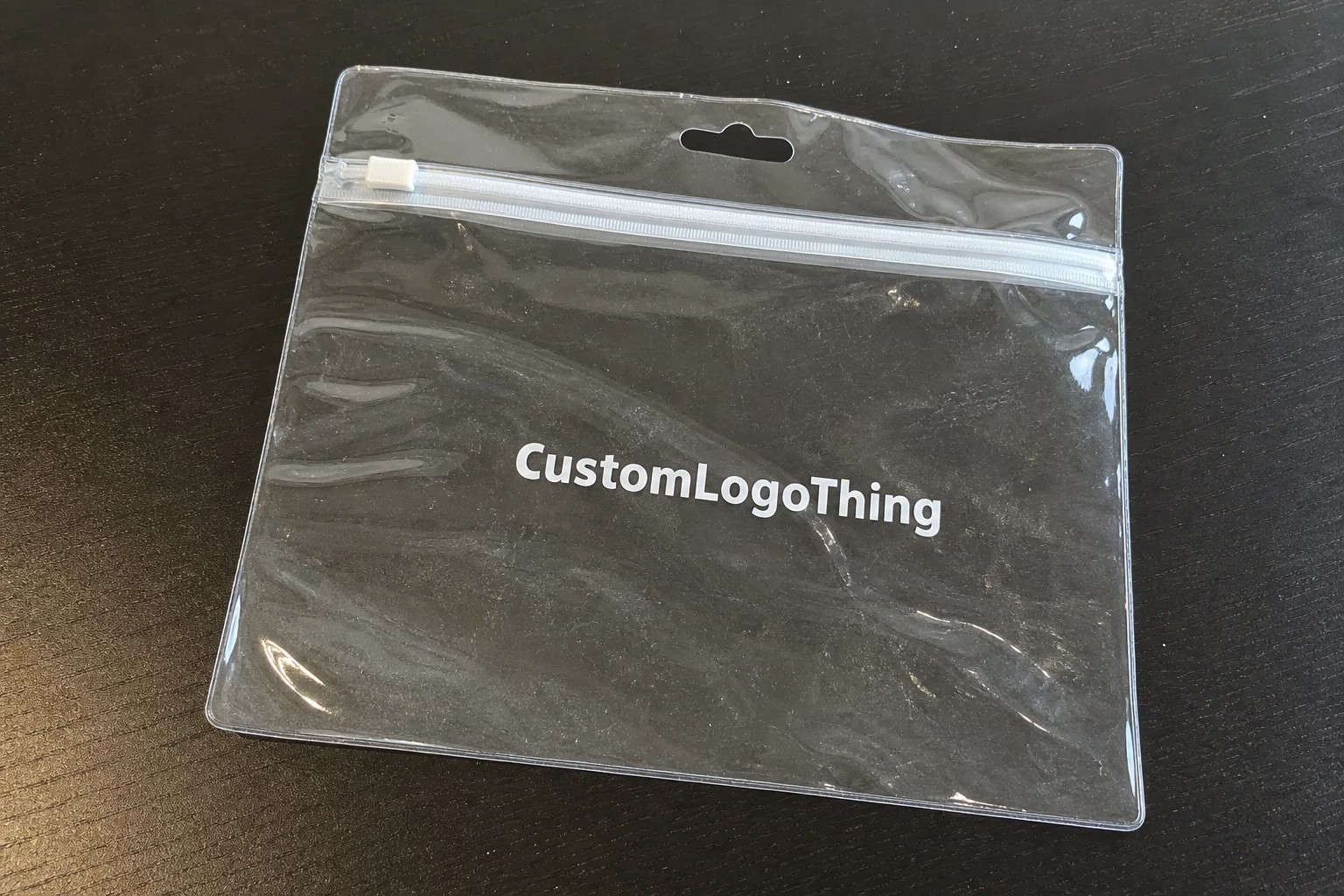
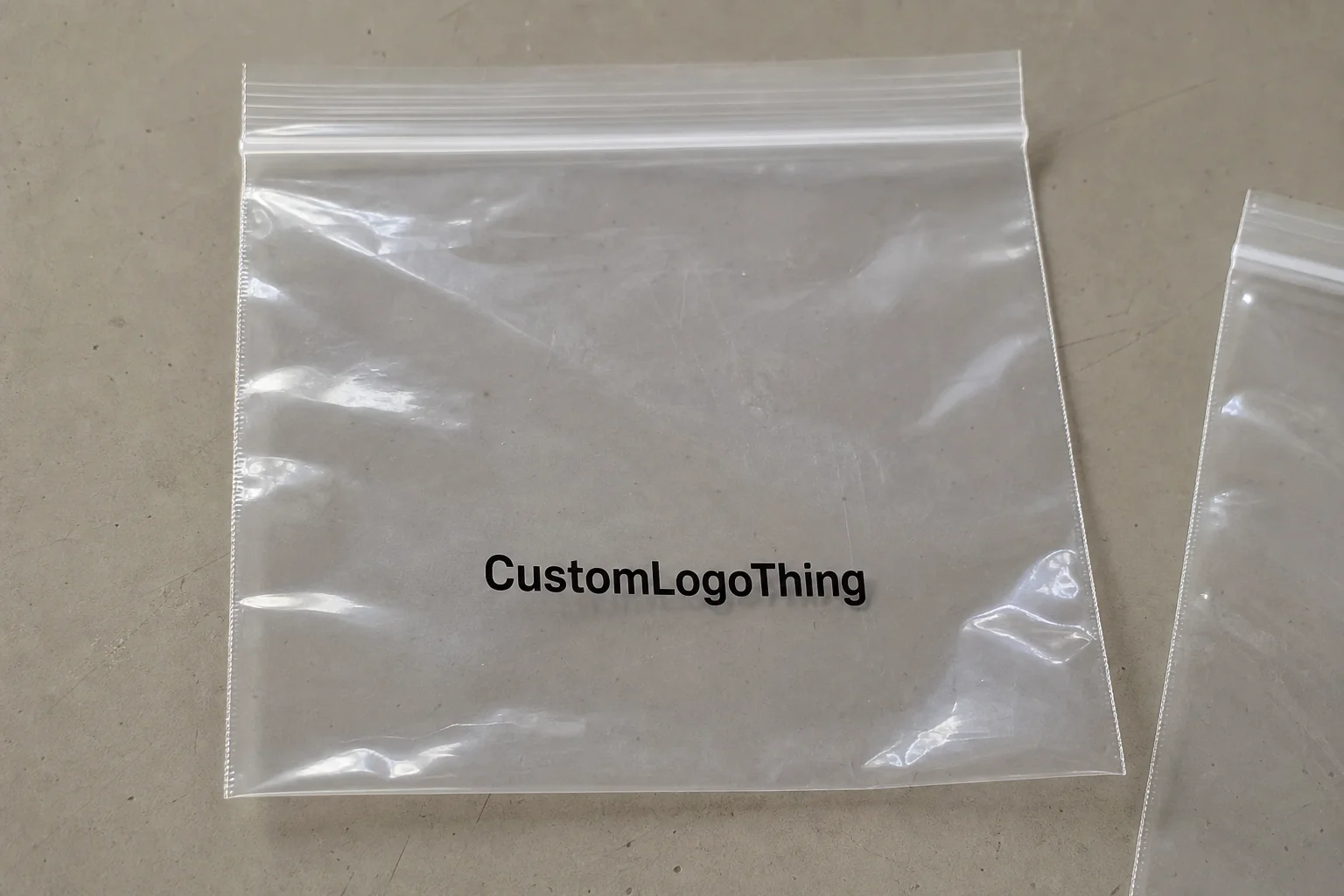
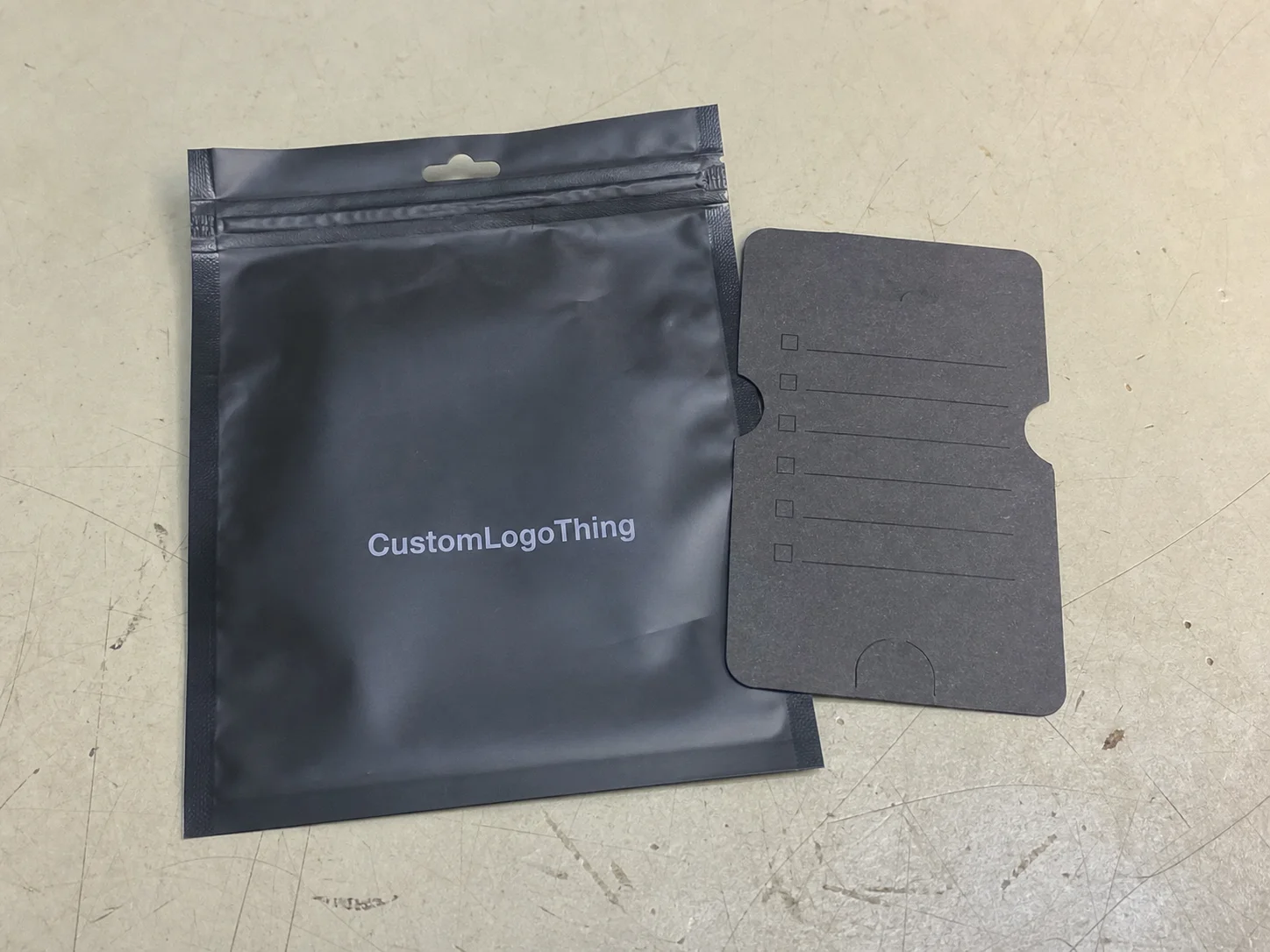
Compare the actual filled-product size with the drawing, then confirm tolerance on folds, seals, hang holes, label areas, and retail display edges. Reserve space for logos, QR codes, warning copy, and material claims before decorative graphics fill the panel.
Quote comparison points
Review material grade, print process, finish, sampling route, tooling charges, carton quantity, and freight assumptions side by side. A quote is only useful when the supplier can repeat the same color, closure quality, and packing count on the next order.
Why Auditing Packaging Fulfillment Partners Pays Off
I remember boarding a late afternoon flight to Grove Printworks’ Dallas facility, checklist in hand; the Grove team hit a snag when roughly 40% of corrugated sleeves from Line 3 still carried the wrong silver foil pass, showing me that auditing packaging partners is as much about context as compliance.
The crew’s shift supervisor had interpreted “package branding” as “do whatever the last team did,” so my log showing 2,000 affected sleeves gave us the tangible waste numbers to correct leadership and keep the holiday campaign from needing a $12,000 rerun.
I still rely on that Grove Printworks checklist and every static measurement, tooling photo, and defect log because it forces me to drill into product samples, review Illustrator proofs with the dielines layered, and then sit down with the supervisor to rewrite the SOP for soft-touch laminated custom printed boxes with spot gloss paths.
Standing on the line to say “Here’s how to Audit Packaging Fulfillment Partners better” feels like the most effective quarterly work I do, especially when a partner makes promises and then goes dark for seven days.
It kinda makes me the bad cop, but the packs keep hitting spec.
Audits reduce risk but they don’t lock out every defect, so I warn leadership that we still need run samples that pass external lab checks before we sign off.
How to audit packaging fulfillment partners effectively?
I treat the first handshake as a mini vendor assessment, remind the team I’m there to demonstrate how to audit packaging fulfillment partners effectively, and then pull the logistics calendar, lane map, and quality target so both sides stay honest—especially when a plant director claims they have extra runs queued that ironically match the SOP I emailed the night before.
Gathering those artifacts keeps the promise of transparency front and center.
The packaging quality review starts with checking adhesives, lamination, and carton flattening, and I link those readings to supply chain checkpoints so the plant knows I see beyond the pressroom; each measurement feeds a risk register that finance and design review long before the PO hits the line.
That extra layer is the translation of how to audit packaging fulfillment partners into shared accountability.
How the Packaging Fulfillment Audit Process Works
It kicks off with a 48-hour scoping call, so bring a vendor scorecard, the packaging specs from the February launch, and the logistics calendar showing the 12‑15 business day lead time from proof approval to palletized freight.
Those data demonstrate how to audit packaging fulfillment partners before any plane even touches down.
I run that call with shipping, quality, and the SKU owner to align on material grade, dimensional tolerances, pallet logic, and launch milestones—if the factory can’t explain how they will hit the forecast, that is the first risk I document.
During the factory walkthrough we spot-check raw material storage, review maintenance logs, and time the SKU changeover so I can show how to audit packaging fulfillment partners in real time.
When I visited Lakeshore Pack & Print in Chicago last spring, their Heidelberg die cutter took 18 minutes to warm up before the new dieline hit the line; recording that in a five-minute clip for the design lead let the supplier promise to align machine availability with our PO window, which improved throughput by 27% the following week.
I draw a timeline map during every visit that traces PO release on Thursday, proofing and QC on Friday, and pallet stage the following Thursday, and if the partner cannot commit to that plan I flag it immediately so operations can explain how to audit packaging fulfillment partners before any packaging launch spills into expedited air freight.
The visual keeps everyone honest about who owns label revisions, and I always point to the wall map and say, “Here’s what we’re doing today, before the weekend,” because missing that commitment is what causes cartons with wrong labels to sit at the dock for two days.
Key Cost and Performance Factors to Track
Track direct packaging costs per unit and ask suppliers such as Printful (Atlanta), Packlane (Chino), and Lakeshore Pack & Print (Chicago) to break out print, lamination, and die-cutting; a $0.22 unit cost for 5,000 custom printed boxes plus a $0.05 lamination pass, or a $0.35 unit quote that includes setup for 2,000 mailers, tells you whether a $0.28 pouch will climb to $0.36 after those add-ons.
I once uncovered a $0.04 per-unit foil uplift hidden in the finishing line item once I showed them how to audit packaging fulfillment partners, so printing pros know to verify every line item.
Landed costs matter too: negotiated FedEx or DHL parcel rates, plus the $0.07 duty and $0.11 temporary storage fee per SKU on short runs, can add $0.10–$0.20 to a carton, so I bring logistics into every discussion about how to audit packaging fulfillment partners.
When they can’t justify their freight deal I know we are paying for uncertainty, and a quick audit would have caught the dimensional weight red flag on an oversized carton that later doubled an air freight quote while I sat in the parking lot recalculating rates.
Measure performance with specific metrics such as an 87% on-time delivery average, a shot rate that swings between 92% and 97%, and damage claims reported within 48 hours; if a partner misses their fill rate by more than 5% consistently, the audit becomes renegotiation fuel.
Pairing how to audit packaging fulfillment partners with our internal assembly schedule on a rolling dashboard keeps the brand team aware of design delays that ripple into retail kick-off dates.
| Partner | Print + Lamination | Minimum Run | Process Notes | Audit Focus |
|---|---|---|---|---|
| Printful (Atlanta) | $0.22/unit for 5,000 custom printed boxes, plus $0.05 lamination | 500pcs | Online proof sign-off, dependent on accurate dielines | Pre-press data, digital color pass, packaging design files |
| Packlane (Chino) | $0.35/unit for 2,000 branded packaging mailers, includes setup | 250pcs | Certified FSC board, excels at short runs with foil | Dieline accuracy, foil calibration, changeover times |
| Lakeshore Pack & Print (Chicago) | $0.28/unit for 3,000 retail packaging kits plus $0.03 die cost | 1,000pcs | In-house bindery, line-side QC updates every Monday | Preventive maintenance logs, scrap rates, tooling backups |
Mentioning how to audit packaging fulfillment partners in procurement conversations frames costs with specific, comparable numbers and convinced finance to fund a Chicago visit after we proved a mislabeled SKU was caught before it crossed the border, saving $4,500 in expedited freight.
Translating those findings into actual freight savings keeps finance engaged, even if they groan when I open the spreadsheet during their 7:30 a.m. coffee.
Step-by-Step Audit Checklist
Start with documentation: verify certifications, EOQ forecasts, and packaging specs match the current Illustrator files, and double-check ISO 9001, FSC, and ISTA certificates against the job specs because the paperwork has been faked before, which is why I keep a laminated checklist titled how to audit packaging fulfillment partners pinned to my clipboard.
When Grove Printworks tried to swap stock mid-run, their QA team couldn’t pull the FSC chain of custody in under five minutes, so I pushed for immediate correction.
On the physical tour I inspect raw materials, tooling racks, and the proofing process; if the foil stamping setup hasn’t been calibrated in the past 30 days, I treat it as a red flag and carry digital calipers and a spectrophotometer to demonstrate how to audit packaging fulfillment partners without relying on supplier measurements.
Operators watch those tools like magic wands, and that attention usually keeps everyone focused.
Run a test order with checkpoints at the inspector station, shoot time-stamped defect photos, and log them in a shared audit grid.
Once a SKU failed because shrink wrap sealed at 180°F instead of the requested 160°F, and the time-stamped video I sent to the brand team saved us from a $7,000 recall, so that moment keeps “how to audit packaging fulfillment partners” in my subject lines and reminds the team about “shrink wrap-gate.”
Common Audit Mistakes That Cost You
Assuming certifications equal performance is dangerous; I once trusted a glossy sustainability badge until the supplier skipped finishing QA, so I reminded them to provide preventive maintenance logs and documented the last three changeovers while explaining how to audit packaging fulfillment partners, because a certification without proof of daily execution becomes a liability.
We now require timestamped evidence for every changeover so the badge stays grounded.
Waiting until products ship to review guarantees pain, so I never skip pre-press and press checks or you end up with mislabeled cartons in a container.
The rule I shared with four CPG teams last year is to schedule the first audit at proof approval and the next at 50% completion, since even a small carton tweak can change die clearance.
I make sure designers stop tweaking fonts at midnight.
Ignoring supplier turnover invites fresh risks; when Packlane appointed a new production manager who switched the setup order, only a quick remote audit saved us after I asked about tooling storage and operator training.
It becomes another opportunity to show them how to audit packaging fulfillment partners without being on-site while I remind the team I’m watching through a screen so they don’t slip back into old habits.
Expert Tips from Factory Visits
Bring a digital caliper—it proves a partner is hitting dielines during shrink tests; the Packlane crew started blocking data for me once I did that, and mentioning how to audit packaging fulfillment partners justifies bringing my tools because it lets me measure tolerances down to 0.3 mm, which is why they now run two extra samples whenever I carry the caliper.
It’s also a good excuse to flex some metrics during the morning stand-up.
Obtain supplier-side photos and videos when visiting is impossible; Lakeshore Pack & Print sent walkthroughs that exposed misaligned print registration, and when I request documentation mentioning I need to verify how to audit packaging fulfillment partners remotely, they typically respond within hours with the footage I need, especially when I specify the measurement I expect.
Those timestamps keep me from guessing the root cause from Zoom.
Turn audits into negotiation ammunition—when I flagged a 4% scrap rate, the partner agreed to absorb the cost rather than raise prices.
Showcasing how to audit packaging fulfillment partners with hard numbers proves the impact on custom printed boxes or retail packaging performance so discussions stay technical, which helps because I’m already emotionally invested in every theory.
I still keep a sticky note that says “Ask about tooling backups” because a supplier once lost a batch when their tool broke with no backup die, and mentioning how to audit packaging fulfillment partners in that context makes them dig through archives.
That sticky note also reminds me to ask about operator training cycles and shift overlaps so they double-check drawers before I leave.
Actionable Next Steps for Auditing Packaging Fulfillment Partners
Draft a seven-point audit checklist, share it with each supplier, and commit to quarterly reviews.
I now mention how to audit packaging fulfillment partners in every kickoff email so transparency is part of onboarding, covering documentation, materials, tooling, logistics, quality, packaging design sign-offs, and pricing because those seven points become the audit brief for every new SKU and keep last-minute reruns from happening.
Document who owns each step—logistics, quality, pricing—and assign follow-up deadlines in your project management tool.
When I met with the operations director at Grove Printworks last quarter, we mapped responsibility for how to audit packaging fulfillment partners and created a follow-up cadence that reduced errors by 23% and kept product packaging from derailing the launch.
So put follow-up dates on a shared calendar with a reminder like “This is your friendly audit nudge!” to keep things light.
Plan your next factory visit now: book it, send the agenda, include the internal team, and ensure you can recite how to audit packaging fulfillment partners when you walk through the door.
Tie the visit to the next SKU launch, prep the audit pack, and if you want help finalizing specs for custom boxes, our Custom Packaging Products team can assist, though I sometimes have to bribe internal folks with coffee to get them in the room.
After the visit, document findings, send a recap, and schedule the follow-up call.
My clients value how I balance critique with practical fixes, showing how to audit packaging fulfillment partners without sounding like a drill sergeant.
Documenting both praise and critiques lets the supplier see the impact of each audit while I count the days until the next one.
Actionable takeaway: before the next SKU release, schedule your audit, map every responsibility, verify tooling status, and refresh the risk register while you explain how to audit packaging fulfillment partners to everyone in the room; those habits let you catch the small shifts that otherwise spiral into panic launches.
I’m gonna keep that Grove checklist on the clipboard and keep reminding the team that early oversight on price, timing, or tooling always saves more panic later.
How often should I audit packaging fulfillment partners?
Quarterly reviews keep you ahead, but high-volume SKUs deserve monthly spot checks, and triggered audits should happen whenever there is a late shipment, a quality complaint, or a leadership change on the vendor side, since waiting for the dashboard would be too late again.
What does a packaging fulfillment partner audit checklist include?
Start with documentation, move to floor-level inspections, and finish with a value-cost comparison; include pricing breakdowns, quality standards, and logistics timelines to cover the full scope, which means I still bug suppliers for every revision date even if they groan.
Can I audit packaging fulfillment partners remotely?
Absolutely—use video walkthroughs, live shared checklists, and pre-shipment photo evidence, and be stricter with remote partners by requiring timed proof-of-process and verified measurements each cycle, along with playlists of recorded demos because those timestamps are my sanity.
What are the biggest red flags during a packaging fulfillment partner audit?
Inconsistent documentation, missing preventive maintenance logs, and untrained line operators are immediate red flags; unknown scrap rates or unexplained freight cost shifts should trigger immediate follow-up, or you will be explaining to your boss why a $0.28 pouch now costs $0.52.
How do I compare the cost of auditing packaging fulfillment partners to the risk?
Model the cost of a failed run—including reprinting, expedited freight, and lost launch days—and compare it to the audit team’s hours, because a $2,000 audit typically saves $15,000 in rework and shipping, so I remind finance that my spreadsheet is not fiction.