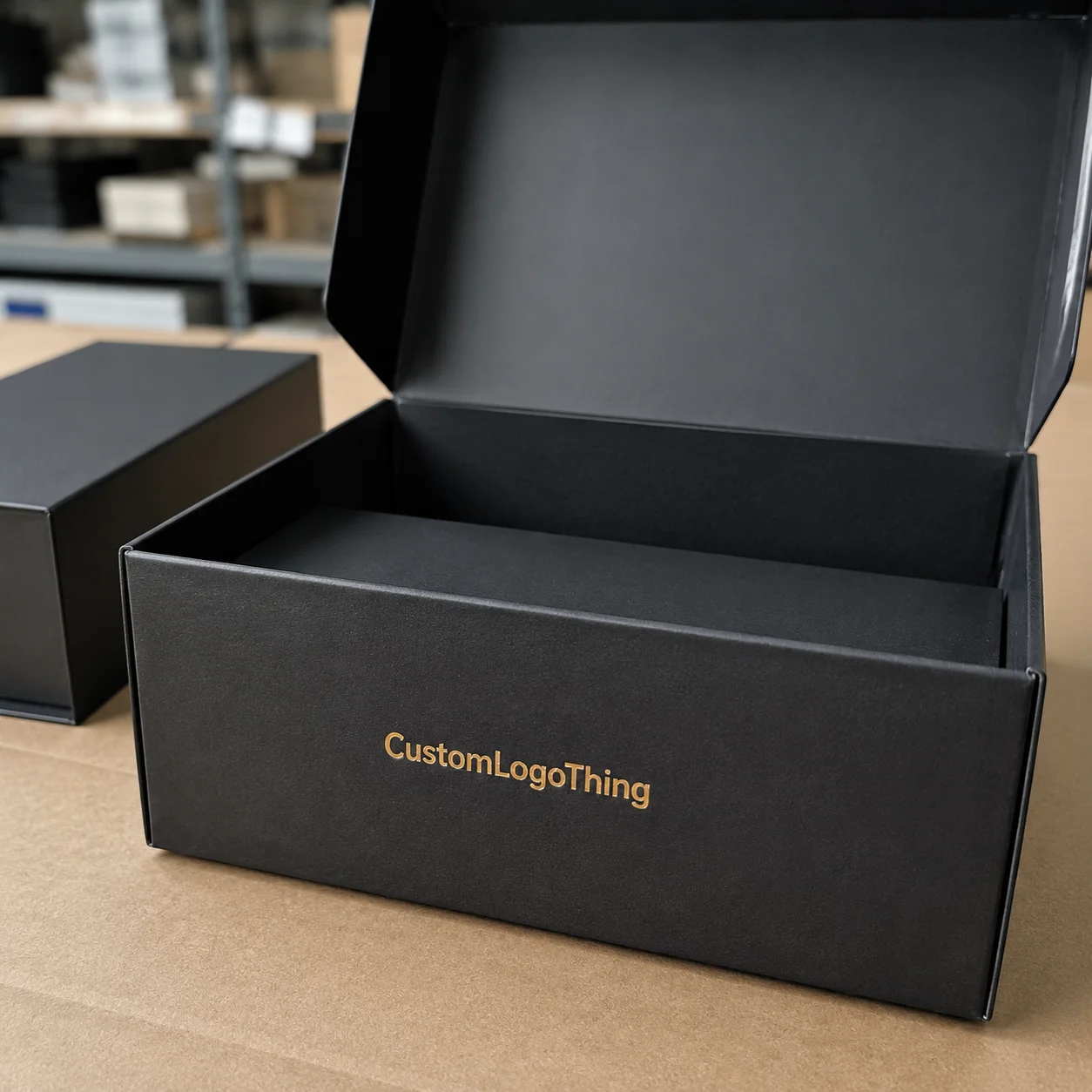
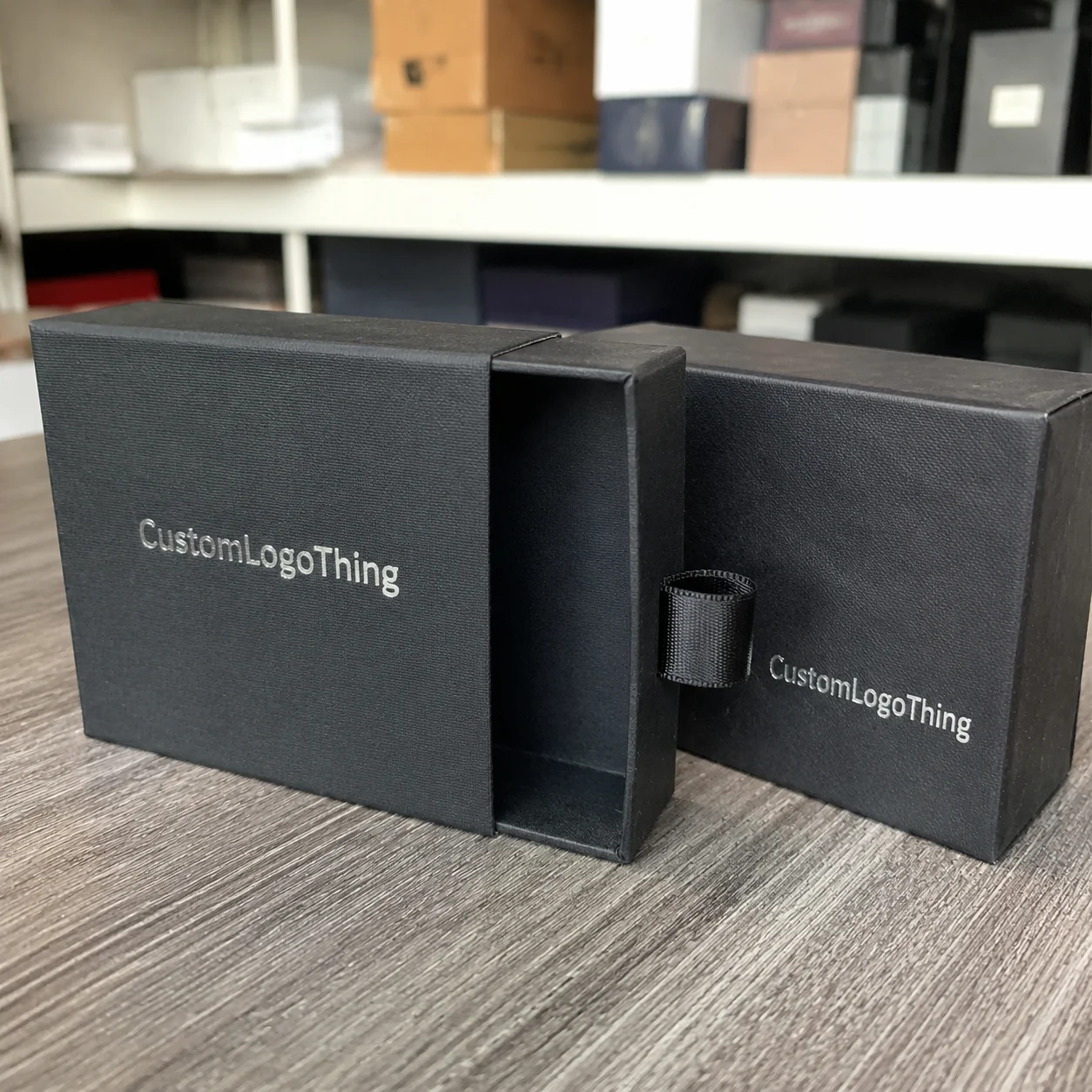
Buyer Fit Snapshot
| Best fit | bamboo fiber packaging wholesale buyer review for packaging buyers comparing material specs, print proof, MOQ, unit cost, freight, and repeat-order risk where brand print, material, artwork control, and repeat-order consistency matter. |
|---|---|
| Quote inputs | Share finished size, material target, print colors, finish, packing count, annual reorder estimate, and delivery region. |
| Proofing check | Approve dieline scale, logo placement, barcode or warning zones, color tolerance, and any recyclable or compostable wording before bulk production. |
| Main risk | Vague material claims, crowded artwork, or missing packing details can create delays even when the unit price looks attractive. |
Fast answer: Bamboo Fiber Packaging Wholesale Buyer Review: MOQ, Samples, Lead Time, and Quote Checks should be specified like a repeatable production item. The safest quote includes material, print method, finish, artwork proof, carton packing, and reorder notes in one written spec.
What to confirm before approving the packaging proof
Check the product dimensions against the actual filled item, not only the sales mockup. Ask for tolerance on folds, seals, hang holes, label areas, and retail display edges. If the package carries a logo, QR code, warning copy, or legal claim, reserve that space before decorative graphics fill the panel.
How to compare quotes without losing quality
Compare board or film grade, print process, finish, sampling route, tooling charges, carton quantity, and freight assumptions side by side. A lower quote is only useful if the supplier can repeat the same color, closure quality, and packing count on the next order.
The best bamboo fiber packaging wholesale decision I see buyers make starts with one blunt question: does the material hold up in real use, or only in a sales deck? I’ve stood beside stack tests in Dongguan, watched lid-fit problems surface after a hot-fill trial at 85°C, and seen a gorgeous-looking tray fail the second it met condensation in a 4°C cold room. That is why best bamboo fiber packaging wholesale buying is not about glossy sustainability language. It is about unit economics, food safety, and whether the pack still looks sharp after a courier ride, a refrigerator cycle, and a rushed lunch service. No one wants to explain to a customer why their “premium eco tray” turned into a sad little sponge by noon.
Bamboo changes the supply conversation because it matures quickly compared with many traditional fiber sources. That matters. Faster harvest cycles can improve replenishment planning and reduce the anxiety buyers feel when they are locking in supply for a restaurant chain in London, a retail launch in Toronto, or a private-label meal program in Singapore. But I’ve also learned this the hard way: bamboo fiber is not automatically the answer for every application. The best bamboo fiber packaging wholesale choice depends on moisture, grease, stacking pressure, print requirements, and how your team actually handles the pack on the floor. I remember a buyer telling me, “It’s just a bowl.” Then we tested it under real kitchen heat, 120 units per hour, and surprise, it was suddenly a very complicated bowl.
In one supplier meeting in Shenzhen, a buyer brought me a sample clamshell that looked premium under showroom lights. We ran a basic stack test with 24 units, and the rim deformation was obvious by the tenth unit. The buyer’s face said everything. The answer was not “better marketing.” It was a thicker wall, a slightly different mold, and a more realistic test method. That is the lens I’m using here: practical, commercial, and grounded in what wholesale customers really need from best bamboo fiber packaging wholesale sourcing.
Why the Best Bamboo Fiber Packaging Wholesale Buyers Start With Material Facts
Bamboo fiber packaging is typically made from bamboo-derived cellulose or blended natural fibers formed into molded containers, lids, trays, plates, and custom inserts. It is often compared with molded pulp, bagasse, PLA blends, and paperboard, but those are not interchangeable materials. Molded pulp can be more economical for inserts and protective packing. Bagasse is common for foodservice because sugarcane fiber has a familiar look and performance profile. PLA blends may offer transparency or heat limitations depending on the formulation. Paperboard wins in printability and structural packaging design for certain retail packaging formats, especially with a 350gsm C1S artboard outer sleeve or a 400gsm SBS carton. The best bamboo fiber packaging wholesale option sits somewhere else: a premium-feel, fiber-based format that buyers often choose when they want stronger rigidity and a more refined tactile impression.
Honestly, I think many buyers overfocus on the sustainability label and underfocus on the operational truth. A pack only earns its keep if it performs in the kitchen, warehouse, and customer’s hand. That means best bamboo fiber packaging wholesale procurement should start with measurable benefits: renewable feedstock, reduced reliance on fossil-based plastics, and the possibility of waste diversion if the product is designed for the right end-of-life route. Those claims still need context. Compostability, for instance, depends on the actual construction, local facilities, and any coatings used. I’ve seen suppliers use the word “eco” too freely; the better approach is to request documentation and test data. Marketing people love the word “natural.” Operators love “doesn’t leak.” Guess which one matters on Friday night?
Buyers usually care about four things first: food safety, consistency, unit economics, and real-world performance. If the product touches food, ask about food-contact compliance, migration testing, and temperature range. If the order is for branded packaging or retail packaging, ask how the surface handles ink, embossing, and logo placement. If it is for food service, ask whether the container nests cleanly and whether grease will bleed through after 15 minutes. Best bamboo fiber packaging wholesale is only “best” when it survives all four checks. A supplier in Guangzhou once quoted me a pretty bowl at $0.21 per unit for 10,000 pieces, but the same product failed a 95°C oil hold test after 12 minutes. Pretty is not a spec.
“The sample looked excellent until we packed it with a saucy rice bowl and stacked six cartons high. That was the moment we learned the spec sheet was only half the story.”
I hear that kind of story repeatedly from procurement teams. A buyer in Sydney once told me their previous supplier claimed “high strength,” yet the trays bowed during refrigerated storage at 5°C because the humidity profile was never tested. Another client in the UK needed custom printed boxes and matching fiber inserts for a gift set; the first version scuffed during transport because the finish was too porous and the insert depth was 1.2 mm too shallow. In both cases, the fix was not a magical new material. It was better qualification. That is the real route to best bamboo fiber packaging wholesale success: test the pack under use conditions, not in a showroom.
One more thing. Sustainable buying is no longer a brand-only conversation. It is a supply-chain conversation. If you are comparing bamboo fiber packaging against paperboard or molded fiber, check whether the sourcing chain is documented, whether the factory can support repeat runs, and whether the supplier can quote landed cost clearly. I’ve seen wholesale programs lose money not because the product was expensive, but because the team ignored freight from Qingdao to Los Angeles, duties, and rework. The best bamboo fiber packaging wholesale decision is commercial first, environmental second, and marketing third.
Best Bamboo Fiber Packaging Wholesale Product Types and Use Cases
The product range is broader than many buyers expect. Standard bamboo fiber packaging wholesale categories include bowls, plates, clamshells, trays, cups, lids, inserts, and custom molded formats. Each has a different commercial fit. Bowls and clamshells dominate food service because they balance presentation and stackability. Trays are popular for meal prep and deli programs. Inserts are useful for product packaging where the goal is to hold items securely without heavy plastic. Lids and cup components require tighter dimensional control, especially if they must pair with a specific rim profile measured to within ±0.3 mm.
For food service, the best bamboo fiber packaging wholesale formats usually prioritize rigidity, heat resistance, and nesting efficiency. A restaurant buying 10,000 units per month will care more about how the bowls stack on a shelf than about a slogan on the carton. For retail packaging, the priority changes. Surface finish, consistency, and how the pack supports package branding become more important. Beauty brands often ask for a cleaner surface and a more premium texture. Gift packaging may need inserts that protect glass, jars, or sample kits while still aligning with the brand’s packaging design language. I’ve seen a candle brand in Melbourne switch from foam to molded bamboo inserts and cut visible plastic by 80% in the outer set.
Wholesale buying patterns are usually easy to spot on a factory floor. Restaurant chains order stackable dinnerware by the pallet. Meal-prep brands ask for leak-resistant trays that survive chilled storage at 2°C to 6°C. Retailers request custom molded inserts for seasonal product packaging. And premium takeaway brands want containers that carry both function and a polished look. The best bamboo fiber packaging wholesale option for a quick-service chain in Dallas may be very different from the best option for a luxury cosmetics label in Paris. I’ve watched a brand team fall in love with a tray because it “felt artisanal,” then realize it didn’t fit their fill line running 180 units per minute. Romance is nice. Compatibility is nicer.
| Product type | Typical use case | Key performance need | Common buyer priority |
|---|---|---|---|
| Bowls | Soups, noodles, salads | Heat tolerance, grease resistance | Stackability |
| Clamshells | Takeaway meals, sandwiches | Lid closure, rim strength | Leak control |
| Trays | Meal prep, deli, institutional food | Compression strength | Uniform sizing |
| Inserts | Retail kits, gift sets, fragile items | Fit accuracy, cushioning | Presentation |
| Lids | Matching bowls and cups | Dimensional tolerance | Seal performance |
Customization is where many buyers start to see value. You can usually request embossing, color adjustments, thickness changes, surface finish tweaks, and logo placement. Some mold designs accept cleaner branding than others. In my experience, a slightly deeper emboss can outperform surface printing on a fibrous substrate, especially when humidity is involved. The best bamboo fiber Packaging Wholesale Suppliers will tell you that upfront instead of promising an impossible mirror finish. If your brand wants a matte natural look, ask for a target roughness range, not just “nice texture.”
There is also a real decision about where bamboo fiber fits better than another substrate. For cold-chain products that are very wet, some paper-based options can hold up better if they are engineered with the right barrier. For oily foods, a coated fiber format may be essential. For high-impact shipping, a molded pulp insert might make more sense than a decorative tray. The best bamboo fiber packaging wholesale choice is not universal. It is application-specific. I’ve told buyers in Osaka and Rotterdam the same thing: the material is only half the answer; the use case is the other half.
If your product line includes branded packaging or custom printed boxes in adjacent materials, bamboo fiber can still be part of a broader package branding system. A brand can use bamboo fiber for the primary container and paperboard for the outer carton, or pair a molded insert with an FSC-linked retail sleeve. The result is often more effective than trying to force one material to do everything. A clean 1200dpi print on a 350gsm sleeve can do the storytelling while the bamboo fiber tray does the heavy lifting.
Best Bamboo Fiber Packaging Wholesale Specifications to Compare Before Ordering
When I review a supplier brief, I start with the specs that affect performance, not the ones that sound impressive. Ask for material composition, coating type, wall thickness, unit weight, temperature range, and food-contact compliance. If a supplier cannot give you those six items clearly, the process is not ready for scale. The best bamboo fiber packaging wholesale purchase depends on specification discipline. A vague quote is not a good quote. I want numbers like 18g ± 1g for a bowl, 1.8 mm wall thickness, and a service range of -20°C to 100°C if the application supports it.
MOQ matters, but it is not the whole story. Two suppliers can quote the same minimum order quantity and still deliver completely different outcomes because one holds tighter dimensional tolerance. I’ve watched a 1.5 mm rim variation cause lid-fit problems across a batch that otherwise looked fine. For wholesale buyers, consistency across production runs is often more valuable than a slightly lower opening price. That is especially true when you are building repeat programs and cannot rework each shipment manually. A plant in Foshan once promised me 5,000 units with no issue, but the real issue was not volume. It was tolerance drift after the first 800 pieces.
Testing should reflect the actual use case. At minimum, I would request leak resistance, compression strength, oil migration, microwave or oven compatibility if relevant, and drop testing. If a container is for hot soup, a 10-minute hot-hold test at realistic service temperature tells you more than a marketing PDF. If it is for retail packaging, run a vibration or drop sequence that resembles shipping. Industry methods from groups such as ISTA help structure this kind of testing, and they are worth referencing when your program includes shipping risk. A good pack that survives a 76 cm drop onto corrugated board is worth more than ten pages of adjectives.
Sustainability proof points also deserve scrutiny. Ask whether the bamboo is linked to FSC-related sourcing documentation where applicable, whether the product is truly compostable under the claimed conditions, and whether third-party lab reports support the claim. The Forest Stewardship Council offers useful context for fiber sourcing claims, but buyers should still verify whether the specific finished pack carries the certification or simply contains renewable fiber content. That distinction matters. I’ve seen reports from certified mills in Zhejiang that looked tidy on paper, but the buyer never confirmed whether the final SKU was certified or only the upstream fiber source.
Print and branding limitations are another area where expectations can drift away from reality. Some finishes are porous and absorb ink differently. Others handle embossing better than surface print. If your package branding needs crisp logos or fine text, ask for a sample with the actual artwork size you plan to use. A logo that looks perfect at 200 mm across can blur at 30 mm. In other words, packaging design is not an afterthought; it is part of the material decision. If your creative team wants a gold foil effect, say that before the mold is cut, not after the first sample lands on your desk.
Sample comparison checklist
- Compare all samples using the same fill weight, same liquid or product, and same storage temperature.
- Measure rim fit with the same lid or closure part.
- Stack at least 12 units and inspect deformation after 30 minutes.
- Check grease resistance after 15, 30, and 60 minutes.
- Record odor, surface dust, and print clarity with photos.
I learned this in a negotiation with a supplier in Shenzhen. Their first sample looked excellent beside the competitor’s tray, but once we standardized the test—same fill, same load, same humidity—the “winning” sample moved to second place. That saved the buyer from a six-month complaint cycle. The best bamboo fiber packaging wholesale process is not complicated. It is controlled. Even something as basic as testing six cartons high for 20 minutes can expose weak rims before they become customer complaints.
One more practical point: think beyond the product sheet. Packaging performance in a warehouse depends on moisture, temperature swings, pallet compression, and how the carton is taped. If you are buying at scale, include shipping cartons, inner liners, and palletization in the spec review. Buyers who stop at the item level often miss the real source of failure. A 450mm x 300mm outer carton with proper edge protection can save more trays than a prettier pack ever will.
What should you compare before placing a best bamboo fiber packaging wholesale order?
Compare the things that actually affect the customer and the shipment: wall thickness, nesting, grease resistance, food-contact compliance, and landed cost. That is the short answer. The longer answer is that the best bamboo fiber packaging wholesale order is built on a controlled sample test, a clear spec sheet, and a supplier who can explain trade-offs without hiding behind buzzwords. If they cannot tell you why a rim needs another 0.2 mm, they probably should not be molding your next launch.
Best Bamboo Fiber Packaging Wholesale Pricing, MOQ, and Cost Drivers
Price is where procurement gets interesting. The main drivers are shape complexity, mold count, order volume, customization level, certification requirements, and how the product is packaged for shipment. A simple round plate is usually cheaper than a custom clamshell with a tight rim and embossed logo. A deeper mold with more tooling steps costs more. That is not supplier greed; it is manufacturing math. The best bamboo fiber packaging wholesale buyer knows where the cost is coming from and whether the added value is worth it. If the factory is in Xiamen and the tooling requires a new cavity set, the quote should say so plainly.
As volume rises, unit cost usually falls. That said, very low quotes can be a warning sign. I have seen aggressively priced orders that later produced inconsistent fiber blends, weak edges, or poor nesting. A $0.15 unit price for 5,000 pieces may look attractive until defect rates hit 4% and freight damage adds another 2%. The lowest quote is not always the lowest cost. The better comparison is landed cost, including freight, duties, samples, tooling, artwork setup, and storage. Best bamboo fiber packaging wholesale sourcing should be judged on total delivered economics. If your final landed cost lands at $0.24 per unit after ocean freight and carton inserts, the “cheap” quote suddenly stops being cute.
MOQ expectations vary by whether you are buying stock items or custom designs. Standard items often support smaller opening orders because tooling is already in place. Custom molded formats can require higher minimums, especially if the buyer wants a unique size or finish. Tooling changes the economics quickly. I’ve reviewed custom programs where the initial mold fee was $1,800 to $4,500 depending on complexity, but the buyer underestimated the time and approval steps. If the packaging design is distinctive, the first order may cost more than later reorders. That is normal. A first run of 3,000 pieces is rarely priced like a steady run of 30,000 pieces per month.
Here is a practical pricing frame I use with clients:
| Order type | Typical MOQ pattern | Pricing tendency | Buyer watch-out |
|---|---|---|---|
| Stock bamboo fiber bowls | Lower MOQ | Moderate unit price | Check consistency across cartons |
| Custom clamshells | Higher MOQ | Tooling and setup add cost | Confirm lead time before launch |
| Branded trays or inserts | Medium to high MOQ | Print or embossing changes price | Verify logo clarity at production scale |
| Multi-part retail packaging programs | Highest MOQ | Best unit economics at scale | Manage freight and storage carefully |
Negotiation is not only about pushing the price down. It is often about simplifying the order. Standard sizing, staggered shipments, and reduced branding complexity can make a quote more competitive without weakening the product. If you can accept one standard lid style instead of three, you may cut tooling and inventory friction. That helps the supplier, yes, but it also helps your cash flow. A buyer in Vancouver once dropped a three-color plan to a one-color emboss and saved nearly 12% on setup alone.
Hidden costs are where many purchasing teams get surprised. Samples may be free or charged. Tooling is often a one-time cost, but artwork setup may recur if the design changes. Freight can swing sharply based on season and route. Duties and local taxes depend on destination. Storage can become a real expense if the MOQ is larger than your monthly run rate. I’ve seen buyers chase the cheapest per-unit quote and then lose the savings in warehousing charges. The best bamboo fiber packaging wholesale program is the one that survives the accounting review.
One supplier negotiation stands out in my memory. The customer wanted a premium feel, but their target landed cost was tight. We trimmed the order by reducing nonessential embossing, kept the wall thickness where performance mattered, and shifted from air freight to a planned sea shipment from Ningbo to Long Beach. The unit price barely changed, but the landed cost improved enough to make the launch viable. That is the kind of practical trade-off that turns a good quote into a usable one.
From Sample Approval to Delivery: Process and Timeline for Wholesale Orders
The buying process should be orderly. Inquiry, spec confirmation, sample review, revisions, production, inspection, packing, and shipment. That is the sequence I recommend. If any supplier tries to skip straight to production without a proper sample sign-off, pause the order. The best bamboo fiber packaging wholesale outcome depends on a disciplined approval chain. I’ve seen too many “urgent” orders in Guangzhou turn into expensive rework because somebody approved the wrong bowl depth in an email thread.
Stock items usually move faster than custom projects. A standard item can often be quoted and sampled quickly, then produced once the buyer approves the test pieces. Custom work takes longer because tooling, artwork, and dimensional checks all need sign-off. A realistic timeline for a custom order is usually 12-15 business days from proof approval to finished production for a simple run, and 18-25 business days when new tooling or a new mold cavity is involved. Freight then adds another 5-35 days depending on air, ocean, and destination. I do not like giving buyers fantasy timelines. A supplier who promises perfection in five days for a custom mold is usually selling optimism, not manufacturing capacity.
What slows orders down most often? Unclear specs. Late artwork changes. Extra certification requests that were not mentioned in the first email. And shipping windows that leave no room for delays. Buyers can save time by preparing a simple but complete brief: dimensions, intended use, branding files, target quantity, and destination port or delivery address. If the order is for product packaging, include the inner product dimensions too. That single detail avoids a surprising number of errors. A 78 mm jar opening and an 80 mm insert are not “basically the same.” They are two different headaches.
During production, I insist on at least two checkpoints: a pre-production sample and a final inspection before dispatch. If the order is large or the brand is sensitive to presentation, add an in-process check at the beginning of the run. That is especially useful for custom printed boxes, retail packaging components, or any program where package branding must stay consistent from carton to carton. The best bamboo fiber packaging wholesale supplier should welcome those checkpoints, not resist them. If they act offended by inspections, that usually tells me enough.
International freight is another variable buyers should plan for without panic. Shipping lanes change. Port congestion happens. Weather slows down some routes. I have seen a well-run order lose a week simply because the vessel schedule shifted. That is not a reason to avoid global sourcing. It is a reason to build buffer time into the launch calendar. A solid supplier will tell you the real transport window, not the best-case one. If your launch date is fixed for March 14 in Chicago, don’t ship like you’re guessing on a roulette table.
Documents to prepare before you request a quote
- Product dimensions and target weight.
- Intended application, such as hot food, cold meal prep, or retail packaging.
- Artwork files and logo placement requirements.
- Annual or monthly volume expectations.
- Shipping destination and preferred terms.
When the documents are complete, the whole process becomes cleaner. Quotes arrive faster. Samples align better. And the supplier can tell you whether the requested spec is realistic before tooling begins. That is how the best bamboo fiber packaging wholesale programs stay on schedule. A clear brief can shave several days off the back-and-forth, which is often the difference between launching on time and apologizing to your sales team.
Why Choose Us for Best Bamboo Fiber Packaging Wholesale
Custom Logo Things is built for buyers who want a manufacturing partner, not a slogan. In my experience, the difference between a good supplier and a risky one shows up in the details: response speed, sample accuracy, documentation quality, and how clearly the team explains trade-offs. We focus on consistency, technical review, and repeatable quality. That matters more than vague sustainability claims. A buyer can market the eco angle later. First, the pack has to work. A factory in Dongguan that answers clearly on day one is usually a better bet than a “green” supplier who takes three days to reply and still avoids the spec sheet.
Our approach to best bamboo fiber packaging wholesale projects includes sampling support, customization guidance, and specification review so the final pack fits the actual use case. If you need help balancing rigidity, finish, and cost, that conversation happens early. If you are comparing standard SKUs against a custom molded program, we can outline both paths so you can see the difference in price, tooling, and lead time. That is especially useful for brands building branded packaging systems across multiple product lines. We can also talk through practical details like a 1.6 mm wall versus a 2.0 mm wall, because that difference matters when a box is stacked eight high in a warehouse in Dallas.
I also value communication that respects procurement reality. If a request will raise MOQ, we say so. If a logo size will not reproduce cleanly, we say so. If a certain wall thickness will affect freight count, we say so. Honest feedback can save weeks. On a factory floor, the worst surprises are the ones that could have been prevented in email. I’d rather tell you a design needs one more round of revision than watch your launch unravel because somebody wanted to be polite.
We support both standard wholesale SKUs and custom packaging programs. That means you can move from a basic sourcing test to a fully tailored product packaging system without changing suppliers halfway through the project. For buyers managing multiple channels, that continuity reduces friction. It also keeps package branding more consistent across the range. If you are building toward a broader rollout, explore our Custom Packaging Products and our Wholesale Programs to see how the structure works. A simple supplier relationship in Guangzhou can scale into a multi-SKU program without forcing you to restart every quarter.
Another reason buyers care about supplier quality is landed-cost risk. A discount quote that leads to defects, reprints, or delayed freight is not a bargain. A dependable supplier can reduce rework, keep documentation organized, and make repeat orders more predictable. That is where the real savings are. I have seen a two-cent difference disappear instantly when a shipment had to be reworked. The best bamboo fiber packaging wholesale supplier protects margin by reducing mistakes. If a partner saves you one avoided air-freight rescue from Shenzhen to Los Angeles, they’ve already paid for themselves.
For buyers who need technical references, we align our quality conversations with common industry expectations such as food-contact checks, dimensional tolerances, and shipment testing methods. For packaging-related sustainability context, the EPA’s sustainable materials guidance is also useful reading when teams are evaluating end-of-life claims and broader waste strategies. The point is not to stack logos on a page. The point is to make a sourcing decision that holds up in procurement, compliance, and customer use.
How to Place Your First Wholesale Order and Move Fast
If you want the first quote to be useful, make three decisions before you email a supplier: application, quantity, and customization level. That alone sharpens the response dramatically. Are you buying for hot food, retail packaging, or protective inserts? How many units do you need in the first order and the first year? Do you need embossing, color changes, or a standard stock item? The more precise the inputs, the better the quote. That is true for best bamboo fiber packaging wholesale projects and for almost every packaging program I’ve ever reviewed. A two-line brief usually gets a messy quote. A one-page brief gets a useful one.
Then request two quote options. One standard. One custom. That comparison helps you see the cost of branding versus the cost of speed. I’ve seen brands discover that a standard item with a smart sleeve or outer carton delivered the same shelf impact as a fully custom mold, but at a lower landed cost. Other times, the custom route is the right move because the fit and presentation justify the extra spend. Either way, you need the comparison. Packaging design decisions are easier when the numbers are side by side, especially when the difference between the two options is $0.07 per unit on 8,000 pieces.
Review the sample pack with a short, hard checklist. Does it stack properly? Does the lid close with enough firmness? Does it hold up after 15 minutes with oil or moisture? Does the finish fit your brand tone? Does the logo read clearly from one meter away? A sample that fails one of those checks should not go into production. That sounds strict, but it prevents the kind of issue that forces emergency reorders. A clean sample approval on a Friday is better than a warehouse crisis on a Tuesday.
Here is the fastest path to a productive first order:
- Pick the product type and target use case.
- Confirm dimensions, volume, and surface finish.
- Request samples and test them under real conditions.
- Compare landed cost, not just unit price.
- Approve artwork only after confirming print or emboss clarity.
- Lock in the delivery timeline with a buffer for freight variability.
I still remember one client who came in asking for “premium, sustainable packaging” but had not measured the product. We spent 20 minutes with calipers, a folding carton sample, and a mock insert. That small exercise saved them from a mismatch that would have cost an entire production run. So be specific. Bring dimensions. Bring usage notes. Bring the target carton count. That is how the best bamboo fiber packaging wholesale discussion gets to the point quickly. In one case, that meant discovering the insert needed 92 mm inner width instead of 88 mm, which sounds tiny until you’ve already paid for tooling.
My advice is simple: move from research to sourcing once you have a tested sample, a clear spec, and a landed-cost target. If you have those three things, you are ready to talk seriously. And if you are looking for the best bamboo fiber packaging wholesale partner to support your next launch, that is the moment to send the brief and get real quotes instead of guessing. Honestly, guessing is how people end up with a warehouse full of “almost right” packaging, which is a terribly expensive hobby.
Frequently Asked Questions
What makes the best bamboo fiber packaging wholesale option different from paper or bagasse?
Bamboo fiber often offers a stronger premium feel and better rigidity than many paper-based options. Compared with bagasse, the right bamboo fiber format may provide a cleaner surface for branding and a more refined presentation. The best choice still depends on heat, grease, and stacking requirements, so I always recommend testing the exact use case before placing a bulk order. A clamshell that works for dry pastries in Amsterdam may fail fast with curry in Bangkok.
What is a typical MOQ for bamboo fiber packaging wholesale orders?
MOQ depends on whether the item is stock or custom. Standard items usually require lower quantities than custom molded designs, while tooling, print setup, and packaging specs can raise the minimum for first orders. In practice, buyers should ask for both the MOQ and the repeat-order quantity so they can model the real purchasing plan. For example, a stock bowl might start at 3,000 pieces, while a custom mold could begin closer to 10,000 pieces.
Can bamboo fiber packaging be used for hot, oily, or wet foods?
Yes, but only if the product is designed and tested for that application. Buyers should confirm heat tolerance, grease resistance, and leak performance before ordering. Sample testing under real service conditions is essential, because a tray that looks fine on a table may fail after 20 minutes in a delivery bag. I prefer a 30-minute hold test at the actual serving temperature, not a guess and a prayer.
How do I compare wholesale prices without choosing the cheapest quote?
Compare landed cost, not just unit price. Check specs, certifications, freight terms, and defect risk. A slightly higher quote can be cheaper overall if it reduces rejects, rework, and replacement orders. I’ve seen procurement teams save money by choosing the better-controlled supplier, even when the per-unit quote was a little higher. A quote at $0.19 per unit with 1% defects is often better than $0.16 with a 6% reject rate.
How long does a custom bamboo fiber packaging wholesale order take?
Stock items move faster than custom orders. Custom projects usually need time for sample approval, tooling, and production scheduling. Freight timing can change the final delivery window, so buyers should plan ahead and leave room for sampling revisions, especially when a brand launch is tied to a fixed date. In many cases, custom production takes 12-15 business days after proof approval, plus shipping time from factories in Guangdong, Zhejiang, or Fujian.