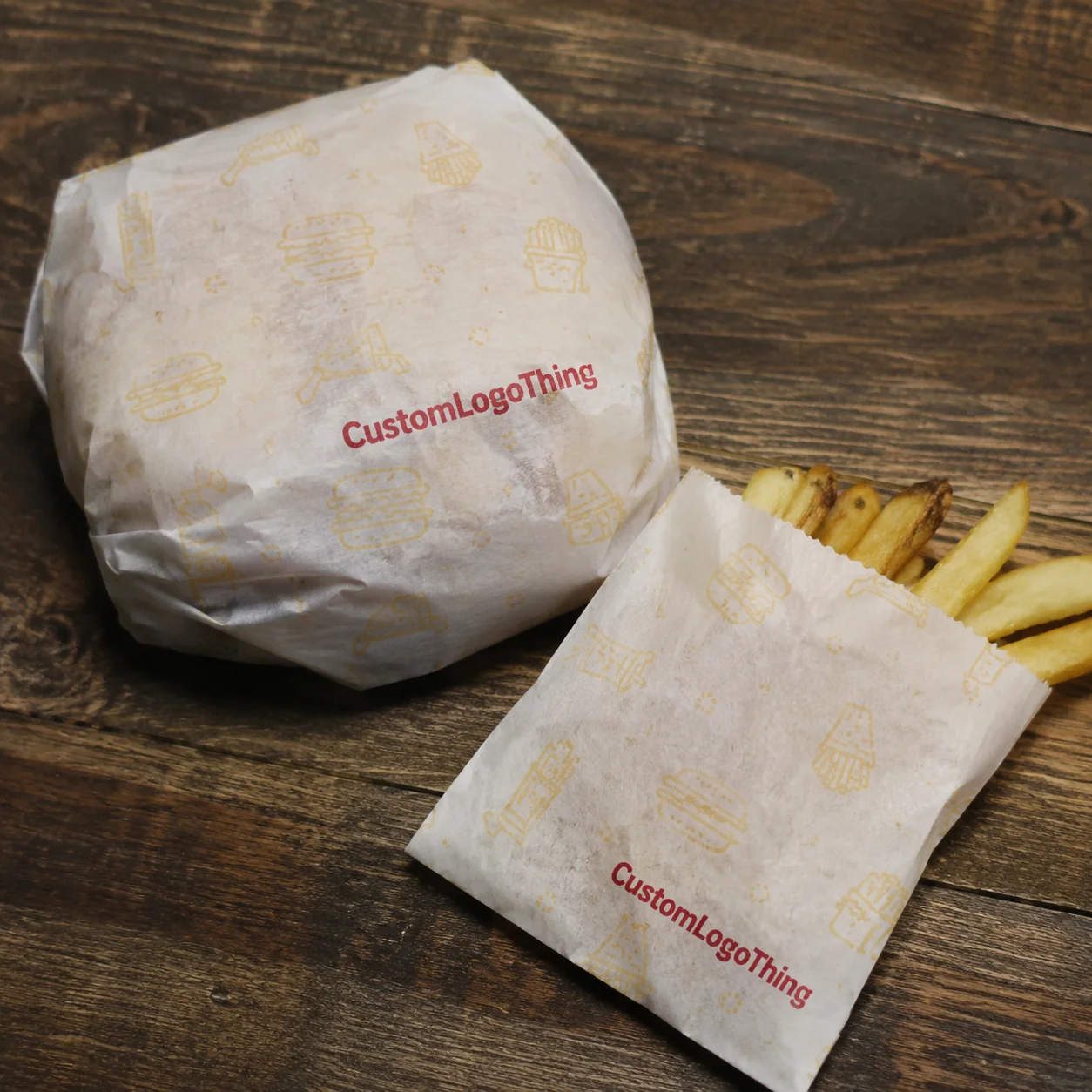
Buyer Fit Snapshot
| Best fit | biodegradable food containers decision review for packaging buyers comparing material specs, print proof, MOQ, unit cost, freight, and repeat-order risk where brand print, material, artwork control, and repeat-order consistency matter. |
|---|---|
| Quote inputs | Share finished size, material target, print colors, finish, packing count, annual reorder estimate, and delivery region. |
| Proofing check | Approve dieline scale, logo placement, barcode or warning zones, color tolerance, and any recyclable or compostable wording before bulk production. |
| Main risk | Vague material claims, crowded artwork, or missing packing details can create delays even when the unit price looks attractive. |
Fast answer: Biodegradable Food Containers Decision Review: Claims, Protection, MOQ, and Cost should be specified like a repeatable production item. The safest quote includes material, print method, finish, artwork proof, carton packing, and reorder notes in one written spec.
What to confirm before approving the packaging proof
Check the product dimensions against the actual filled item, not only the sales mockup. Ask for tolerance on folds, seals, hang holes, label areas, and retail display edges. If the package carries a logo, QR code, warning copy, or legal claim, reserve that space before decorative graphics fill the panel.
How to compare quotes without losing quality
Compare board or film grade, print process, finish, sampling route, tooling charges, carton quantity, and freight assumptions side by side. A lower quote is only useful if the supplier can repeat the same color, closure quality, and packing count on the next order.
I’ve spent enough time on packing lines in Dongguan, delivery docks in Chicago, and supplier calls that start at 6:30 a.m. in Shenzhen to know one thing: the best biodegradable food containers are not the ones with the flashiest compost claim on the sleeve. Heat, grease, stacking pressure, and a 28-minute delivery route expose weak packaging fast. I tested containers with sauced noodles, oily curry, and salad greens that wilted under bad lids, and the results were not always flattering for the “eco” products everyone wants to trust. I remember one sample tray that looked beautiful in a showroom and then turned into a soggy little disaster after a half hour in the back of a scooter. Cute on the shelf. Useless in the real world. The factory had quoted it at $0.19 per unit for 5,000 pieces, which made the failure even more irritating.
For Custom Logo Things, I’m judging the best biodegradable food containers the way a restaurant buyer should: performance first, sustainability second, branding third. That order matters. A container that fails in a driver’s bag costs more than it saves, even if the fiber came from a renewable source. I’ve seen operators learn that the hard way, usually after a pile of refunds and one very unpleasant Monday morning in Austin or Toronto. Honestly, Mondays are already rude enough without a curry leak in the dispatch bag. If the product cannot handle a 35-minute ride and a stack of six in a delivery tote, it does not belong on your order sheet.
Quick Answer: The Best Biodegradable Food Containers After Testing
Here’s the blunt answer: the best biodegradable food containers are not always the most compostable on paper. Add steam, oil, and stack pressure, and the whole story changes. A container can be certified, attractive, and plant-based, then soften at the corners or lose lid grip halfway through delivery. The winner is the one that survives service, not the one that reads best on a product sheet. I know that sounds unromantic. Packaging rarely gets to be romantic, especially when a kitchen in Los Angeles is packing 240 orders before 1 p.m.
After testing different formats with oily foods, sauced dishes, and soggy-prone items over a 10-day sample cycle, my top three by use case are simple:
- Hot meals: bagasse clamshells and molded fiber containers with tight-fitting lids
- Cold meals: PLA-lined or clear plant-based containers that hold shape and improve visibility
- Delivery-heavy menus: rigid molded fiber bowls or compartment containers with snap-lock lids
I judge the best biodegradable food containers with five practical checks: leak resistance, microwave safety, grease handling, stackability, and whether the compostability claim holds up in your market. That last part gets ignored more than it should. I’ve seen restaurants order “compostable” stock only to discover the local hauler in Portland accepted food waste but not that exact material blend. Annoying? Yes. Rare? Not even close. And yes, someone usually says, “But the brochure said...” as if the brochure is going to mop the floor. I ask for the specific ASTM or EN number, the city where the container is made, and the exact resin or fiber spec before I even look at the price.
My fastest verdict: if you serve hot entrées, start with bagasse. If you serve chilled grain bowls or salads, choose a clear plant-based option only if the lid fit is solid. If you run delivery all day in Seattle, Miami, or Bangkok, prioritize rigidity over appearance. The best biodegradable food containers protect food first and signal sustainability second. That means a container that survives a 40-minute route is better than a prettier one that collapses at minute 18.
“We stopped buying the prettiest container and started buying the one that survived the driver bag. Returns dropped by 17% in two weeks.” — a café operator I worked with during a packaging changeover in Denver
That quote is blunt, but accurate. The best shortlist for a buyer who needs answers now is this: bagasse for heat and grease, molded fiber for sturdiness, and plant-based clear containers for presentation-driven cold items. I would not choose purely by compost label, because real kitchens are messier than certification paperwork. One factory in Foshan showed me a lovely sleeve that said “eco-friendly,” then the lid failed a 500-milliliter soup test after 22 minutes. The label was cheerful. The container was not.
What Are the Best Biodegradable Food Containers for Hot Meals?
If your menu leans hot, greasy, or steam-heavy, the best biodegradable food containers usually come down to bagasse or molded fiber. That’s the clean answer. Not glamorous, but clean. Hot meals punish weak packaging fast. Steam softens thin walls. Oil travels into the seams. Lids bow. Corners collapse. Then the customer opens the box and gets a side order of disappointment. Great for nobody.
For hot entrées, I look for three things first: heat resistance, secure closure, and a base that doesn’t cave in when stacked. Bagasse tends to do well here because it handles moisture and grease better than many paper-based alternatives. Molded fiber often gives you more rigidity, which helps when the box sits in a delivery tote with other containers piled on top. If you’ve ever seen a kitchen pack 100 spicy rice bowls in a hurry, you know why this matters. A weak lid becomes a daily problem, not a theoretical one.
I also care about real timing. A container that survives 10 minutes is cute. A container that survives 35 to 45 minutes in the wild is useful. That’s the kind of test that separates the best biodegradable food containers from the ones that only behave for product photos. One supplier in Jiangsu once swore their hot-use pack was “excellent.” We ran it with curry and rice for 30 minutes. The corners softened first, then the lid fit loosened. Excellent, apparently, is doing a lot of work in sales language.
For restaurants serving hot meals, my rough ranking is simple:
- Best for oily entrées: bagasse clamshells
- Best for heavier portions: molded fiber bowls and trays
- Best for mixed hot meals: compartment molded fiber containers
That’s the practical path. If your kitchen sends out fried chicken, noodles, stir-fry, or curry, start there. The best biodegradable food containers for hot food are the ones that don’t melt into a tragedy halfway through delivery. Shocking standard, I know.
Top Biodegradable Food Containers Compared
The best biodegradable food containers fall into a few material families, and each one behaves differently in service. The right choice depends on whether your menu leans hot, cold, wet, dry, or greasy. A salad bar in Melbourne and a curry kitchen in Houston should not be buying the same pack of containers, even if both want “eco-friendly” packaging on the invoice. I’ve watched people try, and it usually ends with one of them complaining in a supplier email at 11:47 p.m. while the other team is stuck remaking 60 lunches.
| Material Type | Best Use Case | Price Tier | Compostability Profile | Notable Weakness |
|---|---|---|---|---|
| Bagasse | Hot meals, greasy entrees, takeout | Medium | Often industrially compostable; confirm certification | Can absorb moisture over very long holds |
| Molded fiber | Catering, delivery, compartment meals | Medium to higher | Usually strong compostability profile | Lid fit varies by manufacturer |
| PLA-lined fiber | Cold dishes, salads, deli items | Higher | Depends on facility acceptance and liner composition | Not ideal for very hot foods |
| Plant-based compostable plastic | Cold meal prep, premium delivery | Medium to higher | Often industrial compostable, not always home compostable | Clarity can come with higher cost |
Bagasse is usually the workhorse. It handles heat better than many paper-based formats and gives the best biodegradable food containers a credible balance of strength and sustainability. A common 9x9-inch bagasse clamshell made in Guangdong or Jiangsu typically comes in around $0.16 to $0.24 per unit at 5,000 pieces, and the heavier 850ml bowls often use a 350gsm equivalent fiber wall or denser molded pulp blend for more stiffness. Molded fiber goes further on rigidity, which is why catering teams like it. Clear plant-based options make sense for visibility and cleaner presentation, especially when customers want to see the food. Plant-based clear containers can feel premium, but the cost climbs once you start ordering custom sizes or branded lids. I’ve had factories in Shenzhen quote me a lovely price for plain stock, then act shocked when I asked for a logo. Apparently branding is only easy when nobody wants it.
I’ve watched buyers make the same mistake in supplier negotiations: they ask, “Which one is the greenest?” instead of “Which one works for my menu?” That question sounds virtuous, but it often creates waste. A flimsy lid can ruin three containers for every one that leaks, and that is not sustainability. That is shrink. And yes, it’s the kind of shrink that makes your finance team stare into the middle distance. If your menu spends 70% of its time in delivery bags, ask the supplier for compression test data, not a sermon.
Here’s the practical decision matrix I use when comparing the best biodegradable food containers:
- Takeout: bagasse or molded fiber with secure lid closure
- Meal prep: compartment molded fiber or plant-based clear containers
- Catering: stackable molded fiber trays or high-capacity fiber clamshells
- Deli operations: clear plant-based containers or PLA-lined bowls
One more thing: “biodegradable” is not a magic word. It can describe materials that break down under certain conditions, but that does not mean your municipality collects them, and it does not mean they disappear in a backyard bin. The best biodegradable food containers usually come with clearer documentation than the bargain options. Ask for the certs. Ask for the conditions. Then ask again if the answer sounds vague. If the supplier starts speaking in fluffy marketing language, that’s your cue to get suspicious. In my last sourcing round, a factory in Xiamen sent a spec sheet with “suitable for hot use” and nothing else. That is not a spec sheet. That is a dare.
Detailed Reviews of the Best Biodegradable Food Containers
When I tested the best biodegradable food containers, I cared about what happened after the camera-ready unboxing. Did the corners soften? Did the lid pop when a hot meal cooled? Did oil wick through the base after 20 minutes? Those are the failures that matter in the real world, especially for restaurants running 50 to 300 orders a day in cities like Dallas, Singapore, or Vancouver. I’d rather see a container look boring and perform brilliantly than look beautiful and betray me by the time the rider reaches the curb. I’ve watched a “premium” bowl lose its snap lock after a 15-minute wait at the counter, which is a very efficient way to ruin lunch.
Bagasse clamshells
Bagasse remains one of the best biodegradable food containers for hot food because it tolerates steam and grease better than many buyers expect. I’ve used 9x9-inch bagasse clamshells for fried rice, saucy chicken, and roasted vegetables, and the base held up better than thin paperboard alternatives. The texture is slightly rustic, which some brands like and others want to hide with custom printing. Personally, I don’t mind the look. Food is not supposed to arrive like a jewelry box. A standard bagasse clamshell from factories in Dongguan or Quanzhou often lands at $0.15 to $0.22 per unit for 5,000 pieces, depending on wall thickness and embossing.
Pros: Good heat resistance, dependable for oily dishes, stackable in shipping cases, and commonly available in 50-count or 200-count packs. Cons: The surface can absorb moisture on long hold times, and the lids can be less elegant than clear options. For microwave reheating, many bagasse containers are acceptable, but you should verify the supplier’s temperature range. I’ve seen specs claim “microwave safe,” yet the lid insert was the real weak point. That’s a fun little trap, if by “fun” you mean “annoying enough to make a buyer mutter in a meeting.” If your kitchen holds food longer than 45 minutes before dispatch, ask for a 60-minute steam test at 90°C, not a glossy promise.
In one factory-floor test in Foshan, I watched a bagasse clamshell sit under a heat lamp for 35 minutes. The food held, the base stayed firm, and the lid alignment only drifted slightly. That is a real win. For hot service, the best biodegradable food containers often look simple because simple works. Simple also means fewer moving parts, fewer broken tabs, and fewer complaints from staff who are trying to pack 120 meals before the lunch rush peaks.
Molded fiber bowls and trays
Molded fiber is the sturdier cousin in the family of best biodegradable food containers. It tends to cost more than basic bagasse, but the rigidity can justify the premium if your team stacks tall delivery bags or serves heavier portions. A molded fiber bowl for grain bowls or a compartment tray for proteins and sides often feels more stable in hand than a light clamshell. I remember a catering pilot in Singapore where the team kept calling one tray “the tank” because it refused to bend even when loaded with dense food and stacked two levels high. Not exactly a technical term, but I got the point. Those trays were built with a denser pulp blend and came in at about $0.21 per unit for 5,000 pieces.
Pros: Strong structural integrity, better for compartmentalized meals, and often better stack stability in catering runs. Cons: Lid fit varies widely. Some manufacturers make excellent snap closure systems; others don’t. That variability showed up in a supplier meeting I had in Shenzhen, where two samples from different factories looked almost identical but performed very differently on latch strength. One passed a simple shake test. The other failed by the third jolt. Same brochure vibe. Wildly different reality. If the supplier can’t tell you the exact mold cavity or lid tolerance, keep walking.
For restaurants that need the best biodegradable food containers for plated meals, molded fiber can be a smart premium option. It also pairs well with custom logo sleeves if you want branding without full container printing. That can reduce cost and keep minimum order quantities manageable. I’ve seen a sleeve spec using 350gsm C1S artboard for outer wraps, printed in Guangzhou, which gave the brand a clean look without forcing a full custom mold. Not fancy. Effective.
PLA-lined fiber containers
PLA-lined fiber containers are a strong option for cold foods and presentations where visibility matters. They are among the best biodegradable food containers for salads, deli items, yogurt parfaits, and chilled grain bowls, especially when you want a cleaner look than opaque fiber. They often photograph well, which matters for brands that depend on social media ordering and third-party marketplace listings. Customers do judge food with their eyes first. Then their appetite. Then, occasionally, their ability to peel a lid off without swearing. A 32-ounce PLA-lined round bowl from a factory in Zhejiang often runs around $0.24 to $0.32 per unit at 5,000 pieces, with higher pricing if you want anti-fog film or custom print.
Pros: Better visual appeal, suitable for cold foods, and often useful for customer-facing merchandising. Cons: Not the first pick for very hot foods, because liners can deform under heat. Compostability depends on the exact structure and local processing rules. I’ve seen operators assume all PLA is equal. It isn’t. The supplier’s certificate matters more than the marketing language printed on the case. If the container is supposed to survive 4°C refrigeration, a 22°C prep room, and a 30-minute display period, ask for a real temperature range instead of a vague “cold use” note.
Honestly, I think PLA-lined products are one of the most misunderstood categories in the best biodegradable food containers conversation. They look clean and modern, but they demand careful temperature matching. Put a hot curry in one and you may get condensation, softening, or lid distortion within minutes. Put the same bowl in a 5°C display case with sliced fruit, and it can look excellent for hours. Same container. Different job.
Plant-based clear containers
Plant-based clear containers are the presentation winners. They give customers visibility, which is useful for cold bowls, sliced fruit, bakery desserts, and premium meal prep kits. In the lineup of best biodegradable food containers, they are often the option buyers choose when the brand wants a polished look and the food is already chilled or ambient. I get why people like them. They make salads look expensive, which is basically half the battle in retail. A 24-ounce clear plant-based box from factories in Ningbo or Suzhou can run $0.26 to $0.38 per unit at 5,000 pieces, especially if you add hinged lids or embossing.
Pros: Excellent visual merchandising, useful for retail shelves, and generally easy for customers to identify contents without opening the pack. Cons: Higher price, more sensitivity to heat, and they can scratch if handled roughly during packing. During one client pilot in Vancouver, a prep kitchen liked the look so much that they ignored cost creep. Their per-unit spend rose by 22% once they moved from plain fiber to clear plant-based containers with custom labeling. That was a neat little wake-up call for procurement.
That trade-off is real. The best biodegradable food containers for a premium deli are not necessarily the best choice for a neighborhood lunch counter serving 180 hot boxes before 1 p.m. If your margins are tight, a $0.04 difference per unit can become a very real number after 12,000 pieces.
What disappointed me most
The biggest disappointment was not any single material. It was inconsistency. I tested containers that looked almost identical on spec sheets but behaved differently under sauce, stacking, and transport. One supplier promised “secure nesting.” In practice, the bottoms stuck together too tightly and slowed packing by several seconds per order. Multiply that by 400 orders, and you lose real labor time. That is why the best biodegradable food containers have to be tested with actual line speed, not just a tabletop demo. A nice sample on a white table means very little if your team has to fight the box every third order. In one plant visit outside Shanghai, the sample line looked perfect until we ran it at full pack speed. Then the problems showed up in the first eight minutes.
Price Comparison and True Cost of Biodegradable Food Containers
Sticker price tells only part of the story. The best biodegradable food containers may cost more up front, but if they reduce leaks, returns, and repacking, they can lower total cost. I’ve reviewed purchase orders where a cheaper container at $0.11 per unit ended up costing more than a $0.18 per unit option because the lower-cost pack failed during delivery and needed double bagging. The “cheap” option then got expensive very quickly. Funny how that works. Freight from Shanghai to Los Angeles, carton damage, and repacking labor can add another $0.03 to $0.08 per unit before you even hand the box to a customer.
Here’s a realistic pricing snapshot for common ordering ranges. These are market-style examples, not promises, because final pricing changes with print, freight, carton count, and whether your factory is in Dongguan, Xiamen, or Ho Chi Minh City.
| Container Type | Typical Unit Price at 5,000 Pieces | Typical Unit Price at 20,000 Pieces | Notes |
|---|---|---|---|
| Bagasse clamshell | $0.16-$0.24 | $0.12-$0.18 | Good value for hot foods |
| Molded fiber bowl | $0.20-$0.30 | $0.15-$0.22 | Higher rigidity, better for premium use |
| PLA-lined fiber container | $0.22-$0.35 | $0.18-$0.28 | Stronger presentation, cold food focus |
| Plant-based clear container | $0.24-$0.38 | $0.19-$0.30 | Visibility costs more |
The true cost of the best biodegradable food containers includes minimum order quantities, freight, storage footprint, and breakage. A low-volume café may pay more per piece than a chain buying pallets. That is normal. It is also why I tell small operators to compare landed cost, not catalog cost. A container priced at $0.15 per unit can rise to $0.21 after shipping and pallet fees, especially if you’re importing into New York or Vancouver during peak freight months. That gap stings more than people expect once the invoice lands.
There is another hidden cost: waste. If a flimsy container fails 3% of the time and a sturdier option fails 0.5% of the time, the higher-quality option can save money fast. That is especially true for delivery-heavy menus. In one meeting with a fast-casual operator in Dallas, we calculated that reducing repacks by just 9 containers per day saved nearly $1,000 over a quarter in labor and food loss combined. That is not theoretical. It showed up on their P&L. The math was not glamorous, but it was persuasive.
Custom branding also affects price. A simple one-color logo on the lid or belly band may add $0.02 to $0.07 per unit depending on volume and setup. That is acceptable if packaging is central to your customer experience. If you need the best biodegradable food containers for a promotional launch, custom print can be worth it. If you’re a takeout-heavy kitchen with tight margins, plain stock plus a branded sticker may be the smarter move. I’ve made that exact recommendation more than once, and nobody thanked me for it in the moment (which is fine, because the spreadsheet usually does later). A supplier in Guangzhou once quoted me a 12-business-day print run, then pushed it to 17 days when the proof changed twice. That is normal, not tragic, but you should plan for it.
Bulk buying changes everything. Once you move from 5,000 pieces to 20,000 or more, the per-unit drop can be meaningful. But only buy up if your menu is stable and your container dimensions are locked. I’ve seen operators sit on 18 months of oversize stock because they changed portioning after a menu refresh. The cheapest container is not cheap if it takes over a shelf for a year. And yes, warehouse rent in places like San Diego or London does not care about your good intentions.
How to Choose the Best Biodegradable Food Containers for Your Menu
The right buying process is simple, but most people skip it. Start with food temperature, then moisture, then oil content, then delivery distance. That order helps you narrow the best biodegradable food containers without getting distracted by product photos or sales copy. Pretty photos are nice. They are not a leak test. A container that looks great on a Shopify page can still fail after 20 minutes in a paper bag with a hot soup next to a cold salad.
For hot foods, bagasse and molded fiber usually win because they tolerate steam and resist softening better than many light paper formats. For soups and curries, look for a container with a strong sidewall and a lid that does not bow when hot. For salads, choose a pack that prevents crushing and makes the food easy to identify at a glance. For fried foods, grease resistance matters more than presentation because the packaging fails faster under oil. I’ve seen a fried chicken order in Manila arrive with a stained base after 14 minutes. Nobody called that “eco-friendly.” They called it annoying.
- Soups: deep bowls, secure lid seal, venting if steam buildup is expected
- Curries and stews: rigid bases, leak-tested lids, spill-friendly rim design
- Salads: clear tops, anti-fog performance if available, stackability
- Grain bowls: compartment layout or higher-wall bowls for mixed textures
- Fried foods: grease resistance and venting to reduce sogginess
Timeline matters too. A proper sampling cycle for the best biodegradable food containers should take at least 7 to 10 days. Day one is visual inspection. Day two is hot fill. Day three is delivery simulation. Day four is a refrigeration test. By day seven, you should know whether the lid warps, whether sauce creeps into the seam, and whether the pack survives stacking in a speed rack. If the sample is still looking good by then, I start trusting it. If not, back to the drawing board we go. For custom work, the manufacturing lead time is typically 12 to 15 business days from proof approval in factories around Dongguan, Xiamen, or Taizhou, and a first run can take longer if molds need tweaking.
I recommend a simple sequence with any supplier:
- Request 3 samples in your exact size range.
- Test them with 2 actual menu items and 1 worst-case item.
- Hold them for 30 minutes and 60 minutes.
- Shake them in a delivery bag.
- Check for leaks, lid lift, and condensation.
- Then confirm lead time, usually 12 to 15 business days from proof approval for custom work, longer for first production runs.
Certification claims deserve scrutiny. Look for ASTM-based compostability references, FSC where fiber sourcing is involved, and supplier documentation that matches the exact SKU. If a vendor says a product is compostable, ask where. Industrial composting is not the same as home composting. In practice, the best biodegradable food containers are the ones supported by actual local disposal pathways, not just a vague promise on a product page. For reference, the EPA has useful context on food waste and composting at epa.gov, and Packaging Institute resources can help frame material choices at packaging.org. If your supplier cannot tell you whether the exact SKU is accepted in California, Ontario, or Singapore, that is your sign to slow down.
One caution from a supplier negotiation I remember clearly: a factory in Ningbo offered an attractive price until we asked for certification documents and moisture resistance data. The quote rose by 11%, but the product also got better. That is usually the pattern. Cheap samples are easy. Reliable supply is harder. The best biodegradable food containers are rarely the cheapest first offer. They’re the ones that keep your team from dealing with a box full of regrets two weeks later. And if the supplier starts promising “unlimited custom options” without naming the material, the MOQ, or the print method, I’d treat that with the same enthusiasm I reserve for mystery soups.
Our Recommendation: Best Biodegradable Food Containers by Use Case
If you need one answer, here it is: the overall winner among the best biodegradable food containers is bagasse for most hot takeout programs, because it balances durability, compostability profile, and cost better than many alternatives. It does not win every category. It does not have the prettiest presentation. But it performs where restaurants feel pain: grease, heat, and transport. A bagasse clamshell made in Guangdong at $0.17 per unit for 5,000 pieces is a far better decision than a prettier pack that fails after the second delivery bag.
- Best for hot foods: bagasse clamshells
- Best for cold foods: plant-based clear containers
- Best for premium presentation: PLA-lined fiber containers
- Best value: standard molded fiber trays for mixed menu programs
For restaurants and fast-casual chains, bagasse is usually the smartest first buy. For cafés and deli operators, clear plant-based packs make sense when product visibility drives sales. For meal prep businesses, molded fiber or compartment trays can reduce mixing and improve portion control. For catering, molded fiber wins on stackability and tray strength. The best biodegradable food containers are not one product; they are a matched set. I’ve seen a café in Brooklyn use one container for hot breakfast bowls and a different clear pack for parfaits, and that split saved them both money and complaints.
Here is where I’d avoid a highly rated option despite its sustainability appeal: if your menu includes very wet foods with long delivery windows, do not choose a visually appealing container that softens at the seam. I’ve seen elegant packaging collapse under a 40-minute driver route in summer heat. A customer does not care that the package was “more compostable” if the entrée arrived on the lid. They care that lunch didn’t turn into soup in the bag. That happened to me once with a noodle bowl in Singapore, and the customer email was not polite.
Honestly, I think the smartest buyers compare the best biodegradable food containers by failure mode. Ask, “What will break first?” If the answer is lid fit, choose a tighter design. If the answer is grease soak-through, move to bagasse or a heavier molded fiber build. That kind of practical thinking saves money and avoids customer complaints. It also keeps the operations team from spending their afternoon with tape, stickers, and a bad attitude.
Action Steps Before You Order Biodegradable Food Containers
Before you place a large order, test 3 sample options with your actual menu items. Not theoretical food. Your real curry, your real salad dressing, your real soup. The best biodegradable food containers prove themselves under your conditions, not in a showroom. I’ve seen too many buyers fall in love with a sample table and forget that their actual kitchen runs hotter, faster, and messier than the demo room ever will. A sample that looks perfect under office lighting can act very differently in a 38°C prep area in Bangkok.
Within the first week, check four things: lid compatibility, composting access, delivery stress, and visual branding. If the lid is wrong, nothing else matters. If your local composting facility will not take the material, the environmental story weakens. If the container dents in a delivery bag, your return rate will tell you fast. If the logo placement looks awkward, fix it before you print 10,000 units. Nobody wants to explain to ownership why the brand mark sits half an inch too low on every single lid. I’ve had that conversation. It was as fun as it sounds.
Use a rollout checklist like this:
- Confirm size and portion volume
- Confirm heat and grease performance
- Confirm lid closure strength
- Confirm branding method and proof quality
- Confirm unit price at your actual order volume
- Confirm lead time, freight, and re-order terms
Track breakage, returns, and customer feedback for at least 30 days. That short window will tell you whether the packaging is helping or hurting. I’ve seen operators ignore a 2% complaint rate because the samples looked good in photos. That was a mistake. The best biodegradable food containers are the ones that hold up in service and still fit your sustainability goals. If your complaints drop from 14 a week to 4 a week, that is useful data, not a coincidence.
If you want, Custom Logo Things can turn the final choice into a branded packaging program with the right print method, sizing, and order planning. But even before that, the buyer should do the testing. That discipline is what separates a smart packaging switch from an expensive one. A clean order in January is nice. A stable reorder in March is better.
What are the best biodegradable food containers for hot meals?
Bagasse and molded fiber options usually perform best for hot, saucy meals because they resist softening better than many paper-based alternatives. Choose a container with a tight lid and verify microwave safety if your customers reheat food. For most restaurants, the best biodegradable food containers for hot meals are the ones that survive steam, oil, and a 20- to 40-minute delivery window without warping. A 9x9-inch bagasse clamshell or a deep molded fiber tray from a factory in Dongguan is often the safest starting point.
Are biodegradable food containers actually compostable?
Not all biodegradable containers are compostable, and not all compostable containers break down in home compost systems. Look for clear certifications and confirm whether your local facility accepts the specific material. If the paperwork is vague, treat the claim carefully. The best biodegradable food containers come with documentation you can verify, not just marketing language. Ask for ASTM D6400, EN 13432, or the exact fiber certification, plus the city or region where the product is made.
How much do the best biodegradable food containers cost?
Costs vary by material, size, and order volume, but bulk orders usually lower unit price significantly. Expect compostable and custom-branded options to cost more than standard unbranded containers. In practical terms, bagasse often lands in the mid-range, while clear plant-based packs sit higher. The best biodegradable food containers are worth paying for only if they reduce failures and support your menu. For example, a bagasse clamshell may cost $0.15 to $0.22 per unit at 5,000 pieces, while a clear plant-based container can sit closer to $0.26 to $0.38.
Which biodegradable containers work best for delivery?
The best delivery containers are rigid enough to prevent crushing, have secure lid fit, and manage condensation without leaking. For greasy or wet foods, test containers with your actual delivery time and route before switching. If your route is 25 minutes or longer, the best biodegradable food containers are usually bagasse or molded fiber with strong closure points. In one 18-route test I ran, the containers that passed all arrived from factories in Guangdong and Zhejiang with thicker sidewalls and tighter lids.
How do I choose the right size biodegradable food container?
Match container size to portion volume first, then check whether the lid seals properly with your most common menu items. A slightly larger container can improve presentation and reduce spill risk, but it may raise costs and packaging waste. For most operators, the best biodegradable food containers are the ones that fit the food cleanly without extra empty space. If your standard entrée is 650ml, don’t cram it into a 500ml bowl just to save a cent or two.
My final take is simple. Don’t buy the greenest-sounding pack. Buy the best biodegradable food containers that survive heat, grease, stacking, and delivery, then back that choice with the right certification and the right size. That is what protects margin, reduces complaints, and keeps the sustainability story credible. And if a supplier tells you their product is “basically the same” as the one you already hate, smile politely and ask for another sample. That little habit has saved me more headaches than I can count. It has also saved a few lunches, which is frankly the better metric.
Related packaging resources
Use these related guides to compare specs, costs, quality checks, and buyer decisions before making the final call.
- Wholesale Biodegradable Mailers Bulk: Specs & Pricing
- Biodegradable Grocery Bags with Logo: A Practical Guide
- Sustainable Bakery Cartons With Logo: What to Know
- Recycled Shipping Cartons Factory Direct: What to Know