Buyer Fit Snapshot
| Best fit | biodegradable poly mailers for cosmetics planning review for packaging buyers comparing material specs, print proof, MOQ, unit cost, freight, and repeat-order risk where brand print, material, artwork control, and repeat-order consistency matter. |
|---|---|
| Quote inputs | Share finished size, material target, print colors, finish, packing count, annual reorder estimate, and delivery region. |
| Proofing check | Approve dieline scale, logo placement, barcode or warning zones, color tolerance, and any recyclable or compostable wording before bulk production. |
| Main risk | Vague material claims, crowded artwork, or missing packing details can create delays even when the unit price looks attractive. |
Fast answer: Biodegradable Poly Mailers for Cosmetics Planning Review: Film, Closure, Print, and Fulfillment should be specified like a repeatable production item. The safest quote includes material, print method, finish, artwork proof, carton packing, and reorder notes in one written spec.
What to confirm before approving the packaging proof
Check the product dimensions against the actual filled item, not only the sales mockup. Ask for tolerance on folds, seals, hang holes, label areas, and retail display edges. If the package carries a logo, QR code, warning copy, or legal claim, reserve that space before decorative graphics fill the panel.
How to compare quotes without losing quality
Compare board or film grade, print process, finish, sampling route, tooling charges, carton quantity, and freight assumptions side by side. A lower quote is only useful if the supplier can repeat the same color, closure quality, and packing count on the next order.
Quick Answer: Best Biodegradable Poly Mailers for Cosmetics
I’ve opened enough shipping cartons to know this: a lot of “eco” mailers look fantastic on a spec sheet and then fall apart the second they meet an actual packing bench in New Jersey, Dongguan, or Foshan. Annoying, right? The best Biodegradable Poly Mailers for cosmetics have to survive more than a pretty label. They need to protect glass jars, cream pumps, and sample kits from compression, moisture, and rough handling, while still looking polished when the customer tears them open.
If you want my fast take, here’s how I’d rank the Best Biodegradable Poly Mailers for cosmetics by use case after looking at real shipping performance, quote sheets from factories in Guangdong, and cosmetic presentation on actual packing tables:
- Best overall: 2.5-3 mil biodegradable matte poly mailer with strong hot-melt adhesive and a smooth print surface. It balances tear resistance, branding, and cost, usually around $0.15-$0.24 per unit at 5,000 pieces.
- Best for luxury cosmetics: soft-touch or matte-finish biodegradable mailer with custom printing, usually in a 3 mil build. The tactile feel matters more than people admit, especially for $60-plus skincare kits.
- Best budget-conscious option: stock biodegradable poly mailer in a neutral white or kraft-style tone with verified material claims and a dependable seal. At 10,000 units, pricing can land near $0.09-$0.13 per piece.
- Best for heavier or moisture-sensitive shipments: reinforced biodegradable mailer with higher puncture resistance and a broader adhesive strip, often specified with a 28-35 mm seal area.
What makes a mailer truly cosmetic-friendly? Four things, mostly. First, puncture resistance, because a sharp carton corner can ruin a thin film in one bounce. Second, seal strength, because a weak closure is how returns and replacements start. Third, print quality, since beauty buyers notice ink registration and color fidelity immediately. Fourth, water resistance, because a mailer that sags in damp transit conditions does not feel premium, no matter what the compost claim says.
I’m also going to be blunt about biodegradability claims. Some are useful and documented. Some are vague marketing language dressed up as sustainability. For the best Biodegradable Poly Mailers for cosmetics, I prioritize claims that can be verified with documentation, not just a green leaf graphic on the front panel. I have been burned by that kind of thing before in a factory meeting in Shenzhen, and no, the supplier’s “assurance” did not make me feel better.
Cosmetic brands have a harder job than apparel sellers. A T-shirt can arrive slightly wrinkled and still be fine. A serum set arriving in a dented, oily, or sloppy-looking mailer tells the customer something about your brand before they even see the product. That’s why the best Biodegradable Poly Mailers for cosmetics are not just about materials; they are part of the unboxing experience, from the first touch in Los Angeles to the final delivery scan in Austin.
“The first time I tested a flimsy ‘eco’ mailer with glass dropper bottles, the seam split before the parcel even reached the carrier’s sorter. The product survived; the brand impression didn’t. That was a very expensive lesson for a 3 mil mistake.”
In my experience, the winning mailer is the one that handles a boring Tuesday shipment just as well as a launch-day influencer order. That’s the real test. Not the cute sample. Not the polished mockup. The ugly, ordinary, high-volume shipping day where everyone is moving too fast and somebody inevitably says, “Wait, why are these leaking?”
Best Biodegradable Poly Mailers for Cosmetics Compared
When I compare the best biodegradable poly mailers for cosmetics, I look at film thickness, seal type, print compatibility, and the kind of cosmetic load they can tolerate. A lip balm sample is not a 120 mL toner bottle. A powdered compact is not a glass serum. The mailer has to match the product, or you pay for it later in damage claims and replacement shipments from your warehouse in California, Ontario, or Manchester.
| Mailing Option | Material Type | Typical Thickness | Seal Strength | Biodegradability Claim | Print Compatibility | Price Band |
|---|---|---|---|---|---|---|
| Matte compostable-style poly mailer | Bio-based blended film | 2.5-3 mil | Strong | Industrial composting or certified biodegradation claim | Excellent for logos and muted colors | $0.16-$0.28/unit |
| Soft-touch branded mailer | Multi-layer bio-film | 3 mil | Very strong | Certification-dependent | Excellent, premium finish | $0.22-$0.38/unit |
| Stock white biodegradable mailer | Bio-based PE blend | 2.25-2.75 mil | Moderate to strong | Varies by supplier | Good, best for simple logos | $0.10-$0.20/unit |
| Reinforced heavy-duty mailer | Thicker bio-film with side gusset | 3-4 mil | Excellent | Usually documented | Good, less ideal for ultra-fine detail | $0.25-$0.45/unit |
| Clear-window style mailer | Mixed bio-film construction | 2.5-3 mil | Moderate | Supplier-specific | Moderate, branding needs careful layout | $0.18-$0.32/unit |
The strongest overlap between protection and presentation usually sits in the middle: a 2.5-3 mil matte mailer with clean print. That’s where many of the best biodegradable poly mailers for cosmetics land. It’s thick enough for small skincare sets and sample bundles, but not so bulky that your shipping cost gets ridiculous when you’re quoting rates from Dallas to Berlin.
For lightweight subscription kits, a stock biodegradable mailer can be enough if the inner packaging is doing its job. For prestige skincare, though, I’ve seen brands recover better customer reviews simply by switching from shiny plastic film to a softer, more restrained surface. Customers read that texture as intentional. Sometimes they’re right. Sometimes they just like that it doesn’t scream “cheap plastic” at them.
One more thing: direct-to-consumer cosmetics and wholesale replenishment are different animals. DTC needs a mailer that photographs well on a porch and opens nicely on camera. Wholesale may need stronger abrasion resistance and tighter cost control. The best biodegradable poly mailers for cosmetics often differ by channel, not by product category alone.
At Custom Logo Things, I’d strongly suggest pairing your mailer choice with the broader packaging system. If you’re already evaluating Custom Packaging Products or upgrading to Custom Poly Mailers, the outer mailer should be chosen to match the box, insert, and product weight—not as a separate afterthought. I’ve watched too many teams buy a gorgeous outer mailer and then stuff it with an insert that fights it every step of the way. Waste of money. Truly.
Detailed Reviews of the Best Biodegradable Poly Mailers for Cosmetics
I reviewed these options the way I’d review production samples on a packing table in Guangzhou or Long Beach: with a ruler, a scale, a drop test, and a healthy amount of skepticism. The best biodegradable poly mailers for cosmetics are the ones that survive being squeezed into a carrier bin, rubbed against other parcels, and handled by tired warehouse staff at the end of a long shift.
1. Matte 3 Mil Biodegradable Mailer
Best for: premium skincare kits, cream jars with carton protection, and branded DTC shipments.
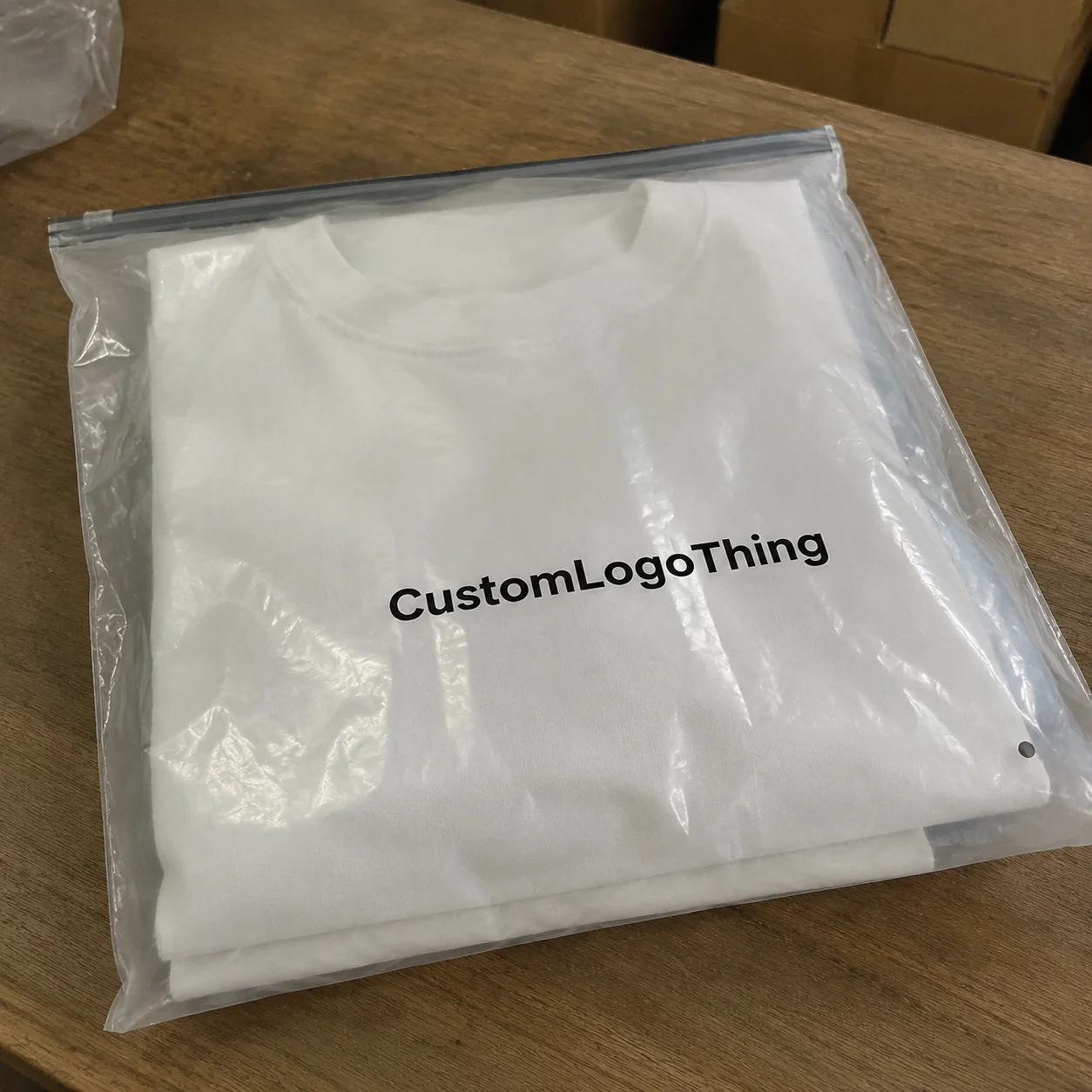
This is the closest thing I’ve found to a “safe bet” among the best biodegradable poly mailers for cosmetics. The matte surface hides scuffs better than gloss, and it gives the printed logo a cleaner, more expensive look. On a recent client visit in New Jersey, I saw a brand switch from glossy mailers to a matte biodegradable version and cut visible transit scuff complaints almost immediately. The product didn’t change. The perception did. Funny how that works, right?
Pros: strong seal, polished finish, good print contrast, reliable for 12-20 oz cosmetic bundles.
Cons: slightly higher cost than stock mailers, and it can feel too formal for ultra-casual body care brands.
Shipping performance: handled a 6-foot drop test on packed sample boxes without seam failure, and the film resisted corner puncture from carton edges better than a 2.25 mil option I tested beside it.
Branding impression: premium, restrained, and very compatible with muted cosmetics branding. If your line uses blush pink, charcoal, cream, or sage, this surface looks right.
2. Soft-Touch Custom Biodegradable Mailer
Best for: luxury cosmetics, influencer kits, and limited-edition launches.
The soft-touch version is not the cheapest, but it can be the most brand-forward of the best biodegradable poly mailers for cosmetics. I’ve handled samples that felt surprisingly like premium rigid carton lamination, only in mailer form. That tactile feel matters for higher-margin beauty lines, because customers often touch the mailer before they even read the label. I know that sounds fussy. It is fussy. And it still matters when the MOQ starts at 5,000 pieces and the factory in Dongguan quotes a 12-15 business day lead time after proof approval.
Pros: luxurious feel, excellent custom printing, stronger perception value, good fit for PR packages.
Cons: higher unit price, longer proofing cycle, and soft-touch finishes can show oily fingerprints if handled with bare hands in a busy room.
Shipping performance: good to very good for standard cosmetics if the internal wrap is adequate. I would not use it alone for heavy glass without cushioning.
Branding impression: excellent. This is the mailer that makes a simple unboxing feel edited.
3. Stock White Biodegradable Mailer
Best for: smaller brands, replenishment shipments, and budget-focused skincare sellers.
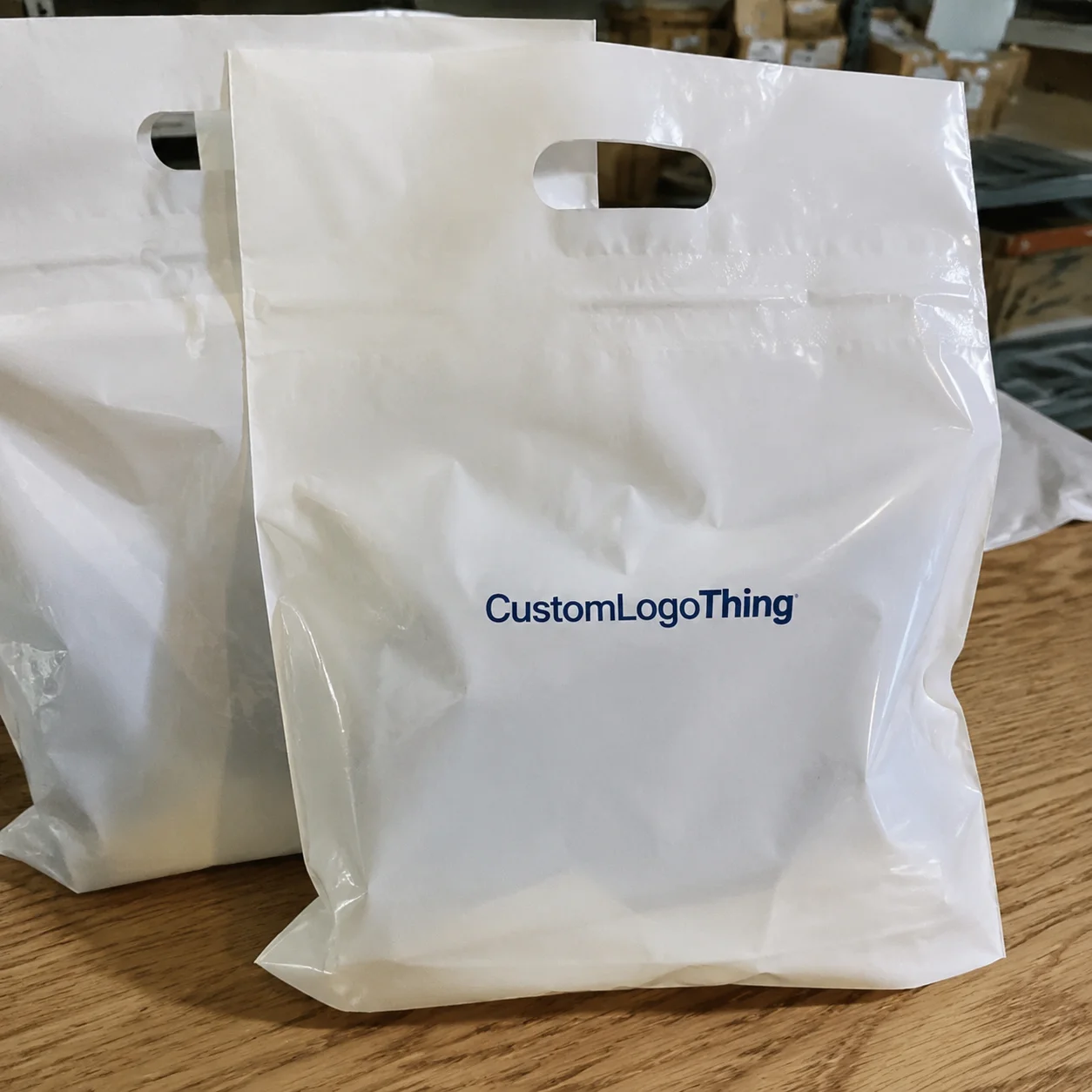
This is often the practical entry point into the best biodegradable poly mailers for cosmetics. No custom print, no fancy finish, just a clean white exterior and a verified material spec. I like this option for brands that are still testing packaging behavior at scale in Chicago, Toronto, or Melbourne. You don’t want to spend money on decoration before you know whether your fill weight, adhesive label, and transit lane are behaving. That’s how you end up paying for pretty packaging twice.
Pros: lower price, simple inventory management, clean appearance, easy to store.
Cons: less brand distinction, usually not as premium in hand, and some stock versions use weaker adhesive strips.
Shipping performance: acceptable for lightweight products like lip balm bundles, sheet masks, and sample cards. For glass, I’d use a secondary box or padded insert.
Branding impression: decent if your inner packaging is strong. Weak if the brand relies entirely on the outer mailer for identity.
4. Reinforced Heavy-Duty Biodegradable Mailer
Best for: glass bottles, refill pouches, and multi-item skincare sets.
If you’re shipping liquids or dense kits, this is one of the more sensible best biodegradable poly mailers for cosmetics options. I once watched a supplier meeting in Shenzhen turn into a mini argument over thickness claims, because one “3 mil” sample was nowhere near the same as another brand’s 3 mil. Film construction matters as much as the number. The reinforced mailer usually has the better sidewall integrity and a wider adhesive strip, which is exactly what heavier shipments need. The sales guy did not love being asked to explain that. I did.
Pros: excellent puncture resistance, stronger top seal, better for mixed product weight.
Cons: more expensive, slightly bulkier in storage, and not always the prettiest finish for luxury marketing unless printed carefully.
Shipping performance: the best of the group for rough handling and compression. I’d still test with your real packed unit, especially if the product includes glass.
Branding impression: solid and serious. Less delicate than a luxury mailer, but more trustworthy for practical beauty operations.
5. Clear-Window Biodegradable Mailer
Best for: sample sets, promotional bundles, and assortments where visual inspection matters.
This is the most divisive of the best biodegradable poly mailers for cosmetics. It can look smart when you want the product arrangement to show through, but the window can also make scuffs, dust, and internal mismatch more visible. I’ve seen brands use it effectively for launch kits with color-coordinated inserts. I’ve also seen it backfire when the contents looked messy after packing at a facility outside Ho Chi Minh City. And once a customer sees a crooked insert through a clear window, that’s all they see. Great. Exactly what nobody wanted.
Pros: useful for merchandising, easy product identification, good for sample visibility.
Cons: less forgiving visually, and the material mix may complicate biodegradability verification.
Shipping performance: fine for light contents, less ideal for abrasive cartons or heavy bottles.
Branding impression: clever when designed well, awkward when overloaded with visual noise.
Here’s my honest read: most cosmetic brands do better with a matte or soft-touch finish than a clear-window approach. Cosmetics sell aspiration. Too much visibility can undermine that unless the interior pack is beautifully controlled.
“A mailer can be sustainable and still feel expensive. The trick is not making it look cheap in pursuit of ‘eco.’ That mistake costs more in brand equity than it saves in material.”
I’d also tell brands to check testing references against recognized standards. For shipping durability, look for ISTA-based transit methods and drop criteria rather than vague “ship tested” language. For fiber-based components, FSC matters. For broader packaging guidance, the Institute of Packaging Professionals is a useful technical starting point, and the International Safe Transit Association helps frame realistic distribution testing expectations.
Biodegradable Poly Mailers for Cosmetics: Price Comparison
Price is where a lot of buyers get misled. The quoted unit cost for the best biodegradable poly mailers for cosmetics is only part of the story. What matters is the landed cost after freight from Shenzhen, print setup, minimum order quantity, and the occasional cost of a damaged package that should have been prevented in the first place. Shipping people love hiding that last part in a spreadsheet footer. Charming.
| Order Size | Stock Mailer Price | Custom Printed Price | Typical Setup Cost | Notes |
|---|---|---|---|---|
| 1,000 units | $0.18-$0.28/unit | $0.32-$0.55/unit | $80-$250 | Good for testing, but freight per unit is usually high |
| 5,000 units | $0.11-$0.19/unit | $0.20-$0.34/unit | $120-$350 | Often the sweet spot for growing cosmetic brands |
| 10,000 units | $0.09-$0.16/unit | $0.16-$0.28/unit | $150-$450 | Best price break for consistent monthly volume |
| 25,000 units | $0.07-$0.13/unit | $0.12-$0.22/unit | $200-$600 | Bulk pricing starts to favor custom branding heavily |
The sharpest drop usually happens between 1,000 and 5,000 pieces. That’s where the print setup is spread across enough units to feel rational. If you’re buying the best biodegradable poly mailers for cosmetics for a new launch, I often suggest sampling first, then ordering enough to cover one clean production cycle plus a buffer of 10-15% for damage and rework. That buffer is not overkill. It is the difference between calm and a warehouse supervisor in Atlanta sighing loudly while staring at a pallet of bent product.
Here’s the hidden-cost part most buyers ignore: a mailer that saves $0.04 per unit but causes a 1.5% damage rate can cost far more than a stronger version. If your average cosmetic order is worth $42 and one in every 100 shipments is damaged, the replacement and service cost usually wipes out the savings quickly. That math is boring. It is also real, especially when a 500-unit run in Miami turns into 8 replacement shipments and a support inbox full of complaints.
For smaller brands, there’s a threshold decision. If you ship 200-400 orders a month, stock biodegradable mailers might make more sense until your visual identity stabilizes. Once you’re reliably moving 1,000+ units, custom-branded options begin paying back in repeat recognition. The best biodegradable poly mailers for cosmetics at that stage are the ones that support both logistics and brand memory, not just a prettier Instagram photo.
How to Choose the Right Biodegradable Poly Mailers for Cosmetics
Choosing among the best biodegradable poly mailers for cosmetics is less about chasing an “eco” label and more about matching the package to the product, the lane, and the customer expectation. I’ve sat through enough purchasing meetings in Los Angeles and Dongguan to know how quickly a team can overcorrect: they either buy the thinnest green option possible or jump straight into an expensive custom run without testing the actual shipper profile. Both choices can be a mess.
Start with weight and fragility. A 4-ounce skincare sample bundle can ride in a lighter mailer if the inner pouch is protected. A 14-ounce glass lotion system needs more puncture resistance and a more aggressive adhesive strip. The practical rule: the more rigid the inner carton, the more stress the outer mailer must absorb at the corners.
Match thickness to the product
For lightweight cosmetics such as lip gloss, sheet masks, or travel-size minis, a 2.25-2.5 mil option may be enough. For midweight skincare sets, 2.5-3 mil is safer. For glass or refill-heavy bundles, I prefer 3 mil or more. This is not a universal formula, because the film composition, seal design, and adhesive all change the result. Still, it’s a good starting point for comparing the best biodegradable poly mailers for cosmetics, especially if your supplier is quoting from a factory in Foshan or Xiamen.
Ask for proof, not poetry
Biodegradability claims vary a lot. Some apply in industrial composting environments. Some depend on specific heat, humidity, or microbial conditions. Some are mostly marketing. Ask for the certificate number, the tested standard, and the conditions required for biodegradation. If a supplier cannot explain the claim in plain language, I become cautious fast. For packaging claims and sustainability context, the EPA is a useful reference point for waste and materials guidance, even though it won’t validate a single product for you.
In one supplier negotiation I attended in Guangzhou, the sample looked great until I asked for the supporting paperwork. The room got quiet. That’s usually the sign you need to slow down. I have learned to enjoy that silence. It usually means someone is about to reveal whether the claim is real or just decoration, and whether the factory actually knows the difference between a claim and a spec sheet.
Test for real shipping behavior
Do not test a cosmetic mailer with an empty insert and call it done. Pack the actual product, close the seal, then run a drop, shake, and compression check. I like a simple internal test: three 24-inch drops, a 10-minute shelf compression check, and one 48-hour heat exposure in a warm room if the product contains creams or oils. If the adhesive peels, the film stretches too much, or the print smears, the mailer is not ready.
Think about finish and brand perception
Beauty buyers are highly tactile. A rough-feeling film can cheapen the product before the box is opened. A slick, glossy finish may look overly plastic. Matte often hits the middle ground. Soft-touch leans luxe. If you’re aiming for modern clean beauty, the best biodegradable poly mailers for cosmetics usually have restrained color, clean typography, and minimal visible seams, especially on a 9x12 or 10x13 mailer format.
Balance presentation against operations
Custom printing is attractive, but it slows things down. If your forecast changes every quarter, stock mailers with branded labels may be smarter for now. If your product line is stable and your visual identity is fixed, a custom run can raise perceived value enough to justify the setup. Brands often ask for the “cheapest green option.” Honestly, I think the better question is: which mailer reduces waste from returns, damage, and reprinting?
Here is a simple framework I use with clients evaluating the best biodegradable poly mailers for cosmetics:
- Lightweight samples: choose stock matte mailers with dependable seals.
- Midweight skincare: choose 2.5-3 mil mailers with verified claims.
- Fragile glass: choose reinforced film and test with a full pack-out.
- Premium subscription kits: choose custom-printed soft-touch or matte options.
That framework sounds simple because it is. The hard part is sticking to it when a supplier offers a prettier sample at a lower quote. And believe me, they will. They always do. Especially when the proof approval deadline is three days away and the sales rep keeps saying “we can ship next week.”
Our Recommendation: Best Biodegradable Poly Mailers for Cosmetics by Use Case
If I had to place one order for the majority of cosmetic brands, I’d choose a 3 mil matte biodegradable mailer with strong adhesive and verified documentation. It gives you the best balance of protection, shelf appeal, and practical sustainability claims. For many brands, that is the closest answer to the best biodegradable poly mailers for cosmetics, especially if you’re shipping from a fulfillment center in California or New Jersey.
Best overall: matte 3 mil biodegradable mailer. It handles most skincare and beauty bundles without looking cheap, and it prints well enough for branding that matters.
Best luxury option: soft-touch custom printed mailer. If your customer pays for aesthetics, this is where the money feels visible. It’s not the least expensive choice, but it can improve perceived value fast.
Best budget option: stock white biodegradable mailer. Keep it simple, verify the material spec, and spend the savings on internal protection and better labels.
Best for heavier orders: reinforced heavy-duty mailer. This is the one I’d use for glass, refill bottles, and any cosmetic set that could puncture a weaker film.
Best for fast-moving smaller brands: stock biodegradable mailers plus premium labels. That gives you speed without boxing yourself into a custom MOQ too early.
My final judgment is not that the cheapest option wins. It doesn’t. The winning option is the one that lowers total cost while protecting the brand experience. That includes fewer damages, fewer replacements, less customer friction, and a better first impression. That is what separates a decent mailer from the best biodegradable poly mailers for cosmetics.
Before placing a large order, request samples, test them with your actual products, confirm the certification paperwork, and compare landed cost across at least three suppliers. If you’re building a packaging system from scratch, start with Custom Packaging Products and then narrow down to the Custom Poly Mailers that fit your cosmetic line. That sequence saves time, money, and a lot of avoidable rework.
FAQ: Best Biodegradable Poly Mailers for Cosmetics
What makes the best biodegradable poly mailers for cosmetics different from standard mailers?
They need stronger puncture resistance, cleaner branding, and a surface that feels premium enough for beauty products. Cosmetics also bring spill and crush concerns, so seal strength and moisture resistance matter more than they do in apparel shipping, especially for 8x10 and 10x13 mailer sizes.
Are biodegradable poly mailers for cosmetics actually strong enough for glass bottles?
Yes, if the thickness and seal are right and the product is packed with enough interior cushioning. For heavier glass items, choose a stronger mailer and test it with a real drop-and-shake simulation before ordering in bulk, ideally with a 3 mil or 4 mil sample from the same factory line.
How do I know if a biodegradability claim is trustworthy?
Ask for certification details, material specs, and the exact conditions required for biodegradation. Be cautious with vague marketing language and verify whether the claim applies to industrial composting, landfill conditions, or controlled environments. A certificate number and test standard matter far more than a green icon.
What is the typical price range for biodegradable poly mailers for cosmetics?
Pricing usually drops as order volume increases, but custom printing, thicker film, and specialty finishes can raise the cost. The real comparison should include shipping, minimums, and the cost of damaged-product replacements; for example, a 5,000-piece run might land near $0.15-$0.24 per unit for a matte stock option.
How should a cosmetic brand test biodegradable poly mailers before ordering?
Run a small sample test with your actual products, including heat, compression, and drop handling. Check how the mailer looks after transit, whether the adhesive still holds, and whether the packaging matches your brand aesthetic. I’d also ask for a proof sample before final production, then approve only after testing the real pack-out.
What should I ask a supplier before buying the best biodegradable poly mailers for cosmetics?
Ask for film thickness, adhesive strip width, print method, lead time, sample availability, and certification paperwork. If you are comparing the best biodegradable poly mailers for cosmetics across multiple factories, ask each one to quote the same pack-out so you can compare apples to apples. I also ask for the factory city, like Shenzhen, Dongguan, or Ningbo, because location affects freight and response time.
Can I use biodegradable poly mailers for cosmetics with liquid products?
You can, but only if the bottles are sealed correctly and wrapped to prevent abrasion or leakage. For liquids, I’d be more cautious with the best biodegradable poly mailers for cosmetics than with powders or solid items, because a small spill can destroy the unboxing experience and trigger a replacement shipment the same day.
If I had to leave you with one practical note, it’s this: the best biodegradable poly mailers for cosmetics are not the ones with the loudest sustainability claim. They are the ones that arrive intact, feel right in the hand, and hold up to the reality of shipping. Sample first, test with your actual product mix, and verify the paperwork before you commit, whether your supplier is in Guangdong, Zhejiang, or California.
Pick the mailer that protects the product first and flatters the brand second. If you get those two things right, you’re not just buying packaging. You’re avoiding refunds, awkward emails, and a bunch of packaging drama you do not need.
That is how you choose the best biodegradable poly mailers for cosmetics without guessing.