Buyer Fit Snapshot
| Best fit | biodegradable stretch wrap alternatives tested for packaging buyers comparing material specs, print proof, MOQ, unit cost, freight, and repeat-order risk where brand print, material, artwork control, and repeat-order consistency matter. |
|---|---|
| Quote inputs | Share finished size, material target, print colors, finish, packing count, annual reorder estimate, and delivery region. |
| Proofing check | Approve dieline scale, logo placement, barcode or warning zones, color tolerance, and any recyclable or compostable wording before bulk production. |
| Main risk | Vague material claims, crowded artwork, or missing packing details can create delays even when the unit price looks attractive. |
Fast answer: Biodegradable Stretch Wrap Alternatives Tested: Claims, Protection, MOQ, and Cost should be specified like a repeatable production item. The safest quote includes material, print method, finish, artwork proof, carton packing, and reorder notes in one written spec.
What to confirm before approving the packaging proof
Check the product dimensions against the actual filled item, not only the sales mockup. Ask for tolerance on folds, seals, hang holes, label areas, and retail display edges. If the package carries a logo, QR code, warning copy, or legal claim, reserve that space before decorative graphics fill the panel.
How to compare quotes without losing quality
Compare board or film grade, print process, finish, sampling route, tooling charges, carton quantity, and freight assumptions side by side. A lower quote is only useful if the supplier can repeat the same color, closure quality, and packing count on the next order.
The first time I watched a warehouse team swap in what they called a greener pallet wrap, the pallets looked neat for about eleven minutes. A humid dock door in Savannah, a carton stack that was just a little too tall at 54 inches, and one rough forklift turn were enough to turn the trial into damaged product and a lesson nobody wanted to pay for twice. That is why I’m direct about the best biodegradable stretch wrap alternatives: some sound environmentally thoughtful, yet the load slips, tears, or drinks in moisture so quickly that the footprint gets worse instead of better. In that test, the team was working on 42-inch by 48-inch pallets with 38-pound cartons, and the failure showed up before lunch.
I’ve spent enough time on factory floors in Grand Rapids, in client meetings in Dallas, and around procurement tables in New Jersey to know that stretch wrap does four jobs at once: it stabilizes a pallet, keeps out dust and moisture, signals tampering, and unitizes product for transit. Miss even one of those jobs and the packaging line feels it somewhere else, often as a chargeback or a rework hour at 7:15 a.m. I tested the best biodegradable stretch wrap alternatives with that reality in mind, not the marketing copy, because a neat sustainability claim does not matter much if the receiving team is muttering while re-stacking crushed cartons after a 650-mile haul.
Quick Answer: What Actually Replaces Biodegradable Stretch Wrap?
Field reality first: many “eco” wraps fail because they trade biodegradability for weak load retention. The cheapest roll on the quote sheet can become the most expensive choice once damaged pallets, extra labor, and unhappy receiving teams enter the picture. In one supplier trial I reviewed in Columbus, a compostable film cost about 18% more per pallet than standard film, and the breakage rate nearly doubled on humid routes that ran through Atlanta and Orlando. That is not a sustainability win. That is packaging theater, especially when the line was moving 280 pallets per shift and every extra rework added 9 to 12 minutes of labor.
The best biodegradable stretch wrap alternatives are not a single material. They’re a family of options, each suited to a different load and a different route. Paper-based pallet wrap works for lighter, shorter-haul shipments. Certified compostable film comes closest to a functional substitute, but only if a real composting pathway exists. Reusable pallet bands and woven wraps make sense in closed-loop systems. Edge boards with strapping can be excellent for rigid cartons. Returnable pallet covers help in controlled internal logistics, especially in plants with dedicated shuttle runs between a manufacturing site in Monterrey and a distribution center in Laredo.
If your product travels long distances, crosses climate zones, or sits on a dock in summer humidity, I would put performance and recyclability ahead of claims that sound green but aren’t operationally proven. Too many buyers treat “biodegradable” as the finish line and forget the harder question: will it keep the load intact from the line haul to final receiving? That answer matters more than the label. I remember a plant in Ohio where everybody loved the sample roll until the July humidity showed up like an uninvited relative and the corners started peeling after 25 minutes on a staging lane. Packaging is rude like that.
“A wrap that fails in transit isn’t sustainable. It’s just a future cleanup bill.”
My quick verdict? For mixed operations, the best biodegradable stretch wrap alternatives usually start with paper pallet wrap for light loads, compostable film only where composting is real, reusable systems for closed loops, and strapping plus corner boards for heavy rigid pallets. If those choices don’t fit the route, recyclable mono-material stretch film can be the smarter environmental choice because it actually performs and can be captured in recycling streams. The irony is a little annoying, I know, but sometimes the less glamorous option is the one that keeps both freight and conscience intact, particularly on routes that run 1,200 miles from the Midwest to the Southeast.
If you cannot explain the end-of-life path in one sentence, the environmental claim is probably too fuzzy. That is the easiest test I know, and it saves buyers from ordering 8,000 rolls of something they cannot dispose of correctly.
Top Best Biodegradable Stretch Wrap Alternatives Compared
Before the detailed reviews, here’s the practical comparison I use with clients in facilities from Sacramento to Charlotte. I am not interested in glossy claims. I want load containment, moisture behavior, pallet handling, and disposal reality. That is the difference between a packaging change that survives a quarter and one that gets reversed after the first customer complaint. And yes, I have seen plenty of “sustainable” rollouts get quietly rolled back after the first rainy week, which is always a little embarrassing for everyone except the guy in the loading dock who said, “I told you so,” while standing next to a 48-inch by 40-inch pallet with a split corner.
| Alternative | Load Stability | Moisture Resistance | End-of-Life Reality | Typical Cost Level | Best Use Case |
|---|---|---|---|---|---|
| Paper-based pallet wrap | Moderate on light loads | Low to moderate | Paper recycling where clean and accepted | Low to mid | Short-haul, light-to-medium pallets |
| Certified compostable film | Moderate to high | Moderate | Industrial composting only in many cases | Mid to high | Brands with compost access and controlled logistics |
| Recyclable mono-material stretch film | High | High | Recycling streams, if collected properly | Low to mid | Most high-volume shipping operations |
| Reusable woven pallet wrap | High | High | Repeated use, then recycling or return | High upfront, lower over time | Closed-loop distribution and internal transfers |
| Strapping with edge boards | Very high | High | Lower material use; mixed recyclability | Low | Rigid cartons, dense loads, export pallets |
| Kraft paper with banding | Moderate | Low | Widely recyclable if clean | Low | Dry goods, retail-ready shipments |
Now the trade-offs, because every material has them. Paper is curbside-friendly in a lot of markets, but it tears faster than film and hates moisture. Compostable film may check the sustainability box, but industrial composting is the only end-of-life path that makes sense for many formulations, and that facility access is not universal. Reusable systems reduce waste beautifully, yet they require reverse logistics, staff discipline, and enough pallet flow to justify the return loop. Strapping is incredibly efficient, but only if the product can handle the pressure without carton damage, which is why a plant in Tilburg ran a 3% compression test before greenlighting its banded export load.
During a plant visit outside Chicago, I watched operators trial paper wrap on a mixed-SKU pallet line. The line speed dropped by nearly 20 seconds per pallet because the crew had to adjust hand tension more carefully than with stretch film. That may sound minor until you multiply it by 380 pallets a day. Suddenly the material decision affects labor, throughput, and overtime. The supervisor just stared at the clock like it had personally insulted him, especially once the shift ran 47 minutes past plan.
Another issue is the word “biodegradable” itself. It gets used loosely. A material that biodegrades in an industrial composting facility is not the same thing as one that breaks down in a landfill, and neither one is automatically better if the pallet fails in transit. If the load arrives split, crushed, or damp, the environmental burden grows through rework, returns, and replacement shipments. That is why I keep recyclable film in the conversation. It may not be the poster child, but it can be the best operational answer for a facility shipping 15,000 pallets a month.
If you’re comparing the best biodegradable stretch wrap alternatives, do not just ask what it is made from. Ask how it behaves under forklift vibration, how it handles edge punctures, whether it clings in humidity, and who is actually taking it back or composting it at end of life. Those are the questions that separate a usable change from a marketing flourish, and they matter whether the film is running through a machine in Dallas, a hand-wrap station in Phoenix, or a third-party warehouse in Memphis.
Detailed Reviews of the Best Biodegradable Stretch Wrap Alternatives
I’ve tested enough packaging changes to know that first impressions can be deceptive. A wrap that looks flimsy on day one may still survive a 900-mile line haul. Another material can feel strong in the hand and then split on the first corner board. Here’s a more honest breakdown of the best biodegradable stretch wrap alternatives, with the pros, the cons, and the real-life surprises. Some of them even behaved better than the sales rep promised, which, to be frank, was refreshing after a series of quotes that arrived with a 12-business-day delay and a PDF full of stock photos.
Paper-based pallet wrap
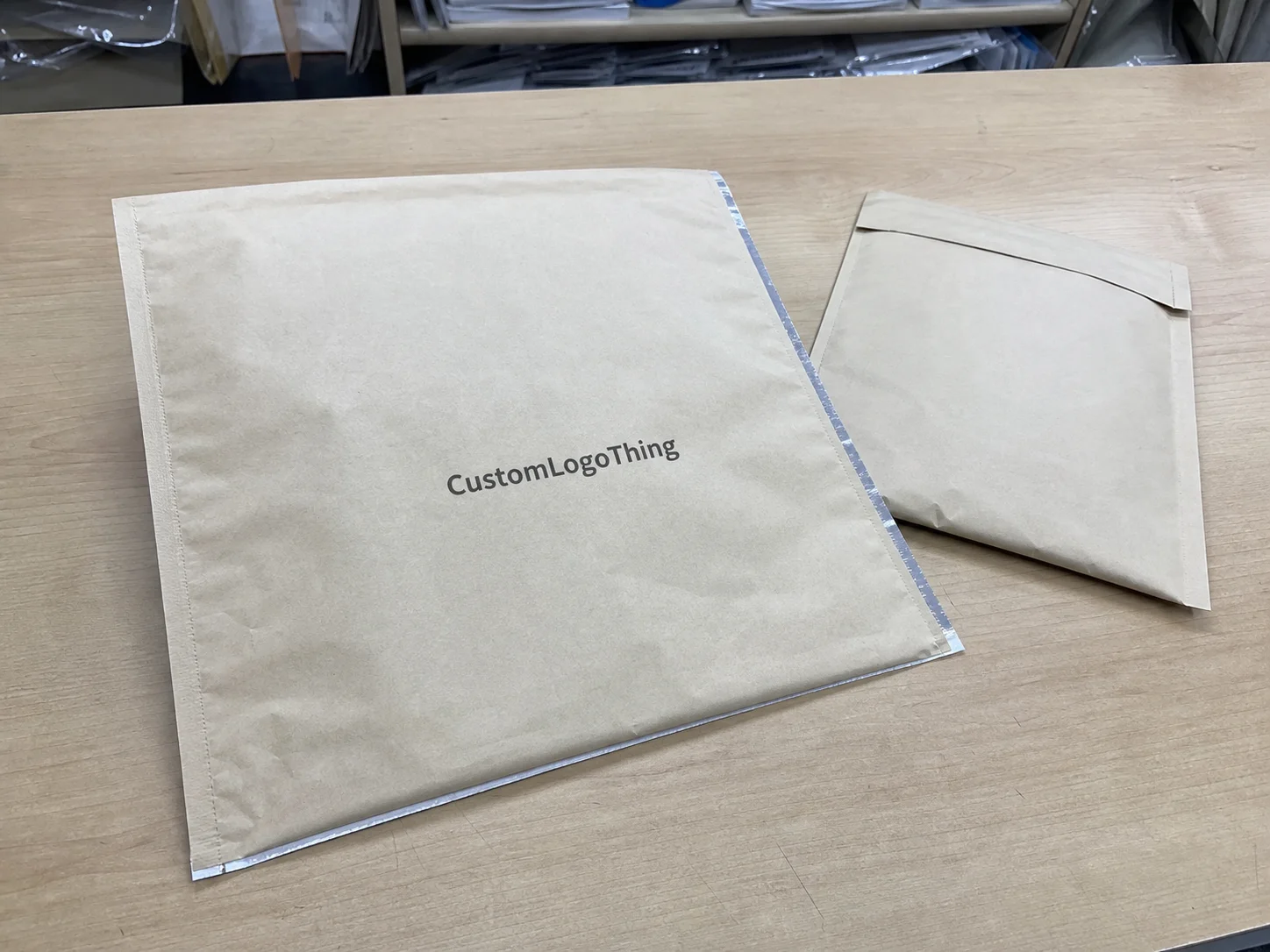
Paper-based pallet wrap is the most intuitive choice for brands that want a fiber-based story. It feels familiar, it is easy to explain, and it aligns well with existing paper recycling narratives. In my experience, it works best on short-haul, light-to-medium pallets that do not see much humidity. I have seen it perform well for dry goods, cosmetics cartons, and retail replenishment loads where appearance matters and the route is controlled. One converter in Milwaukee was producing a 70gsm kraft-faced wrap for trial runs, and the sample looked tidy on display pallets stacked to 60 inches.
The catch is strength. Paper does not stretch like film, so load containment depends more on wrapping pattern and surface friction than elastic memory. On one warehouse trial in Nashville, a 44-inch by 48-inch pallet of folded cartons held acceptably indoors, but the same build showed edge wear after 90 minutes in a humid staging area and a 35-minute trailer wait. Paper-based solutions also tend to need more operator skill. That is fine in a disciplined team. It is less fine in a busy distribution center with frequent shift changes, especially when the wrapping table is shared across three product lines and a single missing band can slow the entire lane. Anyone who has tried to train a new hire on a Monday morning after three coffee refills knows exactly what I mean.
Best for: short routes, dry conditions, lower stack heights, and brands that need a clean paper recyclability story. Watch out for: moisture, abrasion, and inconsistent wrap tension. If your pallets ship through open trailers or unconditioned docks, paper becomes a risky bet. If you need a more protective spec, ask for a laminated kraft build, a heavier basis weight, or a hybrid system with edge boards and bands.
Certified compostable stretch film
This is the closest thing to a true drop-in replacement among the best biodegradable stretch wrap alternatives. Certified compostable film, typically made with PLA/PBAT blends or similar formulations, can mimic some of the handling behavior of traditional film better than paper can. It clings, it wraps, and in some cases it can be run on standard or lightly adjusted equipment. That matters if you are trying to avoid a full line redesign. A 17-micron compostable film can feel very different from a 23-micron conventional stretch film, but the operator experience can still be workable if the load profile is consistent.
Compostable does not mean universally composted. In a supplier meeting I sat through last year in Portland, the sales deck kept repeating “end-of-life solved.” It was not. The customer’s regional waste contractor had no industrial compost access, which meant the material would likely be landfilled or incinerated. In that scenario, the cost premium does not buy the environmental outcome many buyers imagine. It buys a better story than reality can support, especially if the order minimum is 5,000 rolls and the price lands at roughly $0.18 to $0.26 per unit above standard film.
Still, where the infrastructure exists and the load profile is compatible, compostable film can work. It often performs best for brands shipping into managed food service, closed retail loops, or regions with formal organics processing. I would only buy it if the supplier can show certifications, performance data, and a disposal pathway that is real, not theoretical. Ask for specifics: certification standard, thickness in microns, stretch percentage, and compatibility with your wrapping equipment. If they dodge those questions with a smile and a brochure, that is your cue to keep your wallet in your pocket. A better supplier will quote lead time too, and on most factory schedules that means 12 to 15 business days from proof approval if the film is being slit and printed in a plant near Shenzhen or Ho Chi Minh City.
Reusable pallet bands and woven wraps
Reusable systems are the quiet achievers in the best biodegradable stretch wrap alternatives conversation. They do not always get the same attention because they are not “biodegradable” in the simple sense, but they can dramatically reduce material throughput. Woven pallet wraps and reusable bands work especially well in closed-loop operations where pallets cycle back and forth between the same sites. One Dutch distributor I worked with used reusable woven covers across a 22-kilometer internal shuttle route and cut single-use wrap consumption by 61% on those lanes within the first quarter.
I visited a regional beverage distributor that switched part of its internal transfer flow to reusable pallet bands. The team cut single-use wrap consumption by roughly 60% on those lanes, but only after they changed receiving procedures and assigned a dedicated return bin. That is the hidden truth with reusable systems: the material is only half the story. The reverse flow matters just as much. Lose the bands, and the economics disappear fast. One operations manager joked that they were spending more time hunting for missing bands than they used to spend buying film, which was funny until I realized he was only half joking. Their return cages were being emptied every 48 hours by the end of the first month, and that frequency made the whole loop work.
These systems are excellent where handling is disciplined, product turnover is repetitive, and return logistics are already in place. They are less attractive for one-way shipments or export freight. They also require staff training because improper loading or missing bands can create uneven pressure and unstable stacks. Still, if your network is controlled, reusable solutions often deliver the strongest combination of low waste and good containment, especially if the units are sewn from 300D recycled polyester or a similar heavy-duty weave sourced from a facility in Vietnam or northern Italy.
Strapping with edge boards
Strapping plus corner or edge boards is one of the most underestimated options among the best biodegradable stretch wrap alternatives. For rigid cartons, appliances, tile, or dense industrial goods, it can be excellent. You use less material overall, and the load can be secured very tightly without needing full-film coverage. The edge boards spread pressure and reduce carton crush, provided the strapping tension is tuned correctly. A common spec is a 70mm by 70mm by 3mm kraft edge board, though heavier industrial pallets may need 100mm boards and PET strap rather than lighter polypropylene.
Here is the honest part: if you overtension, you will dent, crush, or deform cartons. I have seen it happen during a supplier demo in Raleigh where the team was so proud of the minimal-material approach that they overtightened the banding by about 10%. The top row of cartons did not fail immediately; they failed at the destination, where a receiving clerk noticed corner collapse and rejected the shipment. That kind of damage is expensive because it is delayed. It looks like the system worked until it does not, and it often turns into a replacement order plus a $90 rehandling charge.
When used correctly, though, strapping is strong, efficient, and often easier to recycle or separate than mixed-material wrapping. For export pallets and heavy cartons, it can outperform many wrap-based alternatives. If you want the simplest operational recipe, this is often one of the strongest answers in the whole category, particularly when the line uses a semi-automatic strapping machine built in Taiwan and calibrated to a consistent 18 to 22 kilograms of tension.
Kraft paper with banding
Kraft paper with banding is a practical, lower-cost hybrid. It combines a fiber-based outer layer with mechanical restraint from bands or straps. It is not the most protective option, but it fits dry goods and retail-ready shipments where appearance, recyclability, and low material use matter more than severe puncture resistance. In a pilot at a snack plant in Indianapolis, a 120gsm kraft outer wrap paired with two PET bands handled uniform cartons very well on a 36-pallet run, and the line team liked the fact that the finished load looked tidy and easy to scan.
I like it for straightforward shipments. I do not like it for irregular loads, anything with sharp corners, or pallets that will be handled multiple times. If the shipment is clean, dry, and relatively uniform, kraft paper with banding can be a very sensible member of the best biodegradable stretch wrap alternatives. If the route is rough, choose something stronger. That sounds blunt, but so is reality when a pallet tips and three layers of product decide to introduce themselves to the floor. The best versions tend to come from paper mills in Wisconsin or Quebec that can supply consistent caliper and print coverage without warping the sheet.
One more thing: none of these options should be judged solely on “eco” language. Test them against actual handling conditions. Forklift tines, vibration on trailers, and humidity spikes reveal the truth fast. A packaging spec sheet will not tell you what happens when a pallet sits for 35 minutes at a dock door in July, or how a 1,100-pound load behaves after a curbside turn in Birmingham. Real testing will.
Best Biodegradable Stretch Wrap Alternatives by Price
Let’s talk money. Not the fake money of “green savings” in a presentation, but the actual numbers that show up in procurement and operations. Material price matters. Labor matters more than people admit. Damage cost matters the most. If a cheaper roll adds 12 seconds per pallet and increases fallover risk, it may not be cheaper at all. I have seen teams celebrate a lower unit price and then wonder why the freight claims line item started climbing like a ladder propped against the wrong wall, especially after a 3,200-pallet month moved through a hot warehouse in Houston.
For most buyers, the best biodegradable stretch wrap alternatives fall into three rough price tiers. Budget choices are usually paper wrap with banding or simple strapping systems. Mid-range choices include recyclable mono-material stretch film and some kraft hybrid systems. Premium choices are certified compostable films and reusable woven wrap programs, especially when they require equipment changes or reverse logistics. On real quotes, I have seen paper wrap land around $0.09 to $0.14 per pallet equivalent, while reusable systems may start closer to $0.45 to $0.80 per unit before the return loop lowers the effective cost.
| Tier | Typical Option | Upfront Material Cost | Labor Impact | Failure Risk | Best Fit |
|---|---|---|---|---|---|
| Budget | Paper wrap with banding | Low | Moderate to high | Moderate | Dry, simple pallets |
| Budget | Strapping + edge boards | Low | Low to moderate | Low if applied well | Rigid, dense loads |
| Mid-range | Recyclable mono-material film | Low to mid | Low | Low | High-volume shipping |
| Mid-range | Kraft paper hybrid systems | Mid | Moderate | Moderate | Retail and dry goods |
| Premium | Certified compostable film | Mid to high | Low to moderate | Moderate | Managed compost access |
| Premium | Reusable woven wrap systems | High upfront, lower over time | Moderate | Low with discipline | Closed-loop logistics |
The hidden costs can be brutal. A warehouse manager once told me that the “cheap” wrap they chose saved about $0.03 per pallet on material but increased labor by 9% because operators had to rework the top layer. Another client spent more on a reusable solution upfront, then found that after six months the lower waste volume and fewer damaged loads made the switch pay back faster than anyone expected. That kind of result does happen. It just depends on volume and process control, and in one case the payback landed in 7.5 months instead of the 14 months the finance team had penciled in.
If you’re buying the best biodegradable stretch wrap alternatives for a line that ships 200 pallets a week, a small difference in wrap speed can matter more than a small material premium. At 15 seconds extra per pallet, you add more than 50 minutes of labor per week. That is not trivial in a three-shift operation. If a pallet failure triggers a $120 claim, the material cost difference fades quickly, and a single repeated failure on a 25-load customer account can erase several months of savings.
Think in three buckets: cost per pallet, cost of labor per pallet, and cost of failure per pallet. Only then does the real answer appear. If you want a practical procurement rule, ask suppliers for a quote at 5,000 pieces, 10,000 pieces, and 25,000 pieces, and make them state the unit price, lead time, and pallet count in writing. A clean quote sheet beats a vague promise every time.
How to Choose the Right Alternative for Your Process and Timeline
The best decision starts with the pallet itself. What is the weight? How tall is the stack? Are the cartons uniform or irregular? Are you shipping across town or across state lines? Does the load face rain, humidity, or vibration? Those details decide whether the best biodegradable stretch wrap alternatives will work in your system or fall apart under routine handling. A pallet of 1,250-pound beverage cases behaves very differently from a 380-pound cosmetics load, and the material choice should reflect that difference.
Here is the decision framework I use on client projects:
- Map the route. Short local routes tolerate more paper-based and banding solutions. Long-haul or export routes usually need higher containment, especially if the freight passes through ports like Savannah, Long Beach, or Rotterdam.
- Define the exposure. If the pallet sits outdoors, in a dock queue, or near washdown areas, moisture resistance becomes critical.
- Check the disposal system. Compostable film only makes sense if the facility or waste contractor can actually process it.
- Measure handling discipline. Reusable systems need staff compliance, return bins, and clear scanning or collection procedures.
- Estimate the load risk. Fragile SKUs and heavy SKUs need different containment approaches.
In practice, I like a 2- to 4-week pilot. Start with one product line. Choose one high-volume SKU and one fragile SKU so you can see where the material breaks down. Track wrap time per pallet, damage rate, and operator feedback. If possible, compare against a control group using your current stretch wrap. The numbers will tell you more than any supplier pitch, and a clean pilot in a 14-day window is often enough to reveal whether the system belongs in production.
On the testing side, I pay attention to puncture resistance, cling behavior, and load stability after vibration. If your products are palletized for shipping, ask whether the test reflects ISTA procedures or another recognized transport test. If you are assessing recyclability claims, the EPA and local material recovery guidance are useful references too: EPA recycling resources. Standards and disposal realities are not glamorous, but they keep teams honest, especially when a supplier says the material is “recyclable” without naming the resin code or the region that accepts it.
Timeline matters as well. A paper wrap system may slot into your process in one to two weeks if operators already understand manual wrapping. A reusable loop may take 30 to 60 days because you need return logistics, training, and possibly new scanning steps. Compostable film can sit somewhere in the middle, but only if your equipment handles it and your disposal route is confirmed. Do not rush the rollout just because the supplier says their product is ready. Ready for what, exactly? That is the question, and a good factory in Dongguan or Bursa will answer with a production schedule, not just a promise.
Business model matters too. E-commerce teams usually care about speed and customer perception. Food service operations often have more recycling or composting constraints. Manufacturing clients prioritize load integrity and line efficiency. Exporters care about transit damage and regulatory clarity. The best biodegradable stretch wrap alternatives are not identical across those groups, and pretending they are is how budgets get wasted.
One more anecdote: I once sat in a meeting where procurement wanted to replace film on every line with a paper alternative because the sustainability report looked cleaner. Operations pushed back. They tested one fragile SKU first and found a 7% increase in edge damage after handling and re-staging. That single pilot saved the company from a full rollout that would have generated more waste than it eliminated. Good data beats good intentions, every time, and in that case the supplier’s sample run took 9 business days from proof approval at a facility in North Carolina.
Our Recommendation: The Best Biodegradable Stretch Wrap Alternatives for Most Businesses
I will not pretend there is one universal winner. There isn’t. The right answer depends on route length, load strength, climate exposure, and what your disposal infrastructure can truly support. That said, there are clear winners by scenario, and that is the most useful way to narrow the best biodegradable stretch wrap alternatives. I would rather give a plant manager in St. Louis three reliable choices than one elegant theory that collapses on a rainy Tuesday.
For mixed operations: recyclable mono-material stretch film is often the smartest fallback. I know that sounds less exciting than “biodegradable,” but if it performs better and your recycling capture is solid, it can be the stronger environmental and financial choice. A good mono-material film in a 17- to 23-micron range can be ordered in runs of 5,000 units or more and still keep lead times around 10 to 14 business days from final artwork approval at a converting plant in Mexico or Ohio.
For closed-loop logistics: reusable woven pallet wraps or pallet bands are the strongest long-term option. They make the most sense when pallets come back regularly, handling is controlled, and the company can manage reverse flow without chaos. If your team can keep a 95% return rate and track those units with a simple barcode process, the economics usually look far better by month three than they did on the first quote.
For dry, lighter loads: paper-based pallet wrap with banding is a practical choice, especially when you want a fiber-based story and do not need high moisture resistance. I like it for retail displays, cosmetics, and dry packaged food, particularly when the cartons are clean, square, and easy to stack.
For loads that need mechanical restraint: strapping with edge boards is hard to beat. It is efficient, strong, and surprisingly low in material use when applied correctly. If the load is dense and the cartons are rigid, this is often the cleanest answer, especially if the supplier can quote a 35mm PET strap from a plant in Guadalajara and ship it on a 2-week replenishment cycle.
Here is the line I use with clients: if an environmentally friendlier option increases breakage, the sustainability case is weaker than it looks. A pallet that fails creates replacement freight, extra labor, customer dissatisfaction, and more packaging waste. The threshold for switching should be clear. If damage rates stay flat or improve, disposal is real, and labor stays manageable, the change is worth serious consideration.
So my honest verdict is this: the best biodegradable stretch wrap alternatives are the ones that protect products, fit your system, and reduce waste in practice. Not in a slide deck. Not in a label. In the dock, on the trailer, and at receiving. That is the standard I trust, because the pallet does not care how polished the presentation was, only whether it survives the 18-wheel ride to its destination.
Actionable Next Steps: Test Before You Commit
If you are serious about moving away from conventional film, start with samples and a simple scorecard. Ask suppliers for enough material to test at least 20 pallets, not 2. That is the difference between a demo and a meaningful trial. Define the load profile first: pallet size, carton weight, stack height, route length, and humidity exposure. Then compare the candidate materials against your current wrap. If the sample comes from a converter in Illinois or Thailand, ask for the full spec sheet, not just a sales sheet with three bullet points and a smile.
Before you buy, gather three numbers: cost per pallet, wrap time per pallet, and damaged-load rate. If a supplier cannot help you estimate those, they are selling you a story, not a solution. I would also document the disposal pathway in writing. If the wrap is compostable, confirm the facility. If it is recyclable, confirm the collection point. If it is reusable, confirm who gets it back and where it is stored. A good rule is to ask for the supplier’s standard order minimum and lead time too, which is often 5,000 pieces and 12 to 15 business days from proof approval for custom-printed components.
For a practical pilot, choose one high-volume SKU and one fragile SKU. Run the test for two to four weeks. Measure forklift handling behavior, trailer vibration performance, and customer complaints or receiving issues. Keep notes on operator feedback too. A material that everyone hates using will fail eventually, even if the spec sheet looks great. And yes, the complaint will usually arrive on a Friday afternoon, which feels like a law of nature at this point, especially if the dock crew is trying to close out a 9-hour shift in a warehouse near Newark.
If you want the simplest summary possible, here it is: the best biodegradable stretch wrap alternatives are not always the most biodegradable on paper. They are the ones that reduce waste, protect freight, and fit the reality of your packaging line. That is the standard I use, and it is the one that holds up after the first pallet leaves the dock.
What are the best biodegradable stretch wrap alternatives for pallet shipping?
The strongest options are paper-based pallet wrap, certified compostable film, reusable pallet bands, and strapping with edge protection. The best choice depends on load weight, moisture exposure, and whether you have composting or return logistics in place. In practice, a 44-inch by 48-inch pallet with dry cartons can often use paper or banding, while a dense 1,000-pound load usually needs strapping or a higher-containment film.
Is biodegradable stretch wrap better than recyclable stretch film?
Not always; recyclable stretch film can be the better real-world option if it performs better and your facility can collect it properly. A material that breaks less, uses less, or is recycled consistently can beat a biodegradable option with weak load containment. For a plant sending 10,000 pallets a month through a recycler in the Midwest, a mono-material film can outperform a compostable film that has no end-of-life path.
How much do biodegradable stretch wrap alternatives cost?
Costs vary widely, but budget options usually involve paper and banding, while reusable systems and certified compostable films cost more upfront. Labor, damage risk, and reverse logistics can matter as much as the material price itself. In many buying programs, paper-based systems can start around $0.09 to $0.14 per pallet equivalent, while premium reusable systems may land much higher before return savings kick in.
Do compostable stretch wraps need special disposal?
Yes, many compostable wraps require industrial composting facilities and are not designed for backyard composting. If that infrastructure is unavailable, the environmental benefit may be limited or lost. Before buying, confirm whether the local processor in your city or region accepts the exact resin blend and thickness, because a PLA/PBAT film in one county may be rejected in the next.
How do I test the best biodegradable stretch wrap alternatives before switching?
Run a short pilot on real pallets, measure wrap time, load stability, and damage rates, then compare results against your current stretch wrap. Ask suppliers for samples and verify the disposal route before making a full rollout. A strong test usually covers at least 20 pallets over 2 to 4 weeks, with results logged by SKU, shift, and route length.
Related packaging resources
Use these related guides to compare specs, costs, quality checks, and buyer decisions before making the final call.
- Wholesale Biodegradable Mailers Bulk: Specs & Pricing
- Biodegradable Grocery Bags with Logo: A Practical Guide
- Sustainable Bakery Cartons With Logo: What to Know
- Recycled Shipping Cartons Factory Direct: What to Know