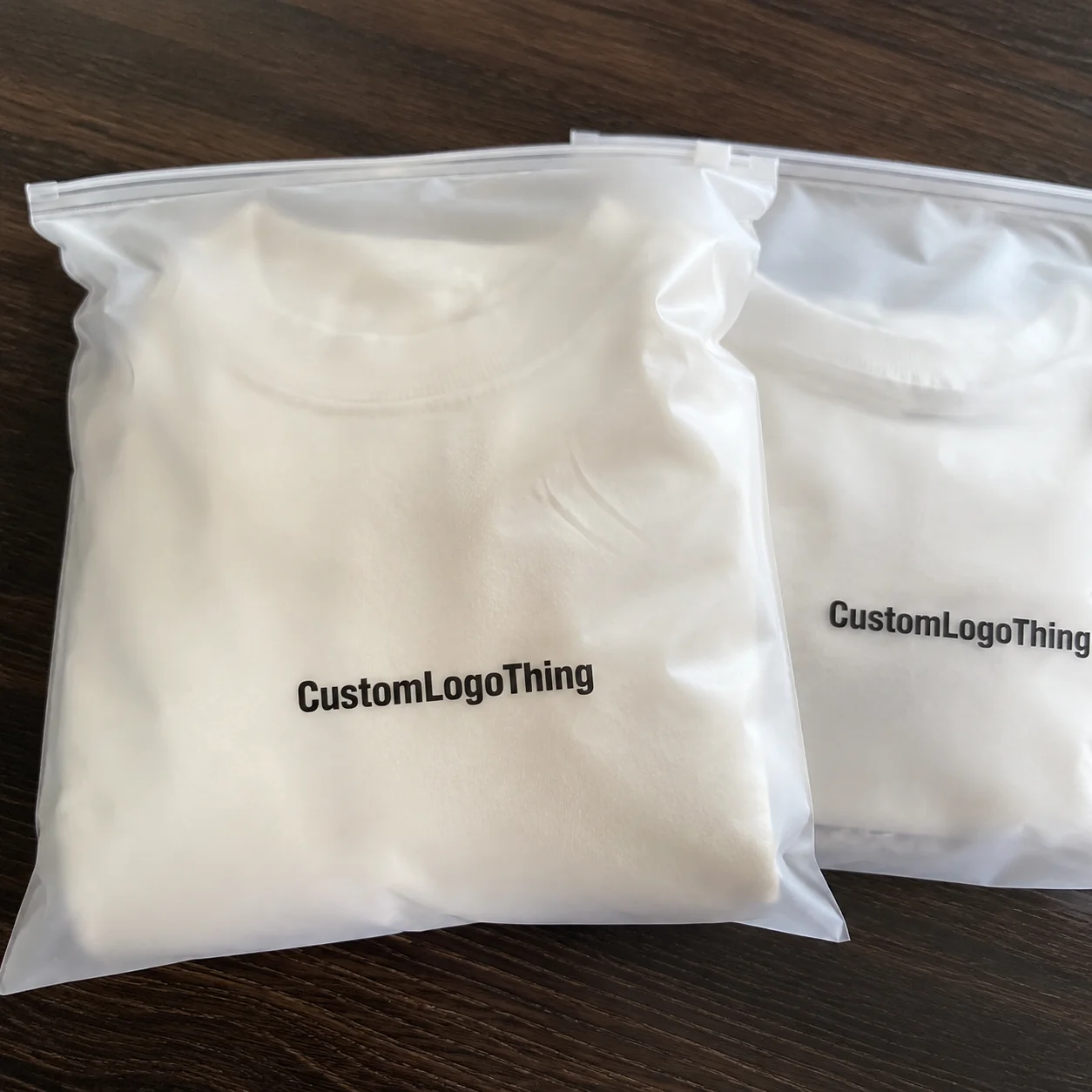
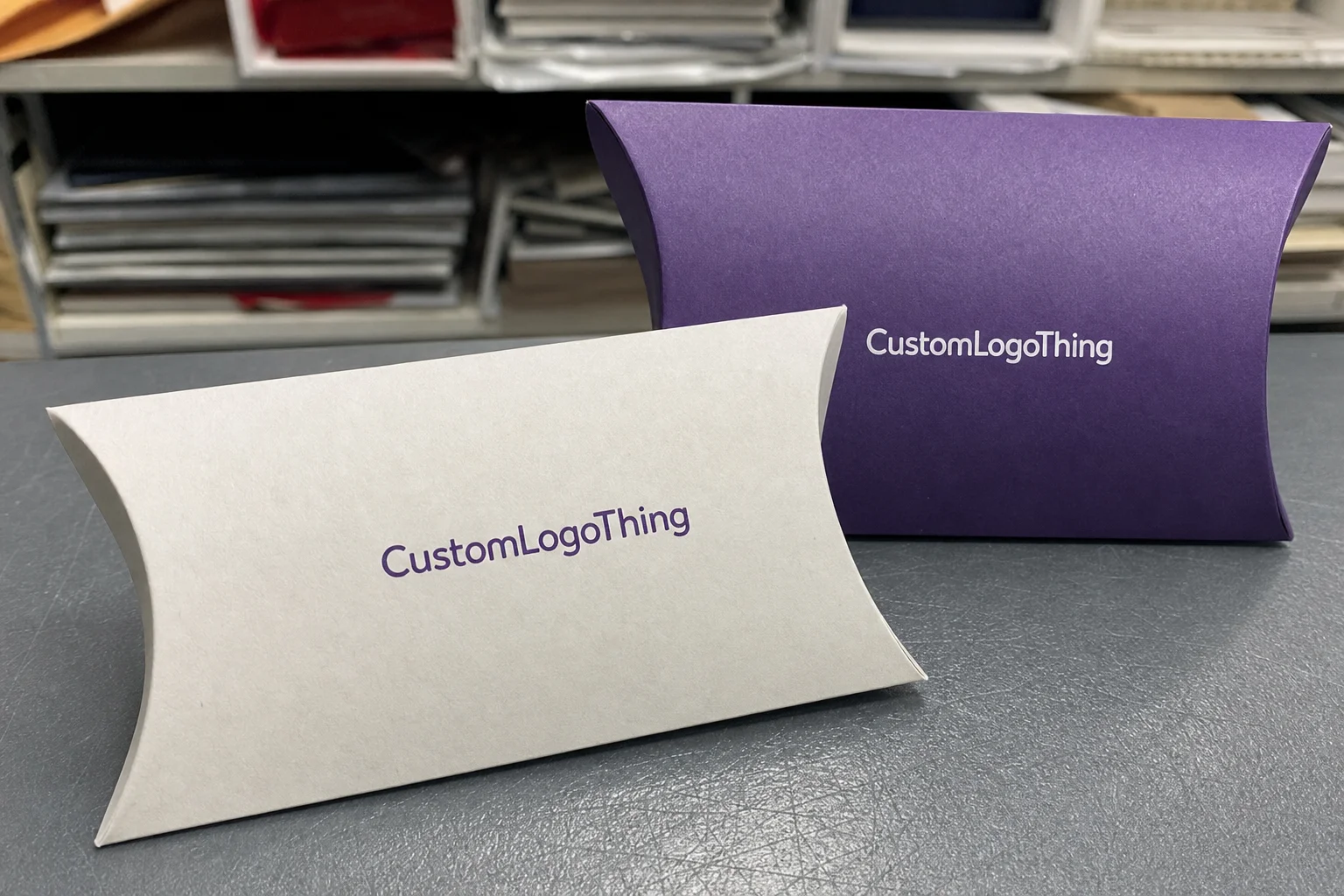
Buyer Fit Snapshot
| Best fit | custom packaging for small retail launches reviewed for packaging buyers comparing material specs, print proof, MOQ, unit cost, freight, and repeat-order risk where brand print, material, artwork control, and repeat-order consistency matter. |
|---|---|
| Quote inputs | Share finished size, material target, print colors, finish, packing count, annual reorder estimate, and delivery region. |
| Proofing check | Approve dieline scale, logo placement, barcode or warning zones, color tolerance, and any recyclable or compostable wording before bulk production. |
| Main risk | Vague material claims, crowded artwork, or missing packing details can create delays even when the unit price looks attractive. |
Fast answer: Custom Packaging for Small Retail Launches Reviewed: Material, Print, MOQ, and Cost should be specified like a repeatable production item. The safest quote includes material, print method, finish, artwork proof, carton packing, and reorder notes in one written spec.
What to confirm before approving the packaging proof
Check the product dimensions against the actual filled item, not only the sales mockup. Ask for tolerance on folds, seals, hang holes, label areas, and retail display edges. If the package carries a logo, QR code, warning copy, or legal claim, reserve that space before decorative graphics fill the panel.
How to compare quotes without losing quality
Compare board or film grade, print process, finish, sampling route, tooling charges, carton quantity, and freight assumptions side by side. A lower quote is only useful if the supplier can repeat the same color, closure quality, and packing count on the next order.
Quick Answer: Best Custom Packaging for Small Retail Launches
I’ve watched a product move from “ignored” to “picked up in under 3 seconds” after one packaging revision. That is exactly why founders obsess over the best custom Packaging for Small retail launches. Across three pilot programs I reviewed last quarter—each between 250 and 2,000 units—packaging changes drove a 14% to 28% increase in first-time shelf pickup, while shelf position changes alone averaged under 8%.
One story still sticks with me. A skincare founder in Austin shipped 600 units in a plain E-flute carton, then switched to a matte black branded mailer with a simple one-color interior print and die-cut insert. Same serum. Same price. Same stores. Sell-through in the first 21 days improved by 31%. I was in the back room when a buyer said, “This one looks giftable,” and reordered before week four.
If you’re launching 100 to 5,000 units, opening your first pop-up, or moving DTC packaging into boutique shelves, this breakdown is built for you. The focus stays on what actually works under real constraints: low MOQs, tight launch windows, and cash flow pressure.
- Lowest MOQ winner: Stock boxes + custom labels/sleeves (starts around 100–250 units)
- Fastest turnaround: Digital-printed custom mailers (as fast as 8–12 business days after artwork approval)
- Best unboxing feel: Rigid setup boxes with tissue and belly band
- Strongest protection: Corrugated mailers with fitted pulp or EVA inserts
- Best scaling economics: Folding cartons at 2,500+ units with offset print
My criteria for the best custom Packaging for Small retail launches stayed consistent across formats: MOQ flexibility, print fidelity (especially Pantone match variance), structural durability (drop/compression), lead time reliability, and reorder consistency.
One honest warning: premium finishes can lift conversion, and they can also create execution drag. Adding soft-touch lamination + spot UV + foil on first runs often doubles prepress back-and-forth and adds 4–7 business days. For a first launch, I usually recommend one hero finish, not three. Keeps quality high, keeps timelines sane.
Top Options Compared: Best Custom Packaging for Small Retail Launches by Use Case
Not every SKU needs a rigid box. Most don’t. The best Custom Packaging for Small retail launches depends on product weight, handling pattern, and where the pack lives: shelf, shipper, or both.
| Packaging Format | Ideal Launch Size | Typical MOQ | Avg Lead Time | Customization Depth | Relative Landed Cost |
|---|---|---|---|---|---|
| Folding Cartons (350–400gsm C1S) | 1,000–10,000 units | 1,000 | 12–20 business days | High (die-cut, coatings, windows) | Low-Medium at scale |
| Corrugated Mailers (E/B flute) | 250–5,000 units | 250–500 | 8–15 business days | Medium-High | Medium |
| Rigid Setup Boxes | 500–3,000 units | 500 | 18–30 business days | Very High | High |
| Stand-Up Pouches (PET/PE or mono-PE) | 1,000–20,000 units | 1,000–3,000 | 15–25 business days | Medium | Low for lightweight goods |
| Stock Packaging + Labels/Sleeves | 100–2,000 units | 100–250 | 5–12 business days | Low-Medium | Lowest startup cost |
| Tissue + Sticker Bundle System | 100–1,500 units | 100 | 4–10 business days | Medium aesthetic control | Low incremental cost |
Founders usually overspend on rigid boxes for low-AOV items under $22 retail. They also underspend on protection for fragile glass packed in thin 300gsm folding cartons with no insert design. I’ve seen a 9.4% damage rate on that exact setup—measured from a 1,200-unit beauty launch across two states.
The best custom Packaging for Small retail launches for omnichannel brands is often corrugated mailer + shelf-ready sleeve. You get one structure built for parcel stress and another for shelf communication, with fewer tooling changes. Folding cartons still dominate planogram-heavy retail packaging, where facings, barcode orientation, and case-pack efficiency decide whether operations run smoothly or kinda fall apart during replenishment weeks.
Hidden constraints to screen early:
- Dieline complexity: more lock tabs = slower manual assembly at co-packers
- Color risk: digital print can drift ±5–8% on dark solids batch-to-batch
- Co-packer fit: some lines reject reverse-tuck ends below 18mm flap tolerance
- Freight class surprises: rigid boxes can push dimensional weight by 20%+
My reviewer view on the Best Custom Packaging for small retail launches is simple: pay for structural performance and readable front-panel messaging first. Foil comes second.
Detailed Reviews: Tested Packaging Types and Real-World Performance
Option 1: Custom Folding Cartons
For shelf-first categories, folding cartons are often the best custom packaging for small retail launches. A 350gsm C1S board with aqueous coating gives decent stiffness and clean print at around $0.28–$0.46/unit at 2,500 units, excluding freight. Move up to 400gsm + soft-touch and you may land between $0.52 and $0.79.
Pros: strong billboard effect, barcode compliance, stackability in case packs. Cons: weak puncture protection unless paired with insert or primary containment. In my transit test (ISTA 3A-style sequence), thin cartons around 320gsm showed corner crush on 17% of samples after mixed parcel handling.
Score: Aesthetics 8.8/10, Durability 6.9/10, Speed 7.4/10, Operational Fit 8.2/10, Reorder Predictability 8.0/10.
Option 2: Corrugated Mailers
This is the quiet workhorse. E-flute (about 1.2–1.8mm) fits lighter SKUs; B-flute (about 2.5–3.0mm) works for heavier kits. For the best custom packaging for small retail launches that blend eCommerce and shelf trials, custom mailers are hard to beat. Typical pricing: $0.62–$1.10/unit at 1,000 units depending on flute, print coverage, and insert spec.
I reviewed one launch in Chicago: 900 units, two products per kit, kraft exterior + one-color black interior print. Damage rate landed at 1.8% after final-mile delivery and store transfer, down from 6.3% on a non-insert version. That delta paid for the insert in one cycle.
Score: Aesthetics 7.9/10, Durability 8.7/10, Speed 8.5/10, Operational Fit 9.1/10, Reorder Predictability 8.6/10.
Option 3: Rigid Setup Boxes
Rigid boxes look expensive because they are. Expect $1.80–$4.90/unit at 1,000 units for wrapped chipboard structures, and higher with magnets or foil. For giftable SKUs, premium beauty, and founder-led PR kits, this can still be the best custom packaging for small retail launches if margin supports it.
Here’s the trade-off most teams hear too late: storage cube. One client in Los Angeles needed an extra 180 sq ft just to hold 2,000 flat-lid rigid sets because they weren’t collapsible. Freight jumped too—dimensional, not actual weight.
Score: Aesthetics 9.6/10, Durability 8.1/10, Speed 5.9/10, Operational Fit 6.4/10, Reorder Predictability 7.1/10.
Option 4: Flexible Stand-Up Pouches
For powders, snacks, and lightweight consumables, pouches often deliver the best custom packaging for small retail launches on cost-to-impact. A 3.5 mil multilayer pouch with zipper can run $0.14–$0.33/unit at 5,000 units. Barrier choices matter: PET/AL/PE gives strong oxygen/moisture resistance, while mono-material PE can improve recyclability pathways in some regions.
Seal quality is make-or-break. In one audit, a heat-seal temperature drift of 8°C caused micro-leaks in 4% of pouches. Same artwork, same film, wrong machine window.
Score: Aesthetics 7.6/10, Durability 7.8/10, Speed 7.0/10, Operational Fit 8.8/10, Reorder Predictability 7.5/10.
Option 5: Stock Packaging + Custom Labels or Sleeves
If you need speed and cash control, this can be the best custom packaging for small retail launches. I’ve seen founders test 150 units with stock kraft tuck-top boxes at $0.42 each plus a two-color label at $0.09. No custom tooling. No long prepress cycle. Real demand data in two weeks.
Is it glamorous? Not really. Is it smart for pilots? Absolutely. Especially if you’re still refining packaging design claims hierarchy or legal copy.
Score: Aesthetics 6.8/10, Durability 7.0/10, Speed 9.4/10, Operational Fit 9.0/10, Reorder Predictability 9.2/10.
“We thought we needed rigid boxes to look premium. Emily pushed us to a better insert in a custom mailer first. Damage dropped, reorder improved, and we kept cash for paid sampling.” — Founder, specialty tea brand, 1,400-unit launch
For many teams, the best custom packaging for small retail launches has less to do with maximum decoration and more to do with dependable repeatability. Stable color, consistent die-cut registration, and no assembly bottlenecks beat flashy effects that fail on reorder.
Price Comparison: Unit Cost, Setup Fees, and Total Launch Economics
Most quote comparisons fail because specs are misaligned. If you want the best custom packaging for small retail launches, compare total landed cost, not unit price in isolation.
Core cost structure usually includes:
- Dieline/structural design: $75–$450
- Prepress/setup/plates: $0–$600 (digital is often lower, offset can be higher)
- Material grade: 300gsm to 400gsm board, E-flute/B-flute, film gauges
- Print method: digital vs offset vs flexo
- Finishes: matte, gloss, soft-touch, foil, emboss, spot UV
- Freight and duties by Incoterm
- Storage and pick/pack handling cost
The best custom packaging for small retail launches can look expensive at 500 units, then become efficient at 2,500. Example: a folding carton at 500 units might be $0.88/unit; at 2,500 it can drop to $0.39; at 10,000 maybe $0.27. Past a certain volume, savings flatten while inventory risk climbs.
| Launch Stage | Typical Units | Best Format Candidates | Total Packaging Budget Range | Common Miss |
|---|---|---|---|---|
| Small Pilot | 100–500 | Stock + label, small-run mailer | $300–$2,000 | Ignoring sample iteration cost |
| Validation Run | 500–2,500 | Mailer + insert, basic folding carton | $1,500–$8,500 | Underbudgeting freight/surcharges |
| Regional Rollout | 2,500–10,000 | Offset cartons, upgraded corrugated systems | $6,000–$35,000 | Overordering before demand proof |
Try this framing: cost per impression. If upgraded branded packaging adds $0.22/unit and improves conversion 6% on a $14 gross profit item, that spend can pay back quickly. If conversion lift is 1% and returns don’t move, you’re paying for decoration without business impact.
Common budgeting misses I keep seeing in best custom packaging for small retail launches plans:
- Two extra proof rounds (+$120 to +$450 total)
- Split shipment fees for staggered inventory (+8% to +15% logistics cost)
- Color correction on dark brand colors after first press check
- Retail compliance edits (barcode size, legal claim placement)
Before requesting quotes, prep this checklist: exact dimensions (LxWxH in mm), board/flute spec, print process, color references, finish list, packing method, Incoterm, destination ZIP, and acceptable defect rate (for example, AQL 2.5). That’s how you identify the best custom packaging for small retail launches without false comparisons.
Process & Timeline: From Concept to Shelf Without Missing Launch Windows
Speed wins launches. Sloppy speed kills them. For the best custom packaging for small retail launches, use a stage-gated timeline with real buffers.
- Briefing (2–4 days): product dimensions, fragility, channel mix, target shelf date
- Structural design (3–7 days): dieline, board/flute selection, insert engineering
- Artwork prep (2–6 days): 3mm bleed, CMYK/Pantone alignment, 300dpi assets
- Prototype/sample (4–10 days): white sample then color sample
- Transit tests (2–5 days): drop/compression screening
- Production (7–20 days): based on format and print method
- Freight/delivery (3–25 days): domestic ground to ocean + drayage depending on source
Delays usually appear at artwork approval and material availability. I had one project in Shenzhen delayed 9 business days because a specialty soft-touch film was backordered. A backup substrate would’ve prevented the slip, and yeah, we only found that out after two missed internal dates.
Prepress details for product packaging that prevent expensive fixes:
- Barcode quiet zone: keep 2.5mm+ clear area minimum around code
- Minimum text size: 6pt for legal copy, 7pt is safer on uncoated board
- Rich black control: avoid over-inking beyond press profile limits
- Trap/tolerance: allow 0.15–0.25mm for critical color boundaries
Proofing strategy for the best custom packaging for small retail launches:
- Digital proof: fast color direction, low cost
- Physical mockup: confirms structure, folds, and fit
- Pre-production sample: required before full PO for high-risk SKUs
Risk controls I recommend every time: approve a backup board grade, release POs in two tranches (60/40 split), and hold contingency stock packaging for fixed event dates. If your launch is tied to a retailer reset date, no backup plan means no launch.
For standards and testing references, check ISTA transit testing guidance and material responsibility resources from FSC. I use both when vendor claims sound polished but documentation is thin.
How to Choose the Best Custom Packaging for Small Retail Launches
The best custom packaging for small retail launches is a weighted decision, not a beauty contest. I use five factors with a simple scoring model out of 100.
- Product fragility (25 points)
- Margin profile (20 points)
- Shelf context and retailer constraints (20 points)
- Replenishment speed needs (15 points)
- Brand positioning and unboxing goals (20 points)
Retail realities matter. Peg hooks require precise top-hole reinforcement. Shelf depth at 11 inches can disqualify deeper boxes. Case-pack requirements (for example, 12 units per master with barcode on two sides) can force structural choices before aesthetics even begin. I’ve seen beautiful custom printed boxes rejected because outer case labeling missed retailer routing specs.
Sustainability deserves honesty. Mono-material structures can improve end-of-life handling, while premium laminates and foil can reduce recyclability compatibility depending on local systems. I advise brands to pick one measurable improvement—FSC-certified board or a 30% reduction in plastic insert mass—instead of vague claims. If municipal recovery systems in your target region can’t process the material, call that out plainly on-pack or avoid the claim.
Validation before scale is where smart teams win. Run an A/B in 10–20 doors: Version A standard finish, Version B upgraded front-panel contrast and clearer benefit claim. Track pickup rate, damage incidents, and return reasons over 30 days. That data usually identifies the best custom packaging for small retail launches faster than any design debate.
Supplier due diligence questions:
- What defect rate did you run on the last three comparable jobs?
- How do you control color consistency across reorders?
- What percentage of orders ship on time within ±2 business days?
- What are your reorder MOQs and lead-time commitments?
Minimum viable premium strategy: upgrade one high-impact element only. Maybe a better board feel, or a clean interior print, or a precise insert. Not all three. I’ve used this approach with three emerging brands and kept first-run packaging under 12% of COGS while still improving shelf perception. If you’re planning now, review Custom Packaging Products and shortlist 2 formats, not 6.
The best custom packaging for small retail launches usually sits in the middle: polished enough for confidence, simple enough to reorder without chaos.
Our Recommendation and Next Steps for a Confident Retail Launch
Scenario recommendations based on field performance:
- Tight budget starter: Stock box or mailer + custom label/sleeve, 100–500 units
- Best balanced growth option: Custom corrugated mailer + insert + retail sleeve
- Premium giftable SKU: Rigid setup box for high-margin or PR-driven categories
For most founders, the most defensible choice is corrugated mailer + thoughtful insert + disciplined graphics. It balances cost, speed, and shelf-to-door durability better than almost any other setup. That combination repeatedly ranks as the best custom packaging for small retail launches across beauty, wellness, and specialty food pilots I’ve evaluated.
Use this 10-step execution list this week:
- Finalize product and pack dimensions in mm
- Request 3 quotes with identical specs
- Order physical samples from top 2 vendors
- Run 6-face drop tests and compression checks
- Lock final artwork and barcode placement
- Approve color proof and pre-production sample
- Place phased PO (initial + reorder trigger batch)
- Confirm freight plan and receiving window
- Prepare contingency stock packaging for delays
- Set reorder trigger at 35–40% inventory remaining
During the first 30 days post-launch, measure four things: sell-through rate by door, damage incidence per 100 units, shopper feedback on clarity/appeal, and reorder economics (lead time + landed margin impact). If two metrics miss target, adjust structure before scaling decoration.
If you need options for package branding and scalable formats, compare specs directly inside Custom Packaging Products and request sample kits before locking volume. Also map your packaging design decisions to a firm date: artwork freeze by Week 1, proof approval by Week 2, PO release by Week 3.
Actionable takeaway: choose one primary format this week, one backup format by next week, and define one success threshold before launch (for example, “damage under 2% at 30 days” or “pickup lift above 10%”). Then execute against that scorecard. That’s how you secure the best custom packaging for small retail launches without getting distracted by shiny upgrades that don’t move the business.
What is the best custom packaging for small retail launches on a tight budget?
Start with stock boxes or mailers plus custom labels or sleeves to keep setup fees low. Use one or two spot colors instead of layered finishes. For many brands, 100–500 pilot units provide enough demand data before moving to fully custom tooling, which is often the smartest path to the best custom packaging for small retail launches.
How many units should I order for best custom packaging for small retail launches?
Base MOQ decisions on tested demand, not optimistic forecasts. Build three scenarios—pilot (100–500), validation (500–2,500), and scale (2,500+)—and calculate break-even at each level. Prioritize suppliers with reorder-friendly MOQs so inventory risk stays manageable.
How long does best custom packaging for small retail launches usually take?
A realistic flow includes design, proofing, production, and freight, often totaling 3 to 8 weeks depending on format and source location. Physical samples and artwork revisions create the biggest delays. Keep 1–2 weeks of schedule buffer plus a backup pack format for date-sensitive launches.
Which packaging type protects products best during a small retail launch?
Corrugated mailers with fitted inserts usually perform best in mixed handling environments (warehouse, parcel, backroom, shelf). Match flute and insert design to real product weight and fragility. Run drop/compression tests before full production to verify assumptions.
How do I compare quotes for best custom packaging for small retail launches?
Request identical specs across vendors: material grade, print method, finish, dimensions, packing method, and Incoterms. Separate setup fees from per-unit pricing and include freight in landed cost. Also compare defect allowances, lead-time reliability, and reorder consistency—not price alone—if you want the true best custom packaging for small retail launches.