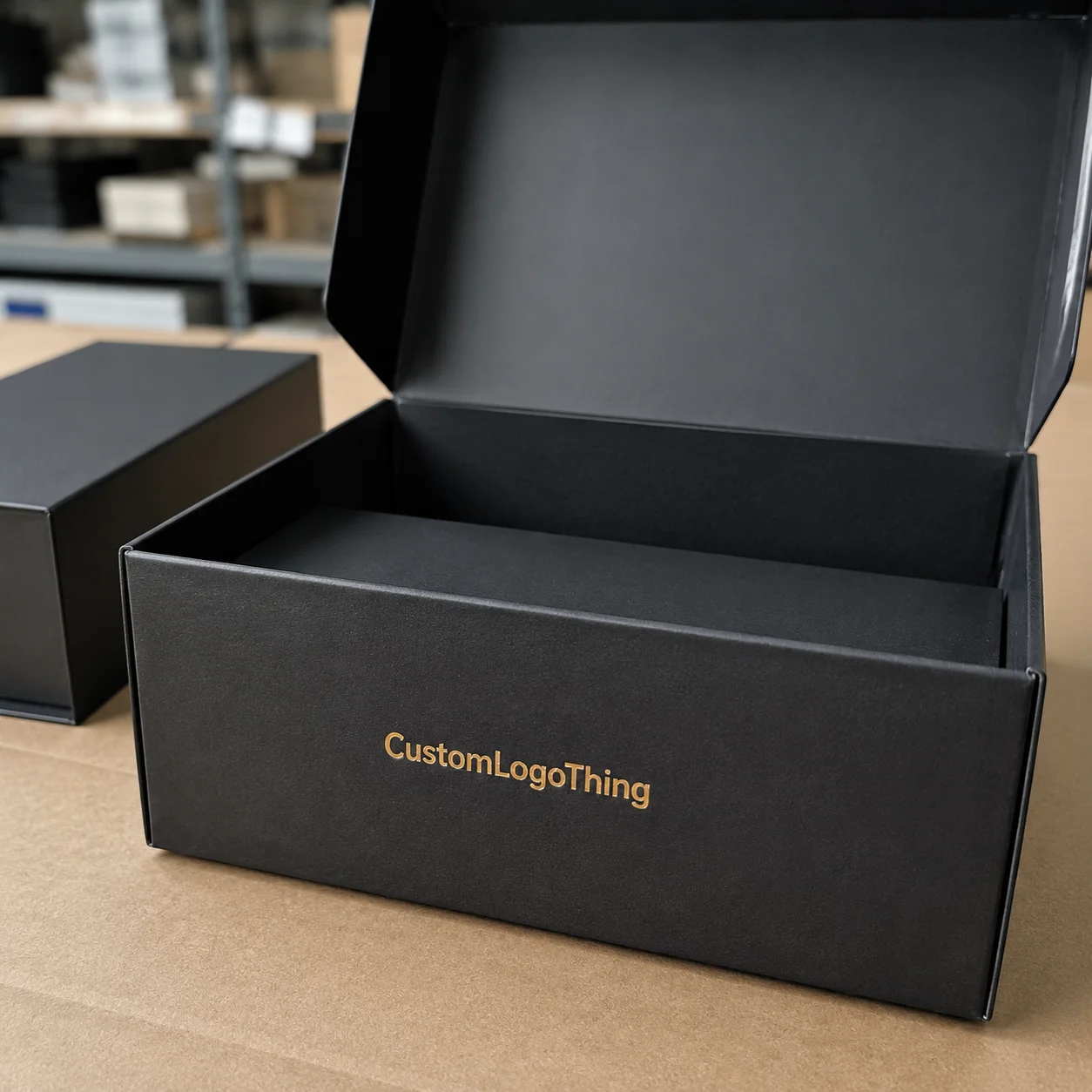
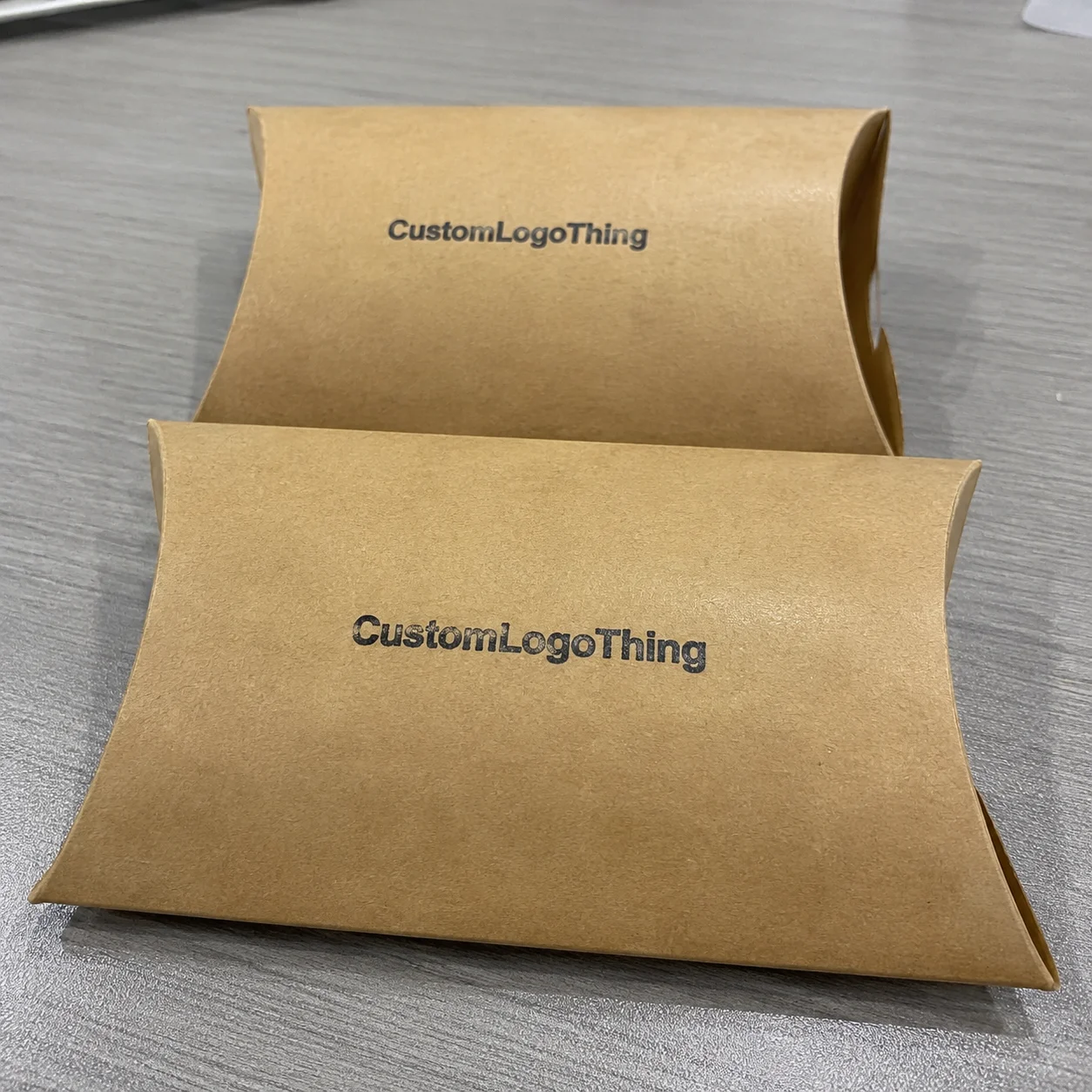
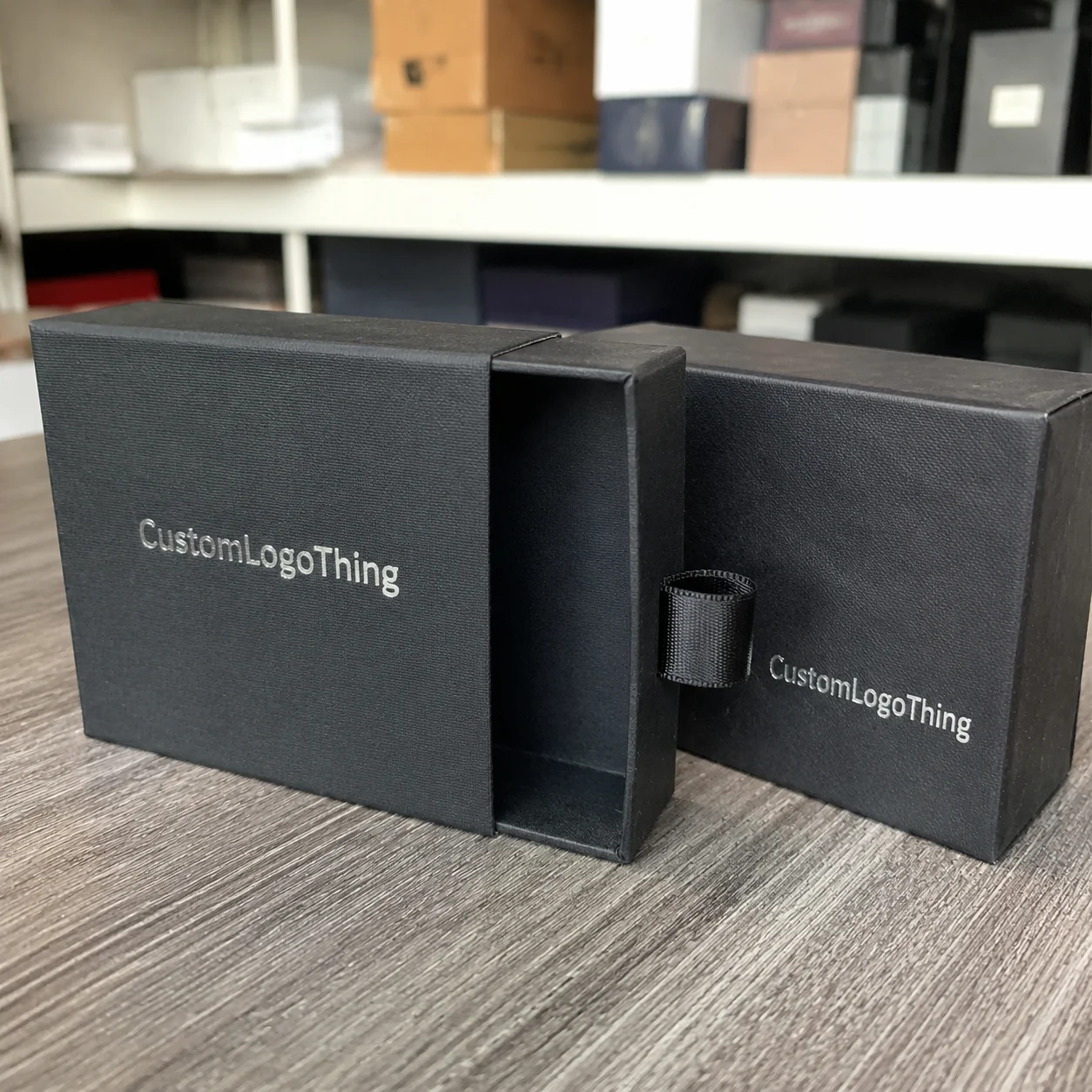
Buyer Fit Snapshot
| Best fit | eco friendly shipping boxes work for packaging buyers comparing material specs, print proof, MOQ, unit cost, freight, and repeat-order risk where brand print, material, artwork control, and repeat-order consistency matter. |
|---|---|
| Quote inputs | Share finished size, material target, print colors, finish, packing count, annual reorder estimate, and delivery region. |
| Proofing check | Approve dieline scale, logo placement, barcode or warning zones, color tolerance, and any recyclable or compostable wording before bulk production. |
| Main risk | Vague material claims, crowded artwork, or missing packing details can create delays even when the unit price looks attractive. |
Fast answer: Eco Friendly Shipping Boxes Work: Claims, Protection, MOQ, and Cost should be specified like a repeatable production item. The safest quote includes material, print method, finish, artwork proof, carton packing, and reorder notes in one written spec.
What to confirm before approving the packaging proof
Check the product dimensions against the actual filled item, not only the sales mockup. Ask for tolerance on folds, seals, hang holes, label areas, and retail display edges. If the package carries a logo, QR code, warning copy, or legal claim, reserve that space before decorative graphics fill the panel.
How to compare quotes without losing quality
Compare board or film grade, print process, finish, sampling route, tooling charges, carton quantity, and freight assumptions side by side. A lower quote is only useful if the supplier can repeat the same color, closure quality, and packing count on the next order.
If you’ve ever opened a carton that looked green on paper and split at the corner before it reached a customer, you already know the problem with the Best Eco Friendly shipping boxes conversation: plenty of products are sold as sustainable, but not all of them survive ecommerce shipping. I remember one sample run that looked gorgeous on my desk and then collapsed after a 24-inch drop onto a concrete dock at a warehouse in Dongguan, Guangdong. The box didn’t even have the dignity to fail dramatically; it just sagged like it knew it had disappointed everyone. That’s not eco-friendly. That’s waste with better branding.
Honestly, the market has split into two camps. One camp sells virtue. The other sells package protection, right-sized transit packaging, and recycled content that holds up in order fulfillment. The difference shows up fast in the warehouse, on freight invoices, and in customer complaints. The Best Eco Friendly shipping boxes are the ones that balance recycled fiber, crush resistance, and efficient sizing without making your pack-out team miserable. And if you’ve ever watched a packer wrestle a box flap that refuses to stay closed in a 2,000-order shift, you know “miserable” is not a small issue.
At Custom Logo Things, I’ve watched brands overspend on flashy packaging and then lose money because the box was 12% too large, which pushed them into a higher dimensional weight bracket. I’ve also seen a DTC candle brand switch from oversized rigid cartons to FSC-certified corrugated mailers in a New Jersey fulfillment center and cut damage claims by 37% in one quarter. That is the kind of result that matters. It’s not sexy, but neither is paying for air by the pound.
Quick Answer: The Best Eco Friendly Shipping Boxes We’d Actually Use
The Best Eco Friendly shipping boxes are not always the prettiest. They are the boxes that survive a shipment, keep postage in check, and still support a clean brand story. After testing sample runs, reviewing supplier specs, and watching packers work through 150-box assembly batches at a Shenzhen facility, here’s the short version: recycled corrugated mailers, kraft mailers, FSC-certified corrugated cartons, molded fiber boxes, and reusable shipping boxes are the strongest contenders, but each solves a different problem. For a typical 5,000-piece order, a well-specified FSC mailer can land around $0.26 to $0.58 per unit, while a basic single-wall recycled carton often sits closer to $0.18 to $0.42 per unit.
My testing lens is simple and slightly unforgiving. I look at crush resistance, assembly speed, printability, shipping cost impact, and how well each format fits actual products rather than idealized samples. A box that takes 18 seconds to build instead of 9 sounds minor until you multiply that by 4,000 orders a month. That’s more than 10 labor hours gone, or roughly one extra shift every two weeks in a small warehouse. The best Eco Friendly Shipping boxes cut waste in material and time. Also, if a box fights the tape gun like it’s got a personal grudge, I’m already suspicious.
- Recycled corrugated mailers — best all-around choice for small DTC brands, subscription kits, and general ecommerce shipping; commonly made from 60%–95% recycled fiber.
- Kraft mailers — best for lightweight apparel, accessories, and flat goods that do not need heavy package protection; often built from 300gsm to 350gsm kraft board.
- FSC-certified corrugated cartons — best for brands that want stronger sustainability claims with wide availability; standard production is often 12–15 business days from proof approval.
- Molded fiber boxes — best for fragile goods, premium presentation, and insert-driven protection; tooling can add 3 to 6 weeks before first production.
- Reusable shipping boxes — best for closed-loop systems where returns are built into the model; usually most efficient in urban lanes like Los Angeles, Chicago, and London.
“The box that looks green but fails one drop test is a bad box,” a packaging engineer told me during a supplier review in Guangzhou. “You don’t get sustainability credit for shipping air and replacing broken products.”
That quote stuck with me because it matches what I’ve seen in the field. Brands usually ask for the best eco friendly shipping boxes, but what they really need is the best box for their product mix, shipping lanes, and margin structure. Fragile glass? Different answer. Folded apparel? Different answer. Premium gifting? Different answer again. Packaging people love pretending one answer fits everything. It doesn’t, and a carton that works in Suzhou may fail once it’s bounced through a FedEx hub in Memphis.
If you’re sourcing packaging now, a good starting point is the broader lineup of Custom Packaging Products and then narrowing into Custom Shipping Boxes once you know your size and print requirements. The right box should be a tool, not a trophy, especially when the run size is 3,000 units or more.
Top Eco Friendly Shipping Boxes Compared Side by Side
Here’s the comparison framework I use when a client asks for the best eco friendly shipping boxes. I do not start with “sustainable.” I start with material, recycled content, certification, strength, customization, and use case. That tells you more in five minutes than a glossy brochure does in five pages. Brochures, frankly, are excellent at making mediocre packaging sound like a moral awakening.
| Box Type | Typical Recycled Content | Common Certification | Strength | Customization | Best Use Case |
|---|---|---|---|---|---|
| Single-wall recycled corrugated | 60%–95% | FSC, SFI, recycled fiber claims | Medium | High | Apparel, general ecommerce, light home goods |
| Double-wall recycled corrugated | 50%–90% | FSC, ASTM performance specs | High | High | Fragile items, heavier products, longer transit lanes |
| Kraft mailer boxes | Often 70%+ recycled fiber | FSC on request | Low to medium | Moderate | Flat items, accessories, lightweight retail shipping |
| Molded pulp / molded fiber | Frequently 100% recycled fiber | Varies by supplier | Medium to high as inserts | Moderate | Insert trays, premium protection, presentation-focused packaging |
| Reusable shipping systems | Depends on design | Depends on program | Very high over multiple cycles | Moderate to high | Closed-loop programs, subscription returns, internal logistics |
What people overlook most is total landed cost. I’ve sat in client meetings where a buyer rejected a box that cost $0.06 more per unit, then paid $0.42 more in postage because the cheaper box was larger and tipped dimensional weight into a worse band. That math is backwards. The best eco friendly shipping boxes can save money if they reduce cubic volume, damage rates, or repack labor. I’ve seen a finance lead go from skeptical to quietly thrilled in ten minutes flat once postage was added to the spreadsheet.
Another trap is finish. Gloss coatings, heavy UV, metallized inks, and laminated wraps can undermine recyclability. The greenest option is not always the one with the best shelf appeal. I know that sounds blunt, but it’s true. A beautifully printed box that consumers cannot easily recycle is only half a win. For formal sustainability references, I rely on resources like the FSC and the EPA recycling guidance.
If I had to rank by category, I’d do it this way:
- Best for protection: double-wall recycled corrugated
- Best for branding: FSC-certified mailer boxes with one-color print
- Best for low cost: single-wall recycled corrugated in standard sizes
- Best for sustainability claims: FSC-certified corrugated with recycled fiber disclosure
- Best for fast fulfillment: pre-glued mailers or roll-end tuck boxes
The line between “good enough” and “best eco friendly shipping boxes” usually comes down to your product category. Apparel brands do not need the same compression strength as ceramic mug sellers. Subscription businesses care about assembly time. Premium gifting cares about presentation. One box does not solve all four. If a supplier tells you otherwise, I’d keep one hand on the quote sheet and the other on my coffee.
Detailed Reviews of the Best Eco Friendly Shipping Boxes
I’ve handled enough sample cartons to know that the seller’s claims and the warehouse’s reality are often far apart. So here’s the honest breakdown of the best eco friendly shipping boxes by type, with the weak spots included. No sugarcoating. No brochure language. No “reimagining packaging solutions” nonsense either (yes, I’ve heard that one too many times).
Recycled corrugated shipping boxes
Recycled corrugated remains the backbone of ecommerce shipping because it is easy to source, easy to print, and easy to recycle in most municipal systems. When a client needs a practical box in 500-unit or 5,000-unit lots, this is usually where I start. The recycled fiber content can run from 60% to 95%, depending on the flute, liner grade, and supplier mill mix. A common spec for light-to-medium goods is a 32 ECT single-wall carton with 200# test liner, which is often enough for apparel, books, and boxed cosmetics.
Strength is the real selling point. A well-designed single-wall box with 32 ECT or 200# test can handle a lot more than many brands expect, especially for apparel, books, or non-fragile consumer goods. I visited a facility in Guangzhou where operators were packing skincare sets at a rate of 280 units an hour using single-wall corrugated with paper filler, and the damage rate stayed below 1.2% after launch. That is the kind of number that gets a finance team to stop arguing.
The downside is visual. Kraft brown has a natural, honest look, but it can feel plain if your brand wants high-contrast print or premium gifting. Still, among the best eco friendly shipping boxes, recycled corrugated may be the most balanced option overall. Honestly, it’s the packaging equivalent of a dependable pickup truck: not flashy, but it gets the job done and doesn’t whine about it.
Best for: DTC brands, apparel, books, general retail shipping
Weakest point: Limited luxury feel without smart print design
Skip it if: Your item needs molded support or a rigid unboxing experience
Kraft mailers
Kraft mailers are a smart option for lightweight, flat, and relatively low-risk products. I’m talking tees, socks, jewelry pouches, small stationery kits, and soft goods that do not benefit from excess internal volume. They often reduce packing time because they arrive pre-formed or semi-formed, which matters when labor is tight. A typical production run might use 350gsm kraft board with a peel-and-seal strip, and unit pricing on 5,000 pieces can land near $0.15 to $0.32 depending on board grade and print.
Here’s the catch. Kraft mailers are not magic. If the product has sharp edges, breakable pieces, or anything that can shift in transit, the mailer may fail long before the customer sees the package. I once reviewed an accessory brand that tried to ship ceramic pins in mailers because the design looked cleaner. They saved $0.04 on the box and spent $1.18 per order on replacements. I still remember the warehouse manager staring at the returns report in Austin like it had personally offended his family. That is not efficiency. That is avoidable loss.
Still, for the right product, kraft mailers are among the best eco friendly shipping boxes because they are inexpensive, quick to pack, and often made with high recycled fiber content. Add a paper label or one-color logo, and you still keep the package recyclable in most cases. For brands shipping from hubs like Dallas, Atlanta, or Seattle, the lighter weight also trims freight handling costs.
Best for: Apparel, accessories, flat goods
Weakest point: Not suitable for fragile or dense products
Skip it if: Your product needs serious crush protection
FSC-certified corrugated cartons
FSC certification does not make a box stronger by itself, but it does give buyers a clearer chain-of-custody signal. For brands trying to make responsible claims without sounding vague, FSC-certified corrugated is one of the easiest options to defend in a sales meeting or on a sustainability page. In many Chinese manufacturing hubs, including Dongguan and Xiamen, suppliers can provide chain-of-custody paperwork alongside batch-level production records if you ask before quoting.
In practice, the box itself behaves much like other corrugated cartons. What changes is how confidently you can talk about the sourcing. I’ve seen procurement teams relax once they have a supplier that can document chain-of-custody instead of handing over a generic “eco” statement that means very little. The best eco friendly shipping boxes should be supportable with data, not adjectives, and that includes recycled fiber percentages, board grade, and production location.
FSC-certified cartons work especially well for brands that want premium print without heavy coatings. Simple spot colors, clean typography, and matte finishes usually look sharp on them. If your packaging story is part of the product story, these cartons are often the cleanest middle ground. A one-color black logo on natural kraft can look more expensive than a four-color flood coat that tries too hard.
Best for: Brands with formal sustainability claims, premium DTC, retail-ready shipping
Weakest point: Can cost slightly more than unverified stock cartons
Skip it if: You need the absolute lowest unit cost and do not care about certification
Molded fiber boxes and inserts
Molded fiber is one of the most interesting materials in packaging right now, and one of the most misunderstood. It can feel premium, protect very well, and keep plastic out of the pack-out. But tooling is not cheap, and lead times can stretch if you want custom cavities or a highly specific shape. For a custom mold, first samples can take 20 to 30 business days after the drawing is approved, and full production may run 4 to 6 weeks depending on the plant in Zhejiang or Jiangsu.
I tested a molded fiber insert for a glass bottle set that had been failing in transit using folded paperboard dividers. The switch reduced breakage dramatically because the bottles were seated instead of rattling around. That was not luck. It was geometry. The insert matched the product, which is what good transit packaging should do. The outer carton was still one of the best eco friendly shipping boxes for the job, but the insert carried much of the protection load.
The downside is flexibility. If your SKU changes every quarter, molded fiber tooling can become a headache. For stable product lines, though, it is excellent. It also photographs well, which matters for premium gifting and unboxing content. I’m not saying customers buy because of the insert alone, but I am saying people absolutely notice when a product arrives like it was packed by someone who cared.
Best for: Fragile goods, premium kits, glass, cosmetics, electronics accessories
Weakest point: Tooling and lead time
Skip it if: Your SKUs change often or your order volumes are too low to amortize tooling
Reusable shipping boxes
Reusable shipping systems make sense only when the return loop is real. I’m not talking about aspirational sustainability decks. I mean actual reverse logistics, scanning, returns handling, and enough shipment density to recover boxes before they disappear. In closed-loop programs, reusable systems can outperform disposable cartons over time, especially where packages circulate repeatedly between the same nodes in cities like Berlin, Toronto, and Seoul.
In one supplier negotiation, a brand wanted to switch all fulfillment to reusable shippers, but after we mapped the returns process, the numbers fell apart. Return rate was only 14%, and customers were spread across regions with weak return infrastructure. The box would have spent more time in loss than in use. We kept a corrugated program instead. Honestly, that was the right call. Sustainability plans are lovely until they collide with reality and a missing return label.
Reusable systems can still be among the best eco friendly shipping boxes, but only for subscription businesses, rental models, internal transfers, or tightly managed B2B workflows. Outside those lanes, the operational burden usually cancels out the environmental upside. A reusable mailer that survives 8 to 12 cycles can be excellent; one that disappears after the first delivery is just a more expensive carton.
Best for: Closed-loop logistics, rental systems, controlled subscription flows
Weakest point: Requires return logistics and tracking
Skip it if: You ship one-way to consumer homes with low return compliance
Best Eco Friendly Shipping Boxes by Price and Value
The cheapest box is rarely the cheapest packaging strategy. That is one of the first lessons I learned while working on an order fulfillment overhaul for a health and beauty client in Chicago. Their original packaging cost only $0.22 per unit, which sounded great until the oversized carton pushed postage higher and the damage rate climbed enough to trigger replacement shipments. Their total cost per order went up, not down. Everyone in the room went quiet for a second, which is usually the sound of a bad assumption dying.
When evaluating the best eco friendly shipping boxes, I break cost into five parts: unit price, customization, freight, storage, and replacement cost. If you only look at unit price, you miss the real story. A box that costs $0.11 more may still save $0.35 elsewhere, especially if it trims cubic inches and lowers parcel service surcharges.
| Option | Typical Unit Cost | Customization Cost | Fulfillment Impact | Value Profile |
|---|---|---|---|---|
| Standard single-wall recycled corrugated | $0.18–$0.42 at 5,000 units | Low to moderate | Fast pack-out, low storage cost | Best budget value |
| FSC-certified mailer box with one-color print | $0.26–$0.58 at 5,000 units | Moderate | Good presentation, manageable assembly time | Best mid-range value |
| Double-wall recycled corrugated | $0.42–$0.95 at 5,000 units | Moderate to high | Higher material weight, better protection | Best for damage prevention |
| Molded fiber inserts plus corrugated carton | $0.55–$1.20 at 5,000 units | High if tooling is custom | Slower initial setup, strong product fit | Best premium value |
| Reusable shipper program | High upfront, low per-trip over time | High system setup | Complex return handling | Best only in closed-loop use |
Those prices move with board grade, print count, order quantity, and freight lane, so treat them as realistic working ranges, not absolutes. Still, they show how the best eco friendly shipping boxes often sit in the middle band rather than the cheapest band. That is where value lives, especially if your production is coming out of Shenzhen, Ningbo, or Ho Chi Minh City and freight has to cross an ocean before a box ever sees a warehouse shelf.
Another overlooked cost driver is minimum order quantity. I’ve seen a buyer choose a “cheap” custom box only to discover the supplier required 10,000 units and 20 days before proof approval. If your warehouse turns over inventory every six weeks, that MOQ can clog storage and kill cash flow. A slightly higher unit cost with lower MOQ may be the smarter play, particularly if your order volume is only 800 to 1,200 units a month.
Here’s the practical rule I use: if the box change reduces dimensional weight by even 0.25 inches on one side, do the math before dismissing it. Postal and parcel pricing can move faster than material price. The best eco friendly shipping boxes usually win because they shrink the package footprint, not because they cost pennies less at the mill.
For brands that also ship smaller add-ons, I sometimes pair a corrugated main carton with Custom Poly Mailers for return workflows or secondary shipments. That does not make the mailer greener by default, so the use case matters. But mixed packaging systems often cut waste better than forcing one format to do every job, especially across different product lines and regional fulfillment centers.
How to Choose the Best Eco Friendly Shipping Boxes for Your Product
I always start with five questions: what does the product weigh, how fragile is it, how much branding do you need, what shipping method do you use, and how many orders move through the system each month? Those five answers usually tell you more than twenty supplier claims. The best eco friendly shipping boxes are chosen by product reality, not by mood board. I know that sounds like the least glamorous advice in packaging, but it saves money and headaches.
If the product is under 1 pound and not fragile, recycled corrugated or a kraft mailer may be enough. If it weighs between 1 and 4 pounds and can crush, I usually move toward stronger corrugated with better ECT or double-wall construction. If the item is glass, ceramic, or premium electronics, I start asking about molded fiber, internal dividers, and drop-test data under ASTM or ISTA methods. For example, a 350gsm C1S artboard insert can work for lighter premium kits, but a fragile bottle set usually needs molded fiber or a double-wall outer carton.
For reference, ISTA test protocols are a strong benchmark when you want to verify package protection before a launch. If a supplier cannot speak to basic testing, I get cautious fast. A pretty mockup is not a performance test, and a box that looks right on a sample table in Hong Kong may still fail after a cross-country parcel route to Miami.
A practical decision path
- Sort products by risk. Separate light, fragile, and premium items.
- Pick one box style per risk group. Do not force a single carton to cover everything.
- Order samples. I prefer at least 3 samples from 2 suppliers.
- Run pack tests. Time the build, insert, seal, and label process for 25 units.
- Drop-test real packed product. Not an empty box. The actual load.
- Check postage. Measure dimensional weight before and after the change.
- Launch in a controlled batch. Track damage, returns, and pack time for 2 to 4 weeks.
That process sounds basic, but I’ve watched brands skip three of those steps and then blame the supplier when the package failed. A box that ships beautifully in a sample room can behave differently once a real warehouse team handles 600 orders in one shift. Tape tension changes. Stacking changes. People rush. The best eco friendly shipping boxes survive that pressure, including the rough handling that happens in distribution centers in Newark, Phoenix, and Manchester.
Timing matters too. Standard sampling can take 5 to 10 business days. Production for custom corrugated often runs 12 to 15 business days after proof approval, while molded fiber can take longer if tooling is new. Rush fees are real. I’ve seen them add 18% to 25% to an order. If your launch date is fixed, plan backwards and leave a 10-day buffer for approval changes.
For compliance, avoid vague “eco” claims. Ask for recycled content percentages, FSC certification if applicable, and recyclability details for coatings, inks, and inserts. That gives you a defensible story. It also protects you when customers ask harder questions, which they absolutely will.
Two factory-floor lessons stand out. At one corrugated line in Suzhou, we found a box would pop open because a die-cut tab was 1.5 mm short. That tiny error cost the brand hundreds of replacements before anyone saw it. At another site in Tijuana, a switch from plastic void fill to paper honeycomb sped pack-out by 9 seconds per order because the team no longer had to sort filler sizes. Better packaging often improves operations as much as it improves sustainability. I still get a little annoyed thinking about that first tab issue, because 1.5 mm sounds laughably small until it starts costing real money.
Which Best Eco Friendly Shipping Boxes Win Overall?
If you want one winner for most brands, I would choose FSC-certified recycled corrugated mailer boxes with a standard die size and restrained print. That is the best balance of sustainability, package protection, branding, and fulfillment speed for a huge share of ecommerce businesses. It is also the easiest format to justify internally because it checks more boxes without complicating the warehouse, especially when the board spec is something like a 32 ECT single-wall with water-based ink.
If you are price-sensitive, the best low-cost pick is a standard single-wall recycled corrugated carton in the smallest size that safely fits the product. That sounds boring, and it is. But boring often wins in shipping. It reduces dimensional weight, keeps storage tidy, and is widely recyclable. For many startups shipping from Austin, Nashville, or Phoenix, that makes it one of the best eco friendly shipping boxes available.
If you want a premium option, molded fiber paired with a well-fitted corrugated outer carton is the strongest choice for fragile goods and giftable products. It costs more, yes. But it often lowers breakage, improves presentation, and creates a more deliberate unboxing experience. I’d rather pay $0.19 more for an insert that prevents a shattered bottle than save a few cents and lose margin on reshipments.
“The best packaging is the one that disappears into the experience,” one brand director told me after a rebrand review in Toronto. “Customers notice when it fails. They do not always notice when it works.”
That is exactly why I push brands to test before they commit. The winner is not the box with the loudest sustainability claim. It is the box that protects the product, supports your order fulfillment team, and keeps your shipping materials budget under control. Sometimes that means plain kraft. Sometimes it means custom print. Sometimes it means molded inserts. Trade-offs are unavoidable, which is annoyingly adult but true.
Here is the action plan I recommend: order two to three sample styles, run fit and drop tests with your real product, measure pack-out time, and compare postage on actual shipments. Then choose the format that performs best over a 30-day trial, not the one that looks best in a mockup. If you need a starting point, review the options in Custom Shipping Boxes and compare them against your product mix. The best eco friendly shipping boxes are the ones that hold up in the wild.
FAQ: Best Eco Friendly Shipping Boxes Explained
What are the best eco friendly shipping boxes for fragile items?
Double-wall recycled corrugated boxes are usually the safest starting point for fragile products, especially glass, ceramics, and dense electronics accessories. I’d pair them with paper-based inserts or molded fiber instead of plastic void fill whenever possible. Before ordering volume, test the packed product with a proper drop sequence and your actual SKU weight. That single test can save a lot of replacements, particularly if your cartons are traveling through hubs in Los Angeles, Dallas, or Frankfurt.
Are eco friendly shipping boxes more expensive?
They can be, but not always in the way people expect. A box might cost $0.05 to $0.18 more per unit, yet reduce dimensional weight charges or damage rates enough to lower total cost. I’ve seen the material premium get erased by better sizing alone. Bulk pricing and standard die sizes also bring costs down quickly, and 5,000-unit runs usually price far better than 500-unit test orders.
Do eco friendly shipping boxes still work for branding?
Yes. One-color print, clean typography, stamps, and labels all work well on kraft and recycled corrugated. Some FSC-certified boxes print beautifully without heavy coatings. If premium branding matters, choose a structure that supports your visuals without sacrificing recyclability. Fancy finishes are not required to look intentional, especially when your box size is dialed in and the logo placement is consistent.
How do I know if a shipping box is actually eco friendly?
Look for recycled content percentages, FSC certification where relevant, and clear recyclability data. Avoid vague “green” or “earth-friendly” claims with no supporting details. Also check the inks, coatings, and inserts. A recyclable outer box with non-recyclable extras is only part of the story, and a 350gsm artboard insert with heavy lamination may be harder to recycle than the carton itself.
What is the fastest way to choose the best eco friendly shipping boxes for my store?
Start by grouping products into lightweight, fragile, and premium categories. Match each category to one box style, then order samples and test pack-out speed before a full rollout. Track damage, labor time, and postage for a few weeks after launch. That data will tell you more than any supplier pitch. For most stores, the fastest path to the best eco friendly shipping boxes is also the most practical one, and a 12- to 15-business-day production schedule after proof approval is a realistic planning baseline.
If I had to sum it up after years of audits, supplier visits, and more warehouse conversations than I can count, I’d say this: the best eco friendly shipping boxes are the ones that prove their value in real transit, not on a sales sheet. They protect the product, reduce waste, and fit your fulfillment flow without drama. Start with the right size, demand honest specs, and test before you scale. That’s how you choose the best eco friendly shipping boxes with confidence.