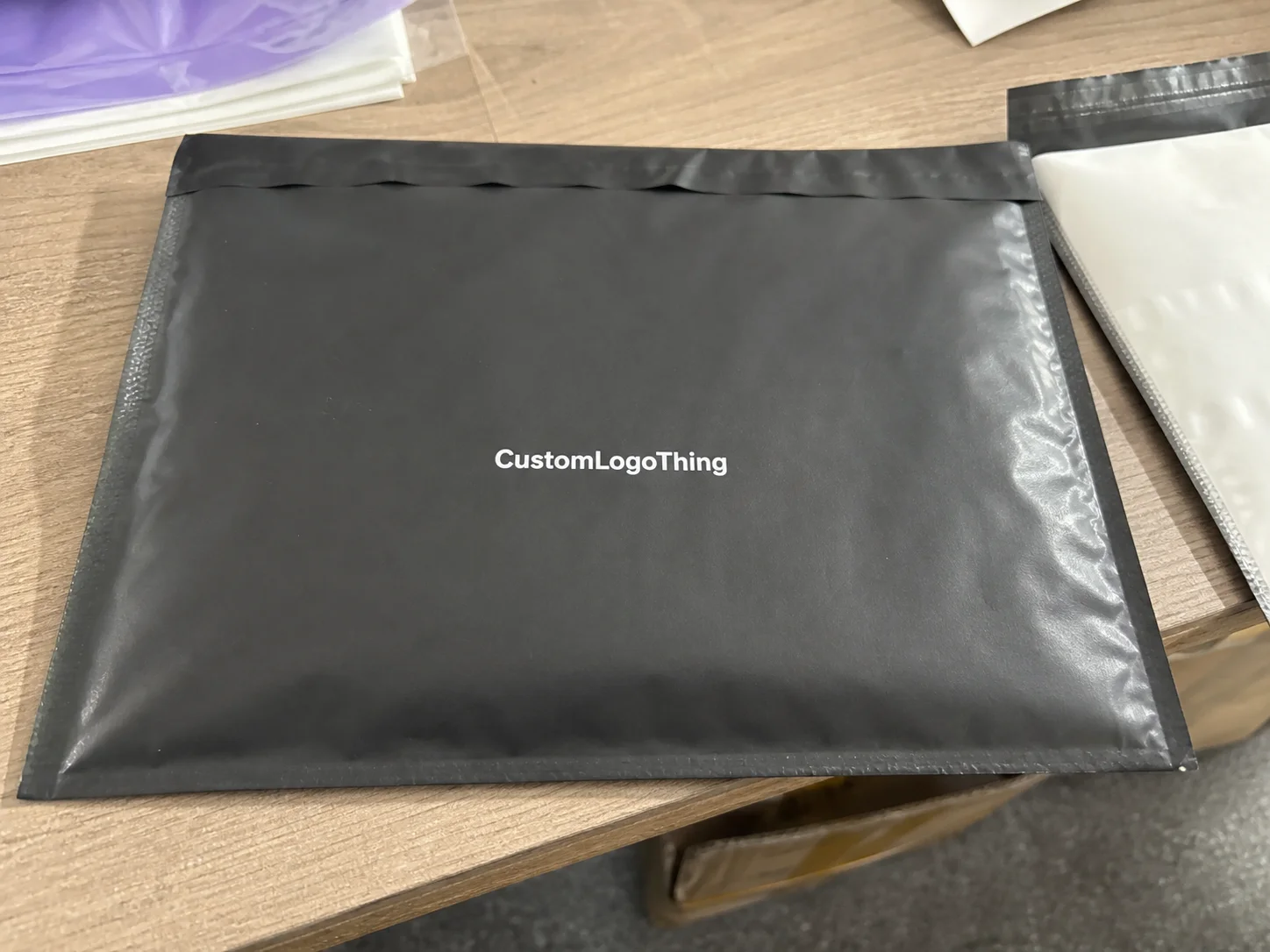
Buyer Fit Snapshot
| Best fit | minimalist custom box design options compared for packaging buyers comparing material specs, print proof, MOQ, unit cost, freight, and repeat-order risk where brand print, material, artwork control, and repeat-order consistency matter. |
|---|---|
| Quote inputs | Share finished size, material target, print colors, finish, packing count, annual reorder estimate, and delivery region. |
| Proofing check | Approve dieline scale, logo placement, barcode or warning zones, color tolerance, and any recyclable or compostable wording before bulk production. |
| Main risk | Vague material claims, crowded artwork, or missing packing details can create delays even when the unit price looks attractive. |
Fast answer: Minimalist Custom Box Design Options Compared: Dieline, Finish, Proof, and Buyer Review should be specified like a repeatable production item. The safest quote includes material, print method, finish, artwork proof, carton packing, and reorder notes in one written spec.
What to confirm before approving the packaging proof
Check the product dimensions against the actual filled item, not only the sales mockup. Ask for tolerance on folds, seals, hang holes, label areas, and retail display edges. If the package carries a logo, QR code, warning copy, or legal claim, reserve that space before decorative graphics fill the panel.
How to compare quotes without losing quality
Compare board or film grade, print process, finish, sampling route, tooling charges, carton quantity, and freight assumptions side by side. A lower quote is only useful if the supplier can repeat the same color, closure quality, and packing count on the next order.
The Best Minimalist Custom Box design usually looks effortless only after a ruthless amount of discipline. I remember standing in a Shenzhen sample room, staring at a supposedly “clean” black-on-white carton that looked expensive until we shifted the logo by 2 mm and the whole thing suddenly read like a random private label box from a discount shelf. That’s the trap with the best minimalist custom box design: the fewer elements you use, the louder every mistake becomes. Packaging can be weirdly unforgiving that way. In a factory district like Longgang, where one production floor can run 50,000 cartons a day, a 2 mm error is not subtle; it is visible from arm’s length.
For Custom Logo Things, I’d define the Best Minimalist Custom box design as packaging with reduced ink coverage, precise typography, a restrained palette, and a structure that carries the brand without ornamental clutter. That can mean a kraft mailer with one-color print, a rigid box with blind debossing, or a soft-touch setup with one foil mark. The style shifts by product category, but the goal stays steady: make the box feel intentional, premium, and easy to scale. A good starting spec is often 350gsm C1S artboard for folding cartons, 1200gsm greyboard for rigid packaging, and E-flute corrugated for shipping boxes. And yes, that is harder than it sounds, which is exactly why the category rewards precision. Among packaging trends, Minimalist Custom Packaging has held up because it treats every millimeter like it matters.
There’s also a practical reason brands keep coming back to it: simple packaging is easier to keep consistent across multiple SKUs. That matters when your product line grows from one hero item to ten variations in six months. A carton system that uses the same structure, same logo position, and same finish language can save real money on press setup and quality control. I’ve seen that save a team from a lot of last-minute scrambling, kinda the kind that only shows up when inventory is already booked.
Quick Answer: What Is the Best Minimalist Custom Box Design?
If you want the short answer, the best minimalist custom box design is the one that fits your product weight, sales channel, and price point without pretending to be luxury when the board is flimsy. I’ve seen brands spend $1.20 per unit on fancy printing and then save $0.06 on the carton board. Bad trade. Customers notice stiffness before they notice your Pantone code. They may not say it out loud, but their hands absolutely do. For a 250g skincare jar, I would rather see a 350gsm SBS folding carton with matte aqueous coating than a glossy 300gsm board that crushes in transit after one warehouse drop.
Minimalist packaging means less visual noise and more precision. In practice, that usually includes:
- Reduced ink coverage — one or two colors, not a mural.
- Clean typography — often one strong font family, sometimes two.
- Restraint in color — kraft, white, black, gray, or muted neutrals.
- Precise structural choices — rigid, mailer, folding carton, sleeve, or tray.
- No decorative clutter — no fake flourishes pretending to be premium.
For luxury retail, my favorite best minimalist custom box design option is a rigid box with debossed logo and soft-touch lamination. It photographs well, feels expensive in hand, and holds up in a boutique display in places like New York’s SoHo or Dubai Mall. For DTC shipping, I usually lean toward a white SBS mailer or E-flute corrugated mailer with spot black typography. For subscription boxes, the best minimalist custom box design is often a sleeve-and-tray setup because it creates a strong unboxing moment without turning into design theater. In most factories in Dongguan or Shenzhen, that sleeve-and-tray build can be produced with 12-15 business days from proof approval if the artwork and dimensions are final.
Here’s the commercial truth: minimalist branding works because it is easier to recognize, easier to reproduce across SKUs, and easier to keep consistent when you order 5,000, 25,000, or 100,000 pieces. The best minimalist custom box design does not shout. It speaks clearly. That difference matters when your product sits next to ten louder competitors, especially in mass retail aisles where shelf space may cost $40 to $150 per linear foot per month depending on the region.
Plenty of people confuse “minimal” with “cheap-looking.” That’s backwards. The best minimalist custom box design is usually the hardest to get right because there’s nowhere to hide. One misaligned logo, one weak board, one muddy black, and the whole thing falls apart visually. I’ve had to say, “Yes, that tiny shift matters,” more times than I’d like to admit. A 1 mm tolerance miss on a lid line can turn a polished package into something that feels rushed from the moment it leaves the carton sealer in Dongguan.
Top Minimalist Custom Box Design Options Compared
When I compare the best minimalist custom box design options, I’m looking at more than aesthetics. I’m looking at board stiffness, print consistency, die-cut tolerance, scuff resistance, and how the box behaves after 200 units are packed by a tired fulfillment team who just wants to go home. Yes, that matters. A lot. Anyone who’s ever watched a carton line on a Friday afternoon in Shenzhen or Los Angeles knows exactly what I mean. A clean render can hide a lot; a production table cannot.
During one factory visit in Zhongshan, I watched a 1-color kraft mailer fail a drop test because the board was thinner than the sample spec. The design looked beautiful in the render. In production, it felt like a cereal box from a bad alternate universe. That’s the difference between a pretty concept and a true best minimalist custom box design. A package that looks elegant but collapses after a 1-meter drop is a very expensive sketch.
Here’s a practical comparison of the most common styles. These packaging options cover most minimalist branding needs without drifting into overdesigned territory.
| Design Style | Look | Best For | Typical Cost Range | Common Failure Point |
|---|---|---|---|---|
| Uncoated kraft with one-color print | Natural, earthy, honest | Eco brands, apparel, small launches | $0.32–$0.78/unit at 5,000 pcs | Ink contrast can look weak |
| Rigid box with debossed logo | Quiet luxury, premium, tactile | Beauty, jewelry, premium gifts | $1.80–$4.50/unit at 3,000 pcs | Deboss too shallow looks unfinished |
| White SBS mailer with black typography | Sharp, modern, clean | DTC shipping, cosmetics, accessories | $0.45–$1.10/unit at 5,000 pcs | Scuffs show fast without coating |
| Soft-touch matte box with foil micro-mark | Subtle, elegant, high-end | Premium retail, electronics, skincare | $0.95–$2.80/unit at 5,000 pcs | Too much foil kills the minimal look |
| Sleeve-and-inner tray | Layered, controlled, presentation-focused | Subscription, gifting, launch kits | $1.10–$3.20/unit at 3,000 pcs | Loose sleeve fit ruins the reveal |
| Monochrome shipping box | Simple, strong, warehouse-friendly | Heavy items, large DTC parcels | $0.55–$1.40/unit at 5,000 pcs | Too plain if the brand needs shelf appeal |
The best minimalist custom box design for budget-conscious brands is usually kraft with one-color print. It gives you strong package branding without a lot of prepress complexity. The downside? Uncoated kraft can mute fine details, so small type below 7 pt is a bad idea unless you enjoy disappointed clients. I certainly don’t. For a 5,000-piece run in Shenzhen, a simple kraft mailer can start near $0.38 per unit if the die-cut is standard and there are no inserts.
The premium winner is usually the rigid box with debossed logo. That one has real presence. I negotiated a run for a client in the skincare space at $2.95/unit for 3,000 boxes with a 1-color exterior and insert, and their retail team sold the feel of the box before they even opened it. That’s the power of the best minimalist custom box design done right. In a premium showroom in Paris or Singapore, that tactile impression can carry more weight than an extra two colors of ink.
The best e-commerce choice is a white SBS mailer with black typography or a monochrome corrugated mailer. It keeps product packaging neat, stacks well in transit, and creates clean unboxing visuals. A common spec is 16pt SBS with matte aqueous coating, or E-flute corrugated with 1-color black flexo. It is not the most luxurious. It is the most practical.
Where minimalist designs fail is painfully predictable. Too-small logos. Black that prints gray because the board absorbed too much ink. Foil used like confetti. And the classic mistake: choosing a glossy finish because someone thought shine equals premium. It doesn’t. Sometimes it just looks like a pizza box wearing makeup. I wish I were joking. In one Guangzhou run, a client approved a gloss lamination for 10,000 shipping cartons, then asked why every fingerprint showed up under warehouse lights at 600 lux.
Detailed Reviews of the Best Minimalist Custom Box Design Styles
Let me break down the best minimalist custom box design styles the way I would with a buyer standing next to me at a sample table. No fluff. Just the tradeoffs. I’ve handled enough custom printed boxes to know that the nice render on your screen is usually the least interesting part of the conversation. The real story is whether the corner crushes, whether the ink looks muddy, and whether your “premium” box actually feels premium instead of trying way too hard. A sample that survives a 100 cm drop test and still closes cleanly is worth more than ten perfect mockups.
Uncoated Kraft with One-Color Print
This is the most honest-looking version of the best minimalist custom box design. The board feels natural. The branding feels restrained. It works especially well for apparel, eco-friendly accessories, and subscription packaging where authenticity matters more than shine. A lot of suppliers in Dongguan can quote this style quickly because the production steps are simple: one die line, one ink pass, and a standard fold-and-glue structure.
Materials: usually 280gsm to 400gsm kraft board for folding cartons, or E-flute corrugated for mailers. If the product weighs more than 1.5 kg, I’d move up in flute strength or the box will feel tired before it reaches the customer. For something like a 900g candle set, I would not go below 350gsm kraft liner plus corrugated protection in transit.
Printing: one-color black, white, or deep green inks are common. The issue is absorbency. Kraft can drink ink and soften edge sharpness, so I usually ask for a stronger ink density and a clean die-line. ASTM-style fit and finish checks are worth the time here, even if the supplier acts like that’s some exotic request. On a 5,000-piece order, asking for a proof on the exact substrate can save a lot more than the $45–$120 cost of the test sheet.
Finishing: no lamination, or a light aqueous coat if scuffing is a concern. Too much coating kills the kraft character, and then you’ve paid for “natural” packaging that looks artificial. Nice work. That kind of mistake always feels slightly insulting. A matte aqueous layer can still keep the box from rubbing dirty during a 20-day ocean shipment from Yantian to Long Beach.
Brand impact: strong for eco positioning and small-batch retail packaging. Weak if your brand promise is luxury, because the tactile story may not be rich enough.
I had a client in natural skincare who wanted a clean look at under $0.70/unit. We tested three options and the kraft mailer won because it felt grounded. The key was keeping the logo large enough—32 mm wide, not 18 mm like the first file they sent me. Tiny logos on kraft look shy, not sophisticated. For a box with a front panel under 120 mm wide, that 14 mm difference is the difference between readable branding and visual noise.
Rigid Box with Debossed Logo
This is the quiet luxury favorite and one of my top picks for the best minimalist custom box design. The structure itself does the talking. You don’t need loud graphics when the box opens with a controlled reveal and the logo is pressed into the surface like a whisper. I’ve seen this style work especially well in Hong Kong and Milan, where premium presentation is often judged in the first three seconds after unboxing.
Materials: greyboard wrapped with coated art paper or specialty paper. A 1200gsm to 1500gsm rigid structure is common. That thickness gives real hand-feel and keeps the lid aligned. For heavier sets, a 1800gsm base with a 1200gsm wrap can be the better choice if you want the lid to stay square after repeated handling.
Printing: often no printing at all besides a deboss or blind emboss. Sometimes a single Pantone tone on the wrap. If you add too much, the design stops being minimal and starts looking indecisive. A single PMS 433 C on a matte wrap can carry a fragrance box without any other visual language.
Finishing: soft-touch matte, cloth-wrap, or uncoated luxury paper. Deboss depth matters. Too shallow and it looks like a printing error. Too deep and the paper cracks. I’ve seen both. One client approved a “subtle” deboss at 0.3 mm and then wondered why it vanished under retail lighting. Because subtle can mean invisible if you’re careless. A more usable range is often 0.5 mm to 0.8 mm, depending on paper stock and fiber direction.
Brand impact: excellent for high-margin product packaging like fragrance, jewelry, premium candles, and invitation sets.
The rigid box with debossed logo is one of the best minimalist custom box design choices if you want perceived value to do some heavy lifting. It costs more, yes. But the customer often reads that cost as quality before they ever touch the product. In a 3,000-piece run, the price can sit between $1.80 and $4.50 per unit depending on wrap paper, insert complexity, and whether the box ships flat or fully assembled from a plant in Shenzhen or Dongguan.
White SBS Mailer with Black Typography
This is the workhorse for DTC brands, and it deserves more respect than it gets. A white SBS mailer with black typography can absolutely be the best minimalist custom box design if you need clean presentation and repeatable production at scale. The format is especially common for beauty brands shipping from Los Angeles, New Jersey, or Toronto because it balances print clarity with warehouse efficiency.
Materials: typically 14pt to 18pt SBS for folding cartons, or white corrugated board for mailers. If the parcel is shipping through rough carrier networks, I lean toward corrugated because beauty without protection is just expensive denial. For a 1 kg parcel, a 32 ECT or better corrugated spec is a sensible starting point.
Printing: black or charcoal ink is the safest. High contrast reads clearly, and the layout can stay spare: logo, product name, maybe a small line of copy. That’s enough. A clean two-line lockup often performs better than a dense front panel, especially when the box is photographed at a 45-degree angle.
Finishing: aqueous coating or matte varnish helps reduce scuff marks. Soft-touch can work too, but on a mailer that moves through warehouse hands, it can show wear faster than people expect. I usually prefer a matte aqueous coat on a 5,000-piece mailer order because it keeps the cost closer to $0.55 to $0.85 per unit while still giving a controlled surface.
Brand impact: clean, modern, and dependable. Great for cosmetics, wellness, and accessories. Not the most emotionally rich option, but it photographs well and doesn’t look cheap if the board is solid.
I once sat through a supplier negotiation where a buyer insisted on pure white gloss stock for a shipping box because “it looks cleaner.” Sure. For 500 units maybe. By the time we got to carton 3,000, every handling mark showed up like a witness statement. The best minimalist custom box design is not the one that looks best on day one only. It is the one that still looks deliberate after a week in a fulfillment center in Dallas or Rotterdam.
Soft-Touch Matte Box with Foil Micro-Mark
This one has become a favorite for premium branded packaging, and when it’s done with restraint, it’s easily one of the best minimalist custom box design options in the market. The trick is the micro-mark. One small foil detail. Not a shiny parade. In practice, the foil area might be under 8% of total front-panel coverage, which is exactly why it stays elegant.
Materials: coated artboard or rigid wrap paper. The base needs to be smooth or the foil will telegraph every flaw. For a 350gsm artboard carton, the surface quality has to be excellent or the soft-touch film will magnify every speck of dust.
Printing: usually minimal. A logo, a product name, and maybe a tiny monogram. The rest is negative space. That empty space is part of the design, not a failure to decorate.
Finishing: soft-touch lamination, then a single foil stamp in gold, silver, copper, or black foil. Black foil is underrated. It can look very sharp under retail lighting without turning the package into holiday decor. One subtle foil hit on a 100 mm-wide front panel is often enough.
Brand impact: great for skincare, premium supplements, and tech accessories. The tactile effect is excellent in person. On camera, it depends on lighting. Soft-touch looks rich, but if the lighting is harsh, it can flatten visually.
This style is one of the most misunderstood in packaging design. People pile on foil because they paid for it, then wonder why the box suddenly looks loud. The best minimalist custom box design uses foil like seasoning, not a main course. In one Guangzhou production run, a client wanted three foil accents on a box with a 60 mm logo space; by the time we reduced it to one black foil mark, the design felt calmer and more expensive.
Sleeve-and-Inner Tray Setup
This is the most theatrical minimalist option, and yes, that sounds contradictory. It isn’t. A sleeve-and-tray structure can be the best minimalist custom box design when the brand wants controlled movement, layered reveal, and better organization for bundled items. It is especially effective for launch kits that include three or four components, because the tray keeps the pieces from rattling around like loose coins in a suitcase.
Materials: outer sleeve in SBS or kraft, inner tray in rigid board or folded carton. The tray thickness depends on the product weight and whether inserts are needed. A common setup is a 350gsm sleeve paired with a 500gsm inner tray, or a 1200gsm rigid base for premium kits.
Printing: usually just one side of the sleeve gets branding. The tray can be unprinted or lightly marked. That keeps the experience clean. A small side-panel mark often works better than filling the whole outer sleeve with copy.
Finishing: matte lamination on the sleeve is common. If the tray is visible, a contrasting texture can be effective, but only if the contrast is intentional. Uncoated tray paper against a laminated sleeve can be beautiful if the colors are coordinated around a single PMS value.
Brand impact: excellent for gift sets, subscription launches, and small electronics. The main risk is tolerance. If the sleeve is loose, the box feels cheap. If it’s too tight, customers hate opening it. And they will remember that annoyance, which is a terrible kind of memory to leave behind.
One of my agency clients changed the sleeve size by 1.5 mm after sampling because they were nervous about fit. That tiny change pushed the run back by 8 days. Minimalist packaging has no mercy for sloppy measurements. The best minimalist custom box design rewards precision and punishes guesswork. In many cases, production in a place like Dongguan can still hit 12-15 business days after proof approval if the dieline is locked before tooling starts.
Monochrome Shipping Box
This is the safest and least dramatic choice, but it can be the best minimalist custom box design for brands that care about operational efficiency. Think clean brown, black, or white shipping cartons with one logo and maybe a single line of copy. For warehouse teams in Chicago, Manchester, or Melbourne, a box that stacks well and prints cleanly is often more valuable than one that photographs like a magazine cover.
Materials: B-flute or E-flute corrugated board depending on product weight and transit risk.
Printing: one-color flexo or digital print. Flexo is usually better for volume; digital can be useful for smaller runs and faster artwork changes. If you’re ordering 10,000 units, flexo usually wins on cost, but for 500 to 1,500 units, digital can save time on setup.
Finishing: often none, or a basic aqueous coating if needed. Shipping boxes need durability first. A basic matte surface with a single black logo can look sharper than many people expect if the print registration is tight.
Brand impact: modest but effective. It won’t wow anyone in a boutique, but it will keep your brand consistent from warehouse to doorstep.
This style is the one I recommend when a brand wants practical retail packaging with controlled costs. If you’re shipping bulkier items, there’s nothing glamorous about crushed corners. A clean monochrome shipping box is better than a fancy disaster. A flat black logo on a 32 ECT corrugated carton in Atlanta may not be dramatic, but it does the job every single time.
Best Minimalist Custom Box Design Pricing and Cost Comparison
Let’s talk money, because the best minimalist custom box design is also the one that fits your budget without playing fantasy economics. I’ve reviewed quotes from suppliers in Shenzhen, Dongguan, and a few domestic converters in the U.S., and the pricing logic is usually the same: board, print, finish, size, and quantity. The rest is vendor drama. Some of that drama is avoidable. Some of it arrives in your inbox like an uninvited guest. A quote that looks low at $0.21 per unit may quietly exclude inserts, proofing, or freight from Shenzhen to Los Angeles, and that is how budgets go off the rails.
Minimalist designs can Save Money on print complexity, but they do not automatically make packaging cheap. Premium board and premium finishing can erase those savings fast. A soft-touch rigid box can cost 4 to 8 times more than a basic kraft mailer even if both use only one ink color.
| Structure | Common Spec | Approx. Cost at 5,000 pcs | Best Use Case |
|---|---|---|---|
| Folding carton | 350gsm SBS, 1-color print, matte varnish | $0.18–$0.42/unit | Lightweight retail product packaging |
| Mailer box | E-flute, 1-color print, aqueous coating | $0.45–$0.95/unit | DTC shipments and subscription boxes |
| Rigid box | 1200gsm greyboard, deboss, soft-touch wrap | $1.80–$4.50/unit | Luxury launches and premium gifts |
| Sleeve + tray | Printed sleeve, plain inner tray, matte finish | $1.10–$3.20/unit | Reveal-style branded packaging |
| Monochrome shipping carton | B-flute corrugated, black flexo print | $0.55–$1.40/unit | Heavier e-commerce orders |
For startups, I usually see realistic budgets in the $0.30 to $0.90 range per unit for a strong best minimalist custom box design if they stay with folding cartons or mailers and avoid elaborate inserts. Mid-size brands can spend $0.90 to $2.50 per unit when they want better board and more controlled finishing. Premium launches often move from $2.00 to $5.00 per unit, especially with rigid structures or specialty papers. For example, a 5,000-piece run of 350gsm C1S artboard cartons with 1-color black print and matte varnish can land around $0.24 per unit in coastal China, while the same structure with foil and soft-touch can double that quickly.
Supplier quotes are usually built like this:
- Material cost — board grade, paper wrap, liner, flute, or greyboard.
- Print cost — number of colors, ink type, and print method.
- Finish cost — lamination, embossing, debossing, foil, varnish, or coating.
- Tooling — die lines, cutting plates, emboss molds, foil dies.
- Assembly — gluing, handwork, inserts, tray fitting.
- Freight — ocean, air, domestic trucking, or last-mile delivery.
Here’s the part many buyers miss. A single elegant foil stamp can cost less than full-coverage art, but premium paper or a rigid structure can wipe out the savings. I’ve seen a simple black logo on luxe paper cost more than a full-color carton on commodity SBS. The best minimalist custom box design is not automatically the cheapest. It is the one that gives the highest perceived value for the spend. A $0.15 per unit carton at 5,000 pieces sounds attractive until it arrives in a thinner board than your product needs and starts bending in transit.
If you’re comparing vendors, ask them for separate line items. Otherwise you’ll get one price and no clue whether the expensive part is the board, the finish, or the fact that they don’t really want your order. I’ve had quotes arrive so vaguely that I had to reread them like they were a mystery novel. A proper quote should tell you whether the plant is in Shenzhen, Ningbo, or Dongguan, what substrate they’re using, and whether proof approval starts the clock.
How to Choose the Right Minimalist Custom Box Design
The right best minimalist custom box design depends on five things: brand position, product weight, shipping method, retail versus DTC use, and your tolerance for risk. If your product is a 120g candle in a boutique, the box can be delicate and elegant. If it’s a 900g skincare set shipping across the country, you need more structure. Obvious, but somehow still ignored in half the meetings I sit through. A candle gift box in Austin does not need the same engineering as a two-bottle set shipping from Shenzhen to Toronto.
Here’s the decision framework I use:
- Fragile product — choose rigid or corrugated with inserts.
- Scented or premium beauty item — soft-touch or debossed rigid works well.
- Heavy product — move to corrugated or a stronger mailer construction.
- Subscription set — sleeve-and-tray or controlled reveal mailer.
- Budget launch — kraft or SBS with one-color print.
I also tell clients to think about shelf presence and opening sequence. The best minimalist custom box design can still have retail packaging impact if the logo sits where the eye lands naturally, usually centered or slightly above the midpoint. If the box is for DTC only, the unboxing experience matters more than shelf blocking power. If it’s for retail, the front panel needs to read from three feet away, which is about 90 cm. That’s not decoration. That’s merchandising.
When reviewing samples, I look for five things:
- Print sharpness — edges should be crisp, not fuzzy.
- Board rigidity — the box should feel stable in hand.
- Closure fit — lids and flaps should close cleanly without stress.
- Scuff resistance — especially on matte and dark boxes.
- Color accuracy — compare against Pantone references, not memory.
I always ask for physical prototypes. Renderings lie. They’re useful, sure, but the best minimalist custom box design depends on how the material catches light, how the ink sits on the substrate, and whether the box still feels good after a 20-second unboxing video. That’s why I trust samples, not promises. A proof that looks perfect on a screen can still feel wrong if the board is 50gsm lighter than intended.
If you need help building the right product packaging structure, I’d start with the materials and formats on Custom Packaging Products. Then test two board options. Not five. Five options just create indecision and three extra meetings nobody needs.
Process and Timeline for Custom Minimalist Box Production
The production workflow for the best minimalist custom box design is usually simple on paper and slightly annoying in practice. The steps are: brief, dieline, sample, revision, production, quality check, and shipping. The fewer colors you use, the faster some parts go. But delays still show up when someone changes dimensions after sampling or insists on “just one more adjustment.” That phrase is a lead-time killer. I have heard it enough to start twitching when someone says it. In a plant outside Guangzhou, a 1 mm dieline shift can force a new cutting plate and add days to the schedule.
A realistic timeline looks like this:
- Concept and dieline: 1–3 business days
- Prototype or digital sample: 4–8 business days
- Revisions and approval: 2–5 business days
- Production: 10–20 business days depending on structure
- Freight: 3–7 days domestic, 15–35 days international depending on method
A simple mailer with one-color print can move fast. I’ve seen those runs go from approval to finished cartons in around 12 business days when everything is locked. A rigid box with soft-touch, foil, and insert work takes longer. More steps, more chances for a bottleneck. That’s just manufacturing, not drama. Though it can feel suspiciously like drama. In a Shenzhen plant, a straightforward 5,000-piece white SBS mailer can be ready 12-15 business days from proof approval; a specialty rigid box might need 18-25 business days before it clears inspection.
If you want the best minimalist custom box design to stay on schedule, do these three things early:
- Finalize Pantone values before quoting.
- Confirm dimensions from the actual product, not the marketing sketch.
- Approve sample photos quickly, then compare the physical proof before mass production.
Imports add their own fun. Ocean freight can change your landed cost by several cents per unit, and peak season can push you from a manageable 20-day timeline to a messy 35-day reality. If your launch date is fixed, plan early. The best minimalist custom box design is useless if it arrives after your product launch party. I’ve watched that happen. It’s not charming. It’s the kind of delay that makes a whole team suddenly very interested in calendar math. A container leaving Yantian in September may hit a U.S. port in 18-28 days, but customs and domestic trucking can add another week if the schedule slips.
One more thing: ask suppliers whether the quote includes tooling, inserts, and outer cartons. I’ve seen buyers get excited over a low per-unit price, then discover the total landed cost jumped by $700 because the insert and freight were “not included.” Translation: the quote was doing marketing, not accounting. If your supplier is in Shenzhen or Ningbo, ask them to show the exact incoterm, the carton count per master case, and whether the price assumes 5000 pieces or 10,000 pieces. Those details change everything.
Our Recommendation for the Best Minimalist Custom Box Design
If I had to pick one overall winner, I’d say the best minimalist custom box design for most brands is a white SBS mailer or folding carton with crisp black typography and one restrained finish, usually matte or aqueous. It hits the sweet spot between cost, production reliability, and clean brand presentation. It’s not the flashiest. It’s the smartest. And, frankly, smart is underrated when the invoice arrives. For brands manufacturing in Shenzhen, Dongguan, or Suzhou, this format also tends to move through QC faster because the print stack and finishing stack are relatively simple.
Best by business type:
- Best overall: white SBS mailer with black typography.
- Best budget pick: kraft board with one-color print.
- Best premium pick: rigid box with debossed logo and soft-touch finish.
- Best for shipping durability: monochrome corrugated mailer.
The reason this set wins is simple: the structure does the work, the print stays clean, and the finish choice is limited to one strong detail. That combination is the core of the best minimalist custom box design. Add more and you often lose focus. Remove too much and the package feels unfinished. There’s a thin line between elegant and empty, and I’ve seen brands stumble over it like it was a curb. A box with 70% negative space can feel premium; a box with 100% blankness just feels like the printer forgot the art file.
My hands-on opinion? Start with structure first, then board, then print clarity, then one finish. In that order. Not the other way around. I’ve stood at factory tables in Guangdong with buyers who obsessed over foil color before we even knew if the lid would fit properly. That’s backwards, and it costs money. Also, it makes everyone tired. A proper fit test on a 10-piece pilot run saves more time than debating whether the logo should be silver or black.
If you want the simplest path, order two samples: one economical and one premium. Compare them under store lighting and in a phone camera. The best minimalist custom box design is the one that still looks disciplined in both places. Then request a final printed prototype before you commit to mass production. That small step saves expensive headaches later. For a 3,000-piece rigid box program, spending an extra $60 to $150 on a final proof is usually cheaper than redoing a failed run.
For reference on packaging standards and sustainability, I also like checking ISTA for transit testing and FSC for responsible sourcing options. If you’re building a serious custom packaging program, those details matter more than trendy graphics. A board sourced with FSC-certified paper from mills in China or Malaysia can also support retail claims without changing the visual language of the box.
My final verdict: if you want the best minimalist custom box design that balances visual restraint, manufacturability, and real-world performance, choose a clean structure with strong board, sharp typography, and one premium finish. That’s the formula. Fancy? No. Effective? Very. In most cases, the best results come from a specification like 350gsm C1S artboard, matte aqueous coating, and a 1-color black print locked to a clean dieline from a plant in Shenzhen or Dongguan.
What is the best minimalist custom box design for small businesses?
Usually a one-color printed mailer or folding carton with clean typography works best because it keeps costs controlled and still looks intentional. Pick a structure that protects the product first; minimal design fails fast if the box arrives crushed or sloppy. If budget is tight, start with kraft or white board and one premium finishing touch instead of multiple effects. A 5,000-piece order in 350gsm SBS or E-flute corrugated is often the practical sweet spot for small brands.
How do I make a minimalist custom box design look premium?
Use strong structure, precise logo placement, and one high-quality finish like debossing, soft-touch lamination, or blind embossing. Avoid clutter, thin weak fonts, and low-contrast color combinations that disappear in print. Premium minimalism comes from restraint and material quality, not from piling on decoration. A rigid box in 1200gsm greyboard with a 0.5 mm deboss often looks more expensive than a glossy carton with three colors.
What is the cheapest minimalist custom box design option?
A simple folding carton or mailer box with one-color print is usually the lowest-cost path. Kraft stock and black ink often keep pricing down while still looking clean and modern. The cheapest option is not always the best if you need rigidity, premium presentation, or better shipping protection. For 5,000 pieces, a standard kraft mailer can sometimes stay near $0.32 to $0.45 per unit, depending on board and freight.
How long does minimalist custom box production usually take?
Simple designs can move faster than complex printed packaging because there are fewer colors and finishing steps. Expect sample approval, production, and freight to take longer if you choose rigid boxes, special coatings, or imported materials. Fast timelines depend on having final dimensions, artwork, and finish decisions locked before quoting. In Shenzhen or Dongguan, a straightforward run can typically finish 12-15 business days from proof approval, while a specialty rigid box may take 18-25 business days.
What should I ask a supplier before ordering a minimalist custom box design?
Ask for board type, printing method, finish options, sample availability, minimum order quantity, and lead time. Request a physical sample or prototype so you can judge color, stiffness, and closure quality in your hands. Confirm whether the quoted price includes tooling, inserts, and freight, because that is where surprise costs hide. Also ask whether the factory is in Shenzhen, Dongguan, Ningbo, or another region, since location affects both lead time and freight cost.
If you’re still deciding on the best minimalist custom box design, my advice is plain: don’t start with decoration. Start with structure, material, and one finish that does real work. That’s how the best minimalist custom box design turns into Branded Packaging Customers actually remember. A disciplined spec, a real sample, and a realistic timeline beat a pretty mockup every time. Build the box around the product first, and the design will usually take care of itself.