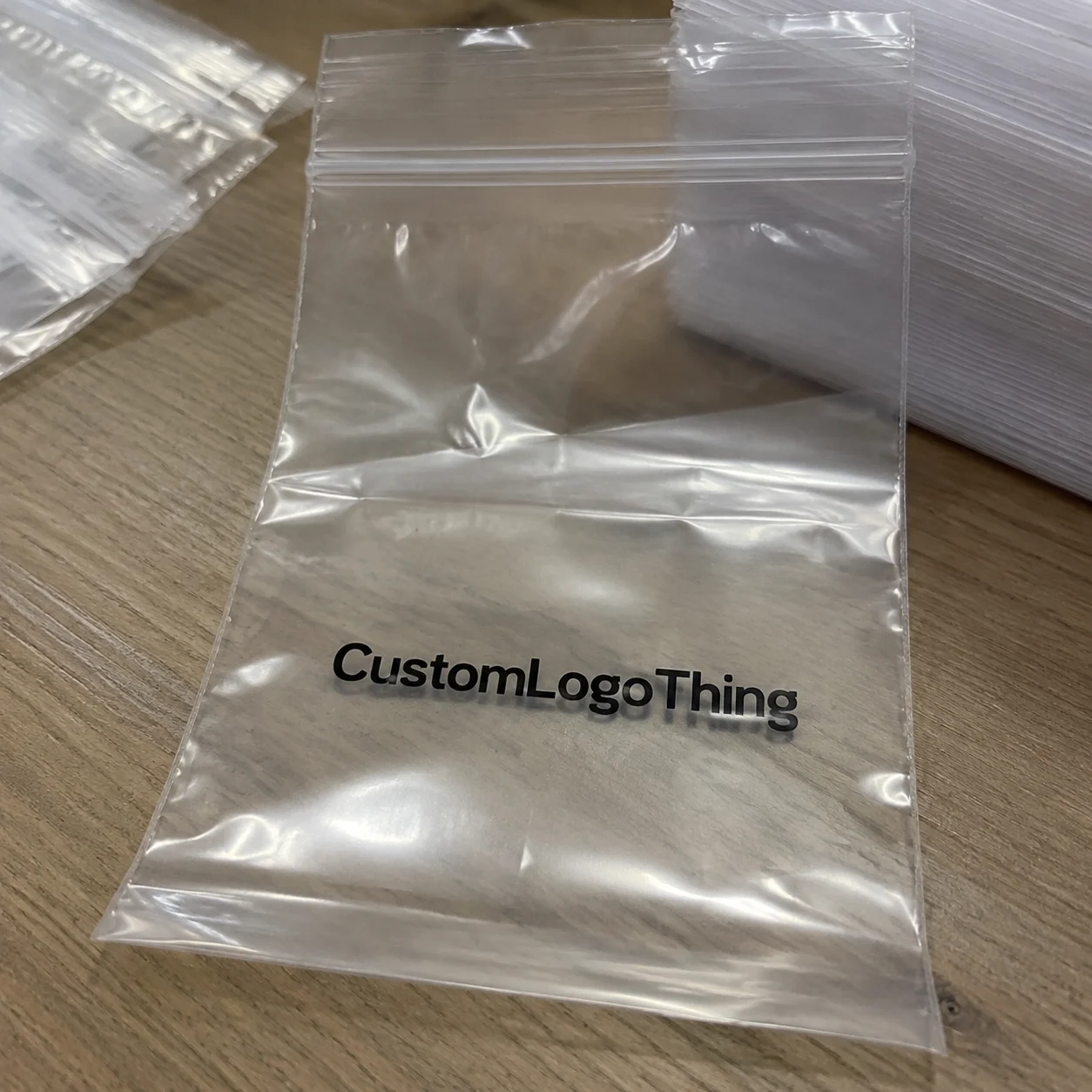
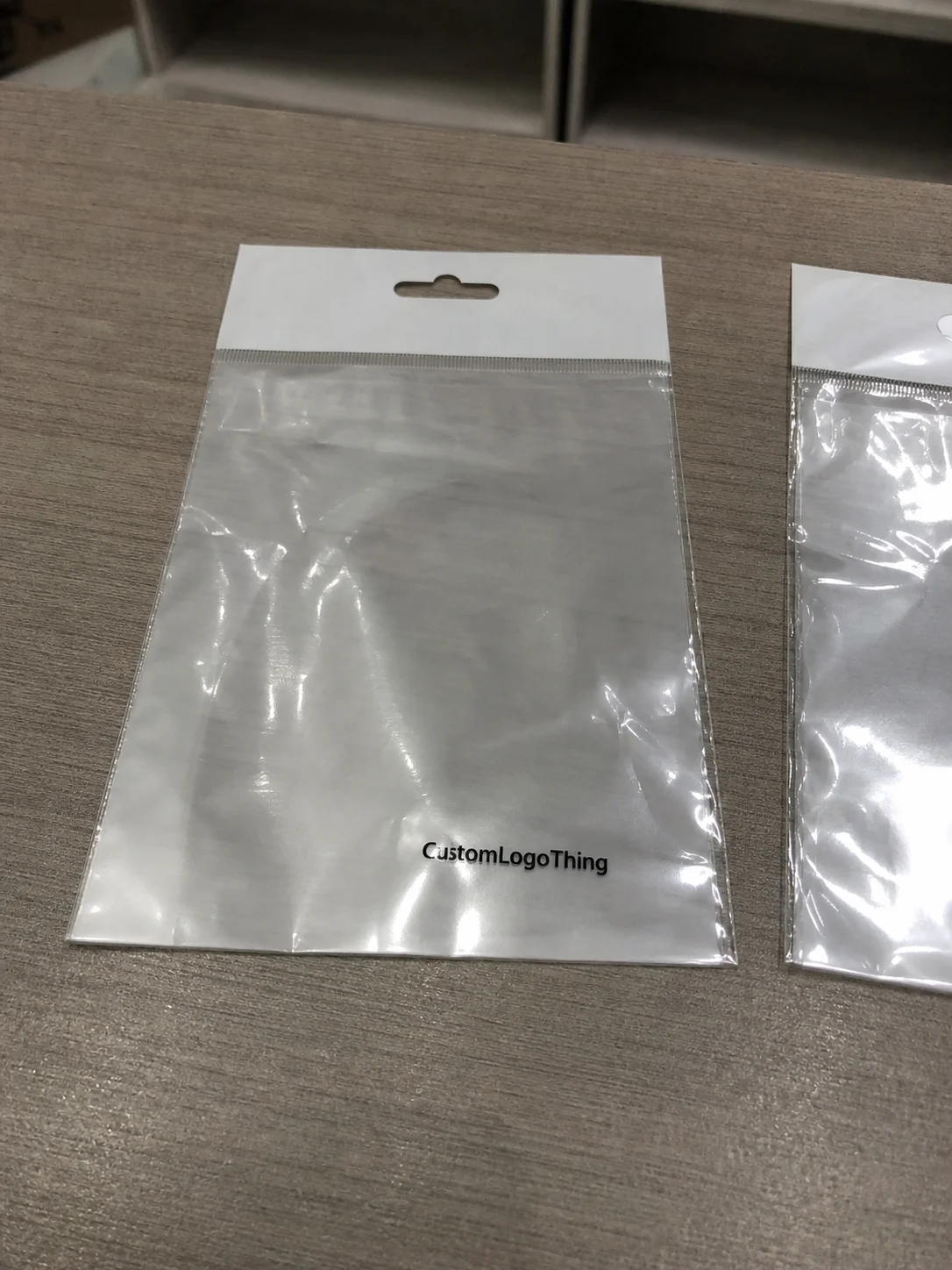
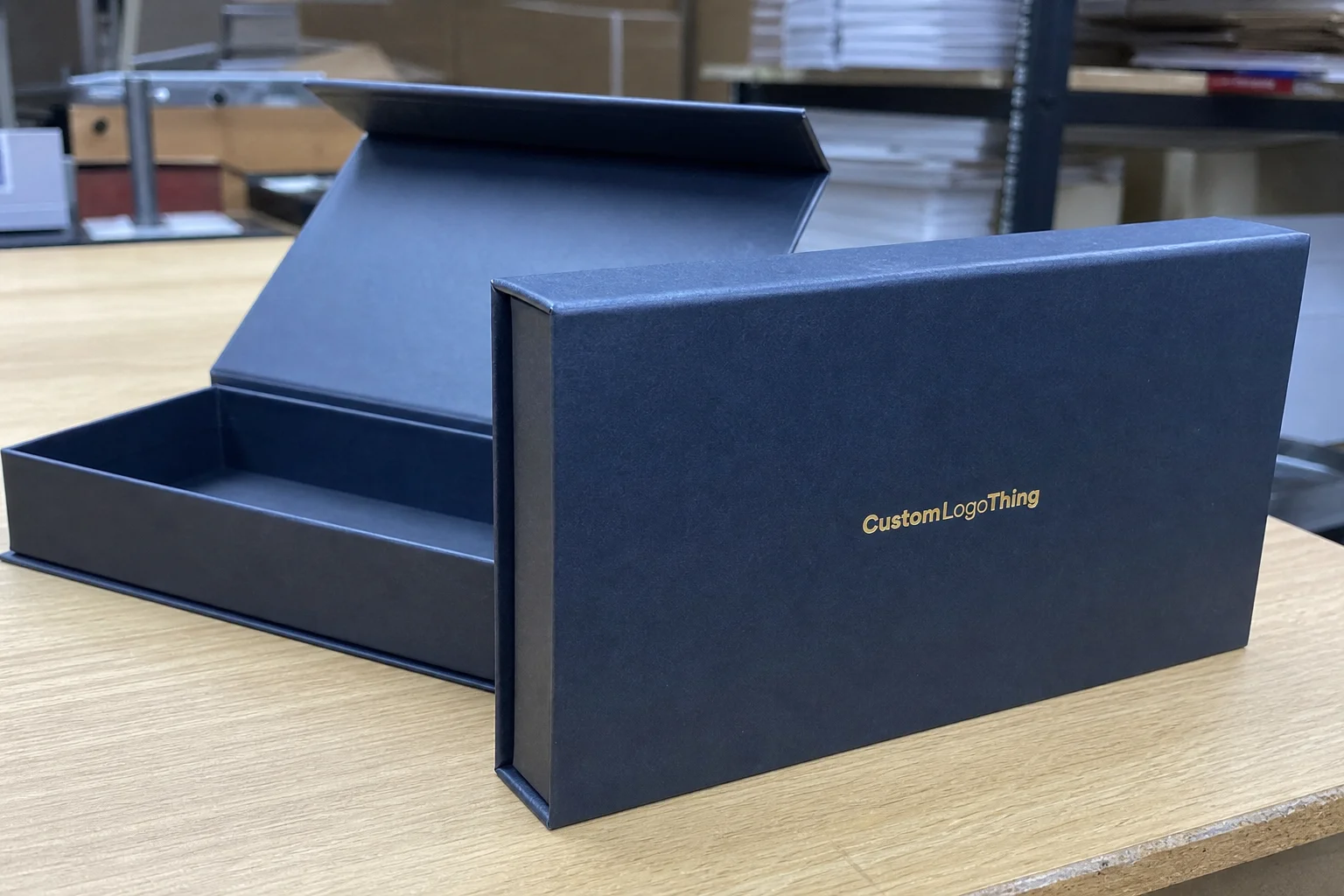
Buyer Fit Snapshot
| Best fit | packaging cost reduction strategies business for packaging buyers comparing material specs, print proof, MOQ, unit cost, freight, and repeat-order risk where brand print, material, artwork control, and repeat-order consistency matter. |
|---|---|
| Quote inputs | Share finished size, material target, print colors, finish, packing count, annual reorder estimate, and delivery region. |
| Proofing check | Approve dieline scale, logo placement, barcode or warning zones, color tolerance, and any recyclable or compostable wording before bulk production. |
| Main risk | Vague material claims, crowded artwork, or missing packing details can create delays even when the unit price looks attractive. |
Fast answer: Packaging Cost Reduction Strategies Business: Cost, MOQ, Proof, and Reorder Checks should be specified like a repeatable production item. The safest quote includes material, print method, finish, artwork proof, carton packing, and reorder notes in one written spec.
What to confirm before approving the packaging proof
Check the product dimensions against the actual filled item, not only the sales mockup. Ask for tolerance on folds, seals, hang holes, label areas, and retail display edges. If the package carries a logo, QR code, warning copy, or legal claim, reserve that space before decorative graphics fill the panel.
How to compare quotes without losing quality
Compare board or film grade, print process, finish, sampling route, tooling charges, carton quantity, and freight assumptions side by side. A lower quote is only useful if the supplier can repeat the same color, closure quality, and packing count on the next order.
Walk a packaging line long enough and the waste starts speaking for itself. Cartons built 20% or 30% larger than the product. Inserts added because someone felt cautious. Freight bills inflated by air, not weight. I remember one factory visit in Dongguan where a perfectly decent carton was basically transporting a very expensive pocket of nothing. Those are the pressure points behind the best packaging cost reduction strategies 2024, and they rarely begin with a supplier quote. They begin with the wrong format, the wrong dimensions, or a buying process that moved too quickly for anyone to question the spec sheet.
I’ve watched brands spend more on rigid construction than the product ever justified. I’ve also watched corrugated shippers leave with dead space big enough to embarrass a warehouse manager. Honestly, that part still annoys me a little because it’s such an avoidable mistake. The pattern is consistent. Savings show up after a real packaging audit, not after a polite discount. One small dieline adjustment for a 350gsm C1S artboard carton once gave a client 14% more cartons per master case and dropped their carton cost from $0.28 to $0.24 per unit on a 10,000-piece order. The best packaging cost reduction strategies 2024 cut across material, labor, freight, and storage. They keep the package strong enough to survive transit and simple enough to manufacture at scale.
Best Packaging Cost Reduction Strategies: A Factory-Floor Reality Check
Most brands overspend because they buy the wrong structure first and negotiate later. A team chooses a thicker board than necessary, adds a protective insert “just in case,” then stacks on coatings, foil, and spot UV as though decoration were a substitute for planning. Every one of those choices affects the quote. Setup rises. Lead time stretches. Freight follows the carton, not the marketing brief. I’ve seen a gorgeous box in Shenzhen ruin a perfectly sensible margin, which is a very glamorous way to lose money.
The best packaging cost reduction strategies 2024 start with a hard look at the full package system. Dieline design matters. Fill ratio matters. Secondary packaging matters. So does the space the finished pack occupies in a warehouse in Chicago, because cube is money whether the product sells online or in stores. I’ve sat in meetings where a 2 mm height reduction let a team fit one extra layer on a pallet. That one change altered the shipping model, improved pallet efficiency, and reduced stockroom congestion in one move.
The mistake most buyers make is treating packaging like a single line item. It is not. It is a chain. If the closure style is awkward, labor goes up. If the board grade is mismatched, damage claims go up. If the carton is oversized, dimensional weight goes up. The package should be reviewed as a production and logistics problem first, a branding surface second. That order matters. I know, not the exciting answer—but it’s usually the profitable one.
“We thought we needed a premium rigid box. After a structural review in Ningbo, we switched to a folding carton with a better insert layout and cut our packaging spend by almost 18% without changing the unboxing feel.”
Custom packaging manufacturers often find savings where procurement never looks: carton nesting, print layout, panel orientation, and supplier consolidation. I watched a converter in Shenzhen rework a sheet layout so one customer could gain an extra carton per press sheet. That sounds minor until the run reaches 15,000 units and the freight bill drops because master cases shrink too. Tiny changes. Big consequences. Packaging is rude that way.
Cheap packaging is not the target. Controlled packaging cost is. The best packaging cost reduction strategies 2024 protect product integrity, preserve shelf presence, and still give finance a number it can defend. A design that saves 12 cents per unit but increases damage claims by 4% is not saving anything. It is borrowing trouble.
Packaging Material Choices That Cut Cost Without Cutting Protection
Material choice drives the base price, the conversion process, and often the freight cost as well. E-flute corrugated, B-flute corrugated, SBS paperboard, rigid chipboard, kraft mailers, and molded pulp solve different problems. The best packaging cost reduction strategies 2024 depend on matching the substrate to the product, the route, and the actual damage risk instead of defaulting to the most expensive option in the room. Related terms like packaging material optimization, packaging audit, and unit cost reduction matter here because material and structure are the first places waste shows up.
E-flute corrugated fits retail packaging and lighter shipping cartons where print quality matters and the box still needs some compression resistance. B-flute corrugated brings stronger cushioning and stacking strength, which makes sense for heavier contents and multi-unit shippers. SBS paperboard works well for custom printed boxes and retail presentation when the product is not too heavy and the brand wants crisp graphics. Rigid chipboard looks premium, but the cost rises fast because of wrap, assembly, and storage volume. Molded pulp can be a smart substitution when protection, sustainability, and plastic reduction all sit in the brief, though tooling and part geometry have to fit the job.
I once reviewed a cosmetics program built entirely on rigid set-up boxes in Los Angeles, even though half the assortment weighed under 120 grams. We swapped several SKUs to folding cartons using 350gsm SBS and a simplified insert. On a 5,000-piece run, the savings came out to about $0.15 per unit before freight, and the assembly time dropped from roughly 22 seconds to 11 seconds per box. That is the kind of change the best packaging cost reduction strategies 2024 are built around.
Board caliper and strength specs matter just as much as the substrate name. Burst strength, edge crush strength, liner weights, and recycled content tell you more than “thicker” ever will. Over-specifying board can create unnecessary stiffness and higher cost without adding real performance. Under-specifying is just as risky. The product may survive in-house and fail under stack load or transit vibration. For example, a 32 ECT board may be enough for a 2.2 kg retail shipper on a 4-foot pallet stack, while a 44 ECT board may be the safer choice for a 7 kg shipper moving from Guangzhou to Toronto by sea.
For shipping applications, I usually ask whether a single-wall structure can handle the job before anyone jumps to double-wall construction. In many cases, a well-designed single-wall shipper with the right flute and insert design performs perfectly well. Right-sized engineering keeps the project honest. Blanket upgrades do not. And yes, I have seen teams reach for double-wall the way some people reach for panic, with equal levels of logic.
| Material | Best Use | Typical Cost Effect | Factory Note |
|---|---|---|---|
| E-flute corrugated | Retail-ready shippers, lighter product packaging | Moderate unit cost, good print surface | Good balance of appearance and protection |
| B-flute corrugated | Heavier shipping cartons, better cushioning | Higher board usage but fewer damage claims | Often the safer choice for stack load |
| SBS paperboard | Custom printed boxes, retail packaging | Lower material cost than rigid formats | Works well with offset or digital print |
| Rigid chipboard | Premium presentation packs | Highest assembly and storage cost | Use only when premium feel is essential |
| Molded pulp | Protective inserts, sustainable cushioning | Good long-term economics at volume | Tooling and geometry need careful planning |
Decoration is another fast-moving cost center. Heavy ink coverage, specialty coatings, foil stamping, and multiple finishing passes all raise cost because each layer adds setup and press time. If the branding system can live with a cleaner two-color build or a single flood coat instead of several spot treatments, the best packaging cost reduction strategies 2024 can save real money without flattening the design. I’ve seen a brand in Milan save enough on print complexity to pay for a stronger insert where the protection actually mattered.
If sustainability sits in the brief, look at FSC-certified paper options and recycling guidance through trusted sources like FSC and practical recovery information from the EPA. Those references help teams make informed choices about materials and end-of-life handling, which matters when product packaging is being redesigned for cost and compliance at the same time. “Eco” is too broad to be useful on its own. A serious savings plan should connect environmental claims with board grades, local recycling access, and freight realities in regions such as California, Ontario, and the UK.
Best Packaging Cost Reduction Strategies Through Smarter Specifications
Exact sizing is one of the cleanest savings levers in the whole program. Right-sizing reduces corrugated waste, void fill, dimensional weight charges, and storage footprint. It also improves pack-out efficiency on the filling line. The best packaging cost reduction strategies 2024 often begin with a tape measure, a sample product, and a willingness to stop rounding up dimensions just to feel safe. If the product is 148 mm wide, a 160 mm internal width may be enough; a 175 mm box may simply add air and freight cost.
I remember standing beside a case packer in a Midwest fulfillment center where every carton had 18 mm of unnecessary headspace. That extra air wasted board and forced the warehouse to ship a box billed by dimensional weight instead of actual weight. Once the dieline tightened and the insert changed shape, pallet count improved and the company stopped paying to transport empty space. Honestly, watching those boxes move through the line after the redesign felt a little like watching someone finally turn off a dripping faucet.
Small changes in die-line dimensions can reshape pallet count in a big way. Move the carton footprint by even 5 mm and you may fit one more row across the pallet or one more layer in the master shipper. For e-commerce and subscription brands, that can drop ship cost per order because the package moves from a higher DIM bracket to a lower one. The savings are buried in tiny layout decisions, which is exactly why the best packaging cost reduction strategies 2024 need structural discipline.
Tolerance control matters too. If the artwork spec demands tight registration but the print run is short and the color target is not particularly sensitive, extra press time and spoilage may be built into the project for no good reason. Over-engineered closures, unnecessary window patches, and complicated insert assemblies all add labor and error risk. Honest packaging design starts with a plain question: what does the product actually need to arrive safely and sell well? Not: what would look fancy in a spreadsheet.
Standardize box families across SKUs
One of the best packaging cost reduction strategies 2024 is to standardize box families across multiple SKUs. I’ve seen a supplement brand in Austin move from 11 unique carton sizes down to 4 box families, and the result was better buying leverage, fewer setup changes, and a much cleaner inventory plan. Standardization does not mean every item looks identical; it means the structural platform is shared, while artwork and inserts vary only where needed.
That shift lowers tooling cost, simplifies reorder planning, and shortens lead times because the factory is not constantly swapping dies and checking new blank sizes. It also helps with branded packaging consistency, which matters when a customer sees three product lines side by side and expects the same level of finish from each one. In one case, the converter in Vietnam cut make-ready time by 3.5 hours per production day after moving the line onto a shared carton family.
Optimize insert design and closure style
Insert design is where many teams spend too much and protect too little. A well-cut paperboard insert or molded pulp tray can hold product as securely as a heavier custom insert, provided the cavity design matches the item shape and drop risk. If you can reduce the insert from two pieces to one, or from die-cut corrugate to paperboard, the savings are immediate and usually repeatable across production runs. A molded pulp tray quoted at $0.09 per unit for 20,000 pieces can replace a two-piece corrugated insert that costs $0.16 per unit and takes twice as long to assemble.
Closure style matters too. Auto-lock bottoms, tuck ends, and crash-lock styles each have different labor implications. If a closure is awkward for the line to erect, the plant pays in time and consistency. I’ve watched operators on a folding carton line lose nearly 8% efficiency because the tuck geometry fought the glue pattern. That is why the best packaging cost reduction strategies 2024 need someone who has stood beside a folder-gluer in Suzhou and seen where the bottlenecks appear.
Use blank size optimization to cut waste
Blank size optimization may sound technical, but the idea is simple: cut the board sheet in a way that produces the most useful finished pieces with the least waste. A good converter checks sheet utilization, grain direction, glue flap placement, and print nesting before approving a production layout. When the blank size is right, material use drops, scrap drops, and dead weight moving through the supply chain drops with it. On a 640 mm by 920 mm sheet, a layout revision that saves just 3% can add up to thousands of square meters over a 50,000-unit run.
That is one reason the best packaging cost reduction strategies 2024 need structural engineering, not just quotation shopping. A cheaper sheet price can still create a worse total cost if the factory is throwing away a larger share of the sheet or packing cartons inefficiently in the master case.
Pricing, MOQ, and What Actually Drives Unit Cost
When clients ask what really drives unit cost, I usually break it into six buckets: material type, print method, tooling, finishing, labor, freight, and order quantity. Those six numbers explain most packaging quotes. The best packaging cost reduction strategies 2024 focus on changing at least two or three of them at once instead of relying on one supplier concession to repair the whole model. A quote that looks good at $0.31 per unit can jump to $0.39 once die charges, freight, and insert tooling are added.
MOQ has a larger effect than many buyers expect. A higher MOQ usually drops unit price because setup, plates, dies, proofing, and press make-ready are spread across more pieces. That lower per-piece number can still be the wrong business decision if it ties up cash, fills a warehouse, or leaves obsolete stock after an artwork refresh. I’ve seen procurement teams celebrate a lower unit price and then pay more overall because inventory aged out after a product change. That sort of “win” is the packaging equivalent of buying a cheap suitcase and then paying the airline for the extra weight.
Digital print, offset print, flexographic print, and litho lamination each fit different volume and quality needs. Digital print keeps setup cost low and works well for short runs, seasonal campaigns, and versioning, though the run cost can be higher. Offset print delivers strong color consistency and sharp detail on folding cartons and retail packaging, especially at mid to high volumes. Flexographic print is often efficient for corrugated runs, especially when the graphics are simpler and the run length is high. Litho lamination brings premium print quality to corrugated or rigid structures, but it adds process steps and cost.
| Print Method | Setup Cost | Best Volume Range | Cost Benefit |
|---|---|---|---|
| Digital | Low | Short to medium runs | Good for fast revisions and small MOQs |
| Offset | Moderate | Medium to high runs | Strong color control and detail |
| Flexographic | Moderate | High-volume corrugated | Efficient for simple graphics and shipper boxes |
| Litho lamination | Higher | Premium corrugated and display packs | Premium surface with strong shelf presence |
Hidden costs show up after the quote if nobody asks early enough. Plates, cutting dies, insert tooling, sample charges, and special coatings can all shift the real project cost. The best packaging cost reduction strategies 2024 separate prototype cost from production pricing so the team is not surprised when samples are approved and the order moves ahead. If the design uses a custom window, magnet closure, or complex insert, those costs need to be quoted from the start, not after the art is locked. A die tool might cost $180 to $450 depending on complexity, and a hard proof can add another $35 to $85 before the first full run even begins.
One of the smartest buying habits is combining SKUs into one production run when the structure allows it. I negotiated a program for a beauty client in New Jersey where three carton sizes shared the same board grade, the same coating, and the same print line. That consolidation cut press changeovers and improved procurement leverage, which lowered unit cost more than a small per-order discount ever could. Planning did the heavy lifting there, not haggling.
Seasonal reorders deserve earlier planning than most teams allow. A rush order because holiday demand outran the forecast can trigger express freight, premium labor, and less favorable scheduling at the plant. I’ve watched a brand absorb a 9% surcharge because it asked for split shipments instead of waiting for a full container move from Yantian to Long Beach. Better forecasting lacks glamour, but it ranks among the best packaging cost reduction strategies 2024 because it cuts both manufacturing cost and logistics cost.
Process and Timeline: How to Save Money Without Delays
Good process saves money. Bad process burns it. A clean packaging workflow should move from discovery and requirements gathering to structural design, artwork prep, sampling, production, and delivery, with clear sign-offs at each step. Rush one stage or skip it entirely and the bill usually arrives later as a reprint, a re-cut, or a rush fee. I wish that were dramatic. It’s actually just routine. On a normal project, proof approval in Guangzhou to finished boxes at the dock typically takes 12 to 15 business days once the final art is signed off.
The best packaging cost reduction strategies 2024 include approval discipline. I’ve seen a client approve a dieline from a PDF screenshot instead of a die proof, then discover the glue flap overlapped a product window. That mistake cost them another sampling round and delayed launch by nearly two weeks. Press time was not the problem. The weak approval process was.
A realistic project timeline depends on complexity, but a straightforward custom packaging job often follows this pattern:
- Discovery and specs: 1 to 3 business days
- Structural drawing and estimate: 2 to 5 business days
- Sampling and revisions: 5 to 10 business days
- Artwork proofing: 2 to 4 business days
- Production lead time: 12 to 18 business days after approval
- Final inspection and shipment: 2 to 7 business days depending on destination
Those numbers are not universal, and I would never promise them without seeing the spec, but they are practical for planning. If you want the best packaging cost reduction strategies 2024 to hold up, leave time for sample testing and revision windows. Rushing into mass production without verifying fit or compression performance usually costs more than taking a few extra days at the start. A 2-day delay in sample approval can save a 2,000-unit reprint later.
Quality control checkpoints are not optional in a serious packaging program. Board testing, print proofing, die-cut verification, and final carton inspection all protect margin because they stop expensive failures before shipment. I still remember a corrugated order where the flute caliper drifted from spec by just enough to affect tray fit. Incoming QC caught it before 6,000 units went out the door. That save alone justified the inspection step.
Performance testing from groups like ISTA helps set transit expectations, especially for e-commerce and distribution-heavy brands. If the product is fragile or the route includes long-distance parcel handling, testing is not overhead. It belongs in the savings plan because a single damage spike can wipe out the gains from a lower carton price.
Why Choose Custom Logo Things for Cost-Effective Packaging
Custom Logo Things fits brands that want cost control without giving up structure or presentation. The team understands corrugate converting, folding carton production, die-cutting, and finishing in practical terms, which matters because packaging savings usually come from solving a production problem before it becomes a procurement problem. Suppliers who speak in sheet sizes, flute choices, and press realities tend to be more useful than those selling vague promises.
The strongest packaging partners do not push the most expensive format. They help identify where the real savings sit: board grade selection, carton sizing, artwork simplification, and order planning. If you need Custom Packaging Products for a launch or a reorder, that kind of guidance keeps unit cost honest and the timeline manageable. I’m biased, sure, but I trust the people who can explain a quote without making it sound like a magic trick. A quote for 5,000 folding cartons with a matte aqueous coating and one-color print should read like a production plan, not a mystery novel.
One supplier handling multiple packaging formats also reduces coordination cost. When a brand sources custom printed boxes, inserts, and shipping cartons from three different vendors, project management overhead can eat into the savings before production even starts. A unified approach keeps specs aligned and reduces mistakes caused by version drift, color mismatch, or inconsistent board grades across product packaging lines. In practical terms, one team in Ho Chi Minh City can match a 300gsm folding carton to a 32 ECT corrugated shipper far more easily than three separate factories can.
I’ve seen the best results when packaging engineers and production teams work together before the order reaches the factory. Early collaboration prevents over-specifying, catches weak structural choices, and gives the converter room to optimize the run for real conditions on the floor. The best packaging cost reduction strategies 2024 are strongest when design, buying, and manufacturing all agree on the target.
There is also value in using a packaging partner that can think about branded packaging and logistics at the same time. Shelf presence matters, but so do pallet density, warehouse handling, and freight efficiency. A package that looks good but ships badly is not a good package. A package That Ships Well but weakens the brand is not a good package either. Real value sits in the middle, whether the product is moving through a Dallas distributor or a Rotterdam fulfillment hub.
Action Plan: Apply the Best Packaging Cost Reduction Strategies Now
If you want a practical starting point, begin with a packaging audit and pull the current specs into one comparison sheet. List the box dimensions, board grade, print method, insert type, annual volume, and shipping mode for each SKU. Then identify the top three cost drivers. In many programs, those three are carton size, material grade, and print complexity. If one SKU uses a 210 mm x 140 mm x 60 mm carton and another uses a 245 mm x 175 mm x 85 mm for a nearly identical product, the savings opportunity is already visible.
After that, compare at least two alternative constructions. If you are using rigid packaging, ask whether folding cartons or corrugated versions could deliver the same protection and branding at a lower cost. If you are already using corrugated, test whether a thinner or better-optimized board grade can work. The best packaging cost reduction strategies 2024 are strongest when they rely on side-by-side numbers, not assumptions. A shift from rigid to folding carton might save $0.42 per unit on a 3,000-piece launch, while a move from 44 ECT to 32 ECT may save another $0.07 if the transit route is short and stable.
Here is the checklist I would use on any first pass:
- Measure current product and internal pack dimensions to the nearest millimeter.
- Review actual damage rates and not just perceived risk.
- Compare two board grades or two material structures.
- Check carton pack-out and pallet count.
- Reduce decoration layers if they are not pulling their weight.
- Request quotes using standardized dimensions across multiple SKUs.
Before you request a packaging review, gather the product weight, annual volume, target MOQ, current ship method, and any retail display requirements. Those details let a packaging team work faster and produce quotes that reflect real production conditions. Send only artwork and a request for “lower price,” and the answer usually comes back incomplete. Send specs, volumes, and performance needs, and the conversation becomes useful. A complete brief can cut back-and-forth by two or three email rounds, which often saves a week.
I also recommend testing one low-risk SKU first. That keeps the downside small while you validate the savings model on actual production and transit data. If the result holds, expand the change across the rest of the line. That staged rollout belongs among the best packaging cost reduction strategies 2024 because it saves money while protecting service levels.
Use what you learn to build a clean comparison before the next order. A side-by-side view of material, MOQ, lead time, and shipping impact will show quickly whether the proposed change is real savings or just a different cost bucket. The best packaging cost reduction strategies 2024 work best when the numbers are visible, the specs are tight, and the team is willing to replace guesswork with factory reality. Start with the box that moves the most volume, because that is usually where the money is hiding.
Frequently Asked Questions
What are the best packaging cost reduction strategies for small businesses?
Start with right-sizing the box, reducing print complexity, and choosing standard materials that are easy to source. Use one structural format across multiple SKUs when possible to lower tooling and inventory costs. Order in quantities that balance unit price with storage and cash flow, rather than chasing the lowest per-piece price only. For a small brand ordering 1,000 to 3,000 units, a simple 350gsm folding carton with a one-color print can often cut costs faster than a Custom Rigid Box with foil and magnetic closure.
How can packaging cost be reduced without damaging products?
Match board strength and cushioning to the product’s actual drop and compression needs instead of over-specifying. Test sample cartons before production to verify fit, transit protection, and stacking performance. Use inserts, dividers, or molded pulp only where they truly improve protection. A box that survives a 1.2-meter drop test on six faces and holds a 4 kg load for 24 hours is usually enough for many retail and parcel programs.
Which packaging material is usually the most cost-effective?
For many shipping applications, corrugated board is the most cost-effective because it balances protection, availability, and print flexibility. For retail presentation, folding cartons may be more economical than rigid boxes when premium appearance is not required. The cheapest material is not always the lowest total cost once freight and damage rates are included. A carton that costs $0.03 less per unit but raises breakage by 2% can be more expensive by the end of the quarter.
How does MOQ affect packaging pricing?
Higher MOQ usually lowers unit cost by spreading setup, tooling, and press preparation across more pieces. Larger orders can still increase storage, cash tied up in inventory, and obsolescence risk if designs change. The best MOQ is the one that matches your sales forecast and reorder rhythm. For example, a 10,000-piece run may be smarter than 50,000 if your sales cycle resets every 90 days and artwork changes each season.
How long does a custom packaging cost-reduction project take?
A simple spec optimization can move quickly if artwork and dimensions are already available. More complex projects that require structural redesign, sampling, and print proofing take longer because each stage needs approval. Building in time for testing usually saves more money than rushing into production with unverified specs. In many cases, a straightforward project takes 2 to 3 weeks from briefing to shipment, while a redesign with new tooling may take 4 to 6 weeks.