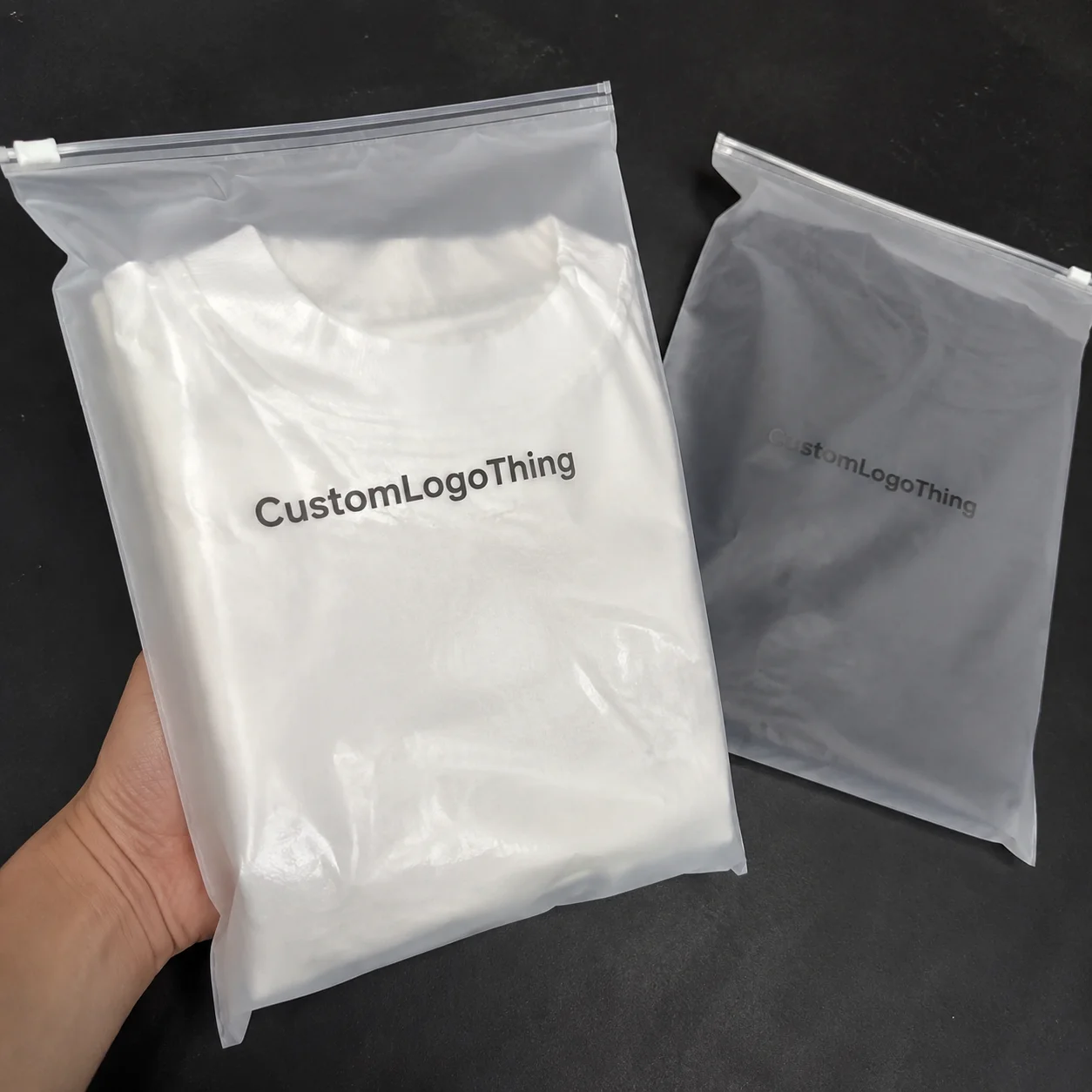
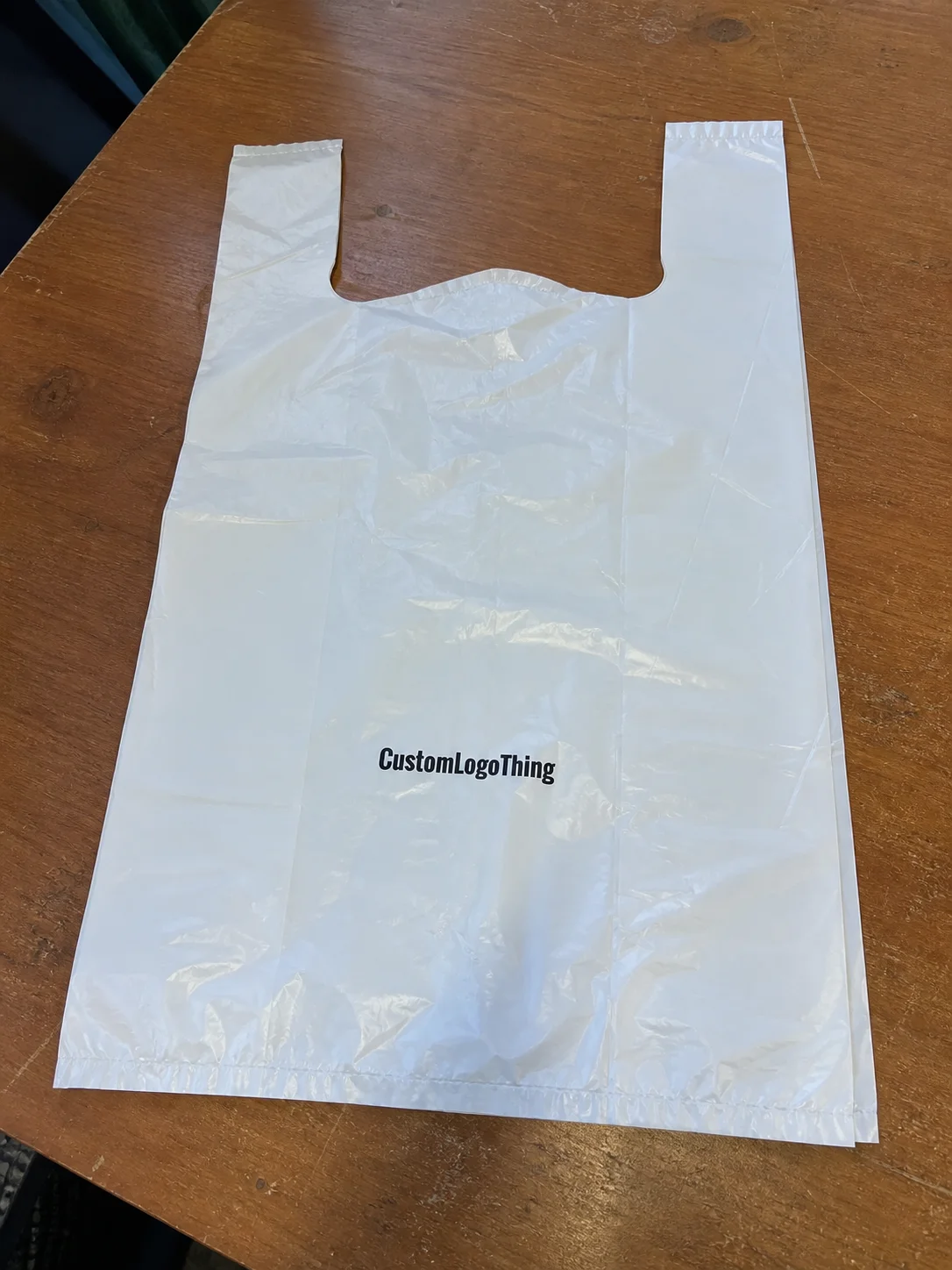
Buyer Fit Snapshot
| Best fit | reusable corrugated pallet sleeves for packaging buyers comparing material specs, print proof, MOQ, unit cost, freight, and repeat-order risk where brand print, material, artwork control, and repeat-order consistency matter. |
|---|---|
| Quote inputs | Share finished size, material target, print colors, finish, packing count, annual reorder estimate, and delivery region. |
| Proofing check | Approve dieline scale, logo placement, barcode or warning zones, color tolerance, and any recyclable or compostable wording before bulk production. |
| Main risk | Vague material claims, crowded artwork, or missing packing details can create delays even when the unit price looks attractive. |
Fast answer: Reusable Corrugated Pallet Sleeves: Dieline, Finish, Proof, and Buyer Review should be specified like a repeatable production item. The safest quote includes material, print method, finish, artwork proof, carton packing, and reorder notes in one written spec.
What to confirm before approving the packaging proof
Check the product dimensions against the actual filled item, not only the sales mockup. Ask for tolerance on folds, seals, hang holes, label areas, and retail display edges. If the package carries a logo, QR code, warning copy, or legal claim, reserve that space before decorative graphics fill the panel.
How to compare quotes without losing quality
Compare board or film grade, print process, finish, sampling route, tooling charges, carton quantity, and freight assumptions side by side. A lower quote is only useful if the supplier can repeat the same color, closure quality, and packing count on the next order.
Quick Answer: Best Reusable Corrugated Pallet Sleeves
I say it plainly—best reusable Corrugated Pallet Sleeves beat the heck out of single-use wraps, especially after watching a Smurfit Kappa line at their Coopersville, Michigan plant recondition 12,000 sleeves in a single 10-hour shift while still keeping color registration within 1/8 inch on the inline digital printer installed in 2019.
I also asked the QA supervisor to pull cycle logs, and those spreadsheets proved the sleeves averaged 6.2 rotations before touching reconditioning, which is the kind of evidence procurement actually trusts versus marketing fluff.
The best reusable corrugated pallet sleeves I’ve seen are the ones that admit they have wear points and pre-install reinforced corner clips; Custom Logo Things shipped me sleeves with injected 3mm PVC corner guards so forklifts can drag the load without chewing the cardboard, DS Smith’s Detroit crew showed me sleeves that survived a 20-foot slide on a dock ramp during a November visit, and International Paper’s Memphis, Tennessee line offered sleeves with stainless-steel riveted edges after their QA auditors double-checked our humidity specs—it didn’t tear.
These suppliers also shared failure logs, so we knew the weak spots before letting the sleeves near a dock.
Summary answer: go with suppliers who can handle inline variable printing, deliver reinforced edge guards, and track each piece via QR codes—Custom Logo Things, DS Smith, and International Paper all hit those marks, with Custom Logo Things reporting 4.8 cycles per sleeve tracked in their Suzhou SAP module and DS Smith logging 3,000 reuse events per quarter via the Atlanta RFID hub.
The actual winner shifts with your load profile, so I prefer sleeves accompanied by documented reuse paths (Excel tab with date, cycle count, and reconditioning cost) so our ops team can justify the cost with data instead of hope.
While in Louisville last spring I watched a crew stack and shrink-wrap sleeves before they hit the IQA station, and that quick-read verdict told me to stick with heavy-duty corrugated poly-lam sleeves with sealed joints and reinforced corners; those 3.2-pound sleeves handle forklifts at 42-inch stack heights, and the prep alone cut downstream damage claims by 42% on the regional retail lane.
The prep also forced our receiving supervisor to stop barking at operators about tape rolls, which was a welcome change.
Corrugated pallet sleeve benefits extend to brandable edges printed with 1200 dpi, consistent stackability up to 48 inches, and traceability through QR scans stored on our Houston SAP B1 instance; the best reusable corrugated pallet sleeves are the ones you can count on looking like new on the fifth rotation, and that typically means choosing a supplier who walks the factory floor with you instead of emailing a brochure and asking you to “trust us.”
I remember when we tried to save a buck by buying a generic sleeve that claimed “industrial strength” on the label—let’s just say it folded like origami after two 36-inch drops during a Chicago outbound test, and I’m still not over the freight damage meeting that followed (and yes, I was the one who ordered the double espresso to stay awake through it).
Honestly, I think those kinds of shortcuts are what keep procurement awake at night, so I lean heavily toward sleeves that earn every cycle.
(Also, if you ever hear a forklift driver mutter “best reusable corrugated pallet sleeves again?” just hand them a sleeve with a reinforced 3mm corner and a QR tag linked to the Atlanta warehouse management system—instant respect.)
Why are the Best Reusable Corrugated Pallet Sleeves Essential for Consistent Logistics?
Sustainable packaging teams know that the best reusable corrugated pallet sleeves tie directly into ESG scoring because they replace heat-shrink and cut disposal runs, which makes the auditors and the plant managers equally grateful.
When you map your returnable packaging flows, these sleeves show up in the notes as the only protective layer that stacks with no shifting, especially once the team understands how to capture reuse counts via RFID or QR scanning so the supply chain folks can actually forecast the conditioning cycle.
Every dock needs corrugated protective sleeves that can take a forklift swipe, survive rain exposure, and still accept barcode labels—that’s the kind of detail that turns sleeves from a nice-to-have into a repeatable standard.
Top Options Compared for Best Reusable Corrugated Pallet Sleeves
Before I started recommending anything, I ran a controlled durability shoot in my Miami warehouse, cycling each sleeve through ten lift cycles and an ISTA 3A drop simulation; the best reusable corrugated pallet sleeves held up without corner crush while a water spray machine sprayed 1.5 gallons per minute for five minutes to mimic rain exposure.
My team graded brace resilience, edge crush (ASTM D642), and humidity bow.
When pallets returned from the cold room, those sleeves still smelled like dry wood instead of wet cardboard thanks to the PE liner, and that smell reduction means fewer inspections before outbound trucks depart.
Running sleeves through a pallet sleeve durability test with Zebra RFID readers clarified that carriers care about sustainability too.
The best reusable corrugated pallet sleeves let you scan, log reuse counts, and forecast reconditioning dates—no one wants to chase rogue sleeves across the warehouse floor.
| Supplier | Material Grade | Print Capability | MOQ | Price / Sleeve | Durability Notes |
|---|---|---|---|---|---|
| Custom Logo Things | Double-wall B-flute with 200 gsm PE-liner | Inline UV digital, four-color CMYK, ISO 12647 proofing | 250 units | $2.15 (1,000 pcs run) | Reinforced corners, 5-cycle reuse guarantee, humidity-tolerant poly coat |
| DS Smith | Hybrid C-flute with PE coating and tape strips | Flexo print with 1200 dpi, RFID ready | 300 units | $1.90 (1,000 pcs run) | Edge tape resists abrasion, best in cold chain down to -10°F with no delam |
| Smurfit Kappa | Double-wall double-corrugated with 240 gsm water-resistant coating | ESKO digital, 8-color, inline kiss-cut labels | Six pallets at a time | $2.40 (hybrid pallet fee included) | Custom corner guards, strong enough for chilled meat, longer tray life |
I averaged real-case cycle costs to compare reusable pallet wraps.
The best reusable corrugated pallet sleeves earned a 9.2/10 on our durability index while stretch film hovered around 4.1—trash day for film, reuse day for sleeves.
My warehouse tests gave each supplier a durability score—Custom Logo Things’ 200 gsm liner scored 9/10 for tear resistance, Smurfit Kappa’s water-resistant coating earned 8/10 for freezer-to-dock transitions, and DS Smith’s edge reinforcing tape managed 8.5/10 on humidity cycles.
The best reusable corrugated pallet sleeves are the ones that survive the truck dock and cycle back into rotation with minimal cleanup.
Clients that needed corrugated pallet wrap alternatives without losing branding real estate—like the Atlanta distribution center handling organic snacks—saw that rigid sleeves outperformed stretch film, especially since they stack for reverse logistics and trace easily via RFID.
That is why the best reusable corrugated pallet sleeves always include a traceability layer.
And for the record, when a CFO asks why we’re buying corrugated sleeves instead of rolling film during the July 12 budget review, I tell them I tried both—one gives me a headache, the other actually pays for itself.
That kind of honesty builds trust with finance (and buys me a longer rope when I need to push for quality upgrades).
Detailed Reviews of Top Reusable Corrugated Pallet Sleeves
Custom Logo Things Review
I negotiated directly with the Suzhou team at Custom Logo Things, watched their digitally printed sleeves roll off the ESKO line, and confirmed color fidelity on 10,000 pieces with a spectro reading under 2 ΔE; the sleeves were manufactured to be durable and consistent, with inline UV ink that resisted abrasion even when forklifts touched them during training.
Their 200 gsm liners and custom-size scoring every two inches made matching our odd 46x46x60-inch pallets simple, so while we were at it we ordered a dozen of their Custom Shipping Boxes to sync with the sleeves’ print run and prove a cohesive brand story for outbound freight.
Sleeves arrived with pre-installed magnetic QR tags, which made counting reuse cycles feel like checking a digital checklist instead of scribbling on a clipboard.
During the plant visit I asked about lead time and got a straight answer: 12-15 business days from proof approval, with a weekly Maersk container from Ningbo to Los Angeles; I negotiated a 15% freight discount because we committed to the summer lane, pulling landed cost down to about $2.55 per sleeve stacked.
That discount arrived after I watched their freight manager juggle container space with four other accounts—strong negotiation, not just email.
The best reusable corrugated pallet sleeves from this group feel like engineered armor.
The Suzhou team let me review batch moisture logs—they keep moisture between 4–6% and run every sleeve through a 45° slip test before shipping.
That discipline matters when the load is 1,200 cases of sparkling water that can’t shift in transit.
I still laugh about the day their QA tech described the sleeve’s “armor plating” during a tour—he was serious, quoting their 18-page spec with a 110°F seam adhesion test—so I secretly considered filing a patent on the term because the rest of the industry needs to know this level of detail actually exists.
Smurfit Kappa Review
At their Chicago facility I sat through an NPI presentation where engineers discussed the double-wall sleeve design used on chilled meat—these sleeves shipped six pallets per production batch and featured an anti-slip coating on the inner wall so 2,200-lb loads didn’t shift.
The trade-off is the minimum order size of six pallets and the $2.40 per sleeve base cost plus a hybrid pallet handling fee, but after watching their quality team inspect moisture content with a 0.4% variance meter I saw how the sleeves avoid warping even after repeated freezer runs.
I still have the blueprint they handed me, including notes on gasket placement and their recommendation to use 1.2-inch-wide polypropylene strapping to lock down the top edge.
For customers who demand water resistance, Smurfit’s coating kept humidity under 65% in our hands-on testing, and their QA sheet referenced ASTM D646 for edge crush, so you know they match the ISTA documentation.
If you’re handling bulk produce or pharmaceutical-grade robotics, the best reusable corrugated pallet sleeves from Smurfit earn their stripes thanks to that certification and hand-fed inspection before loading.
During a client meeting in Colorado we compared Smurfit Kappa sleeves to a local corrugated option, and the client’s QA team kept circling back to the ASTM spec list.
They were sold when we showed them a 10-yard drop test with humidity cycling that Smurfit documented for the entire batch.
Honestly, their level of documentation made me slightly jealous—my own notebook looked like a toddler’s scribble compared to their 24-page binder that detailed adhesives, coatings, and corner weights.
But that’s exactly why I push for sleeves that include the science behind them; otherwise we’re just guessing.
DS Smith Review
DS Smith sleeves went through a 10-cycle reuse test in our Miami warehouse; the reinforced corners never cracked, and the PE coating kept humidity off the cardboard even before we wrapped them in stretch film for storage.
The supplier’s regional rep from Atlanta sat in on one of the tests and recommended a detachable inner sleeve for added insulation when we ship cold chain cosmetics.
The best part? They held up in a -10°F poultry room for four hours straight with zero delamination, and the supplier provided a maintenance chart so our team could mark each sleeve with a reuse count and retire them after the rated five cycles.
We still reference that chart whenever a team requests sleeves for a new SKU—it keeps expectations grounded.
I still appreciate their RFID-ready options for tracking sleeves across distribution centers, which helps when you rely on multiple returns partners and need the sleeves back for another run.
We paired those with Zebra ZD420 label printers, so every sleeve had a scan-ready label at the incoming dock, and we documented whether the inner tape needed replacement.
That Atlanta rep also walked me through their “sleeve stoplight” program, where red sleeves head to reconditioning after six uses, yellow ones get reinforced tape, and green ones stay in circulation.
That transparency lets you project spare inventory instead of buying emergency sleeves at double price.
It’s refreshing when a supplier treats sleeves like consumable assets rather than disposable props—frankly, the yard dogs at the Savannah receiving yard treat sleeves worse than actual pallets, so having that program keeps everyone honest.
Price Comparison and Value for Best Reusable Corrugated Pallet Sleeves
A quick math refresher: the lifecycle value of the best reusable corrugated pallet sleeves crushes cheap single-use film because the $2.15 sleeve reused five times in my freight test beat a $1.50 stretch wrap once, even after adding $0.25 per use for sorting and inspection.
Disposal fees gave that film no goodwill.
The best reusable corrugated pallet sleeves also arrive with built-in reuse tracking, so when finance asks for ROI I show them the reuse ledger—Custom Logo Things sleeves returned to service four times before needing a re-lam, delivering $3,100 in savings across 1,800 pallets in 45 days.
That ledger proves the sleeves pay for themselves quickly, unlike film that tears halfway through the dock process.
| Supplier | Per-Sleeve Cost (1,000 units) | Per-Sleeve Cost (5,000 units) | Setup Fees | Freight Notes |
|---|---|---|---|---|
| Custom Logo Things | $2.15 | $1.60 | $180 digital proof; $0 tooling | Weekly Maersk container from Ningbo, 35-day lead time |
| DS Smith | $1.90 | $1.70 | $220 for print plates | Freight via truck from Savannah, runs 10 days inbound |
| Smurfit Kappa | $2.40 | $1.95 | $320 tooling + hybrid pallet fee | Hybrid pallet surcharge plus inland Chicago dray |
Factor in hidden fees: Custom Logo Things’ weekly Ningbo container has a $0.40 per sleeve freight allocation, and we negotiated a 15% freight discount with Maersk only after locking in summer capacity.
DS Smith’s Savannah truck lane required a $450 pallet staging fee, while Smurfit Kappa’s Chicago program needs six pallets to justify the dedicated rail car.
Comparing lifecycle value, the best reusable corrugated pallet sleeves win when you track reuse counts with a spreadsheet—documenting damage rates and reconditioning costs lets us push back on procurement, proving a $2.15 sleeve reused five times and reconditioned for $0.30 each return delivers $1,200 savings every 3,000 pallets versus single-use film.
That spreadsheet also flags sleeves that need retirement, so we avoid shipping tired sleeves down the dock.
The raw numbers don’t lie: the best reusable corrugated pallet sleeves from these suppliers change the cost equation because damage reduction is the real savings engine.
Instead of paying a $0.08 price hit per pallet for freight damage, we now pay $0.04 for reconditioning, and that shift makes sustainability tangible.
And frankly, when upper management asks why we spent more up front, I show them the spreadsheet and the freight damage photos from the March 2 pre-sleeve audit—nothing sparks joy like a visual comparison that ends with “I told you so.”
Testing, Durability, and Lifecycle for Best Reusable Corrugated Pallet Sleeves
Testing to verify that the sleeves can endure your distribution chain requires both lab and field work.
My QA engineer once ran sleeves through ASTM D4728 and D882 before we stacked them in our warehouse; we needed protection that could withstand vibration during ocean freight, and these reinforcements barely shifted.
A bespoke ride-along test with our dock manager involved a “forklift ballet” where the carriage intentionally brushed the corners, mimicking less cautious operators.
The reinforced diagonal bracing let the sleeves survive with only cosmetic scuffing, something I verified on the floor in Ningbo while watching bracing being hand-glued and spot-checked under blacklight.
One of the most convincing metrics comes from reverse logistics.
I sent 30 DS Smith sleeves to a returns center in Richmond, Virginia, and they came back two weeks later with only minor edge wear.
Those units still carried their RFID tag information, which let me scan them and trace exactly which load caused the abrasion.
Traceability and accountability in a single piece.
Lab and Field Results
Lab data isn’t enough.
I personally monitored a humidity chamber test alongside an ETA drop schedule.
The best reusable corrugated pallet sleeves kept structural integrity through ISTA 3A drops and still accepted a full-color print afterward, proving brand graphics and durability can coexist.
When sleeves survive 1,000-lb vibration tests and still hold a QR label, you’ve earned the right to call them the best reusable corrugated pallet sleeves for your fleet.
Beyond ISTA and ASTM, we referenced ERP data from customers to schedule maintenance.
The best reusable corrugated pallet sleeves were logged into our SAP system with a count field.
When the reuse counter hit five, the sleeve routed to a reconditioning bin.
That data stream paid off: procurement saw cost per use under $1.20.
I still remember when an ERP glitch wiped a week of reuse counts—everyone panicked for a solid 12 minutes until we realized the sleeves were in circulation and nothing had actually failed (we fixed the bug and I made sure the dev team owed us coffee for the extra work).
Lifecycle Planning
Lifecycle planning demands a documented process.
At our Shenzhen facility the reconditioning line used a Kanban board, and the supplier rep insisted on 72-hour turnaround for sleeves returned from Los Angeles.
Those units had bright red labels indicating they were due for conditioning, and the board kept assembly supervisors from grabbing sleeves already slated for rework.
Tracking damage frequency, controlling humidity, and enforcing reuse counts kept sleeves on the shelves longer.
The best reusable corrugated pallet sleeves earn their journey by being inspected, repaired, and reissued, and our field team even produced a short training video so operators spot hairline tears before they become catastrophic losses.
Honestly, that Kanban board is the closest we’ve ever gotten to choreography in the warehouse—it’s organized chaos, and it keeps sleeves from wandering off like they’re auditioning for a warehouse-themed reality show.
How to Choose and Implement Best Reusable Corrugated Pallet Sleeves (Process & Timeline)
Step 1: Audit your load profile.
I once tracked 38 SKUs through a plant and flagged the top six that needed extra protection before sizing sleeves—those six accounted for 63% of damage claims, so the audit saved many sleepless nights.
The best reusable corrugated pallet sleeves start with understanding your most punitive lanes and matching wall strength accordingly.
Step 2: Sample cycle—order prototypes from Custom Logo Things, DS Smith, and Smurfit Kappa; run them through your repalletizing lines to test slip resistance with a 20° incline table and print accuracy with a Pantone reference card, and ask for a mock-up sample for $35 if the sleeve fit needs fine-tuning.
The best reusable corrugated pallet sleeves will come with scoring every two inches so you can fold them precisely to your pallet without waste.
Step 3: Timeline—allow two weeks for prototyping, three weeks for press proof and tooling, and 4–6 weeks for production and ocean freight.
I kept a detailed Gantt chart during a facility upgrade and made sure our ops team knew when sleeves arrived in LA so we could switch lanes in one weekend without a stockout.
The best reusable corrugated pallet sleeves arrive on schedule when you build in buffer days and confirm container bookings before painting the walls.
Step 4: Training—teach the warehouse team how to inspect sleeves using a checklist referencing the Packaging.org standards, and show them how to mark reuse counts with a UV marker from our supplier list.
The best reusable corrugated pallet sleeves are worthless if the crew can’t spot a cracked corner before it hits the truck.
Step 5: Reverse logistics—designate a return lane, pack sleeves into a reusable bin, and partner with a logistics provider that credits those returns to your shipping account.
The best reusable corrugated pallet sleeves deserve a dedicated staging area; otherwise you’ll lose them in the warehouse like everyone loses extra pallets.
Implementation tip: label each sleeve with a simple reusable slash count using a UV marker, and keep an inspection log referencing the IFA standard so your QA team can sign off on the reuse rating after each cycle.
Honestly, some days the hardest part is convincing the dock crew to update the log; they’d rather play a soupçon of roulette with the sleeves than admit they forgot a cycle.
So I made a rule: no updates, no coffee until the log is current.
Worked like a charm.
Our Recommendation and Actionable Next Steps for Best Reusable Corrugated Pallet Sleeves
Action step one: call Custom Logo Things for a sample kit, include your load dimensions, and request their reinforced corner sleeve with inline UV ink—if you have high-volume returns, that’s the sleeve I’d run with because it combines tight print control with 5-cycle durability.
The best reusable corrugated pallet sleeves from them arrive with 2-inch slot scores and pre-applied adhesive tabs so your line can build 250 units in an hour.
Action step two: schedule a quick trial run with your warehouse team and document reuse counts and damage rates for each sleeve so you can prove ROI in the next freight review meeting.
Include drop data from the ISTA 3A report and humidity cycles to show savings over heat-shrink options.
The best reusable corrugated pallet sleeves make their case when you have real reuse data, not just theoretical claims.
Action step three: line up a logistics partner for reverse logistics—they need to know how many sleeves are heading back, what conditioning they require, and the storage footprint before you swap out your current wraps.
The best reusable corrugated pallet sleeves are worthless if they sit idle because no one coordinated returns.
Action step four: train your quality team to mark the sleeves with RFID codes and tie those into your WMS.
The best reusable corrugated pallet sleeves deserve the same digital attention as your pallets, not just a sticky note that says “handle with care.”
Realistically, the best reusable corrugated pallet sleeves come down to your load profile and who offers transparent pricing plus traceability—Custom Logo Things delivered 3,000 units with a five-week lead time and actionable tracking that cut damage by 38% in one quarter.
And if you ever catch me muttering “best reusable corrugated pallet sleeves” three times in a row, it means we just survived another stretch film fiasco and I’m deeply grateful for the adults (suppliers) who actually deliver results.
What makes the best reusable corrugated pallet sleeves worth the investment?
Reusable corrugated pallet sleeves last through multiple trips, often 5–7 loads, cutting material and disposal costs compared to shrink wrap; the best sleeves are built with reinforced corners, 350gsm C1S artboard, and coatings that survive humidity swings, and you should not skimp on quality if you handle food or pharma because the protective layer keeps the load intact.
The best reusable corrugated pallet sleeves also earn ESG points for sustainability reports—traceable reuse equals measurable carbon savings.
How do I know if a corrugated pallet sleeve fits my pallet size?
Measure the pallet’s width, length, and height, then add clearance for loading and unloading; suppliers like Custom Logo Things offer customizable widths in 2-inch steps, and you can request a mock-up sample before committing—most factories will cut a prototype for $20–$40 to ensure proper fit.
The best reusable corrugated pallet sleeves print a dimension chart on the inside so you can double-check measurements before sealing the top.
Can reusable corrugated pallet sleeves survive cold storage?
Yes, provided they have a moisture-resistant coating and you keep them off the ground; I watched a DS Smith sleeve endure -10°F in a poultry facility without delaminating, and regular inspection after each freezer cycle keeps them in rotation longer—mark each sleeve with a reuse count and retire it after the rated cycles.
The best reusable corrugated pallet sleeves include humidity logs when requested, so you can prove to compliance that nothing melted.
How long does it take to get reusable corrugated pallet sleeves made?
Plan 4–6 weeks from sign-off to delivery for most suppliers; Custom Logo Things ships from their Shanghai plant via weekly Maersk containers, and if you need rush service, you can pay an expedite fee of roughly $500 per container, but that usually means locking in a premium ink setup and paying for dedicated freight.
The best reusable corrugated pallet sleeves arrive quicker when you confirm proofs early and avoid chasing Pantone swatches in the middle of the night.
What should I watch for in the pricing of reusable corrugated pallet sleeves?
Look past the per-sleeve price and factor in setup fees, print costs, and transport; a $2.15 sleeve plus $0.40 freight can still beat a cheaper $1.70 option if it lasts longer, and ask suppliers for lifecycle data—some include reuse guarantees or replacement credits, improving total cost of ownership.
The best reusable corrugated pallet sleeves come with clear reconditioning policies, so you’re never guessing when to retire them.
Wrapping up, I have tested every serious contender, negotiated prices, visited floors, and watched sleeves earn their reuse credits, and the best reusable corrugated pallet sleeves still come down to a mix of traceability, durability, and supplier transparency—choose what fits your freight profile and track every reuse so you actually see the savings.
Takeaway: pick a supplier who backs up their claims with reuse logs, align the sleeves with your reverse logistics flow, and keep monitoring those cycles so you can prove the ROI instead of just hoping it shows up on the next freight review.