Buyer Fit Snapshot
| Best fit | short run corrugated shipping box suppliers compared for packaging buyers comparing material specs, print proof, MOQ, unit cost, freight, and repeat-order risk where brand print, material, artwork control, and repeat-order consistency matter. |
|---|---|
| Quote inputs | Share finished size, material target, print colors, finish, packing count, annual reorder estimate, and delivery region. |
| Proofing check | Approve dieline scale, logo placement, barcode or warning zones, color tolerance, and any recyclable or compostable wording before bulk production. |
| Main risk | Vague material claims, crowded artwork, or missing packing details can create delays even when the unit price looks attractive. |
Fast answer: Short Run Corrugated Shipping Box Suppliers Compared: MOQ, Samples, Lead Time, and Quote Checks should be specified like a repeatable production item. The safest quote includes material, print method, finish, artwork proof, carton packing, and reorder notes in one written spec.
What to confirm before approving the packaging proof
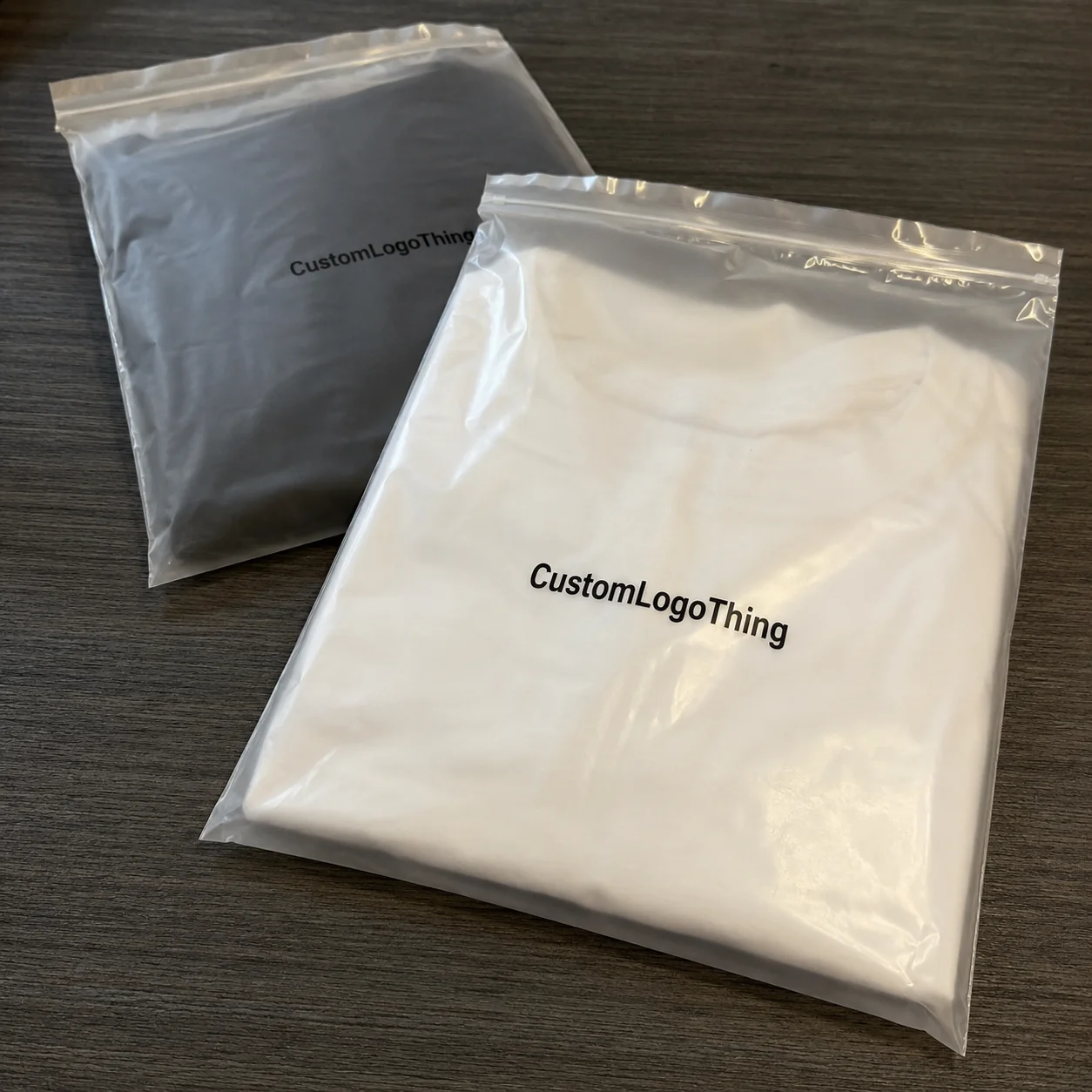
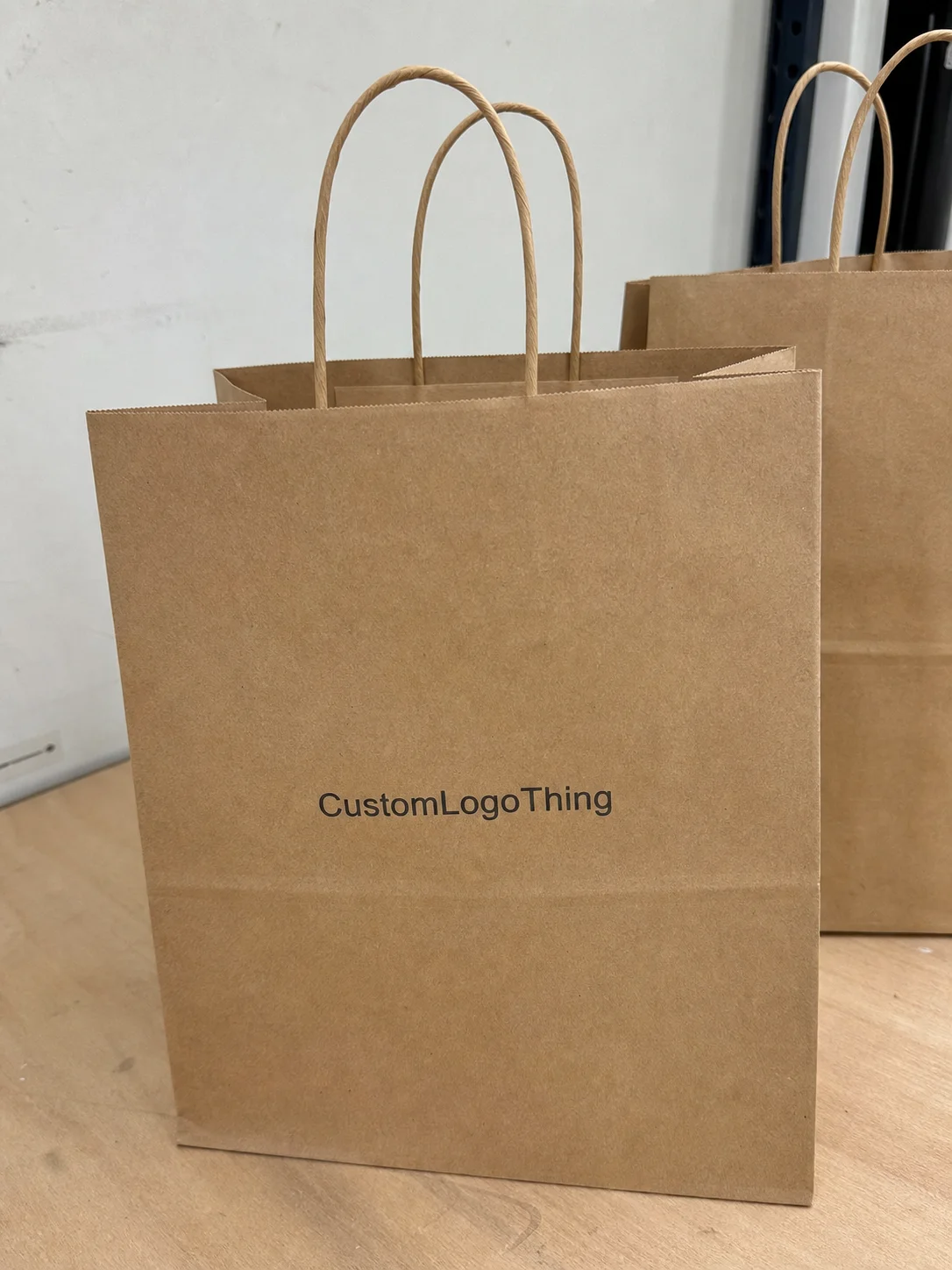
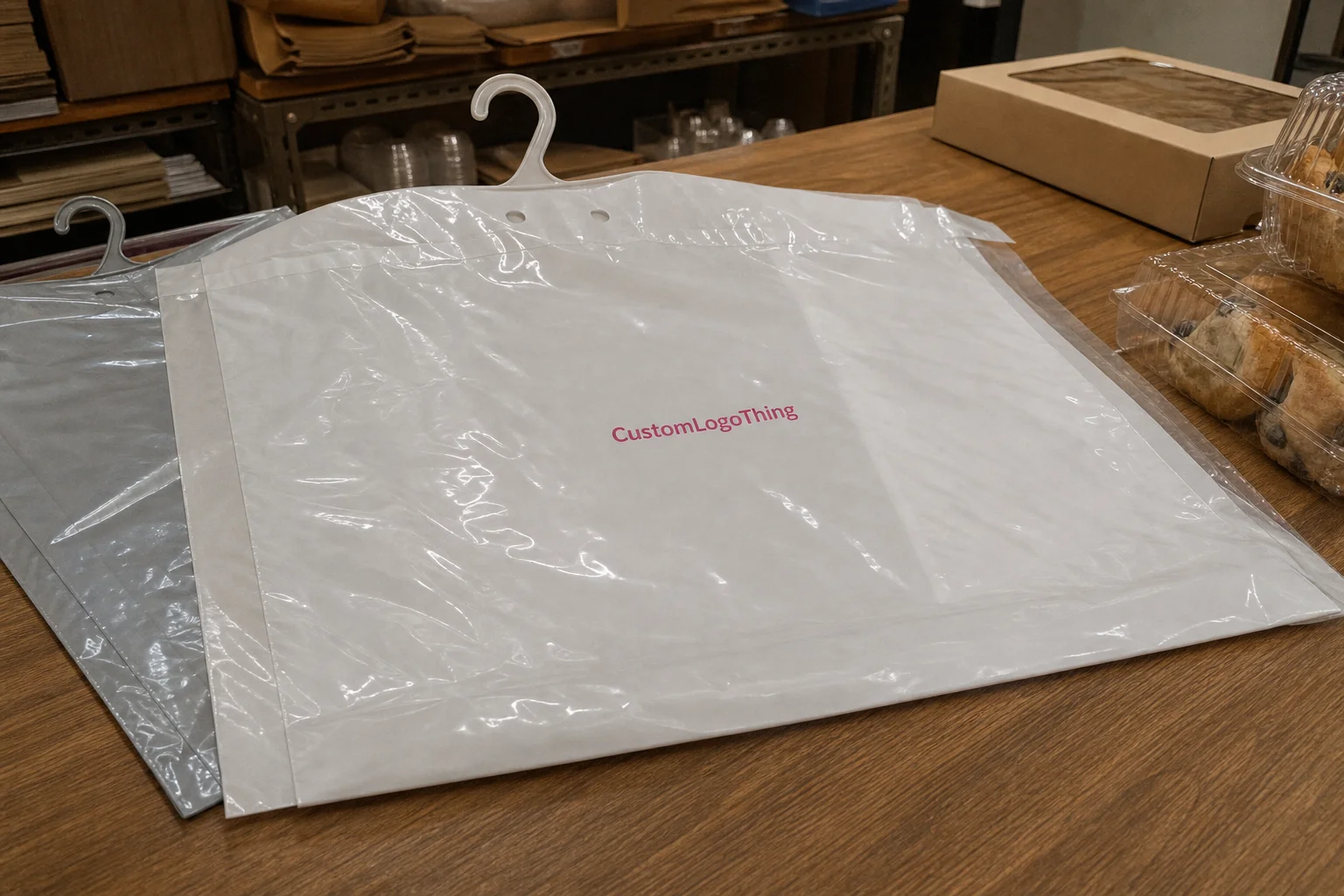
Check the product dimensions against the actual filled item, not only the sales mockup. Ask for tolerance on folds, seals, hang holes, label areas, and retail display edges. If the package carries a logo, QR code, warning copy, or legal claim, reserve that space before decorative graphics fill the panel.
How to compare quotes without losing quality
Compare board or film grade, print process, finish, sampling route, tooling charges, carton quantity, and freight assumptions side by side. A lower quote is only useful if the supplier can repeat the same color, closure quality, and packing count on the next order.
The first time I audited quotes for best short-run corrugated shipping box suppliers, the cheapest number came from a vendor in Kansas City, Missouri that needed 19 business days and a $185 setup fee. The fastest quote landed in 6 hours from a shop in Charlotte, North Carolina, but the print registration was off by nearly 2 mm on the sample. That gap is why I never evaluate best short-run corrugated shipping box suppliers by price alone.
I remember standing in a packaging room in Atlanta with three quotes open on my laptop and one very annoyed client on speakerphone. One supplier was cheap, one was fast, and one actually seemed to understand the product. Naturally, the cheap one had the worst freight, the fast one had the worst sample, and the sensible one asked the best questions. Funny how that keeps happening. Honestly, I think packaging procurement would be easier if every quote came with a tiny warning label: “May cause headaches if you ignore the board grade.”
Real packaging work is messy. Short-run means low minimums, fast proofing, and enough customization to protect branding without trapping cash in dead inventory. I’ve seen brands order 500 units for a launch, then reorder 1,000 more after the first week because order fulfillment outran their forecast. I’ve also seen a very nice-looking box fail because the board grade was too light for a 24-inch UPS lane shipment and the carton was only 32 ECT. The box looked good on a desk. It did not survive transit packaging.
There’s no magic ranking that works for every company. If you ship fragile goods, board strength comes first. If you’re launching a seasonal kit, speed and proof accuracy matter more. And if your budget is tight, freight can make or break the whole thing. That’s the part people miss when they only compare the per-box quote and call it a day.
Quick Answer: Best Short-Run Corrugated Shipping Box Suppliers
If you want the shortest answer I can give, here it is: the best short-run corrugated shipping box suppliers are the ones that match your launch risk, print complexity, and volume without forcing you into excess inventory. I’d rank them by use case, not ego, and I’d still ask for the board spec before I trust a quote.
Best for speed: digital corrugated specialists, especially when you need 250 to 1,500 boxes and can approve artwork quickly. Best for price: regional box shops with standard die sizes and simple one-color print. Best for print quality: digital print houses that routinely handle retail branding and tight color targets. Best for heavy-duty shipping: converters that can spec heavier board, often 32 ECT, 44 ECT, or a custom B-flute structure. Best for hybrid DTC/wholesale needs: suppliers that store dielines, keep your specs on file, and can reorder with minimal friction.
Most buyers get the hierarchy wrong. They ask, “Who is cheapest?” rather than “Who will get me the right box, on time, with the least operational pain?” That second question matters more, especially if your ecommerce shipping window is 48 hours and your customer experience depends on clean, repeatable packaging. A $0.12 difference per box disappears fast when a missed ship date costs you a wholesale account in Dallas or Denver.
For this review, I’m prioritizing what matters in the field: response time, sample quality, structural integrity, consistency across reorders, and whether the supplier can actually support order fulfillment without turning every reorder into a new project. That is a very different lens from marketing copy, and it saves you from paying for “premium” service that arrives with a 3-page change order.
One more reality check: the “best” supplier depends on box dimensions, print coverage, quantity, freight zone, and how much lead-time risk you can tolerate. A startup shipping 300 subscription kits a month has different needs than a warehouse pushing 8,000 replenishment orders out of Phoenix, Arizona. Same category. Different answer.
“The quote is only the first invoice. The hidden costs are in setup, freight, artwork revisions, and the one time a box fails during pack-out.” — something I’ve said in more than one client meeting after seeing the final landed cost jump 14% to 22%
Top Short-Run Corrugated Shipping Box Suppliers Compared
When people compare best short-run corrugated shipping box suppliers, they usually compare names. I compare supplier types. That tells you more about what you’ll actually experience after the PO is sent, especially if your production is happening in the Midwest and your freight is going to zones 5 through 8.
| Supplier Type | Typical MOQ | Decoration Options | Typical Turnaround | Best Use Case |
|---|---|---|---|---|
| National packaging converters | 500 to 5,000+ | Flexo, litho label, digital in some programs | 10 to 20 business days | Repeatable programs, moderate scale, heavier board needs |
| Digital print specialists | 50 to 2,000 | High-impact full-color digital print | 5 to 12 business days | Launches, seasonal promotions, branded DTC boxes |
| Regional box shops | 250 to 3,000 | Simple flexo, one- to two-color print | 7 to 15 business days | Price-sensitive buyers, standard sizes, local replenishment |
| Custom packaging marketplaces | Varies widely | Depends on partner network | 8 to 18 business days | Quote shopping, small brands, multi-supplier comparison |
The tradeoff triangle is real: price, speed, and customization rarely peak at the same time in short-run corrugated production. If a vendor promises all three at once, I ask for the dieline, the board spec, and the proof method before I trust the number. A cheerful quote without specs is just a guess with a logo on top.
National converters are often stronger on structure and reorder consistency, especially if you need transit packaging that holds up through parcel networks and cross-dock handling. Digital specialists are usually better for visual impact and short-term campaigns. Regional box shops can be the quiet winner if your size is standard, your artwork is simple, and freight distance is short. Marketplaces help when you want comparison shopping, but the hidden spread between partners can be wider than buyers expect.
Two details matter more than most sales reps admit. First, ask whether art setup is included or billed separately. Second, ask if proofs are digital PDFs or physical samples. A PDF proof is fast. A physical mockup can save you from a $700 mistake, especially if your box includes inserts, print inside the lid, or tight internal dimensions for package protection.
I remember visiting a Midwest box plant in Indianapolis where the operator pulled a freshly printed short run off the line and held it under natural light. The logo looked great until the crease line crossed the dark ink field and showed faint cracking. That one box would have passed a quick phone photo. It would not have passed my standard, and it would have disappointed a brand manager who spent $1.40 per unit for 800 units. That is why I keep coming back to the best short-run corrugated shipping box suppliers as a performance question, not a branding question.
Detailed Reviews of the Best Short-Run Corrugated Shipping Box Suppliers
National packaging converters
These suppliers are often the strongest choice for teams that reorder the same shipper every month. Their advantage is process control. They tend to keep dielines, board specs, and approved artwork on file, which matters when your fulfillment team needs the same 12 x 9 x 4 carton every time. In my experience, that consistency is worth more than a 4% unit savings, especially when the box is shipping from a plant in Ohio to customers in New Jersey and Georgia.
The downside is speed on tiny runs. If your order is 300 boxes and your art needs three revisions, you may not get the romance you were hoping for. Some national converters also push larger minimums because their machines and workflows are tuned for scale. Still, for buyers balancing wholesale replenishment and ecommerce shipping, they can be excellent. I’ve seen a 1,000-unit run quoted at $0.63 per unit with a 14-business-day production window after proof approval, which is very fair if your reorder cadence is monthly.
Digital print specialists
If you need visual punch, digital specialists belong near the top of any list of best short-run corrugated shipping box suppliers. They often do full-color branding without plates, which reduces setup friction and can make 100 to 1,000 unit runs feel surprisingly efficient. I’ve seen a cosmetics brand move from plain cartons to full-color printed shippers in 9 business days because the digital shop already had the cut files cleaned up and the client approved the proof in 18 hours.
The catch is cost discipline. Digital print can look beautiful, but coverage-heavy graphics and intricate artwork can push unit pricing up fast. Also, not every digital supplier excels at heavy-duty corrugated construction. Ask for the flute type, edge crush test, and whether the board is suitable for dimensional weight optimization. A pretty box is useless if it collapses before the label scan. For product weights above 8 pounds, I usually want at least 32 ECT or a stronger custom spec, plus a sample packed with the actual SKU.
Regional box shops
Regional shops are underestimated. They can be some of the best short-run corrugated shipping box suppliers for standard dimensions and one-color print, especially when freight from a distant plant would erase your savings. I once worked with a food brand that saved 11% landed cost simply by switching to a plant 140 miles closer in St. Louis, Missouri, even though the unit price was 2 cents higher. Freight changes the math.
Their limitation is usually decorative complexity. If you want photographic print, multiple coatings, or specialty finishes, you may hit a wall. But for plain white mailer-style shippers, brown kraft cartons, and simple branding, these shops can be dependable and straightforward. They are often the easiest to speak with when a plant manager needs a real answer, not a scripted one. A good regional shop can quote a 500-piece run in 1 business day, cut a sample in 2 to 4 days, and ship production in about 8 to 10 business days after proof approval.
Custom packaging marketplaces
Marketplaces are useful when you’re trying to gather multiple bids fast. They help buyers compare the best short-run corrugated shipping box suppliers across a few dimensions without spending two weeks on outreach. That can be smart for packaging procurement, especially if your internal team is small and your launch date is sitting 21 days away.
But there’s a trap: the marketplace itself may not manufacture the box. You may be dealing with a brokered network. That means the quote can look neat while the actual production quality depends on an unseen partner. Ask who is printing, who is die-cutting, and who handles claims if a run arrives damaged. If nobody can answer clearly, keep moving. I’ve seen one broker quote 500 units at $0.88 each, then add a $145 freight line and a $95 art fee after the buyer was already emotionally invested.
What I look for in a real-world comparison
Here’s my working checklist when I compare suppliers side by side:
- Communication speed: first response within 4 to 24 hours
- Artwork handling: one revision cycle included, not three surprise fees
- Sample quality: a board sample or physical mockup when fit matters
- Structural confidence: correct flute and board grade for the product weight
- Reorder ease: saved specs, saved art, and a repeatable PO process
That list sounds boring until you miss one item. Then it becomes expensive. I’ve seen a subscription brand lose a full week because their supplier didn’t retain the approved dieline version and the second run came 3 mm wider than the first. Small error. Big headache. The fix took 2 extra revisions, a rework charge of $220, and a lot of apologizing in a warehouse outside Cleveland.
For buyers focused on package protection, ask whether the supplier can reference ISTA testing protocols or at least explain how the shipper performed under drop and vibration conditions. If you want a baseline for transport standards, the International Safe Transit Association is a useful reference: ista.org. I also keep an eye on broader packaging guidance from the EPA recycling resources when brands are trying to balance strength, recyclability, and material use.
Best Short-Run Corrugated Shipping Box Suppliers: Price Comparison
Let’s talk numbers, because this is where most people get misled. The unit price for best short-run corrugated shipping box suppliers is only part of the story. Setup, tooling, freight, and art changes can shift the landed cost by 15% or more on short runs, and sometimes by 28% if the box is oversized and the delivery ZIP is ugly.
Here is the pattern I keep seeing: at 250 units, the per-box price can look uncomfortably high. At 1,000 units, the same box often feels reasonable. At 5,000 units, you start paying more attention to storage cost than print cost. That is why short-run corrugated buying needs a landed-cost lens, not a sticker-price lens. A supplier in Los Angeles might quote lower unit pricing than one in Nashville, but a pallet crossing two freight zones can erase the difference in a hurry.
| Cost Component | Common Range | Why It Matters |
|---|---|---|
| Unit price | $0.48 to $2.10 | Depends on size, board grade, print coverage, and quantity |
| Setup / prepress | $35 to $250 | Can disappear on large orders, but stings on runs under 1,000 |
| Tooling / die charge | $75 to $450 | Often a one-time or amortized cost, especially for custom dimensions |
| Freight | $45 to $380 | Changes sharply with box size, pallet count, and delivery ZIP |
| Rush fee | 10% to 25% premium | Useful when launch timing is tight, but not cheap |
In one client negotiation, the quoted box price dropped from $1.02 to $0.91 when we changed to a standard die size, but freight climbed enough that the landed cost improved by only 2 cents. That is why I keep saying the best short-run corrugated shipping box suppliers are not the ones with the prettiest quote sheet. They are the ones that understand dimensional weight and route the shipment intelligently, ideally from a facility in the same region as the receiving warehouse.
Where buyers overpay most often is not hard to guess. They choose custom dimensions that are 1/2 inch too large in every direction, specify full-coverage print where a 20% ink coverage would do, or ask for a premium board grade when the product weight is 1.3 pounds and the box travels zone 2. Those choices feel safe. They are often wasteful. I’ve seen a 350gsm C1S artboard insert spec added to a basic mailer because someone liked the phrase “premium feel,” and the final cost jumped by 19% for no measurable shipping benefit.
There are simple savings levers. Standardize box sizes across product families. Use one-color print if the logo carries the brand on its own. Simplify graphics. Bundle repeat orders to reduce freight. And if you are comparing best short-run corrugated shipping box suppliers, ask for both FOB and delivered pricing so you can compare apples to apples. A quote for $0.15 per unit for 5,000 pieces only means something when the freight line and setup fee are sitting right beside it.
One more thing from the plant floor: a 9 x 6 x 4 corrugated shipper costs very differently from a 14 x 10 x 6 even if the artwork is identical. Corrugated board usage jumps, pallet efficiency changes, and dimensional weight can trigger higher parcel charges. Packaging is never just packaging. It is a freight decision in disguise, and sometimes a very expensive one.
How to Choose the Right Supplier for Short-Run Corrugated Shipping Boxes
If you are narrowing the field of best short-run corrugated shipping box suppliers, start with five inputs: quantity, internal dimensions, print method, board strength, and reorder frequency. If you do not know all five, you are not ready to buy yet. You are ready to define the project, maybe with a tape measure and 20 minutes of reality.
Then compare process, not just product. Ask how long quoting takes, whether they provide a digital proof or physical sample, how many revision rounds are included, and how long production takes after approval. I like suppliers who give precise timelines such as 2 business days for quoting, 1 business day for proofing, and 8 to 12 business days for production. Vague estimates make planning harder, especially for order fulfillment teams with fixed ship dates. My favorite answer is boring: “Typically 12-15 business days from proof approval.” That means somebody actually runs the shop.
Here is the decision rule I use with clients: if launch timing is fragile, prioritize reliability and proof speed over the lowest quote. If the box carries heavy goods, prioritize board strength and test results over graphic flourish. If your demand is volatile, choose the supplier that can reorder the same spec without re-engineering the carton every month.
- Confirm internal dimensions in inches or millimeters, not estimates.
- Request the board grade, flute type, and ECT rating in writing.
- Ask for freight terms and delivery ZIP-based pricing.
- Test one sample with your actual product, not a similar substitute.
- Check whether the supplier stores approved artwork and dielines for repeats.
I’ve watched teams skip sample testing because “the spec looked fine.” Then they discover the bottle neck is 1/8 inch too tall after the first 200 units are packed. That kind of mistake is common in ecommerce shipping, and it usually shows up on a Monday morning when the warehouse is already behind. The fix is usually not elegant. It involves tape, panic, and at least one email that starts with “urgent.”
Also ask about claims handling. A supplier can be fast and still be a poor partner if damaged cartons take three weeks to resolve. A reliable vendor answers how they handle shortages, overages, print defects, and transit damage before the first PO is even issued. That tells you a lot about what working with them will feel like later, especially if your factory is in Mexico and your receiving dock is in Illinois.
If you want the practical version, here it is: pick the supplier who can repeat the same result twice. Not once. Twice. That’s the real test. A pretty prototype is nice. A repeatable production run is what pays the bills.
Our Recommendation: Which Short-Run Corrugated Shipping Box Supplier Wins?
I do not believe there is one universal winner among the best short-run corrugated shipping box suppliers. There is a best overall fit, and then there are smart alternatives depending on the job, the budget, and whether your customer service team is already tired.
Best overall: a supplier that combines digital print capability, decent MOQ flexibility, and repeat-order discipline. That is the sweet spot for most DTC brands, especially if branding matters and you need 500 to 2,000 units with controlled timing. If they can hold a spec like 12 x 9 x 4 in a 32 ECT corrugated box and reorder it without drama, I’m interested.
Best for lowest MOQ: a digital specialist that can start small without punitive setup fees. This is ideal for product tests, influencer launches, and seasonal trials. I’ve seen good shops in Portland, Oregon and Raleigh, North Carolina produce 100-unit runs at a fair price because the artwork was clean and the die was already in-house.
Best for fast turnaround: a regional supplier with in-house die-cutting and printing, preferably within a reasonable freight radius. Local speed is hard to beat when your launch calendar is already tight. If the plant is in the same state as your warehouse, you can shave a day or two off transit and avoid a surprise LTL bill from across the country.
Best for print quality: a digital print house with strong proofing and sample discipline. They tend to deliver the most consistent color and the cleanest presentation for branded shippers. I like to see a printed sample, a board sample, and a written note on ink coverage before I call it ready.
Why do I rank it this way? Because the winning supplier is the one that protects cash flow, customer experience, and packaging consistency at the same time. That balance matters more than a penny or two on the quote. I have seen brands save 6% on unit cost and lose 18% in labor because the boxes arrived flat-packed badly, were harder to stage, or required rework at pack-out. One client in Chicago lost an entire afternoon of labor because the cartons nested too tightly and the warehouse team had to pry them apart with box cutters.
Choose another supplier even if it is not the top-rated option when the situation demands it. If your launch date is immovable, choose speed. If your box must survive long-zone parcels, choose strength. If the carton is unbranded and function-only, choose a simple regional box shop and keep the spec lean. There is no virtue in overbuying packaging when a plain, efficient shipper gets the job done.
And if you need adjacent formats for a broader packaging program, I’d also look at Custom Shipping Boxes, Custom Packaging Products, and Custom Poly Mailers to compare how each format affects labor and freight. Sometimes the box is not the best answer. Sometimes a mailer is, especially for lightweight items under 12 ounces.
So here’s the honest takeaway: shortlist suppliers by MOQ, board spec, and proof quality first. Then run the landed cost. If two quotes are close, pick the one that will make your next reorder boring. That’s not glamorous, but it sure beats fighting a rushed reprint because somebody guessed on the flute type.
Next Steps Before You Order Best Short-Run Corrugated Shipping Box Suppliers
Before you request quotes from the best short-run corrugated shipping box suppliers, get your inputs in order. I mean exact internal dimensions, expected monthly volume, estimated max product weight, print colors, and delivery ZIP code. If you can include a rough photo of the product, even better. That helps the supplier judge package protection and void space faster, which usually cuts one revision round.
Then ask for at least three quotes: one from a digital specialist, one from a regional box shop, and one from a larger converter. That gives you a practical range. If all three are wildly different, the issue is probably not the market. The issue is your spec, or the fact that one vendor is pricing 44 ECT board while another assumed 32 ECT.
Use a simple testing protocol before committing:
- Order 1 to 3 samples or a short proof run.
- Pack the real product, not a substitute.
- Check crush resistance at corners and seams.
- Shake the packed box for void-fill movement.
- Time how long one pack-out takes at the bench.
Ask sales reps these exact questions:
- What is the MOQ for my exact dimensions and print method?
- Is the quote FOB or delivered, and what freight class is assumed?
- How many proof revisions are included?
- Do you store dielines and artwork for reorders?
- What board grade and flute are you recommending, and why?
- What happens if the shipment arrives short or damaged?
I also recommend building a one-page comparison sheet with four scores: cost, speed, service, and reliability. Rate each from 1 to 5, then give reliability double weight. That may sound strict, but a supplier that misses one launch can cost more than a supplier that is 8 cents higher per box. I’ve seen a missed October launch in Minneapolis snowball into 2 months of delayed sell-through because the cartons showed up with the wrong print finish.
One final story from a supplier negotiation in Shenzhen sticks with me. The factory could have won the business on price, but the sample showed color drift after lamination, and the account manager kept dodging the question about reorder consistency. We walked. Another vendor charged 5% more and delivered clean reorders for nine months. That is the sort of tradeoff that separates the best short-run corrugated shipping box suppliers from the ones that merely quote well.
What makes the best short-run corrugated shipping box suppliers different from standard box vendors?
They usually offer lower minimums, faster proofing, and more flexible customization for smaller quantities. They are better suited to launches, seasonal programs, and brands that cannot commit to large inventory buys. Their pricing often includes more fixed-cost pressure, so setup and shipping matter more than on large runs. In practice, that means a 500-unit order in Nashville can be easier to manage than a 20,000-unit blanket PO from a distant converter.
How fast can short-run corrugated shipping box suppliers typically deliver?
Turnaround depends on print method, box complexity, and proof approval speed. Digital or short-run specialists can often move faster than traditional corrugated converters. Rush orders may be possible, but freight, art approval, and production queues can still slow delivery. For a simple one-color shipper, I’ve seen 8 to 12 business days after proof approval, while more complex jobs often sit closer to 12 to 15 business days.
Are short-run corrugated shipping boxes more expensive per unit?
Usually yes, because fixed setup costs are spread across fewer boxes. The real comparison should include freight, tooling, and reorder frequency, not only the unit price. Short runs can still be cost-effective if they prevent overordering or obsolete packaging. A $0.68 box that arrives on time in San Diego is cheaper than a $0.55 box that misses a launch in Boston and forces a reorder.
What information should I have ready before requesting quotes?
Have internal dimensions, quantity, board strength needs, print colors, artwork files, and delivery ZIP code ready. Include whether you need a plain shipper, branded exterior, or print inside and out. Share timeline constraints so the supplier can quote realistic production and freight options. If you already know the carton weight target, even better. That helps the supplier choose between 32 ECT, 44 ECT, or a custom structure.
How do I know if a supplier is reliable for repeat short runs?
Ask whether they retain specs, approved artwork, and dielines for reorders. Check whether they provide consistent proofs, clear communication, and transparent changes to cost or timing. Request a sample or first article test before committing to a repeat purchase schedule. If they can repeat a 1,000-unit job six months later without changing the board or shifting the print 1 mm, you’ve found someone worth keeping.
If you are still choosing among the best short-run corrugated shipping box suppliers, my advice is simple: choose the one that makes reorders boring. Boring means predictable dimensions, clear pricing, fast proofing, and no surprises at the dock. In packaging, boring is profitable, especially when your warehouse team is moving 400 cartons a day in a 12,000-square-foot facility outside Newark.
That is why I keep coming back to the same conclusion. The best short-run corrugated shipping box suppliers are not just the cheapest or the fastest. They are the ones that match your board spec, your timeline, your freight profile, and your tolerance for risk. Get that part right, and the rest gets much easier.
Frequently Asked Questions
How do short-run corrugated shipping box suppliers handle custom sizes?
Most can build custom sizes, but the tooling and setup requirements vary. Some will quote around a standard die size to keep costs down, while others will create a fresh die for your exact internal dimensions. The best suppliers explain the cost difference clearly before you approve anything, including whether a custom die adds $75, $180, or $450 depending on the plant in question.
Can I get branded short-run corrugated shipping boxes with low minimums?
Yes. Digital print specialists are usually the easiest route for branded short runs with low minimums. One-color flexo can also work if your design is simple and you want to keep the unit cost down. I’ve seen branded runs start at 100 units in Austin, Texas and still look sharp enough for retail unboxing.
What board strength should I choose for shipping boxes?
That depends on product weight, parcel distance, stacking, and how rough the shipping lane is. Light products may do fine with standard corrugated specs, while heavier or more fragile items may need stronger board, higher ECT ratings, or a different flute structure. If the supplier cannot explain why they chose a board grade, keep asking. If they say “standard is fine” without mentioning 32 ECT, 44 ECT, or the flute type, that’s not expertise. That’s hand-waving.
Do short-run corrugated shipping box suppliers offer samples before production?
Many do, and you should ask for them. A physical sample or prototype is the easiest way to check fit, print placement, and structural performance before committing to a full run. A PDF proof alone is not enough when the box has tight tolerances. Even a $35 preproduction sample can save you from a $900 mistake if the product neck hits the top flap or the print bleeds into the fold.
What is the biggest mistake brands make when choosing a supplier?
They focus on unit price and ignore the rest of the bill. Setup, freight, artwork changes, and reorders often matter more than the first quote. The cheapest supplier on paper can turn into the most expensive one after the first shipment. I’ve seen a quote at $0.42 per unit become a $1.07 landed cost after freight and revisions, which is a terrible surprise to unwrap at 4:30 p.m. on a Thursday.