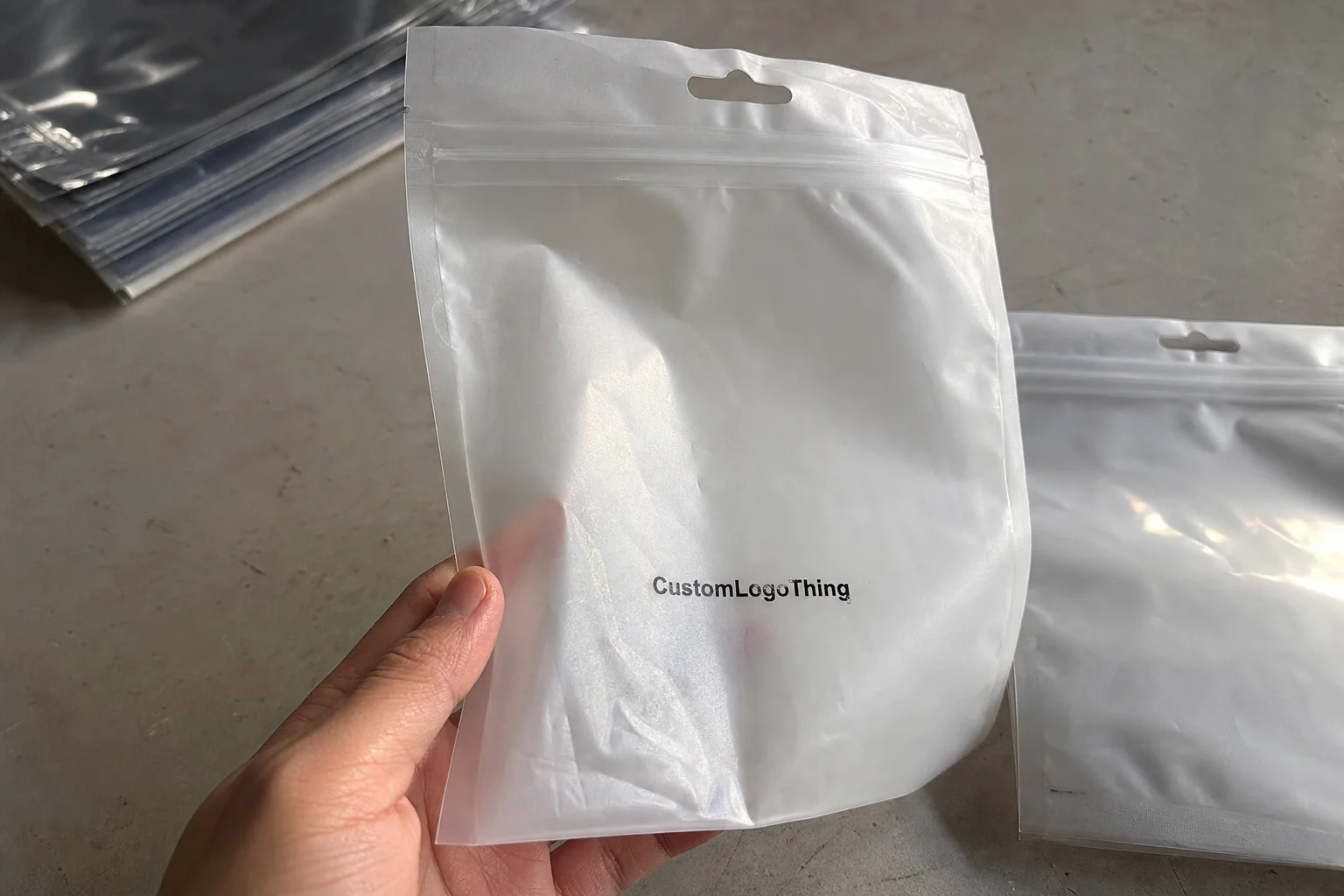
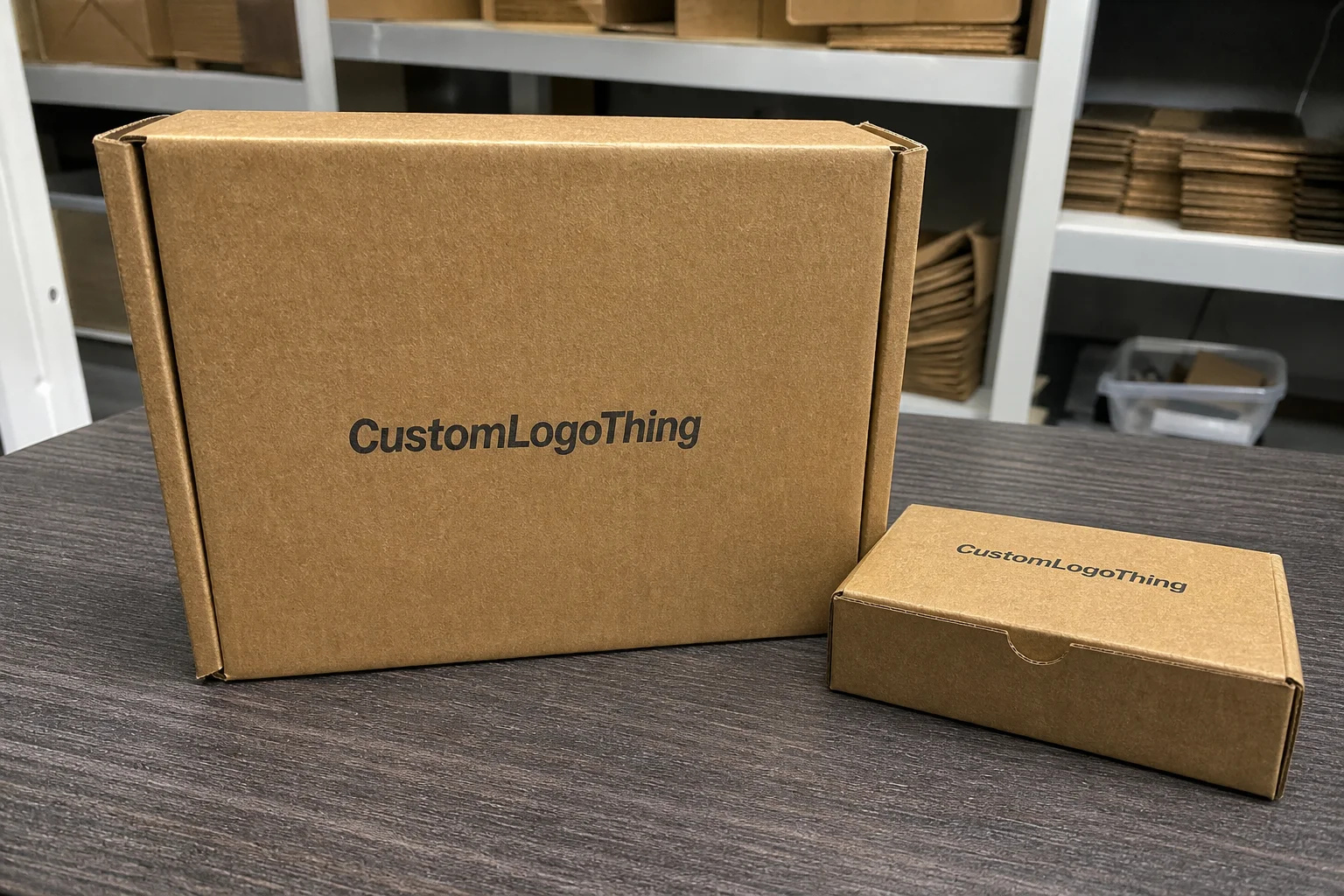
Buyer Fit Snapshot
| Best fit | sustainable cosmetic box inserts for packaging buyers comparing material specs, print proof, MOQ, unit cost, freight, and repeat-order risk where brand print, material, artwork control, and repeat-order consistency matter. |
|---|---|
| Quote inputs | Share finished size, material target, print colors, finish, packing count, annual reorder estimate, and delivery region. |
| Proofing check | Approve dieline scale, logo placement, barcode or warning zones, color tolerance, and any recyclable or compostable wording before bulk production. |
| Main risk | Vague material claims, crowded artwork, or missing packing details can create delays even when the unit price looks attractive. |
Fast answer: Sustainable Cosmetic Box Inserts: Claims, Protection, MOQ, and Cost should be specified like a repeatable production item. The safest quote includes material, print method, finish, artwork proof, carton packing, and reorder notes in one written spec.
What to confirm before approving the packaging proof
Check the product dimensions against the actual filled item, not only the sales mockup. Ask for tolerance on folds, seals, hang holes, label areas, and retail display edges. If the package carries a logo, QR code, warning copy, or legal claim, reserve that space before decorative graphics fill the panel.
How to compare quotes without losing quality
Compare board or film grade, print process, finish, sampling route, tooling charges, carton quantity, and freight assumptions side by side. A lower quote is only useful if the supplier can repeat the same color, closure quality, and packing count on the next order.
The best sustainable cosmetic box inserts are not the prettiest ones on a mood board. They’re the ones that keep a $42 serum from arriving in pieces, use less material than the eco copy suggests, and don’t create a headache at the packing line. I’ve watched “green” inserts fail a simple 30-inch drop test and turn a $0.19 part into a $14 return. That’s not sustainability. That’s expensive theater, and it usually starts with a supplier in Guangdong quoting pretty words instead of actual specs like 350gsm C1S artboard, 2.5 mm molded pulp wall thickness, or 1200 x 800 mm master carton dimensions.
I’ve spent 12 years in custom printing and packaging, and I’ve sat on factory floors in Shenzhen with a knife in one hand and a damaged sample in the other. One supplier swore a molded fiber insert from Dongguan was “strong enough for anything.” It wasn’t. The bottle rattled in the carton like dice in a cup. We fixed it with a tighter die-line, a 2 mm wall adjustment, and a $0.03 material bump. That tiny change saved the client roughly $8,000 in breakage over a 20,000-unit launch, and the final production run shipped 12 business days after proof approval. So yes, I’m picky about the best sustainable cosmetic box inserts. I’ve seen what happens when brands get this wrong, especially when they order 5,000 pieces at $0.27 per unit and forget to test the closure height before bulk production.
This is an honest review, not a recycled buzzword parade. I’ll break down what actually works for luxury skincare, fragile glass, subscription kits, and launch budgets using real production details like FSC-certified 400gsm chipboard, 1.5 mm E-flute corrugated, and molded pulp made from 100% recycled fiber. If you want the best sustainable cosmetic box inserts, you need to think about protection, landfill guilt, shipping weight, assembly labor, and how the insert feels in a customer’s hand. Fancy labels don’t save product. Fit does. And honestly, I’m still a little annoyed that so many teams spend more time picking a “nice” texture swatch than asking whether the bottle is going to survive a 24-inch corner drop on the route from Ningbo to Chicago.
Quick Answer: The Best Sustainable Cosmetic Box Inserts I’d Buy Again
Here’s the blunt version. The best sustainable cosmetic box inserts for most beauty brands are usually molded pulp, recycled paperboard, and corrugated die-cut inserts. That sounds obvious, but the ranking changes depending on the product. A “green” insert that collapses in transit is worse than a slightly heavier one that keeps glass safe, especially if the carton is traveling 8,000 miles from a factory in Shenzhen or Dongguan to a warehouse in Los Angeles.
If I had to pick fast: molded pulp wins for fragile glass and heavier skincare bottles, recycled paperboard wins for luxury skincare and compact cosmetics, and corrugated die-cut inserts win for the cheapest scale play when protection matters more than presentation. I’ve paid $0.16/unit for a recycled board insert at 10,000 pieces and $0.29/unit for molded pulp at 5,000, and the cheaper option did not always cost less after returns. One brand even saved $1,300 in production cost and lost $4,700 in replacements over a single 8-week launch. That’s the part people skip in spreadsheets.
One factory visit still annoys me. We were testing a “premium eco” paperboard insert for a glass dropper bottle in a workshop outside Guangzhou. The insert looked clean, the carton printed beautifully, and the brand team loved it. Then we ran a drop test. The shoulder of the bottle punched through the slot on the second drop. The client had already approved the artwork, which is always dangerous. We changed the slot geometry, added 0.6 mm board thickness, and switched to a molded fiber cradle. That bumped unit cost by $0.05, but the return rate dropped to near zero. Cheap insert. Expensive lesson, and it cost the team two extra days of sampling plus one revised dieline from the factory in Foshan.
So if you want the short answer: for luxury skincare, I’d start with recycled paperboard or FSC-certified chipboard; for fragile glass, molded pulp or corrugated die-cut; for the lowest cost at scale, recycled corrugated inserts usually win. The best sustainable cosmetic box inserts are the ones that survive shipping with the least total material and the fewest failures. Not the ones with the loudest eco badge or the prettiest mockup in a Monday morning slide deck.
“We saved 6 grams of board per unit, but returned 2.4% of the orders. That was not a win.”
— A skincare client after their first run with the wrong insert structure
Best Sustainable Cosmetic Box Inserts Compared
Before the detailed reviews, here’s the comparison I wish more brands asked for upfront. The best sustainable cosmetic box inserts are not a one-size-fits-all purchase. I’ve seen brands choose based on Instagram photos instead of fit, and the result is usually crushed corners, loose products, and a very awkward email from customer service. Nothing says “brand trust” like a customer opening a box and hearing their serum slide around like it’s late for a meeting.
| Insert Type | Protection | Eco Profile | Printability | Premium Feel | MOQ | Typical Lead Time | Best For |
|---|---|---|---|---|---|---|---|
| Molded pulp | Very high | Good, especially with recycled fiber | Poor to moderate | Natural, utilitarian | 3,000-5,000 pcs | 18-28 business days after approval | Fragile glass, heavier serums, skincare sets |
| Recycled paperboard | Moderate to high | Very good with FSC and recycled content | Excellent | Clean and premium | 1,000-3,000 pcs | 10-18 business days after approval | Luxury skincare, compacts, gift sets |
| Corrugated die-cut | High | Good, depending on flute and recycled content | Moderate | Functional, less refined | 500-2,000 pcs | 8-15 business days after approval | Subscription kits, shipping-heavy launches |
| FSC-certified chipboard | Moderate | Very good | Excellent | High-end when printed well | 1,000-5,000 pcs | 12-20 business days after approval | Compact makeup, small jars, retail sets |
| Molded fiber alternatives | Very high | Very good | Poor | Natural, modern eco look | 5,000+ pcs | 20-35 business days after approval | Heavy bottles, refill systems, eco-led brands |
Blunt note on greenwashing: not every “eco” insert is actually better once you factor in shipping weight, damage rates, and line speed. I’ve seen a lightweight insert save 3 grams but add 1.8% breakage, and on a 15,000-unit order that can mean 270 damaged packs. That math is backwards. The best sustainable cosmetic box inserts should lower total waste, not just impress a procurement deck. Otherwise you’re basically congratulating yourself for using less paper while the warehouse quietly becomes a graveyard of broken bottles.
If your products are mostly 15-30 ml glass bottles, I’d start by comparing Molded Pulp and Corrugated die-cut. If you’re shipping a powder compact, a well-die-cut recycled board insert often gives the best balance of print quality and cost. For the beauty brands I’ve worked with in California, New Jersey, and Singapore, the best sustainable cosmetic box inserts usually win on three things: fit, fiber choice, and assembly speed. Everything else is secondary, especially if your packaging line is running at 600 units per hour and every extra fold costs real labor.
Detailed Reviews of the Best Sustainable Cosmetic Box Inserts
Molded Pulp Inserts
Molded pulp is one of the best sustainable cosmetic box inserts for fragile glass because it absorbs impact instead of just resisting it. In a factory outside Dongguan, I watched a line of 30 drop tests using 120 ml glass toner bottles. The molded pulp insert handled side impact better than board, especially where the bottle neck had a little extra play. That extra grip matters more than people think, particularly when the outer carton is 1.8 mm SBS and the product weight is above 180 grams.
Strengths: excellent shock absorption, good recycled content story, and a natural matte look that signals eco. Weaknesses: surface roughness, dust, and less control over fine aesthetics. If your brand wants glossy perfection, molded pulp can look a bit too honest. I don’t hate that, but some luxury teams do. Personally, I think “honest” packaging usually ages better anyway, especially when the insert is produced in Huizhou using 100% recovered fiber and trimmed to within a 1 mm tolerance.
For production quality, I look at wall consistency, trimming, and edge fiber tear. Cheap molded pulp leaves fluffy edges that snag during packing. Better suppliers trim cleaner and hold tighter tolerances. One supplier in Shenzhen quoted me $0.27/unit at 5,000 pcs, but the first samples had inconsistent cavity depth by almost 1.5 mm. We rejected them. The second round was acceptable, and the client used them for a 3-piece facial oil set with no breakage complaints. The final approved sample took 14 business days from first proof, which is about average when the mold geometry is simple.
“It felt eco, but not flimsy.”
That was the comment from a buyer after handling a well-made molded pulp tray.
Recycled Paperboard Inserts
Recycled paperboard is one of the best sustainable cosmetic box inserts when you need clean presentation and decent structure. Honestly, this is the sweet spot for many skincare brands. It prints beautifully, folds neatly, and can look more premium than people expect if the board is the right weight. I’ve used 400gsm to 800gsm board depending on the product weight and the box size, and 350gsm C1S artboard works well for lighter compacts when the slots are reinforced with a second locking layer.
Strengths: excellent print quality, strong eco credentials when paired with FSC or recycled content, and good cost control. Weaknesses: less impact resistance than molded fiber, and poor folding can make it look cheap fast. If the slots are too loose, the product shifts. If the slots are too tight, the line crew hates you. There’s no magic here. I remember one packing supervisor in Suzhou telling me, with dead seriousness, “If I have to wrestle a tray into the box again, I’m quitting.” He was only half joking, and the production line was moving at 420 cartons per hour.
One client insisted on a velvet-feeling outer carton with a recycled paperboard insert inside. Nice combo. The insert was die-cut cleanly and held a 50 ml glass bottle plus a spatula. Unit cost landed at $0.18 at 8,000 pieces, and the assembly time stayed low because the insert self-locked. That’s why I keep coming back to recycled paperboard as one of the best sustainable cosmetic box inserts for premium launches. The whole project moved from proof approval to bulk delivery in 13 business days from a factory in Guangzhou, which felt fast because the dieline was stable from the start.
Corrugated Die-Cut Inserts
Corrugated die-cut inserts are the workhorse choice. Not glamorous. Very effective. For subscription kits and direct-to-consumer shipments, they’re often among the best sustainable cosmetic box inserts because they protect well, cost less than molded options, and are easy to source. If you’re launching 10,000 units and every cent matters, corrugated deserves a hard look, especially if the plant is in Ningbo or Dongguan and you need quick reorders.
Strengths: solid cushioning, strong structure, and good recycled content availability. Weaknesses: more visible fluting, thicker footprint, and a less refined look unless the outer carton hides it completely. I’ve had brands complain that corrugated “looks too shipping box,” which is fair. It does look like a shipping box. Because it is. Packaging snobbery is real, but so is damage, and a 32 ECT board can outperform a prettier option if the bottle is heavy enough.
On one subscription kit project, we used 3-layer corrugated with a custom die-cut for four skin-care items. The insert cost just $0.11/unit at 12,000 pcs. The client loved the low price, but we had to watch the insert height carefully because the extra thickness reduced the internal box volume by 4 mm. That nearly caused a lid bulge. Fit matters. Always. The final approved version shipped 9 business days after proof approval, which is why corrugated often wins on speed as much as on cost.
FSC-Certified Chipboard Inserts
FSC-certified chipboard earns its place among the best sustainable cosmetic box inserts when a brand wants a polished, retail-ready look. It’s especially good for compacts, small jars, and layered presentation boxes. The print surface is clean, and when the die lines are crisp, the result can look expensive without being wasteful. I’ve seen 600gsm and 800gsm chipboard hold up well in New Jersey distribution centers where humidity sits around 60% in summer, which is exactly where weak board starts to curl.
Strengths: great printability, tidy folds, strong brand image, and easy claims support if you’re using FSC-certified stock. Weaknesses: not the strongest choice for heavy glass, and poor moisture control can warp thinner board. I’ve seen chipboard look fantastic in a showroom and behave badly in humid warehouse conditions. Reality has a way of ruining pretty samples, which is rude of it, especially if the cartons sit on a pallet in a Shanghai port for 5 extra days waiting on customs.
One of my favorite launches used 600gsm FSC chipboard for an eye cream duo. The insert held two jars and a spatula, and the print matched the outer carton exactly. It cost $0.22/unit at 6,000 pcs, which was not the cheapest option. But it reduced packing time because workers could place the jars without fiddling. That saved labor. Labor is money. Brands forget that part until a line slows down and everyone starts pretending they “didn’t see the bottleneck.” The supplier in Shenzhen delivered the final run 11 business days after the revised proof was approved.
Molded Fiber Alternatives
Molded fiber alternatives are the heavy hitters in the best sustainable cosmetic box inserts conversation. They look and behave like the more serious cousin of molded pulp. Better structure. Better cavity control. Higher tooling commitment. They’re excellent for refill systems, premium eco brands, and products that need a snug, protective cradle. I’ve specified them for 100 ml lotions, glass jars, and multi-part sets that needed a tighter presentation than open molded pulp could give.
Strengths: high protection, strong sustainability story, and good fit for heavier bottles. Weaknesses: higher MOQ, longer tooling time, and less flexibility if you change your bottle later. I once watched a brand switch bottle suppliers after insert tooling was done. That decision cost them nearly $3,200 in retooling and another 11 days in delay. That’s why I tell clients not to lock in the insert before the bottle is final. Common sense, apparently, is optional in some meetings, especially when the project is split between teams in London, Shenzhen, and Toronto.
When the shape is stable and the volume is decent, molded fiber can absolutely be one of the best sustainable cosmetic box inserts. If the product line may change next quarter, I’d be more cautious. My opinion? Great for disciplined brands, dangerous for teams that keep “just tweaking” the bottle shape every Thursday. If you already know the exact cavity size, a mold built in Dongguan can pay back quickly over 10,000 to 25,000 units.
Best Sustainable Cosmetic Box Inserts: Price Comparison and Cost Drivers
Pricing is where brands get surprised. A “cheap” insert can become the most expensive part of the launch once you add assembly labor, damage, and freight. The best sustainable cosmetic box inserts are not always the lowest unit price. Sometimes they are the lowest total landed cost. Big difference. Huge, actually, especially when your freight quote out of Shenzhen is $1,900 for a half container and your product losses are creeping above 2%.
| Insert Type | Typical Unit Price | Tooling Cost | Assembly Speed | Shipping Impact | Cost Risk |
|---|---|---|---|---|---|
| Molded pulp | $0.24-$0.38 | $450-$1,200 | Medium | Moderate | Higher upfront, lower breakage risk |
| Recycled paperboard | $0.12-$0.26 | $0-$350 | Fast | Low | Best balance for many brands |
| Corrugated die-cut | $0.09-$0.21 | $100-$300 | Fast | Moderate to high | Watch for bulk and box size |
| FSC chipboard | $0.14-$0.29 | $0-$250 | Fast | Low | Moisture and fit sensitivity |
| Molded fiber | $0.28-$0.45 | $800-$2,500 | Medium | Moderate | Best for stable product lines |
Material thickness changes the price more than most teams expect. A 500gsm recycled board insert might look similar to a 650gsm version, but the heavier one may need fewer support points and fewer returns. Die-cut complexity also matters. If the insert has six finger tabs, curved cutouts, and a hidden lock, the labor climbs. That’s just math, and the difference can be $0.04 to $0.08 per unit depending on whether the factory in Dongguan folds manually or runs on an automatic gluer.
I’ve negotiated with suppliers who tried to sell a “premium eco upgrade” for an extra $0.07/unit. Sometimes that was fair. Sometimes it was nonsense. I always ask for the cost split: material, die-cut, glue, labor, and boxing. If the supplier can’t break it down, I get suspicious. One quote from a large supplier in Guangdong looked attractive until I learned the insert required hand-folding for every third panel. That killed the margin. And yes, I muttered some very unprintable thoughts at my desk while comparing three quotes and a sample that was already 2 mm off spec.
The best sustainable cosmetic box inserts can also save money by shrinking rework. If a molded pulp tray holds a glass bottle tightly enough to eliminate foam sleeves, bubble wrap, or extra dividers, the landed cost may actually be lower than a paperboard option. I’ve seen this with luxury facial oil kits where the insert looked pricier on paper but saved $0.09/unit in packing materials and labor. The accounting team loved that. They rarely love anything, but they liked a spreadsheet that showed a 4.3% reduction in damage claims across a 9,500-unit launch.
For smaller launches, MOQ can flip the answer. If you only need 1,000 units, recycled paperboard is usually the practical winner because there’s little or no tooling cost. For 10,000 units or more, molded pulp and molded fiber become much more competitive. The best sustainable cosmetic box inserts are often the ones that stay stable as volume grows, especially when a brand is forecasting three reorders over 90 days.
Process and Timeline for Sustainable Cosmetic Box Inserts
The production process is straightforward until it isn’t. You start with the dieline, build a sample, test the fit with actual filled products, revise the cavity or fold lines, then approve bulk production. That sounds clean. It rarely is. The best sustainable cosmetic box inserts usually come from at least one ugly sampling round. I say “ugly” with affection, because some of my most successful projects looked like disasters during round one in workshops in Shenzhen, Qingdao, or Suzhou.
Typical timeline by insert type: recycled paperboard can move in 10-18 business days after proof approval; corrugated can be a bit faster at 8-15 business days; molded pulp and molded fiber usually need 18-35 business days depending on tooling and mold complexity. Add 3-7 days if you need FSC documentation, recycled content declarations, or special lab checks. I’ve had a supposedly “simple” insert turn into a 24-day delay because the client changed the bottle neck diameter by 1.2 mm after sample approval. That tiny change wrecked the fit. Tiny details. Giant problems, and the revised sample had to be remade in a factory near Huizhou before the launch window in early October.
One factory-visit anecdote sticks with me. We had a skincare brand in a hurry for a seasonal launch. The first insert was 2 mm too shallow, so the cap sat proud and the carton wouldn’t close flat. The plant manager wanted to force production. I said no. We revised the cavity depth, re-ran the sample in 48 hours, and saved the launch from a customer complaint storm. That’s why I tell brands to budget time for fit fixes. The best sustainable cosmetic box inserts are rarely perfect on the first try. If they are, I usually assume somebody got lucky and nobody measured carefully enough.
Here’s the practical timeline I use:
- Day 1-3: Submit product dimensions, weight, and outer box size.
- Day 4-7: Receive structural dieline and initial quote.
- Day 8-14: Sample production and fit review.
- Day 15-18: Revise cavity sizes, folds, or locking tabs if needed.
- Day 19-30: Bulk production for paperboard or corrugated; longer for molded options.
That timeline depends on supplier backlog, custom coatings, and how fast you approve. If your team takes five days to answer every question, nobody on the factory side can save you. I’ve never seen a packaging schedule fixed by silence. The best sustainable cosmetic box inserts need fast feedback, or they drift, usually by one week at a time until the freight booking slips and the warehouse slot gets reassigned.
How to Choose the Best Sustainable Cosmetic Box Inserts for Your Brand
Choose based on product behavior, not packaging fantasies. I know that sounds harsh, but I’ve watched too many brands pick the insert they wanted for the photos instead of the one the product actually needed. The best sustainable cosmetic box inserts should match product weight, fragility, brand position, and the kind of unboxing you want customers to feel. A box can look elegant and still be doing a terrible job. That contradiction shows up in returns, not in mockups, and the difference can be 1.7% more breakage on a 6,000-unit run.
If you’re shipping lightweight compacts or small jars, recycled paperboard or FSC chipboard usually makes sense. If you’re shipping heavy glass dropper bottles, molded pulp or molded fiber is safer. For multi-piece gift sets, corrugated die-cut can be very smart because it handles spacing and stacking well. That said, your carton depth, lid style, and internal tolerance all matter. A 1 mm mismatch can create a loose fit or a crush point, and a 0.8 mm offset is enough to make the insert look “fine” on screen but fail in a real carton from a plant in Guangzhou.
Design questions matter too. Should the insert be visible when the box opens, or hidden under a printed cover? Should it feel raw and natural, or should it disappear behind the product? For premium skincare, I often recommend printed recycled board with a restrained finish. For sustainability-led brands, an exposed molded pulp tray can support the story. The best sustainable cosmetic box inserts can either be part of the reveal or stay out of sight and do their job quietly, while the outer carton handles the visual drama.
Compliance and proof points are non-negotiable. If you claim recycled content, ask for documentation. If you claim FSC sourcing, verify the chain of custody. If you call something compostable, make sure that claim is legally supportable in your sales markets. I use FSC-certified suppliers whenever possible and I keep sustainability claims tied to actual paperwork. The FSC site is a good reference point if your team needs to understand certification basics. For shipping performance testing, the ISTA standards are worth checking before you greenlight a structure that hasn’t been tested. In my experience, a 30-inch drop test plus a 24-hour heat exposure at 40°C tells you more than a dozen adjectives ever will.
Here’s a simple decision matrix I use with clients:
- Fragile glass + premium skincare: molded pulp or molded fiber
- Lightweight cosmetics + strong branding: recycled paperboard or FSC chipboard
- Budget DTC kits: corrugated die-cut
- Stable refill line with repeat orders: molded fiber if tooling is justified
If you can’t decide, order samples of two structures and test them with filled product, not empty shells. Empty testing lies. Weight changes everything. That’s how brands end up choosing the wrong insert and then acting surprised when the first pallet arrives with damage. The best sustainable cosmetic box inserts are chosen with real product in hand, not just a CAD file. I’d rather see a messy bench test in a warehouse in Dongguan than a polished presentation deck that ignores a 215-gram bottle.
Which Best Sustainable Cosmetic Box Inserts Work by Use Case?
If I had to make the call today, I’d choose recycled paperboard as the best overall option for many beauty brands. It gives a strong mix of presentation, sustainability, cost control, and faster sampling. For premium skincare, it looks clean and polished. For launches with moderate weight, it holds up well. That makes it one of the best sustainable cosmetic box inserts I keep recommending, particularly when the insert is produced from 500gsm to 700gsm FSC board and the outer carton is already carrying the premium look.
For luxury skincare with heavier glass, I’d choose molded pulp or molded fiber. For the cheapest scale play, corrugated die-cut wins. For subscription kits, corrugated often makes the most sense because the protection is solid and the cost stays sane. For compact makeup or smaller jars, FSC chipboard is a strong contender if you want a tidy retail-ready appearance. I’ve seen brands in London and Toronto choose chipboard for lip care sets because the retail shelf impact mattered more than a raw eco look.
Don’t choose a molded insert just because it sounds greener. Don’t choose paperboard just because it looks premium in a flat lay. Choose based on fit, breakage rate, and the actual cost per delivered unit. Then request samples, test with filled products, run a basic drop test, and compare landed cost. That’s the boring path. It also works, especially if your supplier can quote you $0.15 per unit for 5,000 pieces instead of hiding the tooling charge in a vague “packaging fee.”
If you want my honest final take: the best sustainable cosmetic box inserts are the ones that protect the product, use only as much material as needed, and don’t force your packing team into slow manual work. I’d rather have a humble insert that ships clean than a fancy one that fails under pressure. That’s how I’ve handled it in real client work, and it’s saved more money than any fancy sales pitch ever did. Also, it means fewer 7 a.m. panic calls, which is a public service if you ask me, especially when the production run is coming out of Foshan and the first truck leaves at 6:30.
My practical takeaway: shortlist two structures, test them with filled product, and choose the one that lowers breakage, assembly time, and material waste together. If one option looks slightly less glamorous but survives the drop test and packs faster, that’s the one I’d ship.
FAQ
What are the best sustainable cosmetic box inserts for fragile glass bottles?
Molded pulp and corrugated die-cut inserts usually give the best balance of shock absorption and eco appeal. I’d choose the structure that fits tightly with minimal movement, then test with real filled bottles because weight changes everything. A 120 ml filled bottle behaves very differently from an empty sample, and I’ve seen a 3 mm looseness translate into a broken shoulder after one corner drop from 18 inches.
Are recycled paperboard inserts strong enough for luxury cosmetics?
Yes, if the product is lightweight or the fit is tight. For heavier items, I’d reinforce with thicker board or switch to molded fiber. Recycled paperboard often looks more premium when printed cleanly, but weak sizing can ruin the effect fast. A well-registered 600gsm insert from Shenzhen can look more expensive than a flimsy molded tray if the die cuts are crisp and the folds are exact.
How much do sustainable cosmetic box inserts cost per unit?
Basic recycled paperboard can be very affordable at scale, often in the $0.12-$0.26 range depending on size and finishing. Molded pulp usually costs more upfront because of tooling, but it can win on protection and shipping efficiency. Exact pricing depends on size, thickness, finish, and order quantity, and I’ve seen a quote shift from $0.19 to $0.24 per unit just because the brand added one extra cavity and upgraded to 2 mm thicker board.
How long does it take to make custom sustainable cosmetic box inserts?
Sampling usually takes the first round of time because fit matters more than most brands expect. Simple paperboard inserts move faster than molded options with custom tooling. I’d plan extra time for revisions, certification checks, and production scheduling, especially if you need FSC documentation or custom die-line changes. In practice, recycled board often ships in 10-18 business days after proof approval, while molded options can take 18-35 business days from approved tooling.
What should I ask a supplier before ordering sustainable cosmetic box inserts?
Ask for material specs, recycled content proof, and sample photos or videos of the exact insert structure. Confirm MOQ, lead time, and whether the insert has been tested with your product weight. Request a drop-test recommendation and compare landed cost, not just unit price, because that’s where the real answer lives. I also ask for the board grade, the flute type, the cavity depth in millimeters, and the factory location—Shenzhen, Dongguan, Guangzhou, or Ningbo—before I sign off on anything.
Related packaging resources
Use these related guides to compare specs, costs, quality checks, and buyer decisions before making the final call.
- Custom Candle Labels for Cosmetics Brands Quote Checklist
- Custom Candle Labels for Coffee Roasters: Quote Checklist
- Branded Candle Labels for Cosmetics Brands Quote Checklist
- Printed Candle Labels for Skincare Launches Supplier Quote