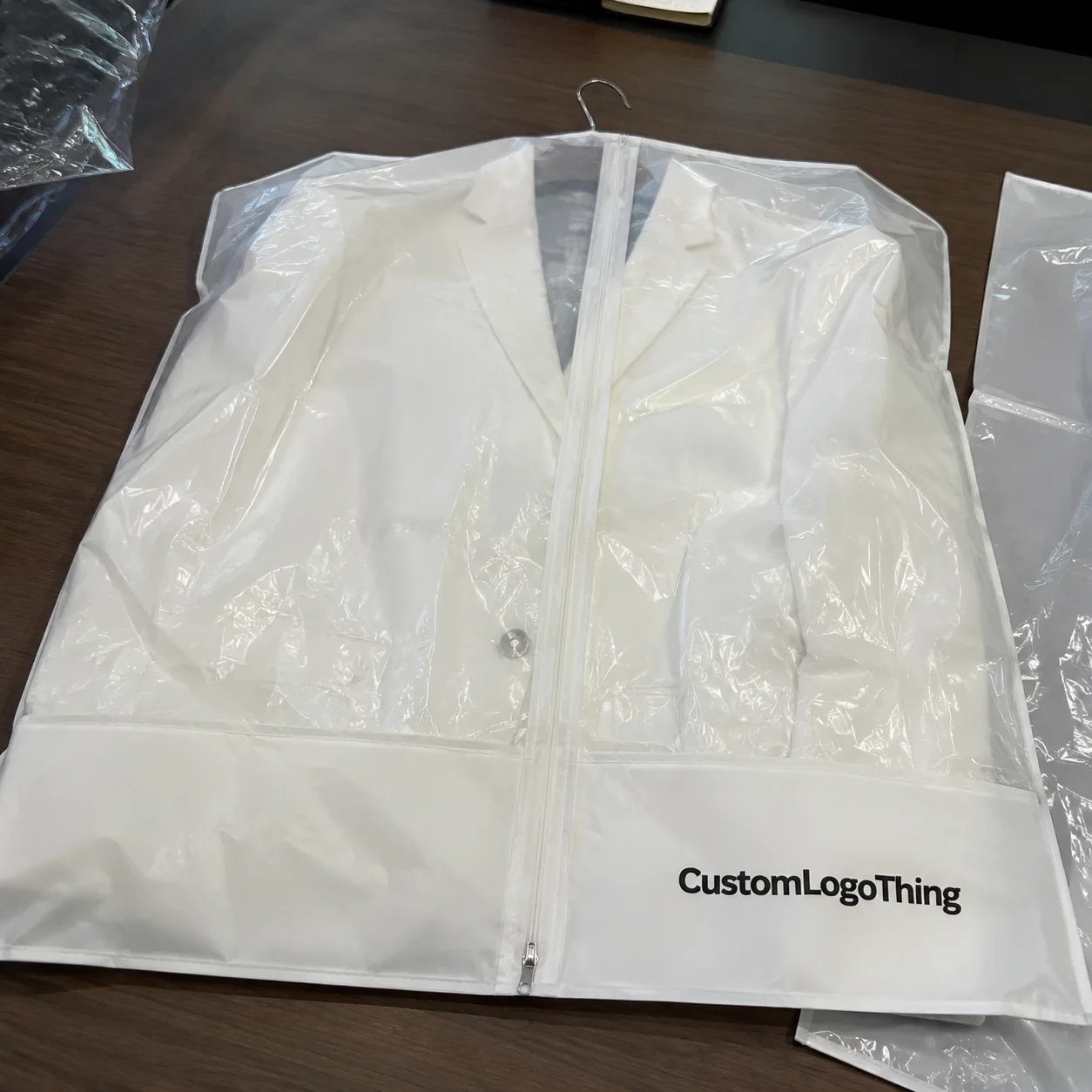
Buyer Fit Snapshot
| Best fit | Biodegradable Mailers Premium Quality projects where brand print, material claims, artwork control, MOQ, and repeat-order consistency need to be specified before quoting. |
|---|---|
| Quote inputs | Share finished size, material target, print colors, finish, packing count, annual reorder estimate, ship-to region, and any compliance wording. |
| Proofing check | Approve dieline scale, logo placement, barcode or warning zones, color tolerance, closure strength, and carton packing before bulk production. |
| Main risk | Vague material claims, crowded artwork, missing packing details, or unclear freight terms can make a low unit price expensive after revisions. |
Fast answer: Biodegradable Mailers Premium Quality: Film, Print, MOQ, and Carton Packing should be specified like a repeatable production item. The safest quote records material, print method, finish, artwork proof, packing count, and reorder notes in one written spec.
Production checks before approval
Compare the actual filled-product size with the drawing, then confirm tolerance on folds, seals, hang holes, label areas, and retail display edges. Reserve space for logos, QR codes, warning copy, and material claims before decorative graphics fill the panel.
Quote comparison points
Review material grade, print process, finish, sampling route, tooling charges, carton quantity, and freight assumptions side by side. A quote is only useful when the supplier can repeat the same color, closure quality, and packing count on the next order.
On a cold morning in a converter’s plant outside Shenzhen, I watched a pallet of mailers come off the line. Three out of ten failed a simple drop test from 1.2 meters because the seal line looked fine, but the film gauge was wandering by nearly 15 microns across the web. That kind of thing is exactly why biodegradable mailers premium quality matters. A mailer can sound eco-friendly in a sales deck and still fall apart once it hits a warehouse, a chute, or a humid delivery van. If you’re buying Packaging for Ecommerce, subscription boxes, or retail fulfillment, biodegradable mailers premium quality should mean more than a claim on the spec sheet. Honestly, I’ve seen enough “green” samples to last a lifetime, and half of them were decorative at best. For a 10,000-piece run, a difference of just $0.02 per unit can look tiny until you discover the cheaper bag adds 2% more returns.
I’ve spent enough time on factory floors to know the difference between marketing language and actual shipping performance. The best biodegradable mailers premium quality products behave predictably: the film thickness stays tight, the self-seal flap closes with the same pressure every time, the printed logo stays crisp after carton rubbing, and the mailer survives sorting, stacking, and the occasional rough toss across a dock. That’s the bar. Anything less is just expensive confusion. And yes, I’m aware that sounds harsh. Packaging is harsh. Boxes get dropped. Couriers do not care about your mood board. In one Guangzhou plant I visited, the QC team rejected a whole batch because the flap peel force drifted from 1.8 N to 2.6 N over three rolls. That is the level of boring detail premium shipping bags live or die on.
For Custom Logo Things, the goal is simple: help you buy packaging that looks good, ships well, and supports your sustainability story without making promises you can’t defend. Let’s get practical and break down what biodegradable mailers premium quality really means, how the materials work, what to check before you place an order, and where buyers usually get burned. If your current supplier can’t explain film gauge, adhesive type, and lead time in the same sentence, you already have your answer.
Biodegradable Mailers Premium Quality: What They Are and Why They Matter
At the simplest level, biodegradable mailers are shipping mailers made with materials designed to break down under specific conditions through microbial action, heat, moisture, and oxygen exposure. That sounds straightforward, but the details matter a lot. Some mailers use biodegradable additives blended into conventional plastics, some use compostable resin systems, and some use recycled-content films that reduce virgin plastic use without actually being biodegradable at all. Those are not interchangeable terms, and buyers who treat them like they are usually end up with the wrong packaging. I remember one sourcing call in Ningbo where the buyer thought “biodegradable” and “compostable” were basically twins. They are not. Close cousins, maybe. Not twins. One gets you a compliant claim; the other gets you a very expensive misunderstanding.
When I say biodegradable mailers premium quality, I mean a mailer that does two jobs at the same time: it protects the product through the real abuse of transit, and it is built with a material system that supports a defined end-of-life pathway. That might be industrial composting, controlled biodegradation, or a verified additive-based system depending on the application and the claims being made. Premium quality in packaging terms is not a vague compliment; it means the mailer is engineered with a stable film gauge, consistent seal integrity, clean conversion, and print that holds up under rubbing, pressure, and moisture. On most of the better programs I’ve seen, that means a target tolerance within ±5 microns and seal variation kept tighter than 10% lot to lot.
Most people get this wrong. They assume “eco” automatically means weak. I’ve tested plenty of biodegradable mailers premium quality samples that held 5 lb, 10 lb, or even 15 lb loads just fine because the film structure and seal profile were spec’d correctly. I’ve also seen “green” mailers split at the side seam after one short warehouse route because the supplier shaved material to hit a price point. Those are very different products, even if the brochure says the same thing. Honestly, the brochure is usually the problem. A glossy mockup cannot magically add tensile strength. On one project out of Dongguan, we compared a 55 micron bag against a 70 micron version and the cheaper one failed at the corner seal after 6 drops from 1 meter. Same logo. Very different outcome.
Premium quality also shows up in the converting room. A good line will maintain web tension, keep gusset folds even, and control seal bar temperature within a tight window so every bag closes the same way. If you’ve ever stood next to a blown-film tower and watched a roll drift because of poor cooling or a sloppy die lip, you know how quickly quality problems start. That consistency is what separates dependable biodegradable mailers premium quality from something that only looks good in a sample photo. A plant in Suzhou once showed me inline gauge monitoring at 62 to 68 microns across a run, and the difference between that and a sloppy 50 to 78 micron spread was obvious in the seal test tray.
There’s also a business reason this matters. Returns from damaged packaging cost more than the mailer itself, and one brand embarrassment on social media can wipe out the savings from choosing the cheapest supplier. In one client meeting I sat through, a DTC skincare brand saved $0.03 per unit by switching to a lower-grade mailer, then paid that back ten times over in replacement shipments after the flap adhesive failed in a hot southern distribution lane. Cheap packaging is expensive when it fails in the field. I still remember the buyer’s face when we ran the numbers. Not a fun afternoon. If you ship 20,000 orders a month, that “small” savings turns into $600 monthly; one bad batch can erase it in a weekend.
For broader sustainability context and packaging guidance, the Flexible Packaging Association and the U.S. Environmental Protection Agency both publish useful material on packaging systems, waste, and recovery pathways. I always tell buyers to pair supplier claims with outside reference points, not just sales language. If your supplier says a bag is compostable, ask which standard, which lab, and whether the claim applies to industrial composting in cities like Toronto, Milan, or Sydney, not just a brochure headline.
How Biodegradable Mailers Premium Quality Products Actually Work
The material science behind biodegradable mailers premium quality usually starts with a resin blend and a set of additives that influence how the film behaves after disposal. Some systems rely on starch-based components, some on compostable polymers, and some on oxidative or microbial pathways designed to accelerate breakdown under the right conditions. The important thing to understand is that biodegradation is not magic; it depends on exposure to conditions that activate the mechanism. Temperature, humidity, oxygen levels, and microbial environment all play a role. If someone tells you a mailer “just disappears,” they are selling fairy tales in a shipping bag. In the lab, you may see breakdown over 90 to 180 days under controlled composting conditions; in a dry warehouse in Arizona, the same bag can sit unchanged for much longer.
I’ve stood beside blown-film extruders where the operator was dialing in output at 180 to 220 kg per hour, and I can tell you that formulation matters just as much as machine settings. If the resin blend is uneven, the film will show weak spots, gauge bands, or brittle zones, and that’s a problem for any mailer that has to survive courier handling. A real biodegradable mailers premium quality product should balance environmental performance with mechanical performance, because a mailer that tears before its disposal pathway even matters has failed the primary job. In practical terms, I want to see tensile strength numbers, seal initiation temperature, and dart impact data before I trust a production run.
The structure of the film matters too. Many premium mailers use a multilayer approach, where one layer contributes toughness, another helps with sealing, and another supports print adhesion or slip characteristics. That way, the mailer can still perform in transit while supporting a predetermined breakdown process later. In some operations, the outer layer is tuned for scuff resistance so the printed logo and barcodes survive abrasion in a conveyor system that may hit 25,000 cartons a shift. That sounds dramatic because it is. Conveyor belts are not gentle little helpers. A 350gsm C1S artboard carton might protect the product inside, but if the mailer seam is weak, the whole outer package still fails at the sorter.
Here is the part that causes confusion: lab-controlled biodegradation is not the same thing as tossing a mailer into a random landfill or leaving it in a curbside bin. Controlled testing may involve standards, composting environments, or accelerated conditions that don’t match a customer’s backyard trash can. A buyer who understands biodegradable mailers premium quality knows to ask exactly which end-of-life environment was tested, which standard was used, and what the observed breakdown timeline actually was. I’ve had more than one supplier try to skate past this question with a confident smile and zero details. Cute. Not useful. Ask for the test report number, the lab name, and whether the sample passed after 12 weeks or 24 weeks under the stated condition.
Manufacturing is a chain of decisions. Resin compounding happens first, where the base polymer and additives are mixed to a controlled recipe. Then the film is formed, often by blown-film extrusion, and the gauge is checked with in-line measurement. After that, the material may be gusseted, printed, slit, sealed, and cut to size. Each step can affect the final quality. I’ve seen a mailer run beautifully on the film tower but fail in printing because ink adhesion was weak on a surface that had the wrong treatment level. A shop in Foshan once gave me a batch with perfect thickness and terrible corona treatment; the print scuffed off after one carton shake test.
At the converting stage, pressure, heat, and dwell time on the seal bar can make or break the final result. A slightly cold seal may look acceptable in the pack-out room and then pop open inside a parcel sorter. That’s why biodegradable mailers premium quality should be validated on the actual production line, not only in a lab report. If your supplier cannot explain how the film was processed from resin to finished mailer, that’s a signal to keep asking questions. In my experience, a decent line will give you a proof-to-production flow of 12 to 15 business days after artwork approval, not vague promises like “soon.”
The testing side should include standards where relevant, and the International Safe Transit Association is a solid authority for shipping test methods. I’ve used ISTA-style testing with clients more times than I can count, because simulated drops, vibration, and compression tell you a lot about what will happen once a carrier gets hold of the package. A 1.2 meter drop test with a 5 kg load, plus 24 hours at 40°C and 75% humidity, tells you more than a pretty sales sample ever will.
Key Factors That Define Biodegradable Mailers Premium Quality
If you want to judge biodegradable mailers premium quality properly, start with the film itself. Resin source, additive loading, and thickness consistency should be spelled out in plain language. A 60 micron film that varies wildly from one edge to the other is not premium, even if the average thickness looks acceptable on paper. Consistency is everything in packaging, because one weak area can become the failure point in transit. I ask for target gauge, tolerance range, and whether the supplier measures every roll or only every tenth roll.
Puncture resistance and tear propagation deserve real attention. Some mailers can resist a sharp edge for a surprising amount of force, but once a tear starts it races across the bag. That is a classic failure pattern I’ve seen with thin converter stocks that were trying to look premium through glossy printing rather than real structure. For biodegradable mailers premium quality, I want to know the dart impact result, the seam strength, and whether the film rebounds or splits under load. A useful benchmark is a dart impact score above 200 grams for lighter apparel shipments, though the right number depends on the product.
Closure performance is another big one. A self-seal adhesive has to grab cleanly, hold in temperature swings, and stay closed after the mailer sits in a hot truck or a cold dock. If the tack is too aggressive, packers fight with it and slow down. If it’s too weak, the bag opens. I once worked with a cosmetics brand that shipped into warehouse zones ranging from 8°C to 34°C, and we had to re-spec the adhesive because the original flap lost hold in the warmest lane. That kind of detail is exactly why biodegradable mailers premium quality should be specified by use case, not just by appearance. On the replacement run, we moved to a 3.5 mm adhesive bead instead of 2.5 mm, and the open-rate problem disappeared.
Print quality matters more than many buyers think. Clean registration, good ink adhesion, and readable barcodes are not decorative extras; they directly affect scanning, warehouse speed, and brand presentation. A mailer that smudges in the first 20 feet of conveyor travel is not a premium product. If the print cannot survive a light rub test, it does not belong in a serious ecommerce operation. For a branded mailer in Melbourne or Manchester, I’d want a scuff test after at least 50 rub cycles with no visible barcode loss.
Sustainability verification is where buyers need to be careful and a little skeptical. Ask for certifications, third-party lab reports, and the exact wording of the environmental claim. A supplier should be able to explain whether a product is biodegradable, compostable, or simply made with recycled content. Those are different claims and they imply different disposal conditions. For FSC-related paper components in packaging programs, the Forest Stewardship Council is the reference point I look to when the conversation shifts into paper sourcing and responsible fiber content. If the outer carton uses paperboard, I’ll ask whether it’s 350gsm C1S artboard or a recycled kraft board, because that changes both print quality and cost.
Price is part of quality, but it is not the whole story. As a rough market reality, biodegradable mailers premium quality often cost more than standard poly mailers because of resin formulation, testing, tighter QC, and lower manufacturing tolerances. For example, a plain stock poly mailer might land around $0.08 to $0.12 per unit at larger volumes, while a premium biodegradable version can come in at $0.14 to $0.28 per unit depending on size, print coverage, and certification requirements. If you want custom print, you may see setup charges from $120 to $450, especially on shorter runs. For a 5,000-piece order, I’ve seen quotes at $0.15 per unit for a simple one-color print and $0.22 per unit for a two-color logo with barcode panel.
| Mailer Type | Typical Unit Cost at Volume | Performance Notes | Best Use Case |
|---|---|---|---|
| Standard poly mailer | $0.08–$0.12 | Strong, lightweight, predictable, but not biodegradable | General ecommerce shipping with tight cost control |
| Recycled-content mailer | $0.10–$0.18 | Reduced virgin plastic use, solid printability, varies by resin blend | Brands prioritizing recycled input claims |
| Biodegradable mailers premium quality | $0.14–$0.28 | Requires tighter QC, stronger documentation, application-specific testing | Brands needing sustainability positioning plus dependable transit performance |
| Compostable mailer | $0.18–$0.35 | Must match compostability standard and disposal pathway | Programs with verified composting collection or clear claim strategy |
Cost varies a lot with order size, too. A run of 5,000 pieces will cost materially more per unit than 50,000 pieces because setup and material purchasing are spread over fewer bags. I’ve seen buyers save 12% to 18% just by aligning order timing with production windows and reducing custom variants. That kind of planning is part of getting real value from biodegradable mailers premium quality. And yes, the factory will absolutely charge you for indecision. They call it “change fees,” which is a nicer label than “we had to fix your chaos.” On one order in Dongguan, moving from three SKU sizes to two shaved 7 business days off the schedule and cut the freight carton count by 18%.
Step-by-Step Buying and Specifying Process for Biodegradable Mailers Premium Quality
Start with the product, not the packaging. I always ask clients what they’re shipping, how much it weighs, what the outer dimensions are, and whether the item has sharp corners, liquid components, or fragile surfaces. A 9 oz apparel item in a soft tee bag is one thing; a boxed supplement, a candle jar, or a skincare kit is another. Biodegradable mailers premium quality should be selected around the product’s actual risk profile. If your item ships in a rigid insert tray from Seoul or Stockholm, the bag spec will be different than a soft garment shipped from a Los Angeles warehouse.
Then define the shipping environment. Will the mailer go through a regional carrier network with rough handling, or will it mostly move through a branded in-house fulfillment center? Is humidity a concern? Are the parcels stacked on pallets for 24 hours, or do they move out the same day? I once helped a client shipping into coastal markets where ambient humidity hovered around 75% to 85%, and we had to adjust both film thickness and adhesive formulation because the original sample absorbed too much moisture during storage. That’s the kind of detail that separates adequate from reliable biodegradable mailers premium quality. In rainy regions like Singapore or Miami, I always ask for a 48-hour storage test before sign-off.
Next, request samples in at least two or three thicknesses if the supplier can supply them. For example, compare 55 micron, 60 micron, and 70 micron versions, or compare standard flap adhesive with a stronger permanent seal. Ask for the exact carton pack count, roll count if applicable, and the print orientation. If your warehouse packs 800 orders per shift, even a small inefficiency in mailer opening or flap release will show up in labor time very quickly. I know that sounds boring. It is. It is also where profit hides. On a 25,000-piece trial, a 4-second slowdown per pack adds up to nearly 28 labor hours.
Testing should be simple, direct, and tied to your use case. I like a three-part sample check: a hand tear or puncture check, a seal test after a 24-hour rest period, and a drop test with your actual contents inside. If you have access to a humidity cabinet, excellent. If not, put sealed samples in a warm room and a cool room for a day and see whether the adhesive changes behavior. This is not lab theater; it is practical validation. Good biodegradable mailers premium quality should perform the same way across normal warehouse conditions. I’d rather see a real 10-drop test from 1 meter than a beautifully formatted PDF with no numbers.
What to confirm before production starts
- Film thickness: ask for a target in microns or mils and a tolerance range.
- Material statement: biodegradable, compostable, recycled-content, or another exact category.
- Adhesive type: permanent, pressure-sensitive, hot-melt, or specialty closure.
- Print spec: one-color, two-color, full coverage, matte, gloss, or soft-touch effect.
- QC plan: seam checks, visual inspection, and retention samples from each lot.
- Carton pack counts: 250, 500, or custom counts that fit your warehouse flow.
Timeline planning helps avoid a lot of stress. A straightforward custom order may need 5 to 10 business days for artwork proofing, 7 to 14 business days for production after proof approval, and another 3 to 7 business days for freight depending on route and mode. If tooling or a new print plate is involved, add time. If you need color matching to an existing branded mailer, add even more. I prefer to build in at least one buffer week because freight and inspection always seem to introduce one small surprise. For a factory in Shenzhen shipping to Los Angeles, a typical end-to-end timeline is often 12 to 15 business days from proof approval before the cartons even leave the port.
When you talk to the supplier, be precise. Ask for film thickness, resin specification, seal strength targets, and a copy of any certification or test report. If the sales rep cannot answer basic questions without bouncing you around, that is a warning sign. The best vendors will tell you what they can guarantee and where the limits are. Honest communication is part of biodegradable mailers premium quality, not a separate bonus. I like suppliers who can say, “We can hold 60 microns ±4, seal at 145°C, and ship in 15 business days from proof,” because that is useful.
If you are also sourcing a broader package lineup, it can help to coordinate your mailer program with other items from Custom Packaging Products so your print tone, sizing, and delivery schedule all line up. Brands often save time by keeping the packaging spec family together instead of buying each SKU in isolation. On one reorder in Hong Kong, pairing mailers with printed inserts cut our proofing loop from four rounds to two.
Common Mistakes When Choosing Biodegradable Mailers Premium Quality
The biggest mistake is assuming every biodegradable claim means the same thing. It does not. Industrial compostable, home compostable, biodegradable with additives, and recycled-content are all different categories with different disposal realities. If a supplier uses a broad claim and avoids specifics, I would slow the conversation down immediately. Real biodegradable mailers premium quality suppliers can explain the claim in detail and back it up with documentation. If they can’t tell you whether the bag is certified to EN 13432, ASTM D6400, or another standard, they’re asking you to trust vibes. Don’t.
Buying on price alone is another classic error. I’ve seen procurement teams save a few cents per unit, only to discover the mailer wrinkles under heat, the seal line fails in winter, or the film is so soft it gets abraded in the sorter. One apparel client I worked with in a Midwest facility had a 2.7% damage rate after switching to a lower-cost bag, and the return logistics wiped out the “savings” by the second shipment cycle. If your packaging fails in transit, cheap becomes very expensive very fast. I can still hear the operations manager saying, “We saved money,” right before the claims pile landed on his desk. Love that for everyone. On a 30,000-unit order, a $0.01 savings means $300; one damage spike can eat that before Friday.
Skipping sample testing is a mistake that sounds harmless until the first claim ticket arrives. A mailer can look excellent in a photo and still perform badly under load or in humid storage. I always recommend actual product-in-mailer testing, not just empty bag checks. With biodegradable mailers premium quality, the difference between a good and bad supplier often shows up only when the package is stressed the way your customers will stress it. Try the bag with a 2 lb item, a 5 lb item, and a 10 lb item if that’s your range; the failure point will usually reveal itself immediately.
Another issue is poor technical paperwork. Vague specs like “eco-friendly film” or “strong adhesive” do not help anyone. You need actual numbers, lot controls, and clarity on what has been tested. If the artwork file says one thickness but the quote references another, stop and reconcile it before any money changes hands. I’ve watched production get delayed for a week because the pack spec called for a 120 mm flap while the tool drawing was set for 100 mm; that sort of mismatch is avoidable. In one case out of Shanghai, the production slot was lost because the buyer approved the wrong die line at 11:40 p.m. on a Friday. Nobody enjoys that email thread.
Finally, many brands overpromise sustainability. A mailer that is biodegradable under controlled conditions is not a license to say it disappears everywhere, instantly, or harmlessly. That kind of claim can damage trust. Better to explain the material honestly, mention the relevant standard or certification, and tell customers how to dispose of it properly. Trust matters. So does precision. That is the real backbone of biodegradable mailers premium quality. If your disposal guidance is one sentence long and three words of it are “just throw it,” you need a rewrite.
Expert Tips for Getting More Value from Biodegradable Mailers Premium Quality
One of the best ways to get value is to Choose the Right thickness instead of defaulting to the thickest option. More material is not always better. If a 60 micron film passes your drop and puncture tests, there may be no need to jump to 80 micron and pay for resin you do not need. I’ve saved clients real money by trimming over-specification while keeping performance intact. That is smart packaging, not cut-rate packaging, and it keeps biodegradable mailers premium quality aligned with the actual product load. On one program in Ho Chi Minh City, we moved down one thickness grade and saved $0.018 per unit without increasing breakage.
Mailers also work better when the size matches the fulfillment workflow. A package that is 20 mm too wide or 30 mm too long can cause unnecessary voids, extra folds, or slower pack-out. When a warehouse runs 1,500 to 2,000 orders per day, those seconds matter. I’ve seen a line improve by nearly 8% in pack speed just by tightening the size spec so the product slid in cleanly without rework. That kind of operational fit is part of premium quality, even if nobody talks about it in the sales brochure. In a busy facility in Brisbane, that change saved enough labor to cover the sample and freight cost in one month.
Print readability is another place to protect value. Use the highest-contrast logo treatment you can live with, keep barcode zones clear, and avoid tiny type on a flexible surface that will wrinkle. I’m a big fan of clean two-color branding on a good matte film when the goal is a premium feel without overloading the bag. With biodegradable mailers premium quality, the design should support the structure, not fight it. A matte black-on-natural film combo often prints cleaner than a full flood of dark ink, and it usually costs less too.
Ask for quality checkpoints and retention samples. A supplier who keeps a retained roll or bag sample from each lot gives you a practical reference point for reorder consistency. That matters when you’re trying to match a shade, a seal feel, or a printed panel six months later. It also helps resolve disputes if a later shipment looks different. I like suppliers who can show me lot traceability without hesitation, because that usually means their process discipline is real. A factory in Xiamen once pulled a retained sample from the exact July 14 lot in under five minutes; that is the kind of answer that makes me relax.
Communicating sustainability well is the last piece. Don’t overstate. Don’t say the mailer will solve your brand’s environmental footprint. Instead, describe the material truthfully, explain the intended disposal route, and pair the mailer with sensible operational choices such as right-sizing and reduced void fill. If your team can speak confidently and honestly, customers will trust the packaging story more. And that trust reflects on the whole biodegradable mailers premium quality program. If you are also using a secondary carton, consider pairing it with a 350gsm C1S artboard insert or sleeve so the full unboxing feels intentional, not random.
If your current packaging lineup includes other custom print or shipping formats, it can be worth reviewing your Custom Poly Mailers options alongside biodegradable choices so you can compare cost, branding, and operational fit side by side. Sometimes the best answer is a hybrid sourcing strategy rather than one material for everything. I’ve seen brands keep biodegradable bags for DTC orders in Europe and use standard poly for domestic bulk shipments in the U.S.; that split can save $0.04 to $0.06 per unit where the sustainability story doesn’t need to be identical.
Next Steps: How to Evaluate and Order the Right Mailer
Start with a quick packaging audit. Write down the product weight range, dimensions, shipping mode, and any current failure points you already know about. Then list your priorities in order: durability, print quality, sustainability claim, unit price, or warehouse speed. That simple exercise usually clarifies what biodegradable mailers premium quality should actually mean for your operation. If you ship from a Dallas warehouse one week and a Rotterdam 3PL the next, the spec may need to handle two different handling environments.
From there, collect three to five technical specs before you contact suppliers. Ask for thickness, material category, closure type, print method, carton count, lead time, and any certification documents. Send the same spec sheet to every vendor so you can compare apples to apples. I’ve watched purchasing teams save weeks of back-and-forth by doing this up front, and the sample quality improves because the supplier knows they are being evaluated seriously. A good supplier in Shenzhen, Ho Chi Minh City, or Istanbul will respond faster when the request is clear.
Order a small sample set in different thicknesses or seal styles and test them with your real product. If you can, run them through the actual pack line. Check barcode scanning, surface rub resistance, seal integrity, and consumer presentation. Then build a simple comparison sheet with columns for cost, lead time, print quality, and documentation. You do not need a fancy system; you need honest data. Fancy spreadsheets do not seal bags, unfortunately. If your team wants numbers, use an evaluation grid with a 1-to-5 score and actual pass/fail notes from the line supervisor.
Once you choose, document the approved spec for future reorders. Keep the approved artwork file, the material description, the target thickness, the adhesive type, and the accepted carton pack count in one place. That makes future procurement smoother and helps the operations team stay aligned with brand standards. A good biodegradable mailers premium quality program is not just a one-time purchase; it is a repeatable specification that gets better with each cycle. I like to lock the final spec in a shared folder and the PO notes, because memory is not a control system.
My final advice is simple: treat the mailer as a real piece of shipping equipment, not just a branding surface. The right package protects the product, communicates the brand, and supports the sustainability story with enough technical credibility to stand up to questions. If you keep that balance in mind, biodegradable mailers premium quality becomes a practical buying decision instead of a vague environmental slogan. That is the whole point. Not the slogan. The result.
Frequently Asked Questions
Are biodegradable mailers premium quality strong enough for ecommerce shipping?
Yes, if the film gauge, seal strength, and material blend are specified for the actual product weight and transit conditions. I would never approve a run without puncture resistance checks, seam integrity testing, and a few real-world drop tests with packed product inside. For most apparel and light retail goods, a 55 to 70 micron film can be enough if the seal and adhesive are dialed in correctly.
What makes biodegradable mailers premium quality different from standard poly mailers?
Premium versions usually offer better film consistency, stronger closures, cleaner printing, and more reliable performance under shipping stress. They may also come with clearer documentation, tighter QC, and better-defined environmental claims, which makes procurement and brand communication much easier. Standard poly mailers can be cheaper by $0.05 to $0.10 per unit, but that gap often shrinks once damage rates and replacement costs are counted.
How much do biodegradable mailers premium quality options usually cost?
Pricing depends on material blend, thickness, print coverage, order volume, and certification requirements. In many cases, they cost more than standard poly mailers because of resin formulation, testing, and more controlled manufacturing, with custom runs often ranging from the mid-teens to the high twenties in cents per unit at volume. For example, a 5,000-piece order might land around $0.15 per unit for a simple printed bag, while 20,000 pieces can drop closer to $0.11 to $0.13 depending on spec.
How long does it take to produce biodegradable mailers premium quality orders?
Timing depends on sampling, proof approval, production scheduling, and freight method. A well-planned order can move fairly quickly when artwork is finalized early, technical specs are confirmed up front, and there is no tooling change or complex print matching involved. In practical terms, many custom orders are typically 12 to 15 business days from proof approval to production completion, then 3 to 7 more business days for shipping depending on the lane.
What should I check before ordering biodegradable mailers premium quality in bulk?
Verify the material spec, adhesive performance, print requirements, certification claims, and sample test results. Also confirm carton pack counts, lead times, and whether the mailer fits your fulfillment workflow without slowing down packing or increasing damage risk. I’d also ask for the factory location, because a plant in Shenzhen, Dongguan, or Xiamen can have different tooling, freight, and inspection timelines.