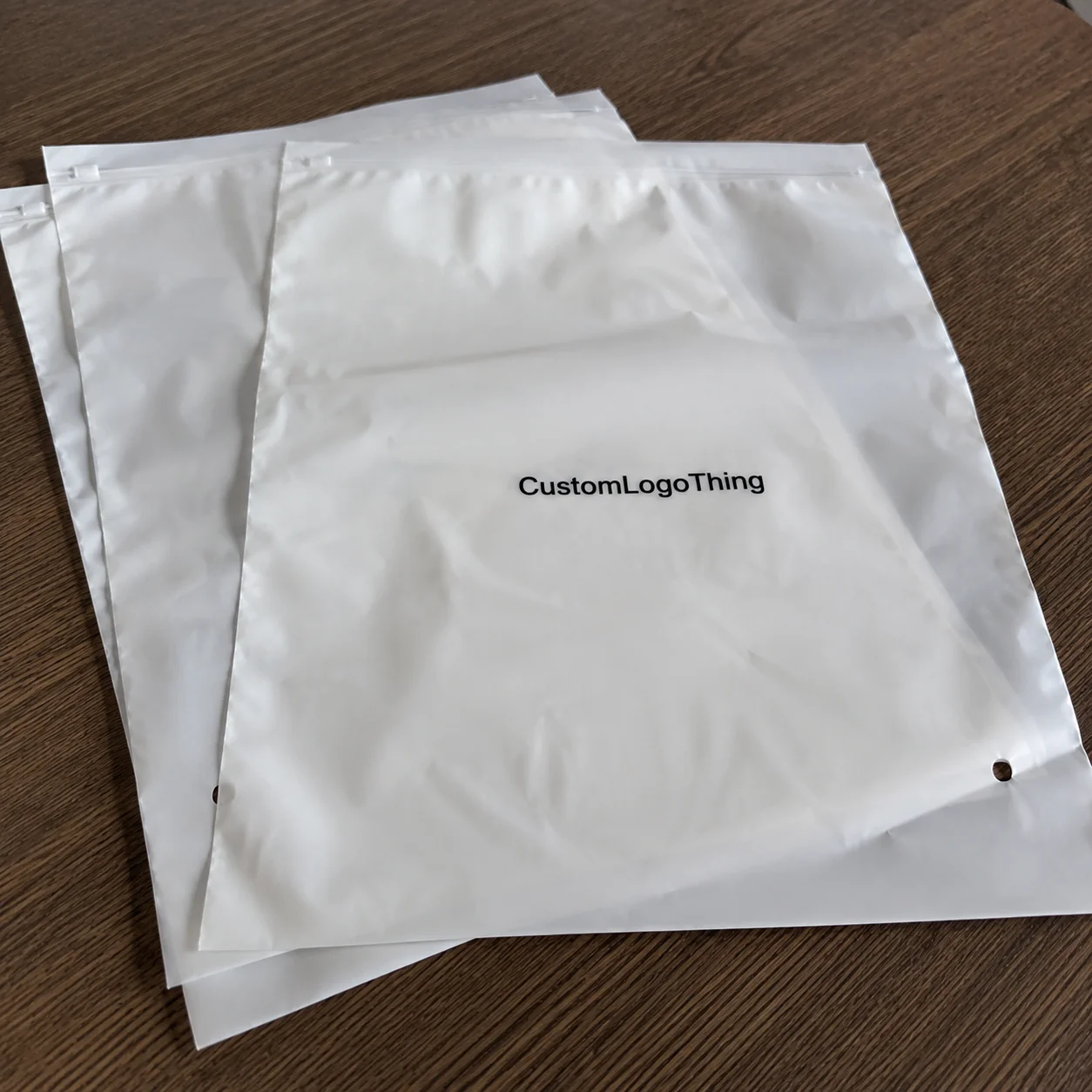
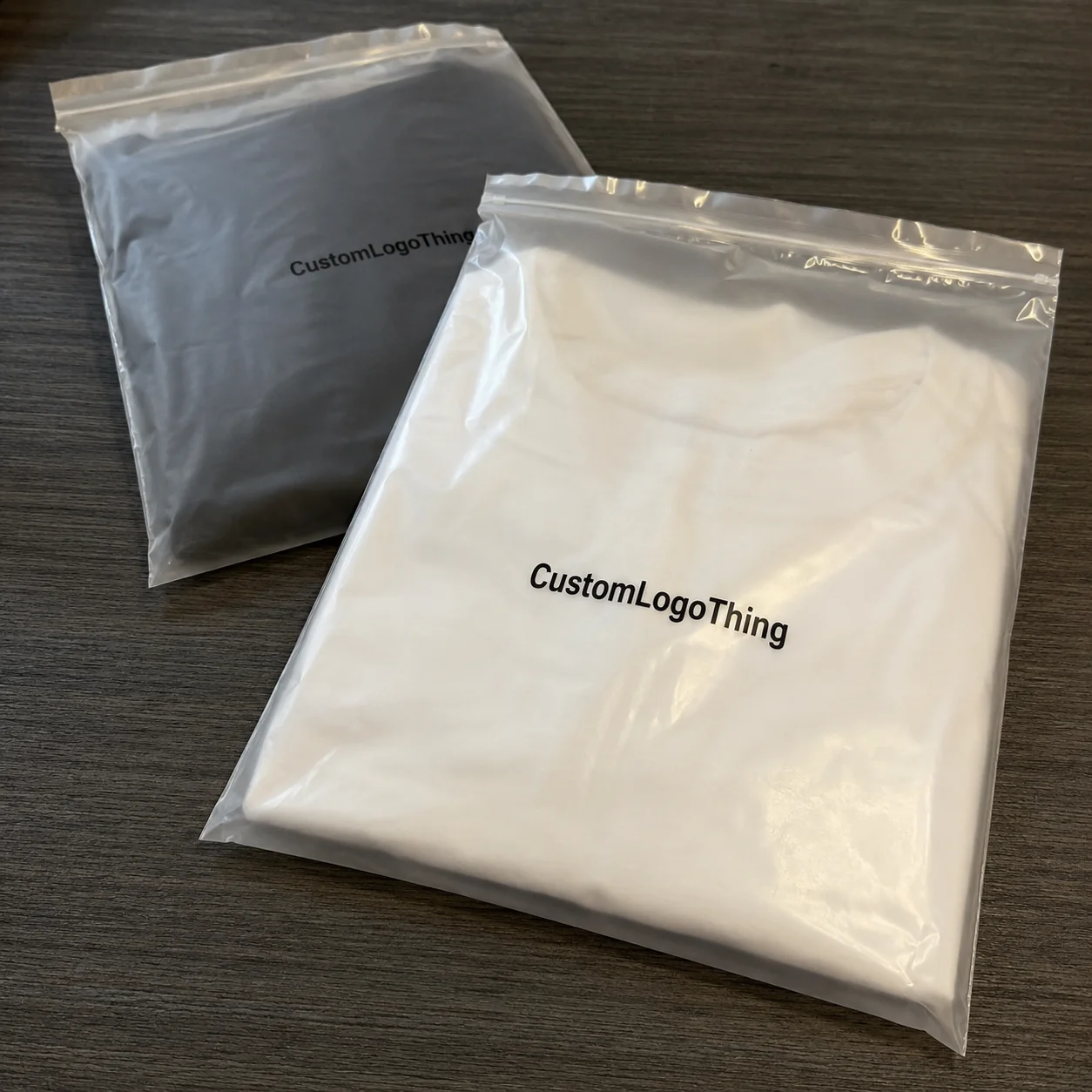
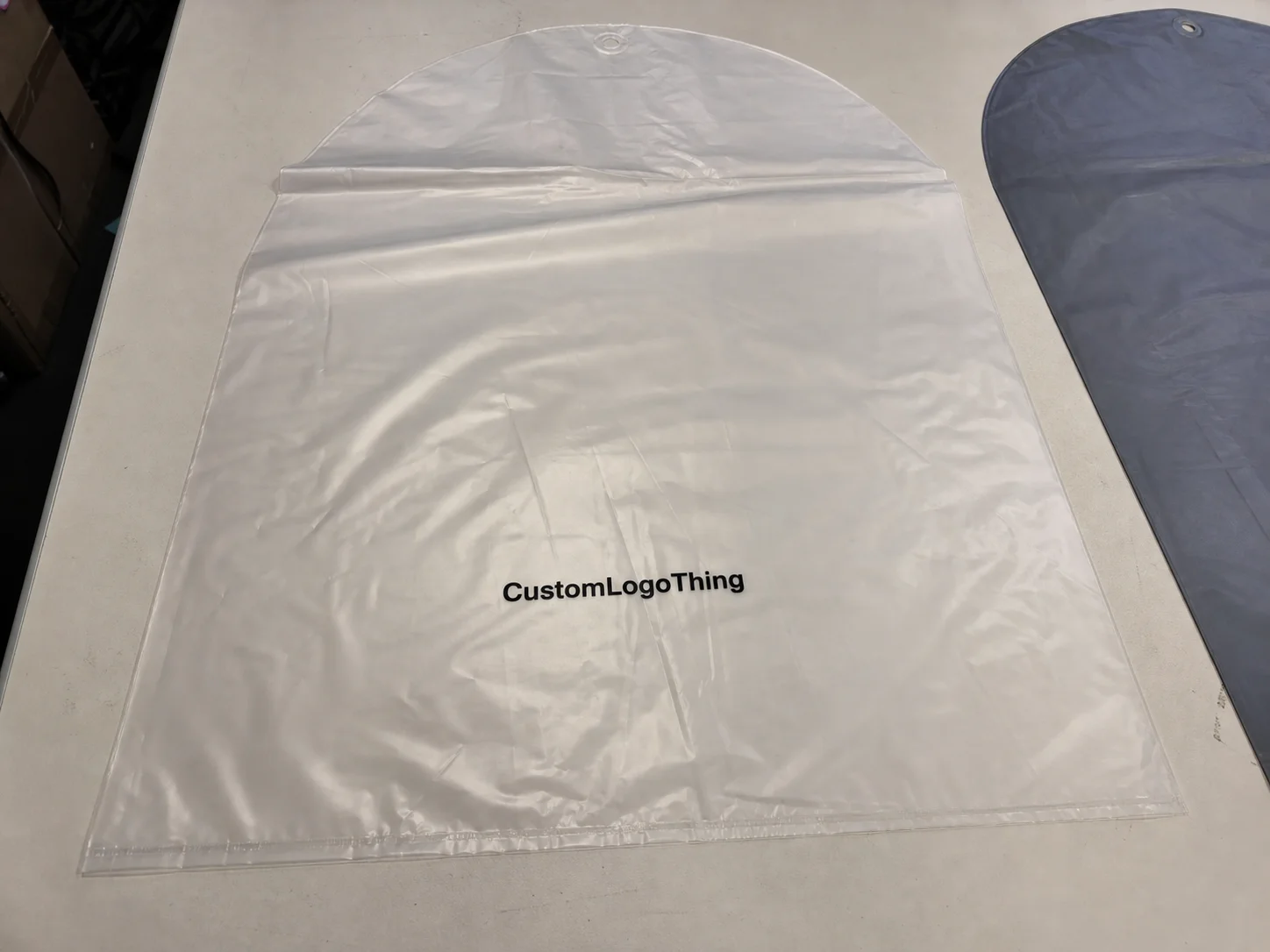
Buyer Fit Snapshot
| Best fit | black friday packaging vendor evaluation template for packaging buyers comparing material specs, print proof, MOQ, unit cost, freight, and repeat-order risk where brand print, material, artwork control, and repeat-order consistency matter. |
|---|---|
| Quote inputs | Share finished size, material target, print colors, finish, packing count, annual reorder estimate, and delivery region. |
| Proofing check | Approve dieline scale, logo placement, barcode or warning zones, color tolerance, and any recyclable or compostable wording before bulk production. |
| Main risk | Vague material claims, crowded artwork, or missing packing details can create delays even when the unit price looks attractive. |
Fast answer: Black Friday Packaging Vendor Evaluation Template should be specified like a repeatable production item. The safest quote includes material, print method, finish, artwork proof, carton packing, and reorder notes in one written spec.
What to confirm before approving the packaging proof
Check the product dimensions against the actual filled item, not only the sales mockup. Ask for tolerance on folds, seals, hang holes, label areas, and retail display edges. If the package carries a logo, QR code, warning copy, or legal claim, reserve that space before decorative graphics fill the panel.
How to compare quotes without losing quality
Compare board or film grade, print process, finish, sampling route, tooling charges, carton quantity, and freight assumptions side by side. A lower quote is only useful if the supplier can repeat the same color, closure quality, and packing count on the next order.
I’ve watched a “cheap” quote turn into a very expensive mess more times than I care to admit. In one Shenzhen factory visit, a buyer saved $0.07 per unit on custom printed boxes, then lost 11 days because the vendor missed lead times, skipped a pre-production check, and shipped cartons with a half-point color shift that looked fine under warehouse lights and awful in retail packaging. I remember standing there, flipping through the cartons under fluorescent tubes, thinking, well, that spreadsheet aged like milk. That is exactly why the Black Friday Packaging vendor evaluation template exists: it keeps you from picking a supplier because the price line looks cute on paper.
Black Friday doesn’t forgive sloppy sourcing. Volumes spike, rush fees multiply, freight space gets tighter, and nobody has the patience for a packaging design debate that should have been resolved two weeks earlier. A good Black Friday Packaging vendor evaluation template turns supplier selection into a scorecard, not a gamble. You compare pricing, production speed, print quality, communication, compliance, and backup capacity with actual numbers instead of “my gut says they seem nice.” Cute. Also risky. For a 5,000-piece run of folding cartons in Jiangsu or Guangdong, even a $0.03 difference per unit can matter, but a missed loading date at Yantian or Ningbo matters far more when your retail launch is tied to a single week in late November.
I’ve built enough packaging buying sheets to know this: emotion sneaks into vendor decisions faster than people admit. The black friday packaging vendor evaluation template strips that out. It makes the decision measurable. It tells you whether a vendor can truly handle branded packaging, whether their proofing process is real, and whether their “7-day turnaround” is an actual promise or just sales rep poetry. Honestly, I think that last part matters more than people want to admit. If you’re buying product packaging for a promotion window, it matters more than a polished email and a smiling salesperson. A factory in Dongguan that can show a signed proof log, a carton drop-test record, and a packaging schedule with dated milestones is a very different animal from a trading company promising miracles from a laptop in a coffee shop.
What a Black Friday Packaging Vendor Evaluation Template Actually Is
The black friday packaging vendor evaluation template is a structured scorecard for comparing suppliers on the things that actually move the needle: price, speed, quality, communication, compliance, and contingency planning. I like to think of it as a packaging sourcing filter. It keeps a quote from looking better than it is. A vendor can be the cheapest on unit price and still lose you money if they miss your ship date by 11 days or force a reprint because the dieline was off by 3 mm. I’ve seen that happen, and the second round of approvals is always about three times less cheerful than the first. If the original quote is $0.15 per unit for 5,000 pieces of a 350gsm C1S artboard mailer, but the vendor needs a $240 plate charge and an extra week for correction, the “cheap” option is already drifting into expensive territory.
Here’s the version I wish more buyers used before they place a PO. Gather the same specs from every vendor, put them into one sheet, and score each supplier against the same criteria. That means comparing 350gsm C1S artboard to 350gsm C1S artboard, not “premium box” to “premium box” like those phrases mean anything in a factory meeting. (They do not. The factory manager will absolutely know the difference, and your spreadsheet should too.) The black friday packaging vendor evaluation template works because it makes vendors answer the same questions with the same data. If one supplier is quoting matte lamination in Suzhou and another is quoting gloss varnish in Xiamen, you need that distinction in writing before anyone compares landed cost.
Black Friday changes the equation because the margin for error gets ugly fast. If your product packaging arrives late, your launch slips. If the printing is off, your branded packaging looks cheap. If a supplier cannot absorb a last-minute quantity bump from 5,000 units to 8,000 units, you are suddenly negotiating while inventory is already moving. I’ve seen teams pay a 22% rush surcharge just to keep a campaign alive. That’s not a strategy. That’s panic with an invoice. I’ve also seen freight go from $380 to $690 in one week because a container booking from Shenzhen to Long Beach got pushed back, which is exactly the sort of detail a good template should force onto the page.
“The quote was $0.19 per unit. The reprint was $4,800. Guess which number I remembered?” — a retailer I worked with after their first holiday drop missed the warehouse dock appointment.
The black friday packaging vendor evaluation template replaces guesswork with a clear process. It gives you a way to compare vendors on measurable criteria, not personality. The result is better supplier selection, fewer surprises, and less time spent explaining to leadership why “the sample looked good” does not excuse a truck delay. I’ve had that conversation. Twice. Once with a very patient CFO and once with a very unhappy ops manager, which was about as fun as it sounds. When the warehouse in Chicago is waiting on a pallet of 10,000 custom mailers and the factory in Foshan is still waiting on final artwork, nobody cares how charming the sales rep was on WeChat.
How the Black Friday Packaging Vendor Evaluation Template Works
The simplest way to use the black friday packaging vendor evaluation template is to break it into categories that reflect the real buying process. I usually split it into vendor basics, production capability, pricing, proofing, shipping reliability, and support responsiveness. If you source custom box manufacturers, printers, and packaging suppliers, this structure keeps you from mixing apples and shipping pallets. And yes, I know that sounds like a joke, but I have genuinely seen people do exactly that in a sourcing meeting. A buyer in Guangzhou once compared a 1,000-piece rigid box offer against a 10,000-piece folding carton quote as if the two had any meaningful relationship other than both being made of paperboard.
Start with vendor basics. Where is the factory? Do they own the equipment, or are they brokering work? What certifications do they have, and which ones actually matter for your job? If you need FSC-certified board, ask for documentation. If your packaging design includes food-contact or regulated materials, confirm the compliance path. A real factory can show you this. A middleman will often show you a logo and a vague promise. That’s usually the moment I start asking more questions and less politely. A legitimate plant in Dongguan, Wenzhou, or Ningbo can usually name the board mill, the coating line, and the inspection point; a broker often cannot tell you where the cartons will actually be finished.
Then move to production capability. Ask about machine count, current load, and whether they can absorb a 15% order increase without pushing your job into next week’s headache pile. I once toured a plant in Guangdong that looked immaculate until I asked how many offsets were running that week. They had two functioning lines, not five, and one was already allocated to a cosmetics client ordering 40,000 rigid boxes. The glossy brochure said “high capacity.” The floor said “good luck.” If a supplier says they can produce 20,000 units in 12 business days, I want to know whether that means one shift, two shifts, or a weekend crew in a factory outside Suzhou.
The black friday packaging vendor evaluation template should also include a scoring method. I prefer a 1-5 ranking with weighted categories. For example, if lead time matters most, give it 30 points. If print quality matters next, give it 25. Price can be 20, communication 15, and risk controls 10. That way, a low quote does not automatically outrank a vendor with better QC and better shipping reliability. Basic math. Rarely glamorous, but it saves your neck. If a vendor can do a 5,000-unit run at $0.22 per piece with a typical 12-15 business day timeline from proof approval, that may be a stronger option than a $0.17 quote that needs 22 business days and no clear inspection step.
Here’s a clean workflow:
- Collect quotes, specs, and sample details from each vendor.
- Confirm that every supplier is quoting the same carton style, material, finish, and quantity.
- Request samples or previous production photos.
- Score the vendors using the same black friday packaging vendor evaluation template.
- Shortlist the top two or three and ask follow-up questions before signing anything.
A vendor call matters more than people think. I usually ask, “Who will sign off on the proof internally?” “What is your standard inspection point?” “If the freight line slips, what is your backup?” The answers reveal whether the supplier has process discipline or just a sales deck and confidence. One of my better suppliers in Dongguan once answered every question in under 60 seconds, then emailed me a production photo, a packaging checklist, and a loading plan. That’s a vendor I trust. Not because they sounded smart, but because they proved it. Small detail, huge relief. They also quoted the exact carton spec as 350gsm C1S artboard with matte lamination, which left very little room for mystery.
You can use the black friday packaging vendor evaluation template for all kinds of packaging sourcing: retail packaging, product packaging, custom printed boxes, mailers, inserts, and branded packaging programs. Just don’t compare vendors on different specs and pretend the numbers mean anything. If one quote includes soft-touch lamination and the other doesn’t, your spreadsheet is lying to you. Quietly. But still lying. A vendor in Yiwu quoting a plain white mailer and another in Shenzhen quoting a full-color tuck-end box with gold foil are not competing on the same product, no matter how similar the numbers may look at first glance.
Key Factors to Score in Your Black Friday Packaging Vendor Evaluation Template
The strongest black friday packaging vendor evaluation template scores what actually goes wrong in real production. I care less about polished sales language and more about whether the vendor can keep a run within tolerance. Here are the big categories I always check. A factory in Ningbo may have excellent pricing on high-volume cartons, but if their registration tolerance is loose by 2 mm on a 4-color job, that advantage disappears in the first carton pull.
Quality control
Quality control covers print consistency, dieline accuracy, color matching, and material strength. If you’re ordering custom printed boxes, ask for tolerance ranges on cutting and registration. I’ve seen cartons arrive with a 2 mm shift that looked tiny in a PDF and huge on a retail shelf. If the vendor cannot explain how they control color, ask whether they proof against Pantone targets or only “visual match.” That distinction saves headaches. Ask for the actual board spec too, because 350gsm C1S artboard behaves very differently from a thinner 250gsm sheet when the box is folded, glued, and packed in a humid warehouse in southern China.
For branded packaging, I also check finish consistency. Soft-touch lamination can look incredible on a sample and patchy on production if the coating line is uneven. UV spot can fail if the artwork wasn’t prepared correctly. The black friday packaging vendor evaluation template should give quality a meaningful weight, because one bad print run can wreck an entire promotion. And nobody wants to be the person explaining that the boxes looked “fine in the mockup” after the launch has already started. A production sample from a Guangzhou plant on coated board is the only thing that matters when the real run is 8,000 units and the cartons need to survive pallet wrapping plus a two-day truck ride.
Capacity and process
Capacity is more than a machine count. It’s scheduling discipline, backup shifts, and how much the factory already promised to other buyers. Ask what percentage of their press time is committed for the next 30 days. Ask what happens if one machine goes down. A real supplier has an answer. A weak one tells you, “No problem, we can handle it,” which is not an answer. That’s a bumper sticker. If a vendor in Suzhou says they can turn 10,000 units in 10 business days, I want to know whether that includes die-cutting, lamination, gluing, and packing into export cartons of 20 pieces each.
Process matters too. Do they use signed proof approval? Do they send pre-production photos? Do they have an inspection step before packing? The black friday packaging vendor evaluation template should reward suppliers who have repeatable systems, not just a confident sales team. I’m biased, sure, but I’d rather have a factory with a dull process and excellent documentation than one with a glittery pitch and no paper trail. A documented process in Dongguan or Xiamen, with dated approval emails and QC photos, is worth more than ten promises made in a rushed call.
Communication
Communication is one of the easiest things to score and one of the easiest things to ignore until it hurts. I look at response time, clarity, and problem-solving speed. If a vendor takes 48 hours to answer a simple question before the order, they will not become a speed demon after the PO. Usually, they just become harder to reach. That’s not cynicism; that’s pattern recognition. If your request for a freight quote from Shenzhen to Chicago takes three follow-ups to get an answer, imagine what happens when a revised dieline shows up at 6:40 p.m. on a Thursday.
When I negotiated with a supplier in Shenzhen for a subscription box program, their email replies were short but specific: quantities, lead time, freight option, and proof schedule in one message. That vendor won the job, not because they were the cheapest, but because they made the black friday packaging vendor evaluation template easy to score. I almost wanted to send them a thank-you note for being normal, which in sourcing is a rare and beautiful thing. They also listed a realistic production window of 12-15 business days after proof approval, which told me they understood how factories in Guangdong actually run.
Risk management
Risk controls include backup materials, alternate production lines, partial shipment options, and contingency plans for freight delays. If your packaging depends on a single film or a special paper stock, ask what happens if the mill is out. If they cannot source a substitute within a few days, your “safe” supplier might be one supply hiccup away from chaos. If a vendor in Zhejiang can switch from one locally sourced paperboard mill to another within 3 business days, that is much more valuable than a lower quote with no backup plan.
For Black Friday packaging orders, I want a vendor who can tell me exactly what they’ll do if the port gets congested or the freight forwarder misses the booking window. The black friday packaging vendor evaluation template should give this category real weight, because risk is where cheap quotes become expensive stories. A supplier that can split 20,000 units into two shipments, or hold 3,000 units for air freight while the rest moves by sea, may save the whole campaign if the schedule starts to slip.
Supplier credibility
Credibility means references, factory location, sample documentation, and proof they actually make what they claim. Ask for a factory photo, a recent production case study, or a sampling record. If the vendor says they produce 100,000 units a month, but they cannot show a facility or explain their QC flow, I would hesitate. There are too many “factories” that are really just sales desks with a WhatsApp account, and frankly, I’ve had enough of those to last a lifetime. A real plant in Ningbo, Dongguan, or Foshan should be able to show loading bays, stored board inventory, and a basic inspection flow without sounding offended.
If you want a benchmark, compare vendors against recognized standards where relevant. The ISTA protocols matter for transit testing if your packaging ships rough distances. The FSC standard matters if you need responsible sourcing claims. And if your team wants broader packaging industry context, Packaging Europe has useful resources on materials and supply chain trends. Those standards do not choose the vendor for you, but they do help separate a real packaging supplier from someone guessing their way through a holiday order.
Black Friday Packaging Vendor Evaluation Template: Cost and Pricing Checks
Price is the section where people get tricked the easiest. The black friday packaging vendor evaluation template should force you to compare true landed cost, not just the quote that looks pretty in an inbox. A $0.18/unit quote can become $0.31/unit once you add plates, setup, freight, inserts, inspection, and the reprint you needed because the coating was wrong. I’ve seen that math more than once. It’s not cute. It’s just common. A 5,000-piece order produced in Shenzhen might look attractive until you add $180 for tooling, $420 for freight, and $95 for an expedited proof revision that nobody budgeted for.
When you compare pricing, ask for line items. I want setup fees, plate charges, sample charges, freight terms, packaging test costs, and any rush fees clearly separated. If a vendor buries everything in one all-in number, you lose visibility. And if they offer “free samples,” ask whether those samples are true production samples or hand-made one-offs. Those are not the same product. Not even close. I’d rather see a transparent quote with a few annoying line items than a tidy number that turns into surprises later. If the vendor is in Guangzhou and the sample is built by hand in a small room while production happens in a different facility, I need that fact upfront, not after the PO.
| Cost Element | Vendor A | Vendor B | Why It Matters |
|---|---|---|---|
| Unit price | $0.18 | $0.24 | Looks cheap, but only one line item |
| Setup / tooling | $260 | $0 | Can erase the unit-price advantage fast |
| Freight | $480 | $310 | Shipping changes the real landed cost |
| Rush fee | $350 | $0 | Black Friday timelines make this relevant |
| Reprint risk | Medium | Low | Quality failures are a hidden cost |
That table is why I push vendors for tiered quotes. Ask for pricing at 2,500 units, 5,000 units, and 10,000 units. For packaging sourcing, scale matters. Sometimes the jump from 5,000 to 10,000 units saves you 17% per unit. Sometimes it barely moves the needle because setup is the real cost driver. The black friday packaging vendor evaluation template helps you see that clearly instead of guessing. For example, a folding carton at 5,000 pieces might land at $0.21 per unit, but the same spec at 10,000 pieces could fall to $0.16 if the plate cost is spread across a larger run.
I also check whether the vendor charges extra for finishes like matte lamination, embossing, foil stamping, or inserts. A client once thought they had a great price on retail packaging until the supplier added $0.06/unit for a custom insert, $95 for foil plates, and $210 for a change fee after artwork revision two. The final number was still okay, but not the bargain they thought they had. A spreadsheet that misses those items is just decoration. If a vendor in Yiwu quotes a standard tuck box at $0.14 and then adds $0.05 for lamination plus $0.03 for spot UV, you want those details in the quote before anyone celebrates.
Sometimes paying more is the smart move. If one vendor is $0.04/unit higher but can deliver 8 business days faster, provide better QC, and reduce the chance of a stockout, I’ll usually pay it. That decision depends on the margin on your product and the cost of missing launch. If your campaign can make or break the quarter, penny-pinching on packaging is an expensive hobby. I say that with affection, but also with the weary voice of someone who has had to fix too many “savings.” A $0.04 premium on 10,000 boxes is $400; one missed launch window can cost a lot more than that in lost sales and warehouse handling.
The black friday packaging vendor evaluation template also helps you compare domestic and overseas suppliers fairly. Domestic may cost more per unit, but freight is lower, communication is easier, and timelines are often safer. Overseas suppliers can be excellent, but only if the production schedule, transit, and customs timing are built into the math. Compare the full landed cost, not the fantasy number. A supplier in California might quote $0.28 per unit on 5,000 mailers with a 7-business-day timeline, while a supplier in Guangdong may quote $0.16 per unit but need 15 business days plus 9 days ocean transit. That is not a small difference when the promotion date is fixed.
Process and Timeline Planning for Black Friday Packaging Orders
Timeline planning is where the black friday packaging vendor evaluation template becomes more than a spreadsheet. It becomes a survival tool. A realistic packaging timeline usually includes quote collection, sample or proof approval, pre-production checks, production, inspection, packing, freight booking, and delivery. If one of those steps gets compressed, the whole plan starts wobbling. A box program out of Suzhou may be straightforward on paper, but if the artwork review slips by two days, the downstream shipping date can move by nearly a week once the factory queue is full.
I usually map it like this: 2-3 business days for quote comparison, 3-5 days for proofing, 7-15 business days for production depending on complexity, 1-3 days for inspection and packing, and then freight time based on location and mode. That’s a practical range, not a promise. A rigid box with foil and inserts takes longer than a plain mailer. Fancy packaging design always eats time somewhere, usually right where the calendar was already crowded. If a vendor is in Dongguan and your boxes need a custom insert plus matte lamination, I would plan closer to the 12-15 business day range after proof approval, not the optimistic seven-day figure sales likes to repeat.
Build buffer time. Seriously. A lot of it. Add at least 20% more time than the sales rep swears you need. I’ve been on factory floors where the schedule looked perfect until the paper mill delayed a sheet shipment by four days. Suddenly the whole line slid. That is why the black friday packaging vendor evaluation template should include realistic lead-time checks, not just supplier claims. If your vendor says “shipping on Friday,” make them tell you whether that means packed in export cartons, loaded at the factory gate, or actually on the truck to the port in Shenzhen.
Use the template to ask specific timeline questions:
- When will artwork be due?
- How many proof rounds are included?
- What is the standard production window after proof approval?
- What date will freight actually leave the factory?
- What happens if a revision adds two more days?
Those questions sound simple. They are not. They expose whether the vendor has a real scheduling system or just hopes everything works out. One buyer I worked with had warehouse receiving capacity for only 1,200 cartons a day. Their vendor shipped 9,000 boxes at once because nobody checked delivery staging. The boxes were fine. The receiving plan was not. The black friday packaging vendor evaluation template should help avoid that kind of avoidable nonsense. If the receiving dock in Chicago can handle only six pallets per hour, there is no prize for forcing a full truck to arrive during the lunch rush.
Also, align packaging production with your campaign launch date and your inventory plan. If your product launch is November 20 and the boxes arrive November 19 at 4:30 p.m., you are not “on time.” You are gambling. The more complex your branded packaging, the earlier your approval should happen. A simple mailer can move faster than a full custom box with inserts, coatings, and a lot of moving parts. Different jobs, different clocks. A plain folding carton from a plant in Wenzhou might clear production in 8 business days, while a rigid set-up box with foil and magnet closure from Shenzhen may need 18 business days before freight even enters the conversation.
Step-by-Step Guide to Using a Black Friday Packaging Vendor Evaluation Template
Here’s the practical version of the black friday packaging vendor evaluation template. Keep it simple enough that your team will actually use it, but strict enough that bad vendors don’t slide through on charm. I’ve watched too many sourcing teams bury the useful fields under six tabs and thirty formulas, which is how a supposedly “clear” process turns into spreadsheet archaeology.
- Gather all quotes and specs. Put every vendor’s pricing, lead time, carton specs, finish details, and freight terms into one sheet. No side emails. No “I think they said…” If one supplier is quoting 5,000 units of a 350gsm C1S artboard mailer and another is quoting 8,000 units of a lighter stock, stop right there and normalize the spec before scoring.
- Assign weights. If speed matters most, give it the highest score. If print quality is your brand’s reputation, make sure that category isn’t underweighted. A vendor with a 12-business-day timeline and proven color stability should not lose to a cheaper quote with no proof schedule just because the unit price is prettier.
- Score consistently. Use the same criteria for every vendor. If one supplier gets a bonus point for responsiveness, all of them should be judged that way. If one factory in Foshan gets 5 points for sharing a packing photo within 1 hour, every factory should be held to the same timing.
- Flag red lines. If a vendor cannot meet minimum standards on lead time, quality documentation, or compliance, they are out. Cheap does not override impossible. A quote that needs 21 business days for a November launch in Illinois is not “aggressive pricing”; it is a scheduling problem.
- Shortlist and verify. Interview the top two or three suppliers, request samples, and confirm production details before placing the order.
I like to add a notes column with exact comments, not vague feelings. For example: “Response time under 2 hours,” “Provided FSC certificate within 24 hours,” “Sample had 1.5 mm cut shift,” or “Freight quote excluded residential delivery.” Those notes are gold when the team has to explain why one vendor won. The black friday packaging vendor evaluation template should capture facts, not vibes. Vibes are fine for playlists, not purchase orders. If a supplier in Shenzhen confirms a 10,000-piece run at $0.17 per unit but only after three follow-ups, that note matters more than the original number.
If you’re comparing two box suppliers with wildly different strengths, keep the categories consistent but allow different weights. A domestic supplier might score higher on speed and communication. An overseas supplier might win on unit price at larger volumes. That’s fine. The point is to make the tradeoff visible. Not to declare one universally “better” because that word is lazy and usually wrong. A vendor in Illinois may be perfect for a 72-hour reprint, while a supplier in Guangdong may be the better choice for a 20,000-unit run with a four-week runway and a clear proof process.
For teams buying Custom Packaging Products, this system is especially useful because product packaging can vary so much by style. A folding carton, a mailer, and a rigid setup box are not the same animal. The black friday packaging vendor evaluation template keeps the comparison fair when the packaging design is complex and the timeline is short. A 350gsm C1S artboard tuck box, a corrugated mailer with E-flute board, and a rigid set-up box with wrapped paper are three very different production paths, even before you discuss finishing.
One more thing: keep a backup file of approved artwork, dielines, and spec sheets. I’ve watched teams lose half a day because the “final final” PDF was stored in three different folders and nobody knew which one the vendor used. That’s not sourcing. That’s scavenger hunt behavior. I wish I was joking. Keep the approved PDF, the dieline in AI format, and the signed proof approval in one dated folder, ideally with the vendor name and the quote number in the filename so the Shenzhen plant coordinator and your warehouse team are looking at the same document.
Common Mistakes and Expert Tips for Vendor Evaluation
The biggest mistake I see is chasing the lowest number and ignoring the actual risk profile. The black friday packaging vendor evaluation template is supposed to prevent that. If a vendor is 12% cheaper but has weak communication and a shaky proofing process, that “deal” can become a disaster the second artwork changes or freight shifts. I’ve seen buyers save $300 and then spend $1,100 fixing the fallout, which is a strange kind of accounting that only makes sense before the invoice arrives.
Another classic mistake: trusting sample quality without verifying production quality. I’ve heard more than one sales rep say, “The sample is hand-finished, but production will be even better.” Sure. And unicorns handle logistics too. If the sample is weak, production rarely saves it. Ask whether the sample came from the same machine, the same board, and the same coating line. If not, treat it as a concept sample, not proof of outcome. A hand-built sample in Shenzhen on premium board does not guarantee the mass run in Dongguan will match it if the production line uses a different glue pattern or a lighter coating pass.
Third mistake: not verifying lead times with the production team. A salesperson may quote 10 business days because that helps the deal. The factory may need 16. I’ve had supplier negotiations where the sales side promised the moon and the plant manager quietly shook his head. Ask both. If they disagree, believe the person standing next to the machine, not the person standing next to the slide deck. That little habit has saved me from more than one glorious-looking disaster. If the production manager in Ningbo says 14 business days and the sales rep says 9, I already know which number will show up on the calendar.
Here are a few expert habits that keep the black friday packaging vendor evaluation template useful instead of dusty:
- Request one factory photo or short production video for every serious vendor.
- Ask for a previous case study with quantity, material, and turnaround time.
- Get the freight terms in writing, including the delivery destination and service level.
- Keep one backup supplier pre-vetted, even if you never need them.
- Confirm whether the vendor has experience with your specific carton style or finish.
I also recommend checking basic industry standards where they fit your job. If your boxes need shipping durability, test against relevant transit criteria. If your business makes environmental claims, make sure the paper sourcing and labeling align with those claims. For broader context on materials and sustainability, the EPA has solid information on sustainable materials management. Not glamorous. Useful anyway. A corrugated mailer leaving a plant in Suzhou may look sturdy by eye, but if it fails a basic transit test at 18 inches of drop height, it will not feel sturdy after a week in a distribution center.
One of my favorite factory-floor lessons came from a paperboard plant where the manager showed me a stack of rejected cartons. Same artwork. Different shade. The issue was moisture variation in board storage. Tiny detail. Big problem. That’s why the black friday packaging vendor evaluation template has to look beyond sales promises and into actual process control. Packaging failures usually begin with one overlooked detail and end with a warehouse full of regret. And yes, that warehouse is always somehow the one with the worst coffee. I still remember one plant in Foshan where the coffee was so bitter it felt like part of the QC process.
What does a black friday packaging vendor evaluation template need to answer?
A useful black friday packaging vendor evaluation template needs to answer a few basic questions before it can answer the bigger one of which supplier deserves the order. Can the vendor produce your exact packaging style with the right material? Can they hold the promised lead time without relying on wishful thinking? Can they prove quality control, communication speed, and freight readiness with documents instead of adjectives? If the answer to any of those is fuzzy, the template should make that obvious fast.
It also needs to show total landed cost, not only unit price. For example, a $0.16 quote that grows into $0.24 after tooling, inspection, and freight is not a better deal than a transparent $0.19 quote with stronger process control. The whole point of a black friday packaging vendor evaluation template is to compare real outcomes, not just pretty numbers on a page. If the sheet does not include material spec, finish type, production window, freight assumptions, and a clear score for risk, it is leaving out the details that matter most during holiday packaging sourcing.
FAQ
What should a black friday packaging vendor evaluation template include?
It should include pricing, lead time, sample quality, production capacity, communication speed, shipping reliability, and risk controls. I also recommend adding a weighted scoring system so one flashy low quote doesn’t overpower weak logistics or poor quality. That one change makes the black friday packaging vendor evaluation template much harder to game. If you can also note material specs like 350gsm C1S artboard, finish type, and the quoted production window in business days, the template becomes much more useful in a real factory comparison.
How do I compare packaging vendors fairly with this template?
Use the same specs, quantities, and delivery destination for every quote. Then score vendors using identical criteria and include all costs, not just unit price. If one supplier is quoting a 350gsm board mailer and another is quoting a lighter stock with a different finish, your comparison is already broken. The black friday packaging vendor evaluation template only works when the inputs are consistent. A $0.15 unit price for 5,000 pieces in Shenzhen is not directly comparable to a $0.19 quote from Suzhou if one includes foil stamping, inserts, and export carton packing while the other does not.
What is the biggest pricing mistake in Black Friday packaging sourcing?
The biggest mistake is focusing only on unit cost and ignoring setup fees, freight, rush charges, and potential reprint losses. A quote that looks cheap upfront can become the most expensive option if it misses the delivery window. I’ve seen a “low-cost” order cost an extra $1,260 in freight and expedite fees because the supplier underestimated the schedule. If a vendor promises a 7-day turnaround but really needs 12-15 business days from proof approval, your campaign budget can get hit twice: once in freight and once in delayed inventory.
How early should I start vendor evaluation for Black Friday packaging?
Start as early as possible once your packaging specs are stable, because sample approval and production both need buffer time. If you wait until the last minute, your negotiating power drops and rush fees rise fast. The black friday packaging vendor evaluation template is most useful when you still have room to compare vendors, not when you’re already trapped by a deadline. For a holiday launch, I like to begin vendor evaluation 6-10 weeks before the required in-warehouse date, especially if the job includes custom printing, specialty finishes, or overseas transit.
Can this template help me choose between domestic and overseas suppliers?
Yes. Score both options using the same categories so you can compare speed, freight, quality control, and total landed cost. Domestic suppliers may cost more per unit, but they can reduce risk when timelines are tight. Overseas suppliers can still be excellent if the production schedule, transit, and inspection process are strong. A plant in California may quote a 5,000-piece run at $0.28 per unit with a 7-business-day turnaround, while a plant in Guangdong may quote $0.16 per unit with a 15-business-day production window plus shipping; the template helps you see the real tradeoff clearly.
If you take one thing from this, make it simple: the black friday packaging vendor evaluation template is not about making sourcing slower. It’s about keeping one bad supplier from wrecking the whole plan. I’ve spent enough time on factory floors, in supplier meetings, and in annoying late-night freight calls to know that the cheapest quote is rarely the cheapest outcome. Use the template. Score the facts. Protect your launch. And if a vendor can’t pass the black friday packaging vendor evaluation template, they probably shouldn’t be shipping your branded packaging anyway. A clean quote, a clear proof schedule, and a realistic lead time out of Shenzhen, Dongguan, Ningbo, or Suzhou are worth far more than a low number with no backbone.