BoxUp Custom Boxes: How to Spec the Right Carton, Avoid Waste, and Control Costs
Boxup custom boxes solve a packaging problem that product teams often discover too late: the item may be excellent, but the package can make it look undersized, fragile, or expensive to ship. The mismatch shows up fast. Too much empty space signals waste. Too little room creates crushed edges, scuffed finishes, and packing-line friction.
That is why custom packaging is more than a print decision. It is a sizing decision, a shipping decision, and a brand decision at the same time. A box that fits properly can cut void fill, reduce damage claims, speed fulfillment, and make the product feel intentional before the customer even sees the contents.
For buyers comparing boxup custom boxes against stock packaging, the useful question is not whether the supplier can print a logo. It is whether the structure, board, finish, and tolerances match the product and the channel. A package for Ecommerce Shipping Needs different priorities than one for retail shelves or a premium gift set. That distinction matters more than any trend in box design.
Why BoxUp Custom Boxes Can Beat Generic Packaging
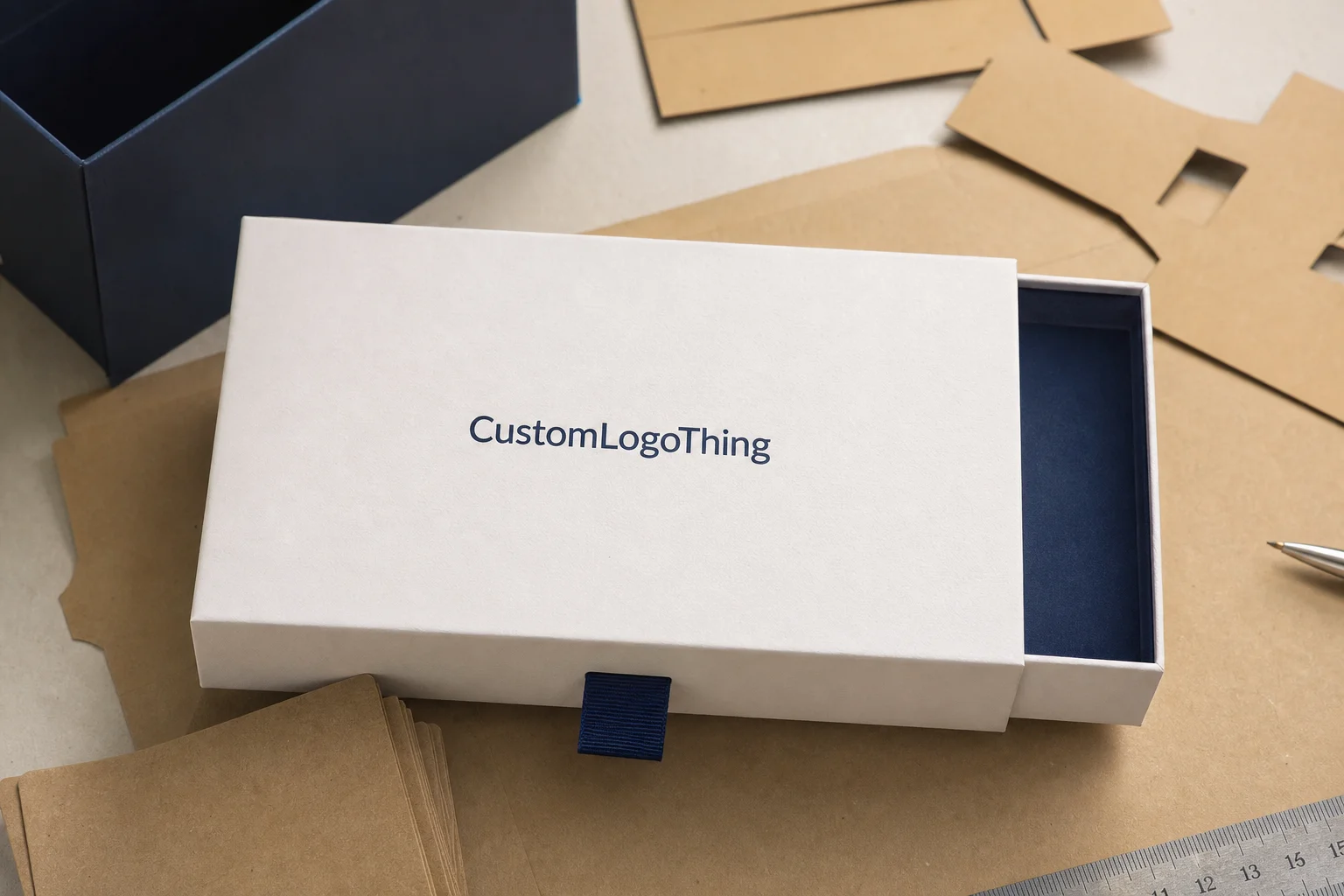
Stock cartons are convenient until the product starts fighting the packaging. A box that is too large needs filler and extra tape. A box that is too small slows the packer down and puts stress on the closure. Both outcomes cost money. One does it visibly. The other hides inside labor, returns, and freight.
Boxup custom boxes are built around the dimensions, weight, and use case of the actual product, which is why they tend to perform better than one-size-fits-all packaging. In a well-matched carton, less movement means fewer scuffs and fewer breakage claims. The customer gets a cleaner opening experience, and the warehouse gets fewer problem orders to rework.
There is another advantage that gets overlooked. A properly sized package can improve how the brand looks on shelf or on camera without needing extra decoration. Tight proportions read as deliberate. Sloppy fit reads as compromise. That difference is easy to see in ecommerce photos, where a box that is two inches too tall can make even a premium item look like it was packed in a rush.
For brands shipping thousands of units, the gains are not abstract. A reduction of even a few millimeters in unused space can lower filler use across an entire run. Multiply that by a six-figure annual shipment volume and the waste becomes real money, not just a design annoyance.
Custom packaging also creates consistency. If your product line expands, a common structural logic across box sizes helps the brand look organized instead of improvised. That matters in categories where buyers compare packaging as a proxy for quality.
"A good box is not just a container. It is a control surface for cost, protection, and presentation."
That is why packaging teams often start with the structure before they start with graphics. The box has to carry the product first. Everything else comes after that requirement is met. You can review broader options through Custom Packaging Products before locking in a format.
How the BoxUp Custom Boxes Ordering Process Works
The ordering process usually begins with dimensions, weight, and the exact contents the box needs to hold. That sounds basic, but it is where many projects are won or lost. The external size may look simple, yet inserts, closures, bottle necks, accessory packs, and protective wraps all change the real fit.
From there, the structure is selected. Folding cartons, mailer boxes, rigid presentation boxes, and corrugated shipping cartons each solve a different problem. A folding carton may suit light retail goods or cosmetics. A corrugated mailer is better when the package has to survive parcel transit. A rigid box makes sense when presentation matters as much as protection.
Once the structure is chosen, the supplier or packaging team confirms the dieline. The dieline is the template that determines where the folds, cut lines, and glue areas sit. If artwork is designed without it, logos can land on folds, barcodes can sit too close to edges, and copy can end up buried in a panel that is hidden when the box is assembled.
Proofing is the next checkpoint. This stage is not a formality. It is the last practical chance to catch size issues, panel orientation mistakes, and print-placement problems before anything goes to press. For premium products, a sample is often worth the time because a digital mockup cannot reveal how the box feels in the hand or how firmly the product sits inside it.
The most efficient projects are the ones with complete inputs from the start: dimensions, artwork, material preference, quantity, shipping requirements, and any regulatory copy. The more complete the brief, the fewer revisions it takes to get to production.
Specs That Shape Fit, Durability, and Shelf Impact
Internal dimensions matter more than the outer measurements most buyers quote first. That distinction sounds minor until the product is actually inserted into the box. A difference of even a few millimeters can determine whether the item drops in cleanly or has to be forced into place. For fragile goods, that extra pressure can become damage later in transit.
Material selection changes both the feel of the box and how it performs. Folding cartons made from SBS or coated board are common for lighter retail products, especially when the goal is a sharp print surface. For shipping and stacking, corrugated board is usually the better choice because it absorbs impact and resists crush better than thin paperboard. Many custom printed boxes in the 14pt to 18pt range work well for light to medium-weight items, while E-flute and B-flute corrugated are better when transit protection matters more than a slim profile.
Finish affects perception more than many buyers expect. Matte lamination feels controlled and restrained. Gloss increases contrast and can make saturated colors punch harder. Soft-touch adds a premium tactile layer, but it tends to cost more and can show wear if the box is handled frequently. If the package will sit under store lighting or on a retail shelf for long periods, finish selection can change how the artwork reads from several feet away.
Structural details are just as important as print. Tuck direction, score depth, insert design, panel orientation, and glue flap placement all affect how the package behaves in use. A box can look perfect in a rendered image and still frustrate the packer if the opening is awkward or the closure is too loose.
Compliance and labeling can also shape the structure. Barcodes need clear quiet zones. Regulatory text needs enough room to remain readable. If the design is crowded, the package may need a slightly larger panel or a rebalanced layout. That is a structural issue as much as a graphic one.
Testing matters when the product is fragile, high value, or exposed to rough handling. Transit checks aligned with ISTA methods are often more useful than a visual review because they simulate the kind of vibration, drop risk, and compression the box will actually face. ASTM-aligned checks can help too, especially when a brand wants a more formal view of shipping stress. The point is not to over-engineer every box. The point is to match the test level to the risk.
Brand perception often turns on details that are easy to overlook. A crisp fold, accurate color, and snug fit suggest a controlled process. A box with dead space, warped panels, or inconsistent print suggests the opposite, even if the artwork itself is attractive.
Cost, Pricing, MOQ, and Quote Variables
Pricing for boxup custom boxes is usually shaped by six variables: size, material, print coverage, finish, order quantity, and structural complexity. Larger boxes consume more board. Heavy ink coverage increases press time. Inserts, specialty coatings, and unusual folding patterns add steps. That is why two boxes with similar artwork can land at very different unit costs.
Quantity changes the economics in a way buyers often underestimate. Setup costs are spread over more units as the run gets larger, so the unit price falls. Total spend still rises, which means cash flow and storage need attention. A 1,000-unit order may be easy to approve, but 10,000 units can become a warehouse problem if sell-through is uncertain.
MOQ is another practical constraint. Small runs are often possible, but the price per box is usually higher and the available options can be narrower. For a product launch, that tradeoff may be acceptable. For a mature SKU with reliable demand, a larger run often makes more sense if storage and fulfillment capacity are already in place.
Delivered cost matters more than factory price. Freight, palletization, receiving fees, and warehousing can turn a good-looking quote into an expensive order. A packaging buyer should compare landed cost per unit, not just the quoted unit rate, especially when the order crosses regional shipping zones.
| Box Style | Typical Use | Common Specs | Indicative Unit Cost |
|---|---|---|---|
| Mailer Box | Ecommerce, subscriptions, direct-to-consumer kits | Corrugated, printed outside, tuck closure | $0.65-$1.40 at 5,000 units |
| Folding Carton | Cosmetics, supplements, light retail items | 14pt-18pt board, CMYK print, matte or gloss | $0.18-$0.45 at 10,000 units |
| Rigid Box | Premium gifts, electronics, presentation sets | Set-up board, wrapped paper, specialty finish | $1.80-$4.50 at 3,000 units |
| Corrugated Shipping Carton | Transit protection, warehouse fulfillment, bulk pack | E-flute or B-flute, plain or printed, stronger walls | $0.55-$1.20 at 5,000 units |
Those ranges are directional, not fixed. A simple two-color print job on a standard size box will not price the same as a full-coverage, specialty-finish carton with an insert. Cut complexity, board grade, and color accuracy expectations can move the number quickly. The only fair comparison is like-for-like specification.
If sustainability is part of the brief, ask about FSC-certified board where appropriate and confirm how recycled content is documented. If the packaging will carry an environmental claim, documentation matters. The FSC standard is one of the clearer reference points for responsible fiber sourcing, though it should still be checked against the product’s actual claims and market requirements.
Production Steps, Timeline, and Lead Time Expectations
A typical production flow starts with quote approval and dieline confirmation. Artwork is then reviewed, corrected if needed, and locked for proof approval. After that the job moves to press setup, printing, finishing, cutting, folding, and gluing. Final packing and dispatch come last.
Lead time depends on quantity, structure, and how clean the files are. Simple orders with final artwork may move in roughly 12 to 15 business days after proof approval. More complex jobs with inserts, foil, embossing, or multiple revision rounds can take longer. Rush production is sometimes possible, but it usually narrows the available options and increases cost.
File quality has an outsized effect on timing. Missing fonts, RGB artwork, vague color references, and repeated layout changes all slow the process. Those issues are fixable, but every correction adds delay. A buyer who submits print-ready CMYK files with clear die-line alignment usually moves faster through proofing.
Packaging should be treated like a schedule dependency, not an accessory. If boxes need to arrive before a product launch, trade show, retail reset, or subscription cycle, they should be ordered early enough to absorb revisions and transit time. Waiting until the fill date is a common mistake, and it is one of the easiest ways to create a preventable bottleneck.
Quality control should not stop at the digital proof. A better program includes dimensional checks, print inspection, and, for riskier products, transit testing. Boxes that pass visually but fail under compression or vibration are not really ready for market. That is especially true for glass, electronics, or any item that can shift inside the pack during shipping.
Common Mistakes Buyers Make Before Ordering
The first mistake is measuring only the product and ignoring everything that surrounds it. Inserts, caps, wrap layers, and accessory packs all affect fit. A box that looks correct on a spreadsheet can be too tight once the product is fully assembled for shipment.
The second mistake is building artwork before the dieline is final. That is how logos fall on fold lines and copy ends up too close to the edge. A digital mockup may look acceptable, but the real package can expose every small placement error.
The third mistake is chasing the lowest quote without comparing specifications. Thinner board, looser tolerances, simpler finishing, or less consistent color can hide behind a lower price. If two quotes are far apart, there is usually a material or process difference driving the gap.
Inventory planning is another weak point. Brands often order only enough for launch, then discover that a reorder takes longer than expected. If sales are strong, the run-out can be more expensive than carrying a modest buffer. Stockouts disrupt fulfillment, and rush reorders tend to cost more than planned production.
Some teams also design for the mockup instead of the real shipping environment. A package can look polished on screen and still fail when exposed to vibration, humidity, stacking pressure, and repeated handling. Packaging is a physical system. The final judgment happens in transit, not on the render.
Expert Tips for Smarter BoxUp Custom Boxes Orders
Request the dieline early. That single step prevents a lot of avoidable rework. Once the artwork is built around the actual structure, panel hierarchy becomes clear and production becomes more predictable.
Order a sample if the product is fragile, premium, or unusually shaped. A sample does more than confirm the size. It reveals how the box opens, how easily the product is removed, and whether the closure feels secure enough for repeated handling. For high-value items, that practical check is often worth more than a polished render.
Be specific about color. Brand color is not a vague preference. If the package depends on a precise red, blue, or neutral gray, provide references and acceptable variation ranges. Ink, board, and coating all influence the final appearance, so the target has to be defined clearly from the start.
Think about logistics as part of the design brief. If the boxes will ship inside master cartons, the order should account for carton counts, pallet pattern, storage space, and receiving workflow. Those factors can influence the best box dimensions more than visual preference does. In practice, a slightly smaller footprint can save more than a decorative change in finish.
Compare one standard spec against one upgraded spec before you order. A stronger board grade or better finish can reduce damage, speed packing, and lower returns. The unit price may rise, but the cost per successful sale can fall. That is the comparison that matters in a functioning packaging program.
For brands with multiple SKUs, consistency helps. A family of boxes based on the same visual system and sizing logic makes procurement easier and the product line look more coherent. It also reduces the chance that packaging decisions drift from one item to the next. That consistency is one of the quiet advantages of custom packaging done well.
Next Steps to Finalize Your Box Order
Start with the essentials: exact dimensions, product weight, quantity, use case, and the level of protection the package has to provide. If the box is for retail display, say so. If it has to survive parcel shipping, that changes the spec immediately. Those two requirements often point to different structures.
Prepare artwork files, brand colors, barcode data, and any legal copy before requesting final pricing. Clean inputs produce cleaner quotes. They also reduce proofing time, which is where many projects slow down without warning.
Compare at least two specifications, not just two prices. Look at board grade, finish, structure, lead time, and shipping terms side by side. That is the only way to judge whether a lower quote is truly better or merely thinner on paper.
If the package is carrying real responsibility, ask for a sample or proof. That matters most for fragile goods, premium products, and launches where the box itself affects how the brand is perceived. A small prototype cost is usually cheaper than a production mistake.
For teams evaluating boxup custom boxes, the right choice is usually the one that fits the product, supports the channel, and protects margin without creating avoidable handling problems. A box that performs well rarely feels flashy. It feels exact.
FAQ
What makes boxup custom boxes different from standard packaging?
They are built around the product rather than adapted from a generic carton. That usually improves fit, protection, and presentation while reducing filler and packaging waste.
How do I estimate the right size for boxup custom boxes?
Measure the product at its widest, tallest, and deepest points, then add clearance for inserts, closures, and handling tolerance. If the product includes accessories or fragile parts, include those in the fit calculation before requesting a dieline.
What affects the price of boxup custom boxes the most?
Quantity, material thickness, print coverage, finishing, and structural complexity are the biggest drivers. Freight, setup fees, and storage can also change the real delivered cost, especially on smaller runs.
How long does the boxup custom boxes process usually take?
Timeline depends on proof approvals, artwork readiness, order size, and finishing requirements. Simple orders move faster; custom structures, specialty finishes, or multiple revisions add lead time.
What should I prepare before requesting a quote for boxup custom boxes?
Have product dimensions, target quantity, artwork, finish preferences, and shipping needs ready. Including those details up front makes pricing more accurate and shortens the proofing cycle.

