If you’re comparing Branded Hang Tags for ecommerce fulfillment wholesale pricing factors, start with the practical truth: a hang tag is a small part with an outsized effect. Customers often see it before they ever handle the product, and warehouse teams notice quickly whether it holds up in sorting, packing, and transit. A tag that feels thin, curls at the corners, or prints poorly can make a good product look ordinary. A well-made one does the opposite without adding much to the unit cost.
That is why hang tags remain part of serious packaging programs. They support brand recognition, communicate size or SKU details, carry care information, and make direct-to-consumer orders feel intentional. They are not decorative filler. Done right, they reduce confusion, strengthen presentation, and help a product arrive looking like it left a controlled system rather than a random shelf.
Why branded hang tags still matter in ecommerce fulfillment
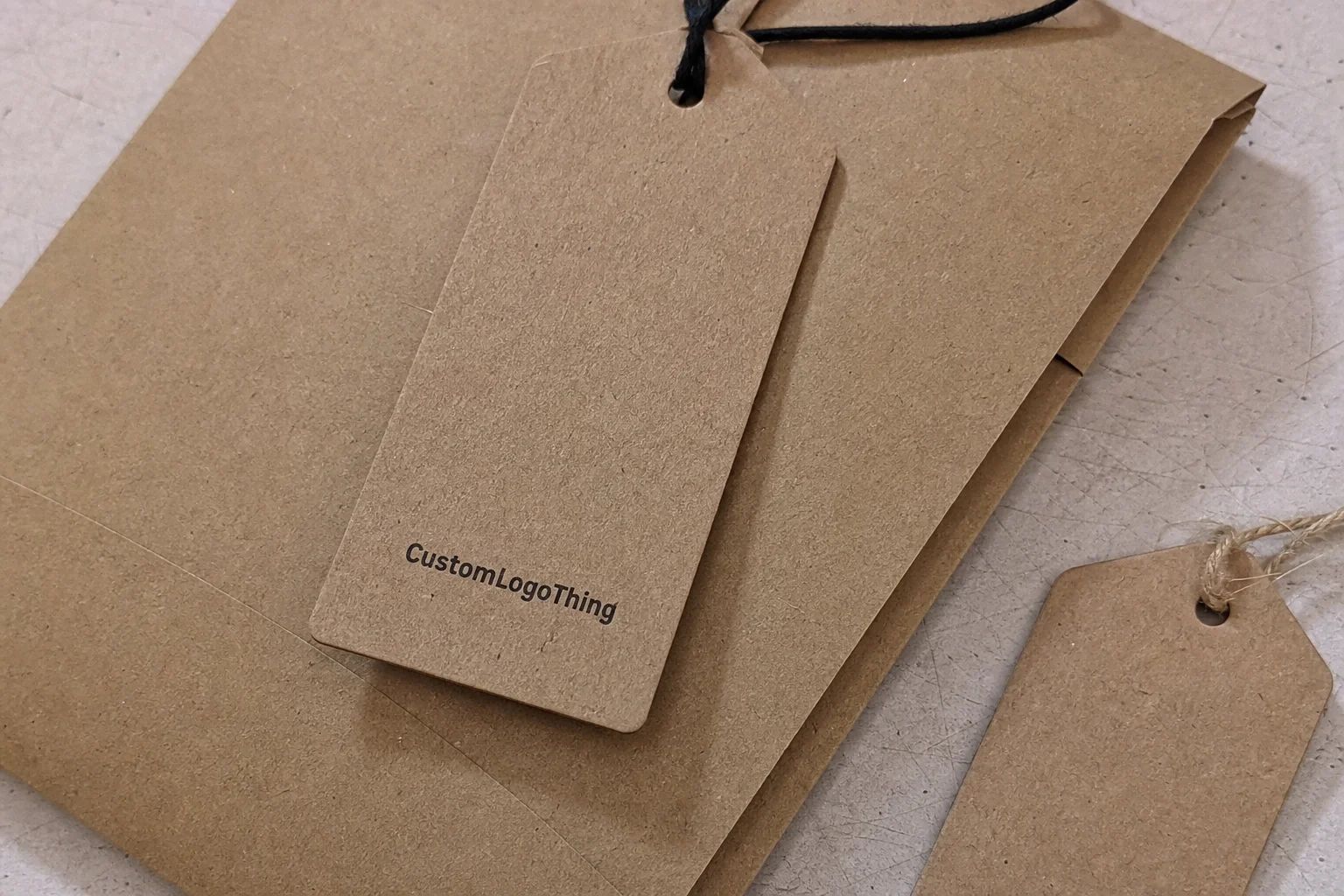
Fulfillment is built around speed, accuracy, and repeatability. Products are scanned, sorted, packed, and shipped in volume, which means anything vague or flimsy gets exposed fast. A hang tag gives you one stable brand cue in a process that can otherwise feel mechanical. That matters more for ecommerce than many teams expect.
From the buyer side, the tag usually has four jobs. It should identify the product, reinforce the brand, communicate practical information, and survive handling. That might mean a barcode, a variant name, size data, materials, care instructions, or compliance text. If the tag is used well, it can prevent customer service questions before they start.
The visual effect is just as real. Heavy stock, balanced typography, and a clean finish make a product feel more deliberate. You do not need foil on every run, and you do not need oversized shapes to look premium. In many programs, the best results come from a simple format printed cleanly on better paper.
Common ecommerce uses include:
- Brand storytelling on the front side
- SKU, size, or variant identification
- Care instructions or product composition
- Barcode or internal tracking support
- Retail-ready presentation for direct-to-consumer shipping
For brands evaluating Custom Labels & Tags, hang tags are often the easiest place to improve perceived value without changing the product itself. That is one reason packaging teams keep them in the mix even when budgets get tight.
A well-built tag rarely gets credit for itself. It simply prevents the product from looking cheaper than it is.
Hang tag formats and materials that hold up in fulfillment
Format matters because fulfillment conditions are rarely gentle. Single-panel tags are efficient and easy to stack. Folded tags add room for details, but they increase complexity and can slow packing. Die-cut shapes stand out, though they usually raise tooling cost and introduce more variables during production. If the tag is going through a busy warehouse, practicality often beats novelty.
Common stock choices: coated paper, uncoated paper, kraft, textured stock, and heavy card. Coated stocks keep print sharp and color consistent. Uncoated paper feels more natural and is easier to write on if a team needs to add batch notes or internal marks. Kraft supports brands with a raw, earthy, or utility-driven look. Textured stock gives a tactile premium feel, although very fine type can lose definition if the surface is too rough. Heavy card is the dependable option when stiffness and edge control matter more than novelty.
For most ecommerce fulfillment programs, the workable range is usually 300gsm to 450gsm. That provides enough body for a premium feel without making the tag cumbersome. If the product will be handled a lot before it reaches the customer, a heavier stock with a clean cut edge is often a better choice than a thin sheet with extra decoration.
Finishing changes both appearance and durability. Matte lamination helps reduce scuffs. Gloss boosts color but can reflect light and show fingerprints. Soft-touch has a restrained upscale feel, though it can mark more easily if the tag is rubbed in transit. Foil, embossing, and spot UV can be effective, but the budget climbs quickly once those processes stack. Too many finishes on a fulfillment tag often create more cost than value.
Shape is another quiet cost driver. Rectangles are efficient and easy to gang on a sheet. Rounded corners reduce edge wear. Custom die-cuts look distinctive, but they add production steps and can slow replenishment. For repeat fulfillment runs, flat tags with a standard punch are usually the lowest-risk option.
For warehouse use, attachment details matter almost as much as print quality. Reinforced holes help prevent tearing on apparel, bottles, and packaged goods that get handled in bulk. String attachment is common. Pre-threaded sets can save labor on the pack line, but they add a separate handling step during production and should be quoted clearly.
| Tag Type | Typical Feel | Fulfillment Fit | Relative Cost |
|---|---|---|---|
| Uncoated 350gsm card | Natural, easy to write on | Good for simple SKUs and care info | Low |
| Coated 400gsm card | Crisp, clean, color-forward | Strong for branded presentation | Medium |
| Textured stock with matte finish | Premium, tactile | Best for elevated DTC brands | Medium to high |
| Foil + embossing on heavy card | High-end, noticeable | Works when the tag is a major brand cue | High |
Specifications to lock down before you request a quote
Vague requests produce vague pricing. That sounds obvious, but it is one of the most common reasons buyers get confused by quote ranges. If the brief does not define the tag clearly, the supplier can only estimate. Estimates are useful for a budget conversation. They are not enough for approval.
Lock down the basic spec first: size, stock thickness, print sides, color count, finish, hole style, and attachment method. If one of those is still undecided, the quote will be incomplete. That is fine for early planning. It is not fine if you need a usable landed cost.
Artwork also needs discipline. Vector files are best for logos and line work. Bleed and safe area should be confirmed before print. Barcodes need a clean quiet zone so they scan reliably. If the tag includes variable data, serial numbers, or multiple SKUs, say so early. That changes how the job is imaged and proofed.
Pack-out instructions matter more than many buyers realize. Are the tags packed loose, bundled by SKU, pre-threaded, or inserted into polybags? Will they ship to a warehouse or directly to a fulfillment center? Does the receiving location need carton labels by style, by quantity, or by PO? If those details are missing, the estimate may exclude real labor costs.
For repeat programs, keep a master spec sheet on file. Include Pantone targets where color consistency matters. Note any internal packaging rules, sustainability targets, or retailer requirements. If the product needs FSC-aligned material choices or other environmental documentation, ask about that during quoting rather than after approval. The same goes for pack-out standards that affect receiving.
Well-prepared specs also cut down on proof rounds. Every extra revision slows the schedule and introduces another chance for error. Buyers who send complete information tend to get faster, cleaner quotes because the supplier can price the real job instead of guessing at the missing parts.
Branded hang tag cost, MOQ, and quote factors
This is where most buyers want the answer first. Fair enough. For Branded Hang Tags for ecommerce fulfillment wholesale pricing factors, the biggest drivers are size, stock weight, print coverage, finishing, die complexity, and attachment labor. Quantity matters too, because setup costs are spread across the run.
A standard 2 x 3 inch tag on 350gsm coated stock with simple print is typically much cheaper than a custom shape with foil and embossing. Add soft-touch, a new die, and pre-threaded string, and the cost rises fast. That is not arbitrary pricing. Every added process means more material, more machine time, or more manual handling.
For planning, these ranges are common enough to build a preliminary budget around. Exact pricing depends on artwork, run length, shipping lane, and whether the supplier has to source special stock.
| Order Type | Typical MOQ | Approx. Unit Price Range | Main Cost Driver |
|---|---|---|---|
| Simple printed tag, standard size | 500-1,000 pcs | $0.12-$0.30 | Quantity and print coverage |
| Premium stock with matte or gloss finish | 1,000-2,500 pcs | $0.20-$0.45 | Stock weight and finishing |
| Die-cut tag with specialty finish | 2,500 pcs+ | $0.35-$0.85 | Tooling, finishing, and labor |
| Threaded or bundled fulfillment-ready pack | 1,000 pcs+ | +$0.03-$0.12 added | Insertion or bundling labor |
MOQ tends to rise when the job includes a custom die line, several finishes, variable data, or specialized pack-out. A plain rectangle can often start at a lower quantity. A tag that needs a new cutting tool and multiple production steps generally cannot. That is a normal production constraint, not a warning sign.
There are also cost variables that do not always appear in the headline quote. Proofs may be free or paid depending on the supplier. Digital proofs are common; press proofs and hard samples can add cost. Rush orders may move to the front of the queue for a fee. Freight can swing the total more than people expect, especially with heavier stock or split shipments. If the tags are being threaded, bundled, or sorted by SKU, that labor needs to be priced somewhere.
If budget is tight, simplify the specification before you cut quantity. In many cases, a cleaner tag on better stock delivers more perceived value than a heavily finished tag on weak material. There is no advantage in paying for embellishment that the customer never notices.
Production steps, timeline, and lead time for fulfillment orders
The production sequence is straightforward when the brief is complete. Quote review comes first, then proofing, then approval. After that, the job moves into print, finishing, cutting, inspection, packing, and shipping. If the order includes threading or bundling, those steps usually sit near the end before carton closure.
Typical turnaround depends on artwork readiness and finishing complexity. Standard Printed Hang Tags often land in the 10-15 business day range after proof approval. Custom die-cut or specialty-finish jobs can stretch to 15-25 business days, and longer if the supplier has to create new tooling or source a stock that is not on hand.
Artwork delays are a bigger issue than many buyers expect. If the file is ready to print and the proof is approved quickly, the order stays on schedule. If the barcode needs correction, the color needs adjustment, or the layout needs revision, the timeline shifts. That is not a manufacturing problem. It is a decision problem.
Warehouse timing matters after production too. If the tags ship directly to a fulfillment center, confirm receiving hours, carton labels, pallet rules, and any appointment requirements before the order leaves the supplier. A shipment can arrive on time and still create trouble if it is packed in a format the receiving team was not expecting.
For third-party fulfillment, it helps to ask whether the pack-out can follow the receiving standards your warehouse uses. Basic transportation and handling expectations from organizations like ISTA are useful as a mindset even if the run does not require formal testing. The point is to reduce handling issues and protect the integrity of the order all the way through intake.
Smart buyers plan the full chain. They budget time for internal review, proof approval, receiving, and any repacking that needs to happen before the tags enter inventory. That is the difference between a controlled rollout and a last-minute scramble.
How to compare suppliers without getting lost in sales talk
Compare like with like. That sounds simple, yet it is where a lot of quote confusion starts. If one supplier quotes a 350gsm coated tag, single-sided print, loose packed, and another quotes a 400gsm soft-touch tag with pre-threaded string, the numbers are not comparable. The specs are different. The job is different.
Ask for a line-item breakdown. Stock, print method, finish, die cost if applicable, attachment labor, proofing, and freight should all be visible. If the quote is one number with no detail, push back and ask what is included. A reliable quote should tell you what is covered and what is not.
Samples help separate promise from reality. Photos are useful, but physical samples tell you more. Paper texture, coating feel, print sharpness, and edge quality all matter once the tag is in hand. If color is critical, request a digital proof and, when the budget allows, a production sample or swatch comparison.
Good supplier signs:
- Clear spec confirmation before pricing
- Reasonable explanation of MOQ and setup costs
- Repeat-order support with saved specs
- Ability to quote fulfillment-ready pack-out
- Direct answers about finish, stock, and lead time
Red flags:
- Vague answers about material thickness
- Pricing that looks unusually low for complex finishes
- Quotes missing shipping or insertion labor
- No proofing process or written spec confirmation
- Pressure to approve before details are locked
For buyers comparing service levels, Case Studies can be helpful because they show how different packaging programs are handled in practice. If the order volume is climbing, a supplier with Wholesale Programs may be a better fit than repeated one-off buying.
What to send next for a fast, accurate order
The fastest way to get a usable quote is to send one complete message. Include quantity, dimensions, stock preference, print sides, finish, attachment style, artwork file, and delivery ZIP code. That covers most of the pricing variables without extra back-and-forth.
Add the fulfillment format as well. Will the hang tags be packed loose, threaded, bundled, or shipped directly to a fulfillment center? Should cartons be labeled by SKU or by style? Does the warehouse want retail-ready bundles or bulk cartons? Those details affect labor and packaging cost, which means they affect the final quote.
If color accuracy matters, ask for a proof before production begins. If the tag sits beside a premium product, do not treat finish selection as a throwaway decision. Matte stock can feel refined, but soft-touch or a clean coated finish may match the brand better depending on the product and handling conditions.
The cleanest process is straightforward: send specs, approve the proof, confirm lead time, and verify freight before sign-off. That is how you avoid surprise charges, receiving delays, and mismatched pack formats. For a quote on Branded Hang Tags for ecommerce fulfillment wholesale pricing factors, the best starting point is a complete spec sheet and a clear pack-out request.
What affects branded hang tags for ecommerce fulfillment wholesale pricing factors the most?
Size, stock thickness, print colors, finish, and quantity drive most of the price. Custom shapes, foil, embossing, and threading add cost quickly. Shipping, proofing, and insertion or bundling can also change the final unit price.
What is a typical MOQ for branded hang tags used in ecommerce fulfillment?
MOQ usually starts lower for standard sizes and simple paper stocks. Special finishes, custom die cuts, and variable data usually push the minimum higher. Larger quantities reduce unit cost because setup is spread across more pieces.
How long is the lead time for custom hang tags?
Standard orders move faster when artwork is final and materials are available. Custom shapes, specialty finishes, and larger quantities usually extend turnaround. Proof approval speed matters too; delays there push shipping back.
Can hang tags be packed for direct ecommerce fulfillment?
Yes. They can be packed loose, threaded, bundled, or carton-packed to match warehouse needs. You should specify pack counts and labeling before production starts so the fulfillment center does not have to repack anything.
What should I send to get an accurate quote for branded hang tags?
Send size, quantity, stock preference, print sides, finish, attachment method, and artwork. Add the delivery location and any fulfillment packing requirements. The more exact the specs, the fewer surprise costs later.


