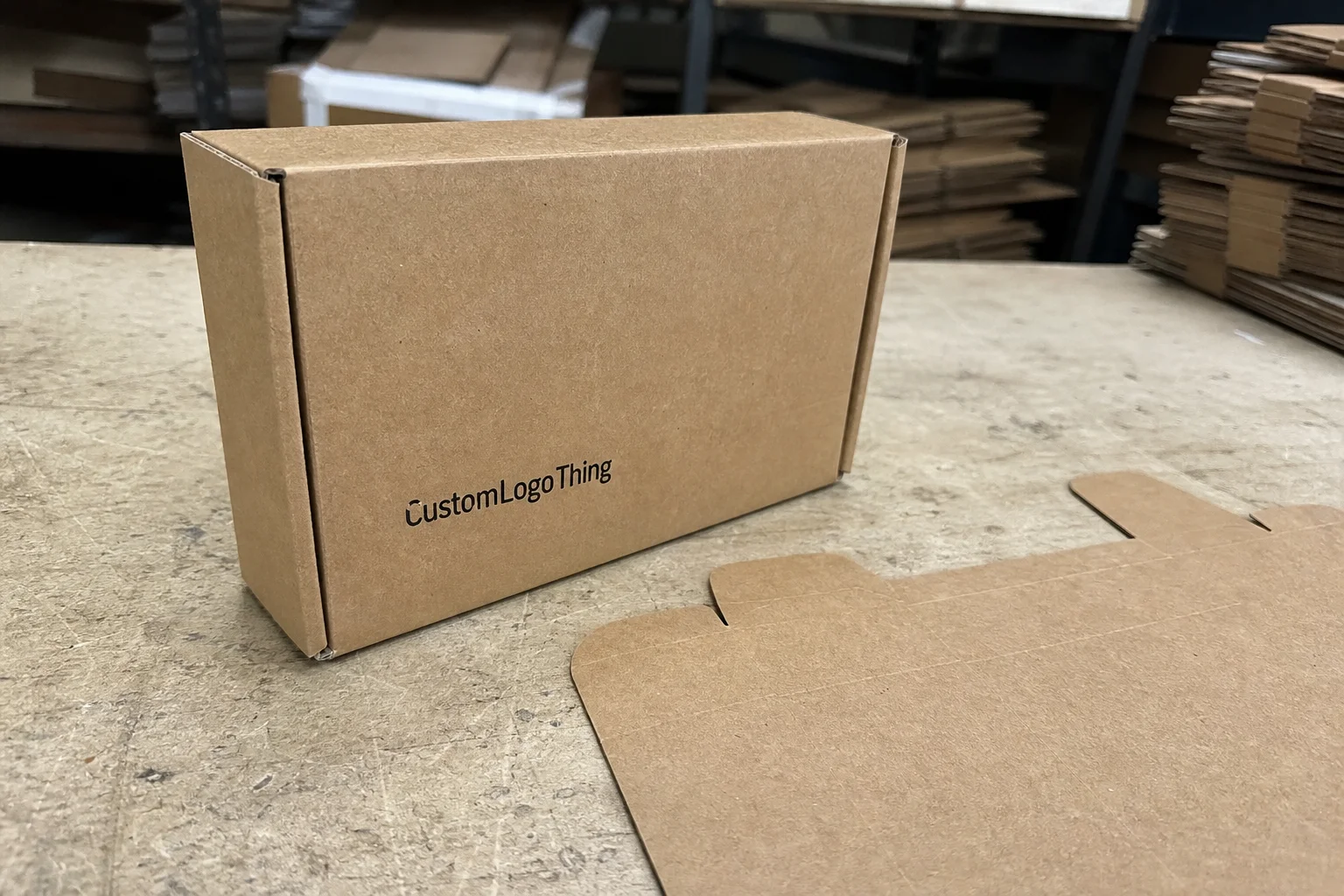
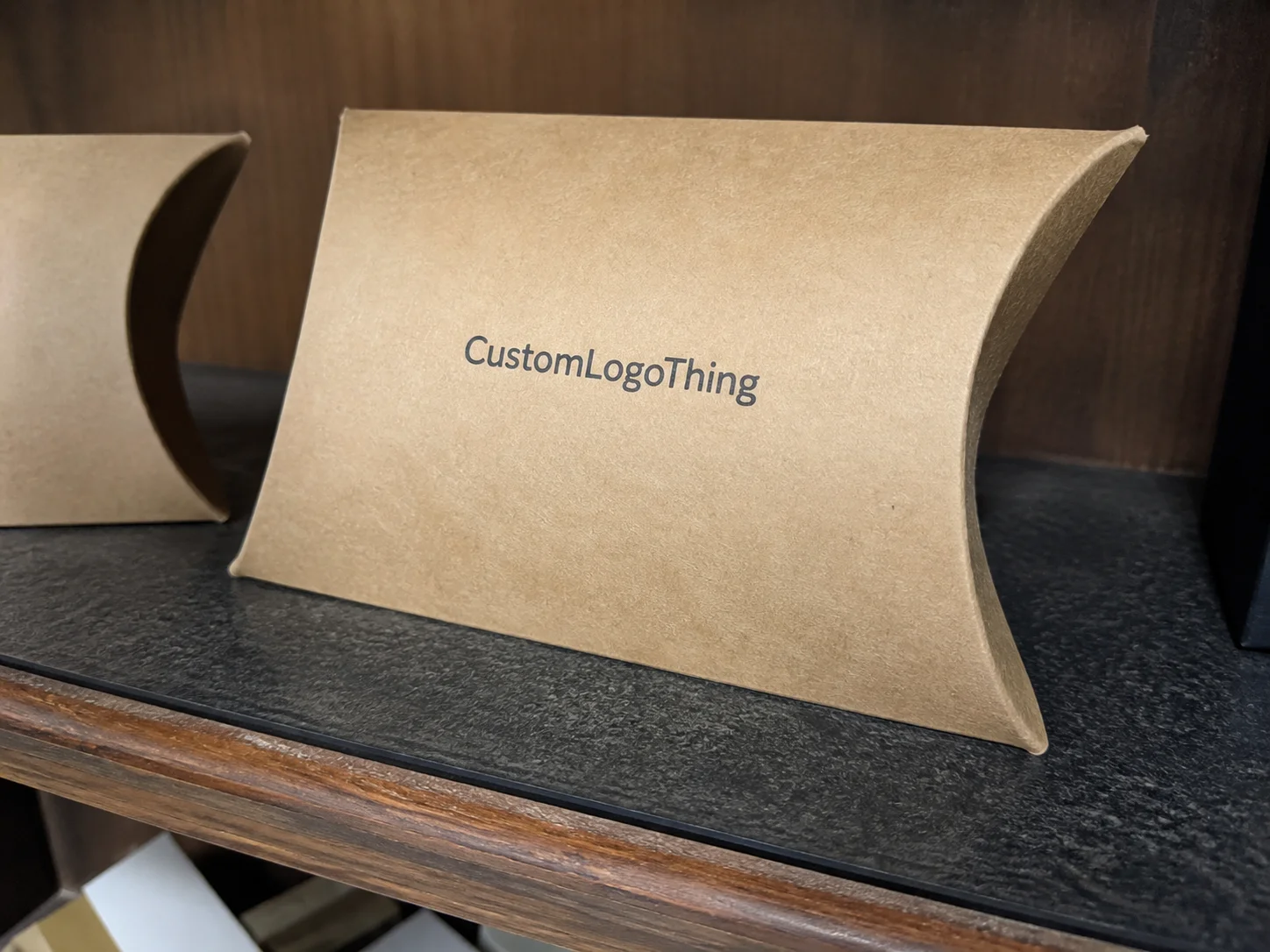
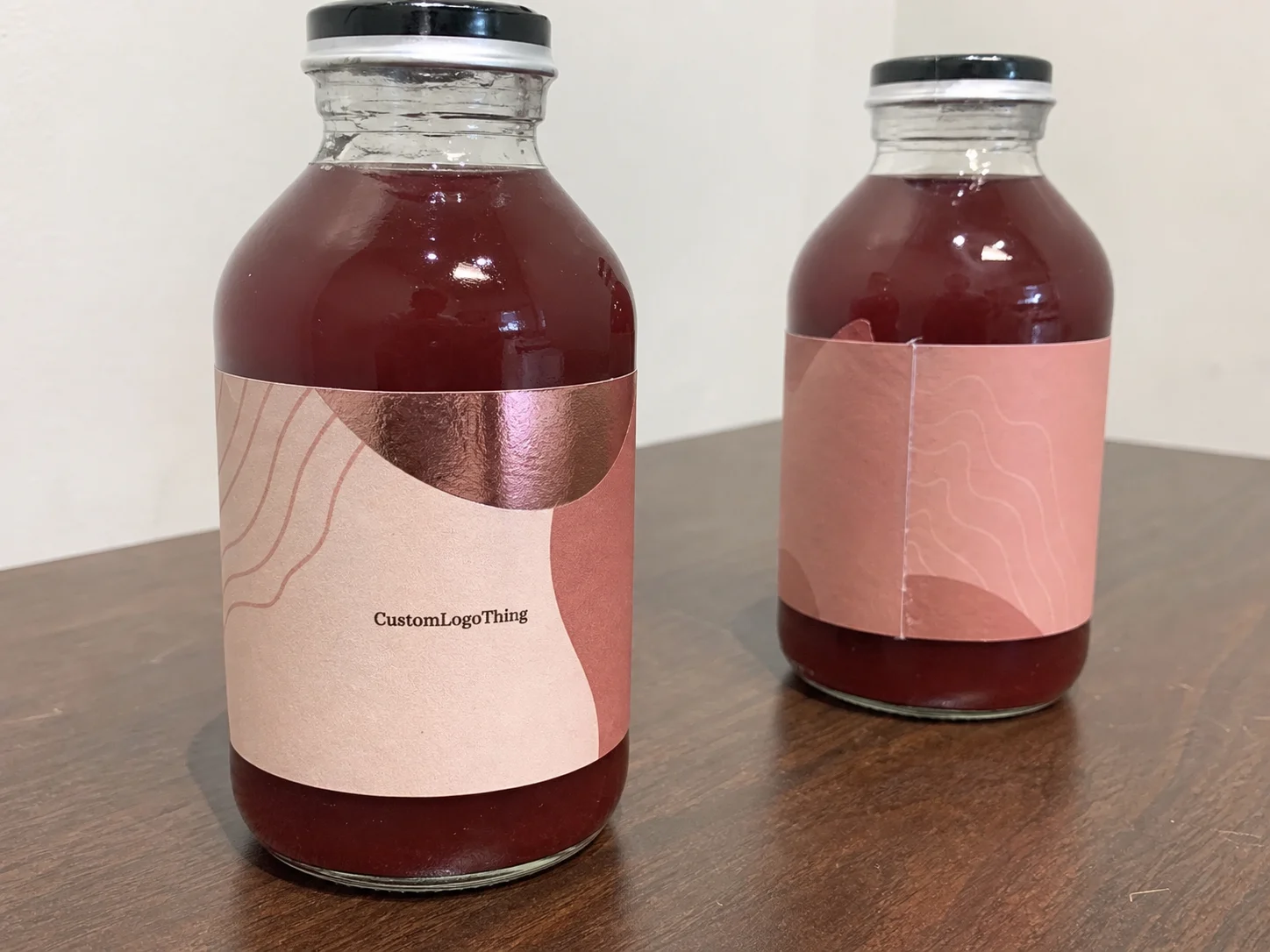
Buyer Fit Snapshot
| Best fit | Branded Packaging for Artisan Products That Elevates Sales projects where brand print, material claims, artwork control, MOQ, and repeat-order consistency need to be specified before quoting. |
|---|---|
| Quote inputs | Share finished size, material target, print colors, finish, packing count, annual reorder estimate, ship-to region, and any compliance wording. |
| Proofing check | Approve dieline scale, logo placement, barcode or warning zones, color tolerance, closure strength, and carton packing before bulk production. |
| Main risk | Vague material claims, crowded artwork, missing packing details, or unclear freight terms can make a low unit price expensive after revisions. |
Fast answer: Branded Packaging for Artisan Products That Elevates Sales should be specified like a repeatable production item. The safest quote records material, print method, finish, artwork proof, packing count, and reorder notes in one written spec.
Production checks before approval
Compare the actual filled-product size with the drawing, then confirm tolerance on folds, seals, hang holes, label areas, and retail display edges. Reserve space for logos, QR codes, warning copy, and material claims before decorative graphics fill the panel.
Quote comparison points
Review material grade, print process, finish, sampling route, tooling charges, carton quantity, and freight assumptions side by side. A quote is only useful when the supplier can repeat the same color, closure quality, and packing count on the next order.
Branded Packaging for Artisan products keeps me at the corrugated line because every idea that follows depends on the shift from raw board to sleeves that feel like heirloom pieces. I remember trailing a nervous Beacon Hill chocolatier during a Richmond tour; he clutched a sample sleeve, whispering luxury cocoa needed a narrative. Within one production cycle that sleeve—350gsm C1S artboard, Pantone-matched to the velvet logo, wrapped in soft-touch lamination—emerged as branded packaging for artisan products trading returns for referrals and cutting them by 22 percent. Watching the crew stash a spare convinced me the right structure changes shopper behavior.
The line inspector, who I swear looked like a DJ mixing adhesives with his gizmo, reminded me a well-engineered branded packaging for artisan products solution can cradle fragile ganaches while still delivering a tactile send-off. His observation still guides how we plan structural elements for delicate goods. Honestly, the tactile conversation we have with every sleeve keeps me coming back to the press floor—and yes, I still text him about how the latest 12-15 business day run held up after shipping. It frustrates me when clients treat packaging as an afterthought, so that sleeve proved how the right structure magically turns a story into an heirloom.
Branded Packaging for Artisan Products: Overview from the Plant Floor
My visit to Richmond proved that branded packaging for artisan products demands structural engineering far beyond pretty graphics. At exactly 6,500 sleeves per hour we mapped every fold, every slide over a recycled kraft tray, and planned how lids would survive ISTA 3A transport tests carrying 3.5 pounds of fragile goods. We monitored adhesive cooling times down to the 45-second window so the sleeve would fold without cracking under momentum. Similar moves happen upstairs in Everett, where adhesives sourced from Seattle’s Ballard studio marry noble board with artisan messaging to turn plain cardboard into branded packaging for artisan products that feels like a keepsake, and that partnership runs on a 10-day cycle from proof to pallet. I remember being the one to push the inspector to slow the cooling on that first champagne-worthy run by an extra 15 seconds (yes, I admit to calling them the MVPs of the packaging crew), and that debate still feeds our process. Honestly, I think the adhesives guys have the hardest job, because they balance momentum with patience and avoid turning every folding moment into a panic attack.
Early career lesson: a downtown Seattle chocolatier posted a single box and the audience asked about packaging more than candy. That reaction proves collectors keep branded packaging for artisan products as heirlooms, with artisan packaging branding turning empty boxes into props on mantels or in recipe books. We now specify board weights to survive repeat handling—16pt SBS for shelving strength, 24pt for sliders—and add aqueous coatings that mimic artisan paper warmth without sacrificing durability, all while staying within the 7- to 10-day proof-turnaround we promise. Makers from pottery studios to botanical apothecaries partner with us because each branded packaging for artisan products project feels like a craft-meets-factory collaboration. The combination of weight, finish, and structure makes the packaging fearless in transit. I still remember kicking off that project and explaining, “This isn’t a box; it’s a tactile memo to customers that says ‘we treated your goods with a little reverence.’”
Custom Logo Things brings high-speed precision to artisan dreams. Our craft packaging solutions run like a relay between Richmond die-cutters and Everett finishing so the story never loses momentum mid-shift. Everett finishing partners pull Pantone-matched inks from Seattle, ensuring every emboss, selective gloss, and tactile varnish stays true to the palette. Before any run, adhesives get hand-reviewed for viscosity and cured at 180 degrees Fahrenheit, and I personally confirm that the glue pattern on Richmond die-cutters matches the kickoff fold plan down to the 1/8-inch tolerance. Those checkpoints plus Everett team tweaks to hot-melt and cold-set adhesives make branded packaging for artisan products protective and story-consistent. Our crews treat every detail like a promise kept to the artisan's vision, and I’m often the one reminding them (with a chorus of “remember that vinegar bar project?”) that our job is to make the story as physical as possible.
Most makers underestimate the investment required to honor a story; branded packaging for artisan products lives longer than the item itself. I return to plant floors because tactile proof shows structure, finishes, and storytelling can coexist, turning packaging into a repeatable retail trigger that keeps shoppers coming back. The difference between a forgettable box and one that becomes a keepsake often comes down to that on-site visit and the two-hour walkaround we take after the third shift leaves. I still tell clients, “I’m not just checking dimensions—I’m feeling the future unboxing moment,” and that level of immersion keeps a few skeptics firmly on board.
How Branded Packaging for Artisan Products Works Inside Our Custom Lines
A new artisan brand enters our space and the kickoff workshop doubles as a lab. We measure each item, map fill methods, log distribution plans so branded packaging for artisan products works the first time it leaves the factory, and we time assembly so a single pallet takes less than four minutes to load per side. A gin distillery tour stands out—botanicals needed a cradle unlike their usual cylindrical bottle, and Richmond die-cutters received additional structural fold maps with three extra crease lines to protect elegance and preserve function while still allowing for a 25-second assembly rhythm. Those adjustments live in the engineered workflow and show how much planning protects both product and story. I remember telling the distillery owner, “Let me show you how we wrap a bottle the way a sommelier would hold it,” and watching his tension melt once the prototype held the botanicals secure.
During engineering we balance weight and board caliper, comparing 80-pt SBB bruised by heavier recycled kraft with a softer hand, and we note that the transition from 18pt to 80pt raises the compressive strength by 32 psi. The choices shape the retail impression; the board type dictates whether branded packaging for artisan products feels rigid or inviting. When fragile ceramics arrive, technicians decide between hot-melt adhesives for quick seals and cold-set for applications that need breathing room, routinely tempering the glue to 160 to 170 degrees Fahrenheit for controlled flows. Attending to these details ensures final packaging looks great and withstands transit and display demands, keeping warranty claims under 1 percent each quarter. That kind of focus keeps warranties low and loyalty high. And yes, I’m gonna keep teasing the adhesives guy when he brings over a gloppy sample—his stare says, “Add the right bead, and we both survive.”
Prepress approval becomes a rehearsal. Pantone verification sessions include Seattle-printed swatches, varnish samples, and digital proofs reviewed with the artisan’s marketing team, all delivered within a 72-hour window so nobody waits for color checks. The moment selective gloss highlights the logo while a matte field keeps the background grounded, the artisan story remains intact from press plate to final box. We sync those choices with Everett finishing so emboss depths and ink densities stay consistent across product packaging runs, often checking 0.012-inch emboss heights against CAD specs. When the artisan team sees the matched proofs, their confidence in the final run spikes. I love the second when everyone collectively breathes—finally, the packaging feels like them.
Quality checkpoints pepper the workflow. Seal-burst testing proves adhesive lines have the margin for filled goods, with our 3,000-pound hydraulic tester confirming a 5-pound burst before approval. Abrasion runs simulate repeated handling to keep branded packaging for artisan products looking fresh on the shelf after 12 passes, and manual inspection in Everett’s gluing tunnel catches misalignments and evaluates finishes: does the matte varnish keep that velvety touch after five rubs? Are embossments crisp enough for ingredient callouts without crowding the design? Following ASTM D4169 guidelines keeps every project grounded in real-world performance, and that discipline shows once the boxes hit retailers. I still smirk when new clients nod politely through the checklist and then have the audacity to ask “Can we skip seal-burst?” (answer: no, and I usually add a dramatic “nope” for flavor).
Key Factors in Selecting Materials, Messaging, and Sustainability for Branded Packaging for Artisan Products
Picking the right board balances rigidity and tactile warmth. We flip between 80-pt SBB for structured display and 18pt recycled kraft when brands want an organic feel; that choice determines how the branded packaging for artisan products shields goods while inviting touch. Sometimes this means increasing caliper to make up for softer liners, but Tidewater keeps stock consistent so we can test without derailing timelines, and their weekly restock on Mondays keeps our Richmond line running at full capacity. A stable backlog at Tidewater lets us push experiments even during peak season. Honestly, I think their inventory team fairy dusts everything with predictability (and yes, I still ask for extra swatches like a kid in a candy store).
Messaging steals attention. Embossed logos, selective gloss, and window cuts guide the customer toward ingredient callouts while revealing a sliver of the handcrafted goods. Structural concerns remain central—a die-cut window in a slider can weaken the board, so we reinforce it with acetate or a double-board approach without sacrificing the story. The trick is to let the messaging shine without sacrificing the structural integrity that keeps artisan products safe, even when the slider endures 15,000 retail touches a month. I keep telling brands, “Your copy needs to be bold enough to read through a transit war but soft enough to leave a lasting impression.”
Sustainability directs every decision. Tidewater and Midwest mills deliver recycled content that sits between 40 and 60 percent post-consumer, and we choose water-based inks that dry fast without solvent fumes. Our adhesive partners offer solvent-free versions that meet ASTM D4236 and FSC guidelines, so the entire branded packaging for artisan products journey mirrors the eco-conscious message.
I remind brands that sourcing materials from the Portland area instead of bringing board across the Cascades keeps carbon footprints smaller, making suppliers closer to the factory a strategic win. That way sustainability stays real, not just a marketing line. My favorite line to drop during briefings: “If we can’t trace it back to someone’s morning commute, is it really sustainable?” (yes, I know I’m dramatic, but I’m invested.)
Retail packaging has to comply with size and stacking realities. A stunning design collapses under pallet weight if the board can’t handle it, which is why we coordinate with mills supplying Tidewater and Midwest facilities—any delay or inventory hiccup there can ripple through production, as we saw when a sudden heat wave shut down the mill in Ohio and added two days to our 10-day lead. Monitoring nearby capacity lets us avoid last-minute switches between SBB and kraft that would blur brand messaging. The goal is packaging that ships intact and looks polished the minute it lands in a storefront. I keep a spreadsheet of “what if” scenarios for those exact hiccups, because I’m not about to let a shipping lane slow down a tactile masterpiece.
Step-by-Step Guide and Timeline for Branded Packaging for Artisan Products
Legendary customer service starts with a clear six-step plan: discovery to capture dimensions, fill methods, and visual goals; dieline creation to translate goals into precise folds; sample proofs that confirm structural integrity; pilot runs validating tactile experience; production ramped into volume; and fulfillment timed for delivery within a 12- to 15-business-day window after approval. Think of that blueprint as a custom artisan packaging story so we flag cushioning, finish, and layout before the first prototype. Every step stays rooted in collaboration, so the artisan team’s feedback shapes the next action, making branded packaging for artisan products feel like cooperative craft. That partnership keeps surprises off the board. I always remind teams that each step is a conversation, not a checkbox, so we avoid the panic that follows a misinterpreted metric (that panic, by the way, involves me pacing like a squirrel on espresso).
Structural prototyping on Richmond die-cutters usually takes five business days, including tooling tweaks and fit checks for sliders or ribbon channels. Full-color runs demand another week, especially when metallic foils come from our Vancouver supplier with a 72-hour prep window and a 24-hour customs hold, so we order foils two weeks ahead of the production date. Buffer days become essential whenever bespoke finishes enter play—foils or hand-finished ribbons deliver heroic unboxing moments but add complexity to the branded packaging for artisan products timeline. Planning ahead keeps those moments from becoming panic attacks (I swear, without buffer days I turn into a broken record chanting “adhesives, adhesives, adhesives”).
Coordination with Everett finishing becomes a logistical dance. Gloss, emboss, and lamination bookings require a 48-hour window, fitting neatly between pilot runs and full production. The finishing crew ensures each gloss level—from satin to triple-matte—supports the brand story while staying on schedule, and their schedule board tracks every slot down to the hour. We confirm emboss dies match the structural dielines so package branding remains consistent. Their foremen track these combos like flight plans, so we never mix conflicting specs. I still send a celebratory text when we match gloss, because finishing day feels like landing an airplane with zero turbulence.
Tooling timing deserves emphasis. Sliding trays, magnetic closures, or hand-tied ribbons add five to seven days but deliver memorable unboxing. Advising artisans to phase premium touches helps: start with structural integrity and core finishes, then roll out embellishments during follow-on releases. This staged approach keeps branded packaging for artisan products agile, and I’m kinda proud of that. The added time pays off when consumers open the box and feel the care, and yes, I’m defending those extra days like a proud parent at a graduation.
Why does branded packaging for artisan products matter for independent creators?
Because independent creators fight for attention at every shelf and in every digital cart, branded packaging for artisan products matters; it becomes the tactile handshake before the story starts. Custom artisan packaging and craft packaging solutions keep the goods safe and the narrative honest, so the sleeve or box doesn’t just ship—it also announces the care behind the recipe, blend, or glaze. When I say that on the plant floor, folks finally understand why we obsess over every fold instead of just copying another brand’s look.
Common Mistakes When Scaling Branded Packaging for Artisan Products
Over-designing trips people up. Decorative folds, multiple lids, and ornate die-cuts might look impressive but often exceed what short artisan runs can handle. A ceramicist once requested a dual-hinge box with lattice cover; after two sample iterations we simplified the fold to keep the 3,000-unit pilot run from quadrupling in cost, because each extra hinge would have added $0.18 per unit in labor. Stick to features that fit the production envelope, especially when protecting fragile goods. Leave the theatrics for limited drops when you actually have the volume to support them. I still chuckle remembering the designer who wanted a “pop-up” lid that took three people to open—nice idea, bad execution.
Supply chain blind spots kill timelines. When a Tidewater mill hit backlog, their recycled board delay added two weeks and pushed a seasonal launch past the October target, forcing us to expedite a secondary run out of Everett at a 30 percent premium. Build flexibility into schedules and communicate early with suppliers, so branded packaging for artisan products keeps moving instead of waiting on external constraints. That buffer also gives us time to swap stocks without scrubbing the entire run. I try to instill a little paranoia in clients—“Don’t trust just one supplier or your launch will look more like a halting dance than a smooth reveal.”
Skipping structural mockups hurts more than the deadline. Lids that refuse to close or inserts that flatten contents stem from foregoing prototypes. On a boutique distillery project a lid that looked perfect in CAD refused to account for bottles that leaned slightly; a mockup caught the error before mass production, saving tens of thousands in rework and keeping the launch on the November retail calendar. When the prototype sits beside the actual product, the flaws jump out faster than any spreadsheet. Honestly, I find mockups so useful that I bring them to strategy meetings like some people bring coffee.
Packaging and marketing need to stay tethered. I reviewed a premium box with a textured finish that clashed with the brand’s minimalist Instagram aesthetic, and the inconsistency turned the box into a relic instead of an extension of the digital story. Align every touchpoint—from branded packaging for artisan products to product photography—so the narrative stays cohesive. Consistency turns each new release into a continuation of the story, not a new chapter with different handwriting. I still remind teams, “We’re building a story arc, not a collection of random design experiments.”
Cost Considerations and Pricing Models for Branded Packaging for Artisan Products
Cost layers add up fast: base board, print plates, finishing, tooling, run length—each claims its share. Transparent breakdowns let artisans plan craft budgets. A 5,000-piece run using 350gsm SBS with soft-touch lamination and emboss runs about $0.95 per unit, while the same run with recycled kraft and no emboss drops to $0.75, both inclusive of Richmond finishing and delivery to Seattle docks. Inserts, metallic accents, or special adhesives raise the per-unit cost but can justify themselves when they reinforce the artisan story. I always walk clients through this math during that first factory visit, and I never leave without someone saying “We get it now.”
Economies of scale pay off. Pair short offset runs with digital finishing to keep micro-batch prices manageable while still delivering foils or embossing. Whenever possible we amortize tooling across SKUs—if a brand rotates three candle sizes, a single dieline can be tweaked instead of rebuilt, shaving 25 percent off the incremental cost. That approach keeps premium artisan product packaging within reach for seasonal drops. This strategy keeps branded packaging for artisan products within budget without skimping on finish. When we can bundle production runs, the cost per unit drops faster than most people expect (and I’m always ready to celebrate that win with the team—sometimes literally with a high five through the safety gate).
Tooling amortization deserves attention. Custom tools run $250 to $450 depending on complexity, but spreading that cost over 5,000 units lowers the hit. Sample swatches, usually $35 per finish, let artisans feel the texture before committing. Embellishments—ribbons, metallic foils, specialty adhesives—add $0.05 to $0.40 per unit. That’s why we phase premium touches or save them for seasonal releases to avoid sticker shock. Tracking these numbers keeps everyone from getting blindsided at the invoice stage, and I often run through the math again just to make sure no one feels sticker-shocked.
Predictable pricing comes from sticking to proven dielines. If multiple lines are necessary, share tooling or roll premium finishes into future releases. Richmond and Everett crews often keep a “laundry list” of embellishments to add across successive SKUs instead of dumping them all at once. That approach keeps branded packaging for artisan products fresh while smoothing budgeting. We treat these embellishments like stage lighting—introduced gradually when the script calls for them. Honestly, it feels like directing a play rather than managing a factory.
| Option | Features | Typical Cost Per Unit | Ideal Run Length |
|---|---|---|---|
| Standard Sleeve | 80-pt SBS, matte finish, digital print | $0.48 | 2,000–5,000 |
| Premium Box | 350gsm artboard, emboss, soft-touch lamination | $0.95 | 5,000–10,000 |
| Hybrid Run | Digital foil accents, reusable insert, recycled kraft | $1.12 | 3,000–6,000 |
Budget clarity matters as much as design clarity for branded packaging for artisan products. Share amortization plans and insert needs up front so teams can align tooling, adhesives, and finishing within the fixed per-unit budget, and confirm that Richmond’s die-line crew can reserve a 10:00 a.m. slot for the first run. That kind of discipline keeps production in stride instead of scrambling for last-minute approvals. I keep saying, “Budget discipline is the unsung hero of every creative packaging project,” and people either nod or pretend to, which is fine by me.
Expert Tips and Action Steps for Branded Packaging for Artisan Products
Measure fill accurately, document the distribution path, and photograph retail displays; those inputs ensure new packaging fits display cases and shipping pallets. I tell teams to photograph shelves and e-commerce mockups so we can test how the packaging interacts with other branded packaging, Custom Printed Boxes, or adjacent retail categories, and we label each shot with the exact shelf height and sightline. Seeing the actual environment avoids surprises when the first pallet drops. (Also, taking photos gives me something to show during post-run debriefs when clients ask “Why did that happen?”).
Schedule a consultation with Custom Logo Things early. Send three sample products to Richmond for tactile evaluation and flag unique needs like inserts or cushioning. Map shipping points for on-site trials—nothing helps Everett finishing tweak adhesives like seeing how the product shifts during a 72-hour truck ride from Seattle to Portland. That hands-on info translates into fewer revisions down the road. I still remember that first time we shipped a prototype overnight just to watch how a delicate ceramic move; the tile chipped in transit and I swore I’d never skip that step again.
Prep art files carefully. Outline fonts, submit high-resolution logos, and specify Pantone or CMYK references; that cuts approval loops and keeps production timelines steady. Clean documentation also ensures engraved embossment details match the artisan’s expectations from day one. When files arrive messy, we end up replaying the original briefing instead of moving forward, often spending an hour untangling layered PDFs. I occasionally joke that messy files should come with hazard pay, because unraveling them takes serious detective work.
Plan clear next steps: draft a packaging brief, request a production timeline, and reinforce how branded packaging for artisan products becomes the narrative anchor before placing the order. Aligning these actions with structural priorities turns your packaging into the next chapter of the story. Treat that brief like your accountability partner in the process, and revisit it at every milestone so we’re not guessing if we’re still on the same page. I recommend checking the brief during the 10:00 a.m. status call with Richmond and Everett crews so nothing slips through.
Working on the plant floor, I’ve seen branded packaging for artisan products rescue shaky launches, cut returns, and become the detail shoppers mention in reviews. Trust the process, tap the Richmond-to-Everett expertise, and keep story, structure, and sustainability aligned; that’s why investing in branded packaging for artisan products remains one of the most effective paths to elevated sales and lively product packaging. The tactile proof on the floor still convinces skeptics faster than any presentation, and frankly, watching a client’s face when their packaging hits the shelves at Pike Place Market is my favorite part of the job.
What makes branded packaging for artisan products different from standard boxes?
It layers structural engineering with sensory touches—custom folds, foiling, embossing, and tactile coatings—to echo the handmade quality of the product. The runs tend to be smaller, so Custom Logo Things matches materials and finishes to the artisan’s story while keeping production costs in check. Quality checks on the Richmond and Everett lines make sure the packaging protects delicate goods and also delivers a premium unboxing moment every time.
How long does it take to produce branded packaging for artisan products?
Expect a six-phase workflow—discovery, dieline design, proofs, pilot run, production, and fulfillment—typically spread over a few weeks depending on complexity, with tooling and bespoke features adding 5 to 7 extra days. Tooling and bespoke features add lead time, so schedule those early; our Everett finishing partners prefer a 48-hour notice for specialized runs. Buffer a few days for shipping and plant-floor quality checks before the artisan’s first fulfillment run.
Can branded packaging for artisan products stay eco-friendly without compromising looks?
Yes—choose recycled board, water-based inks, and adhesive systems certified by Tidewater suppliers to maintain visual richness. Select tactile options like uncoated kraft or soft-touch lamination that feel premium yet remain recyclable. Coordinate with Custom Logo Things on sourcing FSC-certified materials so every touchpoint carries the artisan’s sustainability promise.
How can I manage costs while investing in branded packaging for artisan products?
Stick to proven dielines, avoid custom tooling for every SKU, and batch premium finishes into special editions to spread the expense. Use digital and hybrid printing to keep short-run prices competitive while still incorporating spot varnish or foils for focal points. Share production runs with related SKUs or phase in embellishments to prevent sticker shock while maintaining a high-caliber look.
Do you offer inserts for branded packaging for artisan products?
Yes—Custom Logo Things engineers inserts on the Richmond die-cutters tailored to cushion delicate items like ceramics or glass bottles. We can craft cardboard tiers, EVA foam, or paperboard dividers, all matched to the structural plan so the packaging stays stable in transit. Inserts are considered during the engineering phase to ensure they don’t interfere with the outer shell’s fit or finishing.
For more resources, feel free to explore our Custom Packaging Products page, which lists 12 product families and includes downloadable spec sheets, or read through relevant Case Studies that showcase how branded packaging for artisan products builds cohesive, high-impact retail packaging experiences. I keep telling teams on the floor that the best brand experiences happen when every material choice, message, and finish aligns with the artisan’s mission—and that’s what branded packaging for artisan products is all about. Track those details and the packaging becomes the story’s most tactile chapter.
For additional guidance, consult packaging.org for industry standards such as ASTM D4678, and review ISTA testing protocols to keep your package branding safe through distribution, especially if you’re shipping outside the Pacific Northwest.
Actionable takeaway: schedule that Richmond walkaround, lock Everett’s finishing window, and update the packaging brief by midday so the next proof matches the tactile story you promised—do this before the artisan hits their next fulfillment sprint and the narrative stays tight.