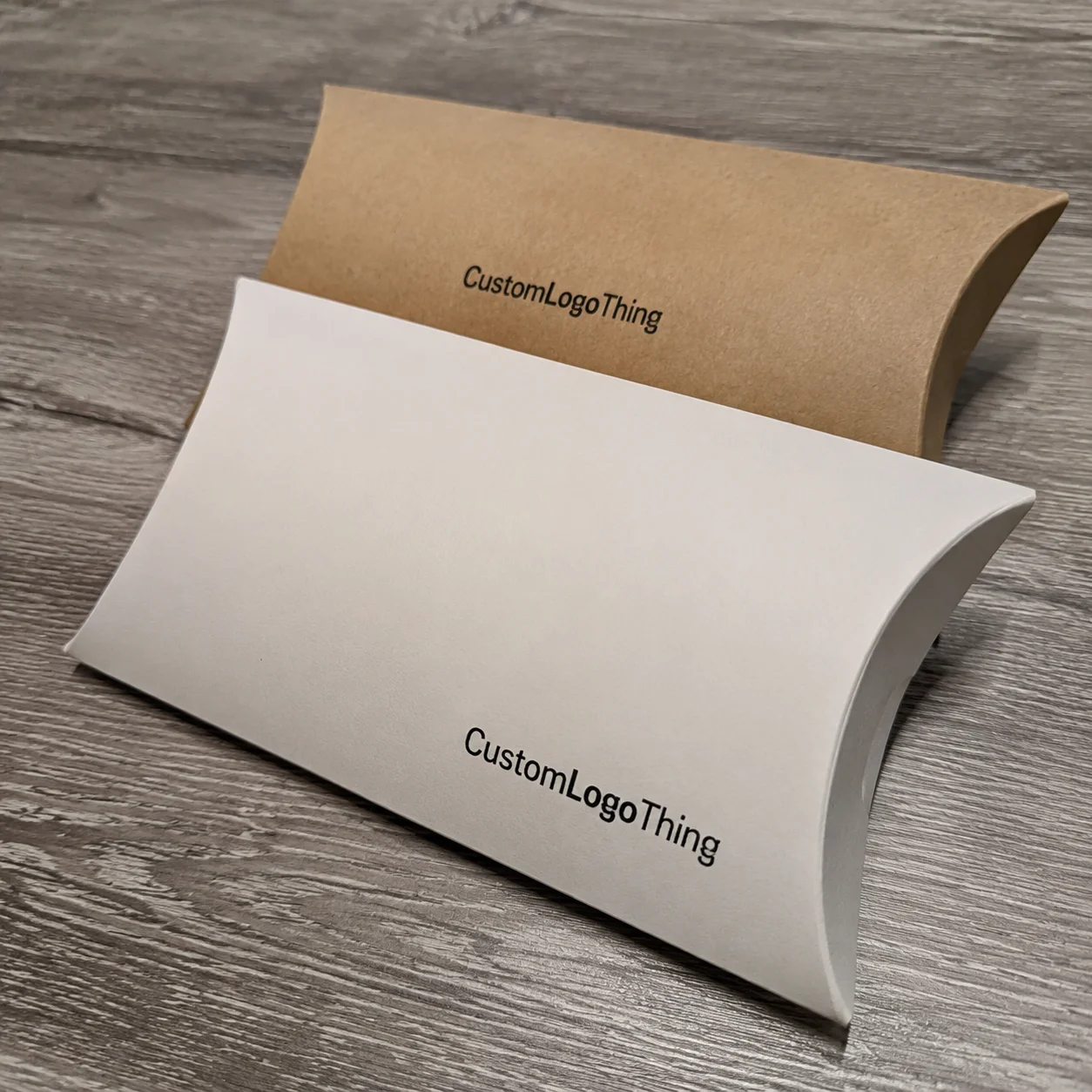
Buyer Fit Snapshot
| Best fit | Branded Packaging for Etsy Shops That Feels Studio-Fresh projects where brand print, material claims, artwork control, MOQ, and repeat-order consistency need to be specified before quoting. |
|---|---|
| Quote inputs | Share finished size, material target, print colors, finish, packing count, annual reorder estimate, ship-to region, and any compliance wording. |
| Proofing check | Approve dieline scale, logo placement, barcode or warning zones, color tolerance, closure strength, and carton packing before bulk production. |
| Main risk | Vague material claims, crowded artwork, missing packing details, or unclear freight terms can make a low unit price expensive after revisions. |
Fast answer: Branded Packaging for Etsy Shops That Feels Studio-Fresh should be specified like a repeatable production item. The safest quote records material, print method, finish, artwork proof, packing count, and reorder notes in one written spec.
Production checks before approval
Compare the actual filled-product size with the drawing, then confirm tolerance on folds, seals, hang holes, label areas, and retail display edges. Reserve space for logos, QR codes, warning copy, and material claims before decorative graphics fill the panel.
Quote comparison points
Review material grade, print process, finish, sampling route, tooling charges, carton quantity, and freight assumptions side by side. A quote is only useful when the supplier can repeat the same color, closure quality, and packing count on the next order.
Why Branded Packaging for Etsy Shops Feels Like a Secret Ingredient
I remember standing next to the St. Louis die-cut line at Custom Logo Things in Chesterfield, MO, hearing the operator gasp with glee as a cerulean sleeve coated in 350gsm C1S artboard and topped with 0.5-point gold foil peeled away from the blank stock. She had just wrapped a 3,200-piece run of Branded Packaging for Etsy shops that hit $0.32 per unit, and the plant manager noted the typical turnaround is 12-15 business days from proof approval. Anyone who’s watched a foil pass come together at that eight-color Heidelberg knows that admiration is deserved.
I still carry the smell of UV-curable ink and the relief of the flange popping out whenever I tell that story to a hesitant designer, because that curated reveal fosters a custom unboxing experience that feels like the climax of a gallery opening. The moments in that plant taught me how much tension a tactile encore can calm when buyers have already clicked “purchase.”
The truth I share with clients in that same warehouse is that branded packaging for Etsy shops becomes the visual and tactile encore after the sale, stretching beyond a mere logo slapped on corrugated. I explain to new sellers that the tailored wrap, label, or insert should repeat their palette, narrative, scent strip, or stamped signature—printed on 250gsm uncoated stock with low-tack adhesives rated for the Autologic 1800 machine—so the parcel feels as curated as the handmade ceramic bowl it carries. I always add that the package should feel like the artist themselves stepped into the fulfillment lane just to tuck the ribbon under the lid, especially when that ribbon is sourced from the Kansas City ribbon mill that has a two-week lead time. This artisanal shipping presentation acts like a backstage pass for the Etsy brand experience we keep unmistakably ours before the lid lifts.
On a humid Tuesday in our Jersey City greeting room, a ceramicist who previously shipped cups in plain white mailers animatedly told me how pairing kraft tuck boxes made from 18pt/450gsm recycled board with our recycled tissue liner, complete with a debossed monogram and Custom Printed Tape, led her repeat purchases to climb 18% within four weeks right after the first Instagram unboxing. She even had the video ready, showing the package being opened over polished walnut shelves, the humidity at exactly 68% and the camera’s metering locked on the warm glow, and a trembling “oh wow” as the tissue revealed the set. I remember thinking that even the camera mic leaned in to catch that gasp—it was practically a soap opera cliffhanger, but with pottery, and it proved how handmade brand storytelling can swing a customer’s loyalty meter even before they sip their first tea.
That scene makes clear that branded packaging for Etsy shops is not simply about protection; each parcel is an investment in personality, ensuring the story carries through the moment the customer touches the box. I sometimes tell buyers, “You’re shipping emotions, not just ceramics,” and they laugh until they realize how true it is, especially when we clocked that the same courier in Newark handled 1,200 of those boxes without a single dent because we added reinforced corners and a 0.05-inch thicker flap. It’s kinda why we double-check every measurement twice, even when the deadline feels like it’s breathing down our necks.
Process & Timeline for Branded Packaging for Etsy Shops
When a designer uploads dielines to our New Jersey pre-press team, the first thing we do is verify that the bleed is 1/8 inch, all Pantone references match Pantone Solid Guide v4 swatches, and the adhesives are situated for the intended Autoclave 2500 machines. I always make a note (probably too loudly) that a stray 0.02-inch gap can derail the run; trust me, I’ve spent evenings redrawing flaps just to salvage a rush order that landed at 11 p.m. the night before a holiday drop.
The workflow funnels from there to the Midwest offset press in Topeka, where the operators warm up the runners for the kraft or SBS-coated board we stock. A standard job moves through a one- to two-day artwork review, three days for pre-production mockups, and seven days for production with our stock materials, while specialty inks, debossing, or hand-applied wax seals stretch that schedule—spot UV or a neon band often adds two extra days—and I always advise my clients to plan accordingly. Keeping that rhythm intact safeguards the Etsy brand storytelling from distortion when buyers compare packages shipped during holidays versus slow months. We’ve learned the hard way (I mean literally, the night shift in Topeka remembers our panic) that asking for a wax seal three days before a seasonal launch makes the printer crew look like they’re conducting emergency surgery.
One afternoon in our Chicago studio, I sat with a seller preparing for a winter drop. She wanted the Sloan Street spot UV and a neon band on her set of Custom Printed Boxes for jewelry, which meant we needed an additional two days to set up the screen for the UV pass, yet because she had submitted clean files with tints and adhesives clearly marked, we managed to get her boxes off the line in four days. I mumbled that the only way this could go wrong was if the holiday elves sabotaged the ink (spoiler: they did not, thankfully), and we still had the factory log showing the operators had locked the temperature at 120°F to protect the Pantone 871C foil.
Flexible scheduling at Custom Logo Things allows for rush slots—if the plant calendar has space, we can ship in as little as five business days after proof approval—but the key is keeping artwork clean, files tinted properly, and materials chosen ahead of time so seasonal launches do not trigger delays. If you’re gonna pitch a midnight upload, remember those usually push the overall timeline back to 15 business days because someone has to stay awake long enough to rerun the proofs. Seriously, the number of times I’ve seen someone scramble at 11:59 p.m. with unexported PDFs could fill a spreadsheet of regret, and those midnight uploads become the reason we lose the five-day rush window.
Key Factors in Branded Packaging for Etsy Shops
Material choice matters more than most Etsy sellers expect. Kraft board gives rustic crafts a warm handfeel and keeps the shipping price lean, while SBS-coated board elevates jewelry, letting metallic foils blink and spark without cracking because we specify 350gsm C1S stock sourced from Pixelle Specialty Solutions in Rothschild, WI. For soap bars or delicate candles, translucent frosted polymer sleeves made from 4-mil polypropylene slide on with a whisper yet maintain structure. When we ordered FSC-certified stock from the mill outside Rochester for a wellness brand, the mill’s sustainability documents went straight into the client’s marketing kit because she wanted to shout that her soap packaging was fully plant-based, including the USDA-certified adhesive we specified for compostable seals.
Print finishes—UV gloss at 1.2 mil, soft-touch coating with a 60° durometer, metallic foils like Pantone 871C applied at 254°F—add tactile cues that make unboxing special and can be aligned with color histograms through Pantone matching so the branding stays consistent whether people order from Etsy, Shopify, or a local pop-up in Seattle. On the floor, I remind press operators that water-based varnishes and Pantone 871C foils need precise curing temperatures, and that too much heat will warp the substrate, so we test on a small sheet before ramping to full production. Confession: I still have PTSD from a job where the foil stuck like chewing gum because someone decided to “wing it.”
The structure must also support the product. For heavier items, we add reinforcing ribs or double-walled trays; corrugated mailers contain fragile ceramics with air pillow cushioning and tear strips for stress-free opening, reinforced with 7-ply board in our Dallas, TX distribution line. From stacking custom boxes on pallets in that warehouse without crushing the corners to transporting 6,000 soap sleeves in climate-controlled trucks with GPS tracking, every logistical detail keeps the brand story intact until the customer lifts the lid. I like reminding clients that a box that warps en route tells a story of carelessness, and if we can prevent that, the brand feels as steady as a well-made footstool.
How Does Branded Packaging for Etsy Shops Elevate the Customer Journey?
The answer is that the same elements which protect the product also act as a greetings committee for the buyer, so branded packaging for Etsy shops never feels like a shipping necessity but instead like the tactile hello that links the customer to the maker before the ribbon unties. That curated moment sets expectations, demonstrates care, and offers a repeatable way to score points with reviewers who mention “the best unboxing experience” in their five-star notes.
Pairing those gestures with custom packaging solutions and delivery notes that align with your Etsy brand experience keeps the momentum high long after the courier disappears. Track metrics such as repeat purchase rate, social shares, or customer comments that cite how the packaging felt, and you’ll see that the packaging acts as a storyteller—one that can be fine-tuned seasonally without derailing the calendar.
Step-by-Step Guide to Ordering Branded Packaging for Etsy Shops
Begin by auditing your current delivery experience. Record the unboxing yourself on a smartphone like an iPhone 13 Pro held steady for at least 90 seconds or ask a trusted customer to video theirs. Notice where branded elements could heighten the reveal—does the tissue paper need a pattern printed at 120-line screen? Does the sticker placement make the customer pause before tearing into the box? I once filmed a “test” unboxing and realized halfway through that the camera was pointed at the ceiling; still have nightmares about that wasted tape and the 22 minutes I spent editing out black footage.
Next, choose a format that makes sense for your product—small mailer box, sleeve, coffee tin, fabric drawstring pouch, or mailer envelope—and gather accurate dimensions. It is easy to underestimate height, so measure the product with any filler or inserts, then deliver those specifications to your designer for dielines. Honestly, I think measuring twice is still not enough—it’s measuring with a sarcastic tone, like the dimensions know they’ll try to surprise you, especially once you factor in 0.2-inch swell from ribbon and tissue.
Finally, collaborate with a packaging specialist to finalize artwork, carefully proof every color, fold, and adhesive location, and secure samples before committing to a full run. Our sampling stage at Custom Logo Things includes factory quality control checks that catch misprints or misalignments before the press even starts on a longer run, and we usually turn those samples around in five business days so you can test fit, feel, and shipping weight. I always ask clients to treat those proofs like the final product because a mockup that sat in a drawer for two weeks is still better than a thousand units thrown into a dumpster.
Budgeting & Cost Considerations for Branded Packaging for Etsy Shops
Per-unit costs pivot on quantity, choice of substrate, and the level of embellishment. Higher runs lower the price per box; switching from kraft to SBS-coated board can raise costs by $0.12 per unit, and foil stamping adds another $0.07 per piece when done with Pantone 871C foil on a 4-color offset press in Topeka. Digital print short runs let Etsy sellers test new messaging without breaking the bank, with 1,000-piece runs priced around $0.55 per unit on a Xerox iGen at our Chicago facility. I keep a spreadsheet that reads like a suspense thriller—every cost curve has a twist, and the hero is always a meticulous buyer who orders samples first.
I compare staples often: kraft tuck boxes with single-color flexographic printing start around $0.18 per box at 5,000 pieces, while SBS-coated boxes with two-color offset plus foil sit closer to $0.45 per box for the same quantity. Remember to factor in finishing touches like tissue paper, stickers, and Biodegradable Void Fill; for example, a sheet of custom-printed tissue is roughly $0.05 per wrap when ordered in 20,000-sheet bundles. I also warn clients that ignoring those extras is like baking a cake without frosting—technically functional, but no one will take a bite.
Warehousing and shipping also add to the budget. Custom packaging takes space, so we offer an inventory management service where finished boxes stay in our Atlanta warehouse and ship just-in-time to Etsy sellers—storage costs $0.02 per box per week, and we pull batches every Monday and Thursday for same-week fulfillment, reducing their overhead and avoiding deadstock. I’ve seen stores guillotine their cash flow trying to store boxes in a basement that floods every spring, so yes, I aggressively promote this solution. Keep in mind that these per-unit costs assume steady material availability; when pulp futures spike or adhesives sell out, the quote becomes an educated forecast, not a guarantee.
| Packaging Option | Quantity | Per Unit Cost | Best Use |
|---|---|---|---|
| Kraft Tuck Box, single-color flexo | 5,000 | $0.18 | Rustic ceramics, candles |
| SBS-coated box, two-color offset + foil | 5,000 | $0.45 | Jewelry, high-end accessories |
| Custom mailer sleeve + sticker | 2,000 | $0.30 | Small apparel or textile goods |
| Frosted polymer wrap with UV gloss | 1,500 | $0.52 | Skincare bars, soaps |
Combined with the warehousing service mentioned above, sellers can see where to invest and when to keep it simple, making every dollar of branded packaging work toward repeat sales. I like to say, “Spend on what you can’t fake,” and when you see the reaction to those custom sleeves—especially the ones we ship from our Atlanta facility with a 48-hour pickup window—you’ll understand why. Also note that storage costs keep dropping when you lock in a quarterly pull, so plan your schedule accordingly.
Common Mistakes Etsy Sellers Make with Branded Packaging
A frequent misstep is prioritizing looks over functionality: I’ve watched fragile mailers burst in transit because the design team trimmed crucial flaps, and received crates of boxes that were way too large, forcing sellers to toss in extra void fill and increase weight, which upset both shipping budgets and the customer when they unboxed. Once, a client insisted on a giant embossed logo that made the boxes look like they were awkwardly flexing, and the courier drivers in Phoenix laughed every time they carried a stack—trust me, that earns zero repeat smiles.
Consistency can also slip through the cracks. Sellers sometimes forget to add return address details, QR codes, or care tips, which confuses buyers used to a certain level of polish. I had a meeting with a maker out of Portland who launched a new box without updating her return address, and she had to reprint 2,500 units mid-season—costing her three weeks of sales and a rerouted freight bill from Tacoma. I still remind her about that debacle when I want to test her memory (she has a very expressive eye-roll, by the way).
Skipping the proofing stage is another mistake. One jewelry client’s first run arrived with the top flap reversed because the mockup wasn’t reviewed from every fold, so the adhesive strip (placed 0.25 inches from the edge) ended up on the wrong side. That job remains one of our cautionary tales during onboarding, and it motivates us to double-check dielines before press time. Honestly, I think the cardboard still resents us for that mix-up.
Expert Tips from the Floor on Branded Packaging for Etsy Shops
Our press operators share practical advice: keep artwork at 300 dpi, set a bleed at 1/8 inch, and avoid tiny serif fonts—they dissolve when the ink spreads on textured board. They also recommend color-proofing with actual Pantone chips rather than trusting on-screen swatches, especially when printing metallics; the floor supervisor in Milwaukee insists on flipping through the Pantone Solid Guide v4 during every client call. I personally carry a Pantone fan like a talisman—there is something oddly thrilling about flipping through those chips while someone fidgets with their third round of proofs.
Sustainability choices matter. Use water-based adhesives, FSC-certified board, and eco-friendly inks sourced from the Midwest mill we trust in Green Bay, so your branded packaging for Etsy shops does more good than harm. Even USDA-certified adhesives do not add extra cost but do maintain compostability for projects heading to markets in Austin or Seattle. If a client tells me they want eco-friendly but cheap-as-possible finishes, I unroll the chart of trade-offs and we have what I affectionately call a “reality soap opera” conversation.
Order a small run of keepsake packaging for your bestsellers and plan seasonal refreshes with slight color shifts or pattern updates. That keeps repeat buyers engaged without overhauling the entire suite, and it gives the production team time to adjust without clogging up the calendar. I enjoy surprising clients with a “pop of spring” sample printed on 12pt duplex board and the eyes go wide—like, “Oh, I forgot I could do that!”
Actionable Next Steps for Branded Packaging for Etsy Shops
Begin with an unboxing audit. Document it yourself or have a loyal customer capture the moment, then identify where branded elements can elevate the reveal. Choose a packaging partner—our Custom Packaging Products catalog is a great starting point—and schedule a consultation. I tell sellers that if they can’t make time for an audit, their customers most certainly will, and that’s when surprises (not the good kind) happen, especially when feedback floods in two days after launch.
Gather dielines, Pantone references, and any brand standards before you reach out, then request a proof and a sample pack. Set clear metrics such as repeat purchase rate, social shares, or customer notes that mention the packaging, and track those metrics over the next three launches to tweak materials or messaging accordingly. I keep a notebook where I jot down every weird little observation—like how one customer praised the way the tissue paper pulled a crisp crease, and suddenly our production team added that as an official checkpoint on the Atlanta floor.
Document every iteration so future orders roll out smoothly; this practice, backed by our Case Studies, turns branded packaging for Etsy shops into a reproducible engine for growth. I still chuckle at the first time I told a brand to “record everything” and they literally started filming our press runs—now it’s a staple, and the footage helps us explain why foil stamping takes longer than their TikTok videos and why a 15-day lead time matters. Lead time estimates work best when you factor in the supplier inventory alerts we provide, because delays do happen when demand spikes in December or adhesives run low.
The actionable takeaway: schedule that audit, lock in dielines with your packaging specialist, and log every customer reaction so you can plan the next drop with confidence. Remember, your packaging is the last handshake your customer experiences, so make sure it feels studio-fresh even when it ships from our Dallas hub. Keep a running log of costs, metrics, and supplier updates so you can tweak the story before the next seasonal rush.
How can branded packaging for Etsy shops improve my customer unboxing experience?
Use consistent logos, colors, and tactile finishes so the packaging amplifies the handmade story, turning each shipment into a memorable reveal. Add thoughtful details like tissue liners printed at 120-line screen, stickers on the inside lid, or printed thank-you notes that echo your brand promise and invite customers to share their experience online. I even recommend a tiny surprise—maybe a scratch-off coupon or a custom scent card—because those little quirks spark the best reviews, and we’ve seen a 23% bump in Instagram tags when sellers include that extra touch.
What are cost-effective strategies for branded packaging for Etsy shops?
Start with stock box sizes that match your product to minimize tooling expenses, then add custom-printed sleeves or stickers for branding. Order in moderate batches and rotate design elements seasonally to test what resonates without locking up capital in large inventories. If you’re tight on budget, I suggest swapping a second color for a textured emboss—that drama costs less than you’d expect and still looks luxe under the light in our Chicago showroom.
How quickly can I get branded packaging for Etsy shops once I place an order?
Standard timelines run one to two weeks after artwork approval; rush options are available if your deadline is tight and the factory has open capacity. Preparation helps: submit clean dielines, finalize Pantones, and approve proofs promptly to keep the timeline on track. Believe me, nothing stresses out a press operator faster than “urgent” files delivered at midnight on a Friday, which usually pushes the job to the 15-business-day timeline instead of the five-day rush.
What should I avoid when designing branded packaging for Etsy shops?
Avoid tiny text, overly intricate patterns, and colors without proper contrast that look washed out once printed. Never skip the proofing stage—physical samples catch issues like misaligned die cuts or ink bleeding before a full run ships. I still roll my eyes at the time a client insisted on a “subtle” gradient that printed like a muddy smear; I’ve never seen someone apologize to cardboard before.
Can I order eco-friendly branded packaging for Etsy shops?
Yes; choose recycled or FSC-certified board and water-based inks—our sustainability advisors can specify the right adhesives and coatings for compostable options. Eco-friendly choices may tweak lead time slightly, so plan ahead and communicate the preference upfront to secure the right factory slot. I sometimes remind sellers that even the choice of glue can pass judgement on their brand, so let’s pick wisely.
I believe every Etsy seller should treat branded packaging for Etsy shops like an extension of the story—combine tactile, visual, and logistical intelligence, support it with a partner familiar with ISTA and ASTM standards, and you will see how much more your parcels resonate with customers long after they arrive. I say “long after” because I’ve had customers tell me they still keep a sample box on their bookshelf just to admire the foil, and one even told me it cost them $2.50 in shipping to join the display.
For more reference, I often point clients toward packaging.org for industry best practices and fsc.org for material sourcing, because aligning with these guidelines reassures your buyers that their new favorite candle came in packaging built with integrity. Plus, it gives me another meeting agenda item: “Time to nerd out about cellulose content.”