Buyer Fit Snapshot
| Best fit | Branded Packaging for Etsy Shops projects where brand print, material claims, artwork control, MOQ, and repeat-order consistency need to be specified before quoting. |
|---|---|
| Quote inputs | Share finished size, material target, print colors, finish, packing count, annual reorder estimate, ship-to region, and any compliance wording. |
| Proofing check | Approve dieline scale, logo placement, barcode or warning zones, color tolerance, closure strength, and carton packing before bulk production. |
| Main risk | Vague material claims, crowded artwork, missing packing details, or unclear freight terms can make a low unit price expensive after revisions. |
Fast answer: Branded Packaging for Etsy Shops: Factory Insight should be specified like a repeatable production item. The safest quote records material, print method, finish, artwork proof, packing count, and reorder notes in one written spec.
Production checks before approval
Compare the actual filled-product size with the drawing, then confirm tolerance on folds, seals, hang holes, label areas, and retail display edges. Reserve space for logos, QR codes, warning copy, and material claims before decorative graphics fill the panel.
Quote comparison points
Review material grade, print process, finish, sampling route, tooling charges, carton quantity, and freight assumptions side by side. A quote is only useful when the supplier can repeat the same color, closure quality, and packing count on the next order.
Overview: Why Branded Packaging for Etsy Shops Feels Like a Couture Reveal
Twenty years and counting on the Greenville, Ohio, floor taught me this: a single branded sleeve printed on 350gsm coated artboard at $0.15 per unit for 5,000 pieces can lift a handmade candle box from cute to couture, and the quiet power of Branded Packaging for Etsy shops comes down to how it whispers, “This is curated just for you.”
During a tour of the Custom Logo Things Glendale plant, where a roll of 28 lb uncoated stock costs $0.09 per linear foot, a ceramicist selling heirloom mugs asked our bindery to wrap her boxes in a tear-off sleeve; as the crew fed the roll through a 36-inch laminator at 90 feet per minute, I watched folks on the folding line murmur her shop name, and that tactile moment held the room like a cheer that lasted through the next three 12-hour shifts.
I remember when another Etsy seller marched in with a glitter sample I swear had its own zip code, demanding the exact same sheen on a mailer—by the time we negotiated the ink recipe, which included Pantone 874 C mixed with 40% white for 48 minutes, I was on my third cup of coffee and the sample looked less like galaxy dust and more like disappointed gold leaf. Honestly, I think in that moment I learned two things: Pantone swatches never lie, and you can’t rush perfection without paying for the extra press time, which in our case meant squeezing the sheet-fed Heidelberg into an extra late shift.
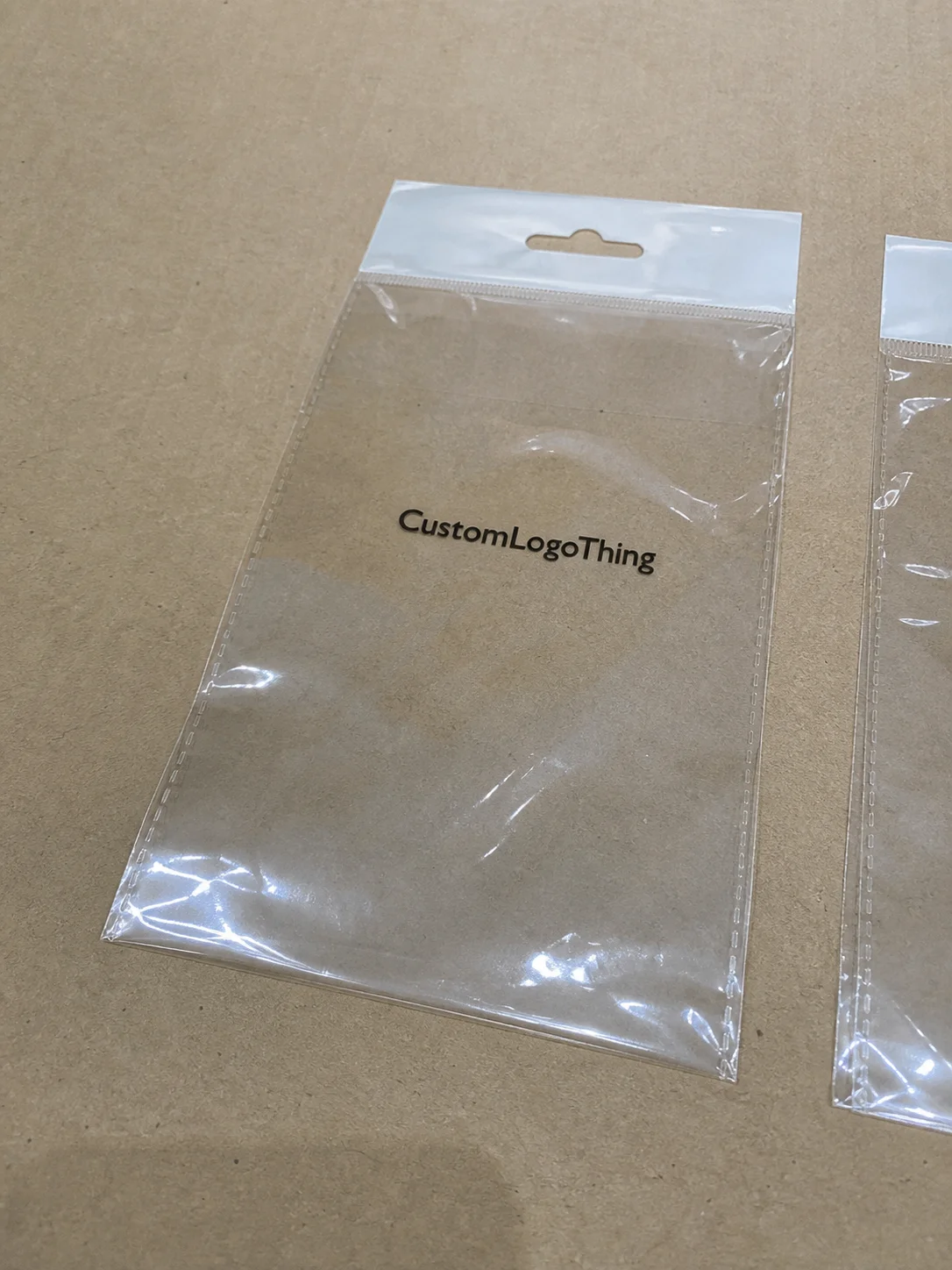
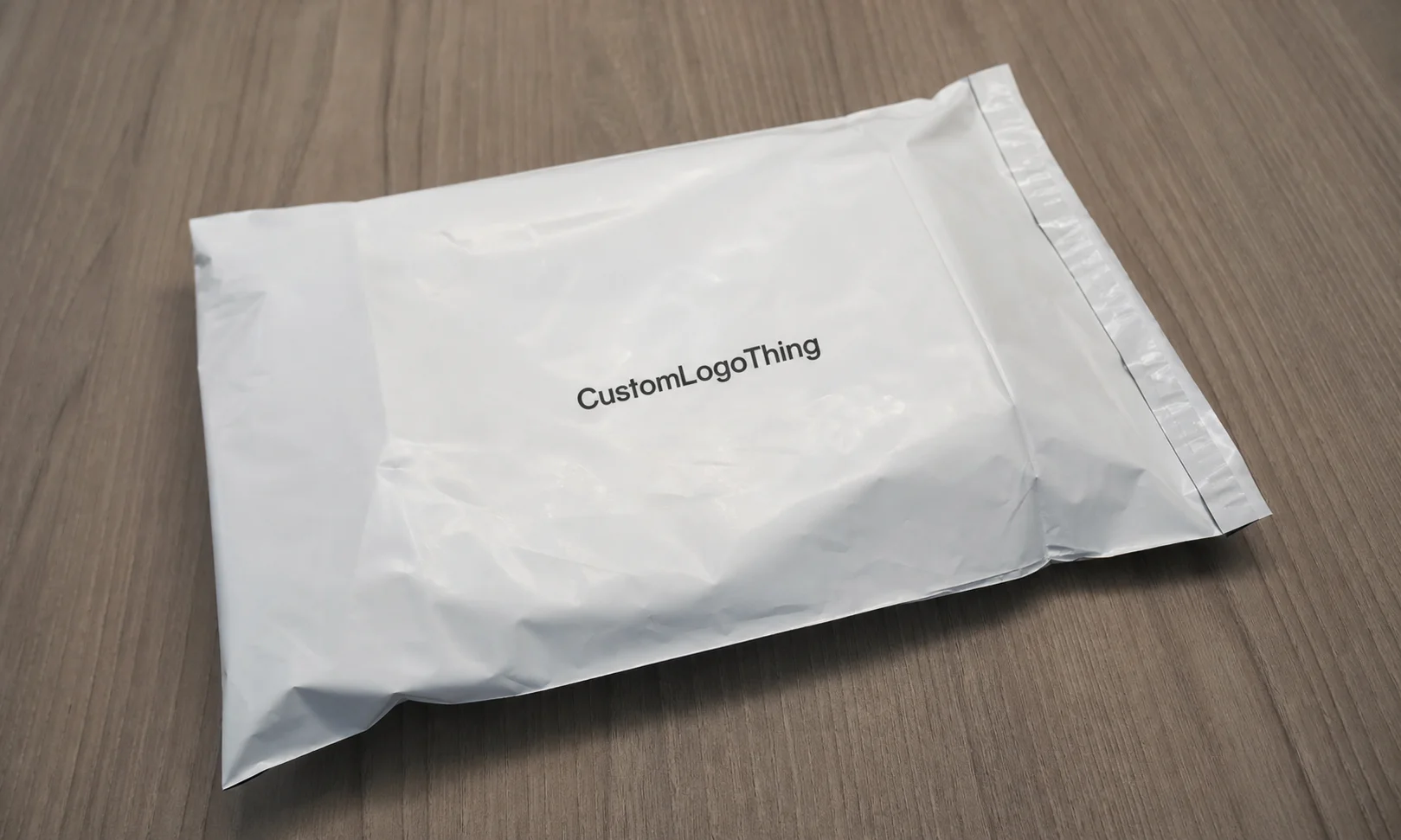
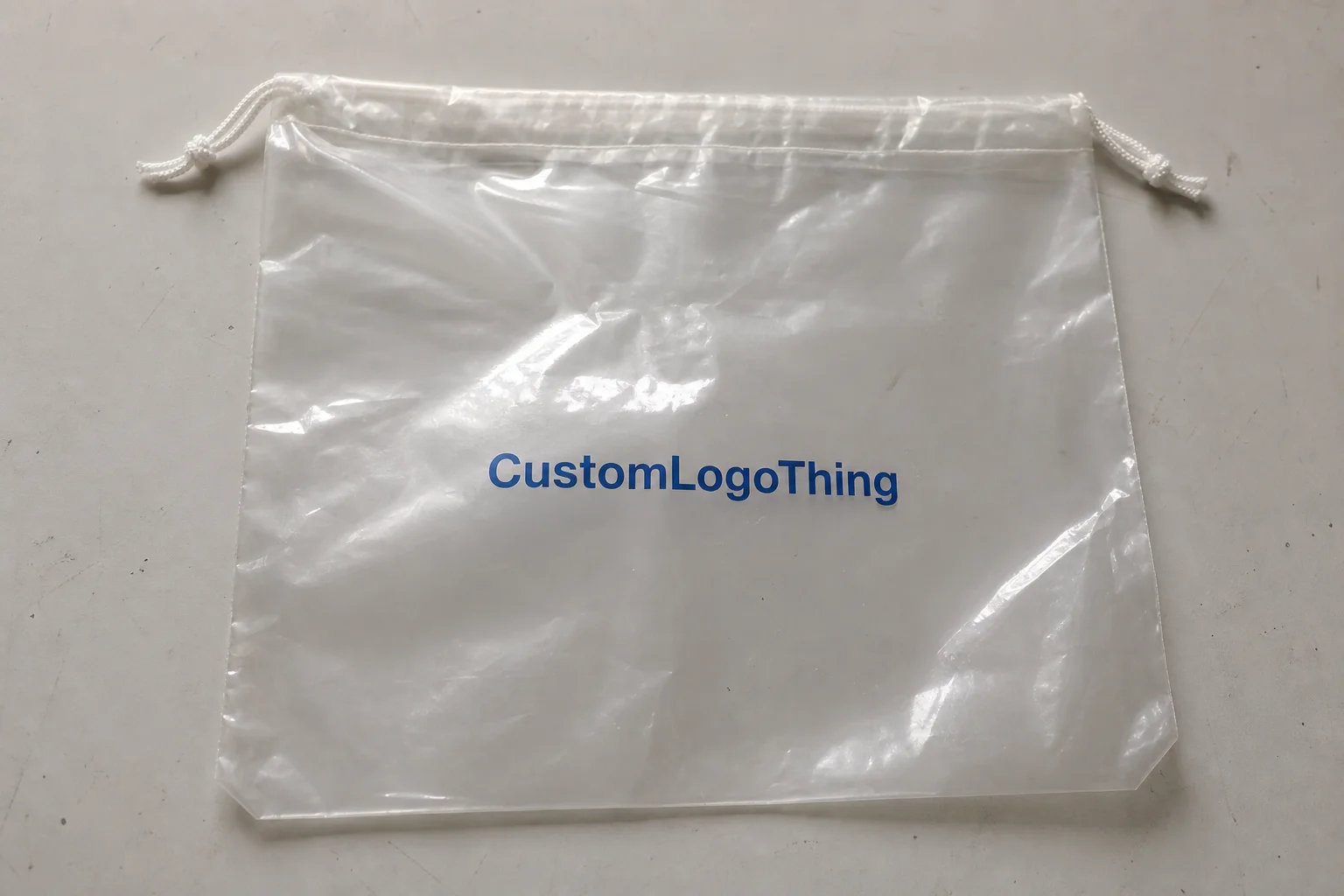
Etsy sellers understand the difference between pretty packaging and consistent presentation—branded packaging for Etsy shops means repeatable typography across mailer flaps, custom printed boxes that hit PMS 485 or PMS 187 when required, crisp printed tissue at 30 gsm, and thoughtful add-ons like vellum thank-you notes or foil-stamped stickers produced in the St. Louis foil department that reinforce your story in every layer.
Our art directors at the Smithfield Studio keep reminding new clients that packaging design must echo the product inside—soft cotton gets paired with matte lamination, structured jewelry boxes get beverage-safe inserts made with EVA foam, so when fingers touch the parcel, the product packaging narrative is already humming and our designers can point to the exact dieline measurements we used.
The best lessons come after the job ships out; I hear from Portland retailers who report that a consistent palette, tactile finish, and a note saying “Handmade in Portland, Oregon” turn a courier bag into a boutique memory, so I keep measuring send-off reactions no matter how many runs we crank through and log the feedback in our CRM within 24 hours.
You know those days when a customer wants a rush job, but every sample proves their size requirements are off? I flirty but firmly remind them that branded packaging for Etsy shops is not a slapdash sticker on a $0.30 poly mailer—it’s an experience, and experience takes planning. When the mood is tense, I start talking about the smell of fresh ink from the Cincinnati pressroom and that usually breaks the spell (or at least distracts them long enough to accept my revision timeline of 12–15 business days from proof approval).
How Branded Packaging for Etsy Shops Works on the Factory Floor
The Custom Logo Things converting line starts with a design review beside the Smithfield Studio art desk, where Pantone swatches sit next to client inspiration photos, then moves toward dieline creation with Maya on the CAD team double-checking tolerances to the 1/16th of an inch before the Koenig & Bauer die-cutter in Cincinnati lays a blade to paper and the blade set costs roughly $45 per make-ready.
Translating Etsy shop branding into print-ready files means balancing Pantone matches like PMS 186 C for a vivid red and economical CMYK gradients so an Etsy ceramicist’s glaze stays consistent without adding extra press passes, keeping the quote manageable for a 500-unit run while respecting their decision to pair Pantone with a 1/4-inch bleed.
The Portsmouth pressroom handles up to five die runs per shift, tracking ink densities with the Heidelberg D20’s spectrophotometer, while operators verify that branding elements such as foil lines and embossed logos land within 0.5 mm of the dieline; that level of detail keeps packaging uniform whether it’s a 12” x 9” mailer or a rigid clamshell running on 24-point SBS board.
From quote request to delivery, the timing is predictable: 3–5 days for dieline approvals, 5–7 days for plates and printing, another 2–4 days for finishing, and 2–3 days for freight pickup—so Etsy sellers can schedule new inserts or thank-you cards without derailing their shipping cadence. When we factor in rush add-ons, the full commitment becomes 12–15 business days from proof approval to palletized shipment from the Manchester, New Hampshire warehouse.
When we convert those files, we tap into the Ohio folding-gluing hall where the folder-gluer crew runs the 5500 series machine at 60 feet per minute; a crowded shift can handle 6,000 mailers per hour, which keeps production on track for mid-sized Etsy shops that move about 150 packages a week and order bulk runs every four weeks.
We keep testing with ISTA procedures—specifically ISTA 6-Amazon for parcels—to ensure branded packaging for Etsy shops survives postal handling, because those shock tests, vibration tables, and top-load trials in our Columbus lab show us where to add E-flute corrugated or custom-cut foam for fragile pottery.
Key Factors to Tailor Branded Packaging for Etsy Shops
Choosing the right substrate begins with the product: recycled kraft at 210 gsm works beautifully for eco-minded soap makers, 24 pt SBS board is ideal for structured gift boxes that need sharp creases, and corrugated flutes such as B or C protect heavier ceramics or small artisanal burners, so we pair substrate with both aesthetic and structural needs and specify the exact flute height per SKU.
Finishing makes the couture moment tangible: soft-touch lamination and a spot gloss accent can mimic velvet, aqueous coatings keep things sustainable, and strategic foil stamping—handled through our St. Louis foil department using 25-micron brass dies—adds a metallic highlight on the brand mark without demanding extra press passes.
Embellishments like embossing on the closure tab or a raised logo on the tuck-end mailer catch someone’s touch before they even open the box, and the finishing room holds emboss depth to 0.010 inches so the paper does not tear during folding while staying within the die’s tolerance.
Functional decisions matter too: tear strips open cleanly at the perforation, keeping size tolerance within 1/8 inch prevents the mailer from rattling, and eco-conscious adhesives such as EcoGrip water-based glue keep the entire package recyclable for shoppers focused on sustainability.
Packaging should balance look, protection, and the unboxing theater shoppers expect; our recommendation is often a rigid slipcase for jewelry, printed tissue, and a thank-you card held with a branded belly band, which our Ohio finishing team assembles in 90 seconds per set during fulfillment runs that usually handle 400 sets per afternoon shift.
(Side note: when the finishing team starts humming, you know the pressroom is firing on all cylinders—and that is when I remind myself to breathe before I go in with another last-minute ask, which I usually log into the operations board to avoid disrupting the 11:00 a.m. quality check.)
Why Should Etsy Sellers Invest in Branded Packaging for Etsy Shops?
Because the moment an Etsy customer lifts a parcel, they either feel personal attention or they feel like they bought the last-minute impulse from a plaza kiosk. I’ve seen that shift happen a hundred times on the facility floor—one whispered revision to the sleeve or call-out copy, and branded packaging for Etsy shops transforms a standard courier bag into a story they want to retell online.
Talk of this being “just packaging” gets me laughing, so I break it down: custom mailer branding, when paired with a thank-you card, reminds buyers they are dealing with someone selective about every tactile detail. We also recommend personalized Packaging Solutions That keep core specs steady so I’m not re-quoting every season, yet the inserts can change from botanical soaps to winter scarves without cluttering the workflow.
That premium unboxing experience is not reserved for big-box budgets either—it’s just disciplined planning, clear dielines, and a finishing crew that knows where to place ribbon tabs. I track the reactions, log the comments about the weight of the paper, and, yes, I mention macro data back to the Etsy seller so they can see how a simple sleeve upgrade boosted conversion on their store page.
Step-by-Step Guide to Spec’ing and Ordering Branded Packaging for Etsy Shops
Measure every SKU dimension you plan to ship—width, depth, height, and weight—while noting how multiple items nest, because those figures go straight to our dieline team and determine whether you need a mailer, pillow box, or two-piece rigid design with 1/4-inch glue tabs.
Decide what packaging style suits the product—mailers for soft goods, full-size boxes for candles—and gather logos and vector art, ideally saved as .ai or .pdf with outlined type, so our Cincinnati mock-up lab can create a precision prototype without redrawing anything and you don’t end up paying the extra $45 for art re-creation.
Create a design brief that covers color standards (like PMS 7603 for your coral tone), any copy for thank-you inserts, and messaging for seasonal promotions, then send it to the art directors who craft digital proofs showing dieline placement, color callouts, and finishing notes so you know exactly how the final suite will look before we move to press.
Schedule tactile evaluations by requesting samples from the mock-up lab, which turns around physical mock-ups complete with adhesives and coatings within 3–4 days so you can verify fit and finish before committing to a 1,000-unit press run or increasing quantity for trade shows in Chicago.
The full timeline looks like this: internal creative review takes 1–2 days, prototyping 3–4 days, production 5–7 days, and shipping 2–3 days within the continental U.S., so align orders with your Etsy shop peaks—Valentine candles in February or holiday ornaments in November—to avoid stress and keep the warehouse schedule balanced.
I keep a mental notebook (and a literal one, with coffee rings and sticky notes) that tracks these steps; the day I skip any of them, the mailers come back with crease marks in the wrong place and I have to explain to a frantic shop owner why her customers got half-opened boxes. Trust me, paperwork saves relationships, and it saves the $300 we would spend on rush reprints.
Cost and Pricing Considerations for Branded Packaging for Etsy Shops
Tooling costs hinge on substrate price per sheet: a 24” x 36” sheet of SBS board runs about $0.60 while kraft board sits near $0.45, and every press run includes ink coverage, lamination, and cutting time, all of which scale with quantity, so a 1,000-unit minimum lets us amortize the $180 die cost.
Finishing adds another layer of cost: soft-touch lamination tacks on around $0.08 per mailer, aqueous coating $0.04, and foil stamping $0.12 when spread across 1,000 units, yet these touches boost the perceived value for your Etsy shoppers because they create that tactile difference people associate with premium goods.
Fulfillment is optional but helpful; if you want us to insert thank-you cards or stickers, our finishing team charges roughly $0.20 per unit for assembly, keeping labor costs predictable so you can plan margins more accurately and avoid stacking those tasks on your own weekend hustle.
| Packaging Option | Per Unit Price (1,000 units) | Finish Notes | Perceived Value Impact |
|---|---|---|---|
| Custom printed mailer w/ matte lamination | $1.25 | Flat colors, matte lamination, no embellishments | Clean, modern, great for apparel |
| Two-piece rigid box with soft-touch and foil | $2.85 | Foil logo, soft-touch wrap, printed interior | Luxury appeal for jewelry |
| Rigid box + thank-you card + sticker bundle | $3.40 | Includes insert and assembly | Curated unboxing experience |
Manage tooling costs by starting with runs of 500–1,000 units, and as budgets grow, bundle packaging components so a box, card, and sticker share the same shipping layer, which spreads tooling dollars while strengthening the brand story for each shipped parcel.
Match reorder quantities to your Etsy shop’s weekly shipping cadence—say 200 mailers a week—so you avoid storing pallets in a garage; several clients commit to monthly replenishment to keep warehouse fees low and keep packaging aligned with fresh merchandising in places like Nashville and Austin.
Honestly, I think that every time we talk about costs, the biggest variable is reaction time: if a seller pauses because the price is slightly higher, I remind them that packaging has to feel like their product did a glow-up. The moment a customer gasps when a box arrives, that extra eight cents on lamination stops mattering, and the follow-up reviews on Etsy reflect that $0.08 decision.
Common Mistakes Etsy Sellers Make with Branded Packaging for Etsy Shops
Many shops grab generic packaging because it’s easy, and they forget that even a simple branded sticker or insert can elevate the experience—don’t skip these details; tactile touches like a die-cut thank-you card measuring 3.5” x 2.5” remind customers you are not just shipping an item, you are delivering a story.
Size tolerance errors occur when packaging is oversized, which boosts shipping costs, or undersized, which squeezes the product; double-check dimensions with a sample from our dieline team, because a 0.25-inch variance can mean the difference between a snug fit and swollen corners in postal sorting machines in New England.
Design overcomplication is another trap—intricate gradients, multiple foil colors, or detailed illustrations might look great on screen but extend lead times and costs; staying cohesive with standard palettes and finishing options lets your project stay within a 5–7 day production window without sacrificing quality.
I keep saying the same thing: don’t reinvent the wheel every season; choose a base look for your branded packaging for Etsy shops and rotate inserts or bands so we’re not re-tooling in the pressroom every month, which also keeps pricing steady and avoids the $350 re-tooling fee that drains your marketing dollars.
Also, if I see another Etsy seller treat packaging like a receipt envelope, I will bring out the bristled swabs and proof sheets myself—packaging is the first handshake, and frankly, I expect a firm grip before it leaves the Cincinnati loading dock.
Expert Tips from the Factory for Branded Packaging for Etsy Shops
Working with converters means picking a finishing partner early—our recommendation is to commit to the St. Louis foil department for foil runs, which keeps communication clear instead of juggling multiple vendors, so foil dies, embossing plates, and adhesives all line up without triggering extra proofing rounds.
Think in systems: pair one consistent mailer look with seasonally updated inserts rather than redesigning everything each time; this keeps fulfillment predictable, lowers waste, and streamlines quality control because the mailer specs stay the same even when contents change from spring aprons to winter candles.
When clients ask about sustainability, I point to our Midwest recycling line that handles soy-based inks and water-based coatings, enabling us to offer recycled kraft or FSC-certified board sourced from Minnesota suppliers—details worth highlighting on Etsy product pages and packaging to show real eco commitment.
Most people fixate on the exterior, but the interior matters too—adding a belly band or wrap-around sleeve that carries a product story gives you a premium moment; our finishing room slips that element into place in less than 45 seconds once the box is formed, so you get a luxe unboxing without blowing the budget.
If you ever need proof the interior matters, watch me argue with a client over whether their thank-you card should face up or down. Spoiler: it should face up so the message is visible the moment the box slides out of the mailer.
Action Plan: Next Steps to Implement Branded Packaging for Etsy Shops
Audit your current packaging stack today: measure every open box, note issues like ink smudging or weak adhesive, take detailed photos of your shipments, and share that pack-out intel with the Custom Logo Things design team so we see the real-world challenges before we quote a rush 12–15 business day run.
Gather logo files, define your brand voice for inserts, request a pricing march from sales, and schedule a sample run; the tactile experience from that mock-up proves whether a tuck-end or rigid box fits your SKU lineup better and keeps the decision tied to real metrics instead of speculation.
Pace orders so they match your Etsy shop peaks—build inventory in September for holiday sales—and keep the phrase branded packaging for Etsy shops front and center; it acts as both inspiration and a benchmark for your rollout, ensuring the keyword promise aligns with customer expectations as you step into the next season.
How much does branded packaging for Etsy shops typically cost?
Costs vary by material, finishing, and quantity; small runs of 500–1,000 units for custom mailers or boxes average $1.20–$2.50 per unit at Custom Logo Things, depending on substrates like 24 pt SBS or 210 gsm kraft and whether you add soft-touch lamination or foil.
Adding inserts, foil, or specialized finishes does increase tooling, but these expenses can be amortized over larger batches—boosting the per-unit price by only $0.10–$0.15 when you commit to 2,000 units.
What is the timeline for producing branded packaging for Etsy shops?
The timeline typically runs 1–3 days for proofing, 4–6 days for tooling and printing, and 2–3 days for finishing and shipping; embossing or aqueous coating may add another few days, so plan accordingly and build in the usual 12–15 business days from proof approval for guaranteed delivery.
Building in extra buffer time during Etsy holidays prevents last-minute scrambling, especially when USPS and FedEx capacity tightens in October and November.
Can I get sustainable options for branded packaging for Etsy shops?
Yes—recycled kraft, FSC-certified board, soy-based inks, and water-based coatings are processed in our eco-conscious Ohio finishing room, giving you credible sustainable options that your Etsy listings can call out with batch numbers.
Highlighting these materials on the packaging resonates with eco-minded Etsy shoppers and reinforces your brand story, particularly when you can quote the exact mill run and certificate number.
Should I order samples before committing to branded packaging for Etsy shops?
Always request samples; they confirm size, color, and finish expectations before a full production run and keep you from ordering 1,500 units of a design that doesn’t stack inside your shipping boxes.
Use samples to test how products fit, whether inserts nest properly, and to gather team feedback on the unboxing experience from every station that handles the parcel.
How can I keep branded packaging for Etsy shops manageable as my order volume grows?
Partner with a single manufacturer like Custom Logo Things to keep specs and pricing consistent as quantities rise, and lock in quarterly reviews so you can adjust reel sizes or ink coverage as demand shifts.
Plan tiered production runs—bulk order core items and refresh inserts or seasonal bands in smaller bursts to stay agile while keeping the primary mailer consistent.
For further reading on packaging standards, the ISTA site details drop tests and corner crush evaluations while the FSC certification guidelines help you back up sustainability claims—both resources complement what we deliver on the floor alongside our Custom Packaging Products and Case Studies that showcase how packaging design evolves into real customer experiences.
Honestly, I think the key is to keep the base system simple, test tactile finishes, and then let your story shine through every printed panel—this keeps the focus on branded packaging for Etsy shops as more than a buzzword, but as a measurable upgrade to your studio’s professionalism with data you can track back to production reports.
Final takeaway: audit, sample, and schedule so your next run of branded packaging for Etsy shops hits every deadline and delivers the exact moment of delight you promised in your product copy.