Buyer Fit Snapshot
| Best fit | Branded Packaging for Handmade Business projects where brand print, material claims, artwork control, MOQ, and repeat-order consistency need to be specified before quoting. |
|---|---|
| Quote inputs | Share finished size, material target, print colors, finish, packing count, annual reorder estimate, ship-to region, and any compliance wording. |
| Proofing check | Approve dieline scale, logo placement, barcode or warning zones, color tolerance, closure strength, and carton packing before bulk production. |
| Main risk | Vague material claims, crowded artwork, missing packing details, or unclear freight terms can make a low unit price expensive after revisions. |
Fast answer: Branded Packaging for Handmade Business: Material, Print, Proofing, and Reorder Risk should be specified like a repeatable production item. The safest quote records material, print method, finish, artwork proof, packing count, and reorder notes in one written spec.
Production checks before approval
Compare the actual filled-product size with the drawing, then confirm tolerance on folds, seals, hang holes, label areas, and retail display edges. Reserve space for logos, QR codes, warning copy, and material claims before decorative graphics fill the panel.
Quote comparison points
Review material grade, print process, finish, sampling route, tooling charges, carton quantity, and freight assumptions side by side. A quote is only useful when the supplier can repeat the same color, closure quality, and packing count on the next order.
Spend enough time on a packing line and you notice a strange truth: customers often decide a handmade brand feels premium before they ever touch the product. A box lands on a kitchen table in Chicago. Tissue is folded at a 45-degree angle. The logo sits centered within 3 mm. The insert card is crisp. The whole thing feels deliberate. I remember the first time I watched a buyer pick up a candle and smile before opening it. She had not smelled it yet. She had not burned it. She just liked the box. That is the power of branded Packaging for Handmade business. It shapes the first impression in a matter of seconds, sometimes faster than the product itself can speak.
At Custom Logo Things, I have seen beautiful products lose momentum because they arrived in a plain mailer with loose filler, while a simpler product in well-planned Branded Packaging for Handmade business sold at a higher perceived value. That gap is not magic. It is package branding, and it affects trust, giftability, and repeat sales in ways many makers underestimate. In one case, a soap brand from Asheville moved from plain kraft cartons to printed sleeves and saw order value rise by 14% over a 60-day sales window. Honestly, I think packaging gets treated like an afterthought far too often, which is ridiculous given how much money it can quietly make or quietly destroy.
Branded Packaging for Handmade Business: What It Really Means
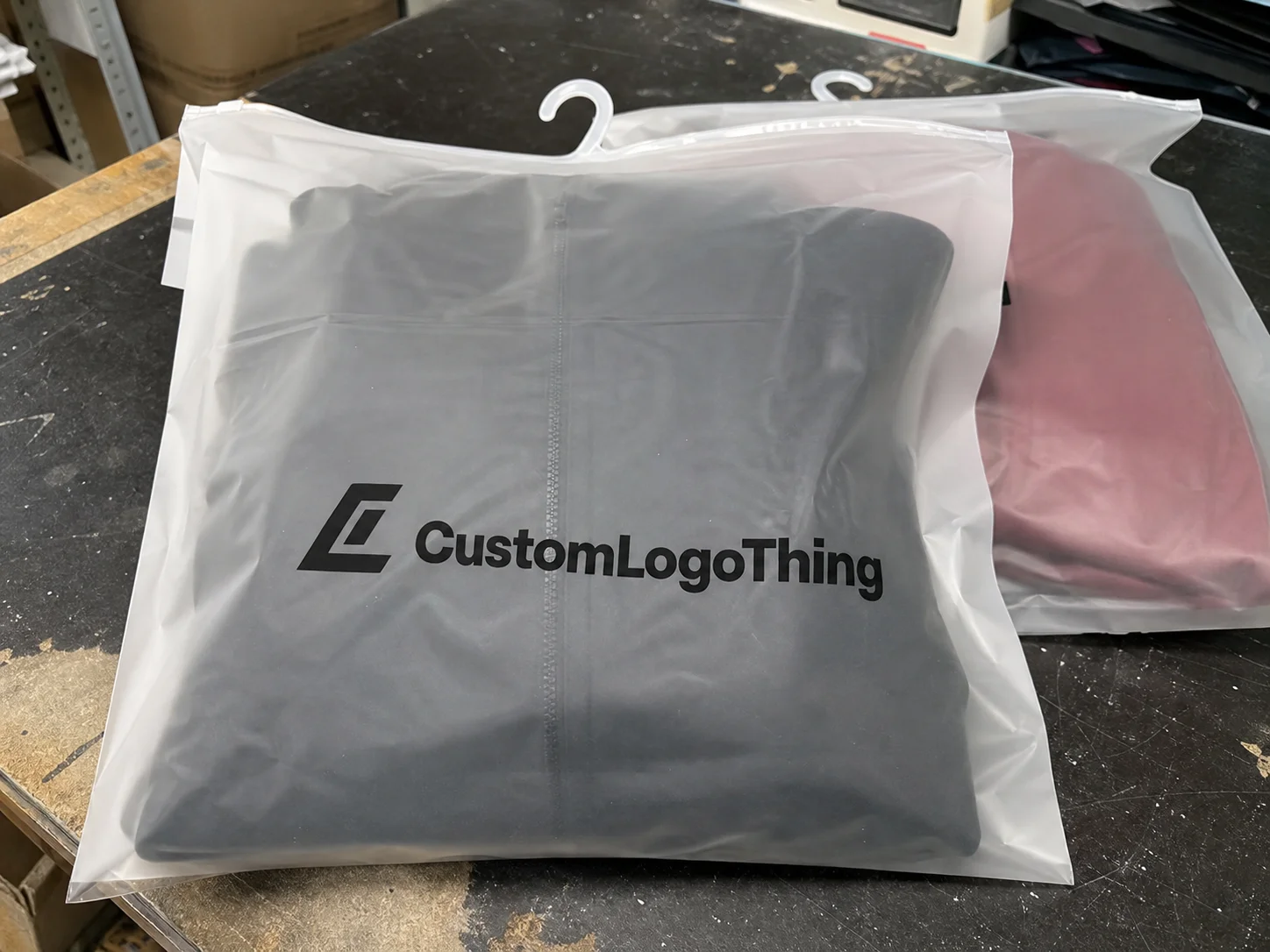
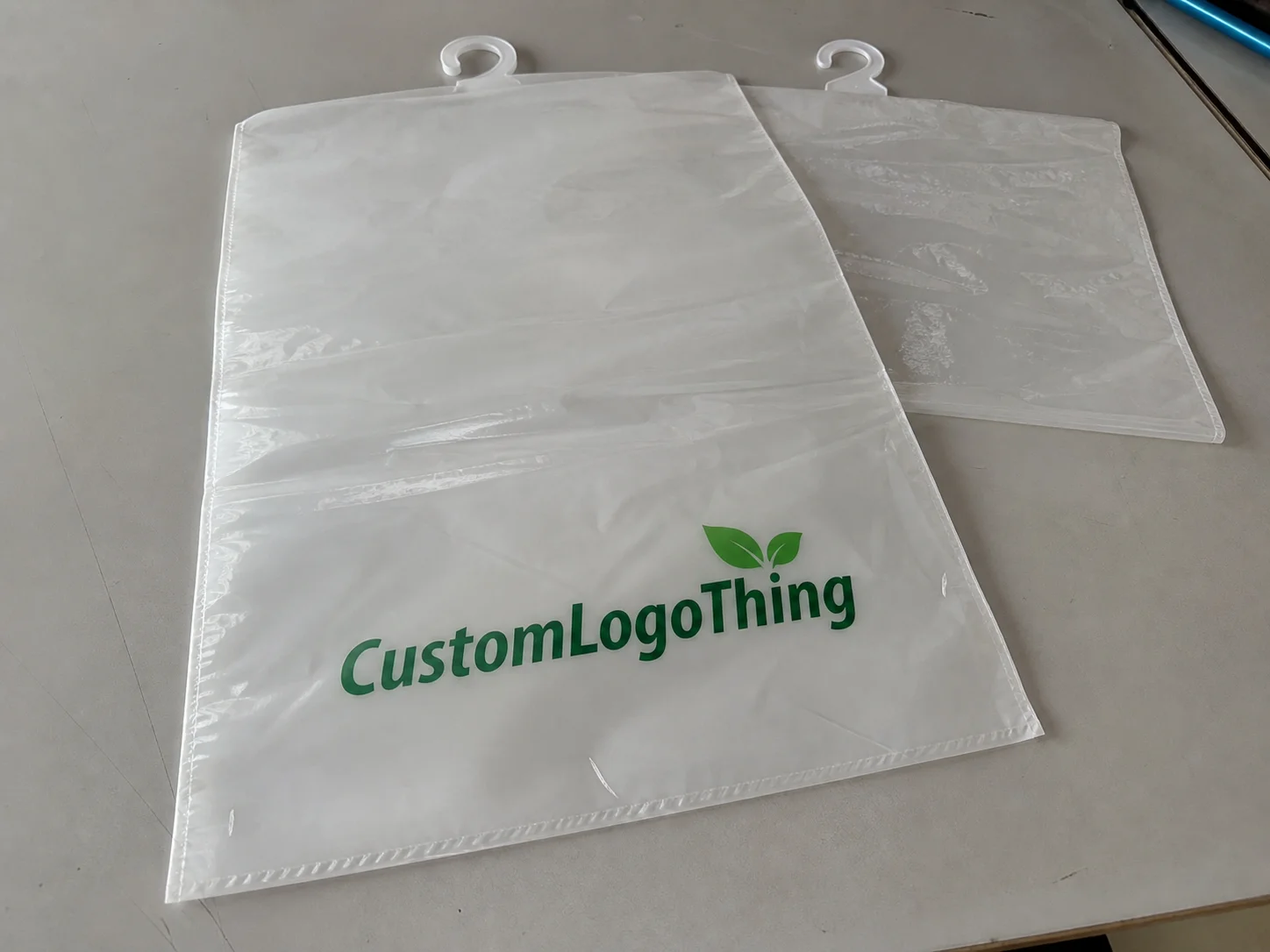
In plain English, branded Packaging for Handmade business means every packaging piece carries your visual identity and reinforces what your customer should feel about your work. Printed boxes, mailers, labels, tissue paper, stickers, sleeve wraps, belly bands, hang tags, tamper seals, and the little insert card that explains candle care or how to clean a ceramic mug all belong in that system. I like to think of it as the product’s supporting cast. The hero is still your handmade item, but the packaging should know its lines. A 2-inch logo seal on a 6 x 4 x 3 inch box can do more brand work than a paragraph of marketing copy.
For handmade sellers, that matters because the product already has a story. Someone made it by hand, likely in a small studio, kitchen, workshop, or garage setup. The packaging should translate that care into a customer experience that feels finished rather than improvised. I have worked with brands that poured 200 soy candles at a time in Nashville and packed them into plain kraft shippers; the product was good, but the presentation did not carry the same warmth. Once they added a printed sleeve, a one-color logo sticker, and a simple care card, returns stayed flat, yet repeat orders improved because the brand suddenly felt remembered. That kind of shift still surprises people, even though it really shouldn’t. A $0.14 sticker and a $0.09 insert card can change the whole signal.
There is also a practical difference between shipping protection and brand-building packaging. A kraft mailer with bubble wrap may be enough if your item is low-ticket, rugged, and headed straight into a shipping carton. If you sell giftable bath salts, artisan soap, candles, jewelry, or skincare, then Branded Packaging for Handmade business often does two jobs at once: it protects the product and tells the customer, “this is worth keeping.” That matters in handmade categories, where retention and word-of-mouth often carry more weight than a single conversion. And yes, people do keep boxes. I have seen them tucked into closets, desk drawers, and — my personal favorite — a kitchen cabinet full of “too pretty to toss” packaging that lives there for years like a tiny museum of consumer guilt.
The formats I see most often on factory floors include:
- Folding cartons for soaps, skincare jars, tea blends, and small gift items
- Corrugated mailers in E-flute or B-flute for shipping and retail-ready presentation
- Belly bands around notebooks, candles, baked goods, and bundled products
- Sleeve wraps that add branding without changing the inner container
- Hang tags for retail displays, markets, and craft fairs
- Tamper seals for cosmetics, balms, and food-adjacent handmade goods
Many makers overcomplicate the decision. You do not always need a fully custom rigid box to have strong Branded Packaging for Handmade Business. A smart mix of standard stock plus one or two printed components can create better product packaging than an expensive box that looks impressive in a mockup but does not fit the product flow. I have watched people spend like they were launching a luxury watch brand for a lavender soap bar. The box looked fabulous. The margins? Less fabulous. A 350gsm C1S artboard carton with one-color print and a die-cut insert often does the job for a fraction of the cost.
How Branded Packaging for Handmade Business Works
The packaging journey starts with measurements, not artwork. I learned that the hard way years ago while visiting a folding carton line outside Dongguan, where a customer’s soap bars were measured without accounting for the shrink-wrap around each bar. The result was a carton that looked fine on paper but pinched the product at the corner, which added 8% waste because the crew had to rework every stack. That is why the first step in branded Packaging for Handmade business is always product sizing, weight, and shipping method. It sounds unglamorous. It is. It also saves money, which has a funny way of becoming glamorous very quickly. In practical terms, you want finished samples measured to within 1 to 2 mm before the dieline is approved.
From there, the structure gets chosen. A lightweight ceramic soap dish may need a folding carton with a tuck-end and a pulp or paperboard insert. A candle jar may need an E-flute mailer with a snug die-cut cavity. A jewelry set might fit beautifully in a compact rigid setup or a small printed sleeve over a stock box. Once the structure is defined, the dieline is prepared. That flat template shows folds, glue areas, bleed, and safety zones. If the dieline is wrong by even 2 to 3 mm, artwork can shift, logos can land too close to a fold, and the final package starts looking careless. I have seen a gorgeous logo end up sliced by a fold line, and nobody in the room laughed harder than the packaging engineer. Except maybe me. Nervous laughter counts, right?
Artwork setup comes next. This is where CMYK color management matters, especially if your logo has specific brand colors. A deep sage green that looks perfect on screen can print muddy if the paper stock absorbs ink differently than expected. On press, I have seen soft-touch lamination mute colors slightly, while a glossy aqueous coating keeps them brighter but changes how fingerprints show up. That is not a problem if you plan for it, but it becomes one when the first test run is a surprise. I still remember a client who said, “Why does my blush pink look like it spent the afternoon in a tax office?” Fair question. Wrong finish, wrong stock, wrong mood. On a Heidelberg press in Greenville, a matte varnish on recycled board can shift a Pantone 7421 C by a visible half-step.
Production methods also shape how branded Packaging for Handmade business gets made:
- Offset printing is ideal for color consistency, crisp type, and larger quantities. It is common for custom printed boxes where brand color must stay stable across a long run.
- Digital printing works well for smaller orders, faster turnarounds, and variable artwork. It fits well when you want to test packaging without committing to a massive quantity.
- Flexographic printing is efficient for simple repeat designs, especially on corrugated board, kraft mailers, and labels with fewer color demands.
Materials and finishes are where the package starts to feel like a brand asset instead of a shipping container. On real factory floors, I regularly see SBS paperboard for crisp retail cartons, kraft board for a natural handmade feel, and corrugated E-flute for protection with a cleaner profile than bulky shipping boxes. Finishes like soft-touch lamination, aqueous coating, foil stamping, and spot UV can lift presentation, but each one adds cost, setup complexity, or both. My opinion? Use them like seasoning, not soup. A little can be lovely. Too much and suddenly the package feels like it has been dressed for a red carpet it never asked for. In Shenzhen and Suzhou, the difference between a matte aqueous finish and a UV flood can be just $0.03 to $0.07 per unit at 5,000 pieces, yet that small choice changes the tactile feel completely.
Internal components matter just as much as the outside. Inserts, dividers, paper cradles, and molded supports keep fragile items from moving in transit. For candles, a paperboard insert can stop wick damage. For glass skincare bottles, a snug corrugated divider reduces rubbing. For jewelry, a foam-free paper insert can still give structure without making the package feel industrial. I have seen fragile handmade products survive three carrier handoffs because the insert was engineered properly and tested under standard shipping stress, not merely hand-carried across an office. That is the difference between looking protected and actually being protected. A 3 mm paperboard insert can outperform a prettier but looser 6 mm cavity every time.
There are standards worth understanding, too. ISTA transit testing helps confirm whether a package can handle drops, vibration, and compression during normal shipping, and the ISTA site is a good place to learn more. For sustainability claims, the FSC chain-of-custody framework matters if you want responsibly sourced paperboard. For waste reduction, the EPA has useful guidance on packaging and materials management at epa.gov. If your brand ships from Portland, Austin, or Brooklyn, those certifications can also help with wholesale conversations because buyers tend to ask harder questions than direct-to-consumer shoppers.
To keep things practical, here is a simple comparison of common options for branded packaging for handmade business:
| Packaging option | Best for | Typical starting price | Notes |
|---|---|---|---|
| Printed labels on stock mailers | Low-risk products, starter brands | $0.05–$0.12/unit | Fast, flexible, and budget-friendly |
| Belly bands or sleeves | Soap bars, candles, baked goods, bundles | $0.08–$0.20/unit | Strong branding with low material use |
| Custom printed folding cartons | Skincare, gifts, retail display | $0.18–$0.55/unit | Better shelf presence and giftability |
| Corrugated mailers with print | Fragile shipping, direct-to-consumer | $0.35–$1.10/unit | Protective, brand-forward, and durable |
| Custom inserts and dividers | Glass, ceramics, multi-item kits | $0.10–$0.75/unit | Often required to reduce movement and breakage |
One more thing: prototypes save money. I have watched customers approve artwork from a PDF and then discover, too late, that the shade on the printed lid was 12% darker than expected. A press proof or sample run gives you a chance to catch those issues before committing to thousands of units. That is especially true for branded packaging for handmade business, where smaller budgets make mistakes harder to absorb. And if you have ever had to explain a reprint to someone who thought “it’ll probably be fine,” well, you know the special headache I mean. In most factories, a pre-production sample can be ready in 3 to 7 business days if no tooling changes are required.
What Is Branded Packaging for Handmade Business?
Branded packaging for handmade business is the mix of visual identity, protective structure, and customer-facing details that make a handmade product feel complete. It is not just a box. It is the label, the sleeve, the carton, the tissue, the sticker seal, and even the insert card that explains care or usage. For a small maker, that combination can do a remarkable amount of work. A plain soap bar in a basic mailer says “product.” A soap bar in a coordinated carton with a care card says “brand.” That difference affects price perception almost immediately.
For most makers, the question is not whether to use packaging. The question is how far the packaging should go. A new jewelry seller may only need a printed insert and a branded mailer. A skincare brand preparing for wholesale may need fully printed folding cartons with ingredient panels and barcode placement. A candle maker who sells both online and at markets may use a sleeve for shelf impact and a corrugated shipper for transit. The smartest system is the one that fits the product, the channel, and the margin.
That is why branded packaging for handmade business works best when it follows the product’s use case. Fragile products need inserts. Giftable products need presentation. High-repeat items need efficient reordering. Seasonal items need faster turnaround. The packaging should support those realities instead of fighting them. If it does not, you end up paying for features that look good in a mockup but do nothing once the order hits the packing table.
Key Factors That Shape a Handmade Brand Package
The best branded packaging for handmade business starts with product fit. Dimensions, weight, fragility, and shipping method decide what structure makes sense. A 4 oz candle shipped in a padded mailer behaves very differently from a 16 oz amber glass bottle shipped by itself, and if you treat them the same, breakage or wasted space usually follows. I have seen brands spend money on fancy print only to lose margin because the box was oversized and required extra void fill on every order. That is the kind of math nobody wants to do twice. Even a 5 mm change in bottle shoulder height can alter the carton you need.
Brand identity comes next. Packaging design should feel like an extension of the maker’s hand, not a generic template. Your palette, typography, logo placement, and texture should support the same story customers get from the product itself. If your brand voice is earthy and tactile, a matte kraft structure with one-color ink may be stronger than a full flood of bright inks. If your handmade line is more modern and gift-focused, then a white SBS carton with spot UV on the logo can lift the perceived value quickly. Honestly, I think too many brands copy what looks expensive instead of asking what looks right for their own story. A small studio in Portland may be better served by a 2-color print on recycled board than a faux-luxury black box.
Sustainability is another major factor, and it is one that customers notice in the first two seconds. Recyclable paperboard, soy-based inks, right-sized packaging, and minimal filler all help reduce waste without making the package feel cheap. The greenest box is often the one that uses the least material while still passing shipping tests. That is a practical view, not a slogan. It also keeps your recycling bin from becoming a tragic monument to overpacking. A 0.8 oz reduction in filler per shipment sounds tiny until you multiply it by 4,000 orders in a quarter.
There is also the money side, and this is where many handmade sellers get caught. Material choice, print coverage, special finishes, tooling, die-cut complexity, and order quantity all affect unit cost. A two-color box with a simple die can be very manageable. Add foil stamping, embossing, a custom insert, and a special coating, and the price climbs fast. That does not mean you should avoid those features; it means you should use them where they genuinely help sales or reduce damage. I always tell people: if the finish is just there to impress other packaging nerds, maybe save the money and buy more inventory instead. A hot-foil logo on a $22 candle can make sense; a full foil flood on a $6 soap bar usually does not.
Customer experience is the final piece, and in my experience it is often the most underestimated. A good package should open well, store well, photograph well, and feel good in the hand. It should look good on a kitchen counter, a boutique shelf, or an Instagram reel. That matters because branded packaging for handmade business is often shared socially, especially when the unboxing reveals a handwritten note, a care card, or tissue paper that matches the logo. The package becomes part of the story. Sometimes it is the part people photograph first. A customer in Seattle may post the box before the soap, and that photo can generate more traffic than a paid ad.
What a customer actually notices
Most people do not inspect a package the way a packaging engineer does. They notice the first 3 seconds: whether the box closes cleanly, whether the print looks intentional, and whether the item feels gift-ready. If the package is sloppy, even a beautiful handmade item can feel less trustworthy. If it is tight, tidy, and well branded, the product almost gets a head start before it is opened. A clean edge, a centered seal, and a snug lid can outperform a more expensive finish that feels fussy.
Cost and Pricing for Branded Packaging for Handmade Business
Let’s talk money plainly, because that is what most makers want to know first. The cost of branded packaging for handmade business usually has two buckets: one-time setup costs and ongoing unit costs. Setup can include dieline preparation, plate charges, die-cut tooling, sample production, and proofing. Ongoing costs cover the actual printed boxes, labels, inserts, tissue, or mailers you reorder. If the invoice makes your eye twitch a little, you are not alone. A custom die can run $120 to $450 depending on complexity, and plate charges for offset jobs can add another $75 to $180 per color.
Small batches almost always cost more per piece. That is normal. A 1,000-piece run has to absorb the same press setup, color adjustment, and finishing prep that a 10,000-piece run does, so the unit price starts higher. I have had clients at a small soap company in Ohio push back on this, and I understood why, but once we compared the numbers side by side, the economics made sense. Their 1,000-unit carton cost $0.42 each, while the 5,000-unit carton dropped to $0.24 each because the setup was spread out. Same structure, same inks, better unit economics. That kind of drop can be the difference between “maybe next year” and “we can actually do this now.”
Here is a practical pricing snapshot for common handmade packaging scenarios:
| Packaging type | Approx. MOQ | Typical unit cost | Best use case |
|---|---|---|---|
| Printed label on stock box | 500–1,000 | $0.05–$0.15 | Starter branding, seasonal testing |
| Custom sleeve | 1,000–3,000 | $0.10–$0.28 | Gift sets, candles, soaps, bundles |
| Folding carton | 2,000–5,000 | $0.18–$0.55 | Retail packaging, skincare, artisan goods |
| Printed corrugated mailer | 1,000–3,000 | $0.35–$1.10 | Fragile shipping and premium unboxing |
| Custom insert set | 1,000–5,000 | $0.10–$0.75 | Glass, ceramics, kits, multi-piece sets |
There are good ways to stay budget-conscious without making the package feel cheap. A one-color kraft box can look terrific with a strong logo and a clean layout. Labels can do more work than people think, especially if you use them on stock mailers or glass jars. A belly band can turn a plain carton into branded packaging for handmade business without forcing you into a custom box structure right away. That is often the smartest route for makers who are still testing product-market fit. In many cases, a $0.12 printed label and a $0.18 belly band outperform a $0.65 fully custom carton for the first sales cycle.
Where should you spend more? I usually recommend investing a little extra when the product is fragile, gift-priced, or repeatedly shipped to premium customers. If a candle sells for $38 and the packaging lifts perceived value by $8 to $10, spending an extra $0.22 per unit on a better carton may be a strong trade. If your product is already low-margin, then focus on right-sizing, simpler print coverage, and fewer finishing effects. A 5,000-piece run from a factory in Xiamen or Guangzhou can often bring the carton price down by 25% to 40% compared with a tiny domestic run, but freight and lead time need to be part of the math.
One client in the Midwest sold handmade bath products at local markets, and she was convinced foil stamping was the only way to look premium. We tested a foil version against a well-designed matte carton with a single spot-color logo, and the simpler version actually won with her customers because it felt calmer and more handmade. That lesson keeps repeating itself: branded packaging for handmade business works best when it supports the product instead of trying to overshadow it. The box should not strut into the room before the soap does. In her case, the matte carton came in at $0.29 per unit at 3,000 pieces, while the foil version was $0.48 per unit.
Step-by-Step Process and Timeline
The workflow for branded packaging for handmade business is straightforward, but only if you respect the order. First, define your goals. Are you trying to improve unboxing, protect fragile goods, increase perceived value, or prepare for wholesale? Then measure the product carefully, including any shrink-wrap, closures, pumps, labels, or inserts that change the footprint. I always tell clients to measure three finished samples, not one, because handmade items often vary by a few millimeters. That tiny variation becomes a very annoying problem once thousands of boxes are on the way. A soap bar that ranges from 2.98 inches to 3.06 inches wide can change the whole carton spec.
- Define the packaging goal — protection, branding, shelf appeal, or gifting.
- Measure the finished product — width, depth, height, and weight.
- Choose the structure — mailer, carton, sleeve, insert, or label system.
- Prepare the dieline — folds, bleed, glue flap, and safe artwork zones.
- Build the artwork — logo, copy, icons, ingredients, and regulatory details.
- Review proof files — check type size, color build, and placement.
- Approve samples or prototypes — test fit, strength, and appearance.
- Produce and inspect — confirm print quality and packing consistency.
- Ship and receive — check cartons on arrival for transit damage.
Timeline depends on complexity. Simple label-based packaging can move in as little as 7 to 12 business days once artwork is ready. A custom printed folding carton with standard finishing may take 12 to 18 business days from proof approval. Add custom inserts, foil stamping, embossing, or new tooling, and you may be looking at 20 to 30 business days or more. That is not slow; it is normal production when multiple departments need to touch the job. It is also why last-minute holiday packaging requests make production managers develop that thousand-yard stare. In a plant outside Ho Chi Minh City, a carton job with no tooling changes might leave the press in 10 business days, while an embossed sleeve order from a supplier in Dongguan can take 15 to 20 business days after proof sign-off.
Design readiness matters a lot. If your logo is still being revised, or if the ingredients panel needs legal review, the schedule stretches. If you send a clean vector file, clear Pantone references, and final copy on day one, things move faster. I have seen a customer cut nearly a week from their timetable simply because they answered proof questions within two hours instead of two days. Small response times matter. A complete file set in AI, PDF, and outlined fonts can shave 2 to 4 business days off back-and-forth.
Seasonal planning is another place where handmade brands can get into trouble. If you sell holiday gift sets, you should be planning branded packaging for handmade business well before the rush. Packaging should arrive before the first product batch hits the shelf, not after orders start stacking in a hallway. That means building the packaging calendar around wholesale deadlines, craft fairs, peak shopping periods, and inventory replenishment cycles. For a November launch, many brands begin artwork in July and place production orders by early September.
For many of the brands I have advised, the best practice has been to treat packaging like inventory, not a last-minute accessory. A finished carton sitting in a warehouse may not feel exciting, but it keeps the business steady when sales spike. That alone is worth real money. A 6,000-piece stock run stored in a dry facility in Atlanta or Dallas can cover a season that would otherwise collapse under rush fees and emergency freight charges.
Common Mistakes Handmade Brands Make With Packaging
The first mistake is choosing packaging before measuring the product. It sounds basic, but it happens constantly. A seller falls in love with a box style, then discovers the jar lid is too tall, the soap bar is too wide, or the insert leaves a 4 mm gap that causes movement in transit. Loose fit means more filler, more damage risk, and less polish. It also means more swearing in the back room, which is an unofficial but very real cost of poor planning. I have seen a 12 oz candle need a completely different mailer after the wick protector was added.
The second mistake is overdesigning. I understand the urge; a maker wants the package to feel special. But too many colors, too much copy, and too many effects can weaken the handmade feel and raise cost without improving sales. Simple often wins. A strong logo, a thoughtful color, and a clean layout can carry more trust than a box loaded with decoration. That is especially true for branded packaging for handmade business, where customers often want authenticity as much as polish. A single ink color on 350gsm C1S artboard can look more premium than a noisy six-color design.
Third, many brands skip shipping tests. That is risky for candles, glass bottles, bath bombs, ceramics, and delicate jewelry boxes. A package that looks perfect on a desk can fail after a 24-inch drop, a compression load, or a vibration cycle. If the item is fragile, test it in conditions that resemble the real carrier journey. A decent packaging partner should understand that. ISTA 3A-style testing, even at a basic level, can catch problems before they turn into replacement orders and refund costs.
Another issue is branding inconsistency. I have seen beautiful labels on jars, but the outer mailer looked like it belonged to a different company entirely. Different fonts, mismatched greens, and clashing message tones make the brand feel disconnected. If your packaging pieces do not speak the same visual language, the customer can sense that something is off, even if they cannot explain why. A kraft shipper from one vendor and a glossy insert card from another can feel like two businesses sharing a box.
Finally, do not ignore practical details like ingredients, barcode placement, return information, and easy-open design. Packaging that is hard to open becomes annoying very quickly. Packaging that hides necessary compliance information can create real headaches. Packaging that looks fine but is impossible to stack in storage will slow operations later. That is why I always push brands to think through the package from production table to customer shelf. A 0.5-inch lip on a carton can be the difference between neat pallet stacking and a warehouse headache.
“The package should never fight the product. If the customer notices the structure before the craft, we usually went too far.”
Expert Tips for Better Branded Packaging for Handmade Business
If you want a package that feels memorable without becoming expensive, pick one signature element and let it do the heavy lifting. That might be a color, a pattern, a logo seal, or a texture like kraft with one sharp black print. A single strong cue is easier for customers to remember than six competing ideas. In my experience, this is one of the simplest ways to strengthen package branding fast. A 1-inch foil mark in gold on a 5 x 5 inch sleeve can carry more brand memory than a full-page pattern.
I also recommend testing three levels of the unboxing experience: basic protection, gift-ready presentation, and premium limited-edition packaging. The basic version is what keeps the product safe. The gift-ready version adds tissue, a sticker, and a care card. The premium version might include a special sleeve, a foil mark, or a custom insert. Once you compare them, you will usually see that the middle option gives the best balance of cost and customer delight. It is the packaging equivalent of finding a jacket that actually fits: not too tight, not too loud, just right. In many cases, the middle version costs only $0.18 to $0.32 more per order.
Photograph prototypes in natural light before ordering the full run. Screen mockups can lie. A matte cream box might look warmer on a monitor than it does on a studio table under 5,000K lighting. I have had clients catch proportion issues this way, like a logo that sat too low on the front panel or a side panel that looked too empty in real life. A phone photo near a window can save a costly reprint. Even a $30 prototype sample can prevent a $1,500 mistake.
Functional details can also be emotional details. A thank-you card, a short note about the craft process, or a care instruction panel makes the customer feel included in the story. That matters for handmade products because the human side is part of the value. If you hand-pour soy candles in small batches, say so. If you kiln-fire ceramic pieces in short runs, mention that. Those facts make the packaging feel honest, not generic. A 25-word note printed in 7 pt type can still make someone feel like they bought from a person in Boise, not a warehouse in a far-off industrial park.
Do not be shy about asking a manufacturer for sample structures, material recommendations, and print tests tailored to your product. A good vendor should know whether 350gsm C1S paperboard makes sense, whether E-flute corrugated is the right protection layer, or whether a protective paper insert can replace foam. That is the kind of guidance that helps branded packaging for handmade business stay attractive and practical at the same time. In many factories in Shenzhen or Ningbo, a knowledgeable account manager can suggest a better box wall thickness in minutes if you send dimensions and product weight.
For reference and more product options, you can review Custom Packaging Products, and if you want to see how other makers approached their presentation, our Case Studies page is a useful place to start.
What to Do Next
Start with your top three products and write down their exact dimensions, weights, and shipping methods. That one exercise narrows your packaging options faster than almost anything else. Then choose one goal for the package: maybe it is better unboxing, maybe it is better protection, or maybe it is raising perceived value for retail and wholesale. Trying to solve every problem at once usually leads to a bloated package and a stretched budget. A 7 oz candle, a 4 oz serum, and a ceramic mug each need a different packaging answer.
Gather your brand assets next. That means logo files, color references, product photos, and a short story about the business. If you already have a style guide, even better. The cleaner the input, the smoother the packaging design process. A clear set of assets can shave days off artwork revision and get you to proofing faster. Send vector artwork, not screenshots, if you want the printer to hit the logo cleanly on the first try.
Order a sample or prototype before approving production. Test the fit. Shake the box. Drop it from a realistic height if the product is fragile. Open it the way a customer would. If the package feels too loose, too sharp, too heavy, or too costly to ship, you want to know now, not after 3,000 units have been printed. A simple transit test in your own studio can reveal more than a polished mockup ever will.
Once the packaging is approved, put it into your reorder schedule. Treat branded packaging for handmade business as part of inventory planning, not an afterthought. That discipline keeps your launches cleaner, your customer experience more consistent, and your brand easier to scale as orders grow. If your production lead time is 12 to 15 business days from proof approval, reorder before the last pallet is empty.
If you want my honest opinion, the best handmade brands do not chase the most complex packaging. They Choose the Right structure, the right print method, and the right level of finish for their products, then repeat that system with discipline. That is how branded packaging for handmade business becomes a real business asset instead of a cost line that keeps surprising you. And yes, boring spreadsheets and good packaging decisions are more related than anyone wants to admit. A clean packaging spec sheet can save a launch better than a clever tagline.
Frequently Asked Questions
What is branded packaging for handmade business, exactly?
It is the coordinated packaging system that carries your logo, colors, messaging, and protective structure. It can include boxes, mailers, labels, inserts, tissue, stickers, sleeves, and thank-you cards. The goal is to make a handmade product feel memorable, trustworthy, and ready to gift or share. In practice, that might mean a 6 x 6 x 2 inch box with a one-color logo, a printed insert, and a matching sticker seal.
How much does branded packaging for a handmade business usually cost?
Cost depends on size, material, print method, quantity, and whether you use special finishes or inserts. Smaller runs usually have a higher per-unit price, while larger orders lower the unit cost. A good way to budget is to separate one-time setup costs from ongoing per-box costs. For example, a 5,000-piece folding carton might land near $0.22 to $0.38 per unit, while a 1,000-piece version of the same structure can be closer to $0.36 to $0.60 per unit.
How long does the packaging process take from start to finish?
Timeline depends on artwork readiness, proof approvals, structure complexity, and production schedule. Simple packaging can move faster, while custom inserts, special coatings, or new tooling add time. The safest plan is to start packaging planning well before a product launch or seasonal sale. A typical run is 12 to 15 business days from proof approval for standard cartons, and 20 to 30 business days for more complex builds with foil or embossing.
What packaging works best for fragile handmade products?
Use a structure that fits snugly and adds inner protection, such as corrugated mailers, folding cartons, or custom inserts. Fragile items often need suspension, dividers, or molded support to prevent movement in transit. Always test the package with real shipping conditions before placing a full order. For glass jars and ceramics, E-flute corrugated plus a paperboard insert is often a safer starting point than a simple mailer.
Can small handmade brands afford custom packaging?
Yes, especially if they start with labels, sleeves, or limited custom print elements instead of fully custom structures. Simple designs, standard sizes, and minimal finishes can keep costs manageable. Many brands begin with a modest branded setup and expand as repeat orders and margins improve. A 1,000-piece sleeve run can be enough to test the market before moving into a full carton order at 5,000 pieces.
Final thought: the strongest branded packaging for handmade business does not have to be the flashiest, but it should be measured, tested, and aligned with what your customer values most. Get the fit right, keep the story clear, and let the package support the product instead of distracting from it. Choose one signature visual cue, validate it with a prototype, and lock the packaging into your inventory plan before the next launch. That is the kind of branded packaging for handmade business that earns repeat sales, cleaner operations, and a better-looking shelf presence over time. A box that ships safely from Dongguan, reads clearly on a retail shelf in Denver, and opens cleanly in a customer’s home has done its job three times over.