Buyer Fit Snapshot
| Best fit | Branded Packaging for Product Launches projects where brand print, material claims, artwork control, MOQ, and repeat-order consistency need to be specified before quoting. |
|---|---|
| Quote inputs | Share finished size, material target, print colors, finish, packing count, annual reorder estimate, ship-to region, and any compliance wording. |
| Proofing check | Approve dieline scale, logo placement, barcode or warning zones, color tolerance, closure strength, and carton packing before bulk production. |
| Main risk | Vague material claims, crowded artwork, missing packing details, or unclear freight terms can make a low unit price expensive after revisions. |
Fast answer: Branded Packaging for Product Launches: Material, Print, Proofing, and Reorder Risk should be specified like a repeatable production item. The safest quote records material, print method, finish, artwork proof, packing count, and reorder notes in one written spec.
Production checks before approval
Compare the actual filled-product size with the drawing, then confirm tolerance on folds, seals, hang holes, label areas, and retail display edges. Reserve space for logos, QR codes, warning copy, and material claims before decorative graphics fill the panel.
Quote comparison points
Review material grade, print process, finish, sampling route, tooling charges, carton quantity, and freight assumptions side by side. A quote is only useful when the supplier can repeat the same color, closure quality, and packing count on the next order.
On a Thursday morning in a Shenzhen packaging line, I watched a launch go sideways before the product even hit the market: the cartons were crisp, the print was sharp, but the inserts were wrong by 4 mm and the outer shipper had no brand presence at all, which meant the team had spent money on packaging that felt generic the second it landed. I still remember standing there thinking, “Well, that’s an expensive way to learn a lesson.” That is the quiet truth about branded Packaging for Product Launches—it is not decoration after the fact, it is part of the launch itself, and when it is done well, it helps a product feel intentional, protected, and worth remembering from the first touch. In that particular job, the correction would have cost less than $600 on a 3,000-unit run if it had been caught two weeks earlier.
At Custom Logo Things, I’ve seen brands win attention with a $0.22 corrugated mailer and lose it with a $9 rigid box that arrived late, so I tend to tell people the same thing every time: branded packaging for product launches has to work as a marketing asset, a protective system, and a schedule-controlled production job all at once. That sounds like a lot, because it is, but if you get the fundamentals right, the package becomes part of the story buyers, influencers, media contacts, and retail partners remember. Honestly, I think that’s the whole point. For a 2,500-unit launch kit built in Dongguan, Guangdong, the difference between “good enough” and “worth photographing” can be about $0.35 per unit in print and insert decisions.
Below, I’ll walk through what launch packaging actually does, how it is made, what drives cost, where teams make expensive mistakes, and how to plan it so the box, mailer, insert, and message all pull in the same direction. If you want to see broader format options while you plan, our Custom Packaging Products page is a useful starting point, especially if you are comparing cartons, mailers, inserts, and display-ready structures. Many teams begin with a 350gsm C1S artboard folding carton or an E-flute mailer because those formats keep freight lower than rigid board while still giving the print surface enough body for a launch-ready look.
Branded Packaging for Product Launches: What It Is and Why It Matters
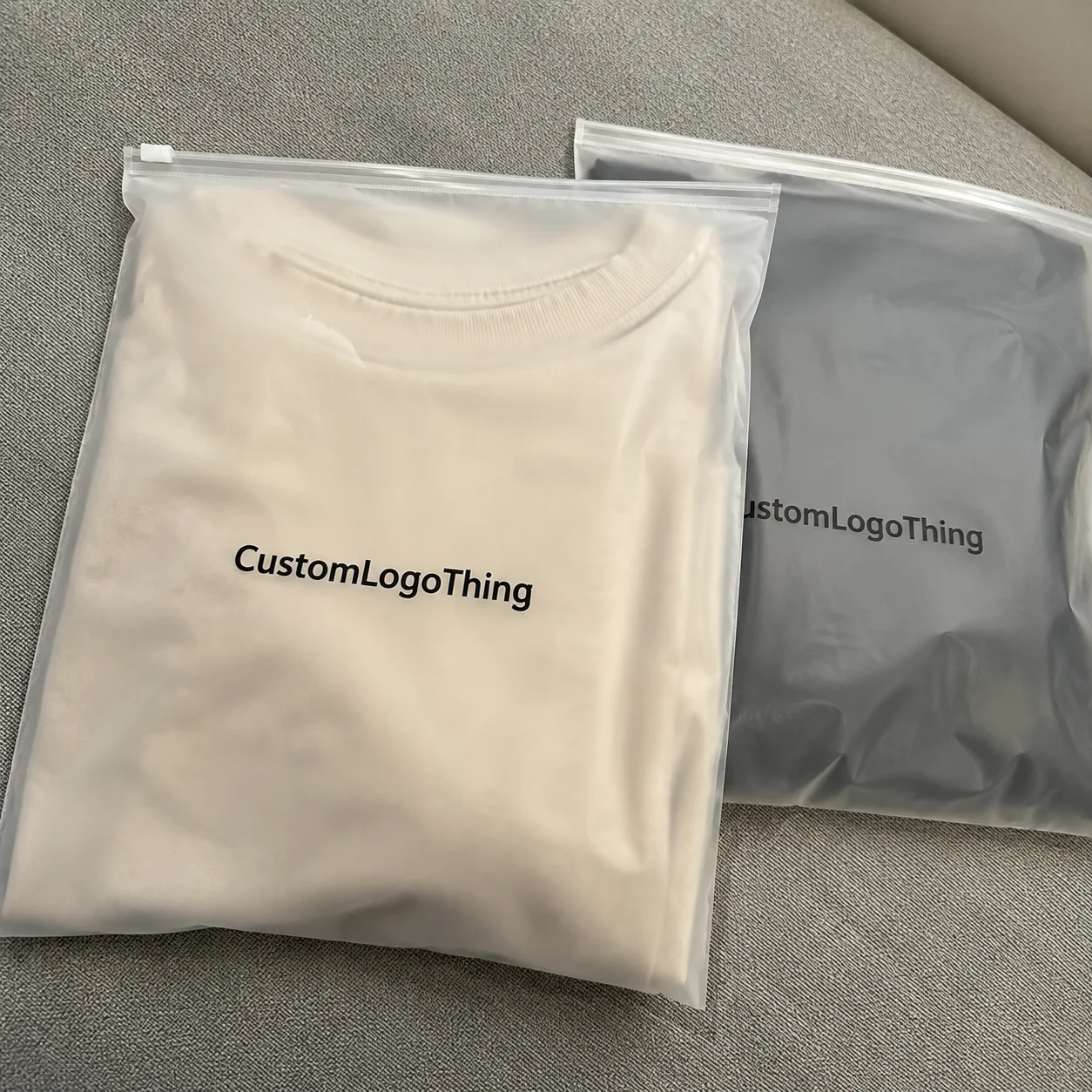
Branded packaging for product launches is the coordinated use of custom-printed cartons, mailers, labels, inserts, tissue, tape, and protective materials so the brand identity is visible the moment someone handles the package. That may sound simple, but the difference between a generic brown shipper and a coordinated package set is huge, especially when the first recipients are retail buyers, press contacts, creators, or early customers deciding whether the launch feels premium or forgettable. A matte white mailer with a 1-color logo in Montreal will create a very different impression than a full-coverage printed rigid box assembled in Shenzhen or Xiamen.
I’ve had clients show me two samples side by side on a folding table outside a corrugator in Dongguan: one was technically fine, with strong board and clean glue lines, and the other had the same product protection plus better print, a tighter insert, and a branded opening sequence. Guess which one the marketing team chose? The second sample, every time, because branded packaging for product launches changes the way the product is perceived before anyone reads a spec sheet. The funny part is that the “better” box often wasn’t more complicated; it was just more considered. On a 1,000-unit prototype order, the better sample sometimes costs only $120 more, but that small increase can be the difference between a forgettable reveal and a product that gets shared on social media.
Teams often get package branding wrong by treating it like a last-mile graphic exercise. That approach usually creates a mismatch between the product, the launch timeline, and the shipping method. Good branded packaging for product launches starts with the package format, not the logo placement, because a launch kit for an influencer, a retail-ready folding carton, and an ecommerce subscription shipper all need different structural decisions. I’ve seen a beautiful logo placed on the wrong structure, and it was like wearing a tuxedo to a construction site—technically dressed, absolutely not suited for the job. A 120 mm x 80 mm serum carton, for example, will need a completely different insert strategy than a 310 mm x 220 mm media kit built for a camera-friendly reveal.
The core components that can be customized are more varied than many teams expect:
- Folding cartons for shelf presentation and compact retail packaging.
- Rigid boxes for premium kits, influencer seeding, and high-touch unboxing.
- Corrugated mailers and shippers for transit-heavy direct-to-consumer launches.
- Paperboard inserts or molded pulp trays for product holding and damage control.
- Labels, stickers, and tape for flexible branding on lower-volume programs.
- Tissue, cards, and void fill for presentation and product protection.
In practice, the best branded packaging for product launches balances five things at once: brand story, structural performance, unboxing experience, production speed, and budget discipline. Miss any one of those, and the package can drag down an otherwise strong launch. A rigid magnetic box may cost $3.20 per unit at 1,000 pieces in Shenzhen, while a printed corrugated mailer in the same quantity may land around $0.85 per unit; the question is not which one looks nicer in isolation, but which one actually serves the launch goal.
For teams that want a broader view of packaging formats, materials, and use cases, the industry trade group The Packaging School / Packaging Institute resources and the sustainability guidance from EPA recycling resources are both worth keeping in the background while decisions are being made. If the launch includes paper-based components, checking local recycling rules in the US, UK, or EU before final artwork can prevent claims that do not hold up in the market.
I also think launch packaging carries a psychological weight that gets underestimated. When a buyer opens a box and sees aligned print, clean folds, and a product sitting snugly in a custom insert, it tells them the brand handled the details. That is one of the main jobs of branded packaging for product launches: to make competence visible. And, frankly, competence is attractive. A package that closes cleanly in Paris, Chicago, or Singapore gives the same signal: someone planned this with care.
How Branded Packaging for Product Launches Works
The workflow behind branded packaging for product launches usually starts long before the first printed carton comes off press. It begins with a dieline, which is the flat structural map of the package, and then moves through sampling, artwork setup, color proofing, production, finishing, kitting, and freight coordination. That sequence sounds orderly on paper, but in the factory I usually see three parallel tracks happening at once: engineering, graphics, and logistics. On a typical project in Shenzhen or Dongguan, the structural engineer may be revising the insert while the graphic designer is adjusting the barcode zone and the freight coordinator is checking vessel space to Long Beach or Rotterdam.
First comes structural development. A carton for a 280g serum bottle is not engineered like a kit for a 1.8 kg countertop device, and a mailer built for parcel carriers should not be specified the same way as a display box for a retail shelf. In real terms, the product’s dimensions, weight, fragility, and shipping route drive the structure, which means branded packaging for product launches always starts with fit and performance before decoration. A folding carton made from 350gsm C1S artboard might be perfect for a cosmetic item under 300 g, while a double-wall corrugated shipper in B-flute may be the better choice for a 2 kg appliance heading through FedEx or UPS network handling.
Then artwork enters the workflow. Color management matters more than many teams expect, especially if the brand uses a deep navy, a metallic copper, or a rich kraft-brown palette that can shift under different print methods. Offset lithography is still a strong choice for high image quality and consistency, digital print works well for shorter runs and fast revisions, and flexographic print often makes sense for corrugated lines with simpler graphics. Finishes like foil stamping, embossing, debossing, and spot UV can lift a launch visually, but each one adds setup time and cost. A foil pass in Shanghai may add 2–3 business days for plate making and make-ready alone, which matters if the announcement date is fixed.
On the factory floor, consistency comes from the processes people never put in a mood board: corrugator conversion, die-cutting, folding, gluing, and QC inspection. I remember standing near a folder-gluer in a plant outside Guangzhou while the operator rejected a stack of cartons because the score depth was 0.3 mm off, which would have created weak folds at the front edge. That kind of detail may sound minor, but in branded packaging for product launches, a weak fold or a misaligned panel can make a 5,000-unit run feel sloppy. And yes, everyone in the room suddenly gets very interested in millimeters. A 0.3 mm mis-score is the sort of defect that does not look dramatic on paper but shows up immediately when a carton is packed 1,200 times in one day.
Many teams also underestimate the time needed for approval loops. A physical sample, sometimes called a white sample or prototype, should be checked for fit, closure, insert stability, and opening sequence. Then there is the print proof, where the brand signs off on color, copy, and finish direction. If the schedule includes overseas production, you also need freight planning, buffer time for customs, and a realistic margin for rework. I usually advise clients to treat branded packaging for product launches like a launch-critical component, not a side purchase that can be rushed in the final week. For imported packaging traveling from Shenzhen to Los Angeles, it is common to budget 7–12 days of sea transit plus customs clearance, which is why last-minute approvals are so costly.
For reference, organizations like ISTA set widely used standards for shipment testing, and those tests matter when the package is expected to survive parcel handling, pallet stacking, or long-haul transit. If a launch kit fails a drop or vibration test, the “unboxing experience” becomes a damage claim, and that is a very expensive way to learn about packaging design. A 30-inch drop test on all six faces, plus edge and corner drops, is not overkill if the box is going to move through Amazon fulfillment or regional courier networks.
Key Factors That Shape Branded Packaging for Product Launches
The biggest cost and performance decisions in branded packaging for product launches usually come down to material, quantity, finish complexity, and channel. A premium rigid box with magnetic closure and foam insert can create a beautiful first impression, but it can also blow through budget fast if the order quantity is only 500 units. A simple E-flute mailer with a printed exterior and paperboard insert may deliver better economics at 3,000 units, especially if the launch leans on ecommerce or influencer shipping. In practical terms, a 500-unit run in Shenzhen can land at $4.20 to $8.50 per unit for a high-end rigid configuration, while a 5,000-unit folding carton program may drop below $0.40 per unit once tooling is amortized.
Here is the material comparison I usually walk through with clients when they want a clearer picture of trade-offs:
| Material / Format | Typical Use | Approx. Cost Range per Unit | Strengths | Watch Outs |
|---|---|---|---|---|
| SBS paperboard | Folding cartons, retail packaging | $0.18–$0.55 at 5,000 units | Sharp print, clean shelf look, easy branding | Needs secondary protection for shipping |
| CCNB paperboard | Value-driven product packaging | $0.12–$0.40 at 5,000 units | Lower cost, decent print surface | Less premium feel than SBS |
| E-flute corrugated | Mailers, shipper boxes | $0.45–$1.10 at 3,000 units | Good crush resistance, parcel-friendly | More board thickness affects graphics and folds |
| B-flute corrugated | Heavier shipping cartons | $0.60–$1.35 at 2,000 units | Better stacking and protection | Bulkier, less elegant for premium unboxing |
| Rigid chipboard | Premium kits, influencer boxes | $2.40–$8.00 at 1,000 units | High perceived value, strong brand presence | Higher freight cost and longer build time |
| Molded pulp | Protective inserts, sustainable launches | $0.35–$1.25 at 5,000 units | Recyclable in many systems, strong support | Tooling and fit tolerance need careful control |
Cost is not just about the board itself. In branded packaging for product launches, the final price often moves because of setup fees, plate charges, insert tooling, finishing passes, and the number of SKUs involved. If you have three fragrance scents, two box sizes, and one seasonal limited edition, the complexity multiplies quickly. I’ve watched a client’s packaging quote jump 28% simply because they wanted four foil colors across six carton sizes, and every extra change added setup time and scrap risk. It was one of those meetings where everyone stared at the spreadsheet and went very quiet. On a 6,000-unit program, that kind of decision can add $1,500 to $4,000 before freight is even discussed.
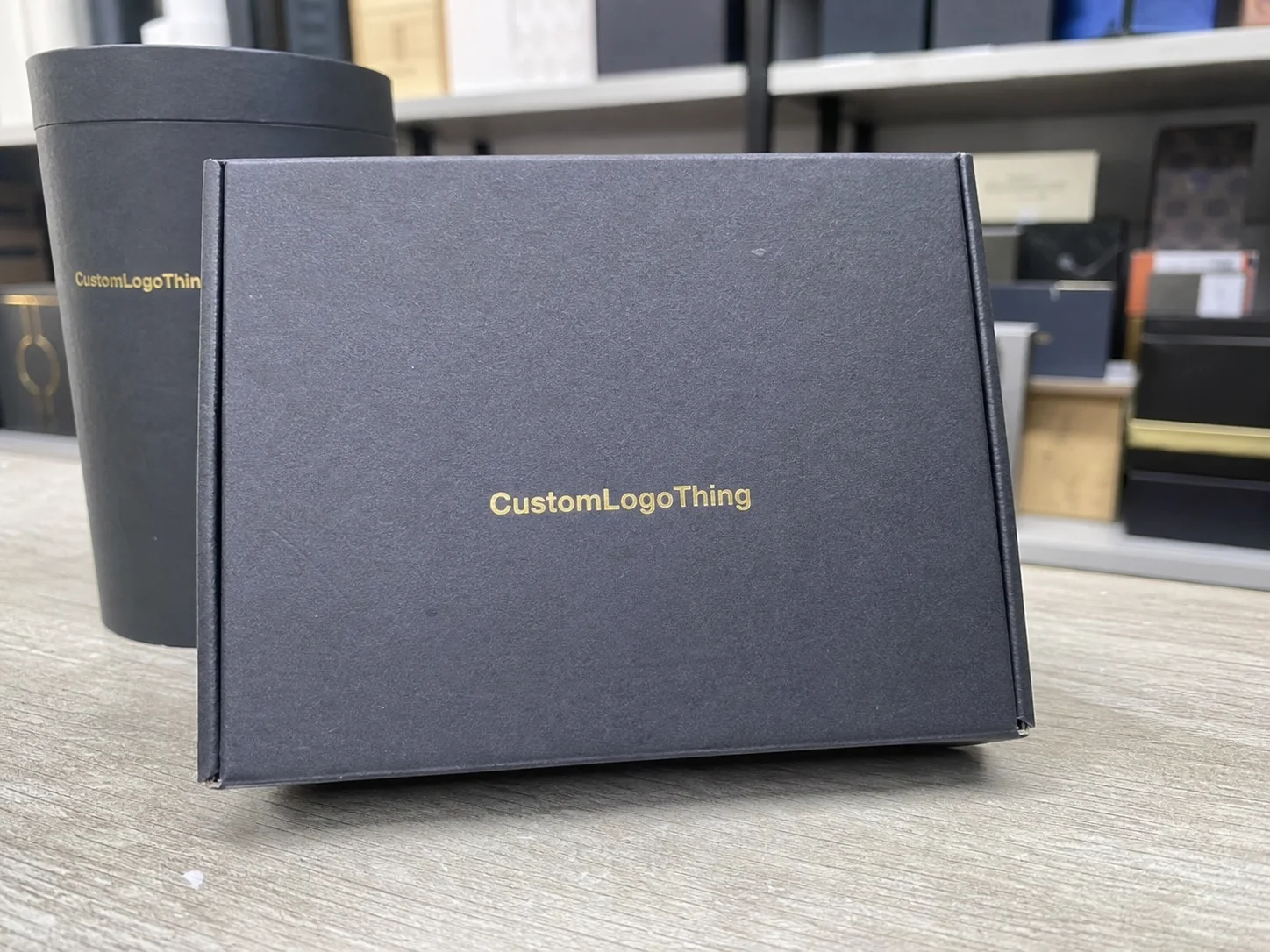
Branding decisions can be expensive in subtle ways too. Full-coverage graphics on a coated surface look gorgeous, but they increase ink coverage and proofing complexity. Soft-touch lamination feels premium but can slow production. Foil stamping makes a launch kit memorable, yet a foil-heavy layout may require tighter registration and more careful handling in the plant. That’s why I always tell teams to choose one premium element and let it breathe instead of stacking every finish on one box. A single copper foil logo on a matte black mailer from Shenzhen often delivers more recognition than three finishing effects fighting for attention.
Launch channel also changes the brief. For direct-to-consumer orders, the box must survive parcel handling and often return shipping. For retail packaging, the priority shifts toward shelf impact, hang-tab compatibility, and case pack efficiency. For influencer seeding, the unboxing moment and message sequencing matter more than outer carton economy. For Amazon-style fulfillment, carton dimensions, barcode placement, and carton performance under machine handling become far more important than people expect. A carton that is 2 mm too tall can increase dimensional weight charges across 2,000 shipments, which is a very quick way to watch margin evaporate.
Here’s a practical way to think about the channel differences:
- PR kits: focus on narrative, reveal sequence, and premium finish.
- DTC shipments: focus on protection, efficiency, and easy fulfillment.
- Retail packaging: focus on shelf readability and compliance.
- Trade show handouts: focus on compact format and fast distribution.
- Subscription boxes: focus on repeatable opening experience and cost control.
If you want to see how packaging choices translate into real launch results, our Case Studies page is helpful because you can compare formats, finishes, and problem-solving approaches across different product categories. A fragrance kit shipped from Guangzhou to New York, for example, will have different structural needs than a tech accessory launch built for Berlin retail, even if both use the same print treatment.
Step-by-Step: Creating Branded Packaging for Product Launches
The cleanest way to build branded packaging for product launches is to treat it like a production project with gates, not a creative hope with a deadline. I’ve sat in enough launch meetings to know that a pretty deck is not the same as a buildable package, and the brands that succeed are the ones that move through each step in order. A realistic project in Shenzhen or Dongguan usually needs 12–15 business days after proof approval for simple printed cartons, while more complex rigid structures can stretch to 25–40 business days before freight.
1. Define the launch objective. Are you trying to create awareness, win retail attention, support a premium price point, or make the product easy to share on social? A box for influencer seeding should not follow the same logic as a private-label retail carton. The objective affects the structure, the message, and the budget allocation inside branded packaging for product launches. A campaign built for 200 press kits in Los Angeles will not need the same cost model as a 20,000-unit ecommerce launch out of California’s Inland Empire.
2. Measure the product properly. The actual product dimensions matter more than the marketing mockup. I always want the final sample in hand before approving a package, because a 2 mm change in height or a slightly wider cap can create a loose fit, a bad rattle, or a carton that bows under pressure. Structural engineering is the part of branded packaging for product launches that prevents embarrassing surprises. A bottle that measures 62.5 mm in diameter instead of 60 mm can force a complete insert revision if the tolerance was too tight.
3. Build the dieline and prototype. Once the product is measured, the structural team can produce a dieline and a physical sample. This is where you test closure strength, insert fit, stackability, and how the package opens. In one client meeting, I watched a beautiful tuck-end carton fail because the thumb notch was too shallow for gloved warehouse workers; that adjustment cost another week, but it saved the launch from a handling headache. Annoying? Absolutely. Worth it? Also yes. A plain white sample in 350gsm board can reveal the real problems faster than a deck with polished renders ever will.
4. Develop artwork with print realities in mind. Graphics should be built around the press, not just the computer screen. Rich blacks, small type, metallic inks, and photo gradients all behave differently depending on substrate and print method. This is where branded packaging for product launches becomes part design and part manufacturing discipline. If the visual system looks good only on a monitor, it is not ready. A logo that reads beautifully in Adobe Illustrator may blur at 5 pt if the selected board is too porous or the print line in Shenzhen is set for corrugated rather than coated stock.
5. Choose finishes carefully. A soft-touch lamination, emboss, foil stamp, or matte varnish can elevate the package, but the decision should fit the product’s price point and the volume target. A high-end serum launch might justify a $4.80 rigid box at 1,500 units, while a mass-market wellness item may need a $0.38 printed carton to preserve margin. The goal is not to spend more; it is to spend where the customer will actually feel it. A single emboss on a 350gsm C1S artboard carton can create more tactile value than three layered effects on a box that was not engineered to support them.
6. Approve samples and test performance. For shipping programs, drop testing, compression checks, and vibration tests help confirm that the package works in transit. ISTA testing is especially useful for ecommerce. If the packaging fails a 30-inch drop from a realistic test sequence, the customer will not care how nice the foil stamp looked. They will remember the dent. If a parcel shipper needs to survive both a 2-meter conveyor drop and pallet stacking in a Chicago warehouse, that needs to be tested before the first 5,000 units ship.
7. Schedule production and freight backward from launch. This is where many teams get squeezed. The launch date is fixed, but the packaging lead time, approval time, and freight time are not. A domestic digital print job might turn in 10–14 business days after proof approval, while a Custom Rigid Box with inserts, special finishes, and imported freight can take 5–8 weeks or longer. I usually tell people to plan branded packaging for product launches backward from the first ship date, not the public announcement date. If the boxes are coming from Shenzhen to New York, leave room for a 7–14 day ocean window or a 3–5 day air option that costs far more.
8. Final QC and kitting. Before full dispatch, you want inspection of print registration, glue integrity, carton counts, and insert correctness. If the package includes multiple components, the kitting step should verify that every unit includes the right card, insert, sticker, and shipper configuration. One mislabeled batch can create confusion in a launch week that is already busy enough. A 2% packing error rate on a 10,000-unit launch means 200 units need manual correction, which can quickly become an overtime problem in a warehouse outside Atlanta or Louisville.
There is also a coordination piece that marketing teams sometimes miss. The packaging should tell the same story as the launch email, the landing page, and the product itself. If the box says “minimalist luxury” but the insert is crowded with three different fonts and five claims, the whole branded packaging for product launches system loses credibility. A campaign that uses clean type in the email and loud, mismatched copy on the package feels like two different brands sharing a budget.
“The best launch box is the one that survives the truck, opens cleanly, and still feels like the brand had a hand in every fold.” — what I tell clients after seeing too many good products arrive in forgettable packaging
Common Mistakes to Avoid with Branded Packaging for Product Launches
The first mistake I see in branded packaging for product launches is designing the outer look before confirming fit. That order seems harmless until the insert is off by a few millimeters, the carton bulges at the top panel, and the whole shipment needs rework. Fit comes first because structure determines whether the graphics have a proper canvas. On a 4,000-unit run, even a small fit correction can avoid hundreds of dollars in scrap and a week of delay.
The second mistake is the fantasy timeline. Foil, embossing, custom inserts, and overseas freight all add time, and if a client wants them all in the same run, the schedule should reflect that reality. I’ve watched a project lose 12 business days because the team approved the artwork but not the insert drawing, and by the time the approval came through, the press slot had shifted. In branded packaging for product launches, late approvals create expensive dominoes. I wish I had a dollar for every time someone said, “Can’t we just hurry this one?” A better question is, “What does the actual factory timeline look like in Dongguan, and who is signing off on which proof by which date?”
Another common issue is overbranding. If the logo, tagline, legal text, icons, and instructions all compete on the visible face, the package starts to feel crowded instead of confident. Good package branding gives the eye a path. It does not shout from every panel. Teams often confuse “more visible” with “more effective,” and that is not the same thing. A front panel with one logo, one product name, and one supporting line often performs better than a busy layout with six separate callouts.
Cost traps show up in places that are easy to miss during design review:
- Too many SKU variants, each with separate tooling or proof cycles.
- Oversized cartons that waste corrugate and increase freight charges.
- High scrap rates from tight tolerances or complex folds.
- Last-minute changes that force expedited shipping or new plates.
- Mixed finishes that raise setup time without adding much perceived value.
Sustainability mistakes deserve their own warning. A package may look “eco-friendly” because it uses kraft paper, but if it combines plastic windows, laminated layers, heavy adhesive, and foil accents, the real-world recyclability may be poor. Municipal systems vary, and what looks sustainable in a mood board is not always accepted curbside. That is why I prefer to verify material claims carefully and reference legitimate guidelines, including FSC when certified paper sourcing is part of the brief. A kraft mailer made in Hangzhou is still only as sustainable as the actual coating, glue, and local collection rules allow.
Another trap is ignoring the fulfillment line. A gorgeous box that slows down packing stations can quietly become a profit drain. If it takes 14 seconds longer to close each unit, that can be a serious labor cost over 10,000 shipments. Strong branded packaging for product launches has to fit the speed of the people actually handling it. In a warehouse moving 800 units per hour, even a small fold adjustment can save several labor hours per week.
Expert Tips for Better Launch Packaging Performance
If I had to boil down the best advice from factory floors and client meetings, I would say this: design the unboxing sequence with intention. A good branded packaging for product launches experience usually reveals itself in layers, and each layer should earn its place. Outer shipper, inner carton, tissue, card, insert, product—every step should feel like part of the same message rather than a pile of separate components. A two-layer reveal in a 250 mm x 180 mm mailer can feel more memorable than a six-part kit if the order and pacing are right.
One premium element is usually enough. A soft-touch coating on a folding carton can add a tactile feel that customers notice immediately, especially if the graphics are restrained and the typography is strong. If the budget is tighter, a single foil logo on a matte kraft mailer can still create a clear moment of recognition. The trick is restraint. A box with emboss, foil, spot UV, and heavy lamination can become visually noisy very fast. I’ve seen more than one team fall in love with a sample that looked like it had been decorated by every department at once. On a 2,000-unit run, one premium finish often adds more perceived value than three finishes that only add cost.
Another tip: test the package on the actual fulfillment line, not just at the designer’s desk. I learned this the hard way years ago when a client approved a beautiful mailer that looked perfect in the sample room but snagged on a packing table because the tuck flap was too stiff. After we adjusted the fold and moved the label zone by 18 mm, the packing team doubled their speed. That is the kind of improvement that matters in branded packaging for product launches. A line in a warehouse outside Dallas or Phoenix does not care how good the render looks if the closure requires too much force.
It also helps to ask suppliers for alternate material builds early. A 350gsm C1S carton might look great, but a slightly lighter board with a better coating could print cleaner, cost less, and ship with fewer dents. On corrugated jobs, moving from B-flute to E-flute may reduce bulk and improve print detail. The right answer depends on the product, the channel, and the launch objective, not on habit. In some cases, a 300gsm coated board with a 1.5 mm paperboard insert in Guangzhou will outperform a heavier board that was chosen only because it “felt premium” in the office.
Here are a few practical checks I use before approving launch packaging:
- Can the product survive a realistic drop test?
- Does the package open in under 10 seconds without frustration?
- Do the brand colors still read correctly under warehouse lighting?
- Can the fulfillment team close and label the carton efficiently?
- Are the claims, instructions, and barcodes visible in the right place?
Finally, coordinate the packaging story with marketing before production starts. If the launch email leads with “handcrafted precision,” the box should feel precise in its folds, graphics, and insert layout. If the campaign is playful and bright, the tissue, labels, and internal messaging should support that tone. The most effective branded packaging for product launches is not just attractive; it is consistent across every customer touchpoint. That consistency is what makes a $0.38 carton feel more expensive than it is.
What to Do Next When Planning Branded Packaging for Product Launches
If you are planning branded packaging for product launches, the smartest next step is to gather the hard facts before you open a design file. I mean final product dimensions, estimated quantity, shipping method, target budget, and the exact date the first units need to leave the building. Those details let a packaging team recommend a format that actually fits the launch instead of guessing from a sketch. A 1,200-unit launch headed to Chicago in 18 days needs a different solution than a 10,000-unit retail roll-out scheduled for April in London.
Create a brief that includes your brand guidelines, the desired unboxing style, sustainability priorities, and any retail or ecommerce requirements. If the product needs shelf presence, say so. If the box must survive parcel drop handling, say so. If the launch depends on a premium reveal for influencers, say that too. Branded packaging for product launches works best when the brief is specific enough to guide structure and print choices without forcing endless revisions later. A good brief should also include finish limits, such as “no more than one foil color” or “no plastic components,” because those guardrails keep the quote from ballooning in week two.
I also recommend asking for structural samples before committing to print finishes. A plain white prototype can tell you whether the box closes properly, whether the insert holds the item, and whether the opening experience feels natural. Once the fit is right, then you can add print, coating, foil, or embossing. That order saves money and usually saves time. In many cases, a prototype can be produced in 3–5 business days locally in Shenzhen or 7–10 business days if it needs to ship internationally for review.
To move faster, build an approval checklist with five decisions: material, finish, insert style, quantity, and fulfillment method. Once those are agreed, production can move with fewer stops. In my experience, launch delays rarely come from one giant failure; they come from a pile of small indecisions that all hit the schedule at once. A team that signs off on the board grade, such as 350gsm C1S artboard or E-flute corrugated, will usually save at least one revision cycle later.
Strong branded packaging for product launches should be tested, costed, and scheduled like any other launch-critical asset. If the product matters enough to promote, the packaging matters enough to engineer. That is the rule I keep coming back to after 20-plus years around cutting tables, glue lines, proof rooms, and loading docks. A clean package assembled in Dongguan or Shenzhen can do more than hold a product; it can sharpen the launch message before the first customer even touches the item.
If you need help mapping a format to your product and budget, start with the product details, then compare options across our Custom Packaging Products page, and when you want to see how brands solved similar problems, our Case Studies can give you a clearer picture of what worked in the field. A side-by-side comparison of a $0.28 mailer, a $1.10 carton, and a $3.75 rigid kit will tell you more than a generic inspiration board ever will.
The practical takeaway is simple: lock the measurements, choose the channel, pick one premium finish, and approve a prototype before you commit to full production. That sequence keeps branded packaging for product launches honest, on budget, and ready to do the one job it cannot fail at—making the launch feel as carefully built as the product inside.
FAQ
How does branded packaging for product launches improve first impressions?
It turns the unboxing moment into part of the product story, which makes the brand feel more intentional and premium from the first touch. It also helps buyers, influencers, and customers recognize the product quickly and remember it later, especially if the carton, insert, and shipper all use the same visual system. On top of that, well-built packaging can reduce damage in transit, which protects the launch from replacement costs and negative reviews. A coordinated package made in Shenzhen, for example, can carry the same logo, color palette, and opening sequence across 500 units or 5,000 units.
What is the typical timeline for branded packaging for product launches?
Simple digitally printed packaging can move relatively fast, often in about 10–14 business days after proof approval, while custom structural packaging with special finishes may take 5–8 weeks or longer depending on tooling and freight. The timeline usually includes dieline setup, sample approval, artwork proofing, production, and shipping. Delays tend to happen when product measurements change late or approvals wait until the final week. If the project is being manufactured in Dongguan or Shenzhen and shipped by sea, it is wise to add another 7–14 days for transit and customs clearance.
How much does branded packaging for product launches usually cost?
Pricing depends on quantity, material, print method, finishing, insert complexity, and shipping weight. A basic folding carton may cost around $0.18–$0.55 at 5,000 units, while a rigid presentation box can run several dollars per unit at lower volumes. The best way to control cost is to simplify structure early and compare multiple material and finish combinations before artwork is finalized. For example, a 350gsm C1S carton with one-color print and a paperboard insert can be far more efficient than a magnetic rigid box with foam, foil, and spot UV.
What packaging materials work best for launch campaigns?
Corrugated mailers and boxes are strong choices for shipping-heavy launches, while folding cartons and rigid boxes work well for retail presentation or premium kits. Paperboard inserts, molded pulp, and kraft-based options can improve product security and support sustainability goals. The best material depends on how the product will be sold, shipped, displayed, and opened. A 1.2 kg device headed through parcel delivery in the US usually needs corrugated protection, while a 150 g beauty item on a retail shelf may only need a coated folding carton with a precision-cut insert.
What should I prepare before requesting branded packaging for product launches?
Have final product dimensions, quantity estimates, brand artwork, shipping requirements, and the desired launch date ready. It also helps to share any retail, ecommerce, or influencer-kit requirements so the packaging can be designed for the right channel. If possible, send a physical sample of the product, because accurate measurement makes structural engineering much more reliable. A sample shipped to the packaging team in Shenzhen or Guangzhou can save at least one revision cycle and prevent an insert tolerance problem that would be far more expensive to fix later.