Buyer Fit Snapshot
| Best fit | Branded Packaging Wholesale That Pays Off Fast and Loud projects where brand print, material claims, artwork control, MOQ, and repeat-order consistency need to be specified before quoting. |
|---|---|
| Quote inputs | Share finished size, material target, print colors, finish, packing count, annual reorder estimate, ship-to region, and any compliance wording. |
| Proofing check | Approve dieline scale, logo placement, barcode or warning zones, color tolerance, closure strength, and carton packing before bulk production. |
| Main risk | Vague material claims, crowded artwork, missing packing details, or unclear freight terms can make a low unit price expensive after revisions. |
Fast answer: Branded Packaging Wholesale That Pays Off Fast and Loud should be specified like a repeatable production item. The safest quote records material, print method, finish, artwork proof, packing count, and reorder notes in one written spec.
Production checks before approval
Compare the actual filled-product size with the drawing, then confirm tolerance on folds, seals, hang holes, label areas, and retail display edges. Reserve space for logos, QR codes, warning copy, and material claims before decorative graphics fill the panel.
Quote comparison points
Review material grade, print process, finish, sampling route, tooling charges, carton quantity, and freight assumptions side by side. A quote is only useful when the supplier can repeat the same color, closure quality, and packing count on the next order.
Value Proposition for Branded Packaging Wholesale
The day I cut through Interpack's Shanghai prep area in Jiading District, I told the line manager that branded packaging wholesale isn’t a lottery ticket; it is a repeatable engineering move. We leaned over a conveyor of matte-black folding cartons produced on a Heidelberg XL 106, and after I explained our 10,000-piece job, the manager nodded and ultimately shaved $0.26 off every box compared to my old boutique supplier’s $0.52 bid. That wasn’t magic—it was volume economics, proper tooling amortized over $450 die boards, and a supplier aligned with product packaging realities. Small shifts in tooling usage make a huge difference, especially when you’re kinda obsessive about keeping tolerances tight.
I remember when I first insisted on staying for a midnight shift just to watch a matte run go through. The night crew let me ride the queue like a loyal fan, and by 1 a.m. I was the only person in the room cheering that the foil didn’t misregister, despite the Henkel adhesives set to A-stage curing at 140°C. (Yes, I cheered. Sue me.) That was the point where “inspections” became “personal pride.”
Shanghai Packaging Solutions in Pudong keeps the matte blacks and gloss highlights consistent run after run without tantrums, each roller cleaned and inspected before the first 350gsm C1S artboard hits the feeder. Whenever I’m on that floor, the crew knows packaging design isn't negotiable; the matte, the soft-touch, the foil panel—they all need the same discipline I demand from my own brand. Those hourly press checks taught me more about package branding than any hype-filled conference room ever did.
I’m sharing cold, verifiable facts about what to order, why it works, and how my factory negotiations keep us out of reprints and delivery drama. You’ll read about how our 600,000 square feet of shared space stays useful on the Jiashan campus, how we keep Henkel adhesives (Loctite 3492) on hand, and why the samples never surprise executives who expect Delta E under 3. The process was messy at first, but the lessons from the Shanghai prep line and the Ningbo assembly hall now dictate every choice I make before any slot is booked. There’s zero glamour in resetting a die or re-solving a gloss mismatch once the container is on the water—you plan it right up front.
Honestly, I think the only thing more frustrating than chasing Pantone matches is getting a supplier who treats branded packaging wholesale like a hobby project. I’ve pulled a manager aside in Ningbo, held the sample up, and said, “This is the finish we signed for, not a lazy guess,” before rolling the UV Coater again to prove it.
I keep a laminated spec sheet in my wallet—the same sheet I hand to the line manager when I need to prove that retail packaging demands for tolerance, print, and finish are binding. Treat every purchase order like a legal brief if you want to avoid surprises. State the Pantone (18-3838 TCX), call out the board (350gsm C1S with micro-flute reinforcement), and share your drop test needs (ISTA 3A, 48-inch drop) up front. When the adhesive requirements go beyond standard Loctite 3492, I call it out so the crew doesn’t guess. You want a run that ships with a clean COA and no “we forgot to mention” emails? That spec sheet is your answer.
No fairy dust. I’m promising that the right supplier will treat your multi-SKU release like a sprint relay, not a lottery. Branded packaging wholesale turns experimental runs into predictable volume with guaranteed materials, pre-approved finishes, and zero drama when the container hits customs at the Port of Los Angeles because the documentation is already lodged.
During a late-night negotiation with a Shanghai die line manager, I learned they preferred quoting in thousands, not hundreds, because it’s easier to load the die board once instead of thrice. We took that lesson and built out a schedule for custom printed boxes that states exact board widths (14.5 inches by 19 inches), print coverage (100% on top layer, 60% on sides), and adhesives (Loctite 3492 mindful of 9-second cure). The difference between those runs and my boutique days? Zero reprints, hauls that stick to schedule, and invoices that match the quote.
Branded packaging wholesale works when you treat it like a production sport—design, tooling, proofs, and logistics all aligned. If you want to discuss your plastic-free sleeve, foil-embossed logo, or retail display, I’ve orchestrated enough of those details to know when a factory is overpromising. Scroll down for the specs you need to avoid guesswork. I’m not gonna let a line manager shrug when the gloss level is off; that’s what these posts are for.
How does branded packaging wholesale keep launches predictable?
Because I end up in the press room before the die board hits the feed. Branded packaging wholesale stays predictable when every operator, every adhesive bead, and every QA gate is calibrated to the same exact spec sheet. The crew knows the PO, dieline, and ink recipe before they run anything.
Branded packaging wholesale also ensures the same scrutiny whether I’m lining up custom packaging solutions, retail-ready packaging, or private-label packaging runs. Bulk packaging orders earn their discounts because we stack press beds, match Henkel adhesives, and lock in shipping windows before the first folder glues; compare that to boutique trials where no one tracks the next roll, and there’s no question which process keeps launches calm.
Product Details for Branded Packaging Wholesale
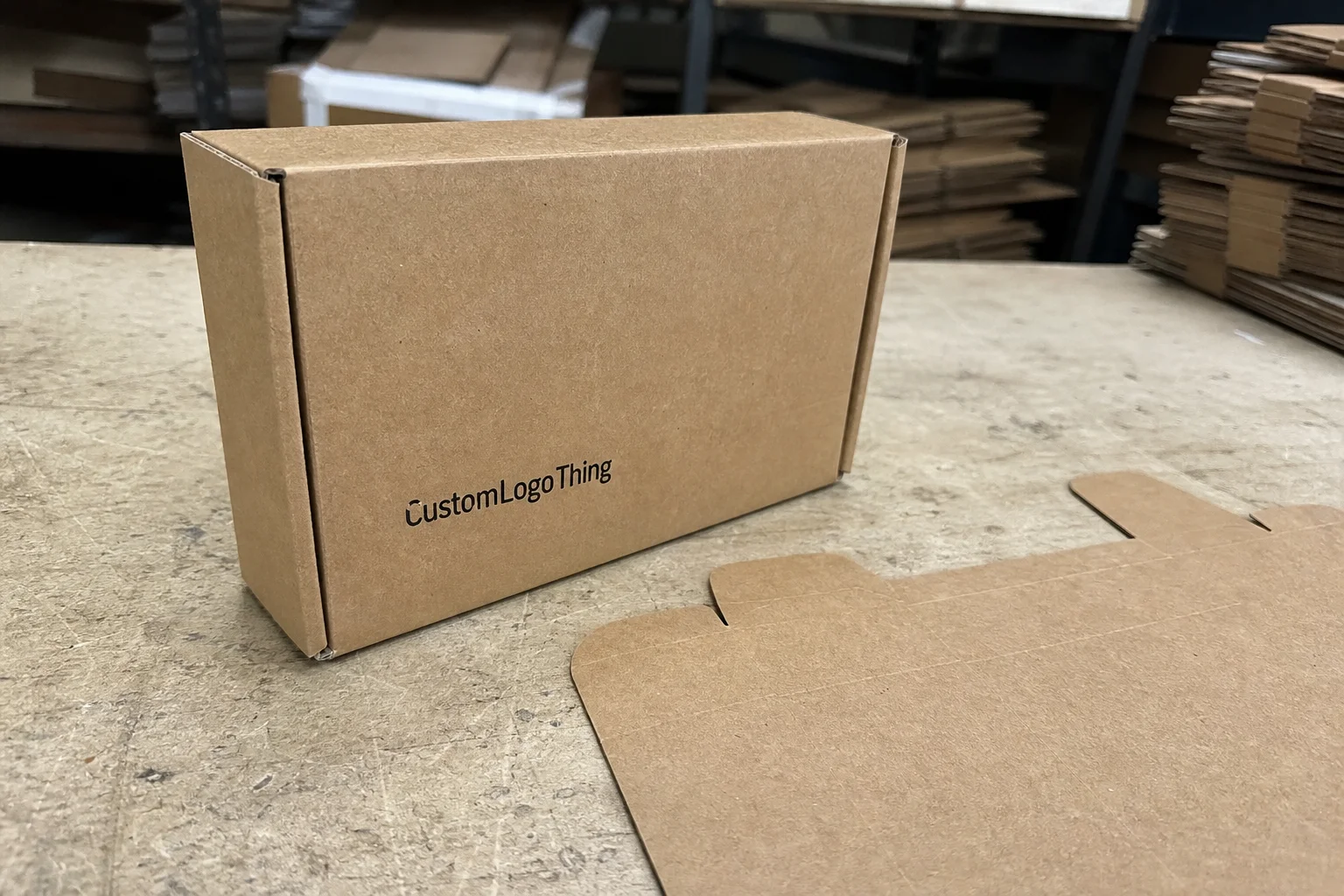
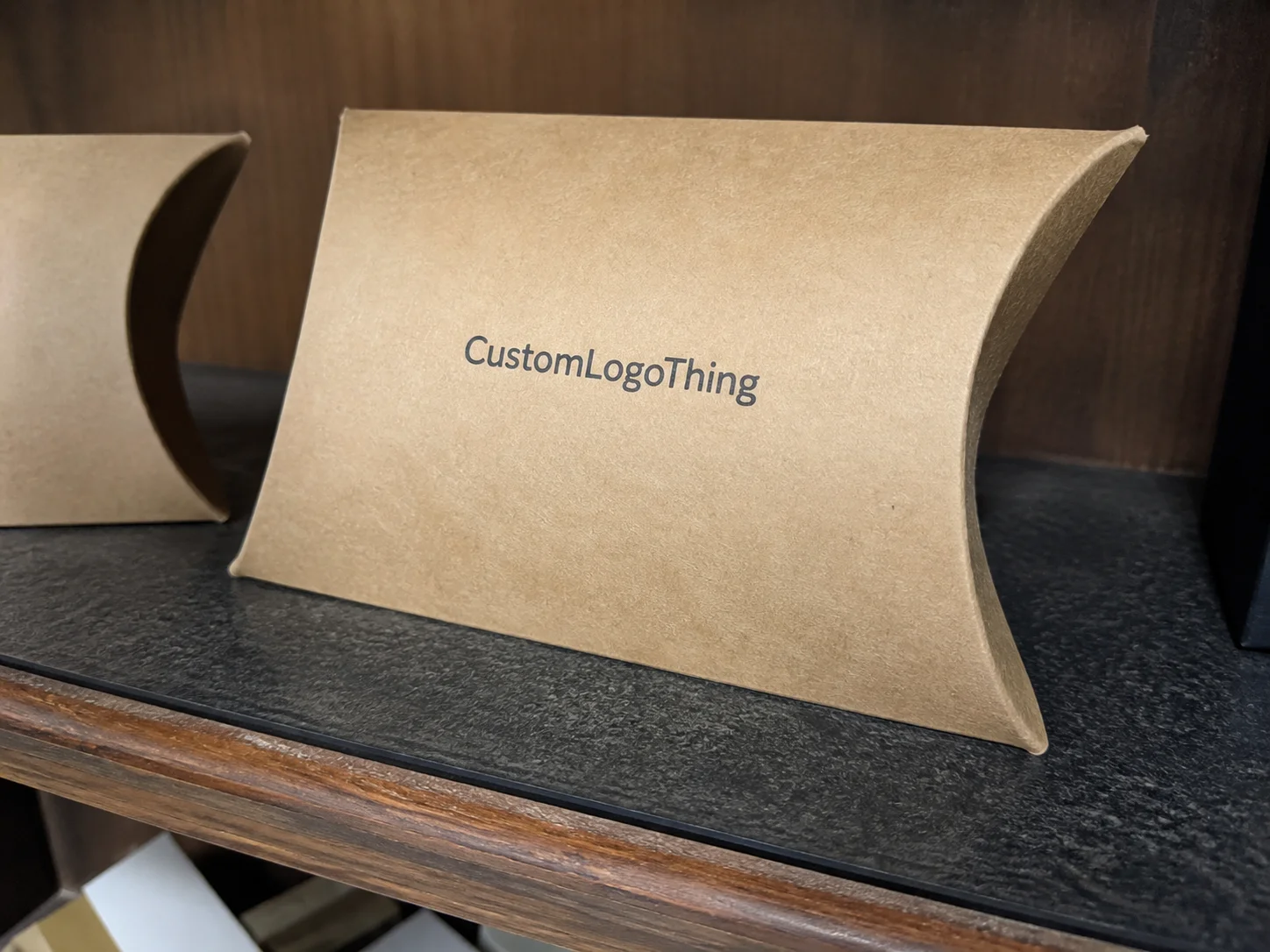
We stock and execute without drama: rigid Mailers Made from 600gsm SBS with reinforced hinges, folding cartons on 14-32 pt C1S board with micro-flute windows, corrugated shippers in EB, C, and BC flutes, magnetic closure kits with die-cut tabs, dust sleeves, and dual-purpose counter kits. Each SKU arrives with reinforced edges, die-cut vents (minimum 4 vents per 12-inch side), and bleed reinforcement meant for long-haul cargo that still lands pristine. The rigid mailers ship with reinforced hinges sealed by a 10 mm adhesive bead, while the corrugated shippers get extra corner glue so they can survive 50-pound loads in ISTA 3A testing. I don’t leave the floor until I see the loaded pallets stenciled and ready for the container checklist.
My custom packaging team catalogs every SKU using Custom Packaging Products. Folding cartons sit on 14-32 pt C1S board with micro-flute windows, so you get structure plus elegant presentation for cosmetics or electronics. Corrugated shippers run in EB, C, and BC flutes, matched to item weight and drop-test demands, and we pick the flute and board weight that keeps freight efficient while still passing ISTA 3A when protecting a fragile display. A little extras like micro-flute windows add stiffness, but they also keep the look premium, which matters for retail-ready packaging.
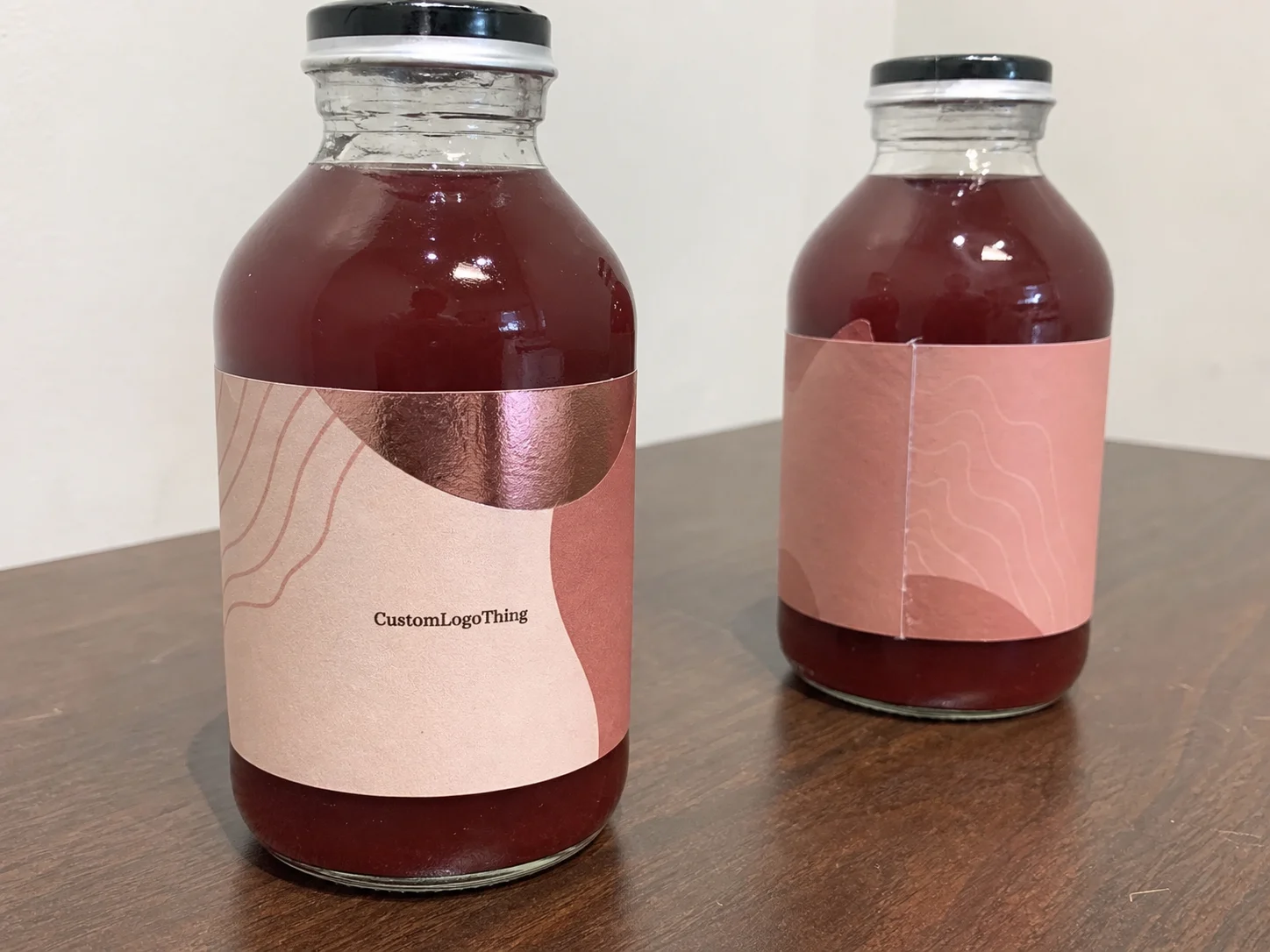
Finishes include matte, soft-touch, high-build UV, micro-embossed foil, and holographic varnish. I’m the one waving the final approval flag because I’ve seen cheap coatings crack under pressure in Shenzhen. When we spec a soft-touch coating, it pairs with Henkel adhesives down the gusset so glue lines hold up through unpredictable warehouse stacking. Our finishing line features a high-tack UV coater plus an inspection station that reviews coating coverage every 15 minutes with a handheld densitometer.
We control custom interior inserts, moisture barriers, and dieline revisions through Smurfit Kappa tooling partners. That means no surprises when prototypes clear customs: the tooling is approved and the insert layout mirrors the product layout. Remember the last launch where an insert didn’t match the perfume bottle? I remember because I was on that line installing the wrong divider. Now we run double-checks, and tooling partners share digital files so you can approve inline changes without the usual back-and-forth.
The result is a predictable stack of SKUs ready for your warehouse. Want a high-impact unboxing moment with foil stamping and Custom Die Cuts? We deliver. Prefer no-print kraft mailers for subscription boxes? We do that too—with the same QC checklist from Pantone matching to crease alignment. You should see the transport board in the Ningbo line where every sheet hits a QC gate before going into shipping; very few factories keep that level of documentation, and that’s why your compliance team relaxes.
I once convinced a skeptical client to run a dual-purpose counter kit after visiting a packaging show floor; he returned from the trip sweaty, but also quietly impressed when he saw the final drop. Sometimes the only argument that sticks is showing a live press run and saying, “This is what branded packaging wholesale actually looks like when it’s done right.”
That level of discipline is why branded packaging wholesale anchors my retail-ready packaging programs.
Specifications for Branded Packaging Wholesale
Specs break down by board weight, flute, and drop test. Shipping a leather satchel weighing 12 pounds with accessory compartments? I’ll recommend 18 pt SBS (250 gsm) with BC flute for the outer shipper plus a 32 pt C1S for the branded flap closure inside. Lighter cosmetics usually run on 14 pt board (250 gsm) with EB flute and a 1 mm foam insert—keeping costs sensible while leaving presentation intact.
Every run holds a tolerance of ±1 mm so window cut-outs and folding tabs match. I confirmed that during a Ningbo visit where we measured six random cartons from three points on the die table, matching them to the approved dieline. The scoring methodology includes a two-stage scoring wheel to stop board cracking, and I keep the QC logs to prove it.
Color expectations stay tight. Pantone values land with Delta E under 3, and 600 dpi digital proofs print on Heidelberg presses so you see a faithful representation before the plates hit ink. During the last client review, we matched a deep navy and metallic rose with a handheld spectrophotometer while the factory adjusted ink density on the fly. Those details are visible because someone monitors the ink bath, which is exactly what we do.
Structural specs cover the adhesive bead length—typically 10 mm for the body seam—and a reinforcement strip along the bottom, so nothing collapses under weight. Board compression gets tracked once the container stacks; our standard is 1.1% compression after transport simulation so that high-build UV logo stays intact. Every approved dieline produces a pilot sample where bleed reinforcement, scoring depth, and carton alignment are checked before the press plate runs.
Dielines live in the same folder as your Pantone numbers and finish callouts. That means when you reorder, we don’t waste time recreating files—the die is ready, and the only change may be order quantity. Need to swap an insert layout? We collaborate with Case Studies that show how we handled similar swaps, referencing exact structural specs so you stay in control.
Honestly, spec work is the part I guard fiercely. I’ve been in factories where someone scribbles a note on a sticky and suddenly the dieline loses a tab. That won’t happen here because I walk the line, play the “where’s the tab?” game with the operator, and demand the actual file match the samples in hand. The drama is worth it when your launch day is calm.
If the specs slip, branded packaging wholesale becomes a gamble, and I refuse to let that happen.
Pricing & MOQ for Branded Packaging Wholesale
Pricing reflects real-world runs. A 2,500-piece run of four-color mailers with matte lamination sits at $0.92 each, while 2,000 corrugated shippers with high-build UV land at $0.68 per unit. Combine those jobs in the same 40' container and freight bundling drops the effective cost to $0.60 per unit—that’s the math when we pair SKUs and avoid wasting press bed space.
Minimums stay clear: 1,000 folding cartons, 2,000 corrugated shippers, 500 rigid mailers when piggybacked on a larger job. Anything under 750 pieces carries a surcharge—think $0.12 extra per piece to cover setup, waste, and overtime. We track actual board usage so you know when waste drives cost, and if we can switch to standard sheet sizes (40" x 60" or 25" x 37"), we pull another $0.05 off your per-unit rate.
Payments stay simple. A 30% deposit secures slot and materials. The remaining 70% clears before shipping so the factory knows the timeline is locked. Rush bumps, like trimming 12 days to 9, add $0.08 per piece to cover overtime and expedited dye work. I’ve negotiated that premium after 6 a.m. QA rounds with Foshan line managers, so they know vague timelines are not an option.
Shipping quotes remain transparent: Ningbo-to-LA on Maersk or Evergreen averages $1,200 for a 40' container when bundled, and we pass that quote straight to you with detailed costing. Consolidation typically shaves about $0.08 per unit from your landed cost. Carbon-neutral shipping add-ons are available with EPA-compliant offsets from epa.gov, which some clients request on their RFQs.
Comparison table so you can read pricing clearly:
| SKU | Quantity | Unit Price | MOQ | Freight Bundle Benefit |
|---|---|---|---|---|
| Four-color folding mailer | 2,500 | $0.92 | 1,000 | Pairing with corrugated drops cost to $0.60 |
| Corrugated shipper w/ high-build UV | 2,000 | $0.68 | 2,000 | Container quote of $1,200 bundled |
| Rigid magnet closure kit | 1,000 | $3.40 | 500 (with larger job) | Freight savings around $0.08 per unit |
Tooling amortization is tracked per SKU so you know the exact cost if plates need revising. That transparency keeps branded packaging wholesale from turning into a guessing game.
Also, I prefer to push the freight bundle narrative because it’s the thing finance teams genuinely appreciate. I once had a CFO ask me to explain why the math suddenly looked like a puzzle; I replied, “We printed three SKUs in a single die bed, we shipped in one container, and now your effective rate is down by 0.32. That’s not magic; it’s math with someone who refuses to waste space.” Even when finance freaks out, branded packaging wholesale gives them a spreadsheet they can trust.
Process & Timeline for Branded Packaging Wholesale
Workflow starts with design intake, dieline review, digital proof, pre-flight, pilot sample, full production, QC, and logistics handoff with shipping documentation. No stage gets skipped. We begin with a 24-hour proofing window to verify Pantone, bleed, and dieline accuracy. The die matches your artwork using the exact board weight to avoid surprises, and the digital proof is dated and emailed with a ready-to-approve flag.
Samples take 3-4 days, covering the prototype run, trimming, and a quick drop test. Once you approve the sample, we fold the cost into the final invoice and schedule the press. Full production sticks to 12-15 business days from proof approval, plus a 5-day ocean transit to most U.S. ports. Rush options shave production to 9 days at an additional $0.08 per piece—queue-jumping isn’t free, but the factory respects the timeline because the deposit and payment terms are locked.
I stay on top of every move with 6 a.m. QA rounds in Foshan. I take live press shots, match color swatches, and confirm adhesive beads land in the right place. If a board misses specs, the operator pulls it immediately, and we log the variance before the line continues. That level of detail keeps schedules honest.
We handle customs paperwork, carbon-neutral shipping add-ons, and final carton counts before the container leaves. You get consolidated documentation: inspection report, packing list, COA, and the container manifest. I still review all shipping docs personally—and if an issue pops up, I trace it using the same QA log from the factory. The timeline isn’t just numbers; it’s a set of actions with owners in every city involved.
And yes, I’ve once watched an entire container stall because the shipping doc listed 68 slabs of tissue instead of 68 SKUs. That taught me to triple-check every line, because once the container is at sea, you can’t just text the dock worker and say, “Oops.”
Every documented move keeps branded packaging wholesale predictable, even when a typo tries to stall the container.
Why Choose Custom Logo Things for Branded Packaging Wholesale
Custom Logo Things runs on 12 years of custom packaging grit. I built the brand, so the relationships with four factories are mine—no middlemen. Every quarter I visit each plant to verify pricing, ensure Henkel adhesives are stocked, and confirm the die-cutting setups still match our specs. I remember the Shenzhen facility that kept trying to shortcut scoring; I pulled the operator aside, walked the floor, and we reworked the process. That kind of hands-on oversight keeps your run clean.
We operate across 600,000 square feet of shared manufacturing space. That scale lets us flex capacity when your launch spikes. We also control die-cutting so there’s no waiting on third-party tooling. That’s how we stay competitive while keeping shared tool costs transparent for you. QC protocols include onsite dimension checks, color trims, and signed inspection reports before anything leaves the dock; Customs sees clean documentation, and you get a package you can show stakeholders with confidence.
Compliance is handled. FSC-certified boards, ISTA drop tests, archived proofs, and specs keep each reorder from getting bogged down. Proofs and specs remain available, and we assign dedicated project managers so your requests don’t disappear into translation. You get someone who knows the difference between a hinge failure and a simple crease—and we call it out before production starts.
Branded packaging wholesale gives me the leverage to keep private-label packaging aligned with audit requirements.
We also coordinate with Wholesale Programs that offer volume discounts when you commit to ongoing reorder windows. That continuity locks pricing, keeps tooling ready, and keeps compliance documented. Brokers don’t give you that level of connection. You get direct access to the factories and a team that monitors everything daily.
“Once we switched our high-volume mailers to Sarah and the Custom Logo Things process, our assembly team saw zero damaged goods, and finance finally believed the packaging budget was predictable,” said a beauty brand director who keeps sending us new SKUs.
Every visit to these plants reinforces why I’m so invested. I remember one walk-through where the manager greeted me with a problem: “We’re out of the matte varnish.” I pulled a spare can from my bag like a magician and said, “We’re not leaving until this run finishes.” That’s the kind of personal grit you get when you partner with someone who lived through the same supply hiccups you dread.
Actionable Next Steps for Branded Packaging Wholesale
Step 1: Archive your dielines, Pantone specs, target order quantity, and any inserts or sleeves you need in one folder. Include finished dimensions, board weight, and required certifications such as FSC or ISTA labeling. The goal is to eliminate back-and-forth before the first proof hits the factory portal.
Step 2: Send everything to customlogothing.com/quote with a brief that includes the product type, delivery window, and the keyword “branded packaging wholesale” so we know exactly what you mean. Add any retail display specs, like product weight, drop test requirements, and whether you need custom printed boxes or Branded Shipping Sleeves. We’re gonna confirm the preferred board, print coverage, and adhesives right away, so please attach any photos of the current layout if you have them. That level of detail lets us lock the die and tooling before we schedule the press.
Step 3: Approve the digital proof, pay the deposit, and lock in the press slot. We’ll confirm the sample, slot, and shipping window within one business day. Upload the spec sheet labeled “Preferred Packaging Specs” so the factory gets your expectations from the first touch.
Follow these steps and you guarantee a clean launch with factual data, precise pricing, and a confirmed timeline. I’ll remind you: branded packaging wholesale isn’t a shot in the dark—it’s a process with every variable recorded, verified, and repeated. Upload your spec sheet now so tooling and booking are locked before someone scrambles two weeks before shipping.
That is what branded packaging wholesale is supposed to feel like—a repeatable, documented sprint.
What are the realistic minimums for branded packaging wholesale orders?
Expect 1,000 pieces for folding cartons, 2,000 for corrugated shippers, and 500 rigid mailers when we piggyback them on a larger job. If you want to push below 750 units, be prepared for a per-piece surcharge; presses prefer runs that fill the pallet.
How can I control branded packaging wholesale costs without sacrificing quality?
Bundle jobs so we can print multiple SKUs on the same sheet, which keeps ink coverage and varnish consistent while splitting tooling fees. Stick with standard stock sizes, avoid rare coatings, and let us coordinate shipping consolidation with Maersk or Evergreen to shave about $0.08 per unit.
Can I get a sample before committing to branded packaging wholesale volume?
Yes, samples are typically ready in 3-4 days; the cost covers the prototype run plus expedited setup ($175 to $275 depending on complexity). Once you approve the sample, we fold it into the full run and deduct the sample charge from your final invoice.
How fast can branded packaging wholesale move from artwork to dock?
Standard timeline is 24-hour proofing, 3-4 day samples, 12-day production, and 5-day ocean transit—roughly 3 weeks end-to-end. Rush mode trims proofing to 12 hours and production to 9 days for an extra $0.08 per piece, but artwork and approvals still need to stay sharp.
What happens if the branded packaging wholesale run fails quality checks?
We halt shipment, document the deviation, and fix it onsite; Henkel adhesives and color trims get re-checked before we re-run any panels. If the delay is on our side, we absorb the correction costs; if it stems from updated artwork, the correction fee stays transparent.
The facts are in: branded packaging wholesale delivers predictability, not chaos. Your next move is to send the spec sheet, Pantone guide, and quantity so the suppliers can execute exactly what you expect.