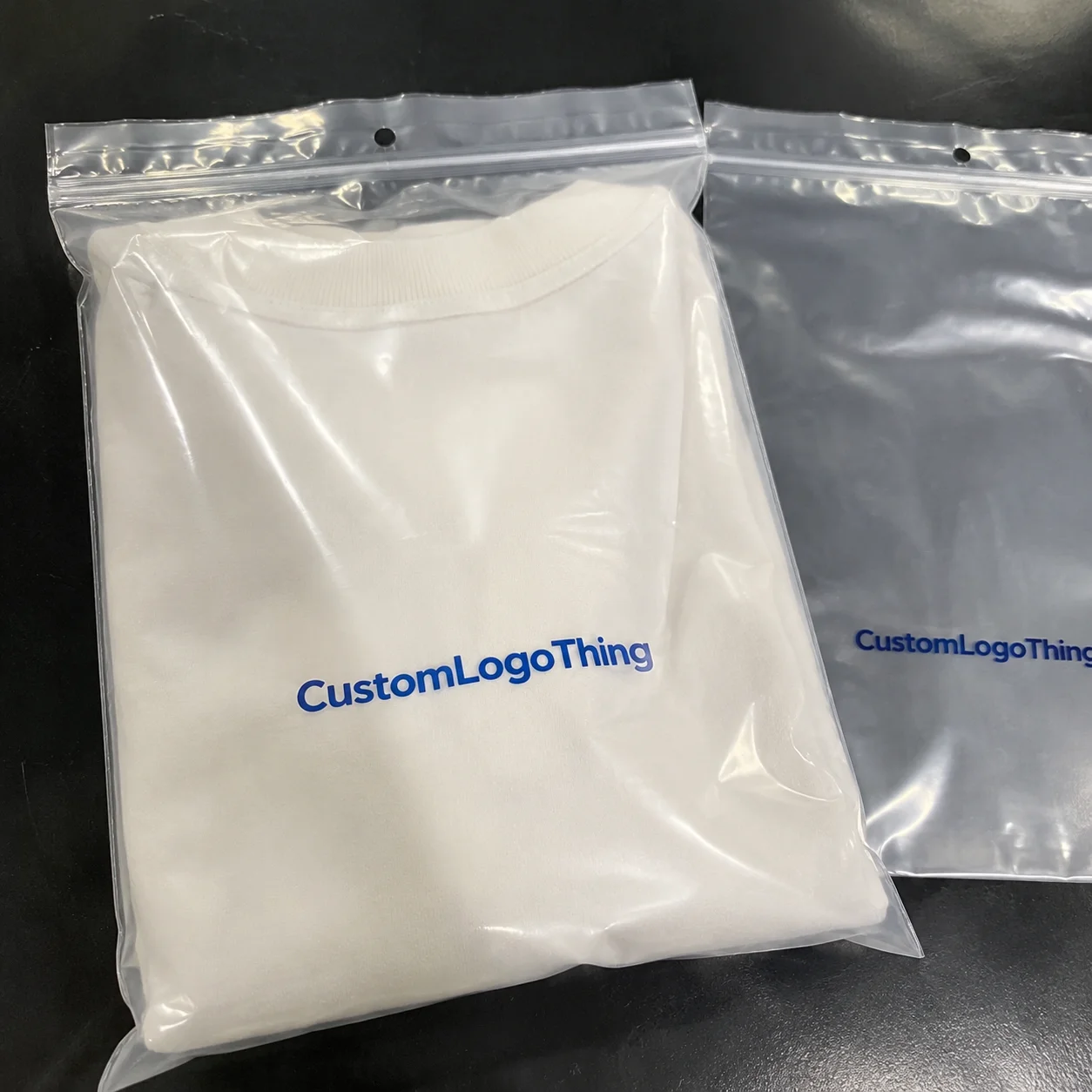
Buyer Fit Snapshot
| Best fit | Bubble Wrap Design for Safer Shipping and Lower Costs projects where brand print, material claims, artwork control, MOQ, and repeat-order consistency need to be specified before quoting. |
|---|---|
| Quote inputs | Share finished size, material target, print colors, finish, packing count, annual reorder estimate, ship-to region, and any compliance wording. |
| Proofing check | Approve dieline scale, logo placement, barcode or warning zones, color tolerance, closure strength, and carton packing before bulk production. |
| Main risk | Vague material claims, crowded artwork, missing packing details, or unclear freight terms can make a low unit price expensive after revisions. |
Fast answer: Bubble Wrap Design for Safer Shipping and Lower Costs: Film, Print, MOQ, and Carton Packing should be specified like a repeatable production item. The safest quote records material, print method, finish, artwork proof, packing count, and reorder notes in one written spec.
Production checks before approval
Compare the actual filled-product size with the drawing, then confirm tolerance on folds, seals, hang holes, label areas, and retail display edges. Reserve space for logos, QR codes, warning copy, and material claims before decorative graphics fill the panel.
Quote comparison points
Review material grade, print process, finish, sampling route, tooling charges, carton quantity, and freight assumptions side by side. A quote is only useful when the supplier can repeat the same color, closure quality, and packing count on the next order.
Bubble Wrap Design Tips for Safer Shipping and Lower Costs
I was standing on a packing line in Dongguan in March, watching a buyer's ceramic diffusers come off a pallet with hairline cracks on the rims. The carton was a standard 200 lb test RSC, the carrier was a normal cross-border lane into California, and the fix was not a new box. It was better bubble wrap design tips: 3/16 in small bubbles for the glaze, a 1.5 mil film for surface protection, 2 in perforation spacing so the packers would stop ripping the roll by hand, and a wrap pattern that kept the diffuser from punching the box wall. I have seen that tiny adjustment save a shipment, a margin, and one very awkward client call. The kind where everybody stares at the pallet and pretends the damage happened by magic. It did not.
That is the real point. bubble wrap design tips are not about wrapping every SKU in a giant plastic blanket and hoping for the best. They are about matching bubble size, film gauge, width, perforation, and pack-out method to the product, the route, and the labor on the floor so protection goes up without waste turning into a line item. Get that part right and damage claims drop, packing speed improves, and finance stops asking why returns are still chewing through the month. I have had that conversation in Shenzhen at 8:30 a.m. after a 6:00 a.m. warehouse walk, and nobody was thrilled.
Cheap roll, expensive mistake. I have watched that happen in New Jersey, in Foshan, and once in a warehouse outside Chicago where a cosmetics client switched from a generic roll to a perforated 3/16 in small-bubble spec and cut repacks by 19 percent in six weeks. The wrap cost $0.03 more per packed unit. The warehouse cost $0.41 less. Funny how the math works when the packaging actually fits the job. I wish more people trusted numbers instead of the loudest voice in the meeting.
What Bubble Wrap Design Tips Actually Mean
When I say bubble wrap design tips, I mean the full stack of decisions that make a roll actually do something useful: bubble diameter, film thickness, width, perforation spacing, anti-static treatment, and the way the team uses it on the line. A 3/16 in small-bubble film at 1.5 mil does a very different job than a 5/16 in large-bubble film at 2.0 mil. People love to act like those are interchangeable. They are not. One is better for surface protection and abrasion control. The other is better for cushioning, void fill, and awkward shapes that refuse to sit still in a carton. I have argued that point across supplier tables in Dongguan, Taicang, and Ningbo more times than I can count.
The reason bubble wrap design tips matter is plain. A carton is only as good as the cushioning inside it. Thin wrap lets the product shift and take impact at the corners. Overbuilt wrap burns cash, bulges the box, and sometimes forces a larger carton that raises dimensional weight. I watched a factory in Shenzhen spend an extra $0.07 per unit on overwrap because someone assumed more plastic meant more safety. Breakage did not improve enough to justify it, and parcel charges went up by 11 percent on the next invoice. That is not strategy. That is a leak wearing a badge.
Labor matters too. A packing spec that tears badly, measures badly, or fights the operator usually gets abused. The team wraps too much, too little, or rips the perforation by hand because the roll keeps getting in the way. Good bubble wrap design tips include making the roll easy to use, because a perfect spec that nobody wants to touch turns into wasted product and wasted time. I have watched a line in Los Angeles lose 9 to 12 minutes per hour because the roll width was awkward and the perforation spacing was 18 inches too long for the SKU. That is not a mystery. That is just bad setup with a forklift nearby.
For formal package testing, I usually point clients to ISTA methods and, for waste and materials context, the EPA's recycling guidance at epa.gov/recycle. Standards do not replace real-world testing, but they keep the conversation honest. If a package survives an ISTA-style drop and vibration sequence with your actual product, carton, and wrap spec, you have something better than hope. And hope, as a packaging tool, is cheap in exactly the wrong way. I would rather have a boring test report from a 48-hour trial in New Jersey than a dramatic apology after 4,000 units ship.
"We do not need more plastic. We need the right plastic in the right place." I said that to a procurement manager during a supplier review in Dongguan, and the room got quiet because the numbers were ugly: $14 returns, $28 restock labor, and a $92 replacement cost on one fragile item that should never have come back in pieces. The buyer stared at the pallet for a full minute, which is usually how you know the spreadsheet has lost the fight.
What Bubble Wrap Design Tips Matter Most on the Packing Line?
The short answer: use the lightest spec that actually protects the product, then make it easy for the team to apply it the same way every time. That is the heart of practical bubble wrap design tips. Start with bubble size, film gauge, and perforation, then check how the roll behaves in real hands. If the line is fast, a perforated roll can save more time than a thicker film ever will. If the product has glossy surfaces, small bubbles and tighter coverage usually matter more than brute force. If the carton is getting crushed in transit, better cushioning and smarter void fill usually beat random extra layers. The goal is not more plastic. It is better packing protection with less waste, fewer claims, and fewer headaches for the people actually taping boxes at 7:00 a.m.
I have seen teams obsess over the roll and ignore the way the roll is used. That is how bad packs survive the sample stage and fail in shipping. Good bubble wrap design tips include the boring stuff too: tear length, roll width, tape placement, storage conditions, and whether the team can use the material without fighting it. If the spec slows down the station, the station will punish it. Every time. Packaging has a way of telling the truth even when the meeting does not.
How Bubble Wrap Design Works in Real Shipping
The physics are not mysterious. Air pockets absorb shock, reduce abrasion, and create a cushion between the product and the carton wall. bubble wrap design tips are not just about "adding air." The bubbles deform under pressure, so the structure, film gauge, and coverage pattern all change how much energy gets absorbed. A roll that looks heavy-duty on a spec sheet can still fail if the product has sharp edges or if the carton gets stacked under 40 lb of other freight on a pallet in Phoenix or Rotterdam. I have seen plenty of impressive-looking samples fall apart the second the real route gets involved.
Small-bubble wrap, usually around 3/16 in, is best when the enemy is scuffing, finish damage, or tiny impact events. Think glassware, cosmetics jars, coated metal parts, and electronics housings with paint that scratches if you look at it wrong. Large-bubble wrap, usually around 5/16 in, is better for cushioning and void management. It gives more loft and more air volume, so it can absorb bigger knocks, but it is not always the right answer for glossy surfaces because the contact pattern can be too coarse. That is one of the first bubble wrap design tips I give new buyers: protect the failure mode, not the ego. Nobody gets bonus points for choosing the biggest bubble on the shelf.
Compression matters too. Under stack pressure in an LTL lane, bubbles can partially collapse, which changes the package profile. In parcel networks, vibration can make a loose wrap rub against the product for miles of truck movement. In international freight, temperature swings can make thin film feel less forgiving, especially if the pack sits in a hot container or a cold warehouse for 18 hours before pickup. I have seen that exact sequence create a 6 percent spike in damage on a polished hardware line moving through Hong Kong to Long Beach. The wrap looked fine at packing. It did not look fine after transit. That is the part everyone hates hearing because it means the problem showed up later, not where it was easiest to blame.
Fit inside the carton is a separate issue, and people mix it up constantly. A spec that works for a fragile glass tumbler may be wasted on a steel bracket. The glass needs surface protection and snug support. The bracket needs edge control, corner coverage, and maybe a little void fill. That is why the best bubble wrap design tips start with the product itself. Surface protection and void fill are not the same job, even if both involve the same roll of plastic. I know that sounds obvious. It still gets ignored in conference rooms from Shenzhen to New Jersey all the time.
One warehouse supervisor in Ohio told me, after a week of bad returns, "We kept wrapping harder because we thought harder meant safer." He was not wrong about effort. He was wrong about the physics. More tension is not the same as better design. You need the right bubble size, the right number of layers, and enough coverage to keep the item from moving. If the product can slide 1 inch inside the carton, the wrap spec is not done yet. I have seen that inch cost a quarter of a month's returns budget on a 3,000-unit run.
Bubble Wrap Design Tips: Key Factors That Change Results
Product fragility comes first in every serious review of bubble wrap design tips. Ceramics chip at edges. Glass cracks at points of pressure. Electronics hate abrasion and static. Cosmetics can lose labels, scuff lids, or crack pumps. Metal parts can dent and scratch, which is not glamorous but still costs money. I do not start with film gauge. I start with the failure mode and the actual damage history. If the last 20 claims were corner breaks, the answer is not automatically a thicker roll. Sometimes it is better edge coverage and a tighter carton fit. I learned that after one brutal quarter in Dongguan where everyone wanted to blame the material except the spec.
Weight and shape change the answer too. Flat items like framed prints, books, and panels need abrasion control and surface separation. Odd-shaped items like pump bottles, machine components, and ceramic decor need more coverage and often more wrap layers around protruding sections. A round bottle may only need one pattern of wrap. A square jar with a long cap needs another. This is where bubble wrap design tips become practical instead of theoretical. The product geometry tells you where the stress will land, which is a polite way of saying the shape tells you where things are going to break if you guess wrong.
Transit path is a big deal. Parcel shipping puts packages through repeated drops and conveyor impacts. LTL freight adds compression and pallet stacking. International freight adds dwell time, humidity, and a lot of human handling. I once visited a factory in Shenzhen shipping home goods into Europe, and the cartons were failing in the warehouse before they even left port because the film had been spec'd for local parcel shipping, not four weeks of rough handling and mixed storage conditions in Antwerp and Hamburg. Same product. Wrong route. Wrong spec. No surprise. The supplier was shocked, which was adorable in a very expensive way.
Environmental conditions matter more than people expect. Humidity can change how a carton behaves. Heat can make some wraps feel softer or less stable. Long dwell times mean the package sits under load longer, which can flatten a weak cushioning pattern before the carrier ever scans it. If you are buying cheap film for a hot, crowded, slow-moving supply chain, you are not saving money. You are borrowing trouble from next week. I have watched that loan come due with interest in Ningbo during a summer stretch when the dock hit 34 C and the line still had 18 pallets waiting to move.
Operational speed is the final filter, and it is one of the most underrated bubble wrap design tips in the whole category. If the roll is annoying to tear, the team will overuse it or use it wrong. If the width is awkward, they will fold it badly. If the perforation spacing does not match the SKU size, they will waste half a roll to make one pack. That gets expensive in a very dumb way. I have seen a line lose 11 minutes per hour because the film kept fighting the operator. Eleven minutes does not sound dramatic until you multiply it by 10 stations and 22 shipping days. Then it starts looking like a payroll problem wearing bubble wrap.
Key variables to check first
- Fragility: glass, ceramic, electronics, cosmetics, or coated metal all need different wrap behavior.
- Bubble size: 3/16 in for surface protection, 5/16 in for cushioning and voids.
- Film thickness: 1.5 mil is common for lighter items; 2.0 mil or above is more durable for tougher lanes.
- Perforation: choose tear lengths that match the SKU so operators are not fighting the roll.
- Route: parcel, LTL, export freight, or warehouse storage each create different stress.
Those five checks cover more mistakes than most people admit. They keep bubble wrap design tips grounded in the real job, which is protecting the product without creating a packaging tax on every order. Nobody wants a packaging tax. Nobody enjoys explaining one either. I have done that in a conference room in Los Angeles with a CFO who could smell waste from across the table.
Step-by-Step Bubble Wrap Design Tips for Packing
Start with a product audit. Measure the dimensions, note the surface sensitivity, record the weight, and write down the kind of damage that has actually happened before. If you are shipping 12 oz glass jars, that is a different world from 4 lb hardware kits. I like to keep one line of notes for each SKU family, because one "universal" spec usually turns into a mess. This first step sounds boring, but it is the backbone of practical bubble wrap design tips. Boring is fine if it saves you from refunds in week three.
Next, choose the wrap spec. Decide on bubble size, film thickness, roll width, perforation, and whether you need anti-static treatment. If your team packs small items one at a time, a 12 in perforated roll may be enough. If you are wrapping larger items or running mixed SKUs at one station, 24 in width may save time even if the roll price is higher. One client in Los Angeles moved from loose 12 in rolls to a perforated 24 in format and cut packing time from 38 seconds to 27 seconds per order. That was worth more than the extra plastic. Also, the team stopped wasting a full minute wrestling with a strip that was too short and too cranky.
Then test with real samples. Not theory. Not a deck. Actual product, actual carton, actual wrap count. Pack it, shake it, drop it, stack it, and inspect it. For a fragile item, I like to test corner drops, flat drops, and a simple vibration check. If the route is rough, I will also check what happens after the package sits under load for a few hours. This is where bubble wrap design tips become real. A roll that looks fine in procurement may fail in a warehouse if the product can still move half an inch. The moment the box starts sounding like a maraca, you already know the answer.
A packing SOP matters more than most teams want to admit. If the process is "everyone does it their own way," the result will be inconsistent and the damage data will be useless. A decent SOP can fit on one page: wrap count, fold direction, tape placement, acceptable snugness, and where the label goes. On a good line, the SOP removes debate. It also stops the morning shift from inventing a new method because someone called in sick. That is not innovation. That is drift, and drift is expensive. I have watched a 16-station line in Foshan waste an entire shift because the packing steps were only explained verbally.
Supplier approval and training usually take one to three weeks, depending on whether you need custom perforation or a standard roll. A basic sample pack test can happen in one day if the product and cartons are on hand. A first production run may need a few more days if the supplier is adjusting width, bubble size, or anti-static treatment. I have negotiated custom perforation setups with Pregis and Sealed Air, and the quote always looked better after we clarified volume. On one job, a rep wanted a $650 plate fee for a custom tear pattern. We committed to 18 pallets, and the fee disappeared. That is how supplier math works. Annoying, but useful. The trick is not getting hypnotized by the first quote and calling it a day.
Use the right standard for the risk. For parcel shipping, many teams use ISTA-style testing to confirm the pack survives reasonable abuse. For product protection and material selection, keep the EPA waste context in mind so you do not overbuild your packaging just because a roll is cheap on paper. Good EPA guidance helps teams think about source reduction and recycling options, not just raw material cost. That is one of the more underrated bubble wrap design tips because packaging choices affect waste streams as well as breakage. The warehouse may not care about that at 7:00 a.m., but finance will care later, especially after the monthly waste bill lands in the inbox.
Bubble Wrap Design Tips for Cost and Pricing
Cost is where people start arguing in circles, so I keep the math brutally simple. Compare cost per roll, cost per packed unit, labor time per order, and damage claims. The sticker price on a roll is only one piece. If a $0.12 packaging improvement prevents a $14 return or a $90 replacement, that is not a vague win. That is a real margin decision. These bubble wrap design tips are about total cost, not romance with a low quote. I have never once seen a buyer regret the wrap that saved the return.
Thickness, bubble size, custom perforation, and roll width all change pricing. Bigger rolls can lower unit cost but increase storage space. Custom perforation can raise setup cost but save seconds on every pack. Anti-static treatment can add cost, but for electronics it may be cheaper than one ESD-related return. Lead times move too. Standard stock rolls can ship fast, while custom runs typically take 12-15 business days from proof approval at a converter in Dongguan or Foshan, depending on the order size and whether the line already has your die set. And if the factory is already busy, that timeline gets a little more creative.
I have seen quotes from Uline, Pregis, and Sealed Air differ by 15 percent to 30 percent on very similar specs. That is why shopping the first quote and stopping is lazy. The supplier name matters less than the combination of spec, volume, freight, and service. A local converter in Ningbo or Taicang can sometimes beat the big brands, especially if you need a custom width or recycled content option, but quality control needs attention. One bargain roll with inconsistent bubble formation can wipe out the savings with one bad pallet. I have lived that nightmare. It is not a cute one.
| Option | Typical Spec | What I Have Seen Quoted | Best For | Watch-Out |
|---|---|---|---|---|
| Uline stock roll | 12 in x 100 ft, 3/16 in bubbles, 1.5 mil | $14 to $24 per roll at modest volumes | Quick start, low-risk SKUs | Fewer custom options and less control over tear length |
| Pregis custom perforated | 12 in x 250 ft, custom tear spacing | $22 to $38 per roll, plus setup if volume is low | High-volume packing lines | Setup fees can sting on small runs |
| Sealed Air heavy-duty roll | 24 in x 150 ft, 5/16 in bubbles, 2.0 mil | $28 to $52 per roll | Odd shapes, void fill, cushioning | Can add bulk and carton size if overused |
| Local converter | Custom width, recycled-content option, mixed gauges | Often 10 percent to 20 percent below branded quotes at scale | Known annual volume, custom needs | Consistency varies by lot, so inspect incoming rolls |
Freight and storage belong in the budget too. I have seen $80 to $180 added to a small pallet order just from shipping distance, and I have seen a cheap roll become the most expensive choice because it took more floor space and more labor to use. One plant manager in Chicago told me his "discount" wrap saved $1,200 a month on purchase price and cost him $2,100 in added carton oversize fees. That is not a discount. That is a trap with a spreadsheet attached. A nicely formatted spreadsheet, sure. Still a trap.
If you want a practical way to judge savings, track three numbers for 30 days: damage rate, packing seconds per order, and total cost per shipped unit. If a new spec lowers damage by 1.5 percent and saves 4 seconds per pack, you will usually see the value fast. That is the kind of accounting that makes bubble wrap design tips worth the effort. Not theory. Not pretty samples. Actual shipped orders. The boring numbers are the ones that pay rent. I have never seen a customer support team celebrate a glossy brochure the way they celebrate one less return call.
Common Bubble Wrap Design Mistakes to Avoid
The first mistake is assuming thicker is always better. It is not. Overbuilt wrap wastes money, increases carton size, and can slow down the whole shipping line. I have seen teams add so much cushioning that the package started failing dimensional weight pricing before it ever reached the carrier. One extra layer is sometimes smart. Three extra layers because "more is safer" is how budgets disappear. It also creates a very annoying sound when the box can barely close, which is how you know the operator is already annoyed at 4:45 p.m.
The second mistake is using the wrong bubble size for the failure mode. Tiny bubbles are great for surface protection and scratches. They are not always enough for crushing or edge impact. Large bubbles can cushion better, but they are clumsy for glossy finishes and delicate labels. One beauty client in New Jersey used large-bubble wrap on matte glass jars and ended up with higher scuff complaints. The product survived impact, then lost appeal because the exterior looked beat up. That is still damage. A broken sense of taste is still a cost center, apparently.
The third mistake is skipping testing and hoping. Hope is not a packaging strategy. Neither is copying a competitor's wrap spec without checking product weight, carton size, and route. I have watched brands buy the wrong roll twice because a rival brand looked "similar." Similar is not identical. If their SKU weighs 7 oz and yours weighs 2.8 lb, the spec difference matters. A lot. The route does not care that the cartons look friendly on a shelf in Los Angeles or Hong Kong.
The fourth mistake is bad closure design. Loose ends, weak tape, and sloppy seam placement can undo a decent wrap spec. I once reviewed a shipment where the wrap itself was fine, but the tape placement allowed the product to drift in transit. The cost of the failure was $1,480 in returns on a 400-unit order, and the fix was a five-minute process change. That is the part people hate. The roll was fine. The method was not. Humans love to blame the easy object and ignore the annoying process.
The fifth mistake is ignoring storage and receiving conditions. If rolls sit in a humid dock for two weeks, or if the warehouse stacks them under other materials, performance can drift before the pack even starts. Good bubble wrap design tips include how the wrap is stored, not just how it is used. Packaging lives in a real building with forklifts, dust, and workers who are already behind schedule by 9:05 a.m. If that description feels a little too specific, yes, I have seen it in a warehouse outside Chicago and again in a plant in Foshan.
"We thought the wrap was the issue, but the real problem was how the team was folding it." That came from a plant lead after a two-hour line audit in Shenzhen, and he was right. The spec had enough margin. The process did not. We changed the fold direction, moved the tape 1.5 in lower, and the returns stopped pretending to be a mystery.
Expert Bubble Wrap Design Tips and Next Steps
Here is the short version I give clients after the long meeting. Use small bubbles for surface protection. Use large bubbles for void management and cushioning. Use perforated rolls if your line values speed and repeatability. Those three bubble wrap design tips solve a surprising number of problems without requiring custom print, expensive tooling, or a complete packaging rebuild. I know it is less exciting than a giant engineering story, but It Actually Works in Dongguan, Los Angeles, and pretty much every warehouse I have ever stood in.
Build one spec sheet for each SKU family. Keep it simple and specific: product weight, carton size, bubble size, film gauge, wrap count, tape placement, and expected pack time. That sheet should be usable by procurement, warehouse staff, and the supplier. If the spec is too vague, every order becomes a guess. If it is too detailed, nobody reads it. I prefer one page with numbers that matter. A good sheet prevents a lot of expensive improvisation. It also keeps the morning chaos from becoming policy. If you need an instruction card for fragile SKUs, specify it there too, because tiny details save bigger mistakes.
Run a 30-day pilot before you roll out across the whole catalog. Test one or two packaging options against your current baseline. Compare damage rates, packing time, and total cost per order. If the new spec loses on labor or gets crushed in transit, kill it fast. If it wins on all three metrics, lock it in and train the team. I would rather reject a bad spec after 200 units than after 20,000. That is not cautious. That is common sense with a stopwatch. And yes, I have asked a plant in Ningbo to run a pilot on 600 units before I trusted the quote.
One of the best bubble wrap design tips I ever got came from a supplier who had no reason to be generous. "Do not ask the film to fix the carton," he said, staring at a pallet of mangled returns in my Shanghai warehouse. He was right. Packaging works as a system. The wrap, the carton, the tape, the route, and the labor all need to fit together. If one part is wrong, the whole thing gets noisy and expensive. I still hear that line when someone wants the wrap to magically compensate for a box that should have been retired months ago.
For most brands, the next three moves are straightforward: measure the current pack, request two supplier quotes, and test three wrap configurations. If you need a fast starting point, try a 3/16 in small-bubble roll for surface protection, a 5/16 in large-bubble roll for cushioning, and one perforated option for labor savings. Then train the team on the winner and keep the spec sheet on the packing station. That is how bubble wrap design tips stop being theory and start saving money. Not glamorous. Very effective. A good trial usually shows its value in the first 1,000 units, especially if you are shipping from a plant in Dongguan or a converter in Taicang with a 12-15 business day lead after proof approval.
Honestly, most brands overcomplicate this because they want a perfect answer before they touch the line. Packaging is not a philosophy seminar. It is a practical system with real cartons, real workers, and real losses. Choose the Right wrap, test it under pressure, and keep the method tight. If you do that, bubble wrap design tips will do what they are supposed to do: cut damage, reduce waste, and keep orders moving without drama. That is the takeaway. Pick one SKU family, choose the lightest wrap that survives a real drop test, and lock the packing method into a one-page spec before the next shipment goes out.
What are the best bubble wrap design tips for fragile products?
Use 3/16 in small bubbles for scratches and finish protection, then add enough layers to stop movement inside the carton. I usually start with a 1.5 mil or 1.75 mil film and a real pack test, not a guess. If breakage continues, add edge support and tighter void fill before jumping to a thicker roll. A lot of people skip the obvious first step and then act surprised when the package still loses. I have seen that happen on ceramic items in Dongguan and on glassware in New Jersey.
How do I choose the right bubble wrap size in a packaging design?
Match bubble size to the failure mode: abrasion, impact, or crushing. Small bubbles work better for delicate surfaces, while larger bubbles help with cushioning and void fill. If one roll cannot handle both jobs, split the spec instead of forcing one material to do everything badly. That usually saves money and a few headaches. For example, a 3/16 in roll for a painted item and a 5/16 in roll for a heavy ceramic part is often cheaper than one oversized compromise.
How much does bubble wrap design usually affect packaging cost?
It affects film usage, labor time, box size, and damage rates, so the real cost is bigger than the roll price. A better spec can lower repacks fast enough to pay for itself. I have seen a switch from a generic stock roll to a perforated 24 in roll cut labor by 11 seconds per pack and reduce carton upsizes by 8 percent. Always compare cost per shipped order, not just cost per roll. If anyone tells you the roll price is the whole story, they are skipping the part where returns show up.
What is the normal timeline for testing a bubble wrap design?
A basic pack test can be done in a day if you already have the product and cartons. Supplier quotes and samples often take 3 to 7 business days for stock items, while custom perforated runs usually take 12-15 business days from proof approval. A full rollout usually needs a short pilot so you can confirm damage rates and packing speed. I would not skip that pilot unless you enjoy learning expensive lessons the hard way. I have never met a warehouse manager who thought 200 test units was too many after the first claim came back.
Can bubble wrap design tips help reduce shipping damage without custom packaging?
Yes, if you tune bubble size, wrap count, and packing method to the product. You may not need custom printing or a fully custom roll to get better protection. Start with a standard roll, then optimize the spec before paying for extras you do not need. That is usually where the easy savings hide. A stock 12 in x 100 ft roll can work perfectly well for a 12 oz cosmetic jar if the wrap count and fold direction are right.