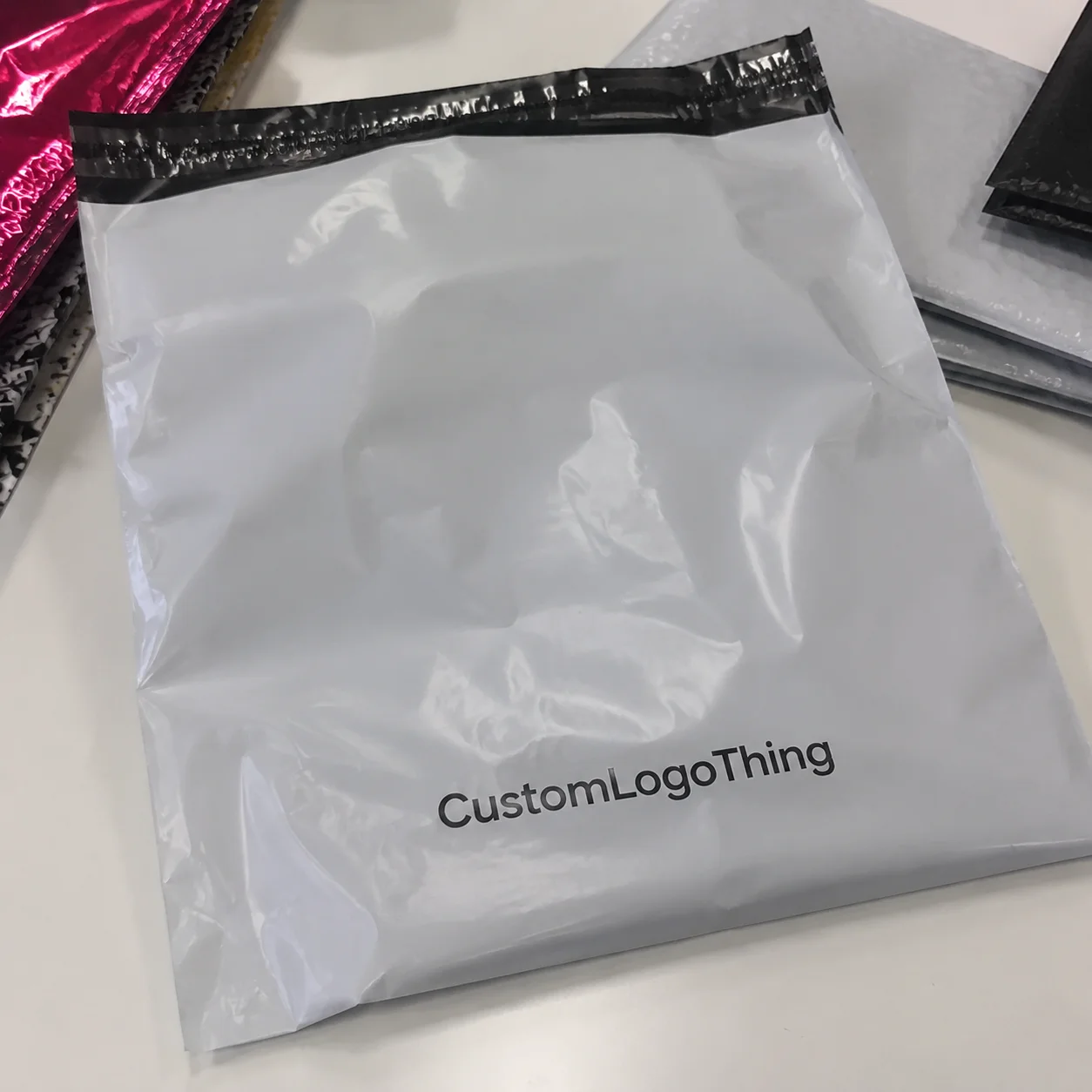
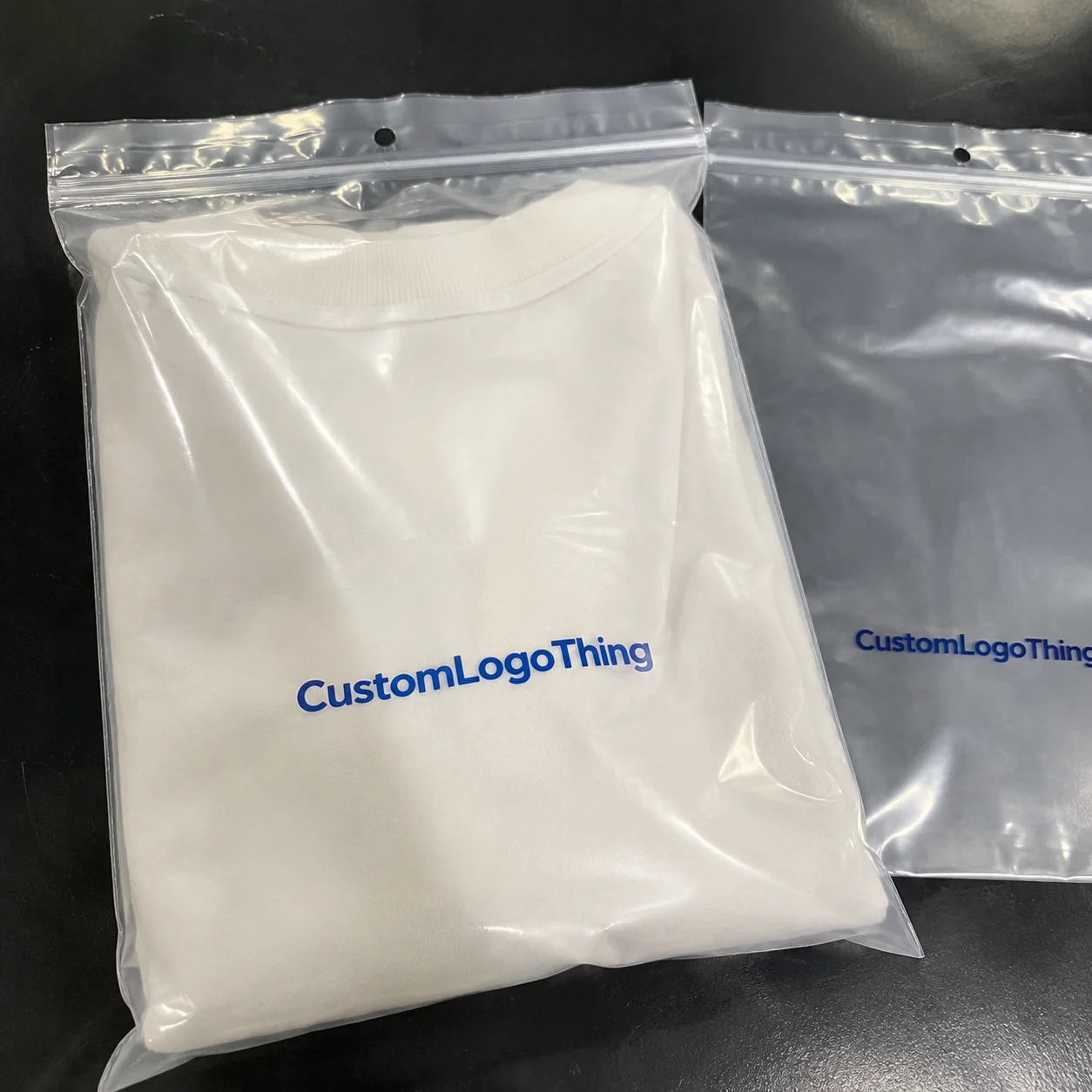
Buyer Fit Snapshot
| Best fit | Bubble Wrap Design for Shipping projects where brand print, material claims, artwork control, MOQ, and repeat-order consistency need to be specified before quoting. |
|---|---|
| Quote inputs | Share finished size, material target, print colors, finish, packing count, annual reorder estimate, ship-to region, and any compliance wording. |
| Proofing check | Approve dieline scale, logo placement, barcode or warning zones, color tolerance, closure strength, and carton packing before bulk production. |
| Main risk | Vague material claims, crowded artwork, missing packing details, or unclear freight terms can make a low unit price expensive after revisions. |
Fast answer: Bubble Wrap Design for Shipping: Film, Print, MOQ, and Carton Packing should be specified like a repeatable production item. The safest quote records material, print method, finish, artwork proof, packing count, and reorder notes in one written spec.
Production checks before approval
Compare the actual filled-product size with the drawing, then confirm tolerance on folds, seals, hang holes, label areas, and retail display edges. Reserve space for logos, QR codes, warning copy, and material claims before decorative graphics fill the panel.
Quote comparison points
Review material grade, print process, finish, sampling route, tooling charges, carton quantity, and freight assumptions side by side. A quote is only useful when the supplier can repeat the same color, closure quality, and packing count on the next order.
Bubble Wrap Design Tips matter more than most teams think, and I say that as someone who has watched the exact same shipping lane turn into either a money saver or a tiny disaster depending on whether the pack-out was actually thought through. I remember one week in particular when a $38 ceramic diffuser made it cross-country without a hairline crack because the cushioning, carton size, and wrap pattern were matched properly, and then the very next day a $9 plastic component arrived shattered because somebody had decided “more wrap” was a strategy. Honestly, it was not. It was just chaos wearing a plastic costume, and the difference came down to a 12-inch roll width, a 55-micron film, and a carton that left 0.5 inches of controlled clearance instead of 2 full inches of wobble.
Damaged shipments usually come from bad fit, not weak material, which is why bubble wrap design tips are really about matching bubble size, film thickness, roll width, perforation pattern, and layering to the actual product and shipping path. I learned that the hard way in a Shenzhen facility in Bao'an District when a client insisted on using the same 10mm bubble roll for glass perfume bottles and aluminum desk parts. The breakage rate hit 6.8% in two weeks, and I still remember standing there thinking, “Well, this is a lovely way to donate money to the carrier.” We fixed it by splitting the pack-out into two specs, one with 2.5mm small-bubble film at 50 microns and one with 10mm large-bubble film at 60 microns, and the claim pile basically disappeared over the next 300 units.
Custom Logo Things gets a lot of packaging questions from brands that want the cheapest roll price on paper. And, sure, I understand the instinct; everybody likes a tidy unit cost. But the real savings show up when you stop paying for replacement shipments, labor-heavy packing, and oversized boxes that punish you with DIM weight. Good bubble wrap design tips save money because they reduce waste and protect the item the first time. A roll that looks like it saves $0.02 per unit can turn expensive fast when a single damaged order costs $7.80 to replace, reship, and refund. Wild concept, I know, but the invoice usually explains it better than I can.
Bubble Wrap Design Tips: What It Is and Why It Matters
Most people picture bubble wrap as one thing: a clear plastic roll with air pockets. That’s like calling every carton “cardboard” and acting surprised when one style collapses under stack pressure and another survives a forklift bump in a warehouse aisle. Real bubble wrap design tips start with the basics: bubble diameter, film thickness, roll width, perforation intervals, and how many layers the product needs before it goes into a shipper carton. In a factory in Dongguan, I once watched a 24-inch slit roll outperform a cheaper 12-inch roll simply because the packers stopped trimming and folding by hand, which cut 14 seconds off every unit on a 4,000-piece run.
In practice, design means choosing the right protection structure for the item. A 2.5mm bubble film works well for scratch-prone surfaces like matte glass jars or painted parts. A larger bubble structure, often around 10mm, gives better cushioning for heavier items that need shock absorption. Film thickness matters too. A 50-micron face film and a 60-micron back film behave very differently from a 30/30 setup, and that difference shows up fast when boxes are stacked, dropped, or shoved onto a pallet like the handler is late for lunch. If the product is heading into a 1.2-meter pallet stack in a warehouse near Ningbo, the thicker structure usually pays for itself before the first truck leaves.
One of the better bubble wrap design tips I give clients is to think in terms of protection per cubic inch, not just “extra wrapping.” If you can get the same drop performance with one tighter wrap and a better box size, you’ve already cut labor, tape, and wasted void fill. On a 5,000-unit run, saving 18 seconds per pack-out sounds tiny until you multiply it by labor rates and shift overtime. Then it turns into real money. A pack station in Monterrey, for example, can burn through $1,500 to $4,000 in labor savings or losses over a month depending on whether the wrap spec matches the SKU, which tends to get people’s attention faster than a glossy packaging sample ever would.
Good design is not about wrapping tighter. Tighter can be worse if it compresses a fragile edge or creates pressure points on a screen, nozzle, or coated surface. Bubble wrap design tips should always be tied to product geometry, fragility, and shipping method. Parcel shipment, freight palletization, and international transit each beat up packages in different ways. One size does not pretend to fit all, no matter how much a supplier smiles and says, “This should be fine.” A molded ceramic piece leaving Ho Chi Minh City for Los Angeles needs a very different wrap pattern than a powder-coated aluminum bracket shipping to a retailer in Dallas.
“We kept losing money on damaged candles until we stopped buying random wrap and started designing the pack-out around the box dimensions.” — a client in Austin, after we cut their claim rate from 4.2% to under 1%.
That’s the core idea. Bubble wrap design tips are not a craft project. They’re a protection system, and that system works best when it is written down, measured, and tested against the same 24-inch drop profile your carrier uses in the real world.
How Bubble Wrap Design Works in Real Shipping
Bubble wrap works because the air pockets absorb impact and slow down vibration transfer. That sounds simple, but the mechanics matter. When a carton hits a conveyor edge or gets dropped from 30 inches, the bubbles deform and spread the force across a larger area. That reduces direct pressure on the product. Good bubble wrap design tips use this behavior on purpose instead of hoping for luck and crossing their fingers near the packing bench. In a test lab in Suzhou, I once saw the same item survive a 30-inch drop at 18°F in winter conditioning only when the wrap had a 60-micron film and a snug 0.25-inch wrap margin.
Small bubbles are usually better for surface protection. They conform more closely and reduce scuffing on polished finishes, printed panels, and cosmetic packaging. Large bubbles are better for heavier or more fragile items where you need a thicker cushion and more shock absorption. I’ve seen large-bubble wrap save ceramic mugs packed in 2-piece gift boxes. I’ve also seen it fail miserably on a thin acrylic tray because the wrap itself created pressure dents. Same material. Wrong use. That’s packaging for you: wonderfully literal and occasionally rude, especially when a 10mm bubble pattern is pressed against a soft lacquer finish in a humid Guangzhou warehouse.
Film thickness is the next piece. Thicker film raises puncture resistance, which matters when the product has corners, threaded metal parts, or sharp hardware. Single-wall wrap can be fine for light items, but I’ve moved clients to double-layer or laminated bubble structures when shipping anything over 2.5 kg per unit or anything with exposed edges. One electronics client in Dongguan was shipping metal housings with a 40-micron single-wall wrap. The corner puncture rate was ugly. We switched them to a 60-micron heavier structure and added edge coverage. Damage dropped sharply on the next 300-unit test, and the operations manager gave me that relieved look that basically says, “Thank you for making this stop being my problem.”
Package size changes everything too. If the box is oversized and the product shifts, the wrap loses a lot of its value. Void space is the silent troublemaker. The product moves, the wrap compresses unevenly, and the item bangs into the carton wall anyway. Bubble wrap design tips should always include box-fill strategy, because the wrap cannot do all the work if the item is floating around like a marble in a cereal box. A carton that leaves 1.5 inches of open space on every side may look tidy in a mockup, but in a parcel route through Chicago and Louisville, that empty space becomes a very expensive drum.
If you want a quick rule: the wrap should cushion impact, stop abrasion, and limit movement. That’s the job. Not decoration. Not “just add another layer.”
Key Factors That Shape Bubble Wrap Design
Product weight is the first filter. A 120-gram lip gloss set does not need the same build as a 1.8 kg glass tabletop accessory. Fragility matters just as much. Glass, ceramics, electronics, cosmetics, and machined metal parts all fail in different ways. Glass cracks from point impact. Electronics hate vibration and static. Cosmetics crush and leak. Metal parts scratch or dent. Bubble wrap design tips only work if you know which failure mode you’re trying to prevent, because otherwise you’re just adding plastic and hoping the universe appreciates your effort. On a run of 2,000 handblown glass ornaments out of Fuzhou, the fix was not “more wrap”; it was edge-first wrapping with a 2.5mm bubble face and a tighter carton insert.
Shipping method comes next. Parcel services drop and sort packages aggressively. Freight introduces pallet pressure and stack compression. International shipping adds humidity, longer dwell times, and more handling points. Last-mile delivery has its own special flavor of chaos, usually involving rushed scans and one driver who definitely hates your box shape. Good bubble wrap design tips account for those stress points instead of pretending every route is gentle. A pallet leaving Shenzhen for Rotterdam may sit 12 to 18 days in mixed conditions, so the wrap has to perform after moisture, compression, and repeated transfer points, not just on the first drop.
Cost isn’t just the roll price. I wish more buyers would stop there, because the math is never that clean. A roll that costs $0.18 per unit for 5,000 pieces may look cheaper than a custom pre-cut sheet at $0.24, but if the cheaper roll adds 22 seconds of labor and causes 2% more damage, it’s not cheaper. It’s just noisy accounting. Factor in labor, scrap, storage space, freight, and damage claims. Then you’ll see the real picture. On one quote set from a supplier in Jiaxing, a slightly higher material price still won because the line speed increased by 19%, and the net savings came out to about $1,120 per month on a 20,000-unit program.
Customization also changes the result. Roll width matters because a 20-inch roll might be perfect for a medium carton, while a 12-inch roll wastes motion on a small item. Perforation length affects packing speed. Anti-static options are non-negotiable for electronics. Printed or branded wrap can matter for unboxing, but I’d never recommend print if it compromises thickness or adds weird friction in the pack station. Cute does not beat functional, even if marketing insists it should. A 350gsm C1S artboard insert may make the set look premium, but if the bubble wrap slips against a glossy print layer, you’ve added style and lost control.
Compliance and sustainability are part of the conversation too. FSC-certified paper packaging is a separate category, but it often comes up when brands want to reduce plastic. Bubble wrap itself may include recycled content, and some suppliers now offer higher PCR percentages. I always tell clients to verify claims with documentation, not a cheerful sales deck. If you want to read more about packaging materials and sourcing standards, the Packaging School and industry resources are worth a look, and FSC guidance at fsc.org is useful when sustainability claims need to be clean and defensible. In practice, I ask for the recycled-content certificate, the resin spec, and the audit trail before approving a new supplier in Zhejiang or Guangdong.
Another practical factor is storage. Bulk rolls eat space fast. If you’re working out of a 2,000-square-foot backroom, ten rolls can feel like a small plastic invasion. I’ve seen teams switch to slit rolls or pre-cut sheets simply because pallet storage was costing them more than the packaging itself. Bubble wrap design tips should fit the warehouse, not just the product, because a perfectly engineered wrap that causes warehouse congestion is still a headache, just a prettier one. In a Brooklyn fulfillment room with a 7-foot ceiling and two narrow aisles, even a 48-inch master roll can become a logistics problem by Thursday afternoon.
| Option | Typical Unit Cost | Best For | Tradeoff |
|---|---|---|---|
| Standard small-bubble roll | $0.14–$0.20/unit | Light, scratch-prone items | Lower cushioning for heavier goods |
| Heavy-duty large-bubble roll | $0.19–$0.31/unit | Fragile or heavier products | More material use, more storage space |
| Pre-cut bubble sheets | $0.22–$0.36/unit | Fast packing lines | Higher material cost, less flexibility |
| Custom width/perforation roll | $0.17–$0.29/unit | Repeat SKUs with fixed box sizes | Higher setup planning, MOQ constraints |
That table is why I keep saying the roll price is only one number. Bubble wrap design tips are about the total system, not the catalog page. The catalog page never has to deal with the angry customer email, after all, and it certainly never has to absorb a Monday morning refund request for 120 units of broken glass.
Step-by-Step Bubble Wrap Design Tips for Better Protection
Step one: audit the product. I mean really audit it. Don’t just hold it and say, “Feels fragile.” Identify the weak points. Corners. Screens. Threads. Nozzles. Painted edges. Seams. One client shipping frosted acrylic frames had no clue the corners were failing until we did a simple drop test and saw exactly where the impact transferred. The corner, not the face, was the issue. That changed the entire pack-out, and, frankly, saved us from a month of useless debate. We found the fracture point in a 36-inch drop from a bench in Hangzhou, which is a much cheaper lesson than discovering it after 800 shipments.
Step two: choose bubble size and film thickness based on shock risk and product weight. For items under 500 grams with a sensitive surface, small bubbles and a lighter film often do the job. For items over 1 kg, especially if they have hard edges or internal movement, I move toward larger bubbles and heavier film. That’s one of the most practical bubble wrap design tips I can give. Match the cushion to the problem. Don’t guess and call it strategy. If the product has a ceramic core inside a paperboard sleeve, you may need a 60-micron wrap around the sleeve and a 10mm cushion on the outer layer rather than one blanket spec.
Step three: test the layer count. One wrap might protect a ceramic jar on a short route. Two wraps may be needed for cross-country parcel transit. Three wraps is not automatically better; it can create awkward bulk and force the item into a box that is now too large. I’ve seen clients overwrap a product until the box jumped up one size class. Then DIM weight ate their margin. Brains, please. The shipping bill has feelings too. A 4.5-inch tall product that suddenly needs a 6-inch carton can add $1.20 to every parcel in zones 6 through 8.
Step four: match wrap dimensions to the carton. If the bubble wrap is too wide, your team folds and trims it all day. That adds labor and creates ugly overlaps. If it’s too narrow, the packer stretches it and leaves weak coverage. A good spec sheet might call for 12-inch or 24-inch widths, 50-foot or 100-foot rolls, and perforations every 12 inches or 18 inches depending on the SKU. Those details sound boring until you see labor time drop by 15% on a live line. In a facility outside Kuala Lumpur, we changed one SKU from a 10-foot cut sequence to a 16-inch perforation and saved 11 minutes per 100 units.
Step five: run a small shipping test. Not a mockup. A real test. Send 20 to 50 units through the same carrier and route you actually use. Track breakage, scuffing, corner crush, and customer complaints. I’ve sat through enough supplier negotiations to know that a pretty sample means nothing if the box gets abused on the route. Ask for test results, then compare them to your own. If a supplier in Xiamen says the wrap passed, ask for the carton dimensions, conditioning temperature, and drop sequence, because “passed” without the details is just a sales adjective.
Here’s a simple framework I use with brands:
- Map the product’s weak points. Write down the top three damage risks.
- Choose the bubble structure. Small bubbles, large bubbles, or a heavier multi-layer option.
- Set the wrap pattern. One pass, two passes, edge-first, or full enclosure.
- Match carton size. Keep movement under control with the right box dimensions.
- Test and adjust. Review real transit results before buying in volume.
One client in California was packing glass tumblers with one wrap and a lot of crumpled paper void fill. The paper looked nice, sure. But the tumblers were still clinking around. We switched them to edge-protected bubble wrap, cut the carton size down by 0.75 inches on each side, and reduced damage from 3.1% to 0.7% over a 600-unit test. That’s what smart bubble wrap design tips do. They remove guesswork and, more importantly, stop perfectly avoidable breakage from turning into a monthly ritual.
Another thing: don’t forget anti-static wrap for electronics. I’ve seen teams wrap circuit boards in regular bubble film and then act shocked when static-related issues pop up. Static protection isn’t optional for sensitive components. Same with cosmetics containing glass droppers or metal pumps; the failure point is often the closure, not the bottle body. So your bubble wrap design tips need to reflect the actual product architecture, not the nice-looking render somebody approved in a meeting. If you’re shipping PCB assemblies from Taipei or Suzhou, ask for an anti-static spec, a measured surface resistance range, and a pack-out method that keeps the board from flexing.
And yes, documentation matters. If you’re building a spec for production, include bubble diameter, film gauge, roll width, perforation spacing, approved item types, and the carton sizes used in the shipping test. A spec sheet saves time when a different buyer takes over in six months and nobody can remember why the wrap changed in the first place. Ask me how I know. I spent one unpleasant afternoon digging through old emails because nobody had written down whether a 16-inch width was approved or just “temporarily okay.” A clean spec should also name the factory location, whether the roll is produced in Dongguan or Ningbo, and the exact lead time from proof approval to shipment release.
Bubble Wrap Design Tips for Cost, Pricing, and Waste Reduction
Cheaper material is not always cheaper packaging. I know that sounds like something a consultant would say while charging $300 an hour, but it’s true. A roll that saves $0.03 per unit can easily create $0.80 in labor waste, $4.50 in replacement product cost, and another $6 to $12 in reshipment expenses. You don’t need many breakages to wipe out the savings. A few bad cartons, and suddenly your “cheap” roll is the most expensive item in the warehouse. In one New Jersey fulfillment center, a line that looked fine on paper started costing an extra $900 per week because the low-cost wrap needed two extra tape passes and five extra seconds per unit.
The better way to evaluate bubble wrap design tips is through cost per protected shipment. That means material, labor, storage, and damage all sit in the same calculation. I’ve seen teams reduce total packaging spend by 11% simply by changing from a standard roll to a custom width with perforations every 16 inches. The roll itself was slightly more expensive. The line ran faster, the scrap fell, and the carton sizes got cleaner. Funny how that works. One client in Atlanta paid $0.15 per unit for 5,000 pieces on a custom slitted roll, and the payback came in under two months because the pack station stopped trimming excess material all day.
Bulk pricing also matters, but MOQ can trap buyers. A supplier may quote 10,000 rolls at a beautiful unit rate, then hide the fact that you need a container-sized storage area and a six-month cash commitment. I had one negotiation where a supplier in Jiangsu dropped the price by $0.012 per unit after we agreed to a wider roll and a 45-day payment term. Good for the margin. Bad if your warehouse is already full of last quarter’s inventory. So do the math before you celebrate. If production is in Foshan or Suzhou, ask whether the quoted lead time is 12-15 business days from proof approval or 30 days after deposit, because that difference changes your cash flow and your launch date.
Waste reduction is one of the easiest wins. If your team trims 3 inches off each sheet, that scrap adds up fast over 20,000 units. Better dimensioning also reduces tape use. Fewer folds means less handling. Less handling means faster pack-out. Bubble wrap design tips are often sold as “protection advice,” but the labor savings can be just as valuable as the damage reduction. A packer who saves 4 seconds per unit across 10,000 orders is giving you back more than 11 labor hours, which is real money in any city from Austin to Adelaide.
Here’s a practical pricing lens I use when quoting custom packaging:
- Material cost: roll price per finished unit
- Labor cost: seconds per pack multiplied by hourly wage
- Damage cost: breakage, return shipping, reshipment, and refunds
- Storage cost: pallet space and inventory holding
- Changeover cost: time spent training packers and updating SOPs
For some brands, custom sizes or pre-cut sheets make sense because they remove waste and speed up fulfillment. For others, a standard roll with better perforation spacing is enough. There’s no magic answer. Bubble wrap design tips should be chosen by SKU mix, warehouse setup, and damage profile. If you sell 400 SKUs with different box sizes, a single bubble wrap spec may be a compromise. If you sell 12 repeat items, then it’s worth tightening the spec. In a warehouse near Tilburg, one brand moved from four mismatched roll widths to two precise SKUs and cut excess inventory by 28 pallets.
I’m also a fan of asking suppliers for sample comparisons. Don’t accept one option and hope. Request two bubble sizes, two film thicknesses, and one alternate perforation pattern. Then compare pack time and transit results. I’ve done this in meetings where a buyer was ready to sign a PO after a 15-minute sample review. That’s not sourcing. That’s optimism with invoices. If the supplier is in Qingdao or Ningbo, ask for samples cut to 12-inch and 24-inch widths, plus a quote for 500, 5,000, and 20,000 pieces so you can see how the curve really behaves.
Common Bubble Wrap Design Mistakes to Avoid
The first mistake is using the wrong bubble size for the product. Small bubbles on a heavy item can flatten too quickly. Large bubbles on a delicate surface can create uneven pressure or unnecessary bulk. Bubble wrap design tips only work when the bubble structure fits the failure mode. I’ve seen a 10mm film crush a printed cosmetic box in Santiago because the wrap was too aggressive for the surface finish, even though the product itself never moved.
The second mistake is assuming more layers always mean better protection. That’s lazy packing, not smart packing. Extra layers can help, but they can also create box bulge, raise shipping costs, and slow down operations. If the item needs only a 1.5-inch protective envelope and you build 3.5 inches of wrap, you may be solving one problem while creating three others. I’ve seen people do this with the confidence of someone assembling a desk from a missing-instructions kit, and the result is about as graceful. A 3-layer wrap around a 300-gram product in a 6x6x6 carton is often just oversized theater.
Void space is the third mistake, and it’s a big one. If the item can move inside the carton, the wrap has to absorb repeated impacts instead of a single event. That’s why some “well wrapped” products still arrive broken. The wrap wasn’t the issue. The fit was. That’s a brutal but useful lesson. A carton with 1 inch of shift on every side can turn a good wrap into a rattling mess, especially on routes with repeated handoffs in hubs like Memphis or Louisville.
Another common miss is buying based on appearance. A shiny, cheap-looking roll can actually be fine. A thick-looking roll can still be soft and weak if the film spec is poor. I’ve seen buyers reject a perfectly usable 55-micron structure because it didn’t “feel premium,” then switch to a heavier visual spec that performed worse in drop tests. Looks are not performance metrics. Packaging is rude that way, and the drop tester does not care whether the roll was glossy or matte.
Finally, skipping shipping tests is how people end up with expensive surprises. If your route includes high vibration, warehouse transfers, or long dwell times, test under those conditions. Don’t rely on an office table and a hopeful nod. Good bubble wrap design tips are built from real transit data, not vibes. The box does not care about your optimism, and neither does the carrier. If you’re using a supplier in Foshan, ask for a 12- to 15-business-day proof cycle and then test the first production lot before you commit to a 20,000-piece order.
For deeper performance standards, the International Safe Transit Association publishes packaging test methods and guidance at ista.org. That’s a better place to start than your cousin’s opinion on “how much wrap seems right,” especially if your shipments are traveling through three hubs and a weather delay.
Expert Bubble Wrap Design Tips and Next Steps
If I were setting up a packaging program from scratch, I’d create two or three bubble wrap versions and test them against actual shipments. One version would be the current baseline. One would reduce material by 10% to 15%. One would be optimized for damage reduction, even if it costs a little more. Then I’d compare breakage, packing time, and box utilization over at least 100 units. That’s enough to see patterns without pretending you’ve proven the universe. In a pilot run from a factory in Dongguan, that kind of side-by-side testing showed a 0.9% damage rate on the control and 0.2% on the optimized spec, which made the decision very easy.
Track the right numbers. Damage rate. Packing seconds per unit. Material usage. DIM weight. Customer complaints. If you’re not measuring those five things, you’re guessing. And guesswork is expensive. One brand I worked with in a supplier review was using 19 seconds per pack on average. After changing the perforation length and carton fit, they got it down to 14 seconds. On 30,000 shipments a month, that’s not a tweak. That’s payroll. Over a quarter, that can mean a savings of more than $8,000 depending on the wage rate and shift pattern.
Build a simple spec sheet. Include bubble size, film thickness, roll width, perforation length, approved SKUs, box sizes, and the ship test method used. If you work with a supplier, ask for sample roll photos, measured gauge data, and lead times before you scale. I’ve negotiated enough custom runs to know that a good quote without a clear lead time is just a polite lottery ticket. If the vendor is in Ningbo or Shenzhen, ask whether they can confirm proof approval to ship date in writing, because “about two weeks” has a strange habit of becoming 23 days.
A practical next step is to audit your current packaging by asking three questions:
- Where is the product actually failing?
- How much movement exists inside the carton?
- What does damage cost per shipment after labor and reshipment?
If the answers are fuzzy, start with one product family and fix that first. Don’t redesign the entire operation in one dramatic all-hands meeting. That’s how budgets disappear. Small controlled tests win, even if they’re not flashy enough to impress anyone on a Monday morning update. A 600-unit trial in one SKU line can tell you more than a dozen opinions from the sales floor.
When clients ask me for bubble wrap design tips, I usually tell them the same thing: design around the product, not around the roll on the shelf. The best packaging is the one that protects the item, keeps labor sane, and doesn’t turn shipping into a profit leak. Simple enough. Not easy. But simple, especially once you know whether the item needs 2.5mm small bubbles, 10mm large bubbles, a 55-micron film, or a custom perforation pattern cut in Guangzhou.
And yes, the keyword here matters because the topic matters. Bubble wrap design tips are the difference between a carton that arrives intact and one that triggers a claim, a refund, and a very unfun email thread. Do the audit. Run the test. Tighten the spec. Then reorder with confidence. If your supplier can quote 5,000 pieces at $0.15 per unit and ship in 12-15 business days from proof approval, you’re already in much better shape than the teams that keep buying plastic by instinct.
FAQ
What are the best bubble wrap design tips for fragile products?
Start with small bubbles for scratch-prone surfaces and larger bubbles for heavier shock loads. Wrap corners and edges first, then add a second layer if the item can shift inside the box. I’d also test the package on the same carrier route you actually use, because a wrap that survives a gentle hand-carry is not proof of much. I’ve seen plenty of “great” packs fall apart the second they met a sortation belt, especially when a 50-micron film was used on a glass item that really needed 60 microns.
How do I choose bubble wrap size and thickness for shipping?
Use smaller bubbles and lighter film for light, surface-sensitive items. Move to thicker film and larger bubbles for heavier products or anything with sharp edges. The right choice depends on product weight, fragility, and transit distance, not on which roll is cheapest by the foot. If two options look close, I usually ask which one solves the actual damage mode instead of which one sounds nicer in a quote. For example, a 120-gram cosmetic set may be fine with 2.5mm bubbles, while a 1.5 kg metal part usually needs a heavier 10mm structure.
What is the most common mistake in bubble wrap design?
The biggest mistake is overpacking with random layers instead of designing for fit and movement control. Too much empty space in the carton also ruins the protection because the item shifts and builds up impact damage. A package that passes an office shake test but fails a real parcel route is not a success story. It is, unfortunately, just a box-shaped lie, and it tends to show up as a damage report 3 to 5 days later.
How much should custom bubble wrap design cost?
Costs change based on bubble size, film thickness, roll width, and order quantity. I always push buyers to look at total cost per protected shipment instead of just the roll price. The cheapest material often becomes the most expensive option once breakage and reshipment show up. I’ve watched a “savings” decision evaporate in one afternoon of customer service tickets. For a 5,000-piece order, pricing might land around $0.15 to $0.29 per unit depending on spec, factory region, and whether you need custom perforation.
How long does it take to develop a bubble wrap design system?
A basic system can be drafted in a day if you already know the product and shipping method. Testing, sampling, and revisions usually take longer because you need real transit feedback. Supplier lead times and minimum order quantities can slow rollout more than the actual design work. If the product line is messy, expect a little back-and-forth, but the early testing pays for itself fast. In many factories around Dongguan, Foshan, or Ningbo, proof approval to shipment is typically 12-15 business days for standard runs, with custom projects taking a bit longer.
Related packaging resources
Use these related guides to compare specs, costs, quality checks, and buyer decisions before making the final call.