Buyer Fit Snapshot
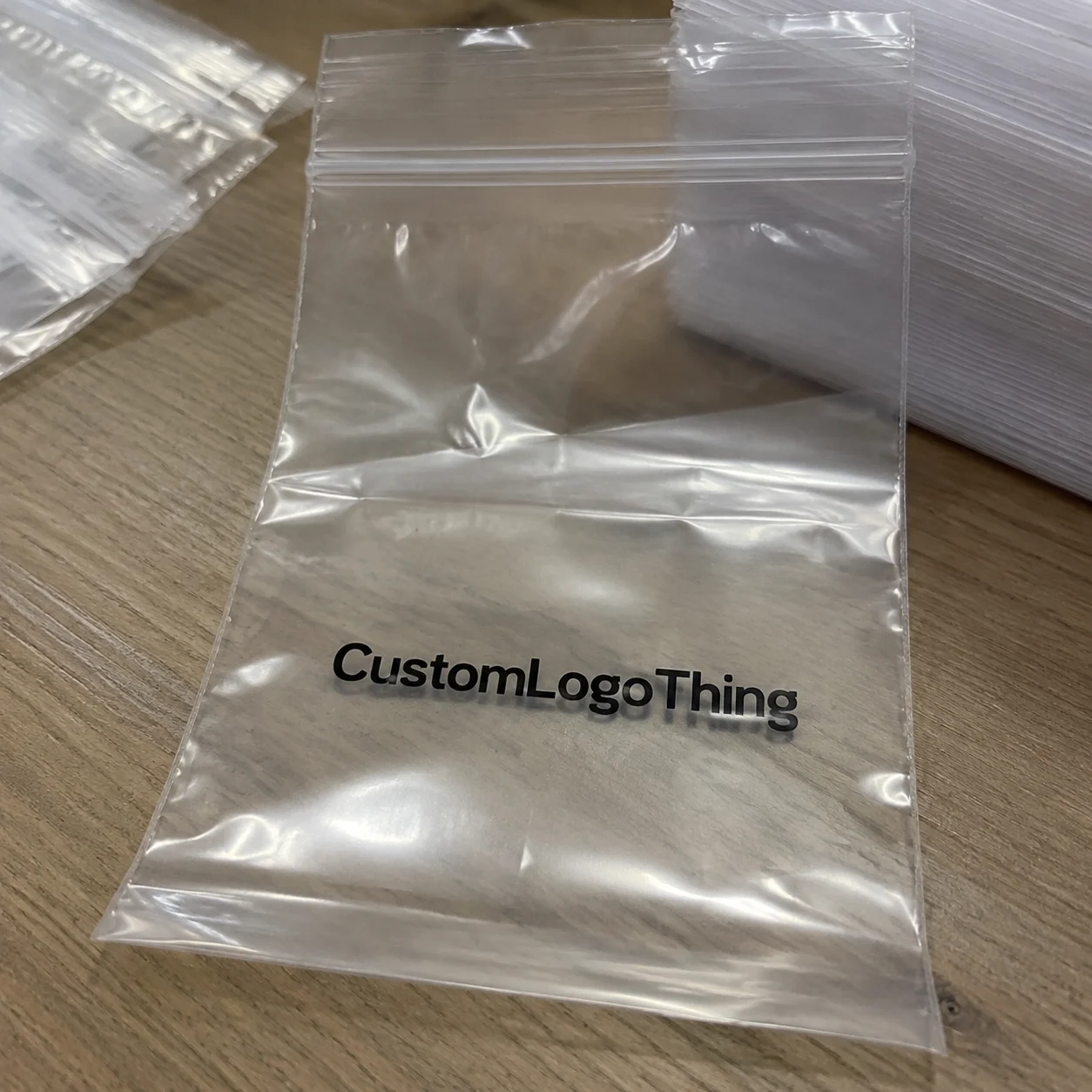
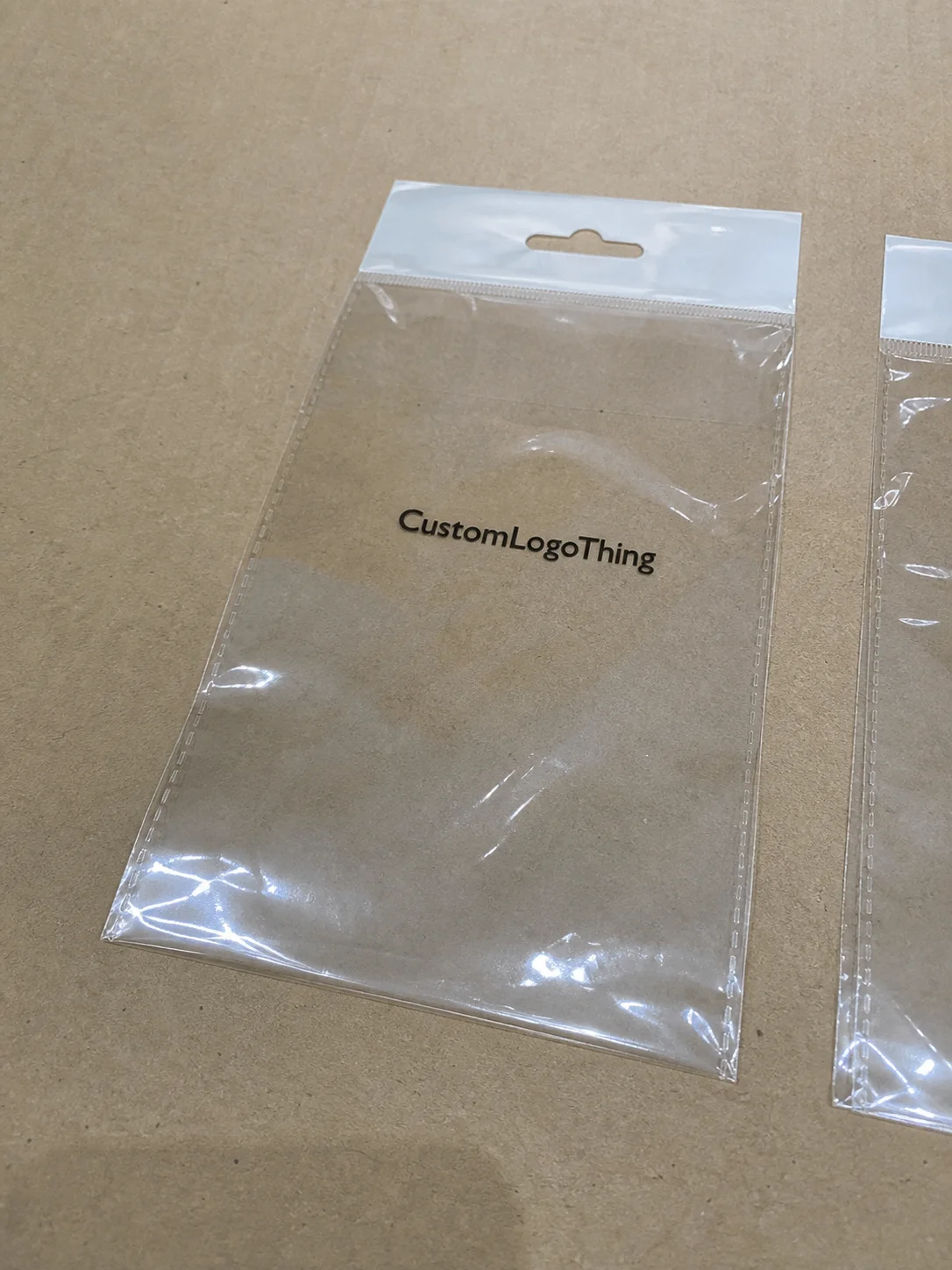
| Best fit | Bubble Wrap Supplier projects where brand print, material claims, artwork control, MOQ, and repeat-order consistency need to be specified before quoting. |
|---|---|
| Quote inputs | Share finished size, material target, print colors, finish, packing count, annual reorder estimate, ship-to region, and any compliance wording. |
| Proofing check | Approve dieline scale, logo placement, barcode or warning zones, color tolerance, closure strength, and carton packing before bulk production. |
| Main risk | Vague material claims, crowded artwork, missing packing details, or unclear freight terms can make a low unit price expensive after revisions. |
Fast answer: Bubble Wrap Supplier: Quote Scope, Sample Proof, MOQ, and Lead Time should be specified like a repeatable production item. The safest quote records material, print method, finish, artwork proof, packing count, and reorder notes in one written spec.
Production checks before approval
Compare the actual filled-product size with the drawing, then confirm tolerance on folds, seals, hang holes, label areas, and retail display edges. Reserve space for logos, QR codes, warning copy, and material claims before decorative graphics fill the panel.
Quote comparison points
Review material grade, print process, finish, sampling route, tooling charges, carton quantity, and freight assumptions side by side. A quote is only useful when the supplier can repeat the same color, closure quality, and packing count on the next order.
I’ve spent enough time on packing lines to know a hard truth: the wrong roll of bubble wrap can cause more damage than no protection at all. I still remember one plant visit in Newark, New Jersey, where a team was using a soft 3/16-inch small-bubble roll on steel parts with sharp corners measuring nearly 1.5 inches across. They blamed the warehouse for dents until we cut open a few failed cartons and found flattened bubbles, split seals, and almost no cushioning left after the first 47-mile leg of transit. Honestly, it was one of those moments where everybody stared at the roll like it had personally betrayed them.
That is why a strong bubble wrap supplier guide matters before you spend money on freight, rework, or replacement stock. Problems like that show up more often than people admit, and they usually begin with buying on price alone. A useful bubble wrap supplier guide pushes you past the sticker on the roll and into the details that actually shape performance: resin quality, bubble geometry, film gauge, roll consistency, perforation spacing, and whether the supplier can keep your line moving at 40 boxes an hour instead of 24. Glass, cosmetics, electronics, medical components, and awkward retail goods all demand different protection. Packaging is never just about air pockets; it is about labor, damage rates, and total landed cost.
Bubble Wrap Supplier Guide: What It Really Means
A bubble wrap supplier guide is a buying framework, not a sales sheet. It shows how bubble wrap is made, how suppliers differ, and what to ask before you commit to a carton count or pallet release. The best buyers understand the gap between a commodity roll and a protective packaging program built for a specific product. Those two purchases can look almost identical on paper and behave very differently on the dock, especially when one is a 12-inch x 250-foot roll and the other is a 48-inch x 500-foot custom slit program.
Not every supplier is doing the same job. A commodity seller may buy finished rolls and resell them from a warehouse in Los Angeles or Atlanta. A converter may source the structure, slit it to width, perforate it, pack it, and manage freight from a plant in Charlotte, North Carolina or Foshan, Guangdong. A full-service packaging manufacturer may go further and help match bubble size, anti-static properties, or custom sheet lengths to your product and line speed. That difference matters when one month calls for 96-inch wide rolls and the next calls for perforated 12-inch sheets.
I once sat in a meeting at a fulfillment center outside Atlanta where the purchasing team laid out three quotes separated by only a few cents per roll. At first glance, all three looked acceptable. One supplier used inconsistent bubble height, one had poor roll winding that caused telescoping on the dispenser, and one could not hold the same film gauge across a 10-pallet order. Once lost time and packer frustration entered the math, the cheapest quote became the most expensive program by a wide margin. That’s the kind of thing that makes procurement people mutter into their coffee.
A bubble wrap supplier guide has to go beyond unit price. When I evaluate suppliers, I look for a few non-negotiables: bubble size, film thickness, seal integrity, anti-static options for electronics, and run-to-run consistency. You also want to know whether the supplier offers standard 1/2-inch bubble, small bubble, or large bubble rolls; whether perforated sheets are available; and how they handle export packaging, where humidity in Miami, Rotterdam, or Singapore can change performance under stacked load pressure. A smart bubble wrap supplier guide ties the material choice to the actual shipping risk, not just the catalog description.
The business goal is simple to say and harder to execute: protect products while keeping shipping cost, labor time, and waste under control. If the packaging line fights the material, the warehouse pays twice, once in labor and again in claims. That is the real reason buyers keep a bubble wrap supplier guide close by. It helps them avoid buying the wrong protection format for the wrong job, whether the order is 600 cartons for Chicago or a single weekly pallet for Toronto.
How Bubble Wrap Works in Shipping and Logistics
Bubble wrap works because trapped air cells absorb impact, spread pressure across a wider surface, and reduce abrasion between the product and the outer carton. The mechanics are simple, but the results depend on structure. A larger bubble can cushion heavier or more fragile objects with a forgiving air pocket, while a smaller bubble wraps tightly around edges, corners, and odd shapes without creating bulky bundles that waste cube space. That is one reason a solid bubble wrap supplier guide always connects product shape with bubble profile.
Film structure matters too. A 60-gauge film does not behave like a 75-gauge film, and a single-wall structure does not behave like a laminated specialty material with a kraft backing or anti-static treatment. I’ve seen packaging engineers choose standard bubble for ceramic mugs, then move to a laminated or surface-protective format for polished metals because the risk had shifted from impact to scuffing and surface marking. In a proper bubble wrap supplier guide, those distinctions are not trivia. They separate a protected shipment from a returned one.
Warehouses and fulfillment centers use bubble wrap in very different ways. In an e-commerce packing line in Columbus, Ohio, the team may want pre-perforated 12-inch sheets to keep labor fast and predictable. In a manufacturing plant in Monterrey or Shenzhen, operators may prefer wide rolls for wrapping assemblies, inserted parts, or kitted components before final cartonization. In cold-storage or export environments, they may need anti-static bubble or moisture-resistant formats. I’ve stood on lines where the wrong dispenser width added 8 to 12 seconds per pack, and over a 3,000-order day, that stacks up quickly. A practical bubble wrap supplier guide should match format to workflow.
There are a few common formats you’ll see, and each one has a different production reality behind it:
- Rolls for continuous wrapping and high-volume packing, often 12, 24, or 48 inches wide.
- Sheets for fast, repeatable pack-outs with less waste, typically sold in counts like 100, 250, or 500 sheets per case.
- Pouches for small, repetitive parts and retail items, often sized for 4 x 6 inches or 6 x 8 inches.
- Perforated formats for speed on manual lines and semi-automated stations, usually every 12 or 24 inches.
Standard bubble wrap is often enough for general-purpose protection, especially when products are lightweight, not sharply edged, and not unusually sensitive to static discharge. Specialty formats earn their keep when the risk changes. Anti-static bubble wrap is common for boards, cables, and electronic parts, while kraft-backed bubble is useful when you need a cleaner retail presentation or extra surface protection. A good bubble wrap supplier guide helps buyers know when to stay with the standard product and when a specialty format prevents a more expensive mistake later, such as a 2 percent return rate on electronics shipped from Austin or Eindhoven.
One of the cleaner ways to compare formats is to think about labor and cube together. If a roll protects well but slows the packer, the savings disappear. If a sheet is easy to use but the perforation tears badly, the line starts wasting material. That is why I often ask suppliers for a sample case and a packing test. Real-world performance tells you more than a specification sheet ever will. Any honest bubble wrap supplier guide should say the same thing.
Key Factors to Compare in a Bubble Wrap Supplier Guide
Material quality is the first thing I inspect. Resin grade, bubble consistency, seal strength, and puncture resistance are not marketing phrases; they decide whether the wrap keeps its structure after a cart ride, a trailer shift, or a conveyor drop. If the bubbles are uneven in height or the seals look weak at the neck, the roll may look fine in receiving and fail in the packing room. That is why any serious bubble wrap supplier guide should force a close look at construction quality, ideally with a spec sheet listing gauge, roll width, core diameter, and bubble pitch.
Thickness and bubble size deserve careful attention. Small bubble formats are often used for surface protection and lighter items, while medium and large bubble options are better for heavier goods or parts that need more crush resistance. I usually tell customers to compare at least two gauges, not just one, because a 3/16-inch bubble with a thinner film may be cheaper but less durable, while a thicker 1/2-inch bubble can reduce breakage on valuable items at the cost of added cube and freight. The right choice depends on product weight, edge sharpness, and drop risk. A practical bubble wrap supplier guide puts those tradeoffs on the table plainly.
Price analysis also has to include hidden costs. A roll priced at $18.40 may look better than a roll priced at $19.75, but if the cheaper roll tears every third pull and forces your team to rewrap 6 percent of outbound cartons, it is not cheaper at all. Freight can matter just as much, especially on bulky items shipped from one region to another. For a 5,000-roll annual program, the difference between free-on-board pricing and delivered pricing can change your budget by thousands of dollars. That is exactly the kind of math a bubble wrap supplier guide should make visible.
| Bubble Wrap Option | Typical Use | Approx. Cost Example | Operational Impact |
|---|---|---|---|
| 3/16-inch small bubble, standard film | Lightweight retail items, cosmetics, accessories | $0.18/unit at 5,000 pieces | Fast packing, lower material use |
| 1/2-inch medium bubble, standard film | General fragile goods, glassware, mixed SKUs | $0.24/unit at 5,000 pieces | Better cushioning, higher cube |
| Anti-static bubble, custom width | Electronics, circuit boards, precision parts | $0.31/unit at 5,000 pieces | Lower electrostatic risk, specialty handling |
| Kraft-backed laminated bubble | Premium presentation, surface-sensitive items | $0.36/unit at 5,000 pieces | Improved appearance, less scuffing |
Supplier capability is another major filter. Can they produce custom widths, say 12-inch, 24-inch, and 48-inch rolls? Can they perforate every 12 inches or every 24 inches? Can they private-label the outer poly bag or print your internal part number? Can they hold stock for repeat orders or fill an emergency 2-pallet request in 48 hours from warehouses in Dallas, Rotterdam, or Kuala Lumpur? I’ve negotiated with suppliers who were excellent at standard rolls but slow on custom slitting, and that mismatch caused production delays. A good bubble wrap supplier guide makes these operational details part of the selection process.
Compliance and sustainability belong in the conversation too. If your customer asks for recycled content, FSC-certified packaging, or documentation for sustainability reporting, you need a supplier who can back up the claim with actual paperwork, not vague language. Organizations like the Forest Stewardship Council and the U.S. EPA recycling resources are useful references when packaging teams are building a sourcing policy. I’ve seen procurement teams lose weeks because a supplier could not produce a basic compliance statement. A proper bubble wrap supplier guide saves that time by asking for documentation up front.
Consistency across runs is the quiet test that separates a dependable supplier from a lucky one. If one shipment winds tightly at 3.6 pounds per roll and the next arrives at 3.1 pounds with weaker seals, your packers will notice before QA does. That is where a lot of supplier relationships break down: the first sample is great, then the repeat order drifts. The best bubble wrap supplier guide always tells buyers to verify repeatability, not just first-article quality, because a 1,000-roll program from a plant in Ohio should not behave differently from the same spec ordered six weeks later from Mexico City.
Step-by-Step Process: Choosing a Bubble Wrap Supplier
Start by auditing your products carefully. Measure length, width, height, weight, edge sharpness, and fragility level, then write down the shipment method, whether that is parcel, LTL, or palletized freight. A perfume bottle in a custom carton needs a different protection plan than a machined aluminum component with sharp corners. On one plant floor in Ohio, I watched a team test the same wrap on six SKUs. Three passed with room to spare; two failed because the corners punched through the film during carton shake testing. That kind of detail is exactly why a bubble wrap supplier guide begins with product assessment.
Then request samples and test them in the real packing environment. I do not mean holding the wrap up to the light in a conference room. I mean the same bench, the same tape gun, the same cartons, the same carton erector, and the same packer who will use the product on Monday morning. If you can, run a short drop test, a corner crush check, and a pack-out time study. When I worked with a cosmetics distributor in Southern California, we found that a slightly narrower perforated sheet cut 11 seconds off each order. That mattered more than a 2-cent difference in unit price. A practical bubble wrap supplier guide always recommends testing under real conditions.
After the test, compare suppliers with a scorecard. I like a simple 100-point sheet with categories such as cushioning performance, price, lead time, customer service, documentation, and delivery reliability. It keeps the conversation honest, especially when a salesperson is good but the product is inconsistent. One supplier I worked with had excellent pricing but answered quotes in 5 business days, while another was slightly more expensive but returned spec sheets the same afternoon and could ship a partial pallet within 72 hours. That responsiveness mattered to the warehouse manager far more than a penny or two per roll. A strong bubble wrap supplier guide gives you a scoring system, not just a feeling.
Ask for process details too. You want to know how the bubble wrap is produced, slit, wound, and packed. Does the supplier run inline quality checks for bubble formation and seal integrity? Do they inspect perforation spacing? What happens if a custom order runs short by 2 rolls? If a supplier cannot explain the process clearly, that is a warning sign. In my experience, the plants with disciplined checks usually have fewer surprises in replenishment, and those checks are worth more than a glossy catalog. That is part of what makes a bubble wrap supplier guide genuinely useful.
Build a pilot order plan before you commit to volume. A trial order of 100 to 500 units, or even one pallet, can reveal a lot about consistency, freight damage, and how the supplier handles documentation. Watch how the rolls arrive, whether they are tightly packed, whether the cores are intact, and whether the outer packaging protects the product from moisture and abrasion. If the pilot passes, then scale gradually. If it fails, you lose a small amount of time instead of getting stuck with 15 pallets of material you do not want. That is smart buying, and it is central to any usable bubble wrap supplier guide.
Bubble Wrap Supplier Guide: Cost, Pricing, and Lead Times
Cost is never just cost. Resin market movement, film gauge, bubble profile, additive package, roll dimensions, perforation pattern, and order quantity all influence the final price. If you order 48-inch wide rolls in custom perforated sheets, expect a different number than you would for a stock 12-inch roll. In one supplier negotiation I sat through, the customer focused on a $0.04 difference per sheet and ignored the fact that the larger, stronger format reduced breakage claims by 18 percent over the next quarter. That is the kind of arithmetic a bubble wrap supplier guide should encourage.
Lead times deserve the same attention. Stock items can often ship quickly, while custom widths or specialty films may require additional production time for slitting, perforating, and palletizing. Freight distance matters too. A supplier with inventory in Dallas may get material to a Texas facility faster than a coastal vendor, even if the latter has a better unit price. I’ve seen plants pay emergency freight that wiped out their annual savings in one week. A realistic bubble wrap supplier guide always asks for standard lead time and expedited options, such as 12-15 business days from proof approval for custom work.
For multi-site buyers, total landed cost matters more than a unit line item. If you operate three distribution centers, a supplier with slightly higher roll pricing but lower freight, better fill rates, and fewer emergency reorders may be the better partner. I’ve watched procurement teams save 6 percent on the catalog and lose 14 percent in warehouse inefficiency. That is why the smartest bubble wrap supplier guide separates price from performance.
Here is a simple way to think about the cost stack:
- Material price per roll or sheet.
- Freight to the plant or distribution center.
- Labor time to dispense, tear, and wrap.
- Damage cost from failed protection.
- Inventory carrying cost from oversized buys or slow replenishment.
Reliable suppliers help with planning by offering blanket orders, scheduled releases, or safety stock programs. That can be especially useful if your seasonal demand spikes by 20 to 40 percent in peak months. I’ve worked with teams that kept 4 weeks of stock on hand and used weekly releases to avoid tying up cash in material that sat too long. That kind of arrangement is not flashy, but it keeps the dock calm and the pack line supplied. A practical bubble wrap supplier guide should highlight those options.
The best suppliers make your buying easier after the first order. They send clean confirmations, keep specs consistent, and warn you early if resin pricing is moving. They do not promise miracles, and they do not pretend a stock roll can do a custom job. That kind of honesty is rare, which is why a disciplined bubble wrap supplier guide is so valuable for repeat purchasing.
Common Mistakes When Selecting a Bubble Wrap Supplier
The biggest mistake is buying by price alone. I know that sounds obvious, but I still see it all the time. A team gets three quotes, picks the lowest one, and only discovers the problem after the first damage claim or the first packer complaint. If the film is too thin, the bubbles collapse; if the width is wrong, the wrapping becomes awkward; if the perforation is inconsistent, the line slows down. A careful bubble wrap supplier guide keeps the decision tied to performance, not just purchase price.
Another mistake is ignoring bubble size and film thickness. Buyers sometimes assume all bubble wrap is basically the same, which is how corners get crushed, gloss finishes get scuffed, and products arrive with pressure marks. I’ve seen delicate ceramic goods ship fine in small bubble and fail in a thicker but poorly wound roll because the product shifted in the carton. The protection system has to be matched to the product, the carton, and the route. That is a point every good bubble wrap supplier guide should hammer home.
Lead times can bite hard when demand spikes. If your business runs promotions, holiday peaks, or contract manufacturing surges, you need a supplier who can meet minimums without forcing you into panic buying. I once helped a client who ordered too late for a seasonal sales bump and ended up paying a premium for an expedited pallet that arrived with one damaged core and two split cartons. The shipment cost more than the material. A practical bubble wrap supplier guide protects you from that kind of scramble.
Compatibility issues are another quiet problem. The roll may fit the spec sheet but not the dispenser, or the perforation may be set for a different packing rhythm than your team uses. If your pack station tears sheets every 12 inches, a 24-inch perforation can slow production and increase waste. That sounds minor until you’re running 1,200 orders a day. A good bubble wrap supplier guide reminds you to confirm dispenser width, core size, and perforation spacing before buying in volume.
Do not take sustainability claims at face value. Ask for documentation, recycled-content statements, or certification references where relevant. If a supplier says the product is recyclable or contains post-consumer material, ask what that means in writing and whether the claim is backed by a recognized standard or internal test. Trusted organizations like ISTA are useful for thinking about distribution testing, while sustainability claims should be backed by verifiable supplier data. A responsible bubble wrap supplier guide treats documentation as part of quality, not an optional extra.
Expert Tips to Get Better Results from Your Bubble Wrap Supplier
Work with your supplier on a testing protocol. Drop tests, edge protection checks, carton shake tests, and pack-out time studies will tell you far more than a glossy sample booklet ever will. If possible, test against your current material and record the difference in damage rate, material usage, and labor time. I’ve seen a 4-cent-per-unit upgrade save a client enough labor to justify the change in under 90 days. That is the kind of result a serious bubble wrap supplier guide is meant to uncover.
If your product mix changes often, ask for help from a packaging engineer or a plant manager who has lived through enough shipping problems to know where the weak spots are. The person on the floor usually notices what a purchasing report misses, like a dispenser that jams every 40 rolls or a perforation that tears at an angle. In one factory I visited, a line supervisor solved a recurring issue simply by moving from wide unperforated rolls to pre-cut 18-inch sheets, which cut pack time by 9 seconds per carton. That kind of practical insight belongs in any real bubble wrap supplier guide.
Standardize SKUs wherever you can. If you keep four roll widths, three bubble sizes, and two perforation patterns, your inventory gets messy fast. Fewer SKUs usually mean better replenishment accuracy, easier forecasting, and less dead stock sitting on the shelf. That does not mean one size fits all; it means you choose the few sizes that truly cover your product mix. A disciplined bubble wrap supplier guide should encourage simplification where the numbers support it.
Vendor-managed inventory can be a smart move for high-volume users. So can scheduled deliveries or consignment, if the supplier is stable and the facility has room for it. These programs reduce stockouts and emergency freight, which are expensive in both money and morale. I’ve worked with plants where one missed delivery created a 14-hour scramble across two shifts, and nobody forgot that lesson for a long time. A good bubble wrap supplier guide helps buyers think beyond the purchase order and into inventory flow.
Document the approved spec sheet before you place the second order. Record bubble size, film gauge, roll width, perforation spacing, core size, and any special handling requirements. That way, when reordering from a new buyer or after a supplier change, nobody has to guess what “the same bubble wrap” means. In packaging, guessing is expensive. A practical bubble wrap supplier guide turns memory into a written standard.
Next Steps After Using This Bubble Wrap Supplier Guide
Start with a short list of suppliers and request samples that match your actual needs, not generic substitutes. Ask for matching widths, bubble sizes, roll lengths, and any perforation options you use on the floor. If you pack fragile goods in 24-inch cartons, there is no point testing a sample that only works in 12-inch sheets. A focused bubble wrap supplier guide keeps sampling relevant, especially if your buy is headed to a warehouse in Phoenix, Vancouver, or Birmingham.
Then run the samples on your real products and record the results. Note damage rates, pack-out speed, material usage, dispenser performance, and how often a packer has to stop and adjust the wrap. Even a small test of 50 to 100 shipments can expose the difference between a decent product and one that causes hidden labor loss. That data is the backbone of a smart bubble wrap supplier guide.
Compare the landed cost, service level, and consistency before you place a trial order. If one supplier is $0.02 cheaper but 6 days slower and less consistent, you may not be saving anything. If another is $0.03 higher but ships in 48 hours, answers questions in a few hours, and passes every packing test, that may be the better long-term partner. The right bubble wrap supplier guide pushes you to think in terms of repeatability and total value.
Once you pick a supplier, lock in the approved specification sheet and review performance after the first few shipments. Check whether the roll quality stayed the same, whether the perforation held, and whether damage claims changed. If your product mix shifts or your route changes from parcel to pallet, adjust the spec instead of assuming the old one still fits. That is the kind of discipline I’ve seen keep packaging programs stable for years. A reliable bubble wrap supplier guide does not end at purchase; it keeps working after the first pallet arrives.
If you want the short version, here it is: choose the supplier who protects the product, respects your line speed, documents the spec clearly, and can repeat the same quality on the next run. That is the real purpose of a bubble wrap supplier guide, and it is the reason the best buyers keep one nearby every time they source protective packaging.
FAQs
What should I ask a bubble wrap supplier before placing an order?
Ask about bubble size, film thickness, roll width, perforation options, minimum order quantity, and lead time. Request sample material and confirm whether the supplier can support repeat orders with consistent quality. Check whether they can provide pricing with freight included so you can compare total landed cost accurately, whether the shipment is headed to Chicago, Dallas, or Atlanta.
How do I know which bubble wrap thickness is right for my products?
Use thicker film for heavier, sharper, or higher-value items that need better puncture resistance. Use lighter film for lower-risk items where cost and packing speed matter more than maximum cushioning. Test both options in real shipping conditions to see which one reduces damage without adding unnecessary material, ideally using your own cartons and a 1,000-foot or 2,000-foot roll sample.
Is cheaper bubble wrap always a better deal from a supplier?
No, because a low unit price can hide higher damage rates, slower packing, or more frequent reorders. The better deal is usually the option with the lowest total landed cost, not just the lowest sticker price. Compare protection performance, labor efficiency, freight, and inventory reliability before deciding, even if the quote is $0.15 per unit for 5,000 pieces and looks attractive on first review.
How long does it usually take to get bubble wrap from a supplier?
Stock items can often ship quickly, while custom widths, perforation patterns, or special films may take longer. Lead time depends on production capacity, raw material availability, and shipping distance. Ask for both standard lead time and expedited options so you can plan around seasonal demand; custom orders often run 12-15 business days from proof approval, while stock rolls may ship in 2 to 4 business days.
What is the best way to compare bubble wrap suppliers?
Use a scorecard that rates quality, pricing, sample performance, lead time, customer support, and consistency. Run a small trial with your real products instead of relying only on catalog specs. Choose the supplier that protects product quality while fitting your workflow and replenishment needs, whether the product is a 350gsm C1S artboard carton insert or a delicate electronics kit packed for air freight.
Related packaging resources
Use these related guides to compare specs, costs, quality checks, and buyer decisions before making the final call.