A candle brand can get the wax blend right, the scent throw right, the vessel right, and still lose ground on packaging. Labels that almost match, sort of fit, or arrive from three different short runs make a finished product look improvised. That is the practical case for a Candle Makers Die Cut Stickers bulk order: tighter presentation, fewer reorder problems, and unit costs that stop climbing one small emergency at a time.
Most packaging waste does not start in the design file. It starts around the order cycle—tiny reprints, repeat setup charges, color drift, mismatched finishes, and the recurring scramble to make jar labels, lid stickers, and warning labels look related. Those costs rarely arrive as one dramatic number. They leak out in increments. Brand damage is easier to spot. One darker reorder or one poorly sized lid seal can make the whole collection feel off.
Candle sellers rarely use one sticker format. A typical line may need front labels, lid seals, dust covers, warning labels, carton seals, scent callouts, and insert stickers. Buying each format as a separate short run is how packaging turns into a patchwork system. A bulk program gives the brand one spec language—same stock family, same finish logic, same color target, same pack method. That makes fulfillment faster and mistakes less frequent. A pile of “close enough” labels is not flexibility. It is inventory friction with a glossy finish.
Why candle makers use bulk die cut stickers to fix small-batch packaging headaches
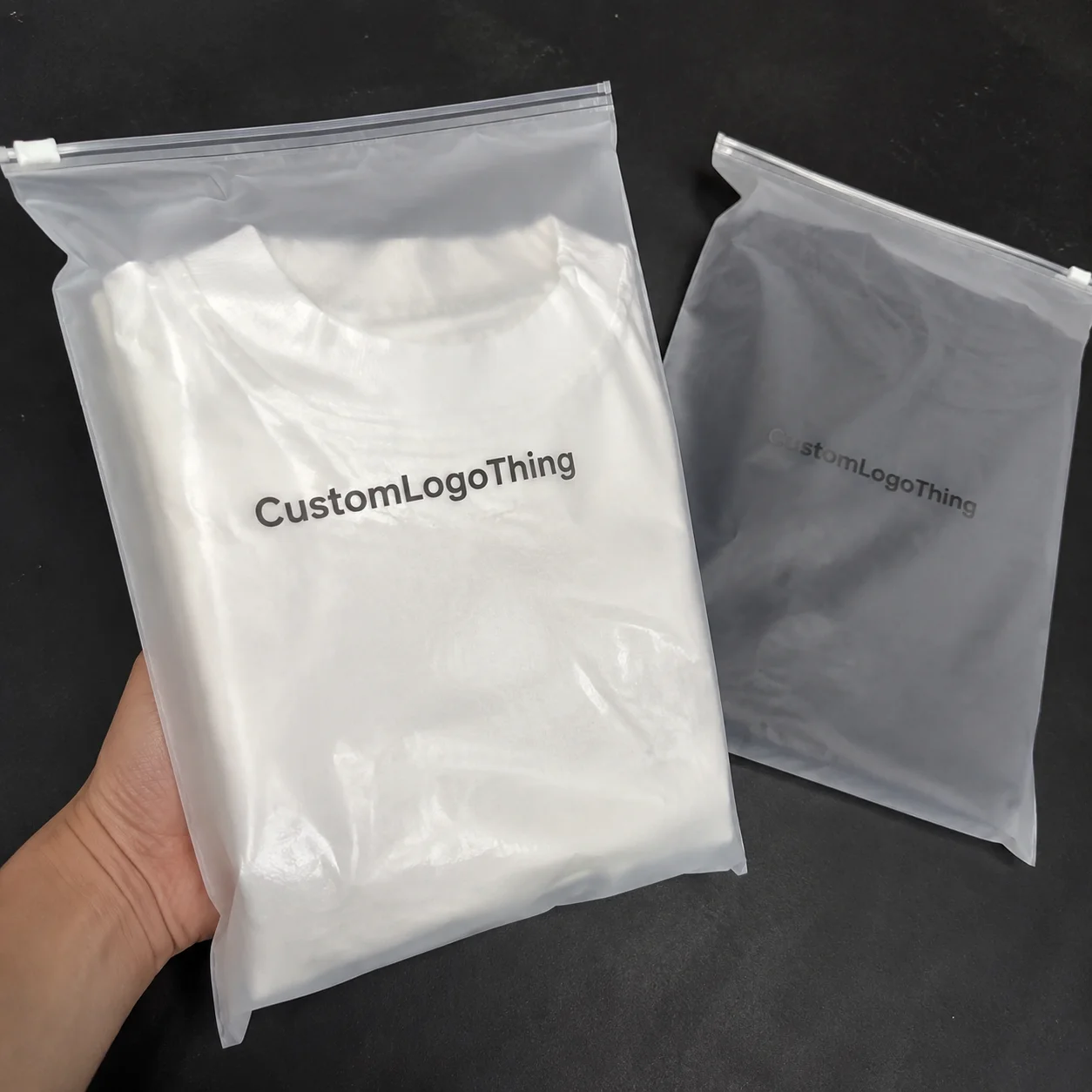
Small orders feel safe at first. Cash stays free. Slow scents do not sit on shelves as dead stock. There is room to tweak the design. Then a bestseller burns through labels in two weeks, the reorder comes back slightly darker and a touch larger, and the shelf starts to look like three unrelated launches. Front labels creep into the jar curve. Lid stickers stop centering. Wholesale buyers notice before most brands do.
A bulk die cut sticker program removes the variables that should not keep changing: size, material, adhesive, finish, print profile, and pack counts. On many standard jobs, a candle makers Die Cut Stickers bulk order can reduce per-piece cost by roughly 20% to 45% versus fragmented short runs, especially once quantities move past the first price break. That range shifts by material, version count, and finishing, but the economics are familiar. Setup spreads across more units. Makeready waste becomes less punishing. Production schedules are easier to slot.
The operational gains are just as useful. Label placement gets faster when every piece lands in the same zone. SKU control improves when only scent names or color bands change. Purchasing gets simpler when one order covers the front label system instead of five loosely related reorders. Even customer service benefits: a consistent package is less likely to prompt “Why does mine look different?” emails after a restock.
That consistency matters because candle packaging competes visually with beauty, fragrance, and apothecary goods. Customers compare categories without asking permission. A premium vessel with an undersized or scuffed sticker creates the same effect as a crooked frame on a finished painting. The art may be fine. The presentation still loses.
Material and finish options that actually work on candle jars, lids, and boxes
Sticker stock often looks convincing in a sample fan deck and much less convincing after a week on a candle jar. Fragrance oils, shelf dust, hand application, shipping abrasion, and repeated handling reveal weak material choices quickly. The prettiest sample is not always the stock that survives actual use.
Most practical stock choices
White BOPP is the default recommendation for most candle packaging, and for good reason. It handles light moisture, minor oil transfer, and routine handling better than standard paper stocks. It also prints cleanly, works well on glass and many coated cartons, and usually gives buyers the fewest surprises on reorders. For brands that want one reliable material across multiple sticker types, matte or gloss white BOPP is usually the safest place to start.
Paper stock suits brands chasing a softer, handcrafted look. Matte paper can be attractive on apothecary-inspired lines or slower-turn boutique inventory. The tradeoff is wear. Paper scuffs faster, edges show handling sooner, and oil contact can age the label before the candle is halfway burned. If the product is shipping in volume or sitting on busy retail shelves, that downside deserves more weight than it often gets.
Clear film works when the vessel itself is part of the visual story. It can look sharp on clear glass, pale wax, and minimal branding systems. It can also fail quietly. Low-contrast artwork disappears on amber jars, smoke glass, or darker fills, and transparent stocks often require white ink underprinting to keep logos and scent names readable. A clean look is only useful if shoppers can still read it.
Vinyl is more durable than most candle programs need. For standard jar branding, it is often extra cost without much extra value. For promotional decals, event use, or rougher handling conditions, it can make sense.
Finish choices and real-world performance
Finish changes both appearance and behavior. Gloss tends to boost saturation and contrast. Matte feels quieter and usually photographs better because glare drops. Soft-touch can feel premium, but it adds cost and can show scuffing on darker colors. Writable coatings are useful for batch codes or limited hand-poured runs, but only if the intended pen, marker, or stamp has been tested on the surface first.
Adhesive matters as much as face stock. Smooth glass is forgiving. Coated folding cartons usually are too. Kraft cartons, uncoated textured boxes, and powder-coated lids are less predictable. Metal lids perform well if they are clean; residual oil from handling or filling causes more adhesion complaints than many buyers realize. No permanent adhesive fixes a dusty surface.
Temperature also deserves a mention. Labels applied in a cold production room or onto recently cleaned, still-damp jars can lift at the edges later. Most pressure-sensitive adhesives bond best on dry, room-temperature surfaces with light, even pressure. That sounds elementary. It is also where a lot of preventable failures begin.
Practical default: For most candle lines, white BOPP with a matte finish gives the best balance of durability, legibility, and cost.
Brands comparing formats can review Custom Labels & Tags to sort out which stock and construction fit each packaging surface. For candle lines sold online and in stores, durability usually matters more than novelty. A stock that survives packing tables, shelving, and parcel transit tends to earn its place.
Die cut sticker specs buyers should lock before requesting a quote
Weak quotes usually start with vague specs. “Small round sticker for lids” is not enough. It forces the printer to guess on size, stock, finishing, and layout tolerances, and guessed jobs are where pricing errors and proof delays begin.
Core specs that affect pricing and accuracy
- Final size: exact width and height in inches or millimeters
- Shape: round, oval, rectangle, arch, square, or custom contour
- Corner style: square, rounded, or full contour cut
- Bleed: typically 0.125 inch for full-background designs
- Artwork format: vector PDF, AI, or high-resolution EPS preferred
- Color mode: CMYK, plus white ink callouts if using clear stock
- Quantity per design: total pieces and version splits by scent or SKU
- Pack format: sheets, rolls, kiss-cut sets, or individually cut pieces
Shape should match the application area, not just the mockup. Round stickers are common for lids. Arches and ovals often work well on front-facing jar labels. Rectangles are efficient for warning copy, ingredients, or bottom-applied product information. Custom contours can look excellent on boutique lines, but they increase die and finishing complexity. Buyers should use that option because the design truly benefits from it, not because the render looked expensive.
Size has to be tested against the vessel. A 4 oz jar may take a 2-inch front label comfortably. An 8 oz straight-sided jar might handle 2.5 to 3 inches depending on copy load and shoulder curve. Oversized stickers wrinkle fast on curved glass, and undersized ones can make a premium vessel feel oddly cheap. A paper mockup wrapped around the actual jar catches more mistakes than a polished digital rendering ever will.
Typography can also make or break a production run. Text below 6 pt is risky, especially serif faces or reversed type on dark backgrounds. Barcodes need quiet space to scan. Fine lines may fill in on absorbent paper stocks. Transparent labels often need white ink beneath logos, small text, or pale scent names. That layer must be called out early. If it is not on the proof, it is not safely in the job.
Version control matters more than many growing candle brands expect. If the line includes twelve scents, the shared elements—logo placement, type hierarchy, dimensions, finish, warning block size—should stay locked while only variable fields change. That reduces proofing friction, improves color consistency, and keeps reorder math sane. The more a candle makers Die Cut Stickers bulk order resembles a controlled system instead of twelve unrelated mini-projects, the smoother production tends to run.
Bulk order pricing, MOQ, and unit cost for sticker runs that make sense
Sticker pricing is straightforward once the variables are clear. Material, size, color coverage, finish, die complexity, quantity, number of versions, and packing format all affect the quote. Problems start when buyers compare two estimates that are not describing the same job.
Very small runs almost always have the highest per-piece cost because setup time, waste, cutting, packing, and file handling still exist whether the order is 250 pieces or 25,000. MOQ is not arbitrary. It reflects the point where the job begins to make production sense.
Typical pricing ranges
| Order Scenario | Common Specs | Typical Unit Cost | Notes |
|---|---|---|---|
| 1,000 pieces, one design | 2.5" matte white BOPP, standard die cut | $0.16-$0.28 each | Higher setup impact; often used to test a proven layout |
| 5,000 pieces, one design | 2.5" matte or gloss BOPP | $0.06-$0.12 each | Common pricing sweet spot for active candle lines |
| 10,000 pieces, 4-6 versions | Shared size/material, variable scent names | $0.05-$0.10 each | Works best when art structure stays standardized |
| Custom shape with soft-touch finish | 3" contour cut premium stock | $0.12-$0.24 each | Higher due to tooling, finishing, and handling complexity |
Those numbers vary by print method, region, shipping distance, and whether the job runs digitally or conventionally, but they are realistic enough to filter out bad assumptions. For many brands, a candle makers die cut stickers bulk order becomes meaningfully more efficient somewhere above 3,000 to 5,000 pieces, especially if multiple scents share the same dimensions and material.
There are three common ordering structures. One large run of a hero design gives the best unit economics. A mixed run of several scent variants often balances flexibility and cost well. A launch order with many small SKUs is the least efficient model, though sometimes still the right one for new collections. The mistake is treating an exploratory launch order as if it should price like a stable replenishment program. It usually will not.
Cost control usually comes from standardization, not from stripping quality out of the package. Keep one size where possible. Use one finish across the line. Avoid changing shape without a clear reason. Group replenishment into fewer, larger orders. Those four decisions do more for unit cost than chasing tiny material savings while the spec sheet remains chaotic.
Quote requests should state stock, finish, quantity breaks, proof terms, shipping method, and whether tooling or setup charges are included. On multi-version jobs, ask how version splits affect pricing. A cheap quote with vague assumptions often becomes the expensive quote later.
Proofing process, lead time, and production steps from artwork to delivery
The production path sounds simple: submit artwork, confirm specs, review a proof, approve it, print, finish, pack, and ship. Most delays happen before the press runs.
Common causes are familiar—missing dielines, low-resolution logos, unclear scent quantities, last-minute copy edits, or artwork changes after proof approval. On a job with six scent versions, two lid sizes, and a warning-label set, file control matters nearly as much as print quality.
Realistic timing
For a repeat order with approved specs, production often runs 7 to 10 business days after final proof approval, plus shipping. First-time custom work or multi-design runs more often land in the 10 to 15 business day range. Specialty finishes, contour cuts, or complex bundle splits can add time beyond that.
Total turnaround is not the same as production time. Four days spent revising proofs is still four days on the clock. Shipping adds another variable. Ground service, regional carrier routes, and expedited freight can create very different in-hands dates for the same print job.
That distinction matters for seasonal launches, wholesale ship windows, and event deadlines. Reordering when the last 200 labels remain is how rush fees show up. A more practical threshold is to reorder when roughly 30% to 40% of the current run remains, adjusted for sales velocity and upcoming promotions. Inventory planning is not glamorous, but it is cheaper than emergency production.
Quality-control checks worth doing before approval
- Match final sticker size to the actual jar, lid, or carton panel
- Confirm bleed, safe area, and dieline placement on every version
- Check white-ink layers on clear stock and verify all variable scent names
- Review small text, barcode zones, and warning copy for readability
- Verify pack counts, version splits, and the shipping deadline in writing
If the candles are poured, cured, boxed, and waiting on labels, finished inventory is effectively stalled cash. That is why proof discipline matters. Buyers needing broader packaging standards can review guidance from PMMI, The Association for Packaging and Processing Technologies and shipping performance references from ISTA. For a candle makers die cut stickers bulk order, smooth proofing is usually the dividing line between a routine schedule and an expensive rush.
Common ordering mistakes that raise costs or delay candle label production
The most common mistake is still basic measurement. Buyers estimate by eye instead of measuring the real application area. Curved shoulders, tapered jars, and rounded lid edges change how a sticker sits, and a label that looks perfect on a flat proof can wrinkle the moment it touches the vessel.
Too many micro-variants create the next mess. A different size for every scent. A different finish for every launch. Slightly different warning blocks across nearly identical products. It can feel creative during design review. It feels less creative when setup multiplies, proofs stack up, and warehouse staff starts pulling the wrong version because the distinctions are too subtle.
Material mismatch is another repeat offender. Paper gets selected for the handmade look, then scuffs during packing. Clear film gets chosen for minimalism, then the scent name vanishes on dark glass. Soft-touch gets approved for luxury appeal, then fingerprints and abrasion become a problem on black backgrounds. Good packaging decisions survive handling, not just mockups.
Artwork errors are equally predictable: RGB files instead of CMYK, missing bleed on full-background designs, tiny serif text, no white-ink notes for clear film, and low-resolution logos enlarged beyond their limits. The press cannot correct vague instructions into clean production.
Compliance gets neglected more often than it should. Warning labels, burn instructions, ingredients, batch information, and safety text need space in the packaging system from the beginning. Reprinting because required copy was omitted is one of the more expensive forms of preventable waste.
The strongest candle programs usually standardize what customers do not need to notice: one base dimension, one stock family, one finish, one placement logic, one warning-label format. Then they vary the details that matter—scent name, color band, icon, or seasonal accent. That is not boring. It is efficient.
Buyers who need more production detail before locking specs can check the company FAQ for common file and ordering questions. Most sticker orders go sideways for the same reason: too many variables added too late.
How to place the right bulk order for your candle sticker program
Start with the physical packaging, not the design concept. Measure the jar diameter, the straight-wall label zone, the usable lid area, the box panel, and any insert surface. Then map every SKU and split the line into core scents, seasonal scents, limited drops, and promotional extras. That exercise usually reveals which designs deserve volume and which should stay lean.
Next, decide which sticker functions are actually necessary: front branding, bottom product ID, warning overlay, lid seal, outer-carton mark, sampler identifier, or promotional handout. Many brands can simplify the program by using one stock and finish for most visible branding pieces and reserving specialty constructions for a narrow set of needs.
A clean quote request usually needs the same information every time:
- Artwork files in vector or high-resolution print format
- Exact finished sizes for each sticker version
- Quantities per design, not just a grand total
- Material preference such as white BOPP, paper, or clear film
- Finish choice such as matte, gloss, or soft-touch
- Application surface such as glass jar, metal lid, carton, or insert
- Shipping region and required in-hands date
For first-time buyers, a sensible approach is to test one proven spec system across a few core SKUs, then expand into a larger candle makers die cut stickers bulk order once the size, finish, and material have held up in real conditions. That sequence cuts revision cycles and gives future reorders a cleaner baseline.
Reorder discipline matters just as much as initial accuracy. Track run rates by scent. Set reorder thresholds. Combine upcoming launches into fewer, larger print cycles whenever possible. A sticker program should behave like a controlled purchasing system, not a series of deadline-driven rescues.
Bottom line: the right bulk order does more than reduce unit cost. It prevents mismatched branding, relabeling labor, proof delays, and the kind of packaging inconsistency customers notice immediately.
What should candle makers know before a bulk order?
Before placing a candle makers die cut stickers bulk order, buyers should confirm four things: exact application size, material choice, quantity by scent, and the real in-hands date. White BOPP with a matte finish is the safest default for most candle jars because it balances durability, print quality, and cost. Clear film and paper can work well too, but only when the artwork, surface, and handling conditions support them. Standardizing size and finish across SKUs usually lowers unit cost, shortens proofing, and makes repeat orders much easier to manage.
FAQ
What is the best material for candle makers ordering die cut stickers in bulk?
White BOPP is usually the safest default because it resists light moisture, minor oil contact, and routine handling better than basic paper. Matte white BOPP also hides glare well and suits most candle aesthetics. Paper works for a softer handmade look but wears faster, while clear film needs stronger contrast and, in many cases, white ink underprinting.
What MOQ should I expect for a candle die cut sticker bulk order?
MOQ depends on size, stock, finish, and how many versions the order includes. Small custom runs may start around a few hundred pieces, but pricing usually becomes more efficient once the order reaches several thousand units. If the line includes multiple scents, ask whether mixed-design quantities can be grouped under one bulk program rather than priced as separate tiny runs.
How long does a bulk order of die cut stickers for candle jars usually take?
Repeat jobs with approved specs often produce in 7 to 10 business days after proof approval, plus shipping. First-time custom orders or multi-version programs more often take 10 to 15 business days. Proof revisions, missing dielines, and quantity changes are common reasons schedules slip.
Can I order multiple scent designs in one die cut sticker bulk order?
Yes. Many candle brands do exactly that. The order is usually more efficient when all scents share the same size, material, and finish, with only the variable fields changing. Costs tend to rise when each scent becomes its own size or shape.
What do I need to send for an accurate quote on candle makers die cut stickers bulk order?
Send final size, shape, quantity per design, artwork files, material preference, finish choice, application surface, shipping destination, and the required in-hands date. If the order uses clear stock, include white-ink instructions. If the job has multiple scent versions, break those quantities out individually so pricing and packing can be quoted accurately.


