When a 4-ounce order arrives damaged, shipping savings disappear fast
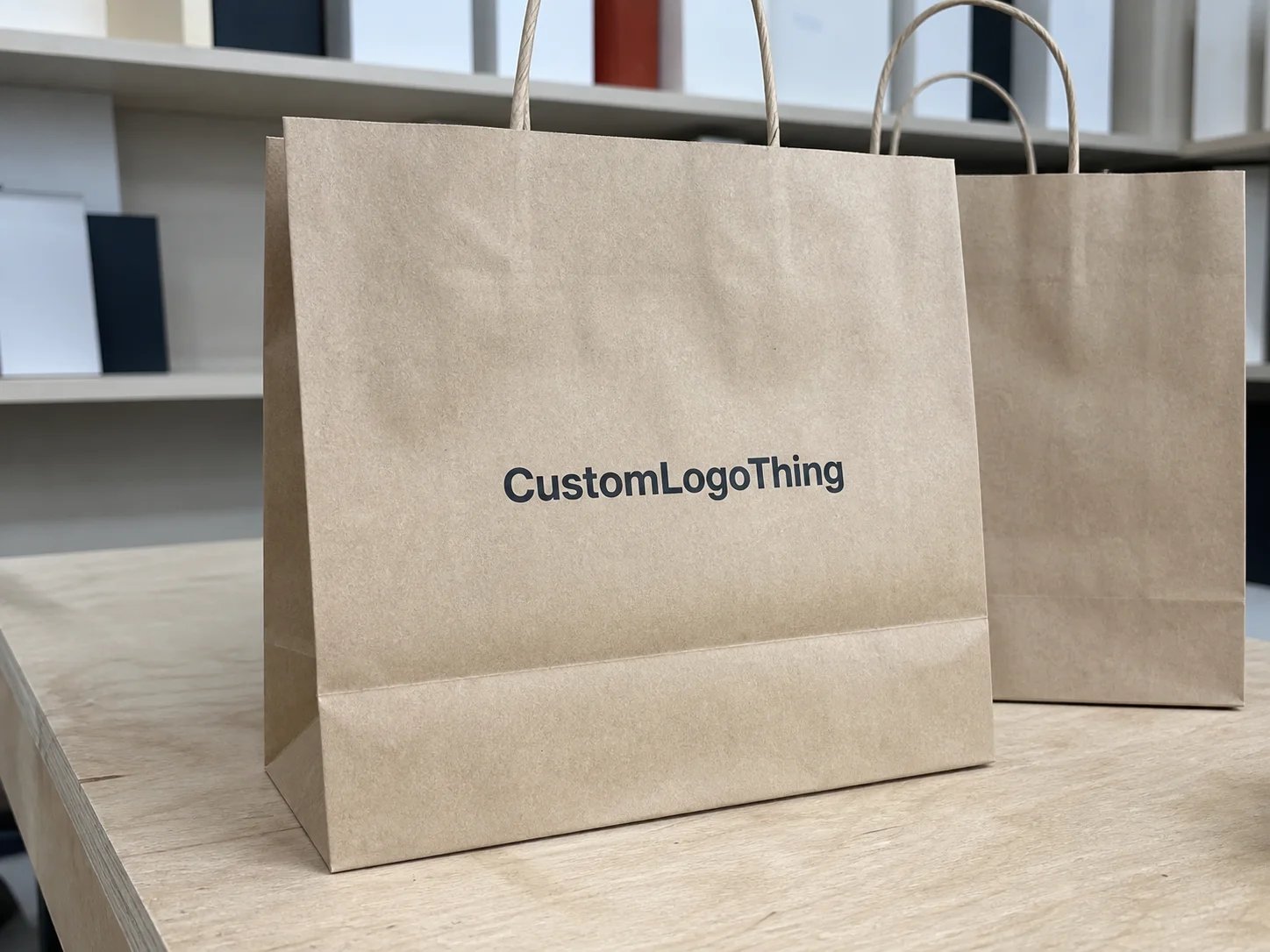
A lightweight ecommerce order can look efficient on paper until it reaches the customer with a split seam, a crushed corner, or moisture marks on the contents. One damaged shipment on a low-cost SKU can wipe out the savings from cheaper freight once refunds, reships, labor, and customer service time are added back in. That is why buyers researching custom Padded Mailers for Ecommerce Fulfillment wholesale pricing factors should start with real shipping conditions, not just unit cost.
Padded mailers sit in a useful middle position between basic poly mailers and corrugated cartons. Many direct-to-consumer products do not need the rigidity of a box, yet they still need more protection than a thin film bag can offer. Cosmetics, supplement pouches, stationery sets, phone accessories, slim books, and folded textile items with trim or hardware are all common examples. The package needs to stay compact, but it also needs some cushion and abrasion resistance.
From a fulfillment standpoint, the appeal is pretty direct. A well-matched padded mailer can cut dimensional weight exposure, reduce or eliminate loose fill, and move more quickly through a pack station than a box-and-dunnage setup. That speed matters. Across 5,000 orders, saving a few seconds at the bench turns into a noticeable labor difference, especially during peak periods when temporary staff are learning the line.
Selection should be based on the product, the parcel environment, and the warehouse process. A 6 x 9 inch bubble mailer carrying a flat accessory behaves very differently from a 10 x 13 inch kraft-padded mailer holding a thicker bundled item. Interior clearance, flap length, seam construction, and the way the mailer accepts a shipping label all affect daily performance. If the package is awkward to load or too tight to seal consistently, the line slows down fast.
Quoted piece price tells only part of the story. Total landed packaging cost includes inbound freight, storage footprint, case-pack efficiency, pack speed, damage reduction, and reorder consistency. A mailer priced at $0.21 may be the better buy over one at $0.18 if it stores more densely, packs faster, and reduces replacement orders. Purchasing teams usually find savings or lose them in those details, not in a headline number.
How custom padded mailers for ecommerce fulfillment protect products and streamline packing
A padded mailer is an outer shipping format with cushioning built into the structure. That cushioning may come from bubble film, paper padding, fiber fill, or layered materials designed to absorb light impact and prevent rubbing during transit. The format works best for products that need more than surface protection but do not require rigid-wall shipping.
Protection level should match the item. Folded soft goods, refill pouches, and sample kits may only need moisture resistance and scuff protection. Compact cosmetics, book corners, and small electronics accessories often benefit from bubble or paper cushioning that absorbs routine parcel handling. Some brands also want stronger visual presentation, using printed exteriors or tinted interiors to improve the customer experience without moving all the way to a custom box program.
Fulfillment teams usually notice the labor advantages first. Self-seal closures remove a taping step. Built-in padding means there is less dunnage to manage at the station. Standardized mailer sizes make label placement more predictable and help cartonization rules stay cleaner. Seasonal labor also tends to reach target output faster when the pack sequence is simple and repeatable.
- Self-seal closures keep pack-out moving without extra tape.
- Less dunnage reduces bench clutter and material handling.
- Consistent formats make label application and replenishment easier.
- Shorter training time helps temporary staff work accurately sooner.
There are limits to what a padded mailer can handle. Sharp metal parts, brittle items, heavier products, or anything with exposed corners often needs a corrugated carton instead. If the item weighs 8 to 12 pounds, fails a simple hand-pressure check, or requires stacking strength in the parcel network, a mailer is usually the wrong structure. The same goes for products where the arrival experience needs to feel like formal retail packaging rather than a practical shipper.
No padded mailer removes all transit risk. Parcel handling changes by carrier, lane, season, and sortation method. Useful supplier guidance should sound specific: seam strength, material thickness, usable dimensions, closure style, and any test methods used to validate the structure. Vague promises are less helpful than a plain explanation of what the material can and cannot do.
Branding still matters, but it should support operations. Exterior print can reinforce recognition, interior tinting can improve presentation, and right-sized mailers reduce empty space so products shift less in transit. Strong packaging design is not just decoration. It affects scan reliability, sealing speed, and how cleanly the line runs day after day.
Material, size, closure, and print specifications buyers should compare
Padded mailers can look similar at a glance while performing very differently in use. Construction details shape both cost and protection, so buyers should compare the actual build rather than the category name alone. Common options include poly bubble mailers, kraft-faced bubble mailers, all-paper padded formats, and hybrid paper-film structures.
- Co-extruded poly exterior with bubble lining: good moisture resistance, solid puncture performance for lightweight items, and a common choice for brighter exterior printing.
- Kraft-faced bubble mailers: paper appearance on the outside, familiar presentation for books and office goods, and a decent print surface for simpler graphics.
- All-paper padded mailers: useful for brands favoring paper-based product packaging where local recovery programs accept the structure, with protection depending on the internal paper build.
- Hybrid paper-film formats: used when a project needs a particular mix of print quality, moisture resistance, and cushioning.
The most useful specifications are the plain ones. Gauge applies to film thickness. Basis weight applies to paper layers. Bubble height, commonly around 3/16 inch in many ecommerce applications, affects how much cushion the interior provides. Padding thickness influences both protection and how many units fit in a master case. Flap length, often around 1.5 to 2 inches, affects how easily packers can load and seal the mailer at speed. Closure type matters as well. A permanent hot-melt strip is standard; dual-strip formats add return functionality and extra cost.
Size selection causes more problems than many teams expect. Buyers should focus on usable interior dimensions, not only the listed outer size. A mailer sold as 10 x 13 inches may lose functional width to side welds and flap geometry. Product dimensions should be measured in packed form, including inserts, wrap, literature, and any sleeve or inner bag. That packed state is what the line has to seal every day.
Here is a practical sourcing comparison:
| Mailer Type | Typical Use | Protection Level | Print Suitability | Typical Wholesale Range |
|---|---|---|---|---|
| Poly bubble mailer | Accessories, cosmetics, supplements | Moderate | Good for 1-4 color exterior print | $0.14-$0.26 each at 5,000 units |
| Kraft bubble mailer | Books, stationery, media, office goods | Moderate | Good, more natural paper appearance | $0.16-$0.30 each at 5,000 units |
| All-paper padded mailer | Brands prioritizing paper-based product packaging | Light to moderate | Good, depends on paper surface | $0.20-$0.36 each at 5,000 units |
| Custom returnable dual-strip mailer | Apparel accessories, repeat-purchase programs | Light to moderate | Good, with higher feature cost | $0.22-$0.38 each at 5,000 units |
Print choices can move pricing quickly. One-color flexographic print is often the starting point. Flood coverage, interior print, tighter registration demands, or more colors will increase cost. Buyers should also set expectations early about print appearance on flexible structures. A mailer does not print the same way a folding carton does. Barcodes need proper contrast and clear quiet zones. Shipping labels need a smooth enough panel to apply and scan consistently. Any recycling language, FSC references, or disposal claims should match the actual construction and can be checked against resources such as FSC where relevant.
Case-pack details belong in the sourcing conversation too. A mailer packed 250 per case instead of 100 per case affects storage density, replenishment frequency, receiving labor, and pallet count. Those are operating costs, even if they do not appear in the line item for unit price.
Wholesale pricing factors, MOQ, and unit cost drivers to ask about before quoting
Custom Padded Mailers for ecommerce fulfillment wholesale pricing factors are driven mainly by structure, size, print complexity, order volume, and freight. Buyers comparing quotes need to make sure the underlying specs are truly comparable. A stock-size 7.5 x 10.5 inch poly bubble mailer with one-color print is not a fair comparison against a custom 10 x 13 inch paper-padded mailer with flood ink and a return strip.
Most pricing shifts come from a short list of practical variables. Material grade changes with resin markets and paper basis weight. Padding type changes both performance and cost. Larger finished dimensions use more material and reduce case density. More colors or heavier ink coverage add print cost. Extra features such as tear strips and dual closures add conversion steps. Quantity still matters because setup cost has to be spread across the run.
- Material grade: resin and paper markets both influence cost.
- Padding type: bubble is often cost-efficient; paper builds can run higher depending on structure.
- Finished dimensions: larger mailers consume more material and more cube.
- Print complexity: added colors, coverage, and interior print increase cost.
- Special features: return strips, tear features, and custom closures add steps.
- Order quantity: higher volumes spread setup more effectively.
Size increases can affect cost more than buyers expect. The jump is not just about added square inches. Larger mailers fit fewer units per case, take more pallet space, and raise inbound freight per thousand. A move from 6 x 9 to 10 x 13 can change delivered cost far more than surface area alone suggests, especially if warehouse cube is already tight.
MOQ is usually tied to print setup and production efficiency. A simpler custom print on a standard converted size may begin around 3,000 to 5,000 pieces in some programs. Fully custom dimensions, more colors, or less common structures can push minimums to 10,000 units or higher because plates, cylinders, and setup waste need enough volume to make the run efficient. For a new program, a standard size with disciplined artwork is often the easiest entry point.
Multi-location fulfillment adds another layer. Case-pack count, units per pallet, pallet height, and split-shipment planning all affect the real budget. A quote that looks low at the unit level can become expensive after inbound handling and storage are factored in. That is why buyers should ask for delivered assumptions clearly, not treat freight as an afterthought.
Good quote comparisons are apples to apples: same usable dimensions, same material structure, same padding thickness, same print coverage, same case-pack, same lead time, and the same delivered terms.
Tiered pricing helps expose where the real breaks are. Asking for 5,000, 10,000, and 25,000 piece levels often gives a clearer picture than a single quote. In many programs, a one-color standard-size mailer may land around $0.18 to $0.28 each at 5,000 pieces, while a larger custom format with added features may run $0.30 to $0.55 or more. Freight can shift those numbers quickly depending on destination and total cube.
The cheapest unit cost is not always the cheapest operating decision. If a lower-cost mailer slows packers by five seconds, causes labels to wrinkle, or pushes damage claims up by even 1 percent, the savings disappear. Buyers reviewing Wholesale Programs usually get the best result by looking at labor, storage, freight, and damage together instead of isolating piece price.
Production steps, lead time, and reorder timeline for custom mailer programs
A custom mailer program usually follows a straightforward sequence. The buyer sends product details and quantity targets. The supplier reviews the item, recommends a structure, confirms dimensions, and prices quantity tiers. Artwork is then prepared and proofed, production is scheduled, the mailers are converted and packed, and freight moves to the final destination. The process is not complicated, but it does depend on complete information at the start.
The fastest quotes usually come from buyers who send packed product dimensions, unit weight, use case, quantity tiers, vector artwork when available, ship-to ZIP codes or warehouse locations, and any testing needs tied to seal performance or basic transit checks. Missing dimensions or vague quantity estimates tend to create the longest delays because every assumption has to be revisited later.
- Packed product dimensions
- Unit weight
- Target use case and protection concerns
- Desired order quantities by tier
- Print files in vector format if possible
- Ship-to ZIP codes or fulfillment center locations
- Any testing requirements such as drop checks or seal performance review
Most schedule problems come from avoidable gaps. Incomplete artwork is a common one. Another is using flat product dimensions instead of the final packed size. Color revisions can add days, especially when several departments weigh in separately. Nonstandard structures also take longer than standard converted formats. Split shipments to multiple warehouses need to be planned early or dispatch can stall while freight details are sorted out.
Sample timing is usually different from bulk timing. Plain mockups or near-stock samples may be available quickly, while custom printed preproduction samples can take much longer depending on the print method and the supplier’s schedule. First orders almost always carry the longest lead time because proofing, setup, and scheduling all happen for the first time. Repeat runs tend to move faster if the spec stays unchanged and material supply is stable.
For many domestic custom padded mailer programs, a reasonable working estimate is 12 to 15 business days from proof approval on simpler runs. Specialized builds or imported supply chains can take much longer. Buyers should build more time into the first order than they think they need, especially if the launch date is tied to a promotion or a seasonal spike.
Reorder planning works best when it follows actual weekly consumption. If a fulfillment center uses 2,500 mailers a week and combined lead time plus transit runs four weeks, a reorder point of 10,000 units may already be too tight once safety stock and demand swings are considered. Holiday periods, new SKU launches, and marketing pushes can all distort usage quickly. Procurement, fulfillment, and inventory planning need to work from the same forecast or the program starts reacting late.
Internal approval speed matters as much as factory timing. One consolidated proof review is far more efficient than staggered comments from four departments over several days. Keeping color standards, branding rules, and layout requirements aligned across formats also helps if the broader line includes Custom Packaging Products beyond mailers.
Common specification mistakes that raise damage rates and packaging spend
The most common sizing mistake is choosing by outer dimensions instead of usable inside space. A mailer may look large enough on a quote sheet and still be too tight once the item is packed with inserts, sleeves, or instruction cards. Tight fits stress side seams, distort the flap, and weaken the seal. Another frequent issue is underestimating packed thickness. A product that measures 0.75 inch on its own may reach 1.1 inches once fully bundled for shipment.
Sharp edges create a different set of failures. Hard plastic corners, metal accessories, and book edges can puncture lighter structures in transit. In that case, upgrading to a stronger spec, adding edge protection, or switching to Custom Poly Mailers with a different protective setup may solve the problem more effectively than simply adding print features or choosing a larger size.
Over-specifying is expensive in its own way. Excess padding, oversized dimensions, and premium print treatments that add little to shipping performance all raise unit cost and inbound cube. The best structure is not the heaviest one. It is the lightest practical spec that protects the SKU consistently through the parcel network and through the realities of the pack line.
Warehouse mismatches also show up more often than buyers expect. Some adhesive strips are harder to close quickly than they appear in a sample review. Some surfaces wrinkle labels or lose bond strength in colder packing rooms. Some case-packs are awkward to replenish and waste rack space. A mailer has to work with the people and equipment using it every day, not just fit the brand presentation.
Artwork can interfere with operations too. Dark flood colors under barcode zones hurt scan reliability. Low-contrast areas make manual notes harder to read. Too many design versions across related SKUs can complicate receiving and replenishment. Branded packaging should help the process stay accurate, not introduce confusion into it.
Most of these issues can be caught before a large purchase order if the team runs a short validation process with real packed samples:
- Run fit trials with actual packed products.
- Check seal closure under normal packing speed.
- Perform basic drop checks and abrasion checks.
- Review label adhesion and barcode readability.
- Pilot the mailer on a limited batch before full rollout.
Supplier advice is useful when it is tied to measurable specs, test logic, and clear tradeoffs. If the recommendation stays vague, ask for dimensions, material details, and why that structure was chosen.
What to send for a faster quote and a smoother custom mailer launch
A quote moves much faster when the request starts with complete information. Buyers should send packed product dimensions, target quantity tiers, print color count, artwork files, shipping destination, required in-hands date, and whether samples are needed before production. A vague request for branded mailers usually creates rounds of follow-up and slows down every step after it.
It also helps to request more than one build path. Ask for an economy, balanced, and premium protection option so cost can be reviewed against performance. That comparison often shows whether a standard size with moderate print will do the job just as well as a fully custom construction with extra features.
Before approving the order, confirm the details that affect execution and replenishment:
- MOQ by size and print specification
- Overrun or underrun tolerance
- Case-pack counts and pallet quantities
- Freight terms and delivered-to-door assumptions
- Repeat-order lead times
- Any proof or plate charges
Internal alignment matters as much as supplier responsiveness. Procurement may focus on price, fulfillment on pack speed, brand teams on appearance, and inventory planners on storage cube. Pulling those priorities together before final approval prevents late-stage artwork changes and spec disputes after production time has already been reserved.
For teams reviewing sustainability language, claims should be checked carefully and matched to the actual structure being purchased. Resources such as the EPA can help with recycling basics, and ISTA offers useful context for transit testing standards and methods.
The most practical next step is simple: send SKU details, packed dimensions, quantity bands, ship-to information, and artwork so the supplier can quote against a real specification. That gives buyers a cleaner way to compare Custom Padded Mailers for ecommerce fulfillment wholesale pricing factors and a far better chance of launching a mailer program that supports fulfillment rather than disrupting it.
FAQ
What affects custom padded mailers for ecommerce fulfillment wholesale pricing the most?
The biggest drivers are material structure, finished size, padding type and thickness, print colors and coverage, order quantity, and freight. Custom sizes and added features such as dual adhesive strips or tear-open designs can raise setup and production cost. Buyers should compare delivered cost, case-pack efficiency, and storage impact along with unit price.
What MOQ is typical for custom printed padded mailers?
MOQ depends on size, print method, and whether the mailer uses a standard converted format or a fully custom build. More print complexity usually pushes minimums higher because setup cost needs to be spread across more units. Standard sizes with simpler print often make sense for newer programs testing volume.
How do I choose the right padded mailer size for ecommerce orders?
Use packed product dimensions rather than flat product dimensions. Check usable interior space, flap area, and final product thickness so the seal closes cleanly. Tight fits can stress seams, while oversized mailers waste material and allow too much product movement during transit.
What is the usual lead time for custom padded mailers for ecommerce fulfillment?
Lead time depends on artwork readiness, material availability, quantity, and shipping method. First orders usually take longer than repeat orders because proofing and setup are still in process. Buyers can shorten timing by sending complete specifications, approved artwork, and one consolidated set of revisions.
Are padded mailers better than boxes for ecommerce fulfillment?
They are often a better fit for lightweight, low-profile items that need moderate protection with less dimensional shipping impact. Boxes are usually the better choice for rigid, heavy, sharp, or fragile products that need stacking strength. The right format depends on damage risk, packing speed, storage space, and total fulfillment cost.