Buyer Fit Snapshot
| Best fit | Buy Matte Poly Mailers Wholesale projects where brand print, material claims, artwork control, MOQ, and repeat-order consistency need to be specified before quoting. |
|---|---|
| Quote inputs | Share finished size, material target, print colors, finish, packing count, annual reorder estimate, ship-to region, and any compliance wording. |
| Proofing check | Approve dieline scale, logo placement, barcode or warning zones, color tolerance, closure strength, and carton packing before bulk production. |
| Main risk | Vague material claims, crowded artwork, missing packing details, or unclear freight terms can make a low unit price expensive after revisions. |
Fast answer: Buy Matte Poly Mailers Wholesale: Pricing, Specs & MOQ should be specified like a repeatable production item. The safest quote records material, print method, finish, artwork proof, packing count, and reorder notes in one written spec.
Production checks before approval
Compare the actual filled-product size with the drawing, then confirm tolerance on folds, seals, hang holes, label areas, and retail display edges. Reserve space for logos, QR codes, warning copy, and material claims before decorative graphics fill the panel.
Quote comparison points
Review material grade, print process, finish, sampling route, tooling charges, carton quantity, and freight assumptions side by side. A quote is only useful when the supplier can repeat the same color, closure quality, and packing count on the next order.
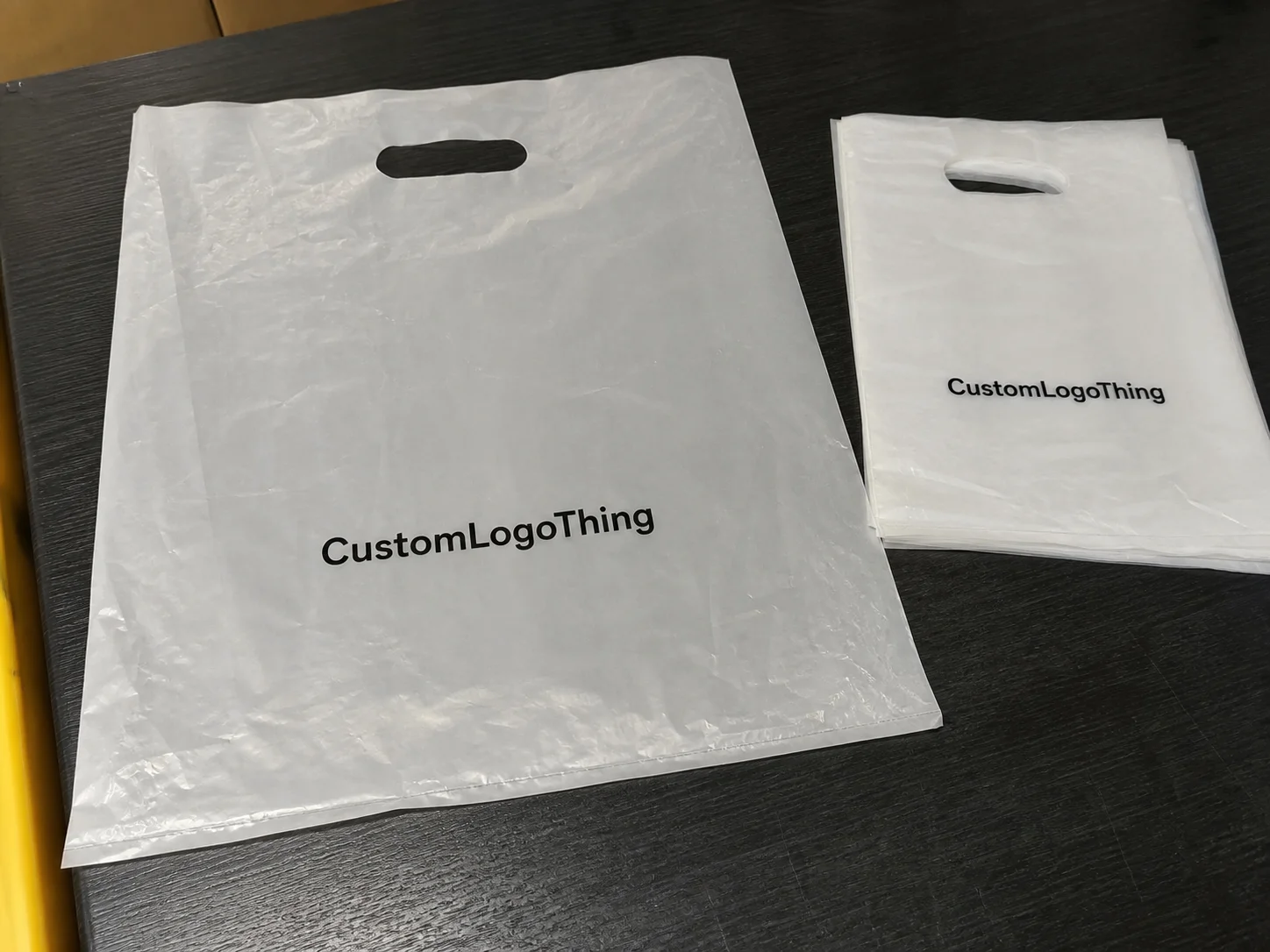
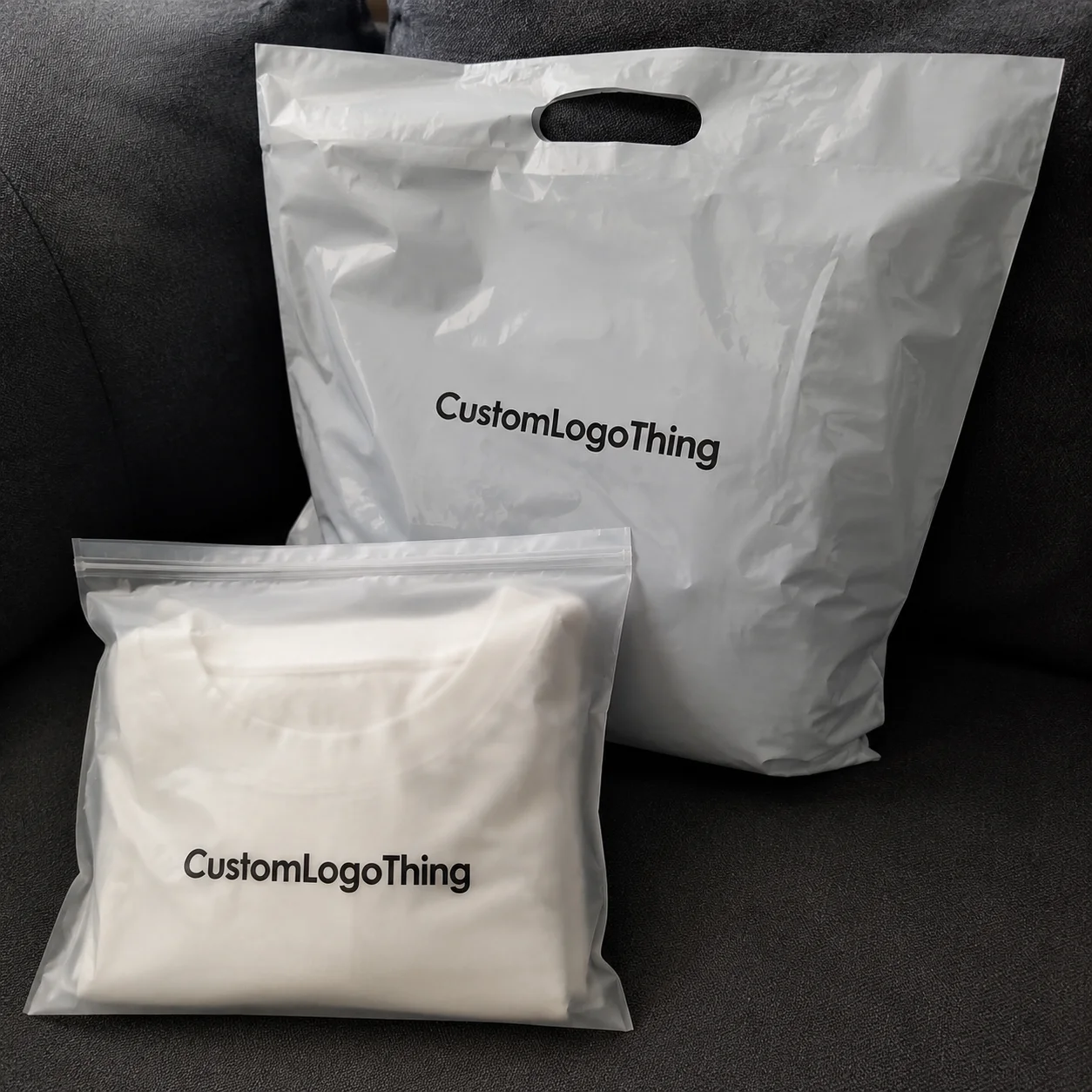
If you want to buy matte Poly Mailers Wholesale, start with one simple truth: the sample in your hand matters more than the pretty quote in your inbox. I’ve stood on factory floors in Shenzhen and Dongguan where a matte bag looked plain under fluorescent lights, then landed on a client’s desk in Austin or Chicago and suddenly looked like a $7 brand asset instead of a 7-cent shipping bag. That reaction is why so many brands Buy Matte Poly Mailers Wholesale instead of using glossy stock or naked mailers that scream “we cut the budget here.” When a bag is built right, the difference shows in less than a minute.
At Custom Logo Things, I’ve seen e-commerce teams save real money by choosing to Buy Matte Poly Mailers wholesale in the right spec, not the fanciest spec. There’s a difference. A lot of buyers think cheaper means thinner, uglier, and more fragile. Not always. If the film, seal strip, and print method are chosen properly, you get strong shipping performance, cleaner branding, and a lower postage burden than switching to rigid boxes for every order. On a 5,000-piece run, a savings of $0.08 to $0.22 per unit can add up to $400 to $1,100 before you even count labor. That’s not hype. That’s arithmetic.
And yes, people notice the finish. Matte hides fingerprints better. Matte photographs better. Matte makes a logo look calmer and more premium, especially if you’re shipping apparel, accessories, or soft goods. That’s why brands keep coming back to buy Matte Poly Mailers wholesale once they’ve tested both glossy and matte samples. The glossy option looks loud in person and weird on camera. The matte one usually wins the approval meeting, especially when marketing reviews the packaging on an iPhone screen at 2x zoom. Funny how that works.
Why Buy Matte Poly Mailers Wholesale? A Factory-Side Reality Check
The first time I watched a buyer compare matte and glossy mailers on a packing table in Guangzhou, the difference was obvious in 10 seconds. The glossy bag reflected every overhead light in the room. The matte bag sat there looking clean, flat, and expensive. The buyer had come in asking for “just shipping bags.” She left talking about brand perception, cart lift, and repeat orders. That happens more often than people admit. If you buy matte poly mailers wholesale, you are not just buying packaging. You are buying a controlled first impression that gets seen in warehouses, doorsteps, and unboxing videos.
There’s also the cost side. A poly mailer weighs far less than a folding carton, so it helps keep shipping costs under control, especially on apparel or soft goods where dimensional weight can punish you for no reason other than carrier math. I’ve seen brands switch from boxes to buy matte poly mailers wholesale and trim packaging spend by $0.40 to $1.20 per order depending on size, insert count, and ship zone. If you send 5,000 orders a month, that is not a rounding error. That is a budget line worth caring about in Brooklyn, Dallas, or anywhere else your fulfillment team works.
Wholesale buying matters because consistency matters. I’ve had clients reorder the same mailer six months later and panic when the shade looked off by a few Pantone steps. That’s what happens when you buy from random sellers with no film control or print standard. When you buy matte poly mailers wholesale from a supplier that tracks resin batches, thickness tolerances, and print registration, you get repeatable output. And repeatability is what keeps returns, complaints, and ugly unboxing videos from becoming your problem. A single bad batch can cost more than a year of careful packaging decisions.
For e-commerce brands, matte mailers solve a practical trio of annoyances, and each one has a measurable effect on operations:
- Less glare in product photos, which makes your shipping content and social content look cleaner on iPhone, DSLR, and marketplace listings.
- Better surface contrast for logos, especially with black, white, or one-color artwork printed on a 70-micron or 80-micron film.
- Lower postage drag than rigid packaging, which helps protect margin on lower-AOV orders where every $0.15 matters.
Plain mailers are cheaper on paper, sure. But plain mailers rarely help your brand earn a second look. Premium boxes can look beautiful, but they also add material cost, assembly labor, and higher freight weight. If you need to ship a T-shirt, a pair of socks, or a lightweight supplement pouch, buy matte poly mailers wholesale is often the smarter spend. I say “often” because some products absolutely deserve a carton. A bottle with a brittle cap? Not a mailer job. A sweater set? Mailer all day. If the product folds to under 2 inches thick, the mailer is usually in play.
| Packaging Option | Typical Cost per Unit | Brand Presentation | Best Use Case |
|---|---|---|---|
| Plain poly mailer | $0.03 to $0.08 | Basic | Low-value shipments, no branding needs |
| Matte poly mailer | $0.08 to $0.22 | Clean, premium | Apparel, accessories, soft goods |
| Rigid mailer box | $0.35 to $1.20 | Premium, structured | Luxury goods, fragile items, high AOV orders |
When I visited a packing operation in Dongguan, the manager told me something blunt: “The customer sees the outside bag before they touch the product. If the outside looks cheap, they assume the inside is cheap.” He wasn’t wrong. That’s why so many brands buy matte poly mailers wholesale after their first season of growth. They realize packaging is not decoration. It is part of the selling job, and it starts the moment a parcel leaves the warehouse in Shenzhen, Los Angeles, or Manchester.
Matte Poly Mailers Wholesale: Product Details That Actually Matter
If you want to buy matte poly mailers wholesale intelligently, look past the headline price and inspect the construction. A proper matte mailer is usually made from co-extruded polyethylene film with a matte outer layer for print appeal and a stronger inner layer for toughness. The better versions use a co-extruded structure because it balances appearance, puncture resistance, and seal consistency. A cheap single-layer bag can look acceptable for a week and then split at the corner when the carton gets tossed too hard. I’ve seen that happen in factories in Ningbo and Yiwu. It’s not pretty, and it costs money to fix.
Typical applications are straightforward. Apparel. Socks. Swimwear. Lightweight activewear. Small accessories. Supplements in flexible pouches. Non-fragile soft goods. If your product bends without cracking, a matte mailer is usually on the table. If it has hard corners, liquid, glass, or crush-sensitive parts, you need to think harder. I’d rather say “no” than sell a bag that causes refunds. That’s not how you build trust, and it’s not how you keep a 4.8-star review average over 1,000 orders.
When buyers buy matte poly mailers wholesale, they usually want customization. Fair. Branding is the point. Common options include:
- Logo printing in one color or full color
- Custom size based on product dimensions and carton packing plan
- Tear strip for easier opening and less knife abuse
- Dual adhesive strip for returns or reuse
- Opaque interior for privacy and product concealment
- Matte finish surface for cleaner visual contrast
One client in Los Angeles insisted on glossy mailers because “shiny sells.” We printed 3,000 samples. They looked loud, reflective, and cheap in room-light photos. The matte version, printed with a single black logo, looked stronger on social media and cleaner at the fulfillment table. She switched after one review cycle. That is why people keep coming back to buy matte poly mailers wholesale after they test both finishes. The bag that wins in the warehouse does not always win in the customer’s hands, especially under ring lights and sunlight from a Miami apartment window.
Performance also matters. A good matte mailer should offer water resistance, reasonable puncture resistance, and a tamper-evident seal that doesn’t peel open in transit. Matte surfaces typically give sharper logo contrast than high-gloss film because light scatter is lower. Translation: your brand mark reads better without fighting reflections. If you print white on matte black, the result often looks crisper than you’d expect. If you print a pale color on a glossy bag, it can vanish under store lighting. Annoying, but true, and easy to verify with a photo taken at 500 lux.
For brands that need sustainability signals, some suppliers can offer recycled-content film or film structures that align with EPA recycling guidance depending on local collection rules. I’m careful here: not every poly mailer is recyclable everywhere, and local stream rules vary from California to Ontario. That’s why I always tell buyers to check destination-market requirements before they lock in artwork that claims recyclability. A packaging claim should survive a legal review, not just a marketing meeting, and not just one regional warehouse audit.
Buy Matte Poly Mailers Wholesale: Specifications to Compare Before You Order
Before you buy matte poly mailers wholesale, compare the specs that actually change performance. The quote sheet can look neat while hiding the stuff that decides whether the bag feels premium or fails in transit. I’ve had factory calls where two quotes were only $0.01 apart, yet one used a 60-micron film and the other used 90 microns. That’s not the same product. That’s a different level of protection and a different margin story. One is fine for a folded tee. The other is better for a hoodie packed with a thank-you card and a size insert.
Here’s what I check first:
- Thickness in mils or microns
- Size range, including usable inner space
- Seal strength and adhesive strip quality
- Print method, such as gravure or flexographic printing
- Carton pack count and master carton dimensions
- Opaque film coverage for privacy
If your product is light and soft, 60 to 80 microns may be enough. If you pack heavier hoodies or multi-item bundles, 80 to 100 microns is safer. I’m not pretending there is a magic number. There isn’t. The right spec depends on product weight, edge profile, and how rough your carriers are with parcels. Some routes are gentle. Some are pure chaos. I’ve seen both on the same week, sometimes on the same DHL lane out of southern China.
Size is where buyers waste money without realizing it. A mailer that is too large looks lazy and adds empty volume. Too small, and the product jams at the seal or wrinkles into a mess. If you want to buy matte poly mailers wholesale and protect margin, choose the smallest workable size for the packed item. That reduces film waste, improves shelf or packing-table presentation, and can help avoid dimensional weight creep. I’ve watched one apparel brand drop from a 12 x 15.5 inch bag to a 10 x 13 inch bag and shave a meaningful amount off freight and material spend across repeat orders. On 20,000 units, that kind of adjustment can make a quarterly budget look much saner.
Print specifications matter more than most first-time buyers expect. If you need precise brand color, ask for Pantone matching. If the artwork has fine lines, confirm the safe zone and bleed area. If the logo sits near the edge, build in extra room because film can shift slightly during production. Vector files are best. PDF, AI, and EPS are standard. A fuzzy JPG is not “good enough.” It just creates a back-and-forth email chain nobody wants, especially when the production team in Foshan is already holding the press schedule.
When you buy matte poly mailers wholesale, quality control should include a sample or proof approval step. I’ve seen a client skip proofing to save two days and then spend two weeks fixing a blue logo that printed purple. That was an expensive lesson. Ask for:
- Digital proof with dimensions and placement marks
- Pre-production sample if color is sensitive
- Tolerance standard for size and print alignment
- Seal test on the adhesive strip
Industry standards help here too. For transit performance, many shippers reference ISTA testing practices when they want to simulate handling and vibration. I’m not saying every mailer order needs full lab certification. Most don’t. But if your parcel gets hammered by a rough lane or a distributor with aggressive conveyor handling, testing is cheaper than replacing damaged inventory after the fact. That’s the kind of boring math I like, because it saves real dollars on a 10,000-piece order.
Pricing, MOQ, and What Changes the Final Cost
Pricing is where a lot of buyers get tricked by an attractive unit number. They want to buy matte poly mailers wholesale at the lowest line item price, then forget about setup fees, freight, and packaging format. That’s how a quote that looked like $0.11 a unit turns into something closer to $0.19 delivered. I’m not being dramatic. I’m being accurate. On a 5,000-piece shipment from Shenzhen to Los Angeles, freight and cartons can swing the final number more than the print itself.
Wholesale pricing usually follows a simple pattern: the more you order, the lower the per-unit cost. But not every variable moves in your favor at the same speed. Here are the biggest cost drivers:
- Size of the mailer
- Film thickness in microns or mils
- Number of print colors
- Custom tooling or plate setup
- Packaging format and carton count
- Destination freight
To keep things concrete, here’s a realistic pricing snapshot for buyers who want to buy matte poly mailers wholesale at different volumes. These are typical factory-side ranges, not a promise carved into stone. Material cost, destination, and artwork complexity can move them. A black one-color bag in 100-micron film made in Dongguan will not cost the same as a full-color print with a tear strip produced in Ningbo.
| Order Quantity | Typical Unit Price | Setup Fee | Best For |
|---|---|---|---|
| 1,000–2,000 pieces | $0.18–$0.32 | $45–$120 | Testing a new design or launching a small line |
| 5,000–10,000 pieces | $0.09–$0.18 | $60–$180 | Growing DTC brands with repeat SKUs |
| 20,000+ pieces | $0.06–$0.12 | $80–$250 | Established brands with stable monthly volume |
MOQ depends on the factory’s line setup and print method. A lower MOQ is useful if you’re testing a new campaign or if your SKU mix changes every quarter. A higher MOQ usually delivers better economics. That’s the trade. If you buy matte poly mailers wholesale in 1,000-piece increments, expect more flexibility and a higher unit cost. If you order 10,000 or more, you’ll usually get better pricing, but you need confidence that the size and branding won’t change next month. A restart after 60 days can erase the savings fast.
Here’s what most people get wrong: they compare only unit price. That is lazy buying. The correct comparison is landed cost per usable bag. Add the setup fee, sample charges, freight, and any duty or import fees if applicable. Then divide by the real usable quantity. That gives you the number that matters. A supplier offering $0.10 units with a $180 setup and expensive freight may be worse than a supplier offering $0.13 units with low shipping and cleaner repeatability. On paper, the cheaper quote wins. In your warehouse, it may not.
I had one client in Texas who wanted to buy matte poly mailers wholesale and was convinced the cheapest quote would win. We ran the numbers properly. The lowest unit price came from a factory with longer lead times, a higher spoilage rate, and awkward carton packing that ate truck space. The mid-priced option was cheaper delivered by almost $700 on a 10,000-piece order. That’s why I always ask for carton size, gross weight, and shipping mode before I bless a quote. A difference of $0.02 per unit can vanish the second the freight invoice arrives.
Want to save money without wrecking the brand? Do this:
- Limit print colors to one or two.
- Use standard sizes whenever possible.
- Order repeatable volumes instead of tiny one-off runs.
- Bundle multiple SKUs into the same production schedule.
- Confirm whether a stock matte base can be overprinted instead of fully custom film.
And yes, sample costs can matter. Some suppliers charge $25 to $80 for sample packs, and custom pre-production samples may cost more if they need special print setup. That is normal. So are rush fees when a buyer suddenly discovers the launch date was not actually “flexible.” If you want to buy matte poly mailers wholesale without headaches, tell the supplier your real deadline on day one. Not after the design team goes silent for 11 days, and not after the warehouse says the inventory run-out date is next Tuesday.
How the Order Process Works and Typical Timeline
The order flow is simple if the buyer is organized. It gets messy when dimensions are guessed, artwork is low-res, and nobody knows whether the product ships from one warehouse or three. To buy matte poly mailers wholesale without delays, I usually walk clients through the same sequence, whether the bag is leaving a factory in Shenzhen or heading to a 3PL in New Jersey.
- Inquiry and quote
- Artwork review
- Sample or digital proof approval
- Production scheduling
- Mass production and packing
- Freight booking and delivery
Custom orders take longer than stock mailers. That’s just reality. If you are ordering plain white stock bags, the factory may already have inventory ready to ship. If you want a custom black matte mailer with a gold logo and a tear strip, the shop has to prepare film, plates, print alignment, and packing specifications. That adds time. A standard custom run often lands in the 12 to 15 business day range from proof approval, though complex orders can take longer depending on queue length, plate work, and freight method. Air freight from South China can arrive faster than ocean freight, but it costs more per kilogram.
Artwork delays are usually preventable. The most common problems are low-resolution logos, missing bleed, improper color references, and unclear placement notes. I’ve seen a brand send a PNG pulled from a website header and then wonder why the printed logo looked ragged. Well, because web files are not print files. That one still makes me shake my head. A vector logo from Adobe Illustrator, a clean PDF, and a placement guide would have saved three rounds of messages and at least two days.
If you want to buy matte poly mailers wholesale and keep the timeline tight, prepare these items before you request a quote:
- Mailer dimensions or at least the product size
- Quantity target
- Print file in vector format
- Pantone references if color matters
- Shipping address and destination postal code
- Required delivery date
Freight transit is its own beast. Air shipping is faster and pricier. Ocean shipping is cheaper and slower. Domestic truck or courier methods fall somewhere in between depending on distance. If your launch date is fixed, say so. If you have a warehouse receiving window, say that too. I’ve had clients skip that detail and then blame the supplier when the dock refused the pallet. The supplier didn’t refuse it. The receiving department did. That distinction matters, especially if your shipment is going to a facility in Memphis, Dallas, or Toronto with strict appointment rules.
“We thought we were buying bags. Sarah made us treat packaging like part of the product. Our reorder rate improved once the matte finish and size were dialed in.” — apparel brand owner, client meeting in Orange County
That sort of feedback is why I push buyers to buy matte poly mailers wholesale with a process, not a guess. Packaging isn’t a lottery ticket. It’s a spec sheet with consequences, a timeline, and a freight bill that can expose every shortcut.
Why Choose Us When You Buy Matte Poly Mailers Wholesale
At Custom Logo Things, the value is simple: direct factory communication, practical guidance, and fewer surprises. If you want to buy matte poly mailers wholesale, you do not need a sales script full of adjectives. You need someone who knows how the film is built, how the adhesive behaves, and where the print tolerances can drift. I’ve spent enough time in supplier meetings in Shenzhen, Guangzhou, and Yiwu to know that a cheap quote can get expensive very fast if nobody checks the details.
I’ve negotiated with film suppliers over resin batches, watched adhesive consistency get tested in real humidity, and rejected print runs where registration shifted enough to make the logo look lazy. That sounds harsh. It is harsh. But that’s the standard buyers deserve. If I’m helping you buy matte poly mailers wholesale, I want the result to be boringly consistent. The same shade. The same seal. The same print. Every time, even if the reorder lands 90 days later.
There’s also a service advantage to working directly with a manufacturer-focused team. We can advise on Custom Poly Mailers, talk through Custom Packaging Products, and route larger packaging needs through our Wholesale Programs if your order mix goes beyond mailers. That matters when you are scaling and don’t want to juggle five vendors for five packaging items. One contact point in Hangzhou or Shenzhen can save hours of back-and-forth each week.
Here is what I think most people get wrong: they assume the best supplier is the one with the most polished website. No. The best supplier is the one who asks the right questions before quoting you. Does your logo have fine lines? How many warehouses will receive the shipment? Do you need a tear strip? Is the outer matte finish for photos, or do you need higher abrasion resistance? Those questions save money. Fancy graphics do not. A supplier that asks for width, length, gusset, and product weight is doing real work.
One of my more memorable factory visits was with a buyer from a skincare brand who wanted matte mailers in a very specific soft black. The first sample was too green under daylight. The second was too flat. We adjusted the ink mix, checked the substrate, and landed on a shade that read premium without looking dead. That order only worked because everyone stayed practical. No one tried to “brand story” their way around a spec problem. That’s the difference when you buy matte poly mailers wholesale through a team that knows packaging from the machine side, not just the sales side.
If you are comparing suppliers, ask them a few direct questions:
- What is the actual thickness in microns?
- Can you match Pantone colors consistently?
- What is the MOQ by size and print color count?
- How do you test seal strength and print alignment?
- Can you provide a sample pack before production?
That is how you separate real sourcing support from polite noise. If you want to buy matte poly mailers wholesale with confidence, start with facts, not promises. A supplier in Guangdong who answers clearly about thickness, carton count, and proof timing is worth more than a polished pitch deck.
Next Steps to Buy Matte Poly Mailers Wholesale the Smart Way
The smartest buyers do three things before they place an order. They measure the product. They define the quantity. They prepare the artwork. That’s it. If you want to buy matte poly mailers wholesale without playing email ping-pong for a week, gather those basics first, ideally before the Tuesday purchasing meeting.
Start with the bag size. If you are shipping a folded tee, measure the folded dimensions, not the shirt flat on a table. If you are shipping a hoodie, measure the packed thickness after compression. That single step saves more mistakes than most people realize. Then set your target quantity. A 1,000-piece test run gives flexibility. A 5,000-piece or 10,000-piece order improves unit cost. Finally, send the artwork as a vector file and include any Pantone references, placement notes, and copy changes. If you skip those details, the proof stage becomes a scavenger hunt and the order slips by at least a few business days.
When quotes come back, compare landed cost, not just factory price. Ask whether the quote includes setup fees, freight, cartons, and any sample charge. Ask for lead time from proof approval, not from the day you started asking questions. Ask whether reorder pricing will stay stable if you repeat the same spec. These are practical questions. They keep small purchasing decisions from becoming expensive interruptions. They also help you compare two suppliers that may both say “fast” but mean 9 days versus 15 business days.
If you’re ready to buy matte poly mailers wholesale, use this simple sequence:
- Confirm product size and packed weight.
- Choose the matte finish, thickness, and print count.
- Request a quote with MOQ and setup fees listed separately.
- Approve a sample or digital proof.
- Lock the production schedule and shipping method.
- Plan your reorder before stock gets tight.
That’s the cleanest way I know to move from interest to purchase without guesswork. And yes, I’ve watched buyers overcomplicate it. They spend 40 minutes debating bag shade names and then forget to ask the freight method. Don’t be that buyer. A 5,000-piece order with the wrong ship mode can erase every savings point they fought for in the design review.
If your brand needs packaging that looks better than plain stock without blowing up your shipping budget, buy matte poly mailers wholesale with the right size, thickness, and print setup. Keep the spec tight. Keep the quote honest. Keep the reorder path clear. That way, the mailer does what it should: protect the product, present the brand cleanly, and ship at a cost you can live with. Measure the item, lock the spec, and ask for a landed-cost quote before you place the order.
What is the minimum order when I buy matte poly mailers wholesale?
MOQ depends on the size, thickness, and print complexity. A simple one-color design may start around 1,000 pieces, while larger runs of 5,000 or more usually bring better pricing. Ask for MOQ by size and print color count so you can compare options accurately. A factory in Shenzhen may quote differently from one in Dongguan, so always compare the exact spec.
Are matte poly mailers wholesale orders suitable for apparel shipping?
Yes. They are widely used for shirts, socks, activewear, and other soft goods. The matte finish gives a cleaner presentation than plain shipping bags, and the right thickness keeps the package from tearing on the route. Choose the spec based on the weight and edge profile of the apparel, such as a 70-micron bag for tees or an 80- to 100-micron bag for hoodies.
How much do custom matte poly mailers wholesale usually cost?
Pricing varies by size, thickness, print colors, and order volume. Setup fees and freight can change the final landed cost, so the smartest comparison is per-unit delivered cost. For many buyers, that number matters more than the factory quote alone. A run of 5,000 pieces might land around $0.09 to $0.18 per unit before freight, while smaller orders can sit higher.
How long does it take to receive a matte poly mailers wholesale order?
Lead time depends on proof approval, production schedule, and shipping method. Custom orders usually take longer than stock mailers because artwork and sampling must be reviewed. If you have a launch date, share it upfront so the production plan matches it. A typical custom run is often 12 to 15 business days from proof approval, plus transit time based on air, ocean, or domestic freight.
What artwork files do I need for custom matte poly mailers wholesale?
Vector files are preferred for logos and clean print results. You should also provide Pantone colors, dimensions, and any placement instructions. Low-resolution files can slow down proofing and lead to print quality issues, which is exactly the kind of delay nobody needs. PDF, AI, or EPS files are usually the safest starting point.