Poly mailers with foil logo stamping give ecommerce brands a lighter, lower-cube outer package that still feels considered. The mailer stays freight-efficient, while the foil adds a reflective brand cue that standard print often cannot match.
That makes this format a practical fit for apparel, accessories, beauty, subscription programs, and other lightweight orders that do not need rigid protection. The concept is simple: Choose the Right polyethylene mailer structure, then add a stamped logo in a controlled area. What determines success is execution. Flexible film behaves differently from paperboard, so artwork, contrast, stamp size, and film finish all matter.
Why poly mailers with foil logo stamping stand out before a customer even opens the package
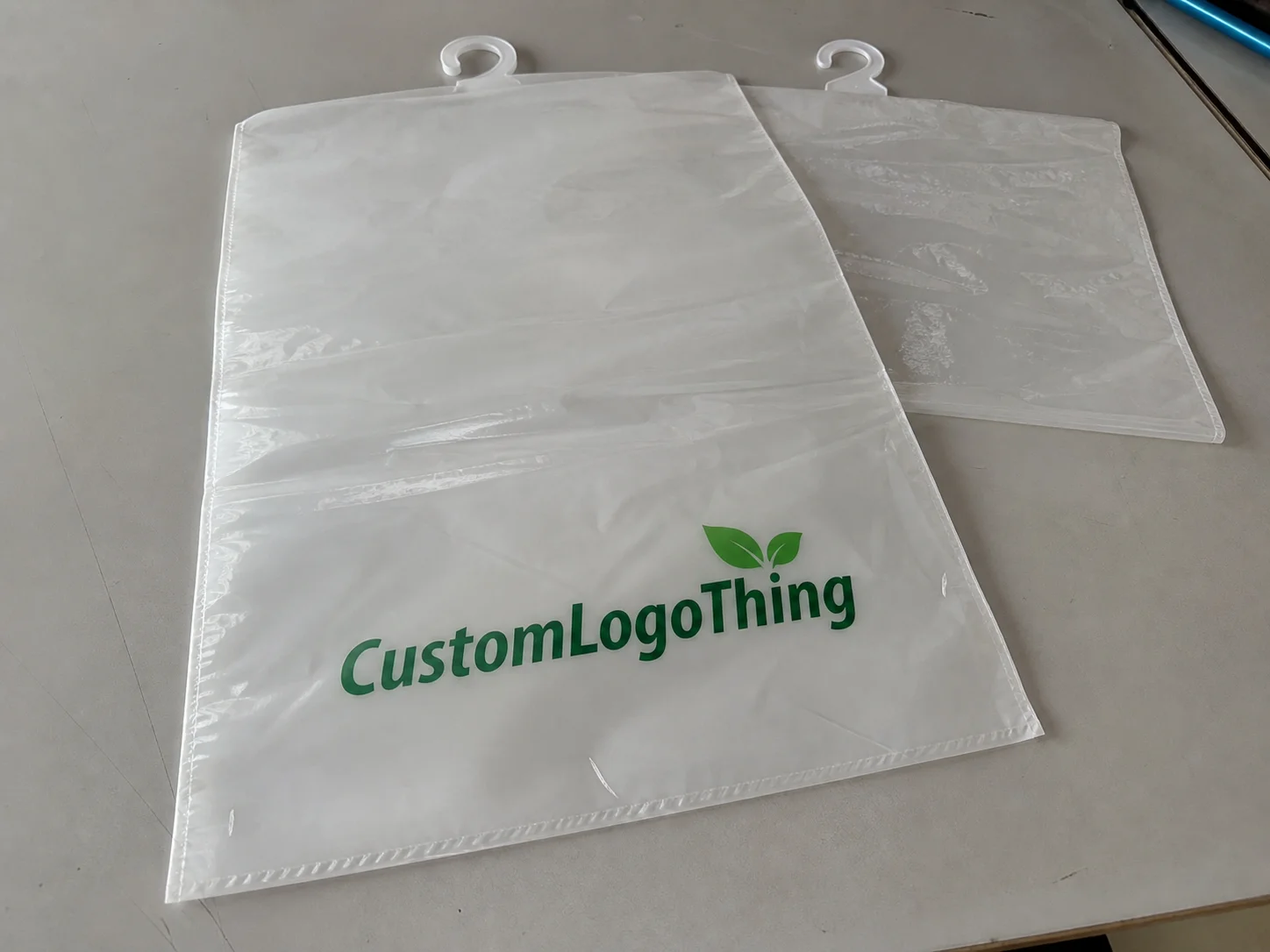
A plain shipping bag reads as functional. A foil-stamped logo makes it feel branded without changing the basic shipping format. That can be enough for brands that want a better first impression but still need low parcel weight, easy storage, and fast fulfillment.
These mailers tend to work best for lightweight to midweight products such as folded apparel, cosmetics packed in inner cartons, accessories, and soft goods. If the shipment needs crush resistance, heavy void fill, or added tamper structure, a box is usually the better choice. Foil affects presentation, not the underlying protection level of a flexible bag.
Foil usually works best as a focused branding detail. Oversized stamped areas cost more, require tighter process control, and often add less visual value than buyers expect.
Most buyers get a cleaner result from one well-placed logo, good open space around it, and a foil color that clearly contrasts with the base film. If the outer mailer is part of a larger packaging system, it should also coordinate with your Custom Packaging Products so the shipment exterior and inner components feel consistent.
How foil stamping works on flexible mailer film without turning into guesswork
Foil stamping transfers a decorative layer from carrier film onto the outside of the mailer using heat, pressure, and a custom metal die. The die applies foil only where the artwork appears. Depending on the foil selected, the finish can be bright metallic, satin metallic, matte metallic, or an opaque pigment such as black or white.
The challenge is that polyethylene is not rigid. Mailer film can flex, give slightly under pressure, and react differently to heat depending on thickness, surface treatment, and finish. Detail limits matter more here than they do on cartons or labels.
What changes on flexible film
Mailer construction affects stamp quality. LDPE mailers have a softer feel and more give. Co-extruded courier films are often tougher and more puncture-resistant. Matte films, gloss films, and recycled-content blends can each behave differently in transfer, edge sharpness, and scuff resistance.
Common foil choices include metallic gold, metallic silver, rose gold, holographic effects, black pigment foil, white foil, and lower-gloss satin finishes. The best option depends less on trend than on contrast and logo structure. Gold on matte black creates strong separation. Silver on white feels clean and minimal. Black foil on white can look crisp and restrained. A subtle foil on a glossy or similar-toned film may disappear more than the mockup suggests.
Artwork is where many projects succeed or fail. Hairline strokes can break, tiny reversed details can fill in, and large solid stamp areas usually need tighter control. Simple, bold shapes transfer more reliably than intricate marks with miniature text.
For that reason, a strike-off or physical sample is usually worth requesting before a full run, especially if the logo is delicate or the mailer is part of a premium launch.
Material, finish, and artwork factors that decide whether the stamp looks crisp or disappointing
The base film does more work than the foil itself. LDPE usually feels softer in hand. Co-extruded films generally offer better shipping toughness. Recycled-content blends can perform well too, though surface uniformity may vary more by run. The right choice depends on transit risk, product shape, and the level of finish you want.
Film thickness affects both performance and perception. Lighter mailers reduce material use and shipping weight but may feel less substantial and can show contents more easily if the base color is light. Heavier gauges generally hold up better for bundled apparel, boxed cosmetics, or products with sharper folded edges. Many branded ecommerce mailers fall around 2.0 to 3.5 mil, but the correct gauge depends on load, seam design, and shipping conditions.
Finish changes how foil reads. Matte film often creates the strongest effect because the surrounding surface stays quiet while the foil reflects light. Gloss can look energetic, but if both the base and the stamp are reflective, the logo may lose definition in normal use.
Base color deserves the same attention as the foil color. Silver on white can feel modern and understated. Gold on black gives higher contrast and a more formal look. Rose gold on blush, cream, or warm neutrals can work for beauty packaging, but low-contrast combinations often underperform outside a controlled photo setup.
Artwork preparation should stay practical. Use vector files. Keep the design to one foil color unless more is necessary. Leave safe space from side seals, bottom folds, vent holes if used, the flap adhesive zone, and the shipping label area. The mailer still has to close well and carry labels and barcodes clearly.
| Mailer style | Look | Foil result | Best use |
|---|---|---|---|
| Matte black film | Soft, premium | Strong contrast with gold or silver | Apparel, beauty, boutique ecommerce |
| Gloss white film | Bright, clean | Sharp with black or silver foil | Subscription, accessories, general retail |
| Recycled-content film | Functional, less uniform | Best with simple bold logo shapes | Brands prioritizing material reduction or recycled content |
Teams weighing appearance against sustainability goals should review the actual material specification rather than broad claims. Post-consumer recycled content, mono-material construction, and store-drop-off compatibility are not the same thing. Resources such as the EPA recycling guidance can help frame the discussion, but the practical decision still comes down to structure, transit needs, and customer disposal options.
Poly mailer pricing, MOQ, and unit cost: what really moves the quote
Pricing is usually driven by a short list of variables: finished size, film thickness, resin type, finish, base color, foil color, stamp area, added printing, and order quantity. Small spec changes can move the quote more than expected. A thicker film, larger stamp, or nonstandard size affects both material use and production setup.
Tooling is often the biggest surprise. A custom die is needed for the foil stamp, and some projects also require sample work or approval strikes. Those fixed costs weigh heavily on smaller orders, which is why low-volume runs can look expensive on a per-piece basis even when the bag itself is simple.
As a general market pattern, many programs become more economical around 5,000 to 10,000 pieces, with better unit pricing at 20,000 and above. Runs in the 1,000 to 3,000 range may still be possible, but setup charges have less room to spread. Final cost also depends on freight, resin pricing, and region.
| Order size | Typical unit cost trend | Setup impact | Best fit |
|---|---|---|---|
| 1,000-3,000 pcs | Higher | Heavy per unit | Testing, launches, short campaigns |
| 5,000-10,000 pcs | Moderate | Better distributed | Growing ecommerce programs |
| 20,000+ pcs | Lower | Spread efficiently | Stable volume and repeat orders |
A cleaner quote starts with a complete brief: finished dimensions, target gauge, base color, surface finish, flap style, permanent adhesive or dual-strip requirements, tear notch needs, logo size, foil color, quantity, and ship-to destination. When comparing suppliers, make sure each one is pricing the same construction. A lower quote tied to thinner film or a smaller stamp area is not an apples-to-apples comparison.
Production steps and lead time: from artwork approval to packed cartons
Custom mailers with decorative finishing add steps beyond stock bags. Specifications are confirmed first, then artwork is checked against the dieline and logo size. After that come die fabrication, film sourcing, sample approval if requested, production scheduling, foil stamping, bag converting and sealing, inspection, counting, and carton packing.
Many custom runs land around three to six weeks after final approval, plus transit time if the order is shipping internationally. Rush timing may be possible, but usually at the cost of higher pricing, fewer sample stages, or both.
Most delays come from spec changes rather than stamping itself. Missing vector art, late size revisions, foil color changes after proofing, or slow approvals can extend the schedule quickly. Once tooling begins, changes become expensive.
A digital proof is useful for placement, scale, and copy accuracy, but it cannot show how the foil will look on the chosen film or how the bag behaves when filled. A physical sample is the stronger checkpoint for premium programs or strict brand standards.
Useful QC checks include foil adhesion rub testing, registration review, seal strength testing, packed-sample puncture review, count verification, and carton labeling checks for multi-SKU operations. General transit-testing references from groups such as ISTA are also helpful when you need to separate decoration decisions from shipping-performance decisions.
Step-by-step: how to spec the right branded mailer for your product and budget
- Define the packed product. Measure it as it will actually ship, including inner cartons, sleeves, tissue, inserts, and protective wrap.
- Choose mailer dimensions around real pack-out. Leave room for normal packing variation, but avoid excess empty space.
- Select the film structure and thickness. Match the mailer to product weight, edge profile, and expected parcel handling.
- Pick the finish and foil combination. Start with contrast and readability, not trend alone.
- Simplify the artwork. One foil color and one strong logo version usually give the best balance of cost and reliability.
- Review a physical sample. Fill the bag, seal it, add a shipping label, and check how the logo looks in actual use.
This keeps the project tied to shipping reality rather than mockups alone. If the outer shipper needs to align with inserts, labels, or secondary packaging, a category such as Custom Poly Mailers can help narrow format options before you request pricing.
Common mistakes that make foil-stamped shipping bags cost more and perform worse
The most common mistake is overcomplicated artwork. Thin strokes, tiny knockouts, and dense detail may look refined on screen but lose clarity on flexible film. Simplified logo versions usually run better.
Another problem is treating foil like regular ink coverage. Large stamped blocks are harder to run, use more material, and can raise scrap risk if transfer becomes inconsistent. A smaller, well-placed logo often looks more premium than a larger stamp with weak edges.
Low contrast also causes disappointment. Metallic foil on a similar-toned or equally reflective base can look good in a rendering and nearly vanish in normal lighting. If branding matters, it has to read in a warehouse, hallway, and on a customer’s doorstep.
Buyers also run into trouble when they approve only from digital visuals. Screens cannot show adhesion, edge sharpness, or how the foil looks after filling and handling. A strike-off is especially useful when the mailer is meant to feel premium rather than just functional.
Late changes are the costliest mistake because they affect tooling, scheduling, material planning, and price at the same time. Lock the size, logo version, foil color, and quantity as early as possible.
What are poly mailers with foil logo stamping and are they worth it?
They are polyethylene shipping bags finished with a metallic or pigmented foil logo applied through heat and pressure. They are usually worth considering when a brand wants more polish than a plain stock mailer offers, but does not want the added shipping burden and storage footprint of switching to box-first packaging for every order.
The main advantage is presentation relative to material use. For soft goods and other products that do not need rigid protection, a foil-stamped mailer can create a stronger first impression without adding much package volume. The tradeoff is tighter artwork discipline, tooling cost, and more attention to sampling.
Next steps: build a cleaner quote request and test your mailer before the full run
A useful quote request starts with specifics, not mood boards. Include packed product size range, finished mailer dimensions, target gauge, base color, finish, flap and adhesive details, foil color, logo file, estimated quantity, and ship-to location. That shortens revisions and makes supplier comparisons more meaningful.
Keep the first version simple: one or two sizes, one foil color, and one approved logo variation. If presentation matters, ask for a physical sample and test it with the actual product inside. Check seal integrity, wrinkling, puncture behavior, label placement, scuffing on the stamped area, and how the logo looks after normal fulfillment handling. The best result is usually the one you can reproduce consistently at the right cost and lead time.
Are poly mailers with foil logo stamping durable enough for shipping?
They can be, provided the film gauge, seal design, and construction match the product and shipping route. The foil is decorative, so durability still depends on the base film, side seals, flap adhesive, and puncture resistance. A packed sample test is the safest check.
What is the minimum order quantity for custom foil stamped poly mailers?
MOQ varies by supplier, size, and setup method, but custom tooling usually makes very small runs less economical than plain mailers. Many buyers see more practical pricing at 5,000 pieces and up, though some simple projects can run lower.
How much do poly mailers with foil stamped logos usually cost?
Cost depends on dimensions, film thickness, material type, finish, quantity, foil area, and any added printing. Short runs usually carry a higher per-piece cost because die and setup charges are spread over fewer units. Clear specs are the fastest route to a reliable quote.
Can recycled poly mailers use foil logo stamping successfully?
Yes, often they can. Results depend on the recycled-content blend, surface treatment, and converting quality. Sampling is especially useful because recycled-content films can vary more in surface appearance than virgin structures.
How long is the lead time for poly mailers with foil logo stamping?
Many custom orders take roughly three to six weeks after final artwork approval, plus shipping time. The timeline usually includes proofing, die preparation, film sourcing, production scheduling, stamping, converting, inspection, packing, and transit.


