A delayed return bag can cost more than the bag itself
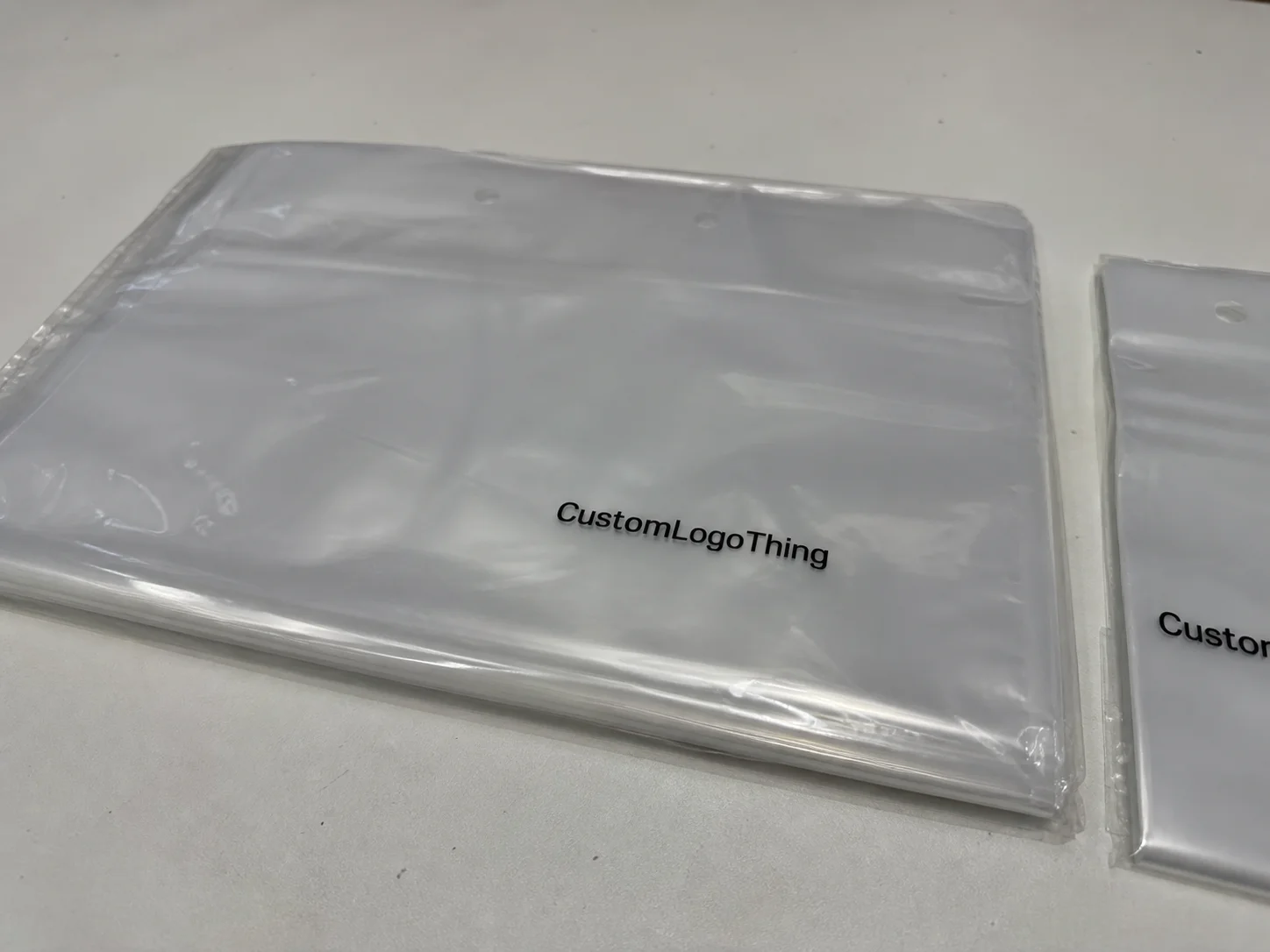
A return mailer usually costs only slightly more than a standard poly mailer, but supply mistakes around it can cost far more. When replenishment slips, warehouses may relabel plain mailers, add separate return pouches by hand, or delay a launch tied to exchanges and returns.
Those workarounds add labor and errors: missing return instructions, mismatched labels, and more SKUs on the packing floor. For most ecommerce and retail teams, the decision comes down to three constraints: on-time delivery, an order quantity that fits storage and cash flow, and a bag strong enough to survive both outbound and return transit.
That is why Lead Time and MOQ matter as much as piece price. A good buying decision starts with clear specs: material structure, dimensions, gauge, print method, minimum order quantity, and realistic production timing. If those are guessed at, the quote often changes after manufacturing review.
A well-specified return mailer can also reduce fulfillment steps. Dual-strip closures remove the need for a separate return pouch, keep branding consistent, and cut avoidable handling errors. The lowest quoted bag is not always the lowest operating cost if the size is wrong, the film is too light, or the MOQ forces excess inventory.
What makes a return mailer bag different from a standard poly mailer
A standard poly mailer is designed for one trip. A return mailer is designed for two. The usual construction includes one peel-and-seal strip for the outbound shipment and a second protected adhesive strip for the customer to use if the item is returned. Some versions also include a tear strip, tamper-evident flap, or printed instruction area.
Most return mailers use LDPE or co-extruded polyethylene film. Co-ex film is common because layered construction can improve puncture resistance, opacity, stiffness, or exterior feel. For soft goods, typical gauges often range from 2.0 to 3.5 mil.
Gauge alone is not enough. Film blend and construction affect puncture resistance, fold memory, opacity, and line handling. Apparel shipments often work in the 2.25 to 2.75 mil range when garments are folded cleanly and contents have no hard corners. If the pack includes hang tags, boxed accessories, or stiffer edges, 3.0 mil or more may be justified.
Common construction options include:
- Dual-seal closure with separate outbound and return adhesive strips
- Tear strip for cleaner customer opening
- Tamper-evident flap for visible opening indication
- Barcode-safe panel for scan readability
- Instruction print area for return steps, QR codes, or policy notes
- Bottom gusset for bulkier folded goods
These bags are most common in apparel, soft goods, subscription shipments, and retail programs with meaningful return volume. If the product has rigid parts or sharp corners, lighter film can fail at the side seals or puncture during return transit. In those cases, thicker co-ex film, wider seals, or an inner wrap is often the safer choice.
Specs that shape performance: size, film thickness, seal strength, and print
Accurate pricing starts with usable specifications. Buyers should confirm width, usable height below the flap, flap length, side-seal style, and whether a bottom gusset is needed. A 12 x 15 inch bag without expansion does not perform the same way as a 12 x 15 bag with a long flap or a 2-inch gusset.
Film thickness is usually the next major decision. Heavier gauge generally improves puncture resistance and stiffness, but it also raises resin cost, carton weight, and freight. Moving from 2.25 mil to 3.0 mil is a real structural change and should be tied to product risk, not selected by default.
Seal performance matters just as much. The outbound adhesive must hold through parcel handling, and the second strip must stay protected until the customer needs it, then bond reliably. Poor liner release, weak adhesive application, or a narrow seal band can create return failures and customer complaints.
Print affects cost and manufacturability at the same time. Flexographic printing remains the standard for many Custom Poly Mailers because it works well for logos, solid brand areas, and simple line art. Spot colors are usually the most economical path. More colors, flood coverage, and tighter registration add plate cost, setup time, and quality-control pressure.
Plastic film does not print like paperboard. Fine details can soften, and dark coverage can make minor registration variation more visible. Barcodes need a clean background for reliable scans. If the design includes return instructions or a QR code, leave a dedicated panel where labels will adhere and artwork will not interfere. Buyers looking for testing references often review guidance from the International Safe Transit Association.
In some cases, a stock size with custom print is the better option. It can reduce setup work and shorten the schedule. Fully custom sizing makes more sense when fit improves cube efficiency enough to lower freight or when presentation requirements are strict.
Return mailer bags lead time and MOQ: what buyers should expect
Lead Time and MOQ depend first on whether the order is a stock-based conversion or a fully custom manufacturing job. That distinction usually affects minimums and schedule more than any other factor.
For stock-based sizes with limited print, practical minimums often start around 3,000 to 5,000 pieces. Once the job moves to custom dimensions, heavier co-ex film, extra features, or additional print colors, MOQ often shifts to 10,000, 25,000, or more.
Those minimums reflect setup economics. A new size may require different converting settings. More print colors mean more plates, more wash-up time, and tighter registration control. Less common film structures may need separate material scheduling rather than routine stock allocation.
Lead time follows the same logic. A repeat order with approved artwork can often move in about 10 to 18 business days before transit if the queue is normal. A first custom run usually takes 3 to 5 weeks once artwork review, proofing, plate making, material allocation, printing, converting, inspection, packing, and freight are included.
Variables that commonly change the schedule include:
- Artwork readiness and proof approval speed
- Plate making or cylinder preparation
- Film availability in the requested gauge, color, and blend
- Press scheduling and converting queue
- Print complexity and number of colors
- Inspection requirements, carton counts, and pallet configuration
- Freight mode and destination
A common mistake is treating sample timing as production timing. A printed sample can confirm appearance, but it does not reserve production capacity. Finished goods still need to be scheduled, run, inspected, packed, and released.
If the schedule is tight, stock-based sizes and simpler print usually offer the best chance of hitting the date. It also helps to finalize artwork before issuing the purchase order rather than revising it during production planning.
Practical buying note: If your launch date is fixed, ask for two quote paths: the preferred custom construction and the fastest stock-size fallback with its MOQ and ship window.
Pricing and unit cost: how quantity, print, and structure change the quote
The main cost components are resin, film conversion, bag size, gauge, print setup, labor, packing, and freight. Features such as dual adhesive systems, tear strips, recycled content, or custom dimensions move the quote from there.
Quantity usually has the biggest effect on unit cost because setup is spread across more pieces. A run of 5,000 custom printed return mailers may land around $0.18 to $0.32 per bag depending on size, film, and print coverage. A simpler stock-size option may come in around $0.12 to $0.22. At 25,000 pieces or more, piece price often improves again, but storage cost, cash flow, and design flexibility become more important.
| Order Profile | Typical MOQ | Approx. Unit Cost Range | Best Fit |
|---|---|---|---|
| Stock size, 1-2 spot colors, 2.25-2.5 mil | 3,000-5,000 | $0.12-$0.22 | Faster-turn apparel and soft goods |
| Custom size, 1-2 spot colors, 2.5-3.0 mil | 5,000-10,000 | $0.18-$0.28 | Programs balancing fit and speed |
| Custom size, 3+ colors, heavier film, added features | 10,000-25,000+ | $0.24-$0.40+ | Higher-volume branded programs |
These ranges are directional. Resin pricing, freight, and print coverage can move the number quickly. Carton pack-out matters too. A low unit price with awkward carton counts or poor pallet efficiency can raise receiving and storage costs.
Recycled-content film also needs close review. Two bags may both be described that way and still differ in feel, opacity, stiffness, and price. If recycled content is part of the specification, confirm the actual blend and performance target rather than relying on a broad label. General background is available from EPA recycling resources.
The variables most likely to change price are:
- Stock size versus custom size
- Film gauge and opacity target
- Virgin resin versus recycled-content blend
- One-side versus two-side print
- Number of colors and print coverage
- Tear strip, perforation, or extra closure features
- Carton counts, palletization, and freight assumptions
Low headline pricing can hide weak landed-cost economics. A supplier may offer an attractive piece price tied to a high MOQ, but if that forces months of inventory and added storage, the savings may disappear.
Production process and timeline from quote request to delivered bags
The smoothest buying process starts with clear requirements and moves through quote review, artwork check, proof approval, material scheduling, printing, converting, inspection, packing, and shipment.
A typical sequence looks like this:
- Requirements intake: size, film structure, closure style, print details, quantity, destination
- Quote review: pricing tiers, MOQ, freight assumptions, estimated lead time
- Artwork check: file format, colors, barcode panels, bleed, safe zones
- Dieline confirmation: dimensions, flap orientation, seal layout, tear strip location
- Proof approval: visual signoff before production is scheduled
- Material scheduling: film and adhesive components allocated
- Printing and converting: press run, seal formation, cutting, stacking
- Inspection: print legibility, adhesive consistency, seal integrity, count verification
- Packing and shipment: cartons labeled, pallets built, freight released
Delays usually come from missing dimensions, overlooked flap direction, barcode placement problems, or slow proof approval. A supplier can only hold a tentative production slot for so long before another job takes it.
Repeat orders are easier because artwork, dimensions, and prior run settings already exist. First orders take longer because more variables need confirmation. If the job also requires unusual case counts, custom pallet patterns, or a less common film structure, planning gets more involved.
Quality control should be discussed in specific terms. Ask what is checked for adhesive coverage, liner release, seal strength, film gauge tolerance, opacity, print registration, carton counts, and labeling accuracy. On a return mailer, the second adhesive strip deserves particular attention because that feature is central to the customer experience. For broader terminology and related buying questions, the site’s FAQ can help before final specs are submitted.
How to compare suppliers without getting trapped by low headline pricing
Useful supplier comparisons start with matching specifications. Confirm that each quote is based on the same dimensions, film gauge, print scope, and closure structure. If one quote uses 2.25 mil film and another uses 3.0 mil, or one includes a true dual-strip return feature and another does not, the price difference is not directly comparable.
The questions a supplier asks can be as informative as the quote. A careful supplier will usually ask about flap orientation, label-panel needs, product weight, film preference, and shipping destination. That often leads to more accurate pricing than a quick, vague estimate.
It also helps to ask about film consistency, print controls, adhesive performance, and repeat-run management. If branding depends on dark flood areas or close color consistency, that should be discussed early.
Operational details matter too:
- Are cartons packed to fixed counts for easier receiving?
- Are cases labeled clearly by item number and PO?
- Are size and thickness tolerances disclosed?
- Can the supplier support release orders or forecasted replenishment?
- Is freight coordination clear from the start?
That is a more useful way to evaluate Custom Poly Mailers than comparing a one-line piece price. The better supplier is often the one with clearer specs, realistic minimums, and more consistent execution.
Next steps: request a quote with the specs that speed approval and delivery
To get a usable quote on the first pass, send the key specifications together: finished dimensions, product type and weight, target quantity, artwork status, number of print colors, preferred film gauge, and ship-to location. If the bag needs return instructions, a barcode-safe panel, dual adhesive strips, recycled content, or a tear feature, list those requirements at the start.
Most buyers are choosing between two practical paths. If speed matters most, a stock-based size with custom print is often the fastest manufacturable option. If fit, cube efficiency, or presentation matters more, fully custom dimensions may justify the higher setup work and MOQ.
It also helps to request quantity breaks at 5,000, 10,000, and 25,000 pieces so the tradeoff between unit cost, inventory, and cash flow is clear. In many cases, the lowest MOQ is the smarter decision even with a higher piece price because it matches the real replenishment cycle.
One last issue is internal proof approval. Projects often slip because brand, operations, and purchasing are not aligned on final artwork. If the launch date is fixed, lock approvals early.
FAQ
What is the typical MOQ for custom return mailer bags?
MOQ depends on size, film gauge, print complexity, and whether the job uses a stock format or fully custom dimensions. Stock-size conversions often start around 3,000 to 5,000 pieces. Custom sizes with heavier film or more print colors commonly begin at 10,000 pieces and can go higher.
How long is the lead time for printed return mailer bags?
Repeat orders with approved artwork can often move in about 10 to 18 business days before transit. First custom runs more often land in the 3 to 5 week range once proofing, possible plate making, production, inspection, and shipping are included. Freight mode can add several more days.
What affects the price of return mailer bags the most?
The biggest cost drivers are dimensions, film gauge, resin type, print coverage, number of colors, order quantity, and added features such as tear strips or dual adhesive systems. Freight, carton counts, and pallet configuration also affect the landed cost.
Can I get return mailer bags with a low MOQ and fast turnaround?
Often yes, but the best chance usually comes from a standard size, limited spot-color print, and a common material structure. Fully custom dimensions and complex graphics tend to increase both MOQ and lead time.
What information do I need for an accurate quote?
Provide finished dimensions, flap style, target film thickness, material preference, print colors, artwork status, quantity, ship-to location, and required in-hands date. If return functionality is essential, specify dual adhesive strips, tear features, instruction panels, or barcode-safe zones up front.


