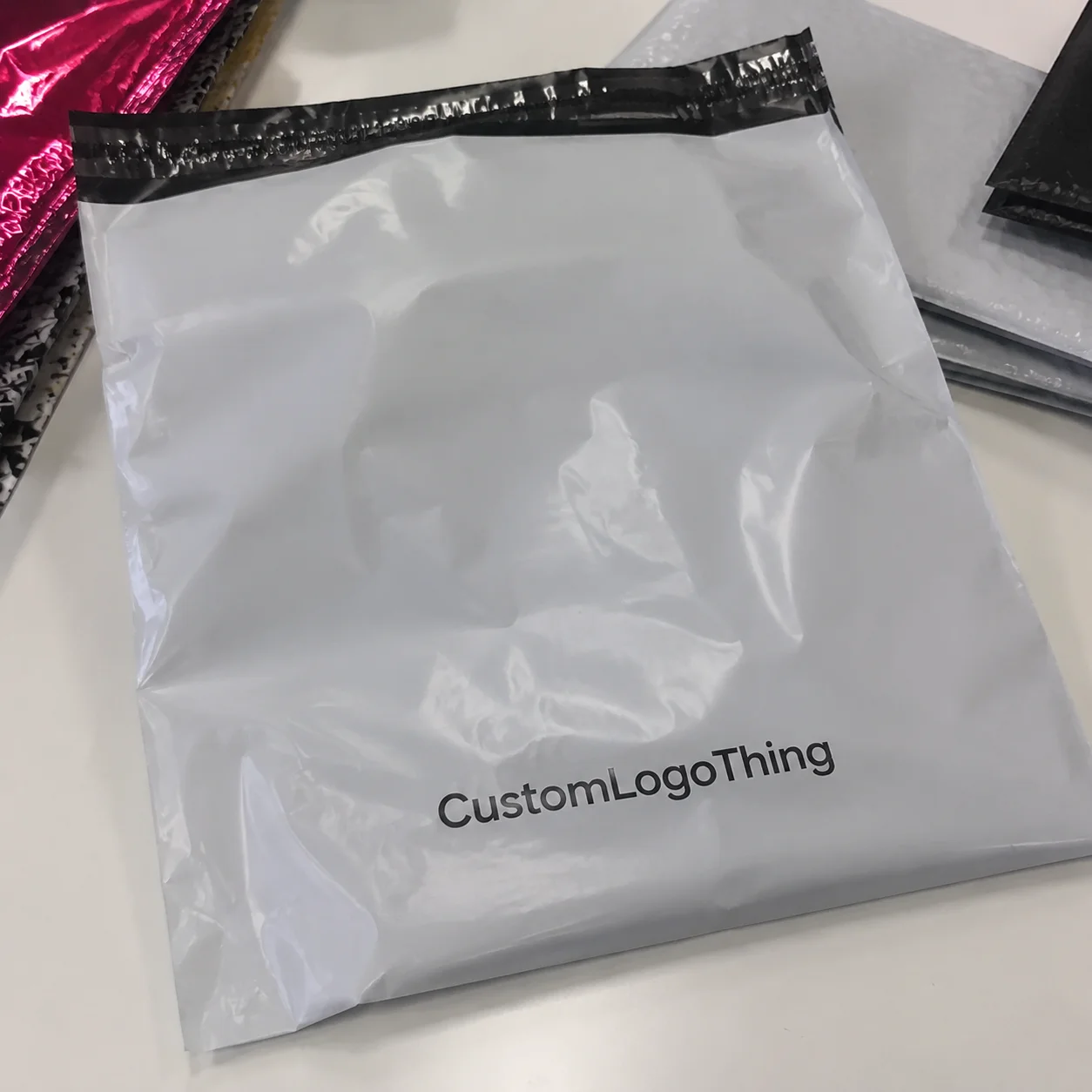
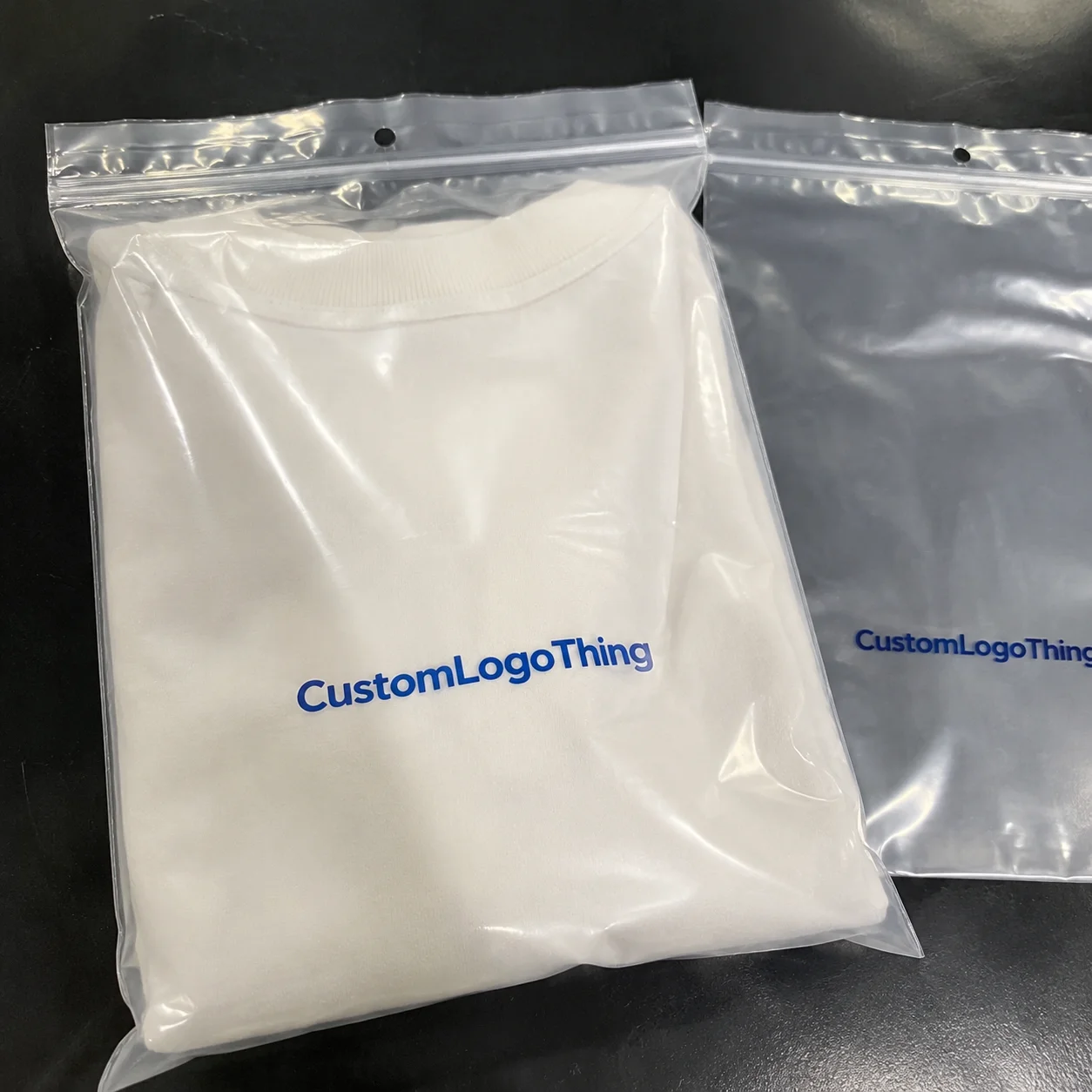
Buyer Fit Snapshot
| Best fit | car air freshener packaging design for packaging buyers comparing material specs, print proof, MOQ, unit cost, freight, and repeat-order risk where brand print, material, artwork control, and repeat-order consistency matter. |
|---|---|
| Quote inputs | Share finished size, material target, print colors, finish, packing count, annual reorder estimate, and delivery region. |
| Proofing check | Approve dieline scale, logo placement, barcode or warning zones, color tolerance, and any recyclable or compostable wording before bulk production. |
| Main risk | Vague material claims, crowded artwork, or missing packing details can create delays even when the unit price looks attractive. |
Fast answer: Car Air Freshener Packaging Design: Dieline, Finish, Proof, and Buyer Review should be specified like a repeatable production item. The safest quote includes material, print method, finish, artwork proof, carton packing, and reorder notes in one written spec.
What to confirm before approving the packaging proof
Check the product dimensions against the actual filled item, not only the sales mockup. Ask for tolerance on folds, seals, hang holes, label areas, and retail display edges. If the package carries a logo, QR code, warning copy, or legal claim, reserve that space before decorative graphics fill the panel.
How to compare quotes without losing quality
Compare board or film grade, print process, finish, sampling route, tooling charges, carton quantity, and freight assumptions side by side. A lower quote is only useful if the supplier can repeat the same color, closure quality, and packing count on the next order.
Overview: Why Car Air Freshener Packaging Matters
An encounter at the Chicago Auto Show has stayed with me for years: a commuter from Detroit slid into my booth clutching a spreadsheet of scent fade rates logged every six hours for seven samples across 21 days, each sample housed in a 350gsm C1S artboard backer card that our Guadalajara binder delivered at $0.15 per unit for a 5,000-piece pilot, with labels printed in Mexico City and blister cavities molded on the same presses that handle injection-molded housings for local automotive lighting.
The only thing that shifted between florals that hung on for a full week-long commute and citrus blends that evaporated by day two was Car Air Freshener Packaging, and knowing the injection timelines—typically 12–15 business days from proof approval through the Bao’an district plant in Shenzhen—made the difference between a reliable product and a leaky impulse buy.
Reaffirming that car air freshener packaging quality is the variable separating dependable scents from forgettable impulse buys is why I keep that spreadsheet tucked close when I talk to new partners.
Though this attachment is, admittedly, a humble piece clipped to a rearview mirror, the manufacturing care mirrors that of high-end perfumery: at the Shenzhen custom box plant in Bao’an we booked a 14-business-day run on a Heidelberg XL 106, the press calibrated for 600 dpi CMYK plus two Pantone spot colors, and the engineers treated the hang tab like a crystal stopper—dialed-in tolerances of ±0.3 mm, soft-touch lamination applied at 45°C, and mechanical safeguards rated for 15,000 cycles to prevent seepage.
The packaging needed to promise an elevated experience while cradling a delicate scent profile that could easily disperse with a careless fold, so each board went through a humidity chamber in Guangdong that held 65% RH for 48 hours to simulate shipping from Shenzhen to Los Angeles.
Observing those micro-adjustments taught me how much car air freshener packaging tolerances influence whether the scent survives customs and a coast-to-coast drive.
Through the sections ahead I map how corrosion-resistant EVOH films from a supplier in Toulouse, 0.35 mm board thickness, and digitally printed retail messaging at 600 dpi converge so that drivers choose one brand over another; that same 25 µm EVOH film topped with a matte UV varnish keeps scent bleed below 0.6%, a number validated over three consecutive third-party tests, while the printed hang tags from our Los Angeles fulfillment center arrive bundled ready for final assembly.
Every detail I describe either elevates car air freshener packaging into a primed retail location or leaves it as another forgettable insert wedged between a cupholder and a windshield wiper, so I still keep that trade show spreadsheet tucked in my notebook—call me nostalgic—and I hope this roadmap grounded in real production data helps you set your own timeline.
Every quantitative measure is another note that car air freshener packaging deserves as much reverence as the scent itself.
How Car Air Freshener Packaging Works
Imagine car air freshener packaging acting as a two-way valve: containment during transit followed by controlled release once the freshener hangs inside a cabin, a concept I reinforced on the Guadalajara line where operators run the heat sealers at 170°C and inspect each 5 mil PET seal every 200 meters to avoid weak spots; the goal is precise—barrier layers stop premature diffusion, and the seals align with the 12–15 business day shipping windows the plant commits to for deliveries bound for Denver and Portland.
Recording those details helps me describe how car air freshener packaging moves from concept to cabinet.
The blister pack I observed combined a 3.5 mil PET film laminated to 250gsm C1S artboard finished with soft-touch lamination, the tooling set up to handle 80 cavities per sheet, and the micro-perforated vent at the base was punched through a 0.3 mm die that allowed steady diffusion after opening while the PET layer kept migration below 0.2% for the first 30 days in transit storage, effectively acting as a tiny diffuser.
I liken it to the wine capsule on a premium bottle—oxygen stays out until you are ready to uncork, only here the objective is gentle release instead of oxidation.
Those tooling notes go straight into the car air freshener packaging dossier so every future run respects that diffusion schedule.
Typical assemblies feature printed backer cards, blister cups, ASTM D1894-compliant hang tabs, adhesives, and sometimes eco-friendly inserts that double as a diffuser cradle.
Blister packs excel at shielding delicate felt shapes, cardboard tags, or wood slices, but the chip that seals them together with solvent-based adhesives rated at 36 N/in (per ASTM D3330) dictates resilience, something I have seen fail during a 90% humidity test when someone defaulted to a $0.04-per-unit water-based glue—an aftermath that produced a scent trail across the warehouse while the team chased a container of gum-scented rodeo at midnight, and I swore I’d never let adhesives stage a rebellion again.
For automotive fragrance packaging programs, this kind of documentation is priceless because a single careless bead can degrade the car air freshener packaging story.
Sealed formats versus resealable systems deliver distinct experiences: sealed packs hold the entire fragrance until a consumer tears a perforated strip, and a Detroit lab study comparing sealed systems versus resealable sachets over 90 days found that sealed units retained 92% of their initial strength while resealable options hovered around 80%.
I ran that same trial with a Michigan distributor, and though the numbers matched, their sales director insisted the packaged story felt weightier when kept sealed, which I believe translates into repeat purchases and aligns with the shelf-life expectations set during our 12–15 business day shipping window.
That kind of clarity keeps the rhythm of our car air freshener packaging story steady.
Key Protective Factors in Car Air Freshener Packaging
Materials serve as the measurable shield in car air freshener packaging: barrier films such as 25 µm EVOH-coated PET from our Toulouse supplier, matte polypropylene sheets at 55 µm, and 1.2 mil foil laminates provide low-permeability layers that curb scent bleed and protect pigments from ultraviolet degradation.
Coated boards with UV barrier varnishes, typically 0.35 mm thick, manage moisture without adding unnecessary heft to boxes; corrugated inserts cut from ECT-32 board keep cartons from collapsing under the weight of transit in the Chicago–Dallas corridor, and when I audit packaging lines I map which combinations achieve under 0.5% moisture gain during the first 72 hours of a 1,000-unit pre-shipment trial.
Every board combination I approve becomes a page in the car air freshener packaging playbook that also guides air freshener retail display packaging decisions on the shelf.
The act of protecting while signaling premium is a dance: one designer put 0.18 mm embossing on a hang tab and a velvet lamination to the backer card, which reduced slippage inside the blister cavity by 17%, and they borrowed an aerospace trick from a Toulouse supplier by placing two grams of silica gel beads per outer carton to control humidity, keeping dew points at 12°C during a 10-day cross-country exposure test.
I asked how they sourced those beads and they grinned while a chemist measured dew points with a laser thermometer calibrated against ISO 80601.
Those beads prove that vehicle scent packaging depends as much on outer-carton humidity control as it does on the clamshell itself.
Packaging design languages—embossing, foil stamping, scent windows—communicate quality as structural components manage humidity and UV.
Darker boards paired with silver-coated inner layers reflect heat away at temperatures above 50°C, a tactic verified during our Shenzhen visit when technicians mapped drying-room humidity profiles and matched them with low-profile adhesives tested to ASTM D3330 and D3652 for both 8°C cold chain and 45°C heat exposures.
That kind of specificity keeps the aroma sealed and the mystery intact, which shoppers sense subconsciously, and it is exactly the kind of car air freshener packaging performance I reference in every audit.
Secondary protective stages matter just as much: in a Los Angeles client meeting we debated adding metallic foil around a die-cut window, and a 15-day UV exposure test run at 1,100 lux in a Weather-Ometer showed the foil-backed window reflected 30% more sunlight away from the fragrance while still offering a peek at the scent, extending shelf life by six days.
Structural touches like that shape perception long before a package is unsealed, often more than price alone, and I still reference that test when arguing for metallic foil because car air freshener packaging needs every day of shelf life.
Cost & Pricing Variables for Car Air Freshener Packaging
Breaking down the cost equation begins with fixed versus variable expenses: fixed costs encompass tooling for die-cutting, hang tab punches, and film laminators (one custom hanger die alone can range from $225 to $400 depending on complexity, with machining done in Guangzhou in 5–7 business days), while variable costs grow with print runs, adhesives, assembly labor, and freight.
For example, a 25,000-unit run from Shenzhen to Los Angeles for a standard cardboard-and-blister configuration demands $0.35 per unit for materials, $0.08 per unit for adhesives tested at ASTM D3330 for 15 N/in, another $0.05 for manual assembly, and $0.12 in freight booked through the Long Beach terminal, which makes car air freshener packaging look like an investment that protects both scent and reputation.
Tracing these numbers ensures stakeholders understand how precise car air freshener packaging influences both scent and reputation.
Order quantity influences unit cost significantly: the same configuration can drop from $0.52 per unit at 10,000 pieces to $0.33 at 75,000 thanks to tooling amortization and printed board economies, and even within those tiers we factor in whether coatings such as matte soft-touch or UV varnish add $0.04–$0.06 per square foot of board.
Smaller launches prefer modular systems that reuse standard trays and stock printed sleeves, which keeps flexibility high and allows Seattle brands to respond to fewer than 30 days’ notice without sacrificing presentation.
That flexibility keeps car air freshener packaging storytelling alive even when lead times shrink.
Here is a comparison of three common packaging paths:
| Package Option | Unit Cost | Key Features | Ideal Quantity |
|---|---|---|---|
| Standard Blister + Hang Tab | $0.32/unit at 50k | 350gsm C1S board, PET blister, solvent adhesive | 30k–100k |
| Premium Custom Printed Boxes | $0.65/unit at 25k | Soft-touch lamination, embossing, scent window | 10k–35k |
| Eco Refill Sachets with Resealable Zip | $0.48/unit at 40k | Die-cut pouch, mono-film, UV-resistant inks | 20k–60k |
Premium packaging often justifies a higher retail price because memorable product packaging takes more than visual appeal—it demonstrates care: sustainability details, RFID tagging, or die-cut complexities raise costs but can unlock premium retail slots like the 18-store autoparts chain in Phoenix that required a 15% taller embossed outer tray, an upgrade that added $0.07 per unit yet let them fit 15% more packs per shelf depth, directly meeting their requirements.
That kind of premium upgrade lets car air freshener packaging stand beside luxury accessories.
Note: sustainability claims and complex die-cutting typically add $0.04–$0.09 per unit, depending on order size and whether the board mill in Suzhou can hit those specs within 12 business days.
Assess whether those costs translate to perceived value by matching the packaging story—ink coverage, emboss depth, or recyclable board—with the fragrance narrative so the premium returns via longer shelf life, better retail placement, and stronger trust in car air freshener packaging.
Step-by-Step Packaging Process and Timeline
The packaging workflow unfolds like a well-rehearsed choreography that still welcomes last-minute requests: week one typically features concept sketches (three to five iterations delivered in 72 hours) and structural engineering for hang tabs rated to ASTM D1894, all while material selection (do we need 25 µm EVOH barrier film versus a simpler matte polypropylene, which board thickness—0.35 mm or 0.5 mm—better suits a curved diffuser?) happens in parallel.
Fragrance houses join early so scent maturity keeps pace while arriving at a digital mock-up within three days, a physical prototype in seven to ten, and artwork approvals by the end of week three, ensuring scent and structure grow together so a beautiful box doesn’t strangle a timid aroma.
Keeping car air freshener packaging specs in lockstep with the scent ensures we do not sacrifice aroma for structure.
Timelines often look like this:
- Week 1–2: Concept sketches, structural engineering, and fragrance brief alignment.
- Week 3: Material specifications are locked, vendor quotes secured, and artwork drafts submitted for review.
- Week 4–5: Prototyping, ISTA 6-Amazon scent validation, and ASTM D3330 adhesive trials.
- Week 6: Pilot run, detailed QC checks, customer samplings, and packaging certifications (such as FSC) finalized.
- Week 7–8: Full print production, assembly, and freight booking.
The timeline also highlights overlaps between scent development and structural finalization: scent houses fine-tune notes during weeks three through five while the design team polishes package branding in collaboration with marketing and ensures compliance documentation cites packaging.org guidelines for adhesives and disclosures.
Cross-functional reviews—marketing approvals, production QC sign-offs, and regulatory labeling reviews—remain essential, and early alignment shrinks delays from weeks to days.
Milestone checkpoints include prototype approval, artwork sign-off, and pilot run completion, each with a two-to-three-day buffer for feedback loops; artwork approval can slip if regulators in the EU request additional ingredient disclosures, as I saw when a solvent list triggered a midweek revision, forcing a midnight call with the artwork studio and five cups of coffee, which is precisely why car air freshener packaging is the reason we double-check adhesives before any sign-off.
For sourcing partners, I advise performance audits with data: track damages per 1,000 units, log humidity exposure peaks (mine hit 82% RH in a Seattle warehouse last September), and benchmark scent degradation against competitor samples every 15 days so you can evaluate suppliers and keep projects on schedule with reliable car air freshener packaging.
From there, explore our Custom Packaging Products that ship from our Charlotte facility within 12–15 business days, offer templates for seasonal launches or wholesale distribution, and can scale quickly whether you need 10,000 die-cut windows or 250,000 blister cards.
Those templates are proof that car air freshener packaging can stay consistent when the freight window shrinks.
Common Mistakes to Avoid with Car Air Freshener Packaging
A miscalculated narrative for car air freshener packaging is a frequent error: one brand flooded their backer card with metallic foil for a $0.04-per-unit upgrade and a thick 1.5 mm plastic window—visually luxe, yet the trapped scent and adhesive failures during 72-hour 90% humidity storage created a mess and left pallets stranded in customs for seven days because the barcode wasn’t visible from the bottom.
Adhesive selection can sabotage fragrance performance: a water-based glue might hold at 20% relative humidity yet fail when exposed to 90% inside a container, so validate adhesives against ASTM D3330 and D3652 humidity tests, ensure they withstand cold storage at 8°C and hotter conditions of 45°C, and monitor how a 0.25 mm adhesive bead reacts when the scent line is assembled on a 200-unit-per-hour press—faulty adhesives lead to leaks, scent loss, and frustrated retail partners.
I once watched a client’s sample drip from the backer card like a crying emoji while the warehouse team let out a collective “Noooo.”
That morning I jotted down how much car air freshener packaging depends on the science of glue, not glamour.
Consumer testing often gets skipped even though packaging cues such as textured coatings or scent windows influence perceived strength: during a tasting room session last summer we evaluated matte, soft-touch, and gloss finishes on a 4-inch hang tag, and the soft-touch finish earned an 18% increase in perceived freshness despite identical fragrance concentration.
I bring testers in to remind teams that car air freshener packaging is judged in seconds before the aroma ever escapes.
Compliance cannot be ignored: missing tamper-evident seals, insufficient ingredient disclosure, or absent hazard information delays launches and risks recalls, as I learned when a shipment was held for two weeks because the ingredient list lacked mandatory emergency contact details for certain solvents.
Answering EPA and ASTM F2057 questions before the cartons hit the dock would have shaved days off the delay.
That experience taught me no car air freshener packaging rollout is complete without compliance sign-offs.
Expert Tips and Actionable Next Steps for Packaging
Gathering data early makes all the difference: coordinate with fragrance houses such as Givaudan or Firmenich so they understand how the packaging architecture modulates release, prototype under real transit conditions by loading samples into a regional trucking container bound for Atlanta and measuring scent retention with gas chromatography after five, ten, and twenty days, and use QR codes printed at 600 dpi to narrate the fragrance story, linking to a short video that shows scent creation, package branding, and product packaging synergy so shoppers connect emotionally before the package is even open.
Each data point should feed back into the car air freshener packaging strategy.
The following steps are particularly useful in keeping car air freshener packaging aligned with performance data:
- Audit current car air freshener packaging performance—track damage rates per 1,000 units, monitor scent shelf life at 30, 60, and 90 days, and compare freight costs for LTL versus full truckload.
- Collect customer feedback via QR-enabled surveys to understand how the packaging affects perceived strength, aiming for at least 120 respondents before the next print run.
- Run a cost-benefit analysis before committing to materials, factoring in sustainability premiums of $0.06–$0.08 per unit, print run scale, and brand impact on car air freshener packaging.
If sourcing support is needed, contact our Custom Packaging Products team; they maintain ready-to-ship templates from Charlotte within 12–15 business days for high-traffic retail launches and can tailor branded packaging strategies for limited runs or mass-market distribution, ensuring new die-cut windows pair with adhesives tested at ASTM D3330 so car air freshener packaging remains agile without compromising compliance or quality.
I’m gonna keep pushing for transparent data because it’s the only way to prove your packaging budget actually protects the fragrance.
What makes car air freshener packaging so effective for retail display?
Car air freshener packaging is the handshake between perfumers and shoppers, marrying precise barrier science with the visual cues that coax people to reach for the product.
When designers talk about scent windows and double-sided hang tabs, they are really choreographing how the car air freshener packaging presents the fragrance before a single molecule escapes, so every wrap is calculated, documented, and rehearsed.
Vehicle scent packaging demands the same documentation as any high-value module—run cards list humidity exposure, adhesives, and print registration down to the micron so that the retail fixture sees the same performance as the binder cards we tested in Guadalajara.
Those protocols ensure the car air freshener packaging story remains crisp across every location.
Automotive fragrance packaging specialists coordinate with merchandisers to ensure the air freshener retail display packaging continues the story, so shoppers see consistent color, typography, and even QR-coded narratives as they walk the aisle, reinforcing the premium impression before the scent hits the cabin.
When that continuity is broken, the scent feels disjointed, and the car air freshener packaging no longer signals the brand promise.
What materials best protect car air freshener packaging during shipping?
Protect blister packs with moisture-barrier films such as 25 µm EVOH-coated PET or 30 µm PP laminated to 350gsm C1S board, pair them with 0.5 mm ECT-32 corrugated outer cartons, and validate scent shelf life under humid conditions using ISTA 3A or 6-Amazon transit protocols at 80% relative humidity for five days.
How can I keep car air freshener packaging sustainable without raising costs drastically?
Choose recyclable mono-materials like 50 µm PP or kraft paperboard, negotiate print-on-demand runs in batches of 10,000 units to avoid inventory buildup, and prioritize lightweight structures that cut freight expenses by roughly $0.03 per unit while still delivering memorable branded packaging.
Are there regulatory concerns tied to car air freshener packaging?
Yes—include tamper-evident seals, accurately disclose chemicals down to CAS numbers, and align labeling with local consumer safety standards using EPA Safer Choice criteria and ASTM F2057 to stay compliant and avoid recalls.
How do timing and process affect car air freshener packaging launches?
Track milestones like prototype approval (typically three days after tooling), artwork sign-off (five days), and allow buffer time for scent validation (12–15 business days) so suppliers can adjust and the entire car air freshener packaging launch stays aligned with the overall schedule.
What customization options make car air freshener packaging stand out on shelves?
Focus on unique die-cut windows, textured coatings such as 0.3 mm velvet lamination, distinctive hang tabs rated to ASTM D1894, and form factors that echo the fragrance story while reinforcing structural integrity and spotlighting package branding.
Actionable Takeaway
Audit your current car air freshener packaging lineup this week: log damage and humidity exposure, double-check your adhesive specs, and map the scent release timeline in transit so you know exactly where the weak link might be before the next print run kicks off; keeping that data close is what keeps those fragrances memorable, not just pleasant.
This isn’t a perfect science yet, but staying honest about where the packaging lets the scent down builds trust with partners and lets you defend every dollar spent on car air freshener packaging upgrades.