Choose a Custom Courier Bags Private Label Supplier
A customer opens the mailbox, pulls out a plain gray mailer, and the order is protected well enough. Functionally, nothing failed. Commercially, a small brand moment disappeared before the seal was even broken. A custom courier Bags Private Label supplier can turn that routine shipping bag into controlled branded packaging: the right size, film structure, print layout, closure style, carton pack, and warehouse handling format.
That last part matters more than many buyers expect. A courier bag is not only a printed surface. It has to survive conveyor belts, weather, compression, overpacked bins, tired packers, and customers who judge the order before seeing the product.
What Private Label Courier Bag Suppliers Actually Provide

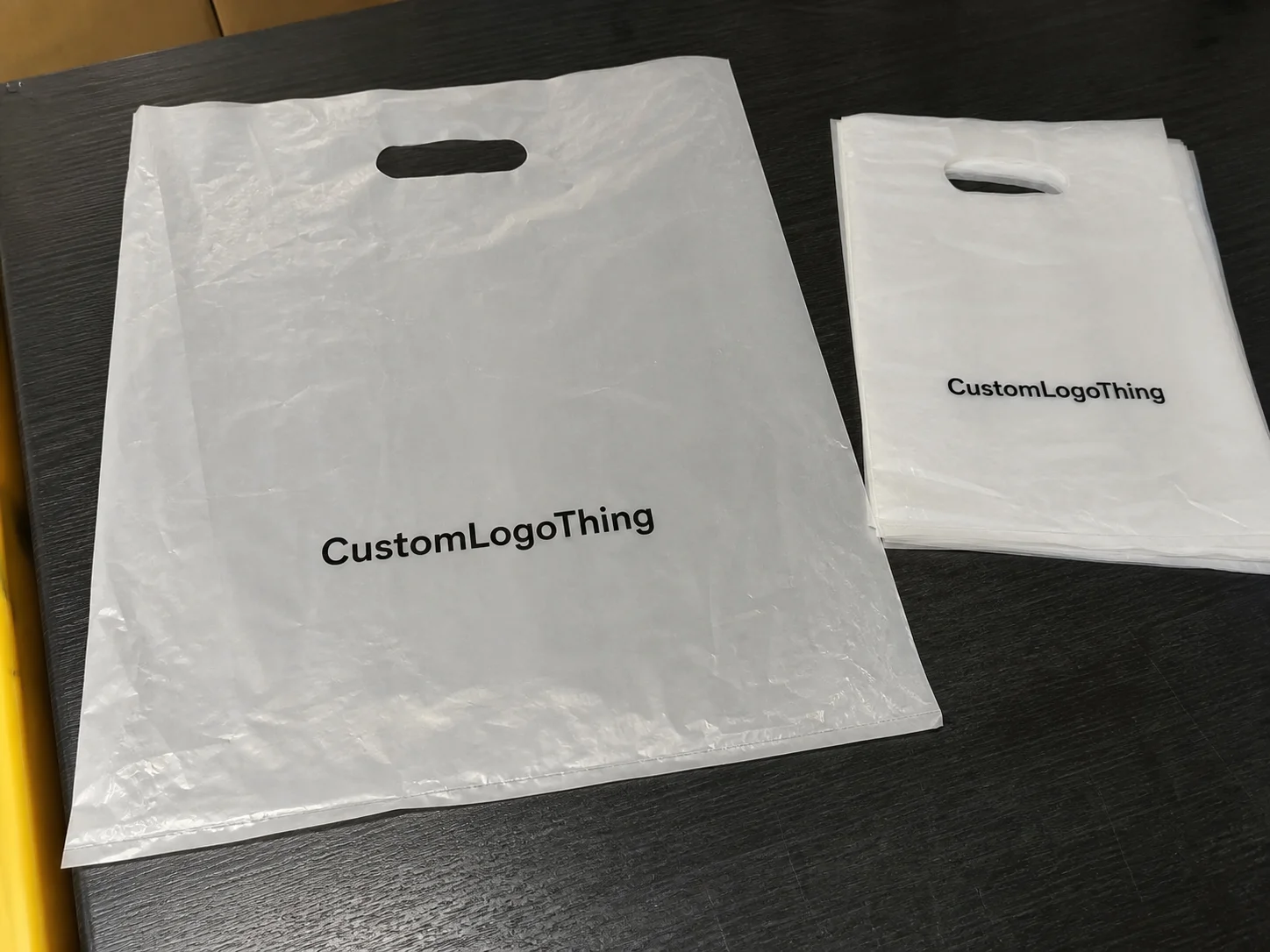
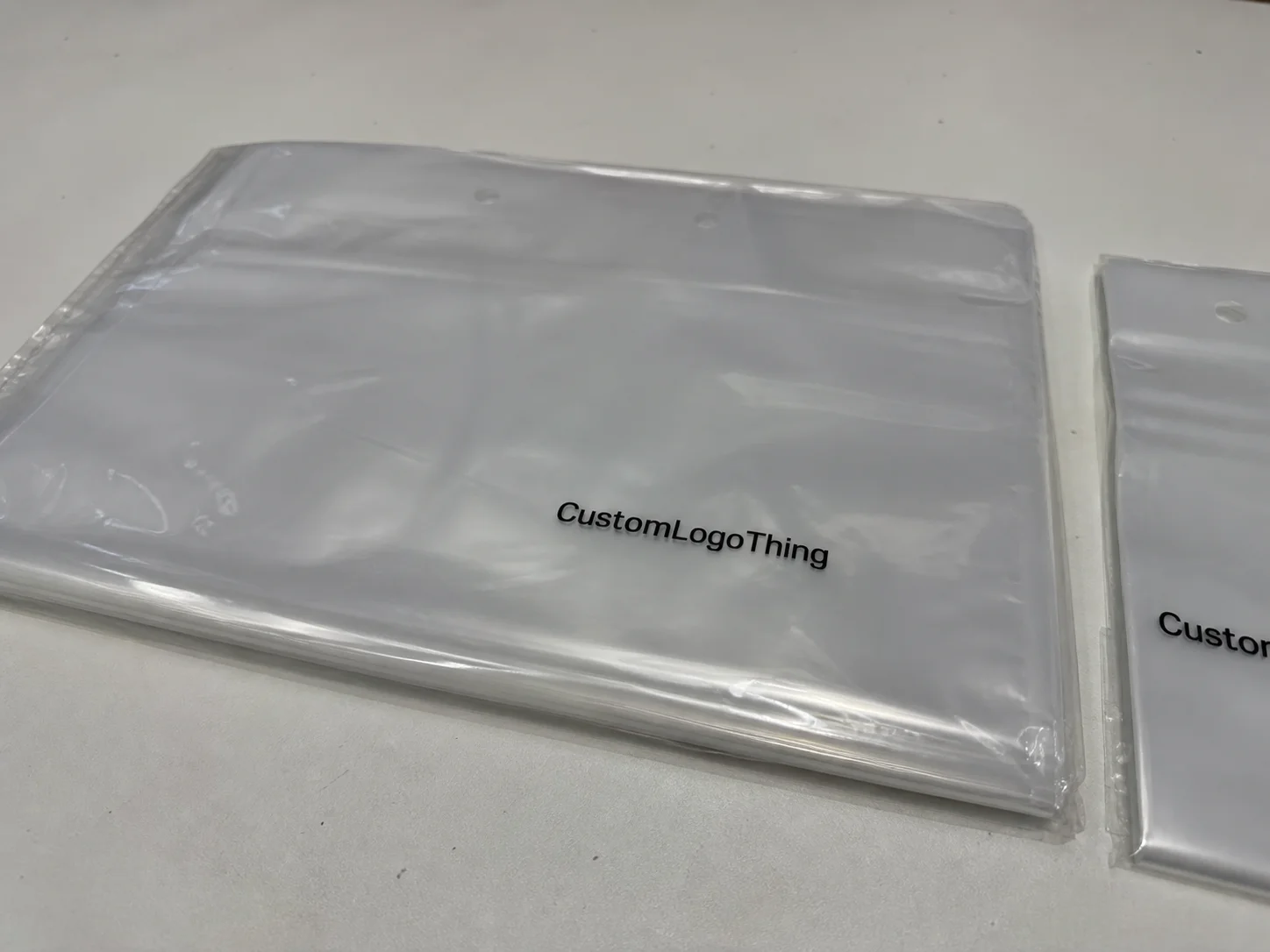
Private label courier bags are usually poly mailers, courier satchels, mailing bags, returnable mailers, or tamper-evident shipping bags made to a buyer’s specification. The buyer chooses the artwork, bag size, film color, thickness range, glue strip, carton pack, and sometimes the film blend. Simple on paper. Less simple after a black T-shirt shows through a white mailer under warehouse lights, or a side seam opens during sorting.
A capable supplier does more than put a logo on plastic. The technical work starts with resin and film selection. LDPE, HDPE, co-extruded layers, recycled-content blends, white masterbatch, carbon black, slip additives, and anti-static behavior can all affect how the finished bag feels, prints, seals, and performs. Then come gauge recommendations, artwork handling, flexographic plate setup, sampling, production control, packing, export documents, and repeat-order consistency.
Here is the trap: courier bags are often treated as “plastic bags with adhesive.” Performance depends on film blend, thickness tolerance, seam strength, opacity, tear resistance, print adhesion, release liner quality, and glue strip consistency. A 2.5 mil co-extruded bag with strong edge sealing is a different product from a thin single-layer mailer with the same flat dimensions.
Practical rule: compare courier bag suppliers on the full specification, not just the lowest unit price. A cheap bag that causes repacking, returns, or customer complaints is rarely cheap after the first production run.
For brands already investing in Custom Labels & Tags, printed boxes, inserts, or broader product packaging, courier bags are often the missing outside layer. The parcel is the first physical brand surface many ecommerce customers touch. It also takes the most abuse.
How Private Label Courier Bag Production Works
The basic manufacturing route is direct. Polyethylene resin is melted and converted into film through blown film extrusion. A tube of plastic rises like a bubble, cools, collapses, and winds into rolls. Those rolls may be printed, slit, folded, cut, sealed, punched, perforated, and fitted with adhesive strips before bags are counted and packed into cartons.
LDPE gives softness and flexibility, which is why it is common in apparel mailers. HDPE gives more stiffness and can deliver strength at a thinner gauge, though it may feel crinklier in the hand. Co-extruded films use layered structures, such as a white outer layer for print and a gray or black inner layer for opacity. Recycled-content blends can support a sustainability message, but the exact percentage depends on resin quality, color target, strength requirement, and whether post-consumer or post-industrial material is used. Environmental claims should be checked against current guidance from sources such as the U.S. Environmental Protection Agency recycling resources.
Most custom courier bags are printed by flexographic printing. One-color logo printing remains the budget-friendly workhorse, especially for ecommerce brands that want recognition without heavy ink coverage. Two to four colors create stronger doorstep impact, but each color adds plate cost, setup time, registration control, drying considerations, and inspection points. Fine reverse text, pale colors on dark film, and large ink floods need extra review because plastic film does not behave like coated paper.
Closure systems deserve the same scrutiny as the artwork. A permanent peel-and-seal strip works for one-way shipments. Double adhesive strips are better for returnable mailers, usually paired with a perforation or tear line. Tamper-evident designs can show forced opening, but they must be matched to the film thickness and shipping environment. Cold warehouses, dusty packing benches, and high-humidity transit can expose weak adhesive choices fast.
Sampling is not ceremonial. Plastic changes perception. Color can shift compared with a PDF proof. Bag stiffness changes with thickness and resin blend. A logo that looks centered on a flat drawing may sit too close to the flap once a hoodie or boxed accessory fills the mailer. On a first private label run, spending time on samples is usually cheaper than regretting 20,000 finished bags.
Key Specs Buyers Should Confirm Before Ordering
A supplier cannot quote accurately from “medium mailer with logo.” Too much is missing. A usable brief should cover size, film thickness, color, opacity, print method, print sides, closure, packing, carton labels, destination, and expected order quantity.
Start with sizing. Usable internal dimensions matter more than flat bag size. If the product is 250 mm wide and 330 mm long, the finished mailer may need extra width for product depth, air space, protective wrapping, invoices, and the adhesive flap. Bulky apparel, soft toys, boxed cosmetics, and books all fill a bag differently. A mailer that works for a folded T-shirt may be too tight for a shoebox corner.
Thickness and strength should match the product, not the buyer’s hope for the lowest quote. Light apparel might work in a thinner film, often around 50-60 microns depending on size and blend. Books, boxed accessories, and products with hard corners may need 70-90 microns, stronger seams, or a co-extruded structure. Very large courier bags need special care because longer seams see more stress during sorting and manual handling.
Opacity is part of customer trust. White mailers can look clean but may need an inner gray or black layer to hide contents. Black bags usually provide strong privacy but limit print choices unless the design uses white or metallic-style inks. Gray films are practical for shipping but can feel industrial unless the design is intentional.
Artwork requirements should be agreed before plates are made. Vector files are preferred, usually AI, EPS, or print-ready PDF. Pantone references help with brand color matching, while CMYK builds may shift depending on film color and ink system. Safe zones around seals, side edges, perforations, and adhesive areas protect the artwork from being cut off or distorted. If a barcode, QR code, return instruction, or compliance mark is printed on the bag, readability should be tested at actual size.
- Size: flat size, usable internal size, flap length, and tolerance.
- Film: LDPE, HDPE, co-extruded, recycled blend, color, and target thickness.
- Print: front only or two-sided, number of colors, ink coverage, and safe zones.
- Closure: permanent strip, dual strip, tear line, or tamper-evident feature.
- Packing: pieces per bundle, carton quantity, roll-packed or loose-packed, and carton labeling.
For larger buyers, pallet pattern, carton barcode labels, warehouse receiving rules, and mixed-size carton separation can be as valuable as the print itself. A pretty bag that slows fulfillment is not a finished solution.
Pricing, MOQ, and Unit Cost Drivers for Courier Bags
Courier bag pricing is shaped by more than size. Material weight, film structure, print coverage, number of ink colors, adhesive style, setup waste, packing method, and freight terms all influence the quote. A custom courier bags private label supplier quoting a 10,000-piece run has to spread printing plates, machine setup, material preparation, and trial waste across fewer bags than a 50,000-piece run.
Realistic pricing depends on resin cost and specification, but small custom runs often carry a noticeably higher unit price. A simple one-color 10 x 13 inch apparel mailer might fall around $0.12-$0.22 per unit at moderate quantities. Larger co-extruded bags with two-sided print and dual return strips may reach $0.28-$0.45 or more. Freight, duty, and local delivery can move those numbers quickly, especially for bulky cartons that cube out before they weigh out.
| Specification Choice | Typical Cost Impact | Buyer Watchpoint |
|---|---|---|
| One-color front print | Lower setup and running cost | Best for simple package branding and repeatable logo placement |
| Two to four print colors | Higher plate, ink, and registration cost | Allow tolerance for flexographic registration on flexible film |
| Co-extruded opaque film | Higher than basic single-layer film | Improves privacy and can improve perceived quality |
| Double adhesive return strip | Moderate increase | Requires layout space, tear line planning, and converting control |
| Recycled-content blend | Variable, sometimes higher | Confirm strength, color consistency, and claim language |
MOQ is not just a supplier preference. Low quantities carry a higher unit cost because setup time, printing plates, ink mixing, machine cleaning, and material changeover still happen. Larger orders spread those costs across more units, but inventory storage becomes the buyer’s problem. A useful request asks for tiers such as 10,000, 25,000, and 50,000 pieces, plus any plate fee, sample charge, packing cost, and freight assumption.
The lowest quote can be risky if it relies on thin film, weak opacity, poor seal consistency, or vague printing standards. Compare the same specification. A 2.5 mil co-extruded printed mailer and a lighter single-layer plain film mailer are not equal, even if both are called “custom poly mailers” in a spreadsheet.
Process and Timeline From Artwork to Finished Bags
A clean order process usually follows a predictable path: inquiry, specification review, quote, artwork check, digital proof, sample or pre-production sample, deposit, material preparation, printing, converting, quality inspection, packing, and shipping. Each step sounds small. Together, they decide whether the bags arrive ready for launch or become a warehouse headache.
Plain stock-color bags with simple one-color print often move faster than fully custom film colors, heavy ink coverage, multi-color artwork, return strips, or special opacity targets. A typical custom run might need 12-20 business days after proof approval for production, depending on the production queue and complexity. First orders often need more buffer because the artwork file, color standard, and material feel are not yet locked. Repeat orders are usually smoother if the supplier keeps plates, film notes, and packing instructions consistent.
Artwork approval is a common bottleneck. Low-resolution logos, undefined brand colors, RGB files, missing fonts, and designs placed too close to the seal zone can add several rounds of revision. Flexographic printing also has practical limits. Tiny reverse text may fill in. Thin lines may thicken. A large solid ink area can show variation if the film surface treatment or ink laydown is not controlled.
Sampling choices vary by risk level. A digital mockup is fastest and can confirm layout. A material sample confirms thickness, hand feel, stiffness, and opacity. A printed pre-production sample gives the best confidence before a larger private label run, especially for ecommerce launches where the courier bag may appear in customer photos.
Production variables are real. Resin availability, ink matching, drying time, machine scheduling, adhesive curing, carton packing, and freight booking can all move dates. Some buyers use package handling tests aligned with organizations such as the International Safe Transit Association, particularly when the mailer is part of a wider shipping validation program.
Work backward from the launch date. If a campaign starts on the first Monday of a month, the bags should not be scheduled to arrive that same morning. Add time for warehouse receiving, count checks, internal distribution, and any repacking of existing product into new branded shipping bags.
Common Mistakes That Cause Weak Bags or Delayed Orders
The most common mistake is choosing film thickness by price alone. A buyer saves a few cents and later finds that the bag stretches too much, shows the contents, splits at the seam, or simply feels too flimsy for the order value. Customers may not know microns or mils. They can still feel cheap packaging immediately.
Unclear sizing creates another familiar failure. Buyers measure the flat product and forget product depth, tissue wrap, bubble sleeves, invoices, return forms, or the sealing area. The result is a mailer that technically fits in a flat test but fights the packer during a normal shift. Packing speed matters. If every tenth bag has to be wrestled closed, the unit cost calculation was incomplete.
Artwork can delay production too. Important graphics placed near the flap may disappear once the bag is sealed. Fine reverse type can fill in during flexographic printing. Paper-like color expectations rarely translate exactly to plastic film, especially on gray, black, or recycled-content materials. If package branding requires a tight brand color, ask for a realistic tolerance or an approved drawdown before mass production.
Adhesive mismatches create customer-facing problems. A strong permanent closure is right for one-way shipping, but ecommerce brands with returns may need dual strips and a tear line so the customer can reseal the same mailer. Heavy products, cold climates, dusty packing areas, and long-distance courier routes can all stress the glue strip.
Compliance and handling details are easy to miss during early design. Some markets require suffocation warnings above certain bag openings. Recycling marks should match the actual material structure and local guidance. Carton labels may need warehouse scan codes, size identification, quantity, purchase order numbers, or lot information. If the bags will carry heavier goods, consider drop, compression, and puncture risks as part of the overall product packaging plan.
Skipping approval samples on a first order is false economy. The sample stage is where hand feel, opacity, seal position, print scale, and packing format become obvious. A screen cannot show how a 70-micron mailer feels in a picker’s hand at the end of a busy packing line.
How Do You Choose a Custom Courier Bags Private Label Supplier?
Choose a custom courier bags private label supplier by checking whether they can translate your shipping use case into a complete technical specification, then repeat that specification consistently. The right partner should ask what products you ship, how heavy they are, how sharp the corners are, how many returns you process, what level of opacity you need, and how your warehouse packs orders during peak periods.
Before requesting a quote, prepare the shipping use case. Decide which products will go into the bags, measure the smallest and largest common orders, and separate soft goods from hard-cornered items. A T-shirt, a candle box, and a paperback book do not need the same mailer, even if the flat dimensions look close on paper.
Build a simple courier bag brief. Include size, thickness target or product weight, film color, opacity requirement, number of print colors, front-only or two-sided printing, closure type, quantity, packing preference, destination, and required delivery date. If you already buy Custom Packaging Products, align the courier bag colors and message with printed boxes, labels, inserts, and retail packaging so the customer sees one clear brand system.
Ask for comparable material samples, not just photos. Hand feel, opacity, stiffness, and noise are difficult to judge on a screen. If sustainability is part of the brief, ask what recycled content is available, what documentation can be provided, and whether the film still meets the strength and privacy needs of your shipments. Not every environmental claim fits every courier bag structure.
Request quote tiers such as 10,000, 25,000, and 50,000 pieces. Ask for setup charges, sample fees, estimated carton dimensions, freight assumptions, and lead time after artwork approval. A proper quote should make clear whether plates are included, whether repeat orders use the same tooling, and what tolerance applies to quantity, size, thickness, and print color.
Quality checks should be part of the conversation before a purchase order is issued. Ask how the supplier checks seal strength, print registration, color consistency, bag dimensions, adhesive performance, carton counts, and random inspection during packing. For larger programs, lot numbers and retained samples can make repeat orders easier to control.
The strongest supplier discussions are specific. Bring a clear spec, a real shipping use case, and a target order quantity. That keeps the conversation focused on performance, price, and repeatable production instead of vague samples and guesswork. A good courier bag protects the order, carries the brand, and fits the packing line without drama.
Courier Bag FAQs
What should I ask a custom courier bags supplier before placing a private label order?
Ask about film type, thickness, opacity, print method, adhesive style, MOQ, lead time, sample options, carton packing, and quality checks. Share the actual products you ship, including weight and corner sharpness, so the supplier can recommend the right bag size and strength instead of quoting a generic mailer.
How does MOQ affect private label courier bag pricing?
Lower quantities usually have a higher unit cost because setup, printing preparation, plate cost, and machine time are spread across fewer bags. Request several quantity tiers so you can see where the price becomes more efficient without buying more inventory than your warehouse can use in a reasonable period.
What material is best for custom courier bags?
LDPE is flexible and common for soft ecommerce mailers, HDPE can provide stiffness at thinner gauges, and co-extruded films can improve opacity or strength. The best material depends on product weight, corner sharpness, privacy needs, print coverage, recycled-content goals, and expected shipping conditions.
How long does private label courier bag production usually take?
Timing depends on artwork readiness, sampling needs, material availability, print complexity, production queue, packing, and freight method. Many custom runs require a few production weeks after proof approval, while first orders usually need extra buffer for artwork review, color checks, and sample approval.
Can custom courier bags include return strips and tamper-evident features?
Yes, many private label courier bags can be made with double adhesive strips, tear lines, permanent seals, and tamper-evident closures. Specify these features early because they affect bag layout, converting setup, unit cost, carton packing, and production lead time.