A customer forms an opinion before the product is even visible. They see the scuffs, the print quality, whether the bag is overstuffed, whether the seal looks straight, whether the parcel feels deliberate or cheap. That is why mailing bags for DTC brands deserve more scrutiny than they usually get.
For soft goods, refill packs, accessories, supplements packed in secondary cartons, and other lightweight non-fragile items, a mailer can outperform a box on cost, storage efficiency, and packing speed. The catch is structural. The bag still has to hold up against puncture points, weather, conveyor abrasion, label handling, and the rough indifference of parcel networks.
A well-specified mailer does more than carry product from warehouse to doorstep. It affects freight profile, pack-line labor, return handling, barcode readability, and damage rate. Buyers who treat it as a commodity often end up paying for that shortcut elsewhere.
Why mailing bags for DTC brands quietly shape customer perception
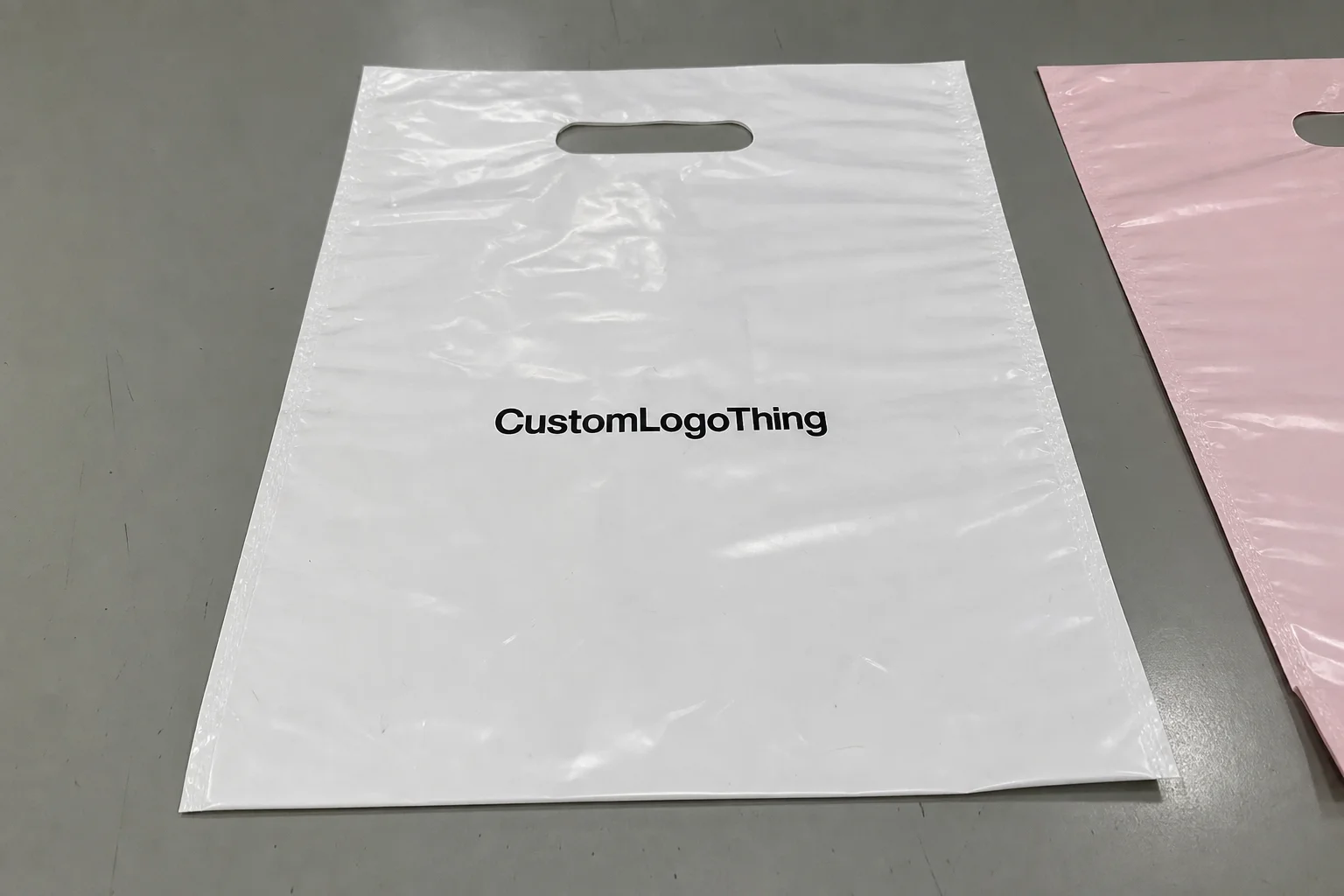
The delivery moment is brief, but it carries weight. Before a customer touches the product, they judge the outer pack: wrinkled or crisp, discreet or flashy, secure or flimsy. For DTC brands, that first visual cue becomes part of the brand promise whether anyone planned it that way or not.
Flexible mailers fit a surprising share of direct-to-consumer orders. Apparel stacks, socks, caps, beauty refills, wellness items in inner cartons, and lightweight accessories usually do not need corrugated compression strength. A mailer cuts dimensional bulk, stores flat, and often speeds up pack-out. Across 10,000 monthly shipments, even three seconds saved per order adds up to more than eight labor hours.
Small packaging mistakes become very visible at scale. A bag that is too large looks careless and creates folds under the shipping label. One that is too light may split at the side weld or puncture against a zipper pull, pump cap, or carton corner. Poor opacity can create privacy issues. Heavy dark ink coverage can make a mockup look polished and a finished bag look scuffed after transit.
From a packaging buyer’s perspective, the mailer has five jobs:
- Protect the item through parcel handling
- Present the brand cleanly on arrival
- Pack fast without slowing the line
- Scan cleanly with thermal labels and barcodes
- Control cost across material, freight, and labor
That is a useful way to think about mailing bags for DTC brands: not as throwaway packaging, but as an engineered shipping component. If you need a starting point, reviewing standard formats such as Custom Poly Mailers can help narrow the field before you sample or quote.
What a shipping mailer actually does in a DTC fulfillment system
A shipping mailer is usually a polyethylene bag designed for parcel delivery of non-fragile or semi-fragile goods. The basic versions are plain poly mailers. Co-extruded mailers add layered film structure for better opacity or toughness. Recycled-content options use post-consumer or post-industrial resin blends. Padded formats add bubble lining, and return-ready versions include a second adhesive strip.
The core functions sound simple: containment, moisture resistance, privacy, closure integrity, and printable surface area. But each one has operational consequences. If the closure fails, product is exposed. If the film wrinkles heavily where labels are applied, scans suffer. If the bag lacks stiffness entirely, it can slow packers who are trying to insert folded product at speed.
Inside fulfillment, the bag moves through a predictable chain. It is received flat, stored in minimal space, carried to the pack station, filled, sealed, labeled, scanned, sorted, and handled multiple times before delivery. In returns-heavy categories, it may also need to survive a second trip.
Compared with cartons, mailers usually reduce cube and eliminate void fill. Those are real savings. Corrugated still wins where products need crush protection, rigid presentation, or edge control. The shipping profile decides the format, not the preference of the design team or the purchasing team alone.
Practical rule: if the product needs crush resistance, hard-edge restraint, or a gift-like reveal, start with a box. If it mainly needs weather resistance, privacy, and a lower parcel profile, a mailer is usually the better tool.
Key specs that matter most: material, size, seal strength, and print
Most quote requests begin with price. The stronger approach is to lock down performance first. Once the structure is right, the cost comparison becomes much more useful.
Material and film structure
Many mailing bags for DTC brands are made from LDPE-based blends because they stay flexible, seal consistently, and print reasonably well. Co-extruded films layer different properties into the structure, often improving opacity, puncture resistance, or feel. For apparel, a common range is roughly 2.25 to 3.15 mil, though gauge alone tells only part of the story.
A folded knit shirt can travel safely in a lighter film than a small boxed item with sharp corners. Shape often matters more than weight. That is one of the most common buying mistakes: choosing thickness by product weight without looking at edges, closures, pumps, zippers, or inner carton geometry.
Recycled-content film can perform well, but it should be tested rather than assumed equivalent. Two bags with the same nominal thickness may behave differently if the resin mix, layer structure, or seal quality changes. If your brief includes post-consumer content, ask for puncture and seal validation instead of relying on sustainability messaging alone.
Sizing logic
Measure the packed item, not the naked product. Include insert cards, tissue, sleeves, labels, and any inner carton. Then add enough tolerance for quick loading and a flat, reliable seal.
Overstuffing stresses side welds and closure strips. Excess empty space looks sloppy and creates bunching under the carrier label. Common starting sizes include 10 x 13 inches, 12 x 15.5 inches, and 14.5 x 19 inches, but a size matrix built around actual SKU families beats rule-of-thumb ordering almost every time.
Seal strength and durability
Durability is not just a gauge question. Side-weld quality, resin blend, adhesive quality, and the shape of the packed item all matter. A bag carrying soft apparel sees broad, forgiving pressure. A bag carrying a boxed serum refill or hardware accessory sees concentrated stress at corners and edges.
Closure strips need scrutiny too. Hot-melt adhesives should hold through temperature swings in transit and stay consistent on the packing line. Tear notches make opening easier, though they should not weaken the bag in transit. Dual adhesive strips are useful in apparel and other high-return categories because they remove one step for the customer and cut the need for separate return packaging.
Print and label compatibility
One-color flexographic printing is usually the most economical custom option. Two- and three-color designs can work well at volume, but registration tolerance, plate setup, and ink coverage all raise the quote. Large flood coats often look good in concept and less good in real parcel networks, where abrasion, dirt, and scuffing are not polite.
For Custom Printed Mailers, define a clear label zone from the start. Keep important artwork away from the area most likely to wrinkle. Thermal labels need clean adhesion and strong contrast. If the exterior branding is doing too much, the better move is often a simpler outer mailer paired with a stronger branded insert or inner wrap.
Cost and pricing: what changes the quote and the unit cost
The main pricing drivers are straightforward: size, film thickness, resin mix, print color count, ink coverage, special features, and order volume. Add-ons such as a second adhesive strip, tear notches, higher recycled content, or a custom finish can move the number quickly.
As a broad working range, plain stock poly mailers often fall around $0.06 to $0.16 each in volume, depending on size and gauge. Custom printed versions commonly land around $0.12 to $0.28 each for runs in the 5,000 to 25,000 piece range. Padded and specialty constructions can go higher. These are not fixed market prices. Resin markets fluctuate, conversion efficiency varies by run, and freight sometimes creates bigger quote swings than buyers expect.
MOQ matters more than new brands often realize. Custom mailers require setup time, print plates, and conversion efficiency that plain stock bags do not. The upfront spend can look high. But if the finished spec improves packing speed, reduces dimensional bulk, and keeps presentation consistent, the total economics may still favor the custom option.
Several cost traps show up repeatedly:
- Choosing film that is too thin, then paying for reships and damage claims
- Ordering oversized bags “for flexibility,” then wasting film and weakening presentation
- Adding print complexity that does little for brand recognition or retention
- Ignoring freight and parcel-profile effects while focusing only on unit price
| Mailer Type | Typical Use | Approx. Unit Range | Main Advantage | Main Watchout |
|---|---|---|---|---|
| Plain stock poly | Basic apparel, accessories | $0.06-$0.12 | Lowest upfront cost | Minimal brand impact |
| Custom printed poly | Brand-led DTC orders | $0.12-$0.28 | Stronger doorstep presentation | Higher MOQ and setup cost |
| Recycled-content mailer | Sustainability-focused programs | $0.14-$0.30 | Supports material goals | Needs performance verification |
| Padded mailer | Semi-fragile, light protection | $0.20-$0.45 | Extra cushioning | Higher cost and more bulk |
Before requesting pricing for mailing bags for DTC brands, gather the basics: target sizes, monthly usage, packed product type, artwork requirements, and return-strip needs. If sustainability is part of the brief, define the target precisely. “Eco-friendly” is not a usable packaging spec.
Process and timeline: from bag spec to approved production run
The production path is usually simple on paper: confirm the use case, finalize dimensions, choose film structure and gauge, submit artwork, review pricing, approve a proof, run preproduction checks, print, convert, pack, and ship. Problems usually appear in two places: size confirmation and proof approval.
A common planning range for straightforward custom jobs is roughly 12 to 15 business days after final proof approval. More customized work can take longer, especially if it involves unusual sizing, higher print complexity, or several rounds of internal revisions. If inbound freight is involved, add that separately rather than hiding it inside the production estimate.
Digital proofs are useful, but they are not reality. They check dimensions, copy, and placement. They do not fully predict how flexographic print will behave on film or how a dark flood coat will look after sliding through parcel handling. If the bag matters to a major SKU family, samples or a pilot quantity are worth the extra time.
Quality control should be specific, not generic. On preproduction approval, buyers should confirm:
- Flat dimensions and tolerance
- Film thickness or target gauge
- Opacity expectations
- Side-weld consistency
- Adhesive strip placement and tack
- Print registration and color density
- Label-zone placement
- Carton count and pack method
Reorder timing is where many teams stumble. If monthly use is 20,000 bags and the real replenishment cycle is three weeks of production plus transit and approval time, waiting until one week of stock remains is not a lean system. It is an emergency purchase plan disguised as inventory control.
Test runs are particularly useful when moving from boxes to mailers, changing resin content, or adding a new print format. A short pilot can reveal side-seam stress, label lift, poor fit, or opening complaints before those issues spread across a full order. Standards from groups such as ISTA are useful reference points for parcel-distribution testing.
How to choose the right mailer step by step
The best selection process is not complicated. It is disciplined.
Step 1: Group products by shipping profile
Separate soft goods, refill pouches, boxed products, and anything with hard corners, pumps, leak risk, or rigid accessories. Two products with the same weight can need very different bag structures because their stress points are different.
Step 2: Measure the packed configuration
Use the real fulfillment setup, including tissue, inserts, sleeves, and seals. That gives you the dimensions that actually matter. Buying from product specs alone is one of the fastest ways to end up with a poor fit.
Step 3: Match the film to the parcel environment
Think about conveyor abrasion, climate exposure, return rates, and carrier handling. A fashion brand shipping mostly folded garments may be fine with a lighter structure. A supplement brand shipping boxed kits through mixed temperatures may need tougher co-ex film or a slightly heavier gauge. The cost increase is often minor compared with the cost of a split seam or a damaged first impression.
Step 4: Decide how much branding belongs on the outer bag
Some brands want immediate recognition on the doorstep. Others prefer discretion, especially in categories where theft visibility or privacy matters. There is no universal rule. A plain outer mailer with a branded insert often performs better than a heavily printed exterior that scuffs easily and crowds the label area. Packaging references and brand-side examples in Case Studies can help teams compare the tradeoffs.
Step 5: Validate with a live pack-out test
Run actual orders through the fulfillment line. Time how quickly the item drops in, how easy it is to remove excess air, how the seal behaves, whether labels adhere cleanly, and whether barcodes scan without hesitation. Then hand a few shipped samples to people outside the packaging team and watch how they open them. That last step catches more friction than many formal review meetings do.
That is how to choose mailing bags for DTC brands without guessing: measure the true pack-out, match the structure to the route, then test before scale.
Common mistakes DTC teams make with poly mailers
The most expensive mistake is forcing one mailer size across too many SKUs. It looks efficient in a spreadsheet. In practice, it creates slack space, bad folds, wasted film, and uneven presentation. Two or three core sizes usually outperform a single “universal” format.
Another mistake is treating gauge as the only measure of strength. A 2.5 mil bag with better resin distribution and stronger side welds can outperform a thicker bag with weaker structure. Film construction matters. So does the shape of what is inside.
Label placement is another blind spot. If the print is too dark, too glossy, or too wrinkled where the thermal label sits, scan performance drops. If the film surface and label adhesive do not cooperate, corners lift. Defining a label zone early prevents a lot of avoidable trouble.
Sustainability claims also need discipline. Recycled content, recyclability statements, and certifications should match actual material structure and disposal reality. If environmental messaging is part of the package, use credible references such as the EPA recycling guidance or FSC standards where relevant. Vague green claims are not harmless; they create trust issues quickly.
Finally, there is timing. Artwork approvals, proof changes, and internal signoff often add days that nobody put in the calendar. Then stock runs low, and the brand ends up shipping in temporary plain mailers during a launch or seasonal peak. That is not a packaging problem so much as a planning problem.
What are the best mailing bags for DTC brands?
The best mailing bags for DTC brands are the ones that match the product, the shipping route, and the expected customer experience at the same time.
For apparel and other soft goods, a standard or co-ex poly mailer in the right size is often enough. For lightweight products packed in cartons, or items with light edge risk, tougher co-ex film or a slightly heavier gauge usually makes more sense. For high-return categories, dual-seal return mailers remove friction. For brands with material-footprint goals, recycled-content mailers can work well if they pass seal, opacity, and transit testing.
That answer is less glamorous than buyers sometimes want, but more useful. A folded sweatshirt, a beauty refill pouch, and a supplement kit may weigh about the same while needing very different levels of opacity, puncture resistance, and structure. “Best” is not a style category. It is a shipping-performance category.
- Best for apparel: lightweight poly mailers with reliable seals and a clear label zone
- Best for boxed lightweight goods: co-ex mailers with stronger puncture resistance
- Best for return-heavy programs: dual-adhesive return mailers
- Best for sustainability goals: recycled-content mailers that have been transit-tested
If a mailer saves a few cents but increases damage, slows packing, or arrives looking battered, it is not the best option. The spreadsheet eventually notices.
Next steps: build a repeatable mailer spec and reorder plan
The most reliable next step is a simple packaging matrix. List each SKU family, packed dimensions, recommended bag size, film structure, print requirement, monthly usage, and return-strip need. That becomes the control point for sourcing, forecasting, and fulfillment training.
When you quote, ask for two or three size options and at least one alternate film structure. That gives you a real comparison between price and performance instead of a race to the cheapest line item. If custom print is under review, include a plain version as a baseline so the branding premium stays visible.
Then run a live pack test. Watch how quickly staff can insert the product, remove air, seal the bag, apply the label, and stack the parcel. Small frictions matter. A bag that saves 3 to 5 seconds per order can have a measurable labor effect. A bag that catches corners, wrinkles badly, or misfits your top sellers will cost more than the quote suggests.
Document reorder timing as carefully as the spec itself. Track monthly consumption, average approval time, production lead time, inbound transit, and safety stock. If the full replenishment cycle is four weeks, a reorder trigger at six to eight weeks of inventory is usually far safer than trying to cut it to the edge.
That is the real standard for mailing bags for DTC brands: they fit the product, move efficiently through fulfillment, arrive intact, and support the brand without adding avoidable cost.
FAQ
What size mailing bags for DTC brands should I order first?
Start with actual packed dimensions, not product-only dimensions. Build your first order around the top-selling SKU groups and choose two or three sizes that cover most demand without excessive slack. Include inserts, tissue, sleeves, and inner cartons in the measurement.
Are custom poly mailers better than boxes for DTC shipping?
Often, yes, for lightweight non-fragile goods such as apparel, accessories, refill packs, and some boxed wellness products. They usually reduce storage space and parcel bulk. Boxes are still the better choice for fragile items, hard projecting edges, premium rigid presentation, or products that need crush protection.
How much do mailing bags for DTC brands usually cost?
Pricing depends on size, gauge, resin type, print colors, coverage area, special features, and order volume. Plain stock mailers often fall around $0.06 to $0.16 each, while custom printed options commonly range from $0.12 to $0.28 or more depending on the spec. The lowest unit price is not always the lowest total shipping cost.
What lead time should I expect for custom mailing bags?
Straightforward custom jobs often move in roughly 12 to 15 business days after proof approval, though more customized work can take longer. Artwork revisions, internal approvals, and inbound transit frequently add time, so lead-time planning should include more than the factory window alone.
Can recycled or sustainable mailers work for DTC brands without hurting performance?
Yes, provided the film structure matches the product and route. Recycled-content mailers should be tested for puncture resistance, seal quality, opacity, printability, and label adhesion before full rollout. Sustainability claims should also match real disposal guidance and local recovery options rather than broad marketing language.
