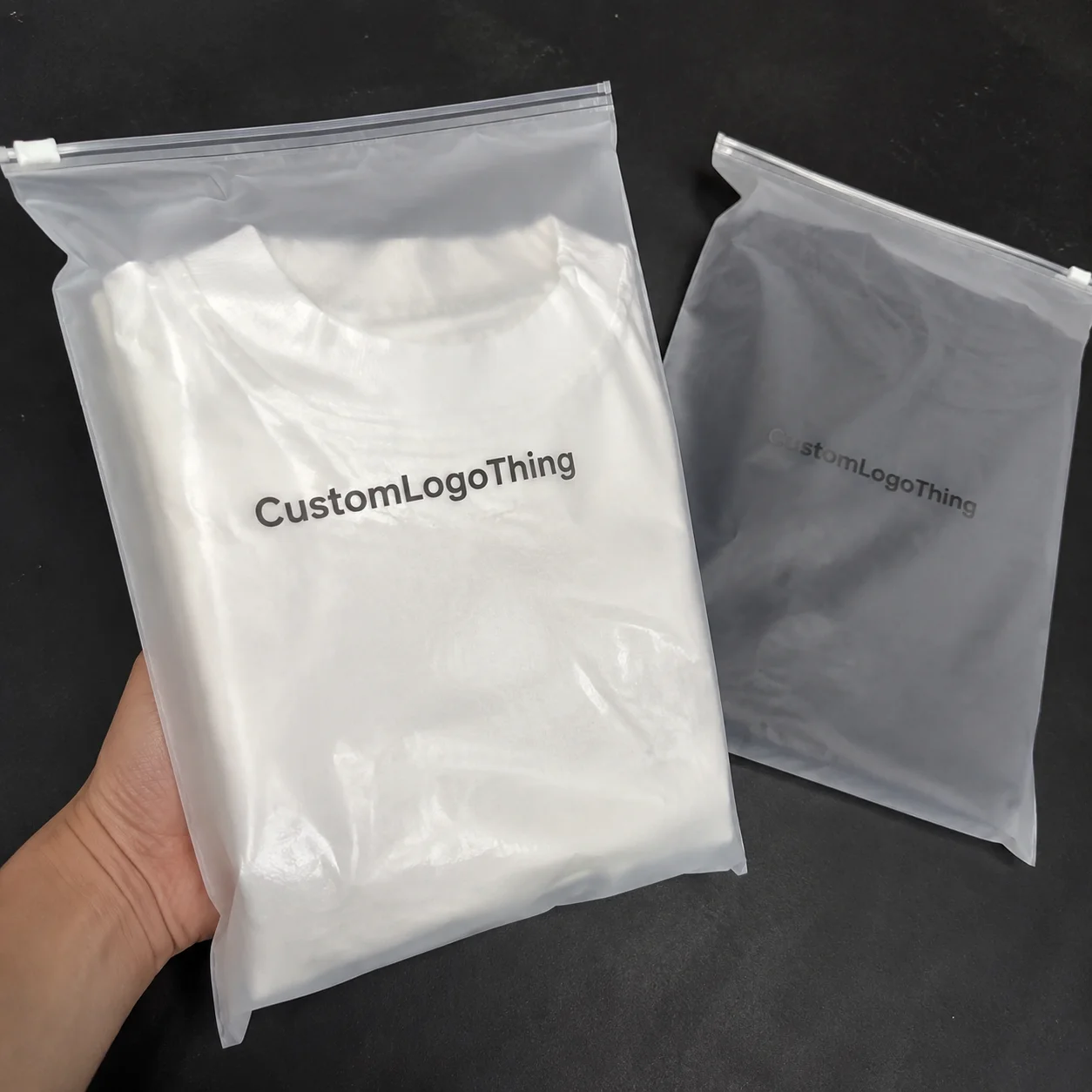
Two ecommerce orders can hold the same product and still leave very different impressions. One lands on the porch in a plain gray bag. The other arrives in printed shipping mailers with clean graphics, a clear label area, and a closure that feels secure. Before the package is opened, the second order already feels more deliberate.
That first impression matters because the outer pack is often the first physical brand touchpoint. For apparel, soft accessories, beauty refills, sample kits, literature, and other lightweight products, the shipping package has to do two jobs at once: survive the carrier network and represent the brand without looking overworked.
Printed shipping mailers are custom-branded poly mailing bags designed to protect goods from moisture, dirt, and routine handling while carrying logos, colors, return instructions, barcodes, or required warnings. Compared with corrugated cartons, they weigh less and store flat. Compared with paper mailers, they generally offer better moisture resistance. Compared with plain stock bags, they do more brand work before the parcel is even opened.
They are not universal. Fragile glass, rigid gift sets, and products with real crush risk still belong in Custom Shipping Boxes. But for flexible, compact goods that tolerate compression, well-made printed shipping mailers can cut dimensional weight, reduce warehouse cube, and speed packing without adding much material.
Most teams buy them for operational reasons first. Lower parcel weight, simpler pack-out, and easier storage tend to justify the switch long before branding does. The visual side is what customers notice. The cost and workflow gains are what keep the format in place.
Printed shipping mailers: the small package that does branding heavy lifting
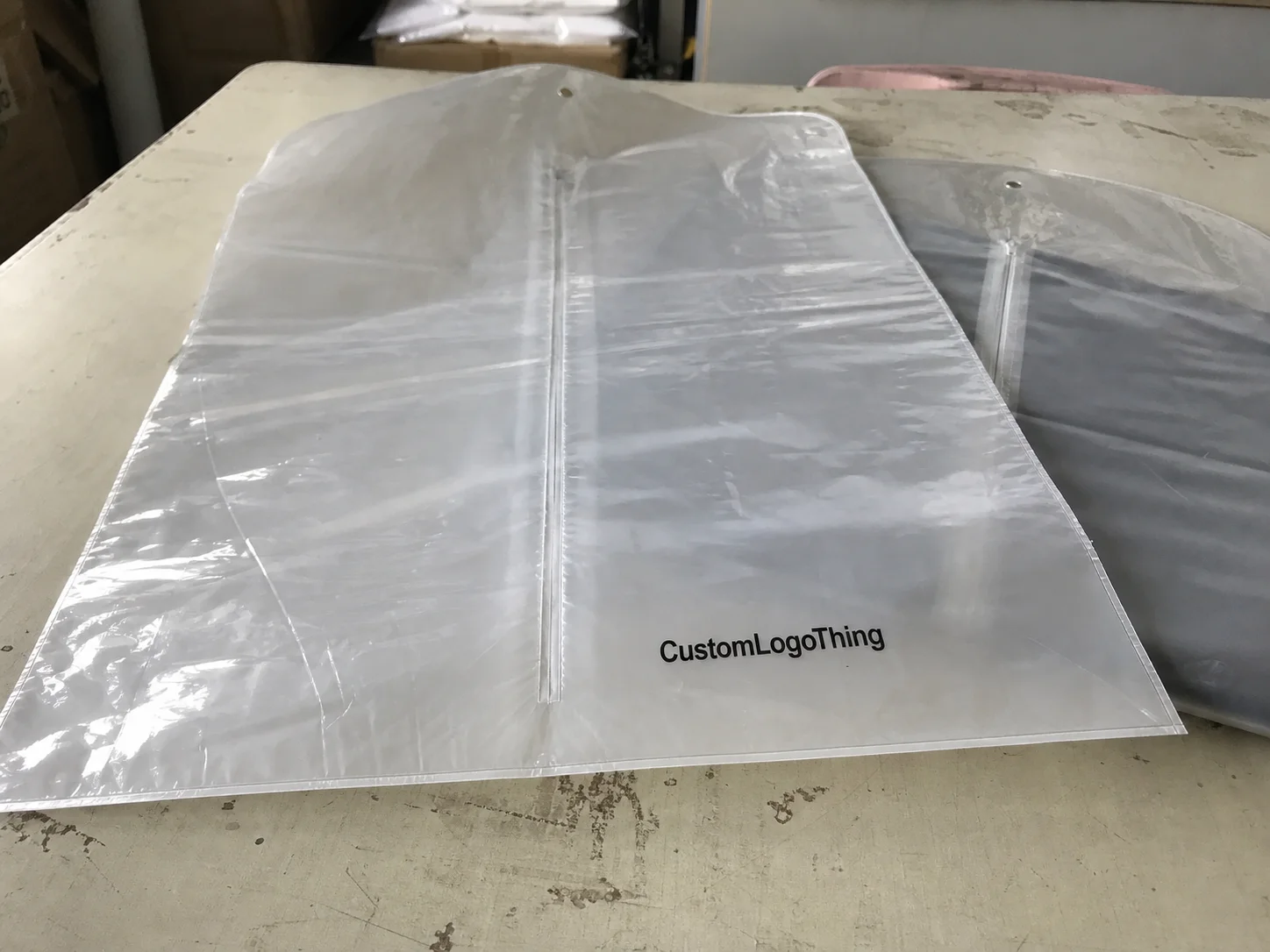
A mailer looks simple until you list what it has to endure. It moves through conveyors, slides against other parcels, gets stacked under uneven loads, and may sit in rain, snow, or direct sun for part of the delivery cycle. If the film is too thin, seals can strain. If the artwork is poorly planned, scuffs and label clutter can make the package look rough before it reaches the customer.
Printed shipping mailers fill a specific gap in the packaging mix. They are lighter than boxes, slimmer than padded envelopes, and usually cleaner-looking than stock bags covered in labels and tape. For soft goods, already-boxed small items, promotional kits, and printed materials, that balance works extremely well.
Buyers usually choose this format for a few practical reasons:
- Lower shipping weight than corrugated formats for non-fragile items
- Smaller storage footprint because mailers ship and store flat
- Faster packing with peel-and-seal closure instead of box assembly and taping
- Better brand visibility across the outside surface
- Added privacy and security through opaque film and tamper-evident adhesive
The branding piece is often overcomplicated. A quiet one-color logo on a matte opaque bag can hold up better in transit than a full-coverage design with heavy ink laydown. Large solid backgrounds show scratches more easily. Thin reversed type can fill in. What looks dramatic on a mockup may not look better after conveyor rub and stacking pressure.
The best shipping package protects margin in transit and protects brand perception at the doorstep.
That is why experienced buyers treat mailers as part of a packaging system, not just a printed bag. A well-specified mailer can replace heavier formats for a meaningful share of an ecommerce catalog, but only where product risk, label application, and fulfillment speed all line up.
How custom mailers work from material choice to final delivery
Most printed shipping mailers are made from polyethylene film, either blown or cast, and often built as a multilayer structure. The basic construction is straightforward: front and back film webs, side seals, a bottom seam or fold, and a pressure-sensitive adhesive flap. Upgrades may include a tear strip for easier opening, a second adhesive line for returns, or a stronger opaque co-extruded film.
Material choice affects performance more than first-time buyers expect. Standard virgin poly works well for a large share of apparel and document shipments. Co-extruded film can improve opacity, puncture resistance, or feel by combining layers with different properties. Recycled-content film can support sustainability targets, but it is worth asking hard questions about consistency. Print smoothness, color hold, and gauge tolerance can vary depending on the recycled feedstock, especially at higher post-consumer levels. If recycled content matters, ask for the claimed percentage, whether it is post-consumer or post-industrial, and how closely repeat runs match prior orders. The EPA recycling guidance is a useful baseline when reviewing those claims.
Opacity is another detail that deserves more attention than it usually gets. Clear film can work for internal packing or retail prep, but it is rarely ideal for parcel shipping. Opaque white, gray, and black structures are more common because they hide contents better, support cleaner graphics, and reduce product visibility during delivery. Thin white film can still ghost under strong backlighting, so buyers concerned about privacy should ask for a sample and test it with the actual packed item inside.
Printing is usually done on flexographic presses for medium and large runs. Flexo is efficient and well suited to repeating artwork, but the final result depends on plate quality, ink coverage, registration tolerance, and the surface of the film itself. One- and two-color layouts are often the easiest to keep crisp. Dense flood coats, gradients, metallic looks, and very small reversed type raise the odds of visible variation from one part of the run to another.
Performance is easy to misunderstand if the product itself is not evaluated honestly. Poly mailers resist moisture well. They also tolerate normal rubbing better than many uncoated paper formats. What they do not like are sharp corners, concentrated weight, and products that create hard pressure points. A folded hoodie behaves very differently from a boxed serum set or a stack of heavy catalogs.
Sizing causes plenty of avoidable trouble. The listed outside dimension is not the usable interior dimension. Side seals, flap length, and product depth all reduce real packing space. A bag shown as 10 x 13 inches should not be matched to a packed item that already measures 10 x 13 inches. Some clearance is needed for depth, insertion speed, and clean closure.
Too little room leads to bulging corners, strained seals, and distorted graphics. Too much room leaves excess film, trapped air, and a loose presentation that reads as wasteful. The right fit closes cleanly without stretching the seams and without leaving large dead areas around the product.
Which specs matter most when choosing mailer size, film, and print
Start with the packed item, not the product page description. Weight matters, but shape matters just as much. A soft T-shirt folded to 9 x 12 inches behaves nothing like a supplement pouch with squared edges or a skincare carton with hard corners. One may ship safely in a 2.0 to 2.5 mil bag. The other may need 3.0 mil film, an inner wrap, or a different format entirely.
Gauge and durability
Film thickness is usually measured in mil, with 1 mil equal to 0.001 inch. Many retail mailers fall in the 2.0 to 3.5 mil range. For soft apparel, poly bags around 2.25 mil often perform well if the contents have no sharp edges. Heavier or boxy items may need 2.75 to 3.5 mil for better puncture resistance. Buyers often overspend here. If the item is light, compressible, and already protected internally, moving from 2.5 mil to 3.5 mil may add cost without fixing any real shipping problem.
Finish and print appearance
Gloss film tends to make colors pop, while matte surfaces usually hide scuffing better and feel a little more refined in hand. Dark films often need a white underprint to keep colors accurate. Brands with strict color standards should ask how spot colors are handled on film and what variation is considered normal across a long run. A digital proof can confirm placement and general appearance, but it does not predict exactly how ink will sit on the final substrate under warehouse lighting.
Closure and workflow details
Permanent adhesive is standard on most mailers. A second adhesive line with a return strip is useful for apparel programs with steady return volume, but it adds material cost and a conversion step. Tear strips improve the opening experience, though they are not necessary for every product category. Label panels, barcode zones, and writable areas rarely make the creative brief, yet they matter every day on the packing line. If graphics crowd the carrier label or create poor scan contrast, the design is working against operations.
Privacy may also be a deciding spec. If the package needs to conceal the contents, verify opacity with a physical sample rather than relying on a description like “opaque white.” Some white films look solid in a stack and surprisingly translucent once stretched over a dark item.
Teams usually get better quotes and better results when they rank priorities before requesting pricing:
- Product risk: soft, rigid, fragile, or sharp-edged
- Brand visibility: logo only, repeat pattern, or full coverage
- Operational needs: return strip, tear strip, label zone, writable area
- Sustainability goals: recycled content, reduced gauge, or fewer size SKUs
- Reorder simplicity: locked specs across core sizes
That ranking keeps quote comparisons honest. A 2.0 mil stock white bag is not comparable to a 3.0 mil opaque co-ex mailer with dual adhesive, even if the finished size looks similar on paper.
Pricing and MOQ: what actually changes the unit cost
Pricing for printed shipping mailers is driven by more than bag dimensions. The main variables are film structure, gauge, print colors, ink coverage, order volume, setup charges, and added features. Buyers who compare by size alone usually miss the real cost drivers.
Some charges are fixed. Plate making, prepress preparation, and press setup generally fall into that bucket. Other costs rise directly with the run: film, ink, conversion time, carton packing, and freight. That is why a short run of 500 custom bags can feel expensive while 10,000 pieces may look far more efficient on a per-unit basis. The setup cost is simply spread farther.
Minimum order quantities are common because the equipment is built for production efficiency. Many custom programs start around 2,500 to 5,000 pieces per size and artwork, with better economics at 10,000 pieces or more. Small digital-style runs do exist, but the unit cost usually jumps fast, and the material or print options may narrow.
| Scenario | Typical Quantity | Estimated Unit Range | Main Cost Drivers |
|---|---|---|---|
| Single-color standard mailer | 5,000 | $0.18-$0.28 | 2.0-2.5 mil film, one plate set, moderate coverage |
| Opaque co-ex with two-color print | 10,000 | $0.16-$0.24 | Better scale, stronger opacity, standard adhesive |
| Heavy coverage with return strip | 5,000 | $0.24-$0.38 | Extra adhesive line, more ink, more conversion time |
| Large oversized custom bag | 3,000 | $0.32-$0.55 | Higher film usage, lower line efficiency, freight cube |
Those ranges are directional, not universal. Resin markets move. Freight shifts. Artwork complexity and film availability change from quarter to quarter. Still, the buying logic stays the same: plate setup, film choice, and feature set usually affect price more than changing one dimension by an inch.
Costs tend to climb with oversized bags, multiple sizes, dense solid ink coverage, low volumes, return-strip construction, and thicker-than-needed film. Savings usually come from standardizing a few core sizes, simplifying artwork, limiting color count, and matching the gauge to real shipping conditions instead of a worst-case assumption.
A common mistake is comparing quotes for products that are not actually equivalent. A supplier pricing recycled-content 3.0 mil co-ex film is not quoting the same item as a supplier pricing 2.25 mil stock poly with lower opacity. If you are sourcing Custom Poly Mailers, line up the film structure, gauge, print count, adhesive style, and packed carton details before deciding which price is truly better.
Production timeline and ordering process from quote to doorstep
The ordering process is usually predictable once the specs are clear. Most projects follow a familiar path:
- Define the use case and packed product dimensions
- Choose size, film gauge, opacity, and closure style
- Request quotes on matched specifications
- Submit artwork in the required format
- Review the dieline and digital proof
- Approve production
- Print and convert the bags
- Pack finished bags into cartons and ship
- Receive, inspect, and place into inventory
Delays usually come from ordinary issues rather than dramatic ones. Missing bleed, vague size callouts, artwork that drifts into the label zone, or tiny reversed text on dark film can all slow a job. Internal approval bottlenecks are another common cause, especially on first orders.
Sampling, proofing, and production approval are separate steps. A digital proof confirms layout, copy, and approximate color direction. It does not guarantee exact press color, surface feel, seal performance, or how a heavy flood background will look after handling. If color accuracy is unusually important, ask whether a press sample, drawdown, or physical reference standard is available.
Many straightforward orders land around 12 to 15 business days from proof approval. First-time projects, custom features, and peak production periods can stretch that. Freight is its own variable and should not be treated as an afterthought, especially if the mailers are tied to a seasonal launch, replenishment event, or a planned switch away from stock packaging.
QC at receiving deserves a quick, disciplined check. Count cartons against the packing list. Confirm the size, gauge, and artwork version. Pull a few samples and inspect seal consistency, print registration, color appearance, adhesive performance, and opacity. Then test one with the actual packed product. Catching an issue before the mailers hit the fulfillment line is much cheaper than discovering it halfway through a busy shipping week.
If transit performance matters, testing should guide the decision rather than guesswork. The International Safe Transit Association offers useful frameworks for evaluating shipping stress, though many brands start with a simpler internal pack-out trial using real labels, normal sealing pressure, and a short drop-and-rub test sequence.
Common mistakes buyers make with custom shipping bags
The most common sizing mistake starts with flat product dimensions and ignores packed bulk. A folded sweatshirt measuring 10 x 13 inches on a table does not belong in a 10 x 13 inch mailer once tissue, inserts, or a second item are added. Corners push outward, seals strain, and the package starts looking overstuffed before it leaves the warehouse.
Artwork creates the next big set of problems. A design can look sharp on screen and still fail on film if contrast is weak, type is too small, or heavy dark backgrounds show every scratch. Flexographic printing has practical limits, especially on thin film. Broad, simple graphics usually survive production and transit better than fussy detail.
Overengineering is another expensive habit. Some brands choose very thick film and multiple add-ons for lightweight products that already have inner protection. They pay more, store bulkier cartons, and get little real benefit. Underengineering causes the opposite failure: film that is too light for boxed supplements, candles, or dense accessories with edges that can split seams during sortation.
Other operational misses are less obvious but just as costly:
- Placing dark graphics where carrier labels need strong scan contrast
- Skipping a clean barcode zone
- Choosing a gloss finish that highlights every scuff
- Ignoring suffocation warning placement requirements
- Ordering too many niche sizes and not enough core sizes
Forecasting mistakes round out the list. Because the unit cost can seem low, teams sometimes overbuy odd sizes and underbuy the main SKU that handles most shipments. The warehouse then improvises with oversized bags, extra tape, or mixed packaging. Presentation slips, labor goes up, and material waste follows.
If a packaging format only works when every order is ideal, it is probably too fragile as an operations choice.
Expert tips and next steps for sourcing the right mailer with less waste
A cleaner sourcing process starts before the first RFQ. Build a one-page spec sheet with the packed product dimensions, target quantity, required gauge range, color count, closure style, ship-to location, and in-hands date. That single page removes a surprising amount of back-and-forth and makes quote comparisons much easier.
Catalogs with many SKUs usually benefit from standardization. Test whether one or two sizes can cover most orders without forcing bad fit. Fewer sizes reduce dead inventory, simplify warehouse training, and let more purchasing volume accumulate on fewer SKUs, which often improves unit pricing.
Ask suppliers practical questions. What gauge do they recommend for the actual packed product, not the flat item? How opaque is the film under strong light? What registration tolerance should you expect on the chosen design? If recycled content is requested, what percentage is realistic without hurting print appearance or seal consistency? Good answers here are usually more valuable than a flashy mockup.
A transit-test mindset pays off quickly. Pack real orders, apply actual labels, and handle the samples as they would be handled in a normal shipping cycle. Check how the film looks after sealing pressure, rubbing, and stacking. Assess whether the bag still scans cleanly and whether corners are creating puncture points. That tells you more than a fresh sample pulled straight from a carton.
Sustainability decisions also benefit from a practical view. The lowest-waste option is not always the package with the loudest environmental claim. In many cases, a simpler mailer program with fewer sizes, less obsolete inventory, and a gauge matched closely to the real shipping need produces a better result. If paper-based formats are also under review, resources from FSC can help frame material discussions across the wider packaging mix.
The next steps are straightforward:
- Measure the product in its packed state
- Separate must-have features from nice-to-have features
- Request comparable quotes using matched specifications
- Review proofing, QC expectations, and production timing
- Set a reorder point before inventory gets tight
The right choice is rarely about graphics alone. Printed shipping mailers are an operations tool as much as a branding surface. If the size is right, the film is appropriate, and the artwork respects fulfillment realities, they can improve pack speed, cut shipping cube, and present the order more cleanly at the doorstep.
What are printed shipping mailers and when should you use them?
Printed shipping mailers are custom poly mailing bags used to ship lightweight, non-fragile products while displaying a company’s branding, handling details, and required warnings. They work best for apparel, soft accessories, documents, literature, sample kits, and other items that do not need the crush resistance of a box. If the goal is to reduce package weight, save storage space, maintain dependable protection from moisture and dirt, and create a stronger first impression on delivery, they are often a strong fit.
FAQ
What are printed poly mailers best used for?
They are best for lightweight, non-fragile products such as apparel, soft accessories, documents, literature, and items that already have inner protection. Heavy, rigid, or crush-sensitive goods usually need more structure unless added protection is included. Their main advantage is combining brand presentation with low-weight shipping efficiency.
How do I choose the right size for printed shipping mailers?
Measure the product in its packed state rather than the flat item alone. Account for fold depth, inserts, bulk, and the flap seal area so the bag closes without strain. Brands shipping a broad SKU mix often improve efficiency by standardizing a small set of core sizes instead of buying many niche dimensions.
What affects the cost of custom printed mailers the most?
Quantity, film thickness, film structure, bag size, color count, ink coverage, and added features such as return strips drive most of the cost. Setup charges have a bigger effect on small orders, which is why low-volume custom runs usually carry higher unit pricing. Quote comparisons only mean much when the film and print specifications are truly matched.
How long does it take to produce custom printed mailing bags?
Timing depends on artwork readiness, proof approval speed, production scheduling, and freight transit. First orders usually take longer than repeat orders because the specifications still need to be locked and referenced. Many straightforward jobs fall around 12 to 15 business days from proof approval, plus shipping time.
Are printed shipping mailers durable enough for ecommerce orders?
Yes, if the film gauge and construction match the product’s weight, shape, and shipping conditions. Soft goods usually perform well in standard poly mailers. Dense or sharp-edged products may need thicker film, inner protection, or a different package format. Seal strength, puncture resistance, opacity, and label readability matter just as much as the printed design.