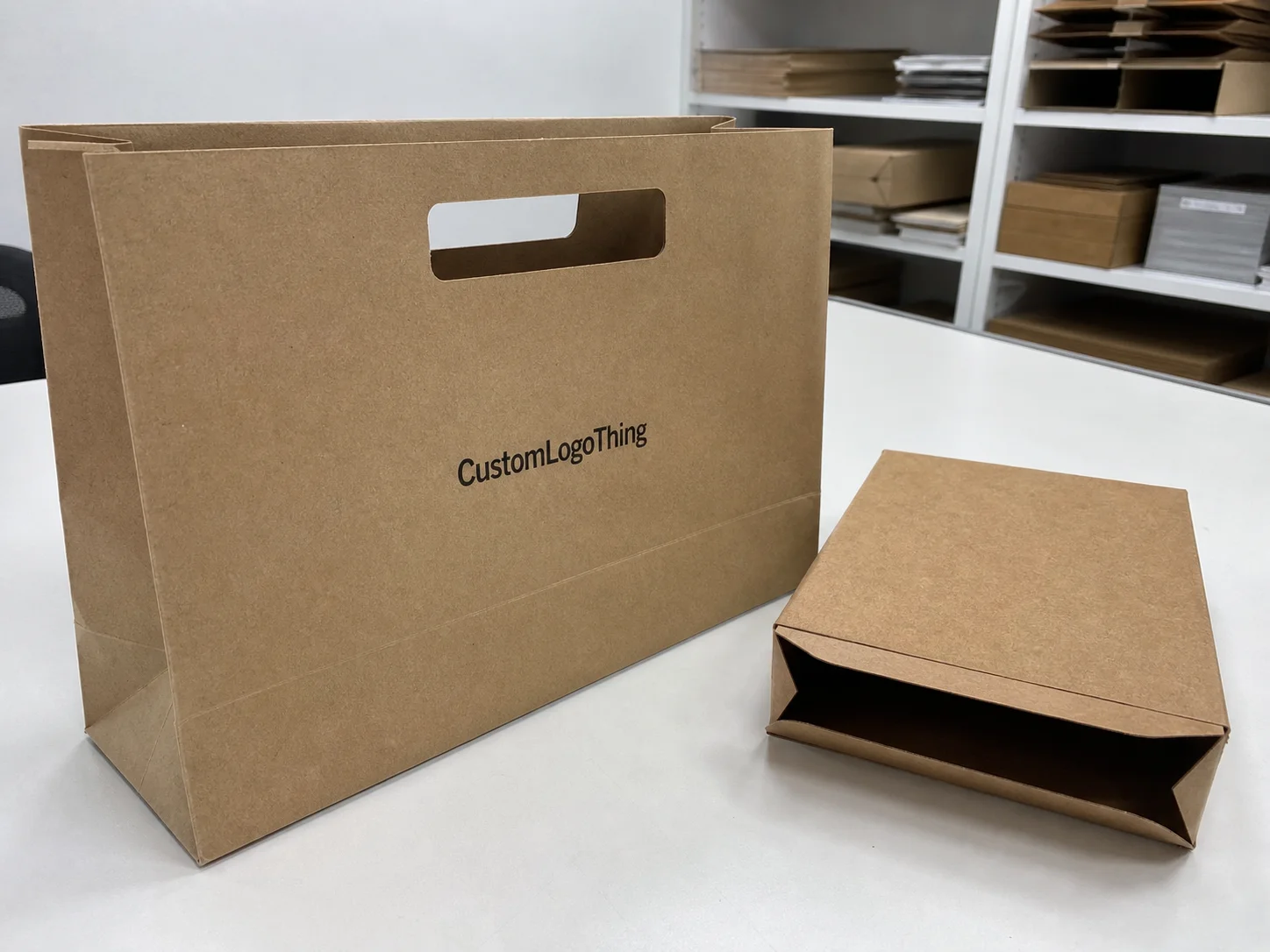
A custom bag can fail long before it tears. Mockups look good, the shipment arrives, and ordinary use reveals the real issues: side seals split, film looks cloudy under store lighting, or the logo lands just off center enough to cheapen the pack.
Choosing a private label Drawstring Plastic Bags supplier affects more than packaging appearance. It influences packing speed, storage, freight efficiency, and the first quality signal a customer sees. Small spec changes also move cost and performance quickly. Moving from 2.0 mil to 2.5 mil film can improve stiffness and feel, but raise material cost by roughly 10% to 18% depending on size and resin conditions. Switching from clear to frosted film can create a more premium look for apparel or gifting, while making print contrast harder to control.
In practice, private label usually means three things: custom branding, custom specifications, and production organized around the buyer’s brand instead of a stock bag. That may include a unique size, Pantone-matched artwork, a specific gauge, retail-ready counts, or export carton labels. Some programs also need the bag to align with related packaging such as Custom Labels & Tags so the full presentation looks consistent.
The questions that matter most are practical: what drives price, where lead times slip, which defects appear most often, and what must be fixed before a supplier can quote accurately. A 5,000-piece promo order and a 100,000-piece retail program may use a similar bag style, but not the same sourcing logic.
Why the right private label drawstring plastic bags supplier changes more than packaging
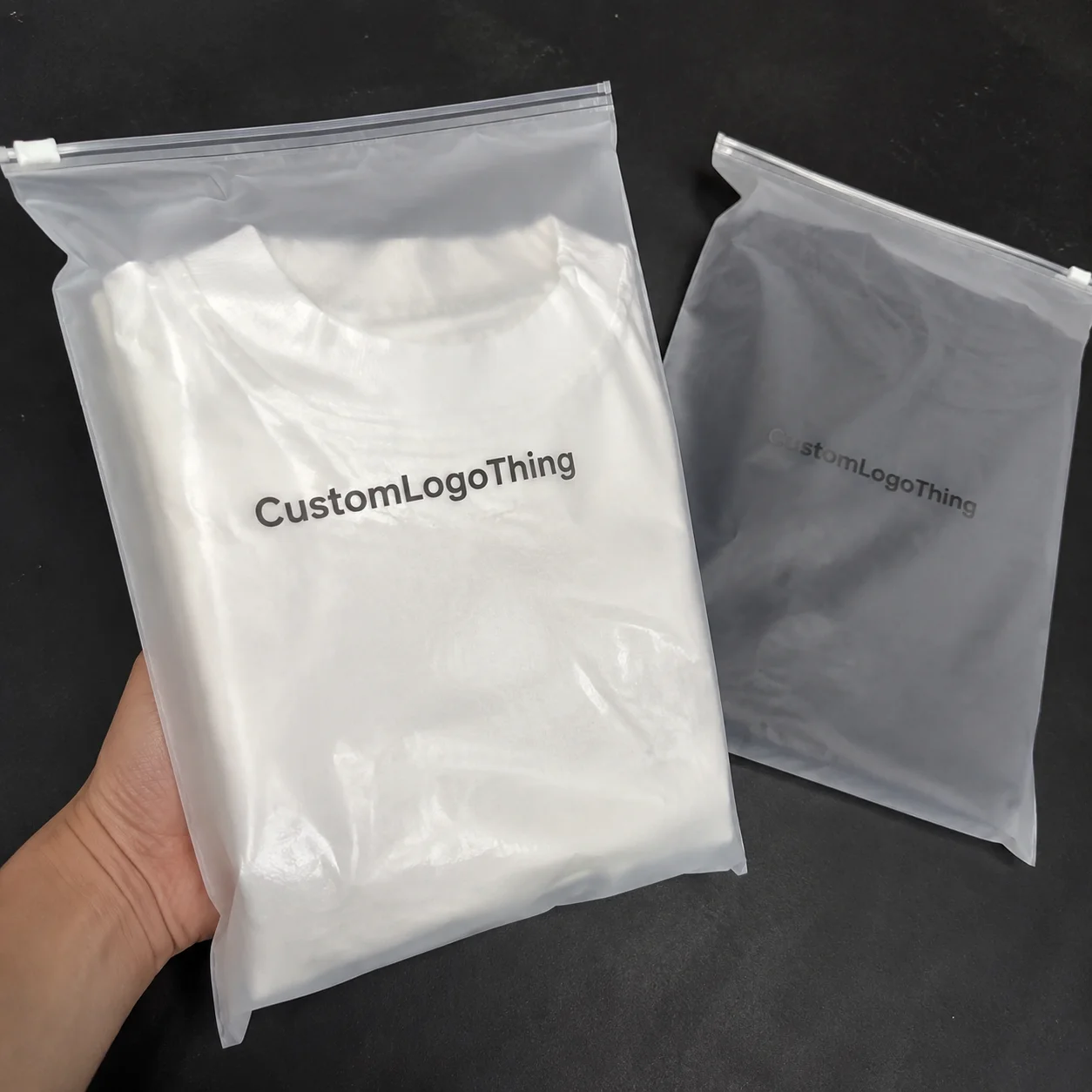
The bag is often the first physical quality signal a customer sees. Crisp print, clean film, and a closure that pulls smoothly suggest control. Hazy film, wrinkling, or a strong resin or ink smell does the opposite.
Drawstring Plastic Bags often need to protect lightweight goods, organize kits, create brand area, and provide reusable storage. Common uses include travel accessories, cosmetics bundles, socks, toiletries, craft supplies, party favors, and small apparel sets. In e-commerce, the bag may prevent scuffing inside a mailer. In retail, it may need to stack neatly, hang correctly, or hold shape on display.
A common sourcing mistake is treating all bags as interchangeable. They are not. A 9 x 12 inch bag in 1.5 mil film behaves very differently from the same size in 2.5 mil film with heavier string and stronger seals. Load capacity, opacity, print behavior, and packing-line handling all change. For teams filling hundreds of units per hour, those differences matter.
Some cost increases improve downstream efficiency. Counted inner packs with carton labels may cost more than bulk-packed bags, but save labor in receiving and fulfillment. Full white underprint may improve logo readability on clear film, but adds print complexity. For many buyers, landed efficiency matters more than the lowest factory line item.
Practical rule: if a supplier wants to discuss price before asking about film thickness, fill weight, artwork coverage, and packing method, treat that as a warning sign.
What these bags are and how private label supply actually works
Drawstring plastic bags are flexible bags with an integrated pull-cord closure. They are common in promotional packaging, retail kits, gift-with-purchase programs, travel sets, and lightweight product bundling where easy access matters more than barrier performance.
A private label program allows buyers to adjust width, height, thickness, film appearance, print colors, cord style, warning text, barcode labeling, hang holes, vent holes, and export packing details, depending on the supplier’s converting capabilities.
The supply process usually starts with resin selection, often LDPE, HDPE, or a PE blend depending on softness, clarity, stiffness, and cost target. Film is extruded, printed, slit, converted into bag form, sealed, fitted with the drawstring, inspected, counted, packed, and staged for shipment.
Material choice deserves careful attention. LDPE usually feels softer and more pliable. HDPE tends to feel crisper and noisier in the hand. Frosted or semi-opaque film often looks more premium for apparel or gifting, but can mute color and reduce product visibility. Clear film displays the contents better, though it also makes wrinkles, dust, and print flaws more visible.
Gauge selection is one of the biggest performance decisions. Light promotional use may work at 1.5 to 2.0 mil. Reusable or higher-perceived-value retail packaging often sits closer to 2.0 to 3.0 mil. At lower gauges, seal strength and puncture resistance become more sensitive to bag size and the shape of the product inside. Sharp corners, zipper pulls, molded caps, and metal accessories increase risk.
Supplier type also matters. Manufacturers usually offer deeper customization and stronger process control. Trading companies may simplify multi-item sourcing, but often reduce cost visibility. Distributors can suit smaller runs and faster response, though unit pricing is usually higher.
How do you choose a private label drawstring plastic bags supplier?
Start with the bag specification, not the sales pitch. The key variables are dimensions, film thickness, seal strength, load capacity, drawstring construction, surface finish, and print method. For lightweight apparel or giveaway use, 1.5 to 2.0 mil may be enough. For repeated opening, better hand feel, or heavier contents, 2.0 to 3.0 mil is more typical.
Seal strength becomes important the moment a filled bag fails at the side seam. Ask how the supplier checks seals and whether routine pull, burst, or drop testing is performed. The exact method matters more than the label. Clarify whether testing is done in-line, by batch, or only during sample approval.
Printing is another major separator. Clear film, frosted film, and textured surfaces do not all take ink the same way. White underprint may be needed for logo clarity. Registration tolerance matters too; on a small bag, even 2 to 3 millimeters of drift can make a centered logo look wrong. Matte effects, metallic inks, and large coverage panels can look strong, but they usually raise setup complexity, scrap risk, and sometimes MOQ.
Request a physical sample when presentation matters. A digital proof is useful for layout, but it does not show film haze, ink opacity, seal feel, or drawstring behavior.
Compliance should be discussed before production starts. Depending on the end use and market, buyers may need information on food-contact suitability, heavy metal restrictions in inks, retail warning language, or packaging labeling rules. Suppliers that understand shipping performance and inspection standards are also usually clearer about carton stacking, outer dimensions, and count control. Guidance from organizations such as ISTA is often useful when transit performance matters.
Communication quality is also a meaningful filter. A supplier that provides a clean specification sheet, controls artwork versions, and confirms approvals by date is usually safer than one relying on vague email chains. Ask what happens if print registration misses the approved sample, packed counts run short, or seals fail inspection.
Cost, pricing, MOQ, and quote details buyers should compare
Unit cost is shaped by material type, thickness, bag size, print color count, print coverage, cord style, packing method, and order volume. As a broad market range, a simple one-color 8 x 10 inch bag in moderate gauge may run around $0.08 to $0.16 per piece at 10,000 units. A larger 12 x 16 inch frosted bag with heavier film and two- or three-color print may land closer to $0.18 to $0.32. These are reference ranges only; resin volatility, freight, and production region can shift them.
MOQ exists because custom production requires film runs, print setup, machine changeovers, string insertion, inspection, and packing labor. Straightforward custom programs often start around 5,000 to 10,000 pieces, though some suppliers can go lower and some projects need more because of size, print complexity, or line constraints.
Buyers also need to separate setup charges from recurring production cost. First orders may include plate or cylinder charges, color setup, sample fees, or artwork adjustment costs. Reorders often remove some of those charges if specifications stay fixed.
| Quote Factor | Lower-Cost Option | Higher-Cost Option | Typical Tradeoff |
|---|---|---|---|
| Film thickness | 1.5-2.0 mil | 2.5-3.0 mil | Lower material cost versus better feel and durability |
| Print coverage | 1 color, small logo | Multi-color, large panel print | Lower setup cost versus stronger shelf impact |
| Finish | Standard clear | Frosted or specialty look | Simpler production versus more branded presentation |
| Packing method | Bulk carton pack | Counted inner packs with labels | Lower factory packing cost versus easier warehouse handling |
| Order volume | 5,000 pieces | 25,000+ pieces | Higher unit cost versus better scale efficiency |
Low quotes often hide compromises such as thinner film, looser tolerance, weaker print registration control, fewer inspections, or unclear freight terms. Ask for a breakdown that separates bag specification, printing, packing, sample charges, and trade terms such as EXW, FOB, or delivered pricing.
Cost can often be reduced without hurting performance. Standardize sizes across SKUs where possible. Trim oversized print panels that add cost without adding much shelf value. Use the same carton count for multiple variants. Coordinate graphics with items such as Custom Labels & Tags so the bag is not carrying the full branding burden alone.
Production process and lead time: what happens after approval
Once pricing is approved, the usual sequence is inquiry, requirement review, quotation, artwork submission, sampling or proofing, pre-production approval, manufacturing, inspection, packing, and shipment. A visual proof may take 3 to 7 business days. A physical sample often takes 7 to 14 business days. Mass production commonly runs 12 to 25 business days after final approval, though larger or more complex programs can take longer.
Transit is a separate timeline, and buyers often blur it into factory lead time. Ocean freight can add weeks. Air freight reduces time but can damage margins on low-cost packaging. A supplier should separate sample lead time, production lead time, and delivered timeline clearly.
Most delays are administrative rather than technical. Artwork arrives in the wrong format, dimensions change after sample approval, Pantone references are missing, or market-specific warning text is added late. Those small misses add up quickly.
Milestone dates work better than one broad ETA. Confirm dates for sample approval, deposit receipt, production start, in-process inspection, final QC, ship date, and estimated arrival. For large or brand-sensitive orders, request photos or short video of packed export cartons before dispatch. That step often catches count errors, labeling issues, and packing mistakes.
Step-by-step guide to vetting and ordering custom drawstring bags
A disciplined buying process reduces cost, delays, and quality drift.
- Define the use case. Identify what goes inside the bag, how much it weighs, whether the customer is likely to reuse it, and whether contents should be fully visible, partially obscured, or hidden.
- Create a short specification brief. Include width, height, thickness, target quantity, film appearance, print colors, artwork file type, drawstring color, packing method, destination market, and any compliance requirements.
- Request quotes from a focused shortlist. Send the same RFQ to each supplier so comparisons stay clean.
- Review samples critically. Check film feel, odor, clarity, print sharpness, seal consistency, opening behavior, and performance when filled with the actual product.
- Approve in writing. Lock the artwork version, tolerances, carton labeling, inspection standard, and shipping terms.
- Document reorder logic. Record what worked, what changed, and which specs cannot drift on future runs.
Projects with multiple packaging components need early alignment. If the bag sits inside a kit with inserts, sleeves, or Custom Labels & Tags, confirm the visual hierarchy before final proofing.
One-page RFQ essentials: bag size, thickness, film type, print colors, artwork file type, quantity, cord style, packing method, destination country, sample request, and target delivery window.
Common mistakes buyers make and expert tips that prevent expensive reruns
The most expensive problems are usually basic ones. Buyers choose the lowest quote without confirming thickness, approve a digital mockup without seeing a physical sample, or use vague phrases such as “medium thickness” or “premium print.” Factories do not manufacture vagueness well.
Use measurable language instead. Specify 2.5 mil, not “sturdy.” Specify a one-color logo printed 30 millimeters below the top seal, not “centered near the top.” Ask for tolerance ranges on size and print placement. If load performance matters, request the supplier’s sealing or pull-test standard. If the order ships in export cartons, ask for carton dimensions, gross weight, and labeling format before dispatch.
Artwork placement needs special attention. Logos that look balanced on a flat proof can end up distorted by seams, drawstring channels, or gathered film near the closure line. Odor sensitivity is another commonly missed issue, especially for soft goods, cosmetics accessories, and travel items. If odor matters, ask how long the bags are conditioned before packing and how finished goods are stored.
New supplier relationships often benefit from a pilot order. Even 3,000 to 5,000 pieces can reveal whether communication, print consistency, packing discipline, and count control are dependable before a full rollout, if the MOQ allows it.
Sustainability claims should also be checked against the actual material specification. If environmental messaging is part of the brief, verify what the film and process really support. Resources from the EPA can help ground those discussions.
The right supplier helps a packaging program stay consistent from first run to reorder. The wrong one turns a low-cost item into a recurring source of defects, delays, and quiet brand damage.
FAQ
What should I ask a private label drawstring plastic bags supplier before requesting a quote?
Share the bag size, film thickness, quantity, print color count, use case, and destination market first. Then ask about MOQ, sample options, print method, lead time, quality checks, and freight terms. A written breakdown that separates setup charges from unit cost makes supplier comparison much cleaner.
How do MOQs work for custom drawstring plastic bag orders?
MOQ usually reflects film runs, print setup, line changeovers, string insertion labor, and packing efficiency. Larger bags, thicker film, and more complex printing often push minimums higher than a simple one-color order. Some suppliers accept trial quantities, but per-piece pricing usually rises and customization may narrow.
How long does a private label drawstring bag order usually take?
The full timeline includes quotation, artwork approval, sampling, mass production, inspection, and shipping. Physical samples may take several days or a couple of weeks depending on complexity and shipping method. Production often takes 12 to 25 business days after final approval, while transit can add much more depending on freight mode.
What affects the pricing of private label drawstring plastic bags the most?
Bag size, film thickness, print coverage, number of colors, drawstring style, packing format, and total quantity usually drive the largest cost shifts. Freight terms and carton configuration can also move landed cost more than buyers expect. The cheapest unit price is not always the lowest total cost if defects or delays trigger rework.
Can a supplier match my brand colors and packaging style on custom drawstring plastic bags?
Most capable suppliers can work from vector artwork, Pantone references, and approved layouts. Final appearance still depends on film transparency, ink opacity, and print method. A pre-production sample remains the safest way to confirm color, placement, and overall presentation before the full run begins.