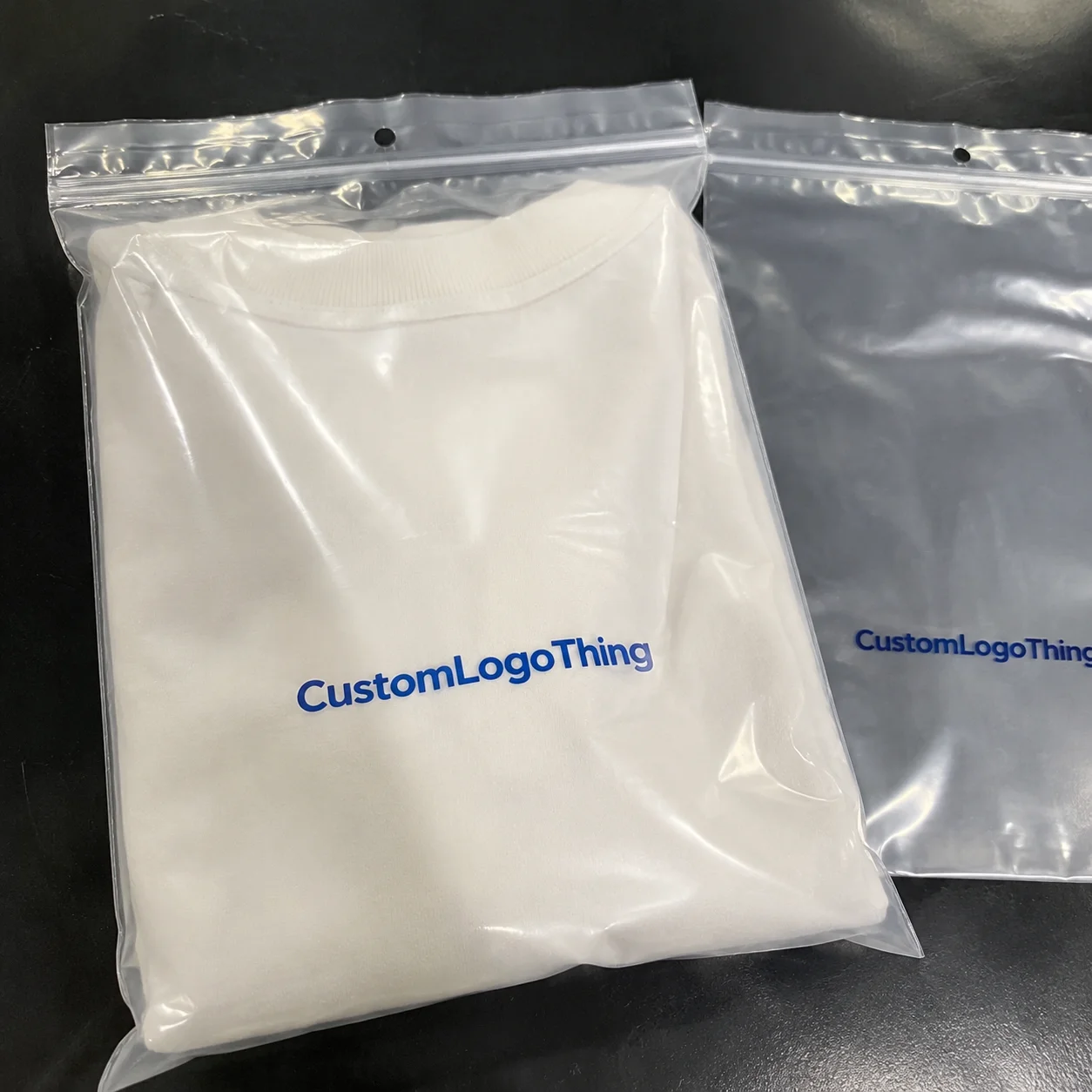
Many brands start looking for a private label Matte Zipper Bags supplier after packaging starts hurting perceived value. The product may photograph well, then arrive in a shiny or thin pouch that feels out of step with the price point. In flexible packaging, finish changes how customers judge quality before they open the bag.
Matte zipper pouches are popular because they combine a more premium look with lower shipping weight than rigid packaging. They are used for supplements, snacks, beauty samples, accessories, and direct-to-consumer kits. But sourcing them is not just about appearance. Buyers still need the right film structure, barrier level, zipper function, seal strength, and print quality.
This guide stays on the buying decisions that matter most: specs, pricing, MOQ, lead time, decoration, and inspection.
Why brands switch faster than expected to a private label matte zipper bags supplier

Matte pouches usually signal a quieter, more premium presentation than glossy bags. They also reduce glare in ecommerce photos and often feel sturdier in hand, even when the gauge difference is small. That matters because customers make fast judgments from touch, sound, and finish.
Still, finish alone is not enough. A pouch can look excellent in a render and still disappoint if the zipper feels weak, the tear notch fails, or the bag scuffs during transit. The useful way to evaluate a supplier is to treat the pouch as a system: material, print, closure, compliance, and repeatability all need to work together.
There is also a logistics reason brands keep moving toward pouches. Flexible packaging often weighs far less than rigid alternatives of similar capacity, which can reduce freight, storage space, and parcel cost. For growing brands, that savings can be meaningful. For established teams, it can still improve margins.
A capable supplier should connect the bag structure to the product. Powders may need stronger aroma and moisture protection. Gummies may need better moisture resistance and food-contact documentation. Accessory kits may prioritize puncture resistance and shelf presentation more than barrier. Buyers who choose on finish alone usually miss the bigger risk.
How matte zipper pouch manufacturing works, from film structure to finished bag
Production begins with material selection. Common outer layers include PET, BOPP, or specialty matte films. Inner sealant layers are often PE. A converter may add foil or EVOH between layers for oxygen and aroma barrier, depending on the product.
Each layer has a specific role. PET adds stiffness and printability. PE provides heat sealing. Foil gives strong barrier performance. EVOH can improve oxygen protection in non-foil structures, though humidity sensitivity has to be considered.
Printing comes next. For short runs, digital printing is often preferred because it avoids cylinders and makes design changes easier. For repeat volume, rotogravure or flexographic printing can reduce unit cost, but setup is heavier. Cylinder costs can add several hundred to several thousand dollars depending on size and color count.
After printing, the film is laminated. If adhesive lamination is used, curing time matters. Rushing this stage can lead to bond issues, odor, or curl. Once cured, the film is slit to width, converted into pouches, sealed, fitted with a zipper, and finished with features like tear notches, hang holes, or rounded corners.
Matte effects are usually created in one of three ways:
- Matte varnish over printed areas
- Matte film lamination for a softer, lower-gloss surface
- Ink-driven matte effects with selective gloss highlights
Each method has tradeoffs. Matte lamination can feel richer but may show rub marks differently. Matte varnish reduces glare but can affect color depth. Dark colors, especially black, often appear softer than on glossy stock. That is why physical samples matter more than screen proofs.
Pouch style choices are part of the same process. Stand-up pouches with bottom gussets are common for snacks and supplements. Flat pouches are common for samples and accessories. Optional features include clear windows, child-resistant zippers, hang holes, tamper-evident seals, and rounded corners. A good custom pouch manufacturer should ask about fill method, product density, and retail display before locking the structure.
The core point is simple: a matte exterior does not make up for poor seal integrity, weak zipper tracks, or the wrong barrier.
The specifications that separate a good supplier from a risky one
Reliable suppliers answer technical questions clearly. Ask for the exact film structure, total thickness in microns or mil, zipper type, seal method, and any tolerance ranges. Terms like “premium” or “high barrier” are not enough without details.
These are the most useful factors to compare on a vendor scorecard:
- Material consistency across runs
- Print registration and color control
- Seal strength and zipper alignment
- Scuff resistance on matte surfaces
- Documentation quality, including compliance support
- Traceability by batch or lot
- Communication quality during RFQ and proofing
Physical samples are essential. Ask for actual bags, not only stock photos. Test zipper opening force, reseal performance, scuffing, and seal quality. If possible, fill the pouch with the real product and leave it in a shipping carton for several days. Powders, oils, and sharp inclusions reveal weak points quickly.
Compliance should match the product category. Food and supplement buyers should request food-contact suitability and supporting documents. Brands making sustainability claims should confirm chain-of-custody requirements before using logos such as FSC. If transit durability is critical, references from ISTA can help shape internal testing.
Good suppliers often ask better questions than buyers expect: What is the fill weight? Is the product hygroscopic? Does it release oils or odors? Will the bag be displayed on hooks, in cartons, or under direct light? Those questions usually signal process maturity.
Common red flags include:
- Vague material descriptions
- No tolerance ranges for size or thickness
- No physical proofs or comparable samples
- Lead times that sound unrealistically fast
- Samples with noticeable variation in color or zipper feel
Domestic and overseas sourcing each have tradeoffs. Overseas production may lower unit cost at larger volumes, but freight variability, customs timing, and remake delays can erase savings. Domestic supply usually costs more per unit but can reduce transit risk and make reruns faster. The right choice depends on volume, launch risk, and reorder cadence.
Private label pouch pricing: MOQ, quote logic, and real unit cost drivers
Quotes vary because suppliers often price different assumptions. A 5 x 8 inch pouch in a basic 2-layer structure is not equivalent to a 3-layer matte PET/foil/PE pouch with a specialty zipper and hang hole, even if the dimensions match.
The main cost drivers are usually:
- Bag dimensions and pouch style
- Film structure and thickness
- Printing method
- Color count or digital ink coverage
- Matte finish treatment
- Zipper grade and closure type
- Special features like windows or rounded corners
- Order quantity and shipping mode
MOQ is largely driven by the print process. Digital runs can start lower, often around 500 to 2,000 pieces. Gravure jobs usually start higher because of setup waste, cylinder cost, and batch efficiency, often around 5,000 to 10,000 pieces or more.
As a rough market view, a small custom matte stand-up pouch at 5,000 units may land around $0.18 to $0.28 per unit for a relatively standard printed structure. Add foil, heavier film, or child resistance and the price may move to $0.30 to $0.55+. At lower digital quantities, unit pricing rises quickly, but tooling cost may be minimal, which can make digital a better fit for launch-stage brands.
| Configuration | Typical MOQ | Common Unit Price Range | Main Cost Pressure |
|---|---|---|---|
| Digital print, standard matte pouch | 500-2,000 | $0.40-$0.95 | Low volume |
| Gravure print, standard 3-side or stand-up pouch | 5,000-10,000+ | $0.18-$0.28 | Tooling and setup |
| Foil barrier matte pouch with specialty zipper | 5,000-10,000+ | $0.30-$0.55+ | Material complexity |
Unit price is not landed cost. Buyers also need to include proofs, cylinders, freight, duties, storage, and the cost of holding too little safety stock. A pouch that is a few cents cheaper can become the expensive option if it arrives late, scuffs in transit, or forces emergency relabeling with Custom Labels & Tags.
How long does a private label matte zipper bags supplier need?
Artwork approval starts production; it does not finish it. The usual sequence is: dieline signoff, prepress check, proofing, cylinder prep or digital scheduling, raw material allocation, printing, lamination, curing, slitting, pouch conversion, QC, packing, and shipping.
Digital work can move faster because it has fewer setup dependencies. Gravure adds cylinder preparation and often longer scheduling queues. Custom laminate structures can also add time if the exact films are not already in stock.
A realistic production window for a straightforward custom order is often 12 to 15 business days after proof approval. More complex or higher-volume jobs commonly take 3 to 5 weeks before freight begins. Then transit has to be added. Domestic freight may take a few days; international ocean freight may add several weeks, plus customs and inland delivery.
This is the key distinction: production time is not total turnaround time. Brands planning a launch, seasonal drop, or regulated rollout should build in buffer time, especially on a first order.
Ask suppliers to confirm these milestones in writing:
- Proof approval date
- Sample or preproduction confirmation date
- Production start date
- QC completion date
- Ship date
- Estimated arrival date
Also ask what is actually booked versus what depends on raw material availability or another proof cycle. A fast response from sales does not guarantee a fast factory slot.
Practical rule: If the pouch is business-critical, plan around the supplier’s proven timeline, not the best-case timeline.
A step-by-step shortlist method for choosing the right vendor
Shortlisting works best when every supplier is pricing the same specification. Most confusion starts with incomplete RFQs and ends with quotes that cannot be compared fairly.
Step 1: Define the packaging spec before asking for quotes
Document fill weight, dimensions, target shelf life, barrier needs, closure type, sales channel, and any labeling constraints. Note whether the pouch will hold powder, oil-bearing items, sharp pieces, or smell-sensitive contents. If you may need secondary information or variable data with Custom Labels & Tags, include that early.
Step 2: Send the same RFQ sheet to each supplier
Use one template and request pricing at multiple breaks such as 1,000, 5,000, and 10,000 pieces. Ask each supplier to state print method, film structure, thickness, zipper type, included tooling, and shipping terms.
Step 3: Request physical samples in similar formats
Ask for samples close to your target size, finish, and structure. Test them under realistic handling, in shipping cartons, and under retail lighting. Matte surfaces can perform differently depending on scuff exposure and store conditions.
Step 4: Review artwork support and prepress discipline
Check dielines, bleed, safe zones, barcode placement, and finish callouts. Suppliers with clear artwork instructions and prepress checklists usually reduce rerun risk.
Step 5: Run a pilot before scaling
A smaller first order can reveal curl, seal inconsistency, zipper issues, color drift, or product-fit problems before the full volume is committed.
Step 6: Score vendors with a simple matrix
Use weighted criteria such as:
- Quality and samples: 30%
- Communication and technical clarity: 20%
- Price and total landed cost: 20%
- Timeline reliability: 15%
- Flexibility and reorder support: 15%
This makes the decision less vulnerable to polished quotes that hide process risk.
Common buying mistakes and the checks that prevent reruns
The most common mistake is buying by dimensions alone. A pouch that is technically the right size can still fail if the product bridges, settles badly, leaks aroma, or puts too much stress on the bottom seals. Buyers should test usable fill volume, not just flat dimensions.
Another common error is approving color only on a screen. Matte finishes change appearance, and substrate choice affects color depth. If brand color accuracy matters, ask about proofing method, color targets, and tolerance.
Lead time mistakes are also expensive. Teams often underestimate proof revisions, curing, shipping delays, and internal approval lag. The result is a fragile schedule that breaks under normal production realities.
Packaging can also fail in use for reasons buyers miss during sourcing:
- Powder residue contaminates the zipper track
- Oil migration softens or stains film layers
- Sharp product edges puncture corners
- Repeated opening cycles weaken lower-grade zippers
- Late compliance edits force artwork changes
Artwork errors are another frequent source of delay: low-resolution logos, missing bleeds, barcode problems, and vague finish instructions. If the package also needs stickers or variable data, early coordination with Custom Labels & Tags can prevent last-minute fixes.
For most buyers, the right supplier is the one that can make the pouch look right, perform consistently, arrive on time, and repeat the result with manageable risk.
FAQ
How do I compare private label matte zipper bags supplier quotes accurately?
Match the basics first: size, film structure, thickness, zipper type, finish, print method, MOQ, and shipping terms. Then ask what is excluded. Tooling, proofs, freight, duties, and samples are often treated differently from one quote to another. Request tolerance ranges and defect policies too. A lower price can hide more remake risk.
What is a normal MOQ from a matte zipper pouch supplier?
It varies by print method and complexity. Digital runs often start lower, sometimes from a few hundred to a couple thousand pieces. Gravure-based custom jobs are usually higher because of setup and tooling, often 5,000 pieces or more. Standard sizes and stock films can reduce minimums. If your forecast is uncertain, ask about pilot runs or split shipments.
How long does a private label matte zipper bags supplier usually need for production?
It depends on proof approval, printing process, laminate availability, curing time, bag conversion, and freight mode. Straightforward jobs may run in about 12 to 15 business days after approval, while more complex orders can take several weeks before shipping. Total turnaround is longer once transit and customs are included. Get milestone dates in writing.
Are matte zipper bags good for food, supplements, or smell-sensitive products?
They can be, but the matte finish itself is not what protects the product. The barrier structure does that. Verify food-contact compliance, oxygen and moisture barrier needs, seal quality, and aroma retention. Then test the actual product inside the proposed pouch before scaling.
What samples should I ask for before choosing a custom zipper bag manufacturer?
Ask for stock samples with a similar film structure, printed samples that show matte finish and color quality, and, if possible, a preproduction proof in your target size. Test scuff resistance, reseal performance, drop resistance, and product fit. Review the pouch under retail lighting and inside shipping cartons, not just on a conference table.