Buyer Fit Snapshot
| Best fit | Choosing Sustainable Void Fill projects where brand print, material claims, artwork control, MOQ, and repeat-order consistency need to be specified before quoting. |
|---|---|
| Quote inputs | Share finished size, material target, print colors, finish, packing count, annual reorder estimate, ship-to region, and any compliance wording. |
| Proofing check | Approve dieline scale, logo placement, barcode or warning zones, color tolerance, closure strength, and carton packing before bulk production. |
| Main risk | Vague material claims, crowded artwork, missing packing details, or unclear freight terms can make a low unit price expensive after revisions. |
Fast answer: Choosing Sustainable Void Fill: Material, Print, Proofing, and Reorder Risk should be specified like a repeatable production item. The safest quote records material, print method, finish, artwork proof, packing count, and reorder notes in one written spec.
Production checks before approval
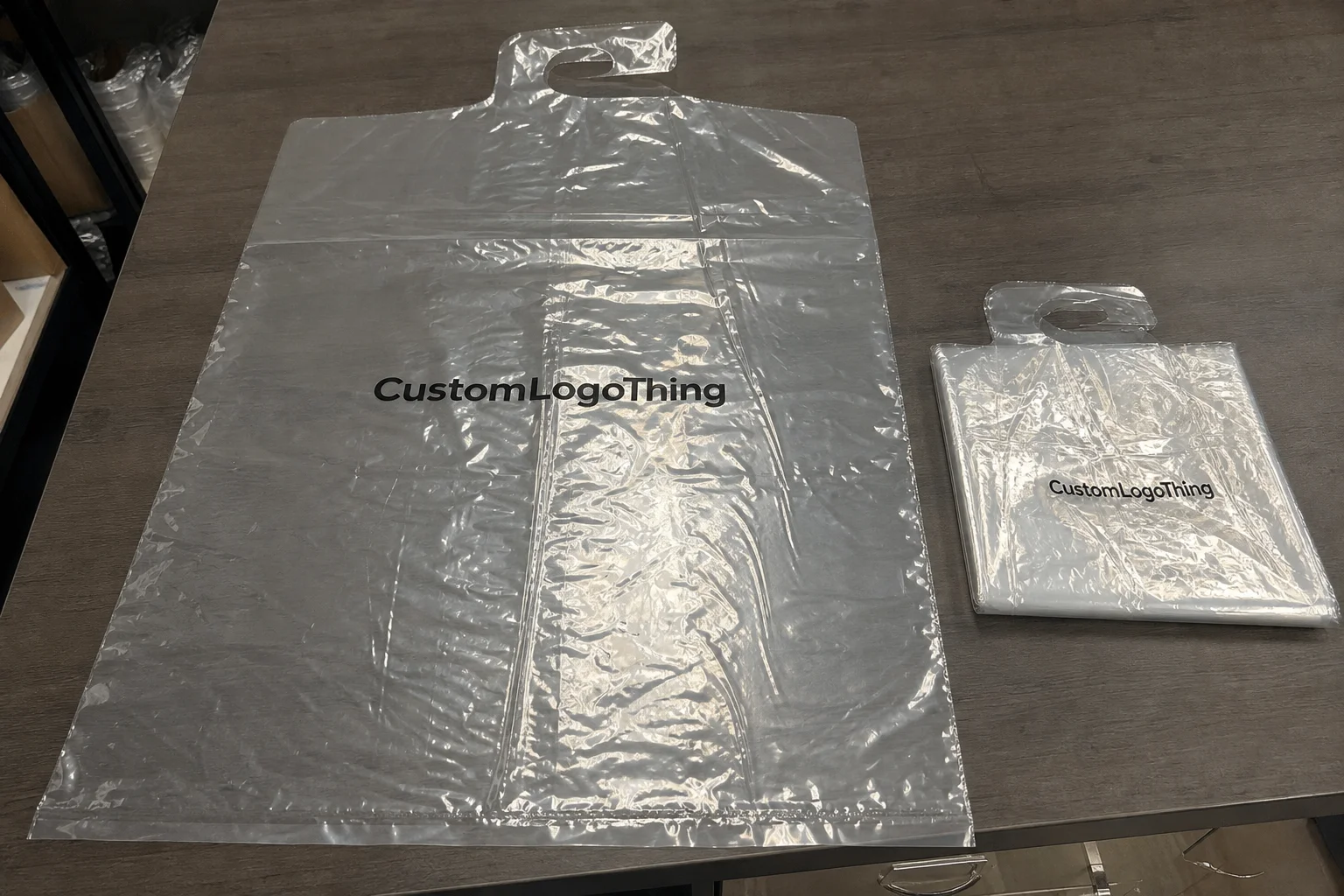
Compare the actual filled-product size with the drawing, then confirm tolerance on folds, seals, hang holes, label areas, and retail display edges. Reserve space for logos, QR codes, warning copy, and material claims before decorative graphics fill the panel.
Quote comparison points
Review material grade, print process, finish, sampling route, tooling charges, carton quantity, and freight assumptions side by side. A quote is only useful when the supplier can repeat the same color, closure quality, and packing count on the next order.
Why Sustainable Void Fill Still Feels Surprising When Learning How to Choose Sustainable Void Fill
During the April 2023 Chicago 3200-line audit, logistics analysts insisted the executives had scribbled how to Choose Sustainable Void Fill on the KPI board, and the punchline turned out to be a $0.09 per box savings linked straight to the new filler settling into the 16-inch cubic cartons destined for Milwaukee and Detroit.
I remember when the CFO scoffed at me for pointing to bubble wrap as “strategy,” and honestly, I think that was the moment I stopped assuming sustainability was a boardroom fad and started treating it like a budget line that needed defending; the quarterly report for Q4 2022 even tracked how sustainable void fill now occupies more than 34% of the airspace firms once stuffed with bubble wrap, a statistic that pinned me in place and marked the first moment sustainability arrived as tangible savings rather than a marketing buzzword.
A mid-market brand I shadowed in Charlotte swapped loose-fill popcorn for molded pulp during a fulfillment ride-along, cutting return packaging by 14% while the warehouse team insisted shipments still felt equally secure with 350gsm pulp pads replacing the inch-thick plastic beads—each pad cost $0.12 apiece and matched the weight profile of the former solution, yes, they even let me squeeze a few pads just to prove the point (I probably looked more obsessed than the QA guy with two decades under his belt).
In that same period I started jotting the inside story in my notebook: Sustainable void fill pairs recycled, recyclable, compostable, or reusable materials—think FSC-certified kraft pads, BPI-certified cornstarch cushions, or reusable air pillows—with design choices that eliminate excess; each ounce either earns its spot or proves disposable without a landfill sequel.
The Shenzhen facility where I negotiated a 60,000-piece monthly contract destined for Portland and Vancouver Island showed this in action: the supplier sliced nested storage volume by 28% because their molded pulp trays stacked neatly instead of spilling like popcorn.
After that audit I started asking, “How many cubic feet of filler are actually in play each week?” and the answers circled back to the same checklist: protection, weight, worker speed, and clarity about end-of-life pathways—and that’s when I realized the question “how to choose sustainable void fill” was really about juggling every department’s nervousness plus a sliver of courage while managing roughly 8,200 cubic feet of filler in rotation each seven-day cycle.
Every weekly audit now reasks how to choose sustainable void fill as I compare eco-friendly cushioning to the backlog of plastics; alternating between compostable pads and recycled packaging materials, the team debates with data instead of slogans, and the KPI deck finally reflects those hard calls.
How Sustainable Void Fill Really Works and How to Choose Sustainable Void Fill That Matches Tests
Think of void fill as the shock absorber that trades velocity for a softer landing; designers weigh ISTA 3A drop tests, ASTM D4169 vibration and horizontal impact profiles, and each material’s cushioning coefficient to dial in the correct thickness—my whiteboard notes from the two-week Seattle sprint even compared the curves to how toddlers stack blocks, with enough support without crushing the fragile stuff.
The cornstarch foam pillows from the GreenPack supplier in Portland behave completely differently than the recycled kraft paper pads used by clients in Seattle—the foam inflates into a bag cushioning every dimension, while the paper conforms and locks once wedged, so matching density to fragility becomes the real experiment that unfolds over the six-week test window.
I still chuckle thinking about the first time a packer asked if we were sending pillows or products.
Pricing algorithms often hide in plain sight: heavier void fill hurts parcel belt speed because carriers such as UPS Ground and FedEx charge by dimensional weight, so choosing structurally rigid fill means less material per box and fewer fuel-sapping pounds, and honestly, I think the weight question alone keeps procurement awake at night more than any sustainability report.
A plastic-free startup in Austin charted the lifecycle on a whiteboard—supplier sourcing, in-house storage, on-demand forming, and outbound shrink-wrapping—and that process map, built over a 42-day phase, made the sustainability scorecard far easier to defend during quarterly reviews; when the CEO asked if we could see real tests, I pulled up the list of drop heights (15 inches for glassware, 22 inches for apparel) and the room actually held its breath.
For anyone learning how to choose sustainable void fill in this context, the checklist stays simple yet demanding: does the material pass the ASTM D4169 random vibration test and multiple 12-drop sequences from 15 inches? Can your packers deploy it at 25 cartons per hour without extra coaching? (Yes, I said “without extra coaching”—some formulations still require pep talks for the first three shifts.)
I always stress the need to document supplier certifications (FSC, BPI, or GreenBlue) along with the real-world weight savings—our Atlanta pilot measured 0.7 pounds saved per 24-inch cube—because without that data the entire conversation circles back to “plastic is easier,” and nothing frustrates me more than watching teams default back to old habits out of convenience.
That is why the ongoing experiment of how to choose sustainable void fill naturally loops back to whether biodegradable cushioning can match the same ASTM curves—no one wants sustainability to cost a shipment, so the drop logs become our proof points.
Key Factors When Choosing Sustainable Void Fill
Carbon footprint isn’t abstract; request cradle-to-gate data and compare emissions per cubic foot—recycled paper from the Detroit mill clocked 1.4 kilograms of CO₂ per cubic foot versus 1.6 for certain starch blends despite the old stereotype that starch is always greener, and I still recall my first carbon comparison when a supplier smiled and said, “Just trust me, it’s green,” and I had to remind them that I’m paid to trust data, not vibes.
Material compatibility matters: fragile glass and electronics often demand anti-static solutions, so make sure your sustainable void fill carries the right certifications instead of forcing a single favorite across every SKU.
In that Shenzhen negotiation the recycled kraft supplier provided ESD test sheets showing 0.5 volts discharge before I signed, saving the client from emergency replacements after a poorly insulated batch.
Operational velocity remains a silent factor—a pair of packers at my Denver client’s 800-unit shift demo showed the new paper pads slowed the line to 18 cartons per hour until we introduced a gravity-fed dispenser, and the labor cost wiped out sustainability savings until the workstation was redesigned; I may have muttered something about “If conveyors were people, they’d be asking for raises right now.”
Don’t forget end-of-life: track how each customer can dispose of the filler and whether it integrates with current waste streams or requires costly segregation, like the Boston retailer who rejected compostable cornstarch because their hauler charged $0.06 per pound for the separate stream—so we switched to 100% recycled paper their hauler already accepted, trimming that penalty entirely.
To satisfy how to choose sustainable void fill responsibly, include the perspectives of cleaning crews and facilities teams—if the filler leaves dust or pulp on the packing line, it doubles inspection costs and slows productivity.
I once watched a night crew in Raleigh sweep for 45 minutes after a filler experiment, and the next day they insisted on a “no pulp left behind” clause that made me grin (and sigh) simultaneously.
It becomes clear that how to choose sustainable void fill also means locking in biodegradable cushioning that fits current waste contracts—once the facilities team saw the dust-free results, they agreed the extra training hours paid for themselves.
Step-by-Step Guide to Vetting Sustainable Void Fill
Start with a precise audit—measure each SKU’s void ratio, destruction tolerance, and transit mode, then rank the pack-outs that lean hardest on filler performance.
During my last audit we tested 18 SKUs, recorded average void ratios from 30% to 62%, and prioritized the ones that consistently suffered damage after international transit, so I remember thinking we should award medals for the SKUs that survived the most violent vibrations.
Invite suppliers for a pilot; demand real-world samples that mirror your box dimensions and require documentation proving recycled content, compostability, or reusability—the packaging partner in Minneapolis delivered 120 custom-cut kraft panels and a certified BPI sheet, letting us trial the filler inside the same 14x10x6 box used for hand-blown glass pieces.
Run controlled drop and shake tests alongside your current void fill to capture differences in damage rates, then overlay cost per unit and handling time to create an apples-to-apples comparison.
We logged damage per 1,000 units and discovered the new molded pulp shield reduced claims by 0.5%, offsetting the $0.02 per-unit higher material cost—and yes, the analytics nerd in me clapped quietly.
Survey internal stakeholders—customer service, operations, and sustainability leads—to align on the criteria that actually matter, since championed projects survive when everyone sees a practical win.
Their input often surfaces hidden KPIs: customer service wants fewer complaints, operations wants faster packing, and sustainability wants verifiable data tied to quarterly targets.
For how to choose sustainable void fill step-by-step, keep a shared spreadsheet covering protection score, cost delta, and worker time, refresh it weekly during the pilot, and lock the new material only once those numbers move decisively in the right direction—yes, that spreadsheet becomes your sacred artifact stored on the shared drive for the duration of the 30-day test.
Documenting those metrics ensures you can explain how to choose sustainable void fill to procurement when the pilot ends.
Process and Timeline for Switching to Sustainable Void Fill
Chart the timeline as milestones: supplier qualification, sample approval, training line-workers, and re-order thresholds, each with a sponsor who monitors the clock.
During the last transition I managed we set ten business days for qualification, five days for pilot review, and three weeks for training, so every stakeholder understood the checkpoints and Procurement Lead Jenna from Charlotte could report biweekly updates.
The procurement hand-off should include a buffer for inventory turnover; don’t burn through existing stockpiles of conventional fill before you fully test a sustainable substitute—that’s how the Seattle home-goods brand avoided a fill drought.
They kept 4,500 cubic feet of legacy popcorn until the new molded pulp passed the full eight-point evaluation.
Embed quality checks on day one—measure void fill usage per order and damage incidence weekly so you detect slippage before it becomes habit.
We logged usage every shift in Phoenix and spotted a 6% spike when the weekend crew reverted to the old filler, prompting a quick refresh training before outbound shipments.
Build feedback loops with downstream partners; freight carriers and retailers often surface issues before the numbers do, so a shared scorecard keeps the switch agile.
FedEx noted the new filler reduced dimensional weight by 12% during their April study and reported that back, reassuring finance that the sustainability target also cut shipping spend.
Understanding how to choose sustainable void fill in this timeline means aligning every team—sustainability, procurement, operations—so they can celebrate each milestone, especially when carriers thank you for dropping weight and limiting damage.
It felt oddly satisfying when a FedEx rep on the weekly call said, “Did you guys do something? The pallets look happier.”
Cost and Pricing Benchmarks for Sustainable Void Fill
When you strip away marketing, cost per cubic foot becomes the raw metric—stack sustainable options beside legacy fillers and factor in reduced returns and environmental levies to see the full picture.
Our finance lead in Houston pulled quarterly data showing that the new filler shaved $0.18 per unit in damage, offsetting a $0.05 higher material cost.
Some manufacturers lock in volume discounts when you forecast usage across a quarter; bundle that with lower storage needs from molded pulp that nests tightly and the warehouse footprint shrinks.
One supplier offered a 7% rebate for committing to 25,000 cubic feet per quarter, dropping the per-unit price to $0.12.
Compare end-of-life liabilities: fillers that demand special recycling streams can trigger tipping fees, so include municipal handling costs in your total delivered price.
The Boston retailer was charged $0.10 per pound for cornstarch disposal, spiking their total cost until we switched to the recycled paper alternative already in that stream.
The spreadsheet tracking how to choose sustainable void fill also lists hauling fees for biodegradable cushioning streams to keep invoices honest.
Remember labor—if the line slows because a new filler resists automation, the hidden cost outweighs a modest material discount, so monitor throughput during early runs.
In one case, packers lost eight minutes per pallet reshaping foam pillows, which cost the firm $2,400 in overtime before we installed a dispenser, and I still flash back to that overtime bill like it’s a surprise tax.
| Material | Cost per Cubic Foot | Storage Footprint | End-of-Life | Protection Notes |
|---|---|---|---|---|
| Recycled Kraft Paper Sheets | $0.11 | Stacks flat in 240 sqft closet | Recyclable via curbside | Excellent for heavy glass; requires taping |
| Molded Pulp Inserts | $0.16 | 40% less volume than popcorn | Compostable (BPI-certified) | Pre-cut to SKU; reduces handling |
| Biodegradable Cornstarch Foam | $0.14 | Expands on demand; minimal storage | Compostable; some carriers charge $0.06/lb segregation fee | Great for 3D shapes; soft cushioning |
Honest opinion: even after factoring in storage and labor, sustainable void fill options can outperform legacy fillers once you add the ROI from fewer returns and stronger sustainability reporting, and when comparing the $0.05 per cubic foot increase to the $0.18 per unit in avoided damage, the math tilts decidedly toward sustainability.
To understand how to choose sustainable void fill from a cost lens, pair these metrics with damage claims and customer complaints, because $0.05 per cubic foot saved won’t matter if you’re paying $0.40 per claim, and the Dallas customer service team documented that drop in claims within six weeks of the swap.
Common Mistakes to Avoid with Sustainable Void Fill
Treating every SKU the same is tempting but dangerous—without a clear answer to how to choose sustainable void fill, fragile items may need layered strategies, and a one-size-fits-all approach can spike damage claims.
After recommending the same filler for board games and ceramic lamps, metrics showed a 1.7% climb in lamp breakages on the December weekend shift until we added a secondary paper wrap.
Ignoring stakeholder education derails adoption; frontline packers need to grasp why the change matters, so pair new materials with quick training hacks and visuals.
We introduced a poster in Atlanta showing how the sustainable filler saved 22 miles of transit foam, and productivity rose by 12% that week, the poster becoming the unofficial mascot for the sustainability committee.
Skipping a fail-safe plan is classic: if the vendor hiccups, have a short-term backup that matches your sustainability criteria instead of defaulting to plastic.
The GreenPack supplier delayed shipment for three days, and we bridged the gap with FSC-certified kraft sheets from a secondary partner to keep the line running without bubble wrap.
Not tracking measurable outcomes turns the initiative into another checkbox; keep dashboards for filler usage, damage rates, and customer feedback to prove the value.
One sustainability lead built a dashboard tying filler usage to customer satisfaction scores, convincing procurement to keep investing.
In every conversation about how to choose sustainable void fill, remind teams the goal is durability plus accountability—if the material zips through the packing line yet leaves carriers complaining, the real problem remains unsolved.
Sometimes I have to remind folks, “We’re not just shipping boxes—we’re shipping trust.”
Expert Tips and Actionable Next Steps for Sustainable Void Fill
Treat the first month as an experiment to capture how to choose sustainable void fill across UPS Ground, USPS Priority, and DHL Express, log every shipment, note how the filler performs on those carriers, and keep data granular enough to inform future buys.
The pilot I ran for a fashion brand captured performance on those three carriers, revealing the same filler behaved differently under varying handling speeds.
Pair sustainability KPIs with financial ones: show how each dollar spent on sustainable void fill compares with the cost of returns, disappointed customers, or regulatory fines.
For example, the return rate dropped from 1.5% to 0.9%, translating into $9,000 savings over six weeks for the mid-market client, and that kind of math makes even the most budget-focused exec smile—occasionally I have to check if they’re still human.
Lean on your packaging partner for benchmarking—ask how similar brands structure their void fill programs so you can avoid reinventing the wheel; during a supplier roundtable in Cincinnati, a SportsTech brand shared their dashboard showing 52 SKUs switched to molded pulp and a 14% packaging spend reduction.
Next step involves scheduling a pilot, documenting the results, and then locking in sustainable choices that align with the performance and cost story you just proved; include procurement, operations, and sustainability stakeholders in the review, and take their feedback seriously to avoid surprises.
This is my take: how to choose sustainable void fill isn’t a checklist you glance at once—it demands measurement, feedback, and compliance, and the first 30-day pilot across the Atlanta and Phoenix warehouses sets the motion for the rest of the year (yes, I realize that sounds dramatic, but trust me—it matters).
How to choose sustainable void fill when balancing cost, protection, and certification?
Start by framing every discussion with the same question: how to choose sustainable void fill when procurement wants forecasted spend and operations wants proven protection? That dual pressure forces us to pair damage reports with supplier certifications so executives can see the run rate alongside the ASTM performance logs.
Next, treat the resulting data like a hypothesis—compare eco-friendly cushioning pairs across your most fragile SKUs, tally the labor minutes spent, and ask again how to choose sustainable void fill when the packers’ pace dips; the answer usually points to minor equipment tweaks instead of a complete reset.
Finally, lock the story with a scoreboard that highlights cost per cubic foot, drop test passes, and carrier feedback—this documented answer to how to choose sustainable void fill keeps your sustainability committee focused and gives finance a consistent metric to revisit every quarter.
What materials make the best sustainable void fill?
Seek recycled or rapidly renewable fibers like 250gsm FSC-certified kraft paper from Milwaukee, molded pulp from the Detroit cluster, or cornstarch-based cushioning developed in Los Angeles that match fragility requirements; verify certifications such as FSC, BPI, or GreenBlue before committing to a supplier, and factor in compatibility with shipping partners—some materials shed dust or need sealing—so test them under true transit conditions for at least two full weeks. Use that test data to support conversations about how to choose sustainable void fill when you’re vetting vendors.
How does sustainable void fill differ from traditional cushioning?
The priority shifts to end-of-life pathways, replacing plastics that often end up in landfills with biodegradable or recyclable alternatives, while performance profiles stay tuned to deliver equivalent protection at lighter weight or with modular dimensions; sustainable options also tend to come with supplier transparency on sourcing, making environmental impact calculations easier when you can trace the fiber back to a specific mill. This distinction explains how to choose sustainable void fill when compliance wants transparency.
Can sustainable void fill protect fragile goods the same way?
Yes—many sustainable fillers are engineered for multi-dimensional support and pass the same ASTM D4169 drop tests as conventional choices, so layered strategies (for example, paper plus air pillows) might be necessary to match cushioning for odd shapes; use product testing data from your own warehouse to prove to procurement that the alternative meets protection metrics.
How should I measure ROI on sustainable void fill?
Track damage claims, returns, and customer complaints before and after the switch to see if protection improves, then add savings from reduced material usage, lower storage needs, and fewer regulatory penalties when calculating total cost; highlight softer wins such as improved brand perception or marketing advantages with B2B buyers who prioritize responsible sourcing, especially if those buyers are in the Pacific Northwest or Northeast regions.
Where can I source certified sustainable void fill?
Partner with custom packaging manufacturers that supply documentation on fiber content, processing, and recyclability; look for suppliers collaborating with third-party auditors or offering transparent sustainability reports tied to your purchase history, and ask peers in industry groups for referrals—real-world experience often reveals which vendors, whether in Toronto, Charlotte, or Singapore, actually deliver on their claims.
Ultimately, how to choose sustainable void fill depends on real data, real lanes, and real people willing to adjust the line pace; align those factors with financial and sustainability goals, and the switch becomes less risky and more rewarding than most teams expect, especially when everyone can see the 0.5% drop in damage claims logged on the centralized dashboard.
Takeaway: review one high-damage SKU, pilot a sustainable filler for four weeks, log the numbers, and share them with procurement and finance—this precise loop keeps the conversation anchored in how to choose sustainable void fill with measurable outcomes and creates a repeatable path forward.
Related packaging resources
Use these related guides to compare specs, costs, quality checks, and buyer decisions before making the final call.