Your shipping bill is probably losing money before the parcel even moves
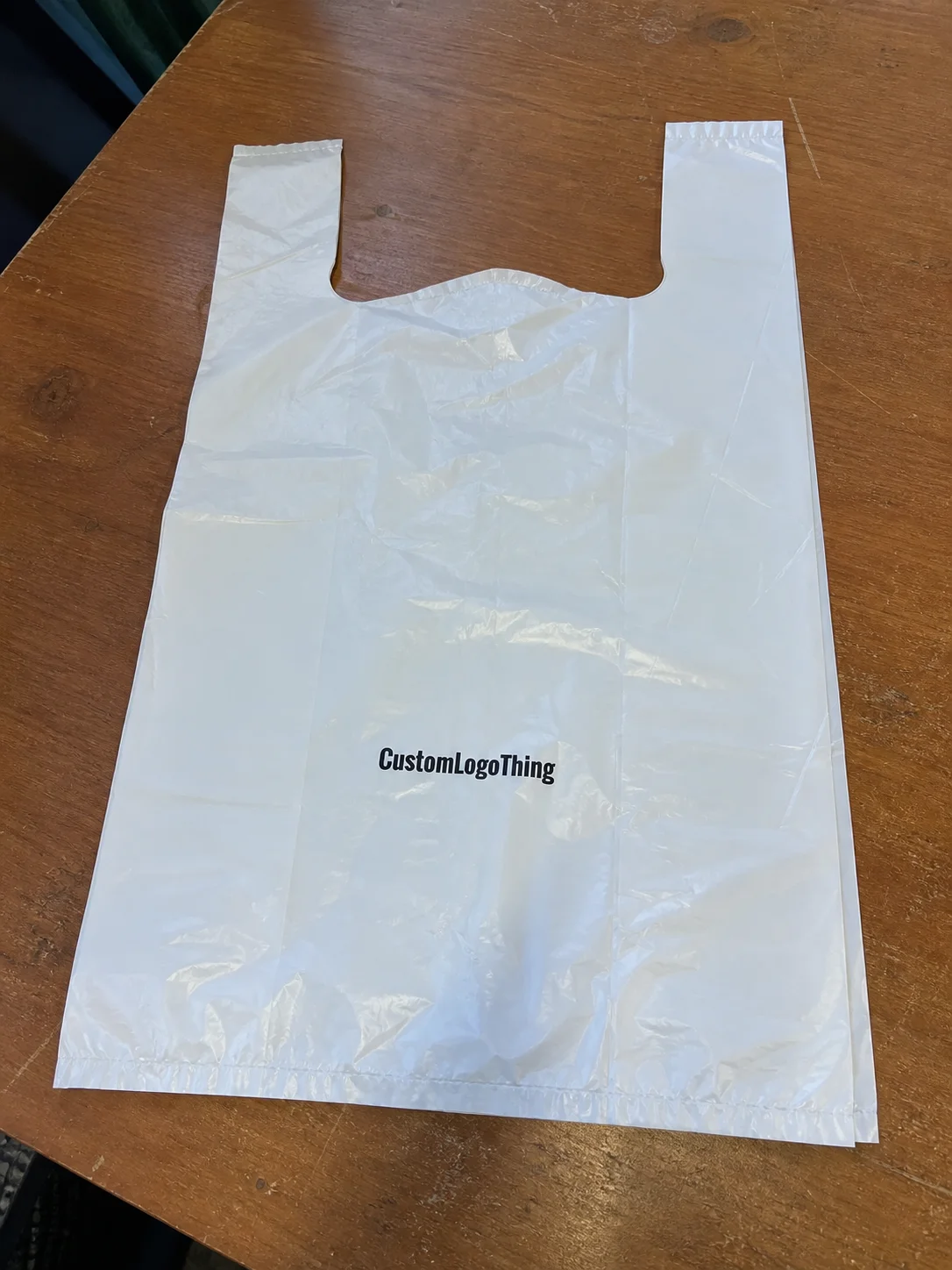
Most teams negotiate freight rates hard and barely review the mailer. That leaves money on the table.
A weak, oversized, or poorly specified coextruded mailers bulk order can create extra cost before the carrier scans the parcel. Bags that run too large use more film than necessary, slow down pack-out, and leave shipments looking loose. Bags that run too light may split at the side seam, show the product through the film, or fail at the adhesive flap. A low unit price stops looking attractive once reships, returns, and packing delays start stacking up.
Two habits cause most of the trouble. The first is sizing up for “flexibility.” That sounds efficient until every parcel carries dead space, wrinkles badly, and takes longer to seal cleanly. The second is pushing gauge down to the minimum number on the quote sheet, then acting surprised when a boxed garment edge, zipper pull, or folded corner starts opening bags on the line.
A mailer order is not just branded plastic. It affects repeatability, protection, labor, storage, and how the parcel looks at the doorstep. Purchasing wants stable specs and predictable cost. Operations wants a bag that opens easily, packs fast, and seals every time. Brand teams care about opacity, print quality, and whether the package feels considered rather than flimsy. Same mailer, different pressure points.
The real cost is rarely the piece price alone. Include labor efficiency, damage rate, storage footprint, reorder frequency, and the percentage of orders that need secondary packaging because the primary bag was underspecified. Teams sourcing Custom Poly Mailers usually make better decisions once they compare structure, gauge, seal design, MOQ, and lead time before pushing for the last fraction of a cent.
If you are planning a coextruded mailers bulk order, the basics matter more than the mockup. Start with how the packed product behaves, how quickly the line needs to run, and how much abuse the parcel will take between pick, pack, sortation, and delivery.
What coextruded mailers actually do better than basic poly mailers
Coextruded simply means the film is built from multiple layers extruded together, with each layer contributing something different. One layer may add toughness. Another improves opacity. Another gives a cleaner print surface or a smoother exterior feel. The point is not technical complexity for its own sake. The point is better control over how the mailer performs.
For bulk buyers, that usually means stronger seams, better puncture resistance, better privacy coverage, and a more substantial feel than a bargain single-layer mailer. That mix works well for apparel, accessories, subscription items, document packs, and other soft goods that need protection but do not justify a corrugated carton.
The difference is easy to spot in hand. Commodity mailers often feel soft in the wrong way: thin, unstable, and easy to stretch. A good coextruded bag tends to feel denser and more controlled. The black or gray inner layer helps conceal contents. A white exterior gives print a cleaner base, which matters for solid brand colors, fine text, and logos that need sharp edges rather than fuzzy registration.
That said, flexible mailers still have limits. Hard goods with sharp corners, heavy metal parts, and products with uneven edges can puncture film regardless of how attractive the quote looks. In those cases, the right answer may be a padded mailer, a box, or a hybrid pack with internal protection. A coextruded mailer is strong for its category, not indestructible.
Structure should match the product, not the other way around. A 45 to 55 micron mailer often works for folded tees, leggings, or lightweight accessories. A 60 to 70 micron structure is more common for hoodies, multi-item orders, or heavier folded soft goods. Once you move toward 75 to 80 microns, you are usually solving for heavier packs, rougher handling, or a brand preference for a stiffer hand feel. Buyers comparing formats can review Custom Packaging Products and judge protection against real shipping risk instead of defaulting to the cheapest flexible option.
For many ecommerce operations, a well-specified coextruded mailers bulk order lands in the practical middle ground: lighter and cheaper than boxes, better performing than the thinnest commodity poly mailers, and easier to brand well at scale.
Coextruded mailers bulk order specs that affect performance and print quality
Do not approve a coextruded mailers bulk order until the main specifications are clear: finished dimensions, film thickness, layer construction, surface finish, seal design, print coverage, and pack count per carton. Most quote problems trace back to one of those items being vague.
Size comes first because it changes nearly everything else. Always measure the packed product, not the garment laid flat before folding. A sweatshirt folded into a clear inner bag with a packing slip inside behaves very differently from the same sweatshirt measured on a table. If the bag is too tight, the seams take the load during insertion. If it is too loose, the parcel balloons, wrinkles, and wastes film.
Thickness is the next filter. Suppliers may quote in microns or mils, so confirm the unit before comparing numbers. As a working reference, 50 microns is about 2.0 mil and 60 microns is about 2.4 mil. Moving down one gauge step may save a small amount per piece, but that saving disappears quickly if the bag scuffs badly, stretches under load, or opens during handling. Moving up in gauge can raise cost roughly 8% to 20%, depending on size, resin mix, and print coverage, so thicker is not automatically smarter either.
Layer construction affects privacy, stiffness, and print results. Many buyers prefer a white outer layer with a black or gray interior for opacity. Matte film usually feels more refined and hides fingerprints better. Gloss can make color appear brighter and sharper, but it may also highlight scratches and transit scuffing. Neither finish is universally better. The better option depends on how the brand wants the parcel to read after it has moved through conveyors, cages, vans, and porches.
Seal performance deserves more scrutiny than it gets. A permanent self-seal strip should close quickly, stay closed under compression, and show clear tamper evidence if reopened. On a busy line, weak adhesive is expensive because operators notice it late, then start doubling down with tape or replacing bags. Return-capable designs add a second adhesive strip so the customer can reuse the mailer. That adds cost, but high-return apparel programs often accept the increase because it simplifies the return path and keeps sizing more predictable.
Print sounds simple until the artwork hits film. A one-color logo is forgiving. Heavy flood coverage, fine reversed text, and large dark panels demand better registration and cleaner production control. Deep dark solids also show rub marks more easily. Leave barcode zones clean, keep critical scan areas high contrast, and be cautious with tiny white text reversed out of saturated color fields. Artwork that looks crisp on a screen may print only adequately if the line screen, ink laydown, or film surface is not matched well.
Before approving volume, ask for a physical sample, plain size dummy, or pre-production sample if the order value justifies it. A digital proof confirms placement and spelling. It tells you almost nothing about opacity, film memory, seal behavior, or how the bag feels during pack-out.
| Spec Area | Common Range | What It Changes | Buyer Watchout |
|---|---|---|---|
| Film thickness | 45-80 microns | Durability, feel, puncture resistance | Too thin causes splits; too thick can waste cost |
| Standard sizes | 6x9 in to 24x24 in | Pack-out speed and parcel appearance | Size from packed product, not flat item size |
| Print coverage | 1 color to full coverage | Brand impact and cost | Heavy coverage may increase setup and scuff risk |
| Closure type | Single seal or dual seal | Tamper evidence and returns | Cheap adhesive creates rework on the packing line |
| Finish | Matte or gloss | Look, feel, and scuff visibility | Choose based on brand use, not trend chasing |
Material, size, and seal specifications buyers should confirm before approval
Approval should be based on a short list of confirmed details, not assumptions carried over from an old PO. That is especially true if the previous order had complaints about seam bursts, poor opacity, or inconsistent print.
Start with material. Most coextruded mailers in this category use polyethylene structures designed for flexibility, seal strength, and moisture resistance. Ask whether the quoted thickness is nominal or guaranteed within a tolerance band. A film listed at 55 microns with loose tolerance can behave differently from a tightly controlled 55-micron structure across a large run. If recycled content is part of the brief, confirm where it is used in the structure and whether it affects color consistency, surface smoothness, or stiffness.
Then confirm size in practical terms. The useful number is not the product dimension by itself. It is the product dimension after folding, inner bagging if applicable, inclusion of paper inserts, and the amount of air trapped during packing. Buyers often miss flap length as well. A bag body may fit the product, but a short flap can make sealing awkward once the pack is slightly overfilled.
Seal details matter more than many first-time buyers expect. Ask about adhesive width, release liner quality if applicable, and whether the seal is tuned for permanent closure or for clean customer returns. In warm warehouses, poor adhesive can grab too early or gum up. In colder environments, low-grade adhesive may not bond reliably without extra pressure. Those small variations show up fast on a fulfillment line.
Finished tolerances also deserve a line item. Mailers are flexible products, not machined parts, but there is still a difference between normal manufacturing variance and loose control. Width, length, and gauge tolerance should be discussed before approval, especially if the mailer needs to fit within automated packing routines or standardized storage bins.
Finally, check carton packing and labeling. A bag that performs well in use can still create headaches if the inner bundle count is inconvenient, the cartons are oversized for your shelving, or the labels do not clearly show size and PO information. That is not glamorous purchasing work, but it saves time every time replenishment hits the floor.
Bulk pricing, MOQ, and unit cost: what changes your quote
Piece price on custom mailers moves for predictable reasons. The biggest ones are size, gauge, print coverage, resin mix, quantity, and shipping method. If one quote is dramatically lower than the rest, look for a difference in one of those variables before assuming you found a bargain.
Size and thickness drive raw material use, so they usually have the strongest effect. A modest jump in width or length adds up quickly across tens of thousands of pieces. The same goes for moving from a 50-micron structure to 60 or 65 microns. Print adds another layer of cost through plates, setup, color count, and production speed. A simple one-color exterior mark is cheaper to run than full-coverage artwork with tight registration demands.
MOQ also changes the economics. For custom printed coextruded mailers, many orders start in the low thousands, but truly efficient unit pricing usually appears at higher volumes because setup costs spread more easily. A buyer ordering 5,000 bags may see a noticeably higher unit cost than a buyer ordering 25,000 or 50,000 of the same specification. That does not mean larger is always smarter. Oversupply ties up cash and storage, and brand artwork changes can make old stock awkward to use.
As a broad market range, plain or lightly printed custom mailers at volume may land around a few cents per piece for smaller sizes and simpler structures, while larger sizes, heavier gauges, return-strip formats, or dense printing can push the cost materially higher. Freight, duties where relevant, and warehousing can matter as much as the print upgrade that caught everyone’s attention on the proof.
Ask for quotes in a way that makes comparison possible. Same size. Same thickness. Same print coverage. Same quantity breakpoints. Same carton packing assumptions. If one supplier quotes 10,000 pieces at 50 microns and another quotes 10,000 at 60 microns, you are not comparing price; you are comparing different products.
For teams placing a coextruded mailers bulk order, the most useful quote is rarely the single lowest number. It is the quote that makes cost drivers visible and allows you to decide where performance is worth paying for.
Production process and lead time from quote to delivery
Lead time usually feels mysterious only when the process has not been broken down. In practice, it follows a fairly standard sequence: quote confirmation, artwork setup, proof approval, material scheduling, film production, printing, bag conversion, packing, final inspection, and shipment.
Artwork approval is where many schedules start slipping. Files arrive with the wrong dimensions, missing bleed, weak barcode contrast, or colors that were designed for screens rather than print on film. Every revision adds time, and production does not move until the proof is signed off. If the order is urgent, get the dieline and print requirements early and keep one person responsible for consolidated approval.
After artwork is locked, raw material planning and press scheduling take over. Lead times vary by season, volume, and whether the structure is standard or unusual, but a custom run often needs several weeks from approval to dispatch. Tight projects can move faster if the size is standard, artwork is simple, and the supplier has available capacity. Heavily printed runs, special finishes, or dual-seal return mailers usually need more breathing room.
Transit time is a separate variable. Buyers sometimes treat “production lead time” as if it includes freight automatically, then discover the bags are finished but not yet in their warehouse. Build in time for shipment, customs clearance if relevant, receiving, and internal distribution to the fulfillment site.
Pre-production samples can add days but often save much more than they cost. If the order is large enough, that checkpoint is worth using, especially when changing gauge, finish, or artwork coverage. It is far cheaper to catch weak opacity or disappointing print before a full run than after pallets arrive.
A realistic schedule is usually safer than an aggressive promise. If your replenishment window is narrow, place the order before inventory becomes critical. Packaging buyers who wait until stock is nearly exhausted often end up paying for expedited freight or accepting spec compromises they would not normally approve.
How to evaluate a supplier without wasting a month on back-and-forth
Good supplier evaluation is less about polished replies and more about useful specificity. If a supplier cannot answer basic questions clearly, the production stage rarely gets easier.
Start by asking for a quote against a defined specification, not a vague concept. Include finished size, target thickness, color layout, finish, closure type, estimated order quantity, and whether you need return functionality. The quality of the reply tells you a lot. Serious suppliers usually clarify missing details, flag risk points, and explain what is standard versus custom.
Then check whether they talk in measurable terms. Can they explain gauge tolerance, size tolerance, printing method, adhesive configuration, carton count, and sample options? Do they separate unit price, tooling or plate costs if applicable, and freight assumptions? Clear answers here reduce surprises later.
Sample quality is one of the fastest filters. A plain sample can show film feel, opacity, and seal behavior. A printed sample or pre-production sample gives you a better read on registration, scuff tendency, and the realism of the finish. Look closely at side seams, flap cut quality, adhesive consistency, and whether the bag opens easily without feeling weak.
It also helps to watch how the supplier handles caveats. Honest packaging vendors will tell you if your artwork is too aggressive for the film, if your requested gauge is risky for the product weight, or if your timeline is possible only with compromises. That kind of pushback is useful. Silence is not.
One practical shortcut: ask what they would change if the goal were lower cost without hurting performance. Then ask what they would change if the goal were better performance without a major cost jump. Experienced suppliers usually have concrete answers, such as adjusting dimensions, reducing unnecessary flood coverage, or moving one step up in gauge while keeping the rest of the spec stable.
Next steps to place the right order the first time
Most ordering mistakes happen because the team rushes to artwork before locking the physical specification. Reverse that order.
Measure the packed product, decide how much insertion room the line actually needs, and choose the smallest mailer that closes cleanly without stressing the seams. Match gauge to product weight and edge profile rather than copying a number from a previous job. Decide early whether return functionality is required, because adding a second seal later changes both cost and layout.
After that, simplify the artwork where possible. Keep barcode areas clean, avoid unnecessary full flood coverage, and be realistic about how fine text or delicate reversed elements will reproduce on film. A mailer has to survive handling first and advertise second.
Then compare quotes on a true like-for-like basis. Review thickness, tolerance, seal style, print coverage, carton packing, production timing, and freight assumptions together. If possible, test a sample on the actual packing line with the actual product. That short trial usually reveals more than a long email chain.
A strong coextruded mailers bulk order is rarely the fanciest one. It is the one sized correctly, built consistently, printed within reason, and delivered on a timeline that does not force the warehouse into workarounds.
FAQ
What are coextruded mailers made of?
Most are made from multi-layer polyethylene film. The layers are combined during extrusion so the finished mailer can balance opacity, toughness, seal strength, and printability better than a basic single-layer bag.
What thickness is common for coextruded mailers?
Many ecommerce mailers fall between 45 and 80 microns. Lighter apparel may run well in the 45 to 55 micron range, while heavier garments or multi-item packs often need 60 microns or more.
Are coextruded mailers better than standard poly mailers?
They are often better for privacy, print surface, puncture resistance, and overall feel. The tradeoff is cost. For soft goods, the performance gain is often worth it. For very low-risk shipments, a simpler mailer may be enough.
How do I size a mailer correctly?
Measure the product after folding and after any inner bag, insert, or label has been added. Choose a size that allows quick insertion and clean sealing without leaving excessive empty space.
Can I add a return strip?
Yes. Dual-seal mailers are common for apparel and other categories with meaningful return volume. They cost more than single-seal versions, so the feature makes the most sense where return convenience or process consistency matters.
What affects the price most on a bulk order?
Size, gauge, quantity, print coverage, and whether the bag uses a single seal or dual seal usually have the biggest impact. Freight and storage can also change the real cost substantially.
How long does a custom order usually take?
Once artwork and specifications are approved, custom production often takes several weeks, plus transit time. More complex printing, special finishes, or tight scheduling windows can extend that timeline.
Should I approve from a digital proof only?
A digital proof is useful for layout and text, but it does not show film feel, opacity, seal strength, or real-world scuffing. For meaningful volume, a physical sample or pre-production sample is the safer approval method.


