When a 20-cent packaging change quietly reshapes margin
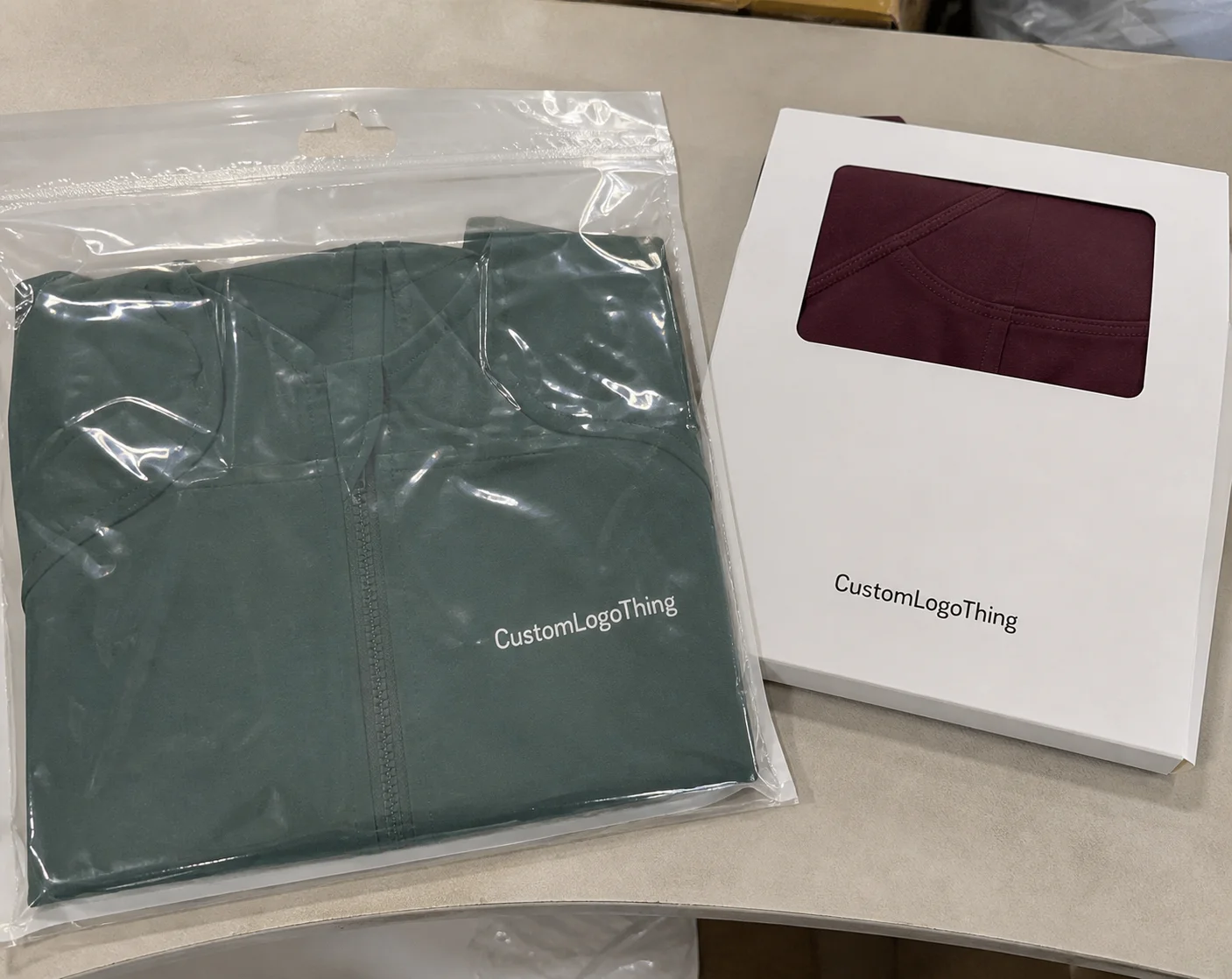
A box that costs 20 cents more can look minor on a quote sheet. At 10,000 orders a month, that adds $2,000 in monthly packaging spend before freight, storage, void fill, or damage claims are counted. That is why buyers look for a practical Corrugated Mailer Boxes price guide: to see which specifications actually control cost.
Unit price is only part of the decision. A cheaper mailer can raise parcel charges if it is oversized, require more fill if the fit is loose, or fail in transit if the board is too light for the product and route.
Most buyers are balancing four pressures:
- Unit cost and setup charges
- Shipping efficiency tied to dimensions and cube
- Protection performance during parcel handling
- Inventory rhythm shaped by MOQ, storage, and cash flow
The best spec is rarely the cheapest one. It is the one that protects the product, supports the brand, and fits budget without creating avoidable freight or damage costs.
A low box price can still be an expensive packaging choice if it increases freight, damage, or pack-out labor.
What buyers are really purchasing in a corrugated mailer box
Corrugated Mailer Boxes are self-locking cartons built for parcel shipping. Brands use them for direct-to-consumer orders, subscriptions, promotional kits, and e-commerce packs because they combine structure, printable surface area, and a cleaner presentation than many flexible mailers.
Buyers are not just purchasing converted paper. They are paying for a box that can control product movement, protect edges, support graphics, and arrive with a more intentional unboxing experience than a padded bag or poly mailer.
Mailer boxes often make more sense than folding cartons when shipments need more rigidity or better protection. They can also outperform soft mailers when the order contains multiple items, breakable parts, or a presentation standard that a bag cannot support. Brands comparing formats can review Custom Packaging Products to see where mailers fit best.
Category needs vary. Cosmetics and personal-care kits often prioritize smooth print surfaces and tidy interior organization. Replacement parts and accessories usually lean harder on crush resistance, fit, and cost control. Subscription programs tend to need both repeatable quality and strong presentation.
One common mistake is assuming the strongest box is simply the heaviest one. In many cases, a tighter footprint and the right flute profile do more for performance than a blanket board upgrade.
Specifications that move price: size, flute, board, print, and finish
Most custom mailer pricing is driven by five variables: dimensions, board construction, flute profile, printing method, and finishing details. Inserts and assembly can push costs higher as well.
Size changes more than material usage
A larger box uses more corrugated board, but that is only part of the cost. Bigger dimensions reduce the number of blanks per sheet, affect case-pack density, lower pallet efficiency, and can increase parcel charges if the shipment crosses dimensional thresholds.
Right-sizing is often the simplest savings move. It reduces board use, lowers empty space, and can cut freight waste at the same time. It also aligns with waste-reduction guidance from the EPA.
Flute profile affects feel, print, and performance
E-flute is common for mailers that need a smoother print face and a more refined retail feel. It is thinner and works well for lighter products, compact kits, and graphics-forward designs. B-flute is thicker and can offer better rigidity and puncture resistance for heavier contents or rougher handling.
The tradeoff is simple: E-flute reduces cube and often prints more cleanly, while B-flute can provide more structural confidence for certain pack-outs.
Board construction should match the shipping route
Single-wall corrugated is standard for many mailers, but performance still varies by liner quality, medium strength, basis weight, and edge crush values. A lightweight skincare set may do fine in a leaner construction. Glassware, ceramics, or dense hardware may need a stronger board, a tighter fit, or an insert to stabilize contents.
If a quote feels vague, ask for the board description in plain terms. If a supplier references transport testing, ask whether the structure was built around methods such as those from ISTA.
Print method and coverage change economics quickly
One-color outside printing is usually the most economical custom option. Costs rise with heavy flood coverage, interior printing, tighter color control, or full multi-color artwork. Digital printing can work well for shorter runs because it reduces some setup demands. At higher volumes, flexographic printing or offset-laminated construction may offer better economics or sharper graphics depending on the artwork.
Coverage matters as much as color count. A black logo on kraft and a full-color inside-and-out design do not belong in the same price bracket.
Finishing and inserts are genuine cost multipliers
Soft-touch lamination, gloss coating, foil stamping, embossing, and custom-fit inserts can improve presentation, but they add process complexity. Inserts require separate material, die-cutting, and sometimes assembly. The safer buying sequence is to lock structure first, then decide which decorative upgrades still make business sense.
Corrugated mailer boxes price guide: unit cost, pricing breaks, and MOQ logic
A useful Corrugated Mailer Boxes price guide works with ranges, not a single headline number. Size, board grade, flute, print coverage, inserts, finish level, and quantity all affect cost.
As a working benchmark, plain or lightly printed custom corrugated mailers ordered at 3,000 to 5,000 units often fall around $0.55 to $1.05 per unit for smaller e-commerce sizes. Full-color exterior printing may push many jobs into roughly $0.85 to $1.45. Add inside printing, inserts, or premium finishes, and pricing commonly moves into the $1.20 to $2.50+ range.
| Configuration | Typical Quantity Tier | Indicative Unit Range | Main Cost Drivers |
|---|---|---|---|
| One-color outside print, standard size, no insert | 3,000-5,000 | $0.55-$0.95 | Board grade, dieline size, basic setup |
| Full-color outside print, E-flute retail feel | 5,000-10,000 | $0.85-$1.45 | Print coverage, color control, liner quality |
| Inside-and-out print with insert | 5,000-10,000 | $1.20-$2.10 | Insert conversion, added press time, assembly |
| Premium finish with specialty effects | 10,000+ | $1.60-$2.50+ | Foil, embossing, coating, extra handling |
MOQ is where many buyers misread the economics. Lower minimums are often possible, especially with digital print, but the per-unit rate rises because setup, machine time, labor, and handling are spread across fewer boxes.
The biggest pricing jump usually happens between very small runs and mid-level volume. Moving from 1,000 units to 5,000 often improves unit economics substantially. Moving from 10,000 to 25,000 may still help, but the savings can be offset by storage costs, tied-up cash, and obsolete inventory risk.
Quote comparisons are cleaner when these items are separated:
- Per-unit box cost
- Tooling or die charges
- Printing plates or setup fees
- Proof or sample costs
- Freight and delivery terms
If one supplier bundles everything into a unit rate and another breaks out setup and delivery, the lower-looking quote may not be the better deal. Real comparison means matching the same dimensions, same board, same flute, same print scope, same insert count, and the same freight assumptions.
Cost can often be reduced without weakening the job by simplifying coverage, standardizing dimensions across SKUs, removing unnecessary insert complexity, or shifting into a quantity band that better fits the production method. Brands comparing formats can also review Custom Poly Mailers for products that do not need corrugated protection.
Lead time and production steps from dieline approval to delivery
Custom mailer production usually follows a predictable path: inquiry, specification review, quotation, structural confirmation, artwork review, proof or sample approval, production, packing, and shipment.
Delays usually come from missing information rather than one major failure. Common issues include missing inside dimensions, unclear print notes, low-resolution files, omitted product weights, and late changes after sample review.
Sampling and full production should be treated as separate timing conversations. A digital proof or white sample can move quickly, but full production may still require custom dies, press scheduling, insert conversion, finishing steps, and freight booking. For many custom corrugated jobs, first orders often run about 12 to 20 business days for manufacturing after final approval, with transit added afterward. Repeat orders can move faster once tooling and artwork are locked.
Lead time usually depends on:
- Custom tooling versus an existing pattern
- Print method and color complexity
- Order quantity and press availability
- Finishing steps such as lamination or foil
- Insert assembly or kit packing requirements
- Shipping destination and delivery method
Buyers can shorten the quote cycle by sending complete information up front: inside dimensions, product weight, pack-out details, quantity tiers, artwork files, delivery ZIP code, and the required in-hands date. If the shipment is heavier or needs a more conventional carton style, it can also make sense to compare with Custom Shipping Boxes.
How to compare suppliers using specs, service, and total landed value
Experienced buyers do not judge a packaging supplier by unit price alone. They look at how clearly specifications are defined, how transparent the quote is about tooling and freight, and whether the proofing process feels disciplined.
A cheap quote can become an expensive one if the board is underspecified, delivery terms are unclear, or print scope is loosely described. Rework, delayed launches, and damage claims erase small unit savings quickly.
Strong suppliers usually ask practical questions about product weight, fragility, and pack-out. They explain board options in plain language, flag finishes that add cost with little return, and separate manufacturing from delivery assumptions.
Weak suppliers leave gaps. Vague descriptions such as “strong corrugated,” missing freight terms, and unclear sample policies should raise concern. If the quote does not identify the board, flute, print coverage, and what is included in the price, the buyer still does not know what is being approved.
The supplier worth keeping is the one that makes the job easier to approve, repeat, and control.
Next steps to request the right quote without overbuying
The fastest way to get a useful quote is to provide complete inputs before the supplier has to chase basics.
Before requesting quotes, gather:
- Inside dimensions in length x width x depth
- Product weight and item count per box
- Fragility notes including glass, liquid, or breakable components
- Target quantity tiers such as 1,000, 3,000, and 5,000
- Print requirements including inside print, color count, and coverage
- Finish requirements such as matte, gloss, foil, or no finish
- Insert needs if products must be retained or separated
- Delivery ZIP code and required in-hands date
If the exact board grade is not known yet, that is fine. Product weight, fragility, and shipment method usually give the supplier enough information to recommend a starting structure.
It also helps to request quotes in multiple volume bands rather than a single quantity. Asking for 1,000, 3,000, and 5,000 units often reveals where the run starts to make economic sense.
Another smart question is what can be simplified without hurting function. Sometimes that means reducing print coverage. Other times it means standardizing one footprint across several SKUs or replacing a complex insert with a simpler retention approach.
Ask how the supplier plans to inspect the order. A solid answer usually mentions board verification, print approval against artwork, die-cut accuracy, fold and lock performance, bundle counts, and final packing checks before shipment.
The most expensive buying mistake is often overbuying the wrong spec. If the design is still evolving, a smaller first run at a slightly higher unit cost can be safer than carrying deep inventory that may become obsolete.
What is the average cost of corrugated mailer boxes?
The average cost of Corrugated Mailer Boxes usually falls between $0.55 and $1.50 per unit for many common custom runs, with premium versions moving above that range. Small, lightly printed mailers at moderate volume tend to sit near the lower end. Larger boxes, inside printing, inserts, heavier board, and specialty finishes move the price upward.
A small mailer with one-color outside print may be under a dollar. A larger subscription-style box with inside-and-out graphics and a custom insert may be well above it. If freight, setup, and sample charges are included, the effective cost rises further.
The average also changes with purchasing strategy. Buyers who standardize one size across several SKUs often get better economics than buyers running multiple low-volume custom footprints.
FAQs
What affects corrugated mailer box pricing the most?
The biggest cost drivers are usually box size, board construction, flute profile, print coverage, inserts, and order quantity. Bigger boxes use more material and can reduce shipping efficiency. Interior graphics and added inserts raise converting cost quickly.
Are corrugated mailer boxes cheaper at higher quantities?
Usually, yes. Unit pricing tends to improve as fixed setup, tooling, and press time are spread across a larger run. The sharpest improvement often happens between very small orders and mid-level quantities. Beyond that, savings can flatten if storage and inventory risk start to offset the lower unit cost.
What is a typical MOQ for custom corrugated mailer boxes?
Many custom programs start around 1,000 to 3,000 units, though the practical MOQ depends on print method, structure, and supplier workflow. Digital print can support shorter runs, but the unit price is usually higher than a longer conventional run.
Is E-flute or B-flute better for mailer boxes?
Neither is better in every case. E-flute is thinner and usually gives a smoother print surface with a more refined retail feel. B-flute is thicker and can offer more rigidity and puncture resistance for heavier contents. The better option depends on product weight, presentation goals, and shipping conditions.
Do inserts make corrugated mailer boxes much more expensive?
They can. Inserts add material, tooling, die-cutting, and sometimes hand assembly. Even simple inserts change the production path. If an insert reduces damage or keeps presentation consistent, the added cost may still be justified.
How long does custom corrugated mailer production usually take?
After final artwork and structural approval, many first orders take about 12 to 20 business days for production, plus transit time. Repeat orders often move faster if the dieline, tooling, and artwork are already approved. Specialty finishes and complex inserts can extend the timeline.
How can buyers lower costs without sacrificing quality?
The safest ways are usually to right-size the box, simplify print coverage, standardize dimensions where possible, remove unnecessary finishing, and order in a quantity band that fits production efficiency. Cost cutting should not come from weakening the structure below the product’s shipping needs.
Should freight be included in a corrugated mailer boxes price comparison?
Yes. Freight, delivery terms, and packaging format all affect the real cost. A lower unit price can still be a poorer deal if the shipment is oversized, pallets inefficiently, or arrives under terms that add hidden expense later.


