Custom book stickers look straightforward until you have to spec them for actual use. Then the details pile up: stock, adhesive, finish, run size, barcode readability, shelf life, mailer surfaces, and whether the label should stay put through shipping or come off cleanly after a promotion. That small piece of print can make a book feel finished and well considered, or it can make even a strong title look like it was packaged in a hurry.
For publishers, indie authors, bookstores, and brands sending book-themed mailers, the sticker is doing practical work. It helps with branding, pricing, edition marking, and packaging presentation, while also affecting how the final item survives handling. If the label is off by even a little, the whole package feels less deliberate.
A good sticker supports the book without calling attention to itself.
What Custom Book Stickers Actually Do for Books and Packaging
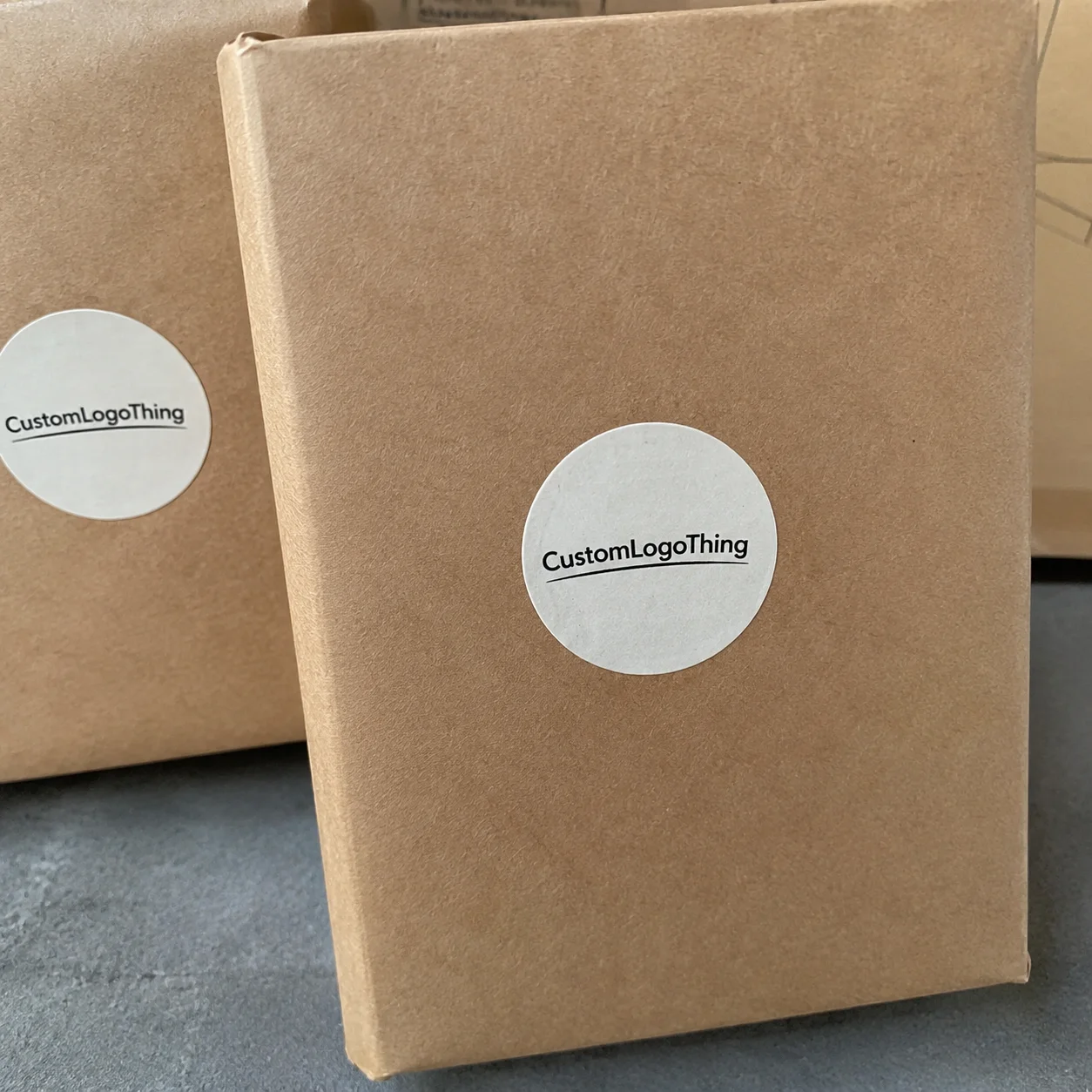
At the simplest level, custom book stickers are adhesive labels used to identify, brand, price, promote, or personalize books and related packaging. They may sit on dust jackets, mailing cartons, insert cards, subscription box fills, event giveaways, or protective sleeves. In practice, they often move between all of those jobs, which is why one “sticker” can have very different requirements depending on where it lands.
That matters because books get handled more than a lot of people expect. They are shelved, stacked, shipped, gifted, signed, reopened, and sometimes returned. A label that works beautifully for a one-day launch may fail on a collector edition that needs to look clean for months. The real question is not whether the sticker looks good in the mockup. It is whether it still looks good after handling, transport, and time.
Common uses include:
- Bookstores for pricing, staff picks, genre tagging, and shelf branding
- Indie publishers for edition markers, limited-run seals, and author branding
- Libraries and schools for inventory, location, and donor recognition labels
- Mailer boxes for launch campaigns and branded unboxing
- Event giveaways for signed copies, promo packs, and VIP bundles
The visual part is only half the story. A small sticker can elevate plain packaging if the typography, finish, and proportions are right. It can also undercut a well-designed jacket with a glossy shape that looks like it belongs on office supplies. If you are pairing labels with Custom Packaging Products, the sticker should fit the same visual system as the mailer, insert card, and outer box. Consistency makes the release feel intentional instead of assembled from separate purchases.
Stickers also help publishers and retailers add temporary messaging without reprinting the whole book. A seasonal line, bookstore event, or promo campaign can be handled with a label instead of a new cover run. That is one reason custom printed boxes and stickers are often planned together. One handles structure and protection. The other carries the message.
How the Sticker Material, Adhesive, and Finish Work
Every sticker depends on four parts that matter in production: face stock, adhesive, liner, and finish. If any one of those is wrong, the result usually shows it. The face stock is the printable surface. The adhesive determines how the sticker bonds and whether it can be removed cleanly. The liner is the backing sheet. The finish affects readability, appearance, and how the label feels in the hand.
For custom book stickers, the most common materials are paper, BOPP, and vinyl. Paper is the most economical choice and works well for short-term indoor use, lighter handling, and promotional labels. BOPP is a plastic film that resists moisture better and usually holds color well. Vinyl is tougher and more flexible, which makes it a better fit when the label has to survive repeated handling or a less controlled environment. In plain terms: paper is budget-friendly, BOPP is practical, and vinyl is the most durable of the three.
| Material | Best Use | Durability | Typical Cost Impact |
|---|---|---|---|
| Paper | Short runs, indoor labeling, promo inserts | Low to moderate | Lowest |
| BOPP | Shipping, shelf labels, moisture resistance | Moderate to high | Mid-range |
| Vinyl | Premium, heavy handling, longer wear | High | Highest |
Adhesive choice matters just as much as the face stock. Permanent adhesive is best when the label should stay in place. Removable adhesive works better for dust jackets, temporary seals, or campaign stickers that need to come off without tearing the surface. Low-tack adhesive is useful when residue would be a problem on coated covers or delicate finishes. If the label is going onto a textured mailer or laminated surface, ask for testing rather than assuming it will behave the same way it does on plain paper.
Finish changes both the look and the reading experience. Matte reduces glare and helps small text stay legible. Gloss gives color more punch and suits brighter promotional work. Soft-touch creates a more premium feel, which can fit literary branding or gift sets. Uncoated can be helpful if the label needs to be writable. For barcodes, edition numbers, or dense copy, matte or uncoated usually performs better than high-gloss film because reflection can make scanning and reading harder than it should be.
Detail also depends on the substrate. Fine rules, tiny QR codes, and black-on-color graphics can print cleanly in theory and still fail in use if the material is wrong for the job. When the sticker is part of a broader packaging system, make sure the finish does not fight the rest of the set. A soft-touch sticker on a gloss-lam cover can feel refined, but only if the contrast is deliberate.
If sustainability claims matter to your project, verify the actual material specification instead of assuming the label line is compliant. Ask whether the stock is FSC-certified paper, recyclable, or otherwise aligned with your sourcing goals. The FSC site is a useful place to check the basics of forest certification: fsc.org.
Cost, Pricing, MOQ, and Unit Cost Basics
Sticker pricing is shaped by size, shape, material, finish, color count, quantity, and any special effects. Add foil, embossing, unusual die-cuts, or specialty adhesive, and the quote changes quickly. Larger quantities usually reduce the unit cost, even though the total order value goes up. That is the part buyers understand better once they see a line-by-line quote.
For a practical benchmark, small custom book sticker runs often fall around $0.18–$0.45 per piece for basic shapes and standard materials, depending on quantity and coverage. Mid-size runs can move closer to $0.06–$0.18 each. Very small orders usually cost more per piece because setup and proofing are spread across fewer labels. Premium finishes and custom die-cuts push the cost higher. Printing is not mysterious here; it is mostly a matter of material, setup, and volume.
MOQ, or minimum order quantity, varies by supplier and print method. Digital sticker production can support lower quantities, sometimes just a few hundred pieces. Flexographic or offset production usually makes more sense at higher volumes and may require larger MOQs. If you only need a few hundred labels for a launch event, do not shop like you are buying for a national retail rollout. The per-piece cost will reflect the smaller run, and that is normal.
Here is a simple buying comparison:
| Order Type | Typical Quantity | Best Print Method | Cost Pattern |
|---|---|---|---|
| Test run | 100–500 | Digital | Highest unit cost, lowest risk |
| Launch batch | 1,000–5,000 | Digital or short-run production | Balanced unit cost and flexibility |
| Ongoing demand | 10,000+ | Flexographic or offset | Lowest unit cost, higher setup commitment |
Watch the extras. Setup charges, proof fees, freight, and reprint costs can change the total quickly. A quote that looks attractive at first can become expensive once shipping and rush fees appear. The sensible choice is not the cheapest sticker on paper. It is the one that still meets the durability, color, and presentation requirements of the book it is attached to. Saving a few cents while making a $24 title look careless is poor buying, not efficiency.
For packaging and material thinking, the Sustainable Packaging Coalition is a useful reference point: packaging.org.
Production Steps and Turnaround: From Artwork to Delivery
The production flow is usually simple enough on paper, but only if the artwork is truly ready. It begins with file prep and ends with delivery. Between those points are proofing, printing, cutting, finishing, packing, and shipping. The easy jobs move quickly. The slow jobs usually slow down because somebody uploaded a low-resolution logo and called it final.
A standard workflow looks like this:
- Submit artwork and choose size, material, and adhesive.
- Receive a digital proof for layout, color, and cut line review.
- Approve the proof or request corrections.
- Print, cut, and finish the stickers.
- Inspect, pack, and ship the order.
The most common delays are predictable. Missing dielines. Incorrect bleed. Low-resolution art. Spot-color confusion. Slow proof approval. Each one is avoidable if the file is prepared carefully before the order is placed. The cleanest fix is usually the dullest one: send complete files, answer proof questions quickly, and confirm whether the goal is to match a screen mockup, a previous run, or a physical sample.
Digital printing is usually the best fit for short runs and quick turnaround. Flexographic and offset methods are more appropriate for larger volumes and lower unit cost at scale, but they require more setup. If the stickers are for a seasonal release, digital often gives you the flexibility you need. If they are part of an ongoing inventory program, the higher-volume methods may make more sense over time.
Typical turnaround for standard digital sticker orders is often 7–15 business days after proof approval, although this depends on supplier workload and the specifics of the order. Rush service is possible in many cases, but it raises the cost and reduces the margin for error. Shipping time still counts too. A job can finish on schedule and still arrive late if freight is delayed.
In packaging work, a buffer is not optional. If launch day is fixed, plan as though the order needs to arrive earlier than it really does. That leaves room for a proof correction or a freight delay without putting the whole schedule under pressure. Books are supposed to be opened, not used as a stress test for the supply chain.
Step-by-Step Ordering Guide for the Right Sticker Spec
The best ordering process starts with the application, not the artwork. Decide where the sticker will live. Is it going on an indoor display, a shipping mailer, a retail shelf, or a collector edition? That single answer narrows the rest of the spec. A label for a signed author bundle does not need the same construction as one that has to survive several warehouse moves and rough handling.
Then choose size and shape. Book covers, spines, mailer lids, and insert cards all create different space limits. Oversized labels crowd the design. Tiny labels disappear into busy art. Round, square, rectangle, and custom die-cut shapes each have a place. If the packaging is restrained and minimal, a simple shape usually reads better than a novelty cut. Custom shapes can work well, but they need a clear reason to exist.
Next, match material and adhesive to the surface and lifespan. For coated covers or glossy mailers, ask about permanence and residue. For temporary promotion use, removable adhesive is usually safer. For longer wear or moisture exposure, BOPP or vinyl often performs better than paper. If the book is going into custom printed boxes as part of a gift set, think about how the sticker behaves alongside the rest of the packaging surface instead of treating it like a separate decision.
Artwork prep should be checked before anything goes to press. Use the correct dieline, allow enough bleed, keep images high-resolution, and confirm the right color mode. For print, that is usually CMYK unless the printer asks for something different. Keep text readable. Tiny legal copy and barcode numbers should not be buried in decorative type because “it looked elegant.” If nobody can read it or scan it, the design is not finished.
Before production begins, request a proof and verify every detail. Quantity, trim size, adhesive, finish, ship date, and delivery address all need a final check. If the sticker is part of a broader package branding rollout, confirm that it coordinates with related items like Custom Labels & Tags. Good packaging systems depend on consistency. A strong release feels planned because the pieces work together.
Common Mistakes That Make Book Stickers Look Cheap
The fastest way to make a sticker look cheap is to ignore the surface it is going on. Coated covers, textured mailers, and lamination all change how adhesive behaves. Use the wrong construction and corners lift, labels slide, or residue stays behind. Customers notice that immediately, even if they do not know why the packaging feels off.
Oversizing is another common problem. A label that dominates the cover makes the design feel heavy and unbalanced. A sticker should support the book, not sit on top of it like a warning sign. Glossy finishes on tiny text create a similar issue. They look fine under controlled lighting, then glare makes the copy harder to read in real use.
Artwork mistakes are just as damaging. Low-resolution logos. No bleed. Type too close to the edge. Too much detail in too small a format. Designers often build for screens and forget that physical labels have to cut cleanly and stay readable at arm’s length. The printer cannot invent detail that was never in the file.
Quantity planning is another place where projects go sideways. Buyers sometimes focus on per-piece price and forget the full project cost. If you need 900 labels but buy 500 to save on the order total, the rush reorder usually costs more than the savings. That is not thrift. It is deferred spending with extra fees attached.
Expert Tips, Next Steps, and How to Finalize Your Order
If you are ordering custom book stickers for a launch, a seasonal promotion, or repeat inventory, start with a short test run when the spec is new. A few hundred pieces can reveal problems with color, adhesive, and finish without locking you into a large mistake. That is a small cost compared with reprinting a whole batch because the surface did not behave as expected.
Match the finish to the brand and the reading experience. Matte usually suits literary, archival, or minimalist work. Gloss works well for brighter promotional pieces and children’s titles. Soft-touch can make premium sets feel more deliberate and giftable. None of those choices are inherently better. They are only right when they match the book and the packaging around it.
Before you approve the order, check the details that actually affect production:
- Confirm size, shape, and dieline
- Verify material and adhesive
- Check finish and legibility
- Confirm quantity and reprint allowance
- Review proof details and ship date
Plan reorder timing before stock runs low. If the labels support a release schedule or retail packaging program, leave enough time to replenish before the next wave. That matters even more when the stickers are paired with branded packaging, mailers, or insert cards that need to arrive together. A mismatch between components makes the whole release feel disorganized.
The simplest route is usually the best one: define the use case, compare materials, Request a Quote, and approve the proof only when design and budget both make sense. If you are shopping for custom book stickers, the goal is straightforward. You want a label that looks right, sticks properly, fits the surface, and holds up in the real world without creating production headaches later. That is what good packaging work should do.
FAQ
What are custom book stickers used for?
They can brand book shipments, mark editions, label bundles, and add promotional value to retail or event packaging. They also help organize inventory and make plain packaging feel more intentional.
Which material works best for custom book stickers?
Paper works for short-term, low-cost use, while BOPP or vinyl is better for durability and moisture resistance. The right choice depends on whether the label stays on a cover, mailer, insert, or shipping surface.
How much do custom book stickers usually cost?
Pricing depends on size, quantity, material, finish, and print method, so unit cost can vary a lot. Larger runs usually bring the per-sticker price down, while special finishes and small batches raise costs.
How long does it take to produce custom book stickers?
Typical turnaround depends on proof approval, production method, and shipping distance. Simple digital jobs are faster, while custom shapes, specialty finishes, or large quantities take longer.
How do I make sure my custom book sticker design prints correctly?
Use the correct dieline, add bleed, keep text readable, and send high-resolution artwork in the right color mode. Always review a proof before production, because fixing files after printing is where budgets go to die.

