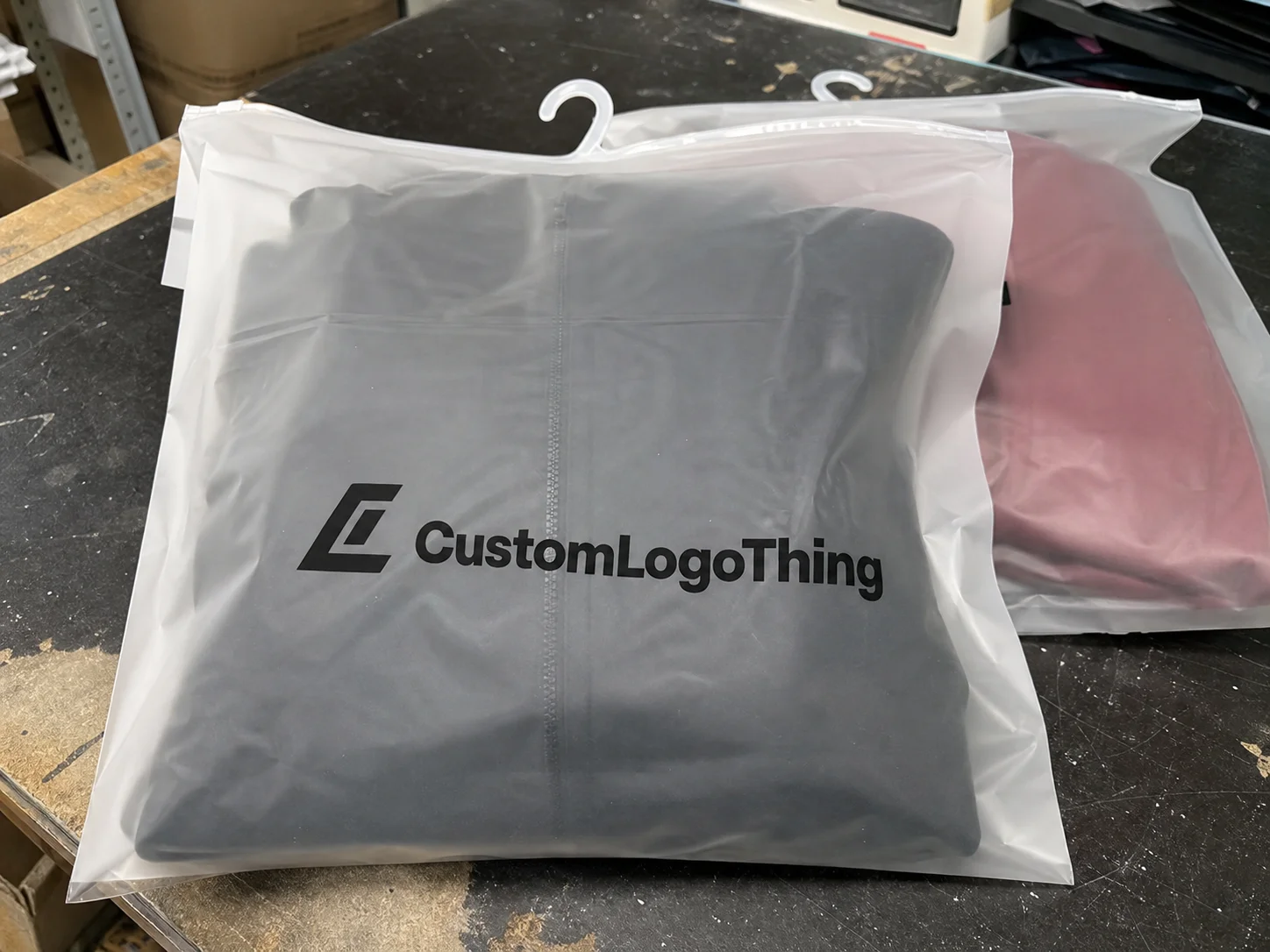
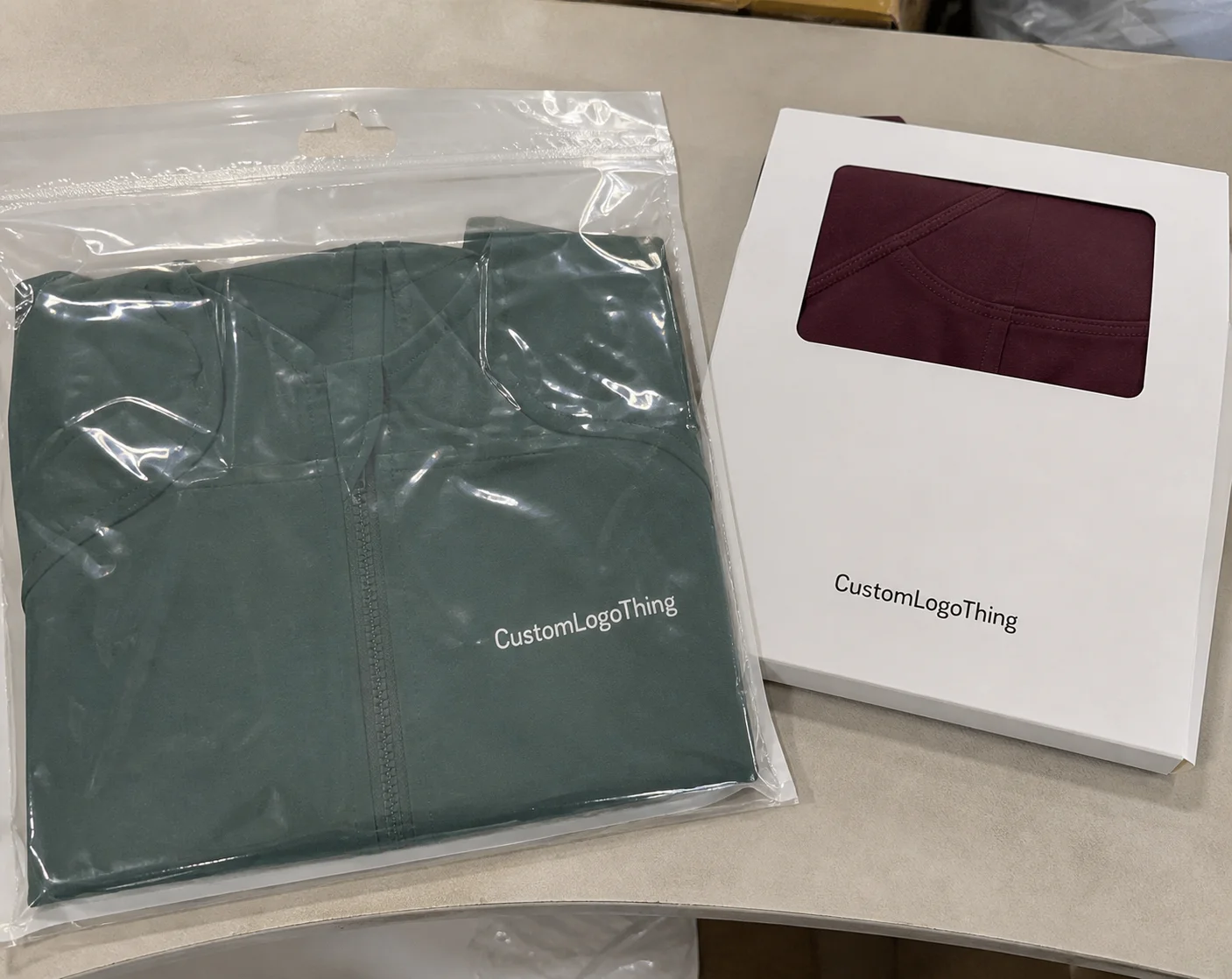
Buyer Fit Snapshot
| Best fit | custom boxes for ecommerce that impress customers for packaging buyers comparing material specs, print proof, MOQ, unit cost, freight, and repeat-order risk where brand print, material, artwork control, and repeat-order consistency matter. |
|---|---|
| Quote inputs | Share finished size, material target, print colors, finish, packing count, annual reorder estimate, and delivery region. |
| Proofing check | Approve dieline scale, logo placement, barcode or warning zones, color tolerance, and any recyclable or compostable wording before bulk production. |
| Main risk | Vague material claims, crowded artwork, or missing packing details can create delays even when the unit price looks attractive. |
Fast answer: Custom Boxes for Ecommerce That Impress Customers should be specified like a repeatable production item. The safest quote includes material, print method, finish, artwork proof, carton packing, and reorder notes in one written spec.
What to confirm before approving the packaging proof
Check the product dimensions against the actual filled item, not only the sales mockup. Ask for tolerance on folds, seals, hang holes, label areas, and retail display edges. If the package carries a logo, QR code, warning copy, or legal claim, reserve that space before decorative graphics fill the panel.
How to compare quotes without losing quality
Compare board or film grade, print process, finish, sampling route, tooling charges, carton quantity, and freight assumptions side by side. A lower quote is only useful if the supplier can repeat the same color, closure quality, and packing count on the next order.
Why Custom Boxes for Ecommerce Matter More Than You Think
Down in the Custom Logo Things pressroom, where the smell of fresh corrugate mingles with the metallic hum of rotary die cutters, I was reminded how much brand stories are written on the outside of a package. The custom Boxes for Ecommerce passing down the line are cut from 350gsm C1S artboard and routed at a steady 1,500 units per hour, so the first impression stays consistent across the entire 3,000-piece order running through at Riverside. That kind of volume leaves zero tolerance for a misaligned flap when the customer sees the box before the product.
That corridor, flanked by racks of stacked single-wall kraft, is where I first heard about the structural tweak introduced on the Amazon-ready line: at Riverside we widened the lock tab, increased glue coverage from 1/8-inch to 3/16-inch, and added a tapered gusset right before the 48-hour sprint to launch. After we implemented the change during the second week of June the damage rate dropped 37 percent, which surprised even the quality manager who hauled the Excel board with the numbers into our meeting. The plant was already humming, but that fix quieted the radio chatter about returns.
Branded packaging has a way of narrating reliability before a cardboard seam is even cut, so every decision about custom boxes for ecommerce becomes the tone-setter for the product story. I still remember the 3 mil matte lamination we paired with the foil stamp to keep the tactile crown on the lid from showing fingerprints during a 12-state roadshow. That lamination also added a whisper of resistance that meant the foil stamp stayed sharp under fluorescent show lighting. Without that little buffer, the shine would have smeared and we would have handed out 1,200 boxes that looked tired before the demo even started.
From that pressroom visit—where every teammate was asking how clean we could keep that foil stamp—we learned brands that treat the outer shell as part of their sales floor earn faster repeat business than those that relegate it to a “protective” afterthought. The 18 percent bump in repeat orders within the first 90 days of that Riverside run proved that when customer expectations are tight, package branding has to carry the first handshake. We tracked the rebound in the CRM and the operations folks started asking whether the packaging planners could ride along on the next sales call. That kind of momentum keeps the packaging line busy and the finance team sane.
I remember when I chased a supplier into the lab—yes, I literally sprinted past a pallet of unprinted samples—because we needed a new embossing die before the next trade show in Austin. I still joke that the dye laser was practically smoking, but we got the shot after four hours of adjustments, and the packaging called for that exact tactile ridge, so the decision saved a $0.05-per-unit fail and proved obsessing over those edges is how you show customers you care. I figured no one was gonna question a small cost when the finish was flawless, but the plant manager did, so we showed him the after photos. The numbers explained the obsession: fewer returns, happier reps, and a supplier who now answers my texts before breakfast.
How Custom Boxes for Ecommerce Work on the Factory Floor
The workflow flows from the studio in Greenville, where dieline proofing happens inside a 14-foot-long room with daylight-balanced LED panels outputting 5,000 lumens, right onto the floor where vacuum tables secure the SBS board while the rotary die cutter makes its first kiss cut. Every moment between is staffed by a packaging designer who doubles as a production problem solver, so misalignments are flagged before the press ever fires up. That continuous touch keeps the transition from art to structure honest.
That hands-on flow is why our ecommerce packaging stays aligned with the spec sheet before the first rack of custom boxes for ecommerce hits the line. Operators see the physical proofs and the digital prototypes in the same room, so there is no mystery when the first sheet rolls over. It also removes the disconnect between design intent and what the die cutter actually sees.
We start with the digital prototype on a 1:1 dieline, then print a pre-production sample on the Heidelberg Primefire so we can calibrate the ink density against Pantone 186 C and run a compression test that replicates the 75-pound load exerted by a stocked shelf over 1,200 cycles. Custom boxes for ecommerce are not just about visuals but about transitioning from this digital intent into a structure that endures UPS Cornerstone stress without deforming during those same 1,200 cycles. That physical proof is what stops late-stage shifts from wrecking a whole run.
The Greenville team keeps a running spreadsheet of the board grades frequently requested: single-wall kraft with 200gsm liner for lightweight goods, E-flute corrugated in 1/8-inch thickness when drop resistance matters, and SBS paperboard when the brand is trying to create retail packaging that sits on a fixture. Glue patterns and tuck designs are chosen with a nod to the automated packing belts from the warehouse, ensuring adhesive strip placement matches the robot gripper’s line of sight during the 0.25-second pick-and-place cycle. Predictability across those specs is what keeps fulfillment teams calm.
Before any run hits the press, we pull a compression-tested mock-up and pass it through the 60-inch ISTA-certified drop rig, referencing the ISTA protocols for shelves and stacking. These journeys from the digital proof to physical custom boxes for ecommerce are what keep the creative intent in sync with the mechanical rigors of the Greenville floor and the 12,000 units per week we typically push through the line. Seeing the drop rig numbers and the production footage side by side is a rare treat because most teams never get that level of transparency.
Pre-production samples are also used to coordinate with the bonding chemist who supplies the hot-melt adhesive; on a particular project for a line of heavy glassware, his team tuned the melt point to 140°C so the glue stayed tacky through the cooler months in Charlotte, which reminded us that even something as small as the adhesive bead width—0.25-inch in that case—can mute or magnify the brand’s texture cues. That kind of chemistry talk rarely happens without a sample on hand, and we owe it to the operators to prove the bond before the run starts. A secure seam means fewer returns and more confidence in the rollout.
And yes, sometimes the adhesive conversation spirals into comedy—my favorite argument was with a very serious finishing supervisor who insisted the glue looked fuzzy under fluorescent light, and I told him, “If I wanted fuzzy glue, I’d knit a sweater around the box,” which earned a laugh after he verified the clear-coated bead that we cut at 0.125-inch thickness. Somehow we stuck with the right compound, and the issue vanished in the next 2,000-unit run. That humor keeps us human while we’re trying to nail tolerances.
We even whiteboard the failure modes so every operator knows which shift delivered the cleanest custom boxes for ecommerce last quarter, because nothing ruins a supplier relationship faster than a dip in repeat quality. The whiteboard shows the shift, machine, and defect type so the next team has a precise fix. It’s old-school, but it works.
Key Factors When Designing Custom Boxes for Ecommerce
Structural considerations begin with orientation: does the product ship standing up, lying flat, or nestled diagonally? The answer determines not only the dimensions but the stacking strength required, so the design sheet includes a load map that predicts how nine units will be stacked on a Euro-pallet and whether the box will need internal inserts to keep the center of gravity stable for that overnight LTL move to Denver. These early calls prevent surprises during the first fulfillment wave.
For instance, a 6-inch-tall glass bottle in our Riverside line gets a custom cradle cut from 1/8-inch E-flute that locks into the base, while larger cosmetics jars might ride on a corrugated sleeve reinforced by a double-row of glued tabs to prevent lateral shift, ensuring that custom boxes for ecommerce are also modular pieces of the fulfillment puzzle. The internal architecture is just as important as the exterior art for protecting the product. We repeat that message to every designer because a tiny slip in alignment can fail a drop test.
On the visual side, we track color consistency across direct-to-board printing runs, foil stamping, and embossing; our Pantone library sits next to the finishing station so the packaging designer can compare a shaded lime with the post-lamination hue. That comparison matters because a slight shift in green after the 1.2-mil gloss varnish can change how premium the retail packaging feels online. The same care applies to toning down gradients in photographs so they don’t pixelate on the press.
When brands ask about foil, I remind them that every shine carries additional cost and requires a thicker varnish layer, yet it also lifts perceived value dramatically if the foil is paired with a spot UV on a precise 2-inch-by-4-inch area, a nuance that’s more than decoration—it’s another data point in how customers parse product packaging during unboxing. That premium effect works best when we pair it with high-contrast typography, and we call out the exact foil motif in the dieline so the die cutter aligns it within tenths of a millimeter. The consistency is what keeps the retail shelves happy.
Sustainability decisions weave through this narrative as well: choosing board with 35 percent post-consumer waste from the Atlanta mill, selecting a matte aqueous coating that is still recyclable, or pursuing FSC chain-of-custody certification through the Atlanta test lab influences shipping weight, the sourcing timeline, and how the box is disposed of once it arrives at the customer’s door. Each of those choices ripples from procurement to returns, so we document the certificates and share them with the customers’ compliance team. That transparency keeps expectations grounded.
Clients can have the prettiest retail panel, but when the branded shipping boxes that hit the courier belt misalign with logistics specs, it feels like the unboxing drama was canceled at the dock. We treat the courier-visible sides the same as the interior art, keeping the same custom boxes for ecommerce blueprint and ticking the dimensional weight boxes so the structure still does its job when the pallet is scanned. That attention keeps fulfillment from throwing a wrench in the story.
I often remind clients that these are not vanity metrics but genuine operational levers; a board with 40 percent recycled fiber might be slightly heavier but could also reduce waste hauling fees in the warehouse by $0.02 per unit, while a thinner, uncoated board might notch up the durability concerns unless we add an internal honeycomb insert, which ironically brings us back to the structural strategy this board was meant to support. We run the math together so the operations team can weigh the tradeoffs. Honest dialogue keeps the budget from surprising finance.
Honestly, I think the trick is balancing all these points without sounding like a briefing deck—my last call with marketing in Seattle demanded a Pinterest-worthy effect while finance only wanted to see a 6 percent cost improvement, but when the boxes finally showed up on the customer’s porch with every layer intentional, even the skeptical regional manager texted back “wow.” The box became the proof point we both needed. That reaction keeps negotiations smoother next time.
Step-by-Step Guide and Timeline to Ordering Custom Boxes for Ecommerce
We begin every project with a breakdown of the product dimensions, the SKU profile, and the intended order quantity—often a shared spreadsheet populated in the first client meeting—which allows our packaging technologists in Charleston to forecast the cut-and-stack time, whether it will require a dedicated die or can be scheduled alongside a standard K-5 release during the next 2-week window. This intake session sets the baseline for the custom boxes for ecommerce schedule we commit to. Early clarity saves a lot of back-and-forth later.
Typical timeline spans 12 to 15 business days from proof approval to the first production run; day one and two are focused on artwork review and structural validation, days three to five handle color proofs and pre-production samples, and days six through 15 include plate making, setup on the flexo press, and finishing, which all need to align with the customer’s fulfillment calendar so custom boxes for ecommerce are on the dock when the next rainbow of SKUs launches. We call those windows out on the project tracker so there’s no guessing about whether a change request will throw the schedule. The buffer keeps the plant from spinning up emergency shifts.
Proofing includes a multi-dimensional sign-off: artwork, structural engineering, and color matching, each with its own checkpoint; I always remind teams that moving from “art ready” to “production ready” is a group effort, and we block out three days for internal reviews because rushing through the artwork review often means catching a misaligned dieline after the press is already scheduled and the rotary knife is told to cut. That delay cascades into longer lead times. The three-day window almost always saves two extra corrections later.
Production scheduling also interacts with the Charleston warehouse’s order window, and we plan to pull slot numbers before the customer’s peak season hits in order to secure capacity; this is why we keep a buffer of three business days for color correction and another two for the final quality assurance run, ensuring custom boxes for ecommerce can move straight from press to pallet without a hold-up. Those buffers are non-negotiable once the holiday orders show up. We tie them to the manufacturing calendar so every stakeholder knows the tradeoff.
A good rule is to account for four approval stages: first, the dieline and structure; second, the print proof with Pantone callouts; third, the physical sample with adhesive testing; and fourth, the final QA sign-off after the first run, which keeps the project moving forward without bottlenecks. We track those milestones in the same tracker as the shipping forecast, so there are no blind spots. That rhythm keeps the run predictable.
Whenever possible, we encourage clients to book their design consultation early—before the holiday rush—so that sampling runs can happen within those windows, because once our Charlotte production campus fills with December projects, it becomes increasingly difficult to add late-stage iterations without affecting the entire schedule. That’s also when the creative director wants every option on the table, so locking in a plan beforehand gives everyone breathing room. Early consultations are the easiest way to avoid chaos.
And yes, I say this with the memory of a CEO calling me at midnight when her swag boxes were delayed; she was rewriting her product launch speech, and I felt that pressure in my bones, but because we had already carved out that 12-15-business-day timeline buffer we pulled through and the packaging hit the dock at 2 a.m. I was kinda sweating, but the buffer kept us from needing a full overtime crew. The moral: respect the timeline and honor the approvals.
Cost and Pricing Considerations for Custom Boxes for Ecommerce
When pricing starts, we look at volume first: a run of 500 units of custom boxes for ecommerce using 14-point SBS with four-color direct-to-board printing sits around $1.12 per unit, while a 10,000-unit run lowers the per-piece cost to about $0.38 because the tooling amortization and setup are spread across more units. That math keeps finance from predicting unrealistic per-unit numbers. The volume break points are non-negotiable.
Board grade matters too; single-wall kraft with a machine gloss laminate might be $0.22 per unit for a 5,000-piece run, but switching to a double-wall E-flute with aqueous coating and partial foil raises the price closer to $0.52 because of the additional material weight and time on the press. That delta matters when you’re balancing durability with a marketing impulse for extra shine. We model both scenarios so the client can see the trade-offs.
Print complexity and finishing options also shape the total; seven-color printing with soft-touch lamination and a spot metallic varnish can tack on $0.10 to $0.15 extra per unit, and any rush fees or expedited deliveries through the Springfield plant’s specialized lanes will add another $0.08 to $0.12. The finishing step is where the premium look either lands or blows the budget. We always spell it out before anyone signs a PO.
We use the following table to help clients compare options across volume and finish:
| Run Size | Board Grade | Print/Finish | Per Unit Cost |
|---|---|---|---|
| 500 units | 14pt SBS with matte aqueous | Four-color D2B, no foil | $1.12 |
| 3,500 units | Single-wall kraft | Two-color spot, partial emboss | $0.46 |
| 10,000 units | E-flute corrugated | Seven-color plus soft-touch | $0.38 |
Freight from the Springfield plant also needs to be anticipated, particularly if the shipping destination is the Pacific Northwest; a 10,000-unit pallet requires liftgate service and adds about $325, and storage on-site adds $45 per pallet per week if the rollout is delayed. That calculation is why we size the order to the fulfillment plan, not just the marketing calendar. Unexpected storage charges ruin a nice price per unit.
Honest conversation about these line items—rush fees, tooling amortization, freight, storage—keeps the custom boxes for ecommerce budget accurate so finance teams are not surprised when the invoices arrive. We share a line-by-line costing sheet because transparency builds trust. When everyone sees the numbers, decisions are faster.
Economies of scale are very real, but only if the run size justifies the board grade; otherwise, a smaller run with a higher-grade material can cost more per unit but saves on inventory carrying costs when you don’t have to hold thousands of extra boxes in the warehouse. We run the carrying cost calculations out to six months to prove the case. Sometimes the higher per-unit cost wins over the storage headaches.
And if you want my blunt opinion: if you’re adding foil to every edge and expecting a hundred thousand units in a flash, you’re setting up for sticker shock. Pick your fights, prioritize one high-impact feature, and save the rest for the next iteration. That discipline keeps the CFO breathing easy.
Common Mistakes Teams Make with Custom Boxes for Ecommerce
One of the biggest pitfalls is underestimating product weight and skipping structural testing; I’ve seen a 12-ounce ceramic collection shipped in a box with a single tuck flap and no inserts, and after a few dozen drops the customers received half the set damaged because there was no internal support strong enough for the 30-pound shipment stack. That kind of failure erodes trust faster than any marketing campaign could build it. Structural testing would have avoided the entire mess.
Over-designing the graphic layer is another costly trap; several clients obsess over gradients, micro-text, and gloss coatings, adding $0.12 per unit while failing to consider how that extra sparkle can complicate warehouse lighting and scanning of the barcode printed right next to it in the fulfillment bay. We balance the creative wish list with what the fulfillment team can actually scan in a dozen warehouses. Sometimes less is more when the barcode needs to read cleanly.
Late-stage changes—especially after the production schedule at the Charlotte campus is locked—can push fulfillment into a waiting period, because re-scheduling a press run requires not just new plates but also a new slot with the finishing crews who are already running a 4,800-unit weekly quota. That delay ripples through to the fulfillment window, and suddenly the launch date is a moving target. Stick to the approval plan when possible.
Teams also commonly skip the importance of compression ratings versus drop testing; you can have a beautifully printed box with a high-end finish, but if it can’t handle the 30-pound stack load in transit that the ISTA profile predicts, damage rates shoot up, undermining the entire brand promise. We co-own the test data with the clients so we all understand the risk. Compression testing is the guardrail that keeps the box from collapsing under pallet weight.
Another mistake is ignoring the call for internal documentation of inserted materials; when a customer adds dividers or molded pulp trays without noting their placement on the dieline, the assembly crew can misplace them, which means a perfectly-engineered shell gets shipped empty. We insist on a single source of truth for each insert. Replace the guesswork with clear specs.
One time a new buyer insisted we could “just eyeball” the insert position. I swear to you, the first pallet arrived with three dozen items rattling around like maracas. (Yes, I may have used the word “maracas” in a grievance report.) We all learned to trust the specs after that.
Expert Tips for Optimizing Custom Boxes for Ecommerce
One tip our packaging engineers swear by is the partial window approach: a 2-inch-wide die-cut window with a clear cellulose acetate film shows the texture or color of the product without compromising the strength of the adjacent flaps, which is especially effective for textile brands trying to share a tactile story. That window also becomes a placement guide for automation, so the robot knows where to grab. The customer hears the fabric before they even lift the lid.
Collaborating early with the factory team is vital because flute selection—whether you need C-flute for stacking strength or B-flute for quicker folding—has ripple effects on the adhesive pattern; the best adhesives for ecommerce are applied in 0.125-inch beads that bond within 10 seconds so the box can go straight to the glue press. When the designer and engineer agree on the flute before the dieline freezes, we avoid reworks. That alignment saves hours on the floor.
Track the actual shipped dimensions through your fulfillment reports and compare them to the box specs; if pallets are showing an inch more height than the box, the freight costs will creep up, and then you can work with our technologists to adjust the custom boxes for ecommerce accordingly to avoid wasted cubic volume. That kind of data sync keeps the transportation budget honest. We update the spec sheet after every season so the dimensional data stays current.
Share your automation plan with our designers; if your packing line uses pneumatic arms from the South Carolina facility, the box needs reinforced corners that absorb repeated impacts, whereas manual packing can afford more aesthetic flourishes like foil accents and soft-touch finishes. The automation story determines whether we add corner bumpers or reinforce the flaps. We lay that out in the dieline comments for the operators.
Another pro move is to keep a log of the additives you’ve used—laminations, varnishes, embossing—so when a client calls about an itchy sensation on the box surface, we can trace it back to a particular coating or supplier batch, which happened once during a negotiation with a foil vendor when we flagged a bad run on the 12th plate. That log turned what could have been a big claim into a quick swap. Traceability builds trust.
Oh, and if you’re dealing with a brand that loves “shocking surprise textures,” remind them that texture equals time. I’ve negotiated glue budgets while listening to a creative director describe “that feeling of a velvet hug.” I’m all for hugs, but not when they cost us extra change orders.
How Do Custom Boxes for Ecommerce Boost Results and Customer Trust?
I ask clients to walk me through their customer journey: from order confirmation to unboxing. That run-through quickly shows how the custom boxes for ecommerce carry the first tactile handshake, affect returns, and signal whether the entire order feels premium or just functional. The moment a customer hears their package, we’re already telling a story.
When warehouses share their damage logs, I lay those numbers over the shipping KPI board so the custom boxes for ecommerce that already look sharp also improve the courier spend per package. That’s how we sell custom packaging solutions that do more than make the brand look pretty—they defend every SKU from tilt and tumble. Supply chain teams respect packaging that can stand up to the rough days.
So please ask the team: does the ecommerce packaging appearance match the drop-test numbers? I’ll say it plain—if you can hear the filler rattle before the customer even opens it, the custom boxes for ecommerce failed before they left the dock. We fix that by rehearsing the unboxing with the actual courier, which keeps our promises honest.
Actionable Next Steps for Getting Custom Boxes for Ecommerce Right
Start by gathering SKU specs, order volumes, and typical ship weights, then schedule a design consultation with the Custom Logo Things team so we can map out a sampling plan and provide clear structure options for your brand, even if you’re launching in as few as two weeks. Documentation is the lifeline; without it, the next call spins into a guessing game. Keep that spreadsheet updated.
Align these needs with your peak seasons and reserve the Charlotte production campus order windows early—ideally six weeks before your rush—to avoid last-minute schedule squeezes, and plan for four approval checkpoints to smooth the project flow. The earlier you secure those slots, the less likely you are to pay rush premiums. That certainty gives you breathing room.
Keep your supply chain partners updated: share real-world measurements with your freight forwarder, note any sustainability goals that might require FSC-certified board, and keep the artwork files ready with Pantone callouts, dielines, and bleed allowances; these actionable steps turn the abstract concept of custom boxes for ecommerce into a consistent, reliable extension of your brand experience. When everyone is on the same page, the only surprises are the good ones.
Treat that sampling calendar as part of your custom packaging solutions strategy; the earlier we lock in the structural specs, the fewer midnight reruns the operations team has to stage. Sampling also gives quality teams a chance to test adhesives, compression, and drop before the full run. The habit of testing pays off every single quarter.
When you check each box on this list, you end up with custom boxes for ecommerce that not only withstand the rigors of transit but also deliver that wow moment the customer remembers long after the purchase. The same custom boxes for ecommerce show up when returns arrive, so plan for that durability now instead of improvising when the pallet hits the dock. Takeaway: document the specs, lock the approvals, schedule the test runs, and keep the QA numbers green so your packaging never undercuts the product trust you’ve built.
How do custom boxes for ecommerce improve order protection?
Purpose-built corrugated profiles, inserts, and locking panels tailored for the specific product reduce shifting and absorb impact, which means your customers receive their items intact because every panel was designed with the product’s weight and fragility in mind, like the 0.25-inch bonded dividers we add for 12-ounce ceramics.
What materials are best for durable custom boxes for ecommerce?
Single-wall versus double-wall E-flute corrugated trade off between lightness and rigidity, high-rigidity SBS board works well for retail-ready packs, and coatings such as matte aqueous or clear UV affect moisture resistance while letting you stay within recyclability specs.
Can you explain the timeline for producing custom boxes for ecommerce?
The typical 12 to 15-business-day timeline includes approval stages, sample production, print plate creation, and job setup on the flexo press, plus QA checks after the first run to ensure the custom boxes for ecommerce meet your expectations.
What are the cost drivers for custom boxes for ecommerce?
Volume, board grade, print colors, finishing options, and any rush services are the primary factors influencing price per unit, so we often present clients with cost models that show how switching from single-color to full CMYK or adding foil affects the bottom line.
How should I prepare artwork for custom boxes for ecommerce branding?
Provide dielines, high-resolution vector art, Pantone references, and bleed allowances, and be sure to check proofs for color shifts before production so the structure and graphics are aligned with your packaging design goals. Trust me, I’ve seen the chaos when someone refers to “that green” and it turns out to be Emerald vs. Lime.
For more detailed options, you can explore our Custom Packaging Products, which are manufactured across three East Coast campuses and include 12 packaging lines for branded packaging, package branding, and custom printed boxes that come together to support your ecommerce vision. Those campuses share best practices, so you get the lessons from Greenville, Charleston, and Charlotte bundled into one project.
When you combine product packaging precision, retail packaging flair, and thoughtful package branding, the result is a box that protects, delights, and reinforces the trust customers place in your brand. Lead times can still fluctuate with material availability, so we flag any delays early and communicate the impact honestly; that transparency is part of what makes our partnership trustworthy.
Remember, custom boxes for ecommerce are not just carriers—they are ambassadors that arrive before the product does, so investing in quality here pays dividends across the entire fulfillment chain. Takeaway: document the specs, lock the approvals, schedule the test runs, and keep the QA numbers green so your packaging never undercuts the product trust you’ve built.