Custom bridesmaid tote bags have one job before they ever look good in photos: they need to carry real items without sagging, tearing, or becoming awkward to use. Robes, makeup, chargers, slippers, snacks, and a small gift set add up fast. If the tote cannot handle that load, it is not a useful gift bag.
The best versions do two things at once. They survive the wedding weekend, and they still work later as a beach bag, gym bag, travel carryall, or grocery tote. That reuse is what separates a keepsake from something that ends up folded in a closet. Buyers should think like packaging people: the bag has to perform in transit, in hand, and after the event.
A tote that looks polished but fails under weight is the packaging equivalent of a box with no insert. The presentation is fine. The practical experience is not.
What Custom Bridesmaid Tote Bags Need to Do
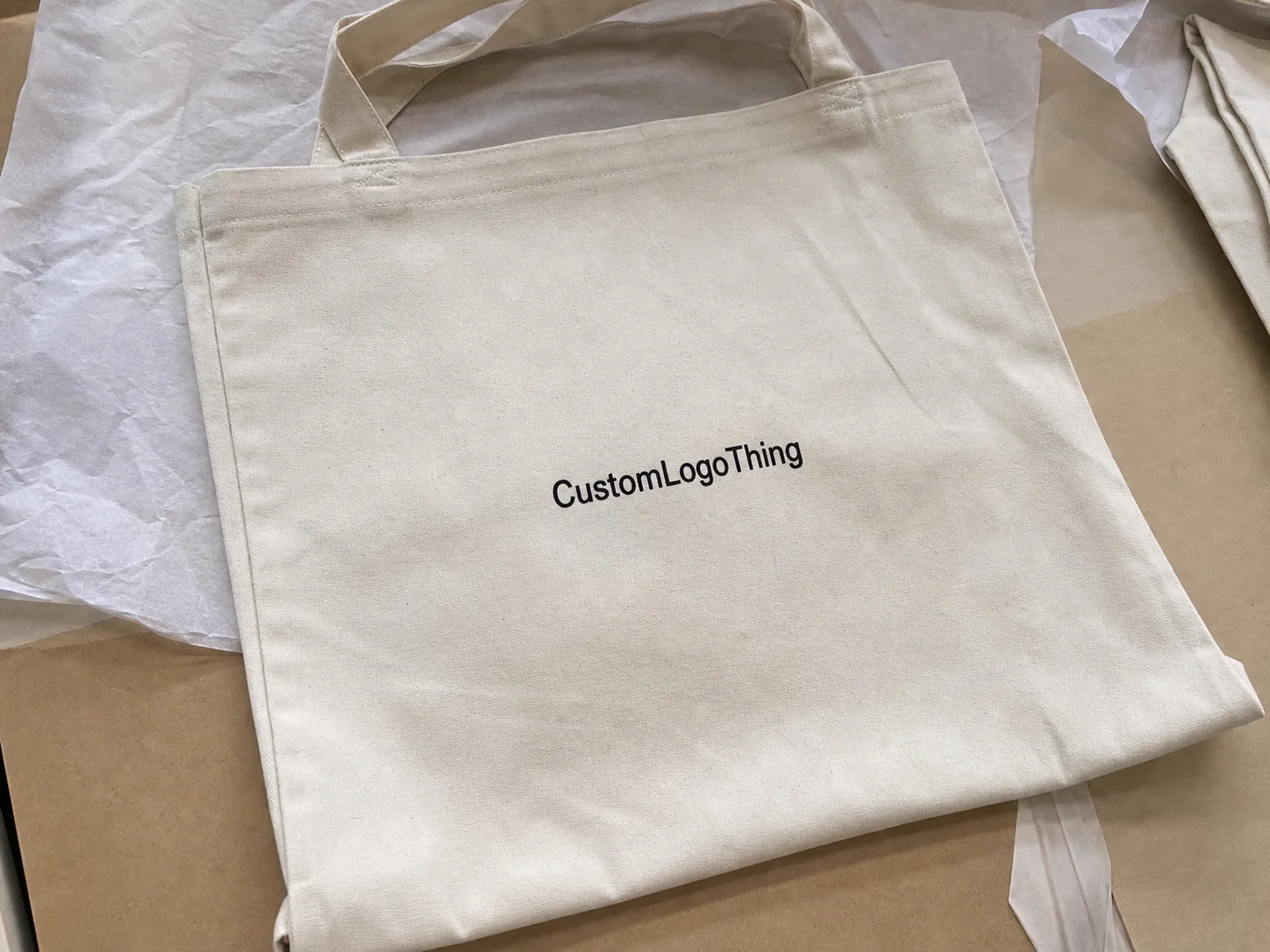
The first requirement is simple: hold the contents. The harder part is visual balance. Bridesmaid bags should feel special enough for the occasion without becoming so wedding-specific that nobody wants to carry them afterward. That balance affects the artwork, color choice, size, and handle style.
For many bridal-party orders, the tote replaces a decorative box because it is easier to stack, easier to distribute, and usually cheaper to ship. Boxes look tidy on a table, but they take more freight space and often need more protective packing. A tote folds flatter, nests better, and leaves less dead space in cartons.
There is also a practical etiquette point. A reusable tote feels less disposable than a one-time presentation box. That matters if the goal is a gift that will actually be used again. The strongest orders are usually the ones where the tote looks like a useful carryall first and a wedding item second.
That is easy to miss when reviewing mockups. A soft blush bag may photograph beautifully, but if the material is too thin or the handles are too short, the product fails in use. A plain, well-built tote often outperforms a more elaborate one because the structure does the work. Function protects the brand impression.
How the Bag Is Made: Materials, Print, and Finishing
Material choice drives cost, appearance, and durability. For custom bridesmaid tote bags, the most common options are clear PVC, non-woven polypropylene, laminated non-woven, and woven polypropylene. Canvas-style cotton is also used, but it usually sits in a higher price bracket and may need more care in printing and finishing.
Clear PVC gives a structured, modern look and wipes clean easily. It works well when the contents are part of the presentation. The tradeoff is scratch risk and a less natural feel. Basic non-woven polypropylene is lighter and cheaper, which helps for large orders or flat shipping. Laminated non-woven improves print clarity and makes the surface easier to wipe down. Woven polypropylene is the stronger choice when the tote needs to carry more weight or survive repeated use.
Printing method matters just as much as the base material. Screen print is efficient for simple logos, bold text, and one- or two-color artwork. Heat transfer handles finer detail and more complex graphics, though it can feel more applied if the design is dense or oversized. Digital printing can reproduce more color variation, but the result depends on the bag surface and the run size. Patches, woven labels, and sewn-on tags can create a more finished look when direct printing would appear too flat.
Construction details separate the useful bags from the awkward ones. Handle length determines whether the tote sits comfortably on the shoulder or just dangles at the side. Gussets add usable volume. A reinforced bottom keeps the bag upright, which helps when it is being packed with smaller items or displayed before distribution. Seam quality is not visible in a mockup, yet it is one of the first things that fails when the bag is overloaded.
Request the finished size, handle length, logo placement, and closure style in writing before production starts. If the artwork depends on a specific PMS color, say so early. Color matching on coated or textured surfaces is never identical to a screen render, so a proof should account for that.
For buyers comparing packaging formats more broadly, the same logic applies across retail packaging and printed presentation boxes: the material, print method, and finishing all have to work together. A sample that behaves badly in production is not a win.
For general packaging terminology and handling standards, the Packaging Machinery Manufacturers Institute is a useful reference point. It is not a tote-buying manual, but it helps anchor the conversation in how packaging is specified, handled, and transported.
Specs That Decide Whether Guests Actually Reuse It
Size is the first spec that decides whether the tote gets reused. Too small, and it cannot do the job. Too large, and you are paying for extra material and freight that the contents never needed. For a typical bridal kit, a medium tote usually hits the sweet spot: enough room for robes, cosmetics, a small bottle, and a few extras without becoming unwieldy.
Structure has a bigger effect on reuse than most buyers expect. A bag that stands on its own feels more deliberate and is easier to pack. A floppy bag tends to get folded, stuffed, and forgotten. Clean seams, a reinforced base, and enough stiffness to keep the sides from caving in all make the tote feel like a utility item instead of event decor.
Artwork placement shapes how the bag functions after the wedding. A logo that reads clearly from a distance can be good for the event, but if the design covers too much surface area, the tote becomes harder to reuse. A single focal graphic and one readable line of type is often enough. More decoration rarely improves the bag.
Color contrast deserves more attention than it gets. Pale ink on a pale bag can look elegant in a mockup and disappear in daylight. Dark graphics on dark material can do the same. Simple layouts print more cleanly and tend to look less tied to one occasion. That matters because a tote that can be carried after the wedding has more value than one that only works for the ceremony weekend.
A quick reuse test helps cut through the noise:
- Would someone carry it again without feeling over-styled?
- Does the surface clean easily enough for normal use?
- Can it hold weight without stretching at the handles or base?
- Does the artwork still make sense outside the wedding context?
If the answer is yes to all four, the bag is probably worth producing. If not, it may still look nice, but the long-term value is weak.
Process and Timeline: Proof to Delivery Without Drama
The production process is straightforward when the brief is clear. Start with artwork, final quantity, material choice, and size. Then confirm the proof. After approval comes production, packing, and shipping. The order only gets messy when one of those pieces changes late.
Artwork revisions are the most common source of delay. Color matching is the second. Quantity changes, especially close to a wedding date, can derail the schedule faster than buyers expect. Someone adds a bridesmaid, a family member wants a matching gift bag, or the planner decides the first count was too low. A small change can alter carton counts, freight, and packing labor.
Lead time depends on material, print method, order size, and how fast the proof is approved. Standard runs with simple artwork usually move faster than full-color, multi-location designs. A modest order of a few dozen bags is one thing. A several-hundred-piece run with special finishing is another. The factory timeline is only part of the picture. Shipping time needs its own buffer, especially if the bags are going to multiple addresses or being packed with other gift items.
Freight is often underestimated because tote bags are light individually. Bulk orders still create volume. A thicker material, gusseted construction, or pre-packed kit all increase carton size and can push shipping costs higher than expected. Flat-packing helps. So does keeping the design efficient. The cheapest quote on paper is not always the cheapest order after cartons and transit are added.
For shipments that need to survive rough handling, standards from ISTA are worth understanding. The principle is simple: if the product has to endure packing, transport, and handoff, it should be designed with that route in mind.
Cost, Pricing, MOQ, and What Drives the Quote
Pricing is driven by quantity, material, print complexity, finishing, and lead time. Quantity usually has the biggest effect. Once setup costs are spread across more units, the per-bag price falls. That is why a 100-piece run and a 1,000-piece run can have very different economics even if the tote looks identical.
MOQ, or minimum order quantity, is the smallest run a supplier will produce at a reasonable cost. Lower MOQs usually carry a higher unit price because the setup burden is spread across fewer bags. That is normal. Buyers sometimes interpret it as a markup, but the math is usually straightforward.
Typical unit pricing varies widely, but rough working ranges help set expectations. Basic non-woven bags may land around $0.60 to $1.80 per unit. Laminated non-woven bags often sit around $0.95 to $2.40. Woven polypropylene may fall around $1.10 to $2.90. Clear PVC and more structured presentation styles can move higher, often around $1.20 to $3.50 depending on size, print, and finishing. These are not fixed quotes. They are useful brackets for comparison.
Extras can shift a quote quickly. Sampling charges, rush fees, oversized cartons, split shipments, special handles, gussets, custom labels, and double-sided printing all add cost. A price that looks attractive at first glance can turn expensive once those line items appear. Compare the landed cost, not just the unit price. That means production, packing, freight, and handling.
There is a simple rule that keeps buyers out of trouble: ask what is being given up to reach the lower price. Weak seams, fuzzy print, short handles, or poor color consistency are not savings. They are defects with a low initial bill.
| Order Factor | Lower-Cost Choice | Higher-Cost Choice | Typical Impact |
|---|---|---|---|
| Quantity | Small run | Large run | Biggest effect on unit price |
| One-color logo | Full-color artwork on both sides | Raises setup and print cost | |
| Material | Basic non-woven | Laminate, PVC, or woven polypropylene | Changes durability and finish quality |
| Lead time | Standard schedule | Rush production | Rush fees can be material |
Common Ordering Mistakes That Waste Budget
The most common mistake is designing around the color palette instead of the contents. A blush or sage tote may look elegant in the proof, but if it cannot hold the robe bundle and gift set without strain, the visual win is fake. Size first. Appearance second.
Freight gets ignored a lot. A tote that folds flat is easier to ship than one that arrives pre-shaped or heavily structured. Bulky items increase carton dimensions, and carton dimensions affect shipping cost. Buyers often compare price per unit and miss the logistics cost that comes later.
Over-personalization is another trap. Names, dates, and event-specific jokes can make the bag feel intimate, but too much detail narrows reuse. If every tote screams one wedding and one wedding only, it stops being a carryall and becomes a souvenir. A subtle design mark usually works better over time.
Skipping proof review is expensive. A proof is where you catch logo scaling issues, weak contrast, off-center placement, spelling mistakes, and handle or size problems. A blank sample or printed sample can feel like extra spend, but the price of a reprint is usually worse.
Ordering too late is the last classic error. Weddings do not move because a supplier is busy. If the schedule slips, the buyer absorbs the rush fees or changes the plan. Build time for proofing, production, and shipping separately.
If sustainability is part of the brief, ask about material sourcing, recycled content, and whether any components carry recognized certifications. FSC matters for paper-based packaging pieces, but the broader point is the same: responsible sourcing has to be checked, not assumed.
Expert Tips and Next Steps for a Smarter Order
Start with the actual contents. Lay out the robe, pouch, bottle, charger, and extras before deciding on the bag. Build around the heaviest item first. That approach sounds basic because it is, but it prevents most sizing mistakes.
If the budget allows, ask for both a blank sample and a printed sample. The blank sample tells you about feel, structure, and handle comfort. The printed one shows how the artwork behaves on the real surface. Those are different tests. One sample rarely answers both questions.
Keep the design simple and controlled. A single focal graphic, one readable typeface, and one color family usually outperform a design crowded with decorative details. Simpler artwork is easier to approve, more likely to print cleanly, and more likely to be reused after the event.
Order a small buffer. Ten to fifteen percent extra is a practical margin for late additions, shipping damage, or guest list changes. That is cheaper than placing a second order under pressure. Extra bags are not waste if the event is still fluid.
Before final approval, verify the pieces that actually affect the outcome:
- Artwork file and print method
- Final quantity with a small buffer
- Proof timing and revision window
- Production lead time
- Ship date and delivery method
Those are not glamorous questions, but they are the ones that keep an order on schedule. The best custom bridesmaid tote bags are the ones that look polished, hold up under real use, and still feel appropriate once the wedding weekend is over.
How many custom bridesmaid tote bags should I order for a bridal party?
Order one tote for each bridesmaid and anyone else receiving a gift kit. Add a small buffer if the guest list is still changing or if replacements may be needed.
What size works best for custom bridesmaid tote bags?
A medium tote usually works for robes, cosmetics, a water bottle, and small gifts. If the bags need to handle overnight items, choose a larger size and test the handle length under load.
How long do custom bridesmaid tote bags usually take to produce?
Timing depends on material, print method, quantity, and proof approval. Simple orders move faster. Complex artwork, special finishes, and rush delivery add time quickly, so shipping should be planned separately from production.
What affects the price of custom bridesmaid tote bags the most?
Quantity has the biggest impact on unit cost, followed by material and print complexity. Setup, sampling, rush fees, and freight can change the final landed cost more than buyers expect.
Can custom bridesmaid tote bags be reused after the wedding?
Yes, if the tote is sturdy, easy to clean, and designed with a simple enough graphic to work outside the wedding context. The strongest reuse comes from a bag that feels like a practical carryall first.


