Custom Calendar Stickers solve a very specific problem: they make planning faster to read without forcing anyone to rebuild the calendar itself. One sheet can mark launches, holidays, appointments, shipping dates, reminders, and recurring tasks while keeping the page clean and usable.
That matters because a good planning system is not measured by how decorative it looks in a mockup. It is measured by whether the stickers peel cleanly, stay legible after handling, and fit the actual grid people use every day. A small, well-made marker often does more useful work than a large, complicated label that gets in the way.
For brands, offices, and stationery buyers, these stickers can also carry a visual identity in a practical format. They can echo the color system used in package branding, match branded packaging, or sit alongside product packaging and retail packaging materials without feeling out of place. The best versions do their job quietly and consistently.
What Custom Calendar Stickers Are And Why They Work
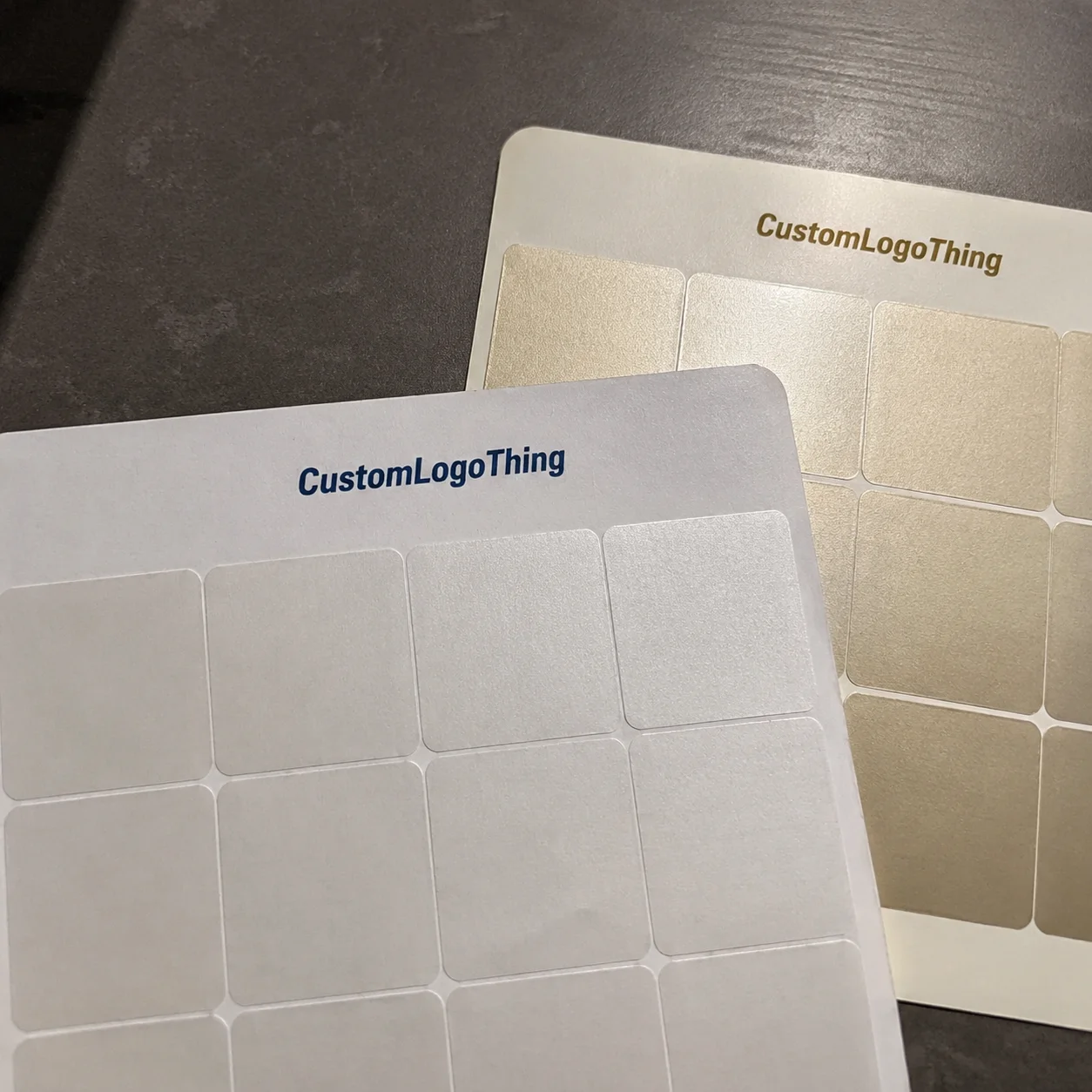
Custom calendar stickers are adhesive pieces designed for planners, desk calendars, wall calendars, and scheduling inserts. They are usually produced as sheets with kiss-cut shapes, which means the sticker lifts off cleanly while the backing stays intact. That format works well for icons, date dots, monthly labels, task markers, and small reminders that need to be stored in sets.
The format works because the eye reads visual cues faster than text. A colored dot for payroll, a star for a launch, or a small icon for a recurring event tells the user a lot at a glance. That becomes especially useful when more than one person uses the same calendar, or when a team needs to scan dates quickly without reading every note twice.
There is also a practical branding benefit. A planner or calendar kit can reinforce a visual system without becoming promotional in a heavy-handed way. When the sticker colors, typography, and finish align with other printed pieces, the whole set feels more considered. That is one reason packaging design thinking matters even for calendar accessories.
Common formats include:
- Small kiss-cut icons for recurring tasks
- Date dots and number labels for monthly grids
- Sheeted sets organized by category or color
- Personalized labels for events, deadlines, and launches
The real question is not whether the design looks attractive on screen. It is whether the sticker behaves properly on the calendar surface, stays readable under normal lighting, and fits the planning habit already in use. If the answer is no, the design is too clever for its own good.
The best calendar sticker systems are the ones people reach for without hesitation. If peeling, placing, or reading the sticker takes extra effort, the design is already fighting the workflow.
How The Printing And Finishing Process Works
The production process usually starts with artwork setup, where dimensions, bleed, safe zones, and cut lines are checked before anything goes to print. After that comes printing, then kiss-cutting or die-cutting, followed by trimming, sheet stacking, and packing. For custom calendar stickers, that setup stage has more influence than many buyers expect, because tiny type and compact icons can lose clarity if the file is not built carefully.
Digital printing is the common choice for shorter runs and projects with multiple versions. It handles variable artwork well, which is helpful when a buyer wants different icons, seasonal sets, or several colorways on the same order. Larger runs can make sense too, but the real cost depends on ink coverage, sheet size, finishing method, and the number of unique layouts in the job.
Cut style matters just as much as print quality. A kiss-cut lets the sticker lift from the sheet without cutting through the backing, which is ideal for planner pockets, desk drawers, and retail kits. Full die-cut pieces have a more distinct feel, but they are less convenient when the user needs to keep many small pieces organized together.
Proofing is where problems are usually caught early. Tiny numbers, narrow icons, and fine type can blur or crowd once they are reduced to calendar size. A proof at actual size is worth requesting every time the layout includes multiple categories or dense monthly boxes. Handling also deserves attention, and industry guidance from organizations such as the ISTA is a useful reminder that shipping, stacking, and storage are part of print performance, not afterthoughts.
Sheet format is typically chosen around how the stickers will be used. Office buyers may want evenly arranged sheets for team distribution. Retail stationery packs may need tidy presentation and hang-ready packing. Personal planning kits may need smaller Sheets That Fit into binder pockets or planner sleeves. The artwork can stay the same while the physical format changes around it.
| Format | Best For | Typical Strength | Tradeoff |
|---|---|---|---|
| Kiss-cut sheets | Planners, kits, office use | Easy peel and storage | Needs careful cut-line setup |
| Die-cut singles | Premium inserts, giveaways | Distinct shape and feel | Harder to keep organized |
| Multi-design sheets | Color-coded systems | Better content density | More proofing complexity |
Material, Adhesive, And Finish Choices
Paper and film are the two most common stock families. Paper is usually the lower-cost choice for indoor calendar use, especially when the stickers are decorative or lightly functional. Film, often polypropylene or a similar synthetic stock depending on the supplier, offers better durability, better moisture resistance, and a cleaner feel during repeated handling. If the stickers will be moved around often, film usually holds up better.
Adhesive strength deserves the same level of attention. Removable adhesive is useful when a sticker may need to be repositioned on a planner page or wall calendar. Repositionable adhesive suits users who like to adjust plans as they go. Permanent adhesive makes sense when the sticker should stay fixed once applied, but it is not always the best choice for paper planners or coated calendar pages.
Finish changes both appearance and usability. Matte reduces glare and makes printed text easier to read under office lighting. Gloss gives color more punch, though it can reflect light and make small labels slightly harder to scan. Soft-touch creates a premium feel, but it is not always ideal when the surface needs to be written on regularly.
Writeability is one of the details buyers often overlook until proofing. If the user needs to add notes with pen, pencil, or marker, the surface has to cooperate. Some coated stocks resist smudging better than others, and some inks need extra drying time. That matters in work settings where people write quickly between meetings and do not want ink transfer on the next page.
Size affects usability too. Calendar stickers that are too small can be hard to peel cleanly, while oversized ones can crowd the grid and cover surrounding dates. A good rule is to match the footprint to the calendar box and leave enough margin for quick placement. It also helps to test the sticker on the exact paper or coating used in the calendar itself, because paper-to-paper performance is rarely identical.
For buyers with sustainability requirements, FSC-certified paper can be a useful request if the supplier sources it. The FSC system helps clarify paper sourcing standards without guessing at chain of custody or recycled content claims.
Custom Calendar Stickers Cost, MOQ, And Quote Factors
Pricing for custom calendar stickers usually comes down to size, quantity, number of designs, stock choice, finish, and cut complexity. A sheet with several artwork variations can be efficient if the layout is planned well, because more utility gets packed into the same print setup. Once the cut detail gets finer or the ink coverage heavier, the cost rises accordingly.
For a practical buying frame, simple sheeted orders at moderate quantities might land around $0.18-$0.40 per sheet depending on size, material, and print coverage. Premium stock, specialty finishes, or intricate cut work can move that higher. That is not a quote, just a realistic range to keep expectations grounded while comparing options.
Minimum order quantity matters too. A low MOQ often raises unit cost because setup expenses are spread across fewer sheets. Multi-design sheets can help, since they allow more value on each printed sheet instead of requiring separate minimums for several tiny runs. That is one reason sheet planning is often more economical than it first appears.
A useful quote request should include:
- Sticker size and sheet size
- Estimated quantity
- Number of designs or SKUs
- Material preference: paper or film
- Finish preference: matte, gloss, or soft-touch
- Cut style: kiss-cut or die-cut
- Whether the stickers must be writable or removable
- Packaging needs, such as individual bagging or label wrap
Hidden pricing variables are usually about labor rather than print alone. Proof revisions add time. Individual packing adds handling. Special labeling, barcode application, or retail-ready presentation can also move the quote. A fair comparison between suppliers starts with the same spec sheet, not with the lowest headline price.
For projects that need matching labels, planner inserts, or related printed pieces, it can help to review Custom Labels & Tags or broader Custom Packaging Products so the visual system stays consistent across formats.
Production Steps And Turnaround Expectations
The usual timeline begins with files and ends with packed boxes ready to ship. After artwork submission, the supplier checks dimensions, bleed, and cut paths, then sends a proof. Once the proof is approved, the job moves into print production, finishing, inspection, and packing. For straightforward sheet orders, a production window of roughly 12-15 business days from proof approval is common, though workload and spec details can move that in either direction.
Speed depends heavily on file quality. Clean vector art, correct sizing, and clear cut lines shorten the process. Missing bleed, low-resolution icons, or late color changes slow it down more than the actual printing does. A buyer working toward a launch date should plan backward and leave room for proof roundtrips, because that is usually where schedules slip.
Most delays are predictable. Artwork that sits too close to the cut line needs to be corrected. Confusing icon placement can trigger a new proof. Late changes to dates, holidays, or layout spacing can add several days. If the order supports a seasonal campaign, office rollout, or retail kit, that buffer matters more than it would for a casual reprint.
Packaging choices also influence turnaround. Bulk-packed sheets move faster than individually wrapped sets. Retail-ready packs, hang tabs, barcode labels, and mixed-SKU sorting all add handling time. None of those options are wrong; they simply need to be built into the schedule from the start.
It helps to think of the order as a supply-chain decision, not just a design task. Once the artwork is approved, the timeline still includes finishing, packing, freight, and receiving. If the stickers support a launch tied to a specific date, the safest move is to place the order with enough margin that one delay does not disrupt the whole plan.
Common Layout And File Mistakes To Avoid
One of the easiest mistakes is making the stickers too small to handle. Tiny shapes may look neat in a mockup, but in practice they need enough border to peel cleanly and enough face area to stay readable once placed in a date box. If the user has to pinch at the edge with fingernails, the design is too tight.
Bleed and safe-zone issues are another common trap. Anything near the cut line needs breathing room, especially small text and small icons. If a number sits too close to the edge, trimming can make it look uneven or clip it entirely. That applies whether the sticker is decorative, functional, or part of a branded packaging system.
Color coding can help, but only if the logic stays consistent. If red means deadlines on one sheet and launches on another, users slow down every time they switch sets. A simpler system with clear category rules is better than a more creative one that forces people to decode the meaning each time.
Typography deserves more care than people often give it. Thin script fonts, narrow sans-serifs, and heavy decorative styles can all become hard to read at calendar scale. A font that looks polished in a presentation file may turn muddy once printed at 6 mm or 8 mm wide. For calendar work, clarity usually wins.
Surface testing is the last big failure point. Adhesive that behaves well on matte paper can act differently on coated planner pages or glossy wall calendars. If the stickers are intended for a specific surface, test that surface before the full run. It is a small step, but it prevents a lot of frustration after delivery.
- Keep icons simple enough to read at a glance
- Leave enough border for easy peeling
- Use a controlled color system
- Proof at actual size whenever possible
- Test on the real calendar surface before production
Expert Tips For Better Planning Performance
Good sticker systems are built around how people actually plan. Weekly planning, recurring reminders, and high-frequency events should be the easiest to spot. If the design is for a business, the most common operational dates should usually get the strongest color or the most visible icon, not the rare event that only appears once in a quarter.
Keep the palette tight. Three to six colors is often enough for a clear system, and it keeps the calendar from becoming visual noise. A controlled palette can separate promotions, internal deadlines, shipping windows, holidays, and personal reminders without needing a long legend. That is especially useful in product packaging and retail packaging environments where teams already handle a lot of visual information.
Ask for a proof at actual size. That sounds obvious, but scale changes everything. What looks crisp on a screen may disappear once it is reduced to fit a planner box. A real-size proof gives a much better read on spacing, readability, and peelability before anything goes to press.
Think about storage too. Sheets that fit into planner sleeves, file folders, desk drawers, or retail hang tabs are easier to use and easier to keep in circulation. If a team cannot find the sheets quickly, they stop using them. That is true in offices, schools, and stationery kits alike.
A practical checklist before ordering:
- Define the exact use case.
- Match sticker size to the calendar grid.
- Choose stock based on handling and writing needs.
- Confirm cut style and sheet format.
- Review a proof at actual size.
- Verify packaging and shipping timing against your launch date.
For brands building a broader planning or packaging system, it helps to treat these stickers the way you would treat an insert or label set: part function, part identity, part production planning. The better the system fits the habit, the more often it gets used.
Next Steps For Ordering The Right Set
The cleanest path is straightforward: define how the stickers will be used, choose material and finish, confirm the size and cut style, then request a proof before production. That sequence saves time and makes the quote conversation much more useful. It also gives the supplier enough detail to recommend a realistic build instead of guessing.
Before sending artwork, gather the basics: dimensions, quantity, surface type, writable or not, removable or permanent, and whether the order needs special packing. If you already know the target calendar format, share that too. A sheet built for a monthly wall calendar is not automatically right for a pocket planner.
If you are comparing two or three options, use the same artwork and request the same size across each material. That makes the differences in clarity, feel, and adhesion much easier to judge. A price-only comparison rarely tells the full story, because the lower quote may leave out finishing or proofing details that matter later.
From there, the decision becomes more practical. The right set is the one that balances durability, flexibility, and visual clarity while fitting the actual workflow. That is the value of custom calendar stickers: not decoration for its own sake, but a planning tool that makes a monthly grid easier to use, easier to trust, and easier to keep consistent.
What are custom calendar stickers used for in planning systems?
They mark recurring events, deadlines, launches, holidays, and reminders on calendars or planners. They also help users scan schedules faster by color-coding tasks and categories, and they can support branded planning kits, office organization, and retail stationery sets.
What size should custom calendar stickers be?
The right size should match the calendar grid or planner box they will sit in. They need to be small enough to fit cleanly, but large enough to peel and read without strain, which is why an actual layout proof is the safest way to confirm the final size.
Which material is better for custom calendar stickers: paper or film?
Paper is often the more economical choice for indoor planning and decorative use. Film is better when durability, moisture resistance, or frequent handling matters, so the best option depends on the surface type, writing needs, and budget.
How long does it take to produce custom calendar stickers?
Turnaround depends on proof approval speed, artwork readiness, and order complexity. Simple sheeted orders usually move faster than jobs with multiple designs or special packaging, and shipping time should always be added to production time when planning delivery.
What should I include when requesting a quote for custom calendar stickers?
Include size, quantity, sheet format, material preference, finish, and cut style. It also helps to share artwork files, note whether the stickers need to be writable or removable, and mention your deadline so the supplier can recommend the most realistic production path.

