Custom canvas grocery bags seem straightforward until the order moves from mockup to production. At that point, the real variables show up: fabric weight, handle construction, stitching, print method, and how well the artwork fits the material. Those details decide whether the bag feels dependable after repeated grocery runs or fails early under load.
That is why buyers should treat the tote as working packaging, not a throwaway promo item. A good bag travels through checkout lines, car trunks, kitchens, and office break rooms. It creates repeated brand exposure and reduces replacement frequency. A weak bag does the opposite every time a seam twists, a handle stretches, or the print wears unevenly.
The best orders are built around usage, not decoration. Can the bag carry canned goods without strain? Does it stand up in a cart? Will the logo still read cleanly after folding and reuse? Those are the questions that matter before you approve a quote.
Why Custom Canvas Grocery Bags Outperform Disposables
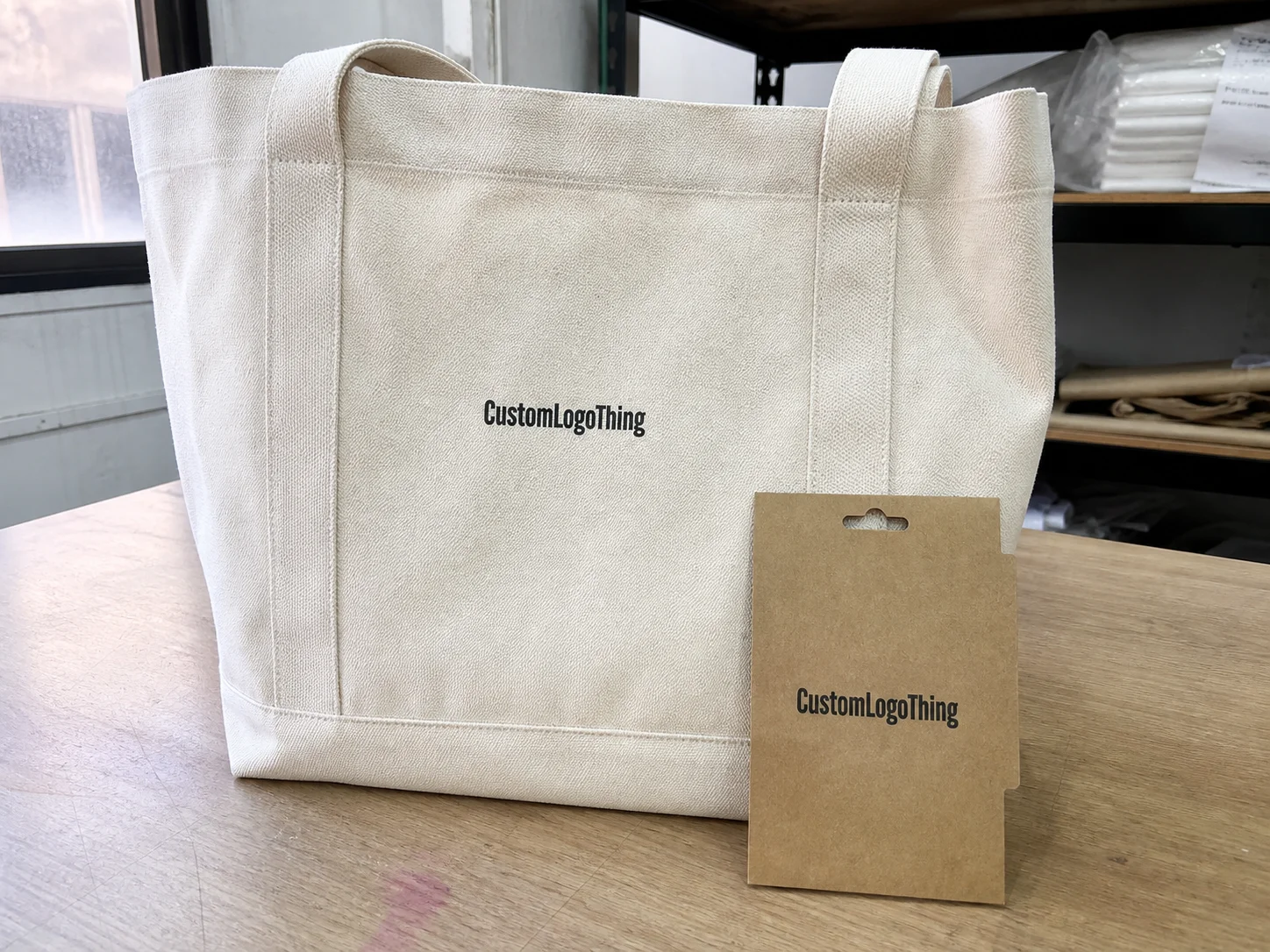
Paper and thin plastic bags are single-use by design. Canvas spreads its cost across many trips, which changes the value equation quickly for retailers, co-ops, and consumer brands. A higher unit price can still be easier to justify if the bag stays in rotation and continues to look acceptable over time.
There is also a practical brand benefit. Grocery bags move through real life, not controlled displays. They appear at checkout, in the trunk, on the kitchen counter, and in shared spaces. That repeated visibility makes the tote work like a small mobile billboard, but only if the construction is good enough that people keep using it.
If the bag is part of a broader packaging program, it should match the same visual standards as other branded items. The logo scale, typography, and color palette do not need to be identical to custom printed boxes, but they should feel related. When the tote looks disconnected from the rest of the package system, it reads like an afterthought.
A grocery tote earns its keep only if it still looks respectable after the first few hard uses.
What Actually Drives Quality
Canvas weight is the first spec buyers notice, but it is only one part of the build. Lighter canvas can work for low-load events or simple promotions. Midweight and heavier canvas provide more structure, better shape retention, and a more premium feel. The tradeoff is cost and stiffness, so the right choice depends on the expected load.
For grocery use, match the spec to the heaviest realistic carry. If the bag will hold produce, boxed goods, and canned items, look for reinforced seams, a gusset that keeps the bag open, and handle attachment that can handle repeated stress. A handle failure is usually a construction issue, not just a material issue.
Handle length matters more than many buyers expect. Short handles can look tidy in artwork, but longer handles are more forgiving when the bag is full and allow shoulder carry. Stitch placement, seam allowance, and edge finishing also matter because they affect how the bag sits under load and how long it stays straight in use.
Print method changes both appearance and durability. Screen printing is usually the most practical choice for simple logos and repeat production because it controls cost and holds up well. Heat transfer can support more detailed artwork, while embroidery adds texture and a premium feel, though it is not ideal for large filled areas or small type.
Artwork density matters too. A restrained logo with controlled ink coverage usually ages better than a crowded design. Heavy coverage can flatten the natural texture of canvas and may crack or wear unevenly if production is rushed. In many cases, a simpler layout prints cleaner and lasts longer.
| Build | Typical Use | Quality Signal | Main Tradeoff |
|---|---|---|---|
| Light canvas, one-color print | Promotions, event handouts, low-load grocery use | Low setup complexity | Lower cost, less structure |
| Midweight canvas, reinforced handles | Everyday grocery carry, loyalty gifts, retail resale | Better load stability | Moderate cost, firmer hand |
| Heavier canvas, multi-color print | Premium merchandising, long-life branding, resale programs | More durable look and feel | Higher unit cost and longer setup |
The more weight the bag must carry, the less forgiving the construction becomes. A strong bag with a plain print usually performs better than a visually busy bag that cannot survive normal use.
Production Process and Timeline
Most orders follow the same sequence: quote, artwork review, proof approval, production, packing, and shipping. The sequence is predictable. The common failure points are not. Delayed approvals, missing dimensions, and low-resolution artwork are the usual reasons a project slips before production starts.
For custom canvas grocery bags, lead time depends on quantity, fabric availability, print complexity, and how quickly the buyer signs off on the proof. A one-color tote from stock material usually moves faster than a multi-location design that needs more setup and tighter inspection. Hangtags, custom carton marks, and special folding instructions add time as well.
A reliable workflow is simple: define the use case and delivery date, confirm size and construction, send vector artwork and exact color references, review the proof for dimensions and placement, and approve production only after internal sign-off. That sequence prevents late changes from forcing rework or delaying shipment.
Shipping should be part of the production conversation, not an afterthought. Ask how the bags will be packed, whether cartons were tested for transit, and how master cases are labeled. If the order moves through distribution centers or multiple stores, carton configuration matters as much as the bag itself. If non-textile inserts are included, FSC-certified paper is a reasonable request. For rough transport, transit testing standards such as ISTA are worth discussing early.
Pricing: What Changes the Number
Custom canvas grocery bags are priced by a small set of variables: size, fabric weight, print colors, artwork coverage, quantity, packaging, and freight. A standard one-color tote in a stock shade is a different job from a heavyweight bag with two print locations, folded inserts, and retail-ready labeling.
Setup fees matter, especially on smaller orders. Screen setup, artwork adjustments, and print registration take time, so fixed costs spread better as quantity rises. That is why unit price usually improves at higher volumes. In some cases, ordering slightly more bags lowers the average cost enough to justify the extra inventory.
A realistic budget pattern is straightforward: a simple bag with one-color printing sits at the lower end of the range at volume; a heavier bag with more elaborate artwork, reinforced construction, or special packaging moves higher. Freight, destination, and print complexity can move the total materially, so buyers should compare landed cost rather than unit price alone.
Hidden cost drivers are common. Polybagging, custom folding, hangtags, carton labels, split shipments, and special receiving instructions all add labor. These details do not look dramatic on the spec sheet, but they change the invoice and can affect warehouse handling later.
The cheapest quote is not the cheapest order if the bags need rework, replacement, or a second shipment. A low price only helps if the bag still performs its job and arrives in usable condition.
How to Spec the Order
The cleanest orders start with a complete brief. If the supplier has to guess at size or handle length, the quote will be built on assumptions and revisions will follow. A proper brief for custom canvas grocery bags should include dimensions, canvas weight, handle style, handle drop, color, print colors, imprint location, quantity, destination, and target ship date.
Vector art matters. A logo pulled from a website screenshot or a low-resolution slide will create problems in proofing and usually in print. If brand color accuracy matters, include Pantone references or another specific standard. “Close enough” is where projects drift.
For production review, ask for three checkpoints: proof, sample or reference, and final carton confirmation. The proof checks dimensions and artwork. The sample tells you whether the fabric, stitching, and print feel right in hand. The carton confirmation matters because a good bag can still become a logistics problem if the pack count or labeling is wrong.
Also define the role of the bag before you request pricing. A gift bag can be simpler. A loyalty reward may need a better finish. A retail SKU needs to behave like merchandise and usually deserves a stronger spec. The bag class is the same, but the job is not.
If the tote is part of a broader branded system, keep the print standard consistent across the package set. That kind of alignment matters more than many teams expect because it makes the program feel intentional instead of assembled piece by piece.
Mistakes That Cause Bad Results
The most common mistake is vague specification language. “Standard tote” and “regular size” are not useful directions because those terms vary by supplier. If the bag needs to fit a specific cart layout, carry a defined load, or sit beside other branded packaging, the dimensions need to be exact.
Another frequent error is choosing fabric weight based on a mockup. A clean rendering can make almost any tote appear sturdy. Real groceries are less forgiving. Milk, canned goods, and packaged produce stress handles and seams in ways a design file never reveals. If the intended load is heavy, the structure needs to be built for that reality.
Artwork changes after proof approval are the fastest way to waste time. Once print settings are locked, revisions can trigger rework. That risk rises with more complex art, more print locations, and tighter color requirements. Tiny type, reverse lettering, and layered graphics are especially vulnerable.
Overdesigned artwork causes its own problems. Dense coverage can obscure the canvas texture, fine details can fill in, and gradients may not reproduce cleanly. In many cases, a restrained mark with enough breathing room looks sharper on the finished bag than a crowded composition with too much happening at once.
Freight changes are easy to overlook until they create a bill. Multiple ship-to locations, schedule shifts, and split pallets can all add cost. If the order is tied to a launch date, lock the delivery plan early and confirm who is receiving what.
Building a Quote-Ready Brief
If you want an accurate number quickly, send a brief that answers the supplier’s practical questions before they ask them. For custom canvas grocery bags, that means size, fabric weight, handle length, print method, print colors, quantity, target date, shipping destination, and any packaging requirements. If the order needs to fit a resale program or retail launch, say so.
Include artwork in vector format and, if possible, a reference image showing where the logo should sit on the bag. Good reference files save time. So do color references. If your brand standards are strict, state that up front. If the print can tolerate slight variation, say that too. Silence is usually interpreted as flexibility.
Ask for a line-item quote that separates unit cost, setup, packaging, and freight. That is more useful than a single blended number because it shows where the money actually goes. It also makes comparison easier if you are evaluating multiple suppliers or adjusting the specification after the first pricing round.
Request carton counts and pack configuration before you approve the order. Receiving teams need that information, and so do warehouse staff and store operations. If the bags will be distributed to multiple locations, the pack-out should be clear enough that the shipment can be processed without extra calls.
Ask for samples or a production reference when the order is visually important. A sample reveals things a quote cannot: how the fabric feels, how the handles sit, how the stitching looks, and whether the print has the right balance. If the sample is off, it is better to catch that before the full run.
The best orders are the ones built with enough detail to avoid guesswork and enough restraint to stay within the limits of the material. That combination produces a tote that can handle groceries, carry the brand, and hold up long enough to justify the spend.
FAQ
How many custom canvas grocery bags should I order for a store promotion?
Base the quantity on store count, foot traffic, and whether the bags will be sold, gifted, or bundled with a purchase. If you are close to a pricing break, ask for the next quantity tier. In many programs, a slightly larger run lowers the unit cost enough to justify the extra inventory.
What canvas weight is best for grocery use?
For light promotional use, a lighter fabric may be enough. For recurring grocery carry, midweight canvas is usually a safer starting point, and heavier canvas is better if the bag will see canned goods or frequent full loads. Handle attachment and seam reinforcement matter as much as fabric weight.
Which print method lasts longest on canvas grocery bags?
It depends on the artwork and how the bag will be used. Screen printing is often the most practical for simple logos and repeat runs. More detailed art may need another method, but durability and hand feel should be checked on a sample rather than assumed from a proof.
How long does production usually take?
Lead time depends on artwork approval, quantity, print complexity, fabric availability, and shipping requirements. Simple orders can move quickly once the proof is approved. More complex jobs usually need more time, especially if samples, special packing, or multiple approvals are involved.
What should I send to get an accurate quote?
Send the bag size, canvas weight preference, handle style, print colors, quantity, delivery date, and destination. Include vector artwork and any exact color references. The more complete the brief, the fewer assumptions the supplier has to make and the less likely the order is to drift later.
Are custom canvas grocery bags worth the higher cost compared with disposable bags?
Often, yes, if the bag is built for repeated use. A tote that stays in rotation creates more brand exposure per unit than a disposable bag that is thrown away immediately. The value depends on how well the bag is constructed and whether it matches the intended use.
For buyers who treat the bag as working brand media rather than a throwaway promo, the decision gets easier. Specify the structure clearly, inspect the proof carefully, and choose the build that fits actual shopping behavior. That is how custom canvas grocery bags become durable, legible, and worth ordering again.


