Why custom case foam inserts matter for fragile products
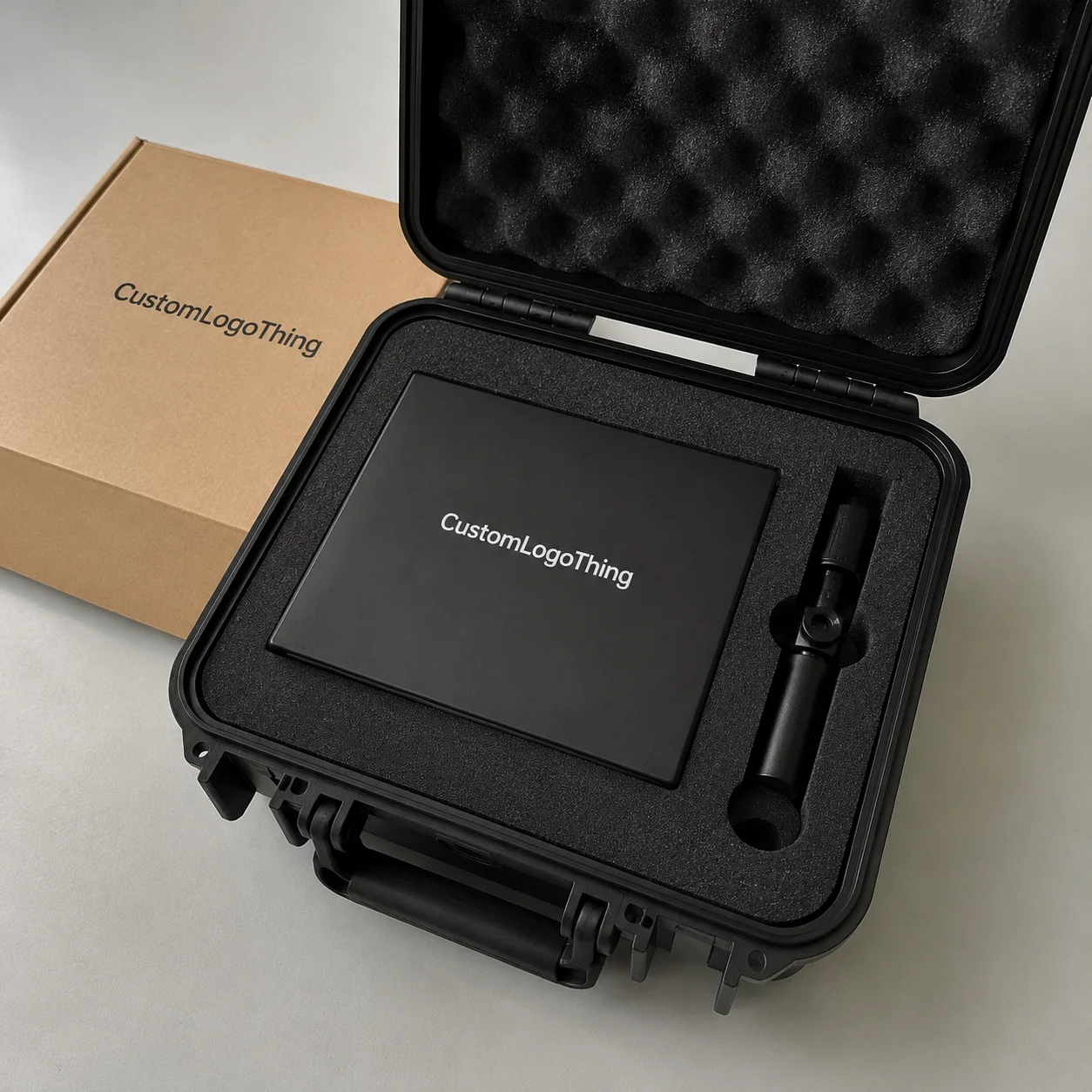
A hard case only does half the job. The shell can survive drops, stacking, and abrasion, but if the product inside has room to move, the impact still travels straight to the item. That is why custom case foam inserts matter so much: they control movement, absorb vibration, and keep each part where it belongs from packing bench to final unpacking.
The difference shows up fast. A precision tool kit that rattles feels cheap before it is even opened. A camera rig with a loose mount can arrive with scuffed finishes or bent hardware. A medical device packed too tightly can come out with pressure marks, while a loose fit can turn transit into a vibration test nobody asked for. Buyers who handle returns, service parts, or field kits see the same pattern over and over: the case is rarely the problem; the interior layout is.
Good foam design also helps the people packing and using the case. When every component has a defined cavity, pack-out is faster, inspection is easier, and missing parts are obvious at a glance. That matters for service teams, demo kits, and controlled inventory, where a tidy insert reduces counting errors and keeps accessories from floating around the case.
There is a visual side too. Clean cut lines, balanced spacing, and a product that sits level all improve the first impression. In customer-facing packaging, that presentation is not decoration. It is part of the product experience, and it can affect how the brand is judged before the item is even powered on.
The best projects start with a practical question rather than a style preference: what exactly needs to fit, how is the case used, and what level of protection does the product actually need? Once those answers are clear, the rest of the specification becomes much easier to solve.
How the insert design process works
The design process usually begins with dimensions, photos, and a realistic explanation of how the product will travel and be handled. For simple rectangular items, width, depth, and height may be enough. For irregular parts, protruding controls, or mixed kit layouts, CAD files or a physical sample are far more reliable. In practice, the more unusual the product, the more valuable that early detail becomes.
Tolerances matter more than many buyers expect. A device may measure perfectly on a drawing and still vary slightly across production batches, especially when housings, attachments, or accessories change by a few millimeters. If the cavity is designed too tightly around the nominal size, the insert may look correct on screen but fail in real packing. That is why designers often leave controlled clearance rather than tracing the exact outline with no margin at all.
Accessory planning deserves the same attention as the main product. Chargers, cables, probes, manuals, batteries, and mounts all need their own place, and each one affects the overall depth and wall thickness of the foam. Pull tabs, finger slots, and layered compartments are not extras added at the end. They determine whether the case feels effortless to use or awkward every time it is opened.
Cut style shapes both the finish and the economics. Die cutting is efficient for repeatable designs and higher volumes, especially when the layout is stable enough to justify tooling. CNC cutting is better for lower or mid-volume jobs with detailed shapes, irregular profiles, or frequent revisions, because it avoids hard tooling and handles complex geometry well. Laser cutting can produce fine detail in certain foam types, but it is not the right answer for every material or every finish standard. The choice depends on the foam, the tolerance, and how many units you need.
It also helps to decide early whether the foam is being used as the main protective system or as one layer inside a larger shipping setup. A reusable hard case with foam has different priorities from an insert inside a corrugated shipper. One needs repeated open-and-close durability. The other may care more about compression resistance, pallet efficiency, and lower unit cost.
A stronger quote request usually includes exact internal case dimensions, product weight, photos from multiple angles, a list of all accessories, the order quantity, and the intended use. If the case already exists, that information should be included too. Every missing detail adds another round of clarification later, and that almost always stretches lead time.
Materials, density, and cut style: the specs that change everything
The foam choice has a bigger effect on performance than the average quote sheet suggests. EVA is often selected for its clean edges, structured feel, and polished appearance in premium kits. PE foam is popular for durable inserts that need good recovery and stronger wear resistance. PU foam is softer and more compressible, which can be useful for lighter cushioning needs or products that benefit from a gentler cradle. For electronics and sensitive assemblies, anti-static or static-dissipative foam may also be required.
Density is one of those specs that looks abstract until the insert starts being used. Low-density foam may cut easily and lower the initial cost, but it can compress too quickly and lose shape after repeated packing cycles. Higher-density foam generally holds up better, resists compression set, and gives a firmer, more stable feel. That matters in reusable field cases, sales kits, and service packages that are opened every day rather than once.
Wall thickness and cavity depth affect protection in ways that are easy to underestimate. If the cavity is too shallow, the lid can press on the product and transfer load to delicate points. If it is too deep, the item may sit unevenly or become harder to lift out. Thin walls between cavities can save material, but they also reduce support and tear more easily, especially around high-use edges. Layered pluck foam can be convenient for quick setup, yet a fully custom cavity usually looks cleaner and performs more predictably.
Material selection should also reflect the environment. A case that sits in a climate-controlled showroom does not face the same abuse as one riding in a delivery truck, passing through vibration, or being opened by technicians in the field. Temperature swings, humidity, and repeated handling all affect how the foam ages. A buyer focused only on the first shipment can miss the real cost of a material that looks fine at launch but breaks down after a few cycles.
For broader packaging strategy, it helps to separate protection, branding, and transport. Custom printed boxes may handle the outer presentation, while the foam manages immobilization and internal organization. The better those layers work together, the less filler, tape, and rework the packing team needs. Standards bodies such as the International Safe Transit Association and the Forest Stewardship Council also provide useful references when sustainability or transit testing enters the discussion.
| Foam Type | Best For | Typical Strengths | Watch-Outs |
|---|---|---|---|
| EVA | Premium presentation, reusable kits | Clean edges, structured feel, strong visual finish | Can cost more than basic alternatives |
| PE | Durable shipping and field cases | Good recovery, wear resistance, stable support | Firmer feel may not suit every product |
| PU | Lighter cushioning needs | Softer protection, flexible fit | Can compress sooner under repeated use |
| Anti-static foam | Electronics and sensitive components | Helps manage electrostatic discharge risk | Must match the product’s handling requirements |
One more practical point: foam performance and case design should be evaluated together. A good insert in the wrong shell still causes problems if the lid height is too shallow, the hinge eats into clearance, or the internal dimensions are inconsistent. The fit has to work as a system, not as two separate purchases.
Cost, pricing, and MOQ: what really drives the quote
Pricing is rarely controlled by one variable. Material cost matters, but so do cutting method, cavity complexity, setup time, waste, finishing, and how much revision work is needed before production starts. A plain block-cut insert is usually far less expensive than a multi-level layout with tight tolerances, finger pulls, and several accessory cutouts. The more complex the geometry, the more labor and setup it tends to consume.
MOQ can help or hurt depending on the project. Higher minimums usually reduce unit price because setup costs are spread across more pieces, but that only helps if the quantity actually matches demand. If the order is too large, cash gets tied up in inventory that may sit unused. For new products or fit-sensitive designs, a prototype run or small pilot batch often makes more sense, even if the unit price is higher, because it limits the risk of scaling the wrong layout.
Buyers sometimes ask for a single “foam price,” but the real quote usually includes several moving parts. Tooling or setup, material grade, cutting method, order volume, and packaging configuration all influence the final number. A simple insert for a straightforward case may land in the low single digits per set at scale, while a precision-fit, multi-cavity layout can move meaningfully higher. Smaller runs often carry a higher per-unit price because the setup cost is not diluted across enough pieces.
Here is a useful way to compare options: look at the insert cost against the value of the item being protected, the likely damage rate, and the handling experience. If the insert prevents returns, reduces packing time, or protects an expensive instrument from cosmetic damage, the economics are usually easier to justify than they first appear. If the product is low value and replaced often, simpler foam may be the better answer.
| Insert Type | Complexity | Typical Cost Pressure | Best Use |
|---|---|---|---|
| Basic block cut | Low | Lower setup and labor | Simple tools, basic storage |
| Single custom cavity | Moderate | Balanced material and cutting cost | Most single-product kits |
| Multi-level layout | High | More design time, more waste, more revision risk | Instrument sets, electronics, accessories |
| Prototype run | Variable | Higher unit cost, lower risk | New launches or fit-sensitive products |
Hidden costs often show up after the first quote. Late artwork changes, special surface treatments, rush deadlines, or unclear sample feedback can all add expense. A short timeline can be especially costly because it reduces material options and compresses production planning. That is why buyers who keep revisions tight usually end up with a better total project cost, even if the per-unit foam number is not the absolute lowest on paper.
Process, timeline, and production steps from sample to shipment
A typical project moves through a familiar sequence: discovery, measurement review, prototype, approval, production, and shipment. The exact pace depends on the case style and the layout complexity, but the overall structure is usually the same. If the design is simple and the brief is complete, work can move quickly. If there are multiple accessories, unusual shapes, or tight tolerances, expect more back-and-forth before the first sample is approved.
Most delays come from avoidable gaps. Missing dimensions. Incomplete product lists. Late artwork changes. Vague instructions about how snug the fit should be. A cavity that looks correct on a drawing can still behave differently once foam recovery, lid pressure, and product weight are introduced. That is why sample approval matters so much. It turns assumptions into something tangible.
A proper prototype should be tested with the actual packed product, not a placeholder or a simplified substitute. The check is straightforward: does the part sit securely, does the lid close without forcing the foam, and can the user remove the product without fighting the cavity? If the item rocks, the fit is off. If the lid compresses too hard, the cavity is too shallow. If a technician has to pry components out, the layout needs finger access or a slightly different profile.
Lead time depends on the amount of work required. Straightforward inserts with approved dimensions may move into production in roughly two weeks or less, while more complex orders, special materials, or larger volumes can take longer. That window can expand if a prototype needs revision or if the project includes multiple foam layers. The fastest way to shorten the schedule is not to push harder at the end; it is to reduce ambiguity at the start.
For programs that involve broader retail packaging or multiple components, alignment matters. The foam schedule should sit alongside case sourcing, printed packaging, and final assembly planning so the finished system arrives together instead of as mismatched parts. That kind of coordination saves labor and prevents the common problem of having one component ready while another is still being revised.
Common mistakes buyers make when specifying foam inserts
The most common mistake is poor cavity sizing. If the cutout is too tight, the product jams, corners compress, and the user has to fight the fit every time the case is opened. If it is too loose, the product shifts, scuffs, and takes repeated vibration inside the case. The goal is controlled contact, not a squeeze that damages the finish and not a gap that allows movement.
Another common problem is choosing foam by price alone. Two materials can sound similar in a quote and still perform very differently. Density, compression recovery, chemical compatibility, and surface finish all matter. If the item includes optics, coatings, electronics, or polished surfaces, the wrong material can create cosmetic damage long before anyone notices a structural failure.
Accessories are where projects often drift off course. Cables, power supplies, batteries, adapters, probes, and manuals all need dedicated space. If they are left loose, they can shift into the main product cavity or change the effective lid height. That problem usually appears late in the process, during a pack-out test, which is why accessory lists should be complete before the first sample is cut.
Case selection is another trap. The insert should be designed alongside the case, not after the case is already locked in. Internal dimensions, hinge clearance, lid depth, and corner geometry all affect the final fit. A case that looks large enough from the outside may lose critical space once foam thickness and structural ribs are accounted for.
Testing with the real packed product is the final check that prevents expensive surprises. Drawings help, but they do not show how weight settles, how quickly a user can lift a part out, or whether a lid begins to press on a tall accessory after the foam has had time to recover. That real-world trial is where a good layout proves itself.
“If only the drawing is approved, the fit is still theoretical. If the packed sample is approved, the case has already been tested the way it will actually be used.”
How to choose the right foam spec and send a better brief
Start with the practical information: product dimensions, weight, photos, and a complete list of everything that needs to fit in the case. Add the exact internal dimensions of the case, plus a note on how often the case will be opened and by whom. A service kit used every day needs different durability than a display case that sits on a shelf most of the time.
Then define the primary job. Is the insert mostly for protection, presentation, or storage? That answer changes the material choice, the cavity shape, and the acceptable tradeoff between finish and cost. Protection usually pushes toward higher density and better recovery. Presentation usually demands cleaner cuts, tighter alignment, and a more deliberate visual layout. Storage often favors simple structure and easier access. Most projects need some of all three, but rarely in equal amounts.
If the product is high-value, fragile, or difficult to replace, ask for a prototype and compare materials before committing to volume. That gives you a chance to evaluate whether EVA, PE, PU, or an anti-static option actually suits the item in use. It also exposes problems that are invisible on a drawing, such as awkward removal, excess lid pressure, or a cavity that feels secure but is too aggressive on the finish.
Good briefs are usually direct. List the product, list the accessories, state the case model or internal dimensions, share the intended use, and note the timeline. Include the acceptable fit target if you have one, because “snug” means different things to different teams. For one buyer it means no movement at all; for another it means enough clearance to remove the item quickly without scraping the edges.
The smartest projects keep the sequence simple: protection first, then presentation, then cost optimization. If the insert does not protect the product, the rest does not matter. If it protects well but looks rough, the finish may need refinement for customer-facing packaging. That ordering keeps the decision-making practical and avoids the usual trap of optimizing the least important detail first.
At Custom Logo Things, projects involving custom case foam inserts usually go better when the brief is plain and complete: what has to fit, how often the case will be used, and what the budget can support. From there, the layout becomes much easier to solve. If you are also coordinating outer packaging, explore our Custom Packaging Products or review relevant Case Studies for examples of how fit, finish, and function work together in real packaging programs.
Send the measurements, approve the sample with the real product, and test the packed case before volume production begins. That discipline saves time, reduces revision cycles, and keeps the insert doing its actual job: holding the product securely, protecting it in transit, and making every opening feel intentional.
How do custom case foam inserts get measured correctly?
Measure the product at its widest, tallest, and deepest points, then add the clearance needed for easy removal and accessory storage. Share internal case dimensions, product weight, and photos so the layout can be checked before cutting. If the shape is irregular, a physical sample or CAD file reduces guesswork.
What foam type is best for custom case foam inserts?
EVA and PE are common choices for durable, cleaner-cut presentation inserts and repeated use. PU works well for softer cushioning needs, while anti-static versions suit electronics and sensitive components. The right material depends on fragility, weight, handling, and how often the case will be opened and closed.
What affects the price of custom case foam inserts the most?
Material type, cavity complexity, order quantity, and cutting method usually drive the biggest differences. Setup costs matter more on small runs, while unit cost tends to drop as volume rises. Rush timing, revisions, and special finishes can also increase the final quote.
How long does production usually take for custom case foam inserts?
Lead time depends on design approval, material availability, and the cutting method used. Simple layouts usually move faster than multi-layer or highly detailed inserts. A quick approval cycle and complete specs can shorten the overall timeline.
What should I send with a quote request for custom case foam inserts?
Include product dimensions, weights, photos, quantity, and the case model or internal measurements. List every accessory that needs a cavity so the layout is accurate from the start. Also share your deadline and the insert’s main job: protection, presentation, or storage.


