Custom chrome stickers have a specific kind of appeal: they can make a small mark feel like a finished hardware detail instead of a printed label. That effect matters on packaging, product housings, and promo kits where the brand needs to read as polished before anyone opens the box. The reflective finish does a lot of work fast, but only if the artwork, adhesive, and protection layer are matched to the real surface.
From a buyer’s perspective, the value is not just visual. Chrome finishes can add perceived quality without changing the carton structure, the bottle shape, or the product itself, which is why they show up so often on retail packaging, tech accessories, cosmetics, and limited-run launch materials. The catch is that chrome is only the starting point; the final result depends on how the sticker is built and how it will be handled after production.
What Makes Chrome Stickers Stand Out on Packaging and Products
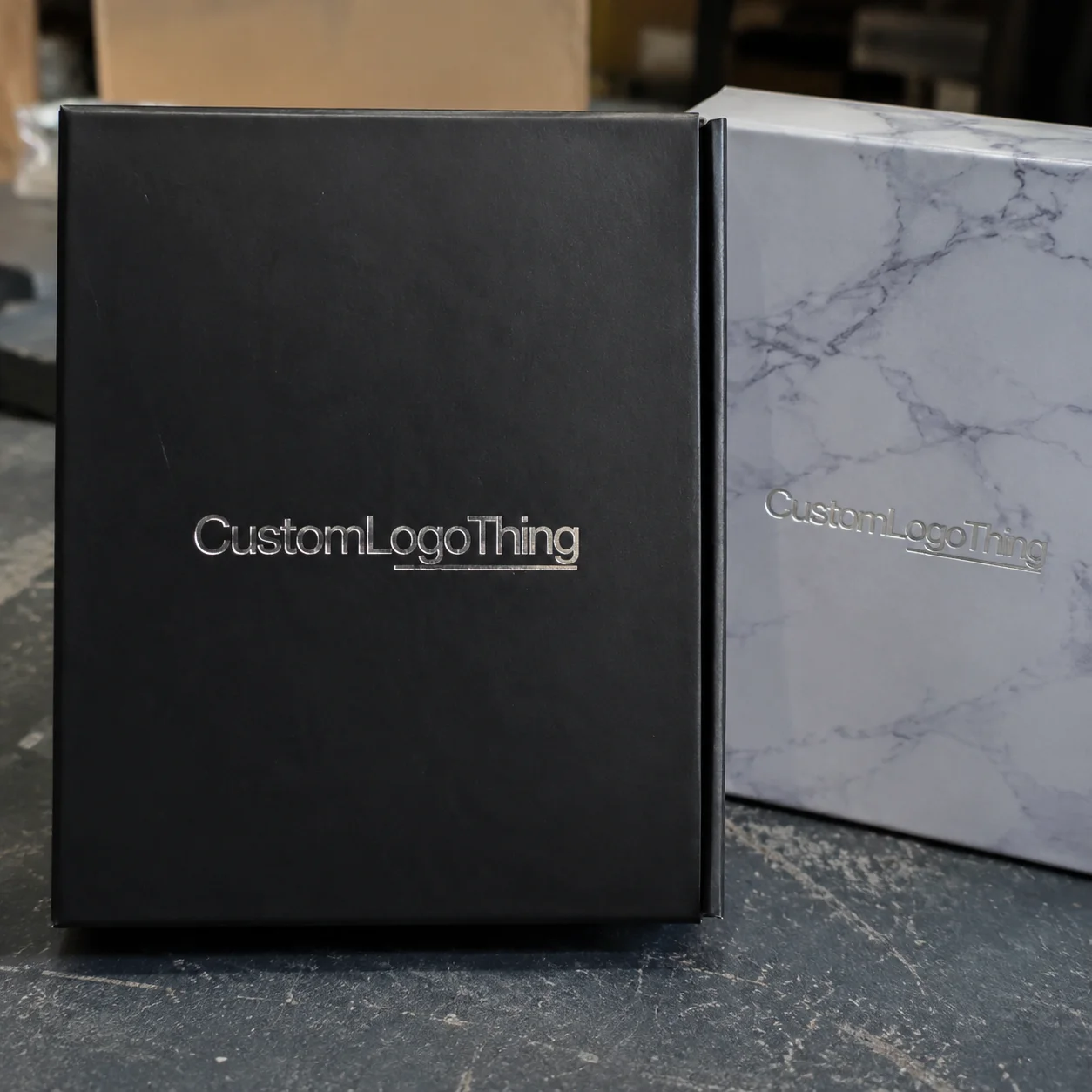
Chrome catches light in a way flat inks never will. Even a simple logo can look more dimensional when the background reflects the environment, which is why these stickers often read as premium at a glance. On shelf, that can be enough to pull attention without making the packaging louder than it needs to be.
Most chrome stickers are built from a metallic film, printed graphics, and some form of top protection. The visual effect can range from mirror-bright to brushed or satin, and some versions lean toward a color-shifting holographic look. The right choice depends on how much shine the design can tolerate and how much legibility the brand needs.
They work best when the goal is a strong first impression. In practice, that usually means logos, seals, limited-edition packaging, electronics accessories, sample kits, and branded mailers. They also fit well alongside Custom Labels & Tags when a brand needs a consistent finish across several packaging elements.
Design is the part that gets underestimated most often. Fine strokes, pale type, and crowded compositions can disappear in the reflection, especially under bright retail lighting or mixed indoor lighting. Bold shapes, cleaner spacing, and a little restraint usually outperform a design that tries to show too much detail on a reflective base.
A chrome finish can make a logo feel premium, but it only works when the artwork is built for reflection instead of fighting it.
There is also a practical side to the appeal. A sticker is often the fastest way to add a metallic cue without committing to foil stamping, specialty cartons, or a more expensive package structure. That makes chrome a useful option for short runs, seasonal packs, and test launches where the brand still wants a premium signal.
How the Production Process Shapes the Final Look
The production path has a bigger effect than many buyers expect. Two samples can look close on screen and still behave very differently after print, lamination, cutting, and application. With chrome, small shifts in ink opacity, finish thickness, or adhesive performance can change the entire look.
Production usually begins with artwork prep and a decision about the base film. Some jobs use digital printing on chrome stock, while others keep certain areas unprinted so the metallic background stays visible. If the sticker will be handled frequently, a clear laminate or overcoat is often added for abrasion resistance and moisture protection.
Adhesive selection matters just as much. Permanent adhesive is usually the safer choice for retail packaging, product labels, or anything that should stay in place for the life of the item. Removable adhesive is better for temporary branding, event materials, or promotional applications where clean removal matters more than long-term hold.
The application surface changes the equation again. Flat paperboard is forgiving, but curved plastics, coated cartons, powder-coated parts, and cold bottles can all behave differently. A sticker that sticks well to one surface may fail on another if the adhesive was not chosen with that substrate in mind.
Die-cut shape and liner quality also affect the end result. Simple shapes apply more cleanly, especially at scale, while intricate corners can lift earlier if the surface is curved or frequently touched. For hand application, a liner that releases evenly saves time; for automated application, that consistency becomes even more important.
Proofing is where expensive mistakes get avoided. A file preview cannot show how reflection changes type weight or how a bright chrome film shifts under light. A printed proof or sample is usually worth the extra step when color, shine, or readability is part of the purchase decision.
For broader packaging programs, the sticker should fit the full system rather than stand alone. When the reflective element coordinates with boxes, inserts, or mailers, the package feels intentional instead of assembled from separate parts. That matters for buyers trying to build a consistent branded experience across multiple touchpoints.
Key Specs That Influence Cost, Finish, and Durability
Price and performance usually come down to the same few variables: material grade, print coverage, size, shape complexity, quantity, and finishing steps. The more the order needs from the production line, the more the quote tends to rise. That is true even when the sticker itself looks small.
A straightforward repeat order with an existing die line is usually easier to price than a first-time job that needs new tooling, multiple revisions, or a special finish. In many packaging programs, setup work matters almost as much as the material. That is why two orders with similar dimensions can land at very different price points.
Here is a practical comparison of common chrome sticker styles and how they usually differ:
| Style | Visual Effect | Typical Use | Relative Cost |
|---|---|---|---|
| Mirror chrome | Bright, highly reflective, premium look | Luxury logos, gift packaging, display pieces | Higher |
| Brushed metal | Softer sheen with directional texture | Tech products, industrial branding, restrained premium cues | Medium |
| Holographic chrome | Color-shifting reflection with strong movement | Promotions, collectibles, youth-oriented packaging | Higher |
| Metallic print with clear coat | Controlled shine with better image control | Retail packaging, logos with small text, label systems | Medium |
Durability depends on what the sticker will face after it leaves production. Indoor display pieces live a very different life from labels on shipping cartons, cold bottles, or handled product shells. The main stress points are abrasion, moisture, UV exposure, and temperature swings. If the sticker will be touched often or moved through a warehouse, lamination is usually worth considering.
Buyers often want a simple price benchmark, and a rough planning range for moderate quantities is often around $0.18 to $0.45 per unit depending on size, coverage, finish, and adhesive requirements. That range can move quickly, though. A small run with more finishing steps may cost more per piece than a larger order with a simpler spec.
Material decisions can also intersect with broader packaging requirements. For transport performance, some buyers review ISTA methods. For sustainability or sourcing questions, EPA guidance and FSC certification can help frame the packaging strategy, even though they do not certify a sticker by themselves.
Step-by-Step Ordering and Production Timeline
A clean order starts with a clear use case. Before asking for pricing, define where the sticker will go, what surface it will touch, whether it needs indoor or outdoor durability, and whether the goal is visual impact, tamper evidence, or a mix of both. That information saves time on both sides and usually leads to a more accurate quote.
- Confirm sticker size, shape, and quantity.
- Choose the chrome effect and adhesive type.
- Submit vector artwork and logo files.
- Review the proof for legibility and trim accuracy.
- Approve a sample if the finish is critical.
- Move into production and then shipping.
Lead time depends on the job. A repeat order with no artwork changes can move faster than a new project that needs proof revisions, special cutting, or a material that is not currently in stock. Many custom runs land around 12 to 15 business days from proof approval to production completion, although complicated jobs or late design changes can extend that window.
Buyers should have a few things ready before requesting a quote: print-ready vector files, the target surface, expected lighting conditions, and a realistic quantity forecast. Shipping should be part of the timeline from the start. A launch date can slip just as easily because of freight timing as because of production timing.
If the chrome sticker is part of a larger packaging rollout, approval timing should be coordinated with the rest of the system. That prevents one component from being finalized in isolation while the box, insert, or mailer is still changing. In packaging work, that kind of mismatch creates avoidable delays.
Common Sizing, Adhesion, and Artwork Mistakes to Avoid
Not every design benefits from chrome. Thin strokes, tiny legal text, and soft gradients can become difficult to read once reflection enters the picture. If the artwork depends on delicate detail, a more controlled metallic label or a different finish may be the better fit.
Surface testing is another place where projects go wrong. Textured plastics, powder-coated surfaces, cold bottles, and heavily coated cartons can all change how the adhesive performs. A sample that holds perfectly on one board may still fail on a real package if the surface has oil, dust, curvature, or a coating the adhesive does not like.
Artwork setup needs enough margin as well. Weak bleed, strokes that are too thin, and logos placed too close to the cut line can all become visible once the piece is trimmed. Chrome backgrounds also make low-contrast artwork more fragile, so simpler layouts usually print and read better.
Permanent and removable adhesive are not interchangeable. If the sticker needs to stay on a retail box, shipping mailer, or product shell for months, permanent adhesive is often the safer call. If the item is temporary or promotional, removable adhesive may be better, but buyers should still ask about residue risk and peel behavior.
Shape choice affects wear too. Rounded corners generally resist lifting better than sharp points, especially on flexible or frequently handled items. That detail sounds small, but it can matter when the label is going onto curved packaging or a product that will be picked up often.
Cost, Pricing, and Quote Questions Buyers Should Ask
Good quotes come from good questions. The more clearly a buyer defines the job upfront, the easier it is to compare suppliers fairly and avoid surprises later. For custom chrome stickers, the important questions usually involve material, finishing, proofing, and setup.
Ask what chrome film is included, whether a clear laminate or topcoat is part of the spec, and whether die cutting or proofing is billed separately. If you are comparing several suppliers, make sure the quotes are based on the same size, same adhesive, and same print method. Otherwise the price spread can be misleading.
MOQ matters too. A lower minimum order quantity can help with a launch, but it often comes with a higher unit price. Repeat order pricing usually improves once the die line and artwork are established, which can be helpful for subscription boxes, seasonal promotions, and ongoing retail packaging.
These are the questions worth putting on the table:
- What exact chrome film and adhesive are included?
- Is lamination or topcoat part of the spec?
- Are proofs, samples, or setup charges extra?
- What quantity breaks improve pricing?
- How is the order packed for shipping and handling?
The lowest quote is not always the best value. A sticker that scratches quickly, curls at the edge, or leaves residue can cost more in rework and customer complaints than a slightly better-built option. For premium packaging, a stable finish usually beats a bargain finish that loses its look after a few touches.
Budget planning should also include the broader package. If the chrome sticker is one element in a launch kit, compare it with other branded options such as printed sleeves, insert cards, or foil-stamped boxes. Sometimes a smaller reflective accent placed well delivers the same premium cue at a lower total cost.
Expert Tips for Choosing the Right Chrome Sticker Style
The best chrome style depends on the branding goal. For a luxury look, mirror chrome creates a sharper, more polished cue. For something quieter, brushed metal or a toned-down metallic finish can add depth without taking over the design.
Lighting changes the result more than many teams expect. A sticker that looks balanced in a studio mockup may flare hard under retail LEDs or darken in a warehouse. When the finish matters, samples are worth the extra step because they reveal how the film behaves in the real environment.
Simple logos usually perform best on reflective film. Readable type, enough empty space, and clean line work all help the design survive the shine. The finish should support the mark, not become the only thing people notice, especially on packaging that has to be understood quickly.
Wear should guide the spec too. Rounded corners tend to hold up better than sharp points, and a protective laminate can improve scratch resistance when the sticker will be handled often. Small production decisions like that often do more for perceived quality than chasing a louder visual effect.
For brand teams building package branding across a product line, consistency matters as much as shine. A reflective logo on one SKU and a dull version on another creates friction. Matching the finish to the rest of the packaging system helps the collection feel deliberate.
Next Steps Before You Place an Order
Before placing the order, build a short spec sheet with size, quantity, surface type, indoor or outdoor use, desired finish, and deadline constraints. That single page can shorten quoting time and help vendors recommend the right film and adhesive without guessing.
Gather print-ready artwork and flag any color-critical elements early. If the logo depends on exact contrast against the chrome background, ask for a proof or sample before production starts. That step is especially useful for custom chrome stickers used in launch kits, event giveaways, and new retail packaging formats where first impressions matter.
If the sticker is part of a larger rollout, coordinate it with the rest of the branded packaging so box colors, inserts, and labels work together. A reflective accent can elevate the whole presentation, but only if it fits the full system. The goal is a package that feels finished, not a collection of separate parts.
The simplest approach is usually the right one: buy chrome for the visual payoff, but spec it like a functional label. Choose the finish, adhesive, and protection level based on how the piece will actually be used, not just how it looks on a screen. Done that way, custom chrome stickers can deliver a premium look, steady performance, and a sensible return on the packaging budget.
Are custom chrome stickers durable enough for everyday handling?
Yes, if the right film, adhesive, and protective finish are chosen for the use case. Durability improves with lamination and a clean, smooth surface that matches the adhesive well.
What is the difference between chrome and metallic stickers?
Chrome usually means a brighter, more mirror-like reflective effect. Metallic stickers can also include brushed, satin, or foil-like finishes that are less reflective and sometimes easier to read.
Can custom chrome stickers be used outdoors?
They can, but outdoor exposure increases the need for UV resistance, moisture tolerance, and strong adhesion. Ask whether the film and laminate are rated for the expected environment before ordering.
What affects the price of custom chrome stickers the most?
Quantity, size, shape complexity, print coverage, and added protection are usually the biggest drivers. Special finishes and proofing requirements can also change the final quote.
How do I make sure the artwork looks good on chrome?
Use bold shapes, strong contrast, and readable type because reflective films can reduce legibility in small details. Ask for a proof or sample when the design depends on exact color or shine behavior.


