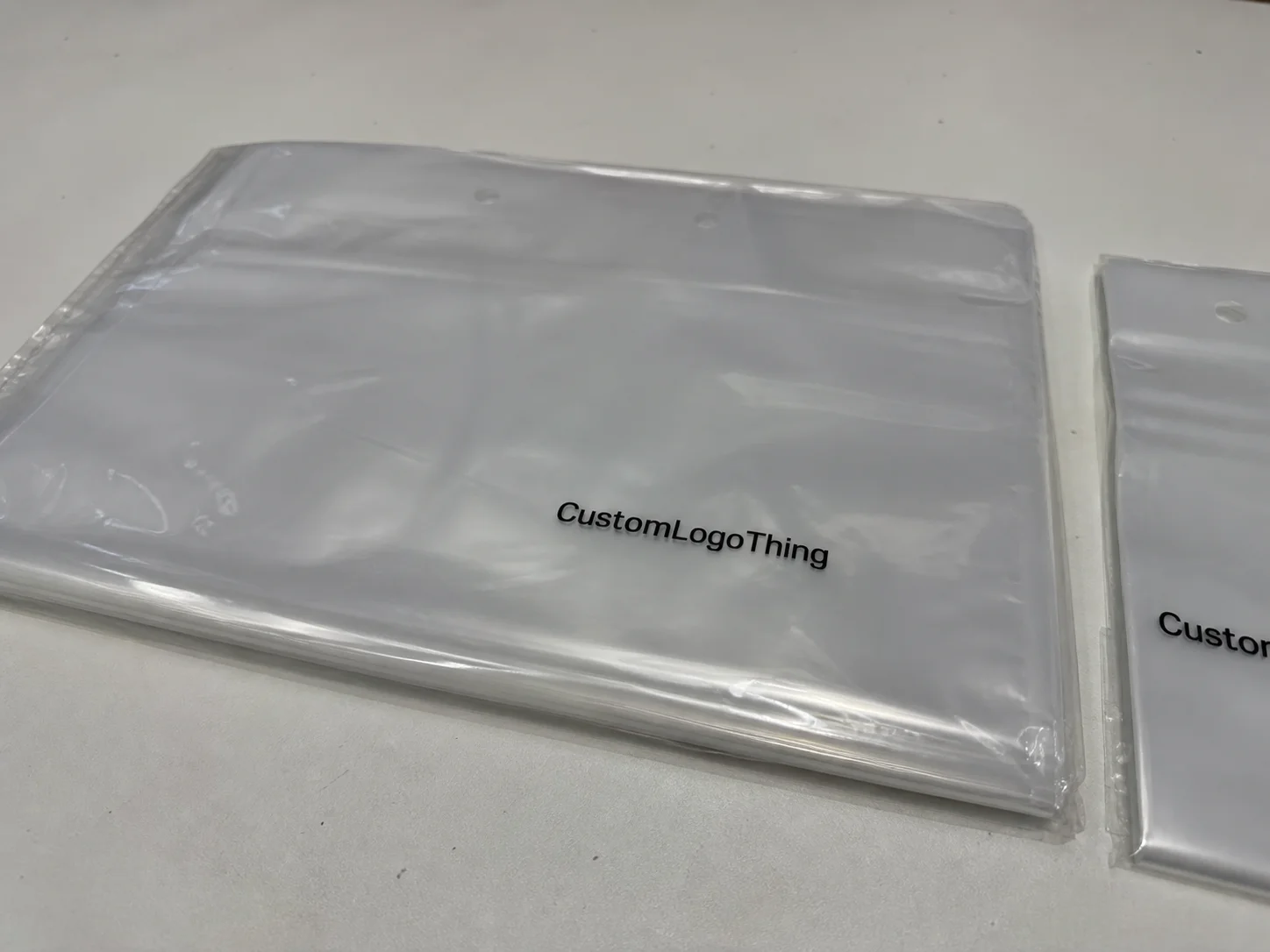
A custom garment bag is a protective cover for hanging apparel that helps a finished piece arrive clean, presentable, and easy to handle. For boutiques, bridal shops, dry cleaners, rental programs, uniform suppliers, and event apparel teams, it fills a practical gap between production and handoff.
It is easy to overspend on tags, tissue, and other Custom Packaging Products while treating garment protection as an afterthought. In practice, the bag has to do three things well: fit the garment, protect it during normal handling, and support a clean branded presentation without slowing down staff.
The best option is rarely the most elaborate. It is the bag that matches the garment type, use cycle, budget, and reorder pattern.
What a Custom Garment Bag Actually Solves in Real Packaging Use

Clothing on a hanger is exposed by default. It collects dust in storage, rubs against nearby garments, and can lose shape or presentation before the customer sees it. An undersized bag may crush a hem, flatten a shoulder line, or tear at the hanger opening.
In simple terms, a custom garment bag is a hanging cover made from plastic film or nonwoven material, cut to fit apparel and leave space for the hanger hook. Common materials include PE, PP, EVA-style frosted film, and nonwoven fabric. Bags may be clear, frosted, tinted, or opaque, with anything from a one-color logo to larger printed branding.
Typical uses include:
- Retail pickup and take-home protection
- Bridal gowns, veils, and formal dresses
- Dry-cleaning and repeat handling
- Formalwear rental issue, return, and storage
- Uniform sorting by size or department
- Fashion packaging for higher-value apparel
- Corporate gifting and event apparel kits
A good bag blocks dust, resists light moisture, reduces surface rubbing, and keeps garments easier to move through a stockroom or showroom. It also affects presentation. A clean frosted bag with a restrained logo can feel intentional; a cloudy, badly sized one can make an expensive garment look careless.
Workflow matters too. Staff need to load garments quickly, warehouses need bags that carton efficiently, and buyers usually benefit from dimensions that can cover more than one SKU.
Practical rule: choose the bag that fits the garment and handling cycle, not the one with the longest feature list.
How Garment Bags Work: Materials, Structure, and Protection Levels
Most bags use sealed side edges, a hanger opening at the top, and a closed or open bottom. From there, buyers can add a gusset for volume, a zipper for reuse, vent holes, a handle, or a loading style that suits staff.
Common material choices
PE is the standard workhorse. It is flexible, economical, and suitable for dust protection plus light moisture resistance. Many retail, uniform, and dry-cleaning programs use PE in the 1.5 to 3.0 mil range.
PP offers a crisper feel and better clarity. It suits situations where the garment remains visible as part of the display, though it is stiffer and often noisier in use.
EVA-style or frosted films create a softer premium look. They are common in bridal, gifting, and higher-end fashion where presentation or reuse matters enough to justify the extra cost.
Nonwoven fabric works for reusable closet-style covers. It can look upscale and hold up well, but usually costs more and takes more carton space than simple film.
Visibility and protection
Clear bags are fastest for stockroom inspection. Frosted bags reduce visual clutter and often look cleaner on the sales floor. Tinted and opaque bags can improve presentation or privacy, but they slow identification unless the outside includes a visible label or print cue.
Thickness matters, but heavier is not always better. Moving from 1.5 mil to 2.5 mil can improve tear resistance and feel. Going thicker than needed may add cost, carton cube, and freight without improving real-world performance. Heavier suits, embellished garments, outerwear, and rental use often justify more material. Lightweight apparel for short handling cycles often does not.
A custom garment bag works well for:
- Dust protection in storage and display
- Light moisture resistance during short transport
- Reducing scuffing against fixtures or nearby garments
- Keeping hanging garments neat and easier to handle
It is not a replacement for outer transit packaging. If hanging apparel is moving through parcel delivery or rough distribution, the bag still needs a mailer, carton, or other shipping shell. For shipping validation, it is smarter to review ISTA guidance than to assume the garment cover alone is enough.
Sustainability claims also need a reality check. Recyclable film, downgauged material, and reusable formats can help, but only if the bag still performs and the recycling stream exists for the end user. The EPA recycling guidance is useful for evaluating supplier claims.
Key Specs That Matter Before You Order
Most ordering problems start with vague sizing. Terms like “medium dress bag” or “standard suit cover” are not enough for production.
Sizing logic that works
Measure the garment on the hanger, not folded on a table. Record the full hanging length, shoulder width, and widest bulk point. Then add enough room to protect the garment without compressing it.
As a starting point, many suits fit bags around 22 to 24 inches wide and 40 to 48 inches long. Dresses and coats often need 54 to 72 inches in length. Bridal gowns, fuller skirts, and structured formalwear may require more width plus a gusset in the 4 to 10 inch range. Final dimensions still depend on embellishment, layers, train length, hanger type, and whether the garment ships with multiple pieces.
Gusset depth matters for shoulder structure, layered fabric, beading, and multi-piece sets. Without enough volume, the bag presses against the garment and weakens presentation.
Closures and access features
Common features include open bottoms, zipper fronts, partial side openings, vent holes, carry handles, and reinforced hanger-hole areas. Open-bottom styles are often the lowest-cost choice and work well for quick-use protection. Zippers make more sense for reuse, bridal, rental cycles, or premium customer take-home packaging.
Reinforcing the hanger opening is a small detail that can prevent the most common tear point from failing early.
Print and branding choices
For most buyers, a one-color logo or restrained repeating pattern gives the best value. Care messaging, QR codes, store details, and size identifiers can be useful, but the material still has to support the artwork. Fine lines and weak contrast often disappear on clear or lightly frosted film.
Visibility affects operations as much as appearance:
- Fully clear: fastest for inspection and stockroom sorting
- Partially frosted: cleaner premium look with some visibility
- Opaque: stronger privacy and concealed presentation
Also review compliance details. Depending on bag size and market, plastic bags may require suffocation warning text. Packing efficiency matters too; even a low-cost bag can become expensive if it stores or ships poorly.
- Fit the garment correctly
- Choose the real protection level needed
- Keep loading easy for staff
- Print only what supports brand or workflow
- Add premium features only if the numbers still work
Custom Garment Bag Pricing: What Changes Cost and MOQ
Cost depends on size, material, thickness, gusset, zipper, vent holes, handle style, print colors, and quantity. Small spec changes can move a bag from basic protective cover to premium reusable accessory.
Custom printing usually requires higher minimums than plain stock bags because of plate setup, color registration, material prep, and production scheduling. Many suppliers quote custom printed runs starting around 1,000 to 3,000 pieces, with better pricing at 5,000 pieces or more.
Broad ranges help set expectations:
- Simple PE bag with one-color printing in a larger run: $0.18 to $0.38 each
- Longer dress format, thicker film, or gusseted build: $0.35 to $0.75 each
- Zippered, frosted, or reusable premium version: $0.80 to $2.50+ each
| Bag Type | Typical MOQ | Estimated Unit Range | Best Fit |
|---|---|---|---|
| Stock size PE, no print | 500-1,000 | $0.10-$0.22 | Dry cleaning, basic storage protection |
| Custom size PE, 1-color logo | 1,000-3,000 | $0.18-$0.38 | Boutiques, uniforms, simple branded packaging |
| Custom gusseted PP or frosted film | 2,000-5,000 | $0.35-$0.75 | Suits, dresses, elevated retail packaging |
| Zippered premium reusable bag | 1,000-3,000 | $0.80-$2.50+ | Bridal, rental, gifting, luxury apparel |
Separate freight from unit price when comparing quotes. Garment bags are light but bulky, so carton cube can change landed cost more than buyers expect. Ask for pieces per carton, carton dimensions, gross weight, and shipping terms.
Quantity breaks can improve pricing, but only if the size is reusable across your assortment. Lower unit cost does not help if the leftover inventory only fits one niche SKU.
For smaller brands, stock sizes are often the safest starting point. Fully custom dimensions make more sense once size mix and reorder volume are stable.
To get cleaner pricing, send suppliers:
- Finished width, length, and gusset depth
- Material preference and target thickness
- Clear, frosted, tinted, or opaque finish
- Print colors and approximate print area
- Closure style plus any handle or vent requirements
- Estimated order quantity and delivery ZIP code
If the bag is part of a broader set, compare it alongside related Custom Packaging Products rather than judging it in isolation.
Production Steps and Lead Time: From Quote to Delivered Bags
The ordering process is usually straightforward. Delays tend to come from incomplete specs, weak artwork files, or slow approvals rather than difficult manufacturing.
- Define specs and quantity
- Request a quote
- Review the artwork template or dieline
- Approve the proof
- Confirm a sample if needed
- Run production
- Pack and ship
For standard custom work, production often takes 12 to 20 business days after final proof approval. A physical sample can add 5 to 10 business days. Shipping time then depends on the route and service level.
Where delays usually happen
Vague dimensions are one common issue. “Fits long dresses” is not a production spec. Missing vector artwork is another. If the logo only exists as a low-resolution image, it often has to be rebuilt before printing starts.
Internal approvals also cause delays. Buyers often focus on factory lead time and ignore review time on their own side.
Artwork and sampling basics
Vector files such as AI, EPS, or press-ready PDF are safest. If color matters, provide Pantone references or another exact standard. Thin lines and small text can print weakly on transparent material, so artwork should be adjusted for film rather than copied from paper packaging.
A digital mockup is often enough for a simple one-color logo on a standard bag. A physical sample is more valuable when the project includes a zipper, unusual gusset, premium finish, or a bulky garment. If fit is critical, test the sample with the real garment on the actual hanger style.
Common Ordering Mistakes That Create Waste, Delays, or Bad Fit
The most common error is measuring folded apparel instead of hanging apparel. That leads to cramped shoulders, exposed hems, and hard-to-load bags.
Another frequent problem is choosing material that is too light for the handling cycle. Heavy coats, embellished dresses, and repeat-use rental garments expose weak seams and hanger openings quickly.
Overdesigned printing is also a common miss. A transparent protective cover rarely needs heavy artwork. Too much printing can reduce readability, fight the garment visually, and increase cost and defect risk.
Other mistakes include:
- Ignoring hanger opening size and placement
- Skipping carton and warehouse footprint checks
- Ordering highly specific sizes with little reuse value
- Comparing quotes without checking thickness, defect allowance, or freight terms
Before approval, review:
- Bag orientation and opening direction
- Finished dimensions and gusset callout
- Logo scale and placement
- Print color reference
- Warning text if required
- Quantity tolerance and packing details
- Shipping terms
Next Steps: How to Spec, Compare, and Order the Right Bag
Start with real use, not appearance. Measure your best-selling garments on the hanger, decide how much visibility the customer or staff needs, and define whether the bag is for showroom storage, take-home protection, rental circulation, event distribution, or a mix.
A practical checklist:
- Measure width, length, and bulk on actual hanging garments
- Choose clear, frosted, tinted, or opaque visibility
- Set the protection level and expected reuse cycle
- Decide whether you need a gusset, zipper, vents, or handle
- Set a realistic quantity and reorder rhythm
- Prepare vector logo files and color references
- Request landed-cost quotes, not just unit prices
Keep supplier comparisons narrow. Quote a few realistic builds rather than every possible variation, such as a stock size with one-color print, a custom size with one-color print, and a frosted zipper version for premium use.
If the bag includes a zipper, gusset, or unusual dimensions, test it with real garments before full production. One sample round is far cheaper than receiving thousands of bags that technically match the drawing but fail in daily use.
The right custom garment bag should leave the garment cleaner, easier to handle, and better presented. If it creates fit issues, slows staff, or adds cost without adding useful protection, it is not the right spec.
FAQ
What size custom garment bag do I need for suits, dresses, or coats?
Measure the garment on the hanger rather than folded on a table. Use the full hanging length, shoulder width, and bulkiest point, then add enough room so sleeves, shoulders, and hems are not compressed. Gowns, outerwear, and multi-piece outfits often need a gusseted bag instead of a flat one.
How much does a custom printed garment bag usually cost?
Cost depends on size, material, thickness, print coverage, closure style, and order quantity. Simpler one-color printed bags in larger runs usually have the lowest unit cost. Custom dimensions, zipper closures, and frosted or premium materials raise both setup and production cost. Freight can also affect landed cost because these bags ship light but bulky.
What material is best for a plastic garment cover with logo printing?
PE is the most common choice because it is flexible, economical, and practical for dust and light moisture protection. PP works well if you want sharper clarity and a crisper feel. Frosted or EVA-style films are often chosen for a softer premium look. The best material depends on the presentation you want, the handling conditions, and the budget.
What is the typical lead time for custom garment bag orders?
A common production window is about 12 to 20 business days after proof approval, though quantity, print complexity, sample requirements, and shipping method all affect the final timeline. Physical samples usually add extra days. Artwork delays and slow proof approvals are two of the easiest schedule problems to avoid.
Can I order low MOQ custom garment bags for a small brand or boutique?
Sometimes, yes, though the unit cost is usually higher at lower volumes. Stock sizes with simple logo printing are often the easiest starting point for small brands and boutiques. Fully custom specs tend to make more financial sense once order volume becomes more predictable, so it helps to request pricing at multiple quantity breaks before deciding.