If a customer opens a tote and finds a salad that has warmed up, a frozen meal kit that has started to soften, or a pharmacy pickup that no longer feels protected, the bag did its job on appearance but failed on function. That is why custom insulated tote bags deserve closer scrutiny than a typical promotional item. They are not just branded carriers. They are part of the product experience, and in some cases part of product integrity.
For food service, grocery, wellness, and healthcare buyers, the right bag can help preserve temperature-sensitive items, support better handoff quality, and make the brand look organized instead of improvised. The most useful specs are rarely the flashy ones. Liner type, closure style, seam construction, handle reinforcement, and actual container fit do more for performance than a large logo ever will.
What custom insulated totes are and why buyers notice the difference
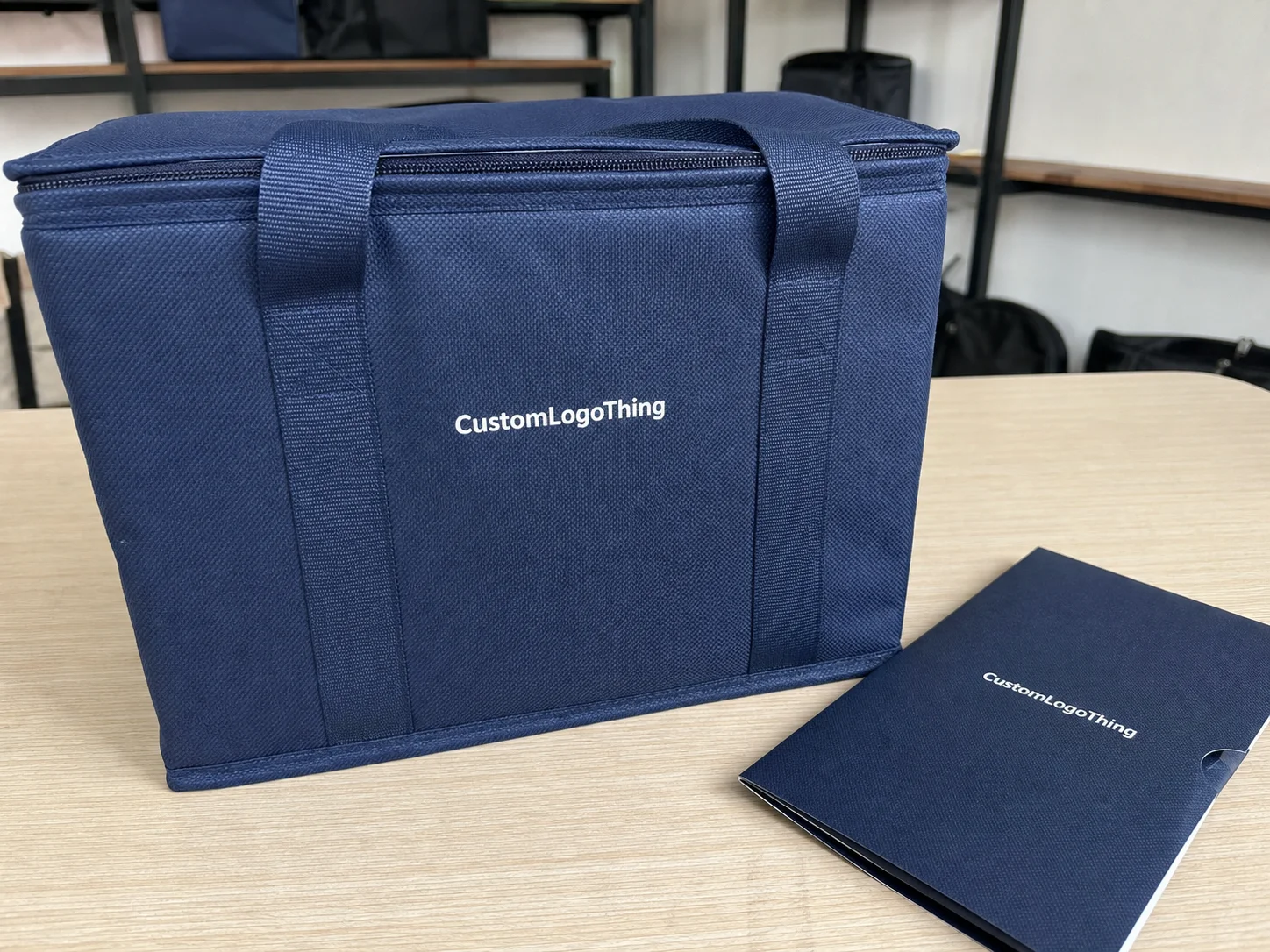
A standard reusable tote is built mainly for carrying. An insulated tote is built to slow heat transfer while still being practical to pack, wipe clean, open, and carry. The usual construction layers are simple enough to describe, but the interaction between them is what separates a decent tote from one that holds temperature reasonably well. You need an outer shell for durability and print, an insulation layer for thermal resistance, and an inner lining that handles spills and condensation.
That difference shows up in the field faster than many buyers expect. A bag that looks insulated may only have a thin foam sheet or a decorative liner. That may be enough for a short drive across town. It is not enough if the bag sits in a hot lobby, rides in the back seat of a car, or gets opened repeatedly before delivery is complete. Better-built custom insulated tote bags can keep product quality in a more usable range long enough for curbside pickup, local delivery, or the ride home.
These bags sit somewhere between reusable carriers and functional packaging. When they use PEVA, EVA, foil laminations, or plastic-based films, they also overlap with the broader plastic bags category, even if the finished structure is a mixed-material build. From a packaging standpoint, that matters. The tote is both visible branding and a working container, which means it needs to perform like equipment and present like packaging.
“Insulated” is not a fixed performance level. It can mean a light thermal buffer for a short trip, or a much more controlled structure designed to protect contents over a longer window. The materials and build decide which one you actually get.
The first question buyers should ask is practical: what are we trying to protect, for how long, and under what conditions? A warm pastry, a chilled prepared meal, and a refrigerated medication pickup do not need exactly the same spec. If the answer to that question is fuzzy, the bag spec usually becomes fuzzy too.
How the insulation, lining, and closure system actually works
Thermal performance comes from the whole stack, not one material choice. The outer shell protects the build from wear and gives the print surface its character. The insulation layer slows conduction. A reflective barrier, when used, helps reduce radiant heat gain. The liner manages moisture and makes cleanup easier after condensation, melted ice packs, or the occasional spill.
In plain terms, the tote is trying to slow three things: heat moving through the wall, air exchange when the bag is opened, and temperature creep from the surrounding environment. Thickness helps, but thickness alone is not performance. A well-designed 5 mm foam layer with a tight closure can outperform a bulkier structure that leaks air around the top seam or has weak side seams.
Closure style matters more than most spec sheets admit. A zipper usually gives the best balance of retention and usability. Hook-and-loop is fast and familiar, though it can wear and lose grip over time. Fold-over tops are simple and often cheaper, but they rely on the user to close the bag correctly. Snap closures make sense on lighter totes, yet they generally do less for retention than a full zipper.
Seams and edge finishing deserve attention too. Weak stitching can create thermal weak points. Raw edges can trap moisture and odors. If the bag is going to hold food, grocery items, or wellness products, a wipe-clean liner and tidy seam work are not cosmetic extras; they are part of daily operation.
Performance should be judged in real use, not just in a controlled room. A bag tested in a cool packing area will behave differently in a hot parking lot or during a long handoff. Ambient temperature, starting product temperature, transit time, and how often the bag is opened all affect hold time. Buyers who want a more disciplined validation process often look at transit-related test methods such as those used by ISTA. That is a useful reference point when a supplier is making claims that need more than a visual check.
Key material and build choices that affect performance, cost, and brand look
The outer material sets the tone for durability, print quality, and perceived value. Nonwoven polypropylene is common because it is economical, lightweight, and friendly to large-area branding. Polyester usually feels sturdier and holds up better to abrasion. Woven laminates can give the bag more structure and a cleaner print surface. Plastic-based films are often chosen when wipeability matters more than textile texture.
The liner is where a lot of decisions get made too quickly. PEVA is popular because it wipes clean easily and offers a practical balance of flexibility and cost. Aluminum foil lamination can improve reflectivity and thermal buffering, but it can crease if the structure is too soft or if the bag is folded hard during packing. Foam liners help with thermal resistance and can improve shape retention, though the real result depends on density, thickness, and how well the layers are bonded.
Handles are easy to underestimate. A simple sewn handle may be fine for a light promotional tote. Once the bag is full of chilled drinks, meal containers, or takeout boxes, reinforcement becomes a functional issue. Bar-tacks, boxed stitching, and wrap reinforcement usually hold up better over repeated use. Gussets add volume. A bottom board insert helps keep cartons or square containers upright instead of letting them slump to one side.
Decoration is another tradeoff. Screen print works well for bold logos and is often economical on simpler runs. Heat transfer supports more color detail. Full-color print gives more freedom for retail packaging and package branding, especially if the tote is meant to be seen at checkout or during delivery. Woven labels and sewn patches can raise perceived quality, although they are not always the right answer for price-sensitive programs.
Size should follow the container profile, not the order quantity. A bag that holds ten clamshells on paper can still fail if the clamshells are too tall, too wide, or need to stay flat. Measure the footprint, height, and any divider or ice pack space before you approve a spec. A tote that is too small causes bulging and seam stress. One that is too large lets the contents shift and lose thermal efficiency.
| Build option | Typical strengths | Tradeoffs | Best fit |
|---|---|---|---|
| Nonwoven outer + PEVA liner | Good value, easy to wipe, solid for branding | Moderate thermal hold, less premium feel | Grocery, takeaway, promotional use |
| Polyester outer + foam insulation | Better structure, improved durability, cleaner appearance | Higher cost, more material layers | Meal kits, retail packaging programs, repeat use |
| Foil-lined laminated build | Good reflectivity, useful thermal buffering | Can crease, may feel less soft | Cold or warm product protection over shorter routes |
| Heavy reinforced tote with board insert | Stable load handling, better shape retention | More weight and cost | Pharmacy pickup, premium food service, larger containers |
For companies comparing this category with other Custom Packaging Products, the best choice is usually the one that matches the use case instead of trying to solve everything at once. A tote that carries cold food well does not need the same print complexity as custom printed boxes, and a highly branded bag does not automatically need the same thermal structure as a pharmacy transport tote.
Cost, pricing, MOQ, and what drives your quote
Pricing for custom insulated tote bags usually comes down to size, material count, closure type, decoration method, and reinforcement. More layers and more special details usually mean more labor, more setup, and a higher unit price. A simple one-color nonwoven tote with a PEVA liner will price very differently from a fully reinforced polyester tote with a foil layer, zipper closure, and full-color print.
Order quantity changes the picture fast. On smaller runs, setup costs and sampling matter more, so the unit price can feel steep. On larger runs, the cost per bag often drops as material purchasing and machine setup get spread across more pieces. That does not erase complexity. A complex build still costs more than a simple one, even at volume.
For budgeting, buyers often see broad working ranges like these:
- Simple promotional tote: about $1.20-$2.50 per unit at higher volumes, depending on size and print coverage.
- Mid-range insulated grocery tote: roughly $2.50-$4.80 per unit, especially with a zipper, better liner, or stronger handles.
- Heavier custom build: often $4.80-$8.00+ per unit when structure, print detail, and reinforcement are more demanding.
Those are working ranges, not promises. Freight, proof revisions, packaging, duties, and sample approvals can all shift the final landed cost. The cheapest unit price on a quote sheet is not always the lowest total cost if the bag is too weak, too small, or too hard to use in daily operations.
If the goal is to save money without compromising function, there are sensible places to simplify. Reduce print coverage. Trim unnecessary color changes. Choose a liner that meets the requirement without overbuilding the wall. Standardize dimensions around actual container sizes. Be careful about cutting handle reinforcement or closure quality. Those are the parts customers touch every time they use the tote, and failures there are visible immediately.
MOQ varies by construction and decoration. Stock-based builds can sometimes start lower, while fully custom construction usually needs a larger commitment because of setup and material ordering. The exact minimum depends on whether the project is based on an existing pattern or a new structure, and whether the decoration method adds its own setup burden. A buyer who wants a lower MOQ usually has to accept fewer custom details or a narrower range of materials.
Production steps and lead time from artwork to finished bags
A well-run project usually follows a predictable path: concept review, material selection, artwork setup, proof approval, sampling, production, and final packing. If a supplier skips any of those checkpoints, the buyer often pays for it later in rework or mismatched expectations. The process can look simple from the outside. In production, the details multiply quickly.
The biggest delays are usually not mysterious. They come from files that are not print-ready, structural changes after proofing, uncertain color matching, or late decisions about closure style and liner type. A bag with a simple one-color logo may move much faster than one that needs exact PMS matching, multiple panels, and a custom-fit insert.
Lead time also depends on whether the tote is built on an existing template or engineered from scratch. A straightforward insulated tote using standard materials may often run around 12-15 business days after proof approval. More custom construction can stretch longer once sampling and revisions are included. Rush orders are possible in some programs, but they usually come with tradeoffs: fewer options, tighter approval windows, or added cost.
Pre-production samples are worth requesting when the tote is meant to protect food, pharmacy product, or anything temperature-sensitive. A digital proof confirms artwork placement, but it cannot tell you how the zipper feels, how the bag stands when filled, or whether the logo disappears into a gusset fold. A physical sample exposes those issues before the full run begins.
Production consistency matters too. The sample you approve should reflect the same construction method, not just a similar appearance. That matters if the tote will sit beside other branded packaging in stores, delivery programs, or member services. If the sample uses a different board insert, a different liner thickness, or a different stitch pattern, the finished bags may not behave the same way.
Common sizing, labeling, and usage mistakes to avoid
The most common sizing mistake is choosing the bag by item count alone. Ten deli containers, six bottles, or four meal trays can sound clear enough, but the real question is whether the footprint, height, and lid clearance actually fit. A tote that is too shallow or too narrow will cause bulging, strain on seams, and awkward loading for staff and customers.
Another frequent mistake is assuming every insulated bag performs the same. A thin lining can improve presentation, but it does not always provide enough thermal buffering for real use. If the bag is expected to travel in a hot car, sit outside for handoff, or wait during a busy pickup window, it needs a true thermal structure rather than an insulated look.
Print placement can create surprises too. Logos on the lower panel may get hidden by folds, gussets, or a full load. Artwork placed too close to a zipper can be interrupted visually when the bag is closed. If the tote is being used as retail packaging or consumer-facing product packaging, that visibility issue matters more than many teams expect.
Weak handles and underspecified seams remain common failure points. A sample can look fine on a table and still fail once customers load it with cold drinks, frozen goods, or multiple sealed containers. Ask about reinforcement, stitch type, and load expectations so the tote is specified for real use rather than hoped-for use.
Materials can also create problems after purchase. A liner that looks premium but traps odor, stains easily, or wipes down poorly will age badly in grocery, food service, and wellness settings. The surface that gets cleaned every day matters more than the one that photographs well in a mockup.
Expert buying tips and next steps for a better spec
The most reliable way to spec custom insulated tote bags is to start with the product being protected, not the bag itself. Ask whether the goal is cold-chain support, heat retention, or simply temperature buffering during a short trip. That answer drives the construction, liner, closure, and even the recommended size.
Then test the practical details. Does the closure hold after repeated openings? Are the handles comfortable when the tote is full? Can the liner be wiped clean in seconds? Is the logo visible when the bag is packed, not just when it is empty? Those questions separate attractive bags from useful ones.
A quote request is much stronger when it includes:
- Target dimensions and container type
- Product category and temperature goal
- Preferred outer material and liner style
- Artwork files and print expectations
- Quantity, deadline, and shipping destination
- Any special needs such as reinforced handles, board inserts, or wipe-clean interiors
That level of detail gives the supplier a better basis for quoting and reduces the chance of a spec mismatch after production starts. It also makes the total cost easier to judge. The right bag usually costs less over its usable life than the wrong one does in replacements, complaints, or reorders.
If sustainability is part of the brief, ask for documentation rather than assuming. For paper-based components, FSC-certified sources may be relevant. For material and waste questions, EPA resources can help frame the discussion. It also helps to compare the tote program against other forms of product packaging so the bag fits into the broader branded packaging system instead of existing as an isolated item.
The most dependable approach is still the least glamorous: measure the products first, define the temperature window, request a sample or reference sheet, and confirm the production timeline before artwork approval. That keeps the decision grounded in function, not just appearance. For a category as practical as this one, that usually leads to a better result than chasing the lowest quote on paper.
FAQ
How do custom insulated tote bags keep products cold or warm?
They slow heat transfer with layered materials, usually combining an outer shell, an insulation layer, and a moisture-resistant liner. A tighter closure and well-finished seams reduce air exchange and thermal leakage. Actual hold time depends on ambient temperature, the starting temperature of the product, and how often the bag is opened.
What is the best material for custom insulated tote bags?
There is no single best material for every project. PEVA and foil-lined constructions are common because they wipe clean easily and provide useful thermal buffering, while polyester and nonwoven outer shells are popular for durability and print quality. If the bag will carry food or pharma items, choose a liner that is easy to sanitize and a structure that keeps its shape.
What affects the price of custom insulated tote bags most?
Size, insulation complexity, closure type, decoration method, and order quantity are the biggest drivers. More colors, more layers, and stronger reinforcement usually raise unit cost. Higher quantities can reduce price per bag, but setup and sampling still matter on smaller runs.
How long does production usually take for custom insulated tote bags?
Timelines vary by construction, decoration, and whether the tote is based on an existing template or fully custom-built. Artwork approval and sample sign-off can be the biggest timing variables. If you need a faster turnaround, keeping the design simple and files print-ready helps move the order along.
What should I include when requesting a quote for custom insulated tote bags?
Include target dimensions, product type, insulation goal, preferred materials, artwork files, quantity, and delivery deadline. Add any special requirements such as wipe-clean liners, reinforced handles, or a specific closure style. The more exact your specs, the more accurate the quote and timeline will be.

