Buyer Fit Snapshot
| Best fit | Custom Labels Comparison projects where brand print, material claims, artwork control, MOQ, and repeat-order consistency need to be specified before quoting. |
|---|---|
| Quote inputs | Share finished size, material target, print colors, finish, packing count, annual reorder estimate, ship-to region, and any compliance wording. |
| Proofing check | Approve dieline scale, logo placement, barcode or warning zones, color tolerance, closure strength, and carton packing before bulk production. |
| Main risk | Vague material claims, crowded artwork, missing packing details, or unclear freight terms can make a low unit price expensive after revisions. |
Fast answer: Custom Labels Comparison: Choose the Right Label Type should be specified like a repeatable production item. The safest quote records material, print method, finish, artwork proof, packing count, and reorder notes in one written spec.
Production checks before approval
Compare the actual filled-product size with the drawing, then confirm tolerance on folds, seals, hang holes, label areas, and retail display edges. Reserve space for logos, QR codes, warning copy, and material claims before decorative graphics fill the panel.
Quote comparison points
Review material grade, print process, finish, sampling route, tooling charges, carton quantity, and freight assumptions side by side. A quote is only useful when the supplier can repeat the same color, closure quality, and packing count on the next order.
Two labels can look almost identical on a screen and behave completely differently on a bottle, box, or pouch. I’ve watched a matte white label pass a mockup review, then curl at the edges after 48 hours in a chilled display case, while a slightly more expensive film label held flat through condensation, abrasion, and a pretty unforgiving warehouse shift in Nashville, Tennessee. That’s why a custom labels comparison needs to go far beyond appearance. If you’re making decisions for branded packaging, product packaging, or retail packaging, the real question is not “Which one looks nicest?” It’s “Which one survives the actual journey?”
In my experience, that journey includes freight vibration, shelf lighting, cold storage, hand oils, box compression, and more than one rushed application at 6:45 a.m. A strong custom labels comparison evaluates material, adhesive, finish, durability, print method, and application environment together. Price matters, of course. So do shelf appeal, compliance, and whether the customer keeps the package long enough for the brand message to matter. I remember one launch in Chicago where everybody fell in love with the label proof in the conference room, and then the first pallet hit a refrigerated dock at 38°F and the edges started to feather like a bad haircut. Not exactly the brand moment anyone had in mind.
Custom Labels Comparison: Why the Right Label Changes Everything
Most people get labels wrong because they compare them like screenshots. That is a fast way to miss the part that actually matters. A custom labels comparison should behave more like a packaging stress test. What happens when the label hits a condensation ring on a beverage bottle? What happens under fluorescent store lighting, or after three days rubbing against other cartons in transit? Those details separate a label that merely looks good from one that actually performs. In a cold-chain test in Atlanta, a paper label with a standard acrylic adhesive showed edge lift within 36 hours, while a 2 mil polypropylene film with a low-temperature pressure-sensitive adhesive stayed flat after 72 hours at 34°F.
I’ve sat in client meetings where a brand manager held up two samples that were nearly indistinguishable under office light. One was a paper stock with a basic permanent adhesive. The other was a biaxially oriented polypropylene film with a pressure-sensitive adhesive designed for cooler temperatures. Under the sales conference lighting, both looked clean. On the production floor, though, the paper version started showing lift within a day on a chilled bottle. That one incident changed the entire custom labels comparison conversation. The client had been looking at a $0.11-per-unit paper label for 5,000 pieces, then switched to a $0.18-per-unit film label after the first round of cold-room testing in Minneapolis.
Labels also do more than decorate. They affect how a shopper reads value, how a compliance team checks ingredients or warnings, and how long the package stays in circulation before it looks tired. A gloss laminate can make a small cosmetic jar look more premium. A clear label can make a premium beverage feel lighter and more modern. A textured stock can suggest craftsmanship before the customer even opens the carton. Packaging design and package branding are not separate from label choice; they are built into it. On a wine project out of Sonoma County, a cotton-fiber stock with a subtle embossed logo lifted perceived value enough that the team moved the shelf price from $18.99 to $21.49 without changing the bottle.
Honestly, I think people underestimate the operational side of labels. If a label takes an extra 12 seconds to apply by hand on a line running 3,000 units a day, that becomes real labor cost fast. Multiply that by a week, and the “cheaper” label may quietly become the expensive one. A proper custom labels comparison protects both brand perception and the math behind the pack line. And yes, I’ve seen the spreadsheet argument go very quiet the moment someone realizes the “budget” option is eating up the afternoon shift at a co-packer in Ohio.
For brands building out broader product packaging systems, labels also have to play nicely with Custom Packaging Products and even Custom Labels & Tags. I’ve seen strong packaging design undone by a label that clashes with the carton finish or a tag that looks disconnected from the rest of the brand family. That mismatch is subtle, but buyers notice it, especially when the carton uses a 350gsm C1S artboard and the label stock is a bright white film with a blue undertone.
“We saved 9 cents per label and spent nearly $1,400 fixing failures in transit.” A beverage client told me that after a humid summer run in Houston. It was a painful but useful lesson.
If you want a useful framework, think of a custom labels comparison as a test of five things: how it looks, how it sticks, how it prints, how it survives, and how much operational friction it creates. That’s the real decision, especially when one label runs at $0.15 per unit for 5,000 pieces and another jumps to $0.27 once you add foil, a custom die, and freezer-grade adhesive.
How Custom Labels Work Across Materials, Adhesives, and Print Methods
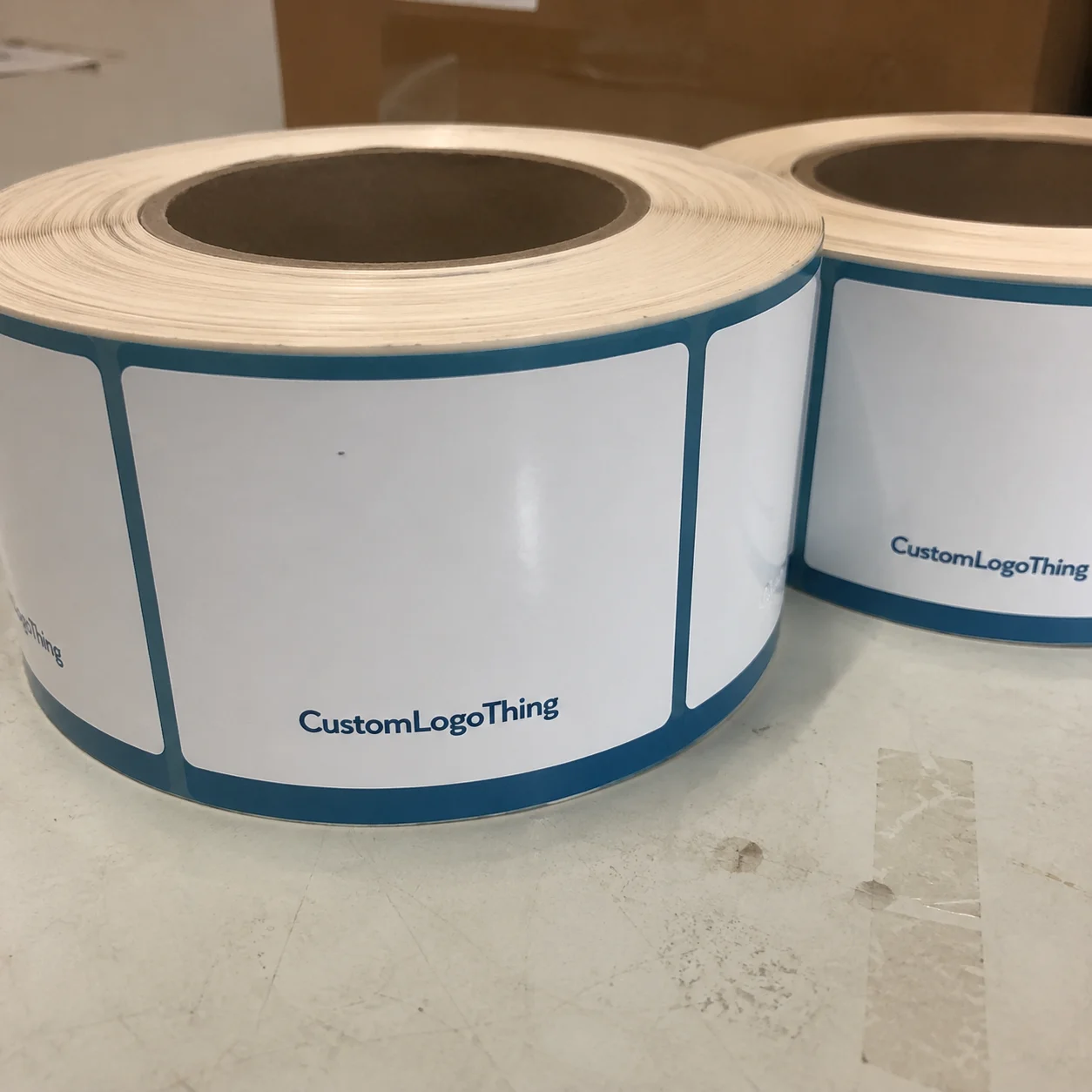
A label is a stack, not a single sheet. In every serious custom labels comparison, I look at four layers: face stock, adhesive, liner, and finish. Each layer changes the outcome. A 70 lb paper face stock with a permanent acrylic adhesive behaves very differently from a 2 mil polypropylene face stock with freezer-grade adhesive and a high-gloss topcoat. Same size. Different life. On the production floor in Dongguan, I watched identical-sized labels split into two very different outcomes simply because one used a glassine liner and the other used a 40# release liner with faster unwind under machine application.
Materials that show up most often
Paper labels are usually the most economical starting point. They print well, cut cleanly, and work nicely for dry environments like carton seals, retail inserts, and indoor promotional packaging. But paper loses points quickly when moisture, refrigeration, or abrasion enters the picture. In a custom labels comparison, paper often wins on cost and loses on durability. A standard uncoated paper label might come in around $0.06 to $0.12 per unit at 10,000 pieces, which works fine for bakery boxes in Austin but becomes risky for chilled or misted products.
Polypropylene is one of the workhorses for labels that need water resistance and decent flexibility. It handles squeezable bottles, chilled products, and many personal care applications better than paper. I’ve seen it perform especially well on curved containers where label memory matters. If the package flexes, polypropylene usually forgives more than paper does. A 2 mil clear polypropylene with a permanent acrylic adhesive often lands around $0.10 to $0.22 per unit at 5,000 pieces, depending on whether the project is printed in Chicago or in a coastal manufacturing hub like Xiamen.
Polyester steps up when durability becomes non-negotiable. Think industrial packaging, chemical containers, and long-life compliance labels. It’s tougher, more resistant to scuffing, and often chosen when the print must survive repeated handling. In a custom labels comparison, polyester usually sits on the higher end of the performance scale and the cost scale. A matte white polyester label can run $0.18 to $0.35 per unit at 5,000 pieces, especially if the job needs high heat resistance or chemical exposure tolerance in facilities around Detroit or Monterrey.
Vinyl appears often in specialty applications, particularly where flexibility and conformability matter. It can be a solid choice for irregular surfaces, but not every application needs it. I’ve seen buyers choose vinyl because it sounds “stronger,” then later realize a filmic polypropylene would have met the same need at a lower cost. That kind of thing always makes me grin a little, because the industry has a habit of dressing up practicality as prestige. On a curved jar line in Charlotte, a 3 mil vinyl label cost $0.23 per unit at 5,000 pieces, while a comparable polypropylene option came in at $0.16 and performed just as well in room-temperature handling.
Textured specialty stocks—laid, felt, cotton, estate, and other tactile papers—are usually chosen for premium gifting, artisanal food, wine, and luxury retail packaging. They add character fast. They also ask for more from the printer and sometimes from the finishing process. The result can be beautiful, but a custom labels comparison should never treat them as purely decorative. A 110 lb felt stock with a blind-embossed logo may take an extra 3 to 5 business days to produce, especially when sourced from specialty mills in North Carolina or the Lake District in the UK.
Adhesives are half the story
The adhesive decides whether the label actually stays put. Permanent adhesive is the default for a reason: it gives strong bond strength on many common substrates, including glass, HDPE, PET, and paperboard. But not all adhesives are equal. Some are formulated for cold application, some for freezer conditions, and some for textured or low-energy surfaces. That nuance changes the outcome more than most buyers expect. A standard permanent acrylic adhesive may hold well from 50°F to 90°F, while a freezer-grade adhesive is often designed for application as low as 20°F on containers coming out of a cold room.
Removable adhesive matters when labels need clean removal without leaving heavy residue. I’ve used it on promotional packaging, short-life retail display items, and certain event-based products. The wrong removable adhesive can peel too easily, especially after heat exposure. The right one feels almost invisible to the end user. That distinction shows up immediately in a proper custom labels comparison. On a limited-edition candle project in Portland, a removable adhesive made the difference between a clean peel and a torn paperboard surface after 14 days on shelf.
Freezer-safe adhesive deserves special attention for refrigerated food and beverage. I once visited a co-packer where labels were applied at room temperature and then moved to a cold room within hours. The standard adhesive looked fine at first, then failed when moisture condensed on the container. The fix was not more ink or a better finish; it was a better adhesive system. The plant manager said, only half-joking, “Our labels had one job, and they ghosted us.” After switching to a freezer-safe adhesive rated for 0°F storage, the label stayed anchored through a 72-hour cold test.
Tamper-evident options can combine branding and security, especially on supplements, cosmetics, and high-value goods. They are not always the cheapest route, but they can reduce risk and improve consumer trust. If your custom labels comparison ignores security needs, you may end up comparing the wrong products entirely. A tamper-evident seal with microperforation can add only $0.02 to $0.05 per unit on a 10,000-piece order, yet that small increment can support both compliance and customer confidence.
Print methods change economics and quality
Digital printing is the fastest path for short to mid-size runs and artwork with multiple SKUs. It shines when a brand needs versioning, frequent updates, or lower setup cost. For a custom labels comparison, digital often wins on speed and flexibility. I’ve seen 500 to 5,000 piece orders move efficiently this way, especially when the design uses several colors but not a complicated finish stack. A digital run approved on Monday can often ship in 7 to 12 business days from proof approval, which is useful for launches in fast-moving markets like Los Angeles or Singapore.
Flexographic printing becomes attractive as quantities rise. It’s often better for longer runs where setup cost can be spread over more units. Spot colors, consistent repeat orders, and simpler graphics often favor flexo. The tradeoff is a longer setup and more planning around plates and tooling. On a 25,000-piece run in suburban Dallas, flexo dropped the per-unit cost from $0.19 to $0.11 compared with a digital alternative, but the lead time stretched from 10 business days to 18 because of plate creation and press setup.
Offset printing still matters for certain premium label and packaging combinations, especially when the design demands very fine detail or specific color fidelity across a broader print system. It can be ideal when labels need to align closely with other brand assets like custom printed boxes or inserts. On a luxury skin-care line using 350gsm C1S artboard cartons and matching labels, offset gave the cleanest reproduction of a 4-color gradient and a tiny 5 pt ingredient note.
Application method matters too. Hand-applied labels tolerate more variation in die cut, liner release, and roll direction. Machine-applied labels demand tighter specs. A label that runs beautifully on a hand table may misfeed on an automated line at 120 units per minute. In a serious custom labels comparison, I always ask how the labels will be applied before I recommend a format. If the line in Raleigh is running 2,400 bottles per hour with a 4-inch applicator head, liner curl and roll direction suddenly become non-negotiable.
To put the tradeoffs in plain English, here is a practical comparison of common options:
| Label Type | Typical Use | Approx. Unit Cost | Strengths | Watchouts |
|---|---|---|---|---|
| Paper, permanent adhesive | Dry retail packaging, cartons, short runs | $0.06–$0.14 at 5,000 pieces | Low cost, easy print quality, fast turnaround | Poor moisture resistance, lower abrasion resistance |
| Polypropylene film | Bottles, pouches, refrigerated products | $0.10–$0.22 at 5,000 pieces | Water resistance, flexibility, good shelf appearance | May require more careful adhesive selection |
| Polyester | Industrial packaging, durable compliance labels | $0.18–$0.35 at 5,000 pieces | High durability, scuff resistance, stable performance | Higher cost, less forgiving on budget runs |
| Specialty textured stock | Premium retail packaging, gifting, wine | $0.20–$0.45 at 5,000 pieces | Premium tactile feel, strong brand signal | Can be sensitive to moisture and line speed |
That table is not a substitute for testing, but it does frame a custom labels comparison the way a packaging buyer would think about it: function first, then finish, then economics. A 2-inch by 4-inch paper label at $0.09 may look attractive on paper, but if the same size polypropylene label at $0.15 saves one labor step on a 5,000-piece run, the total cost picture changes quickly.
For standards and testing language, I often point clients toward the broader industry ecosystem. The ISTA testing framework is useful when transit damage is part of the equation, and the Packaging School and industry resources at packaging.org are helpful when teams need to align design language with material realities. If a label lives inside a shipping system, it should be judged like one.
Comparing Label Options by Use Case, Durability, and Shelf Impact
The best custom labels comparison starts with the package, not the printer. A label for a refrigerated yogurt cup should not be judged against one for a rigid candle box, because the real-world demands are wildly different. I’ve seen teams get stuck comparing finishes while ignoring the basics: temperature, oils, moisture, abrasion, and shelf life. On a refrigerated dairy program in Milwaukee, a paper label looked great for 8 hours on shelf and then began to wrinkle after the first overnight rest at 36°F.
Food and beverage labels usually need moisture resistance, clean adhesion, and strong shelf readability. If condensation is likely, paper becomes a risk unless the conditions are controlled. Clear or film labels often work better on cold bottles and jars because they maintain appearance after refrigeration. On beverages, a high-gloss finish can boost visibility under bright retail lighting, while matte can reduce glare on premium spirits or specialty teas. For a 12-ounce cold brew in Seattle, a clear BOPP label with a water-resistant adhesive stayed readable after 48 hours on ice, while the paper alternative started to cloud at the edges.
Cosmetics are a different animal. They often need a premium look and a surface that resists smudging from oils, lotions, and frequent handling. Soft-touch lamination or a matte film can improve the perceived quality of the package, but a too-fragile label can make a $28 cream feel cheap after two uses. That’s why a custom labels comparison for beauty products should include both aesthetics and fingertip durability. A 1.5 mil matte polypropylene with soft-touch varnish can be a strong choice for jars shipped from the Irvine, California area because it keeps the surface clean while still feeling upscale.
Supplements tend to need high legibility and compliance focus. Supplement facts panels, warnings, and batch codes can’t afford poor contrast or fading. A label that looks elegant but fails to hold crisp type at small point sizes loses the battle. I’ve handled projects where the design was beautiful at 12 pt but borderline unreadable at 6.5 pt after shrinkage on a curved bottle. That’s not design failure; that’s a bad fit between art and substrate. On a 60-count capsule bottle in New Jersey, the difference between a white film and an off-white paper stock determined whether the 5.5 pt warning line could be scanned and read at 18 inches.
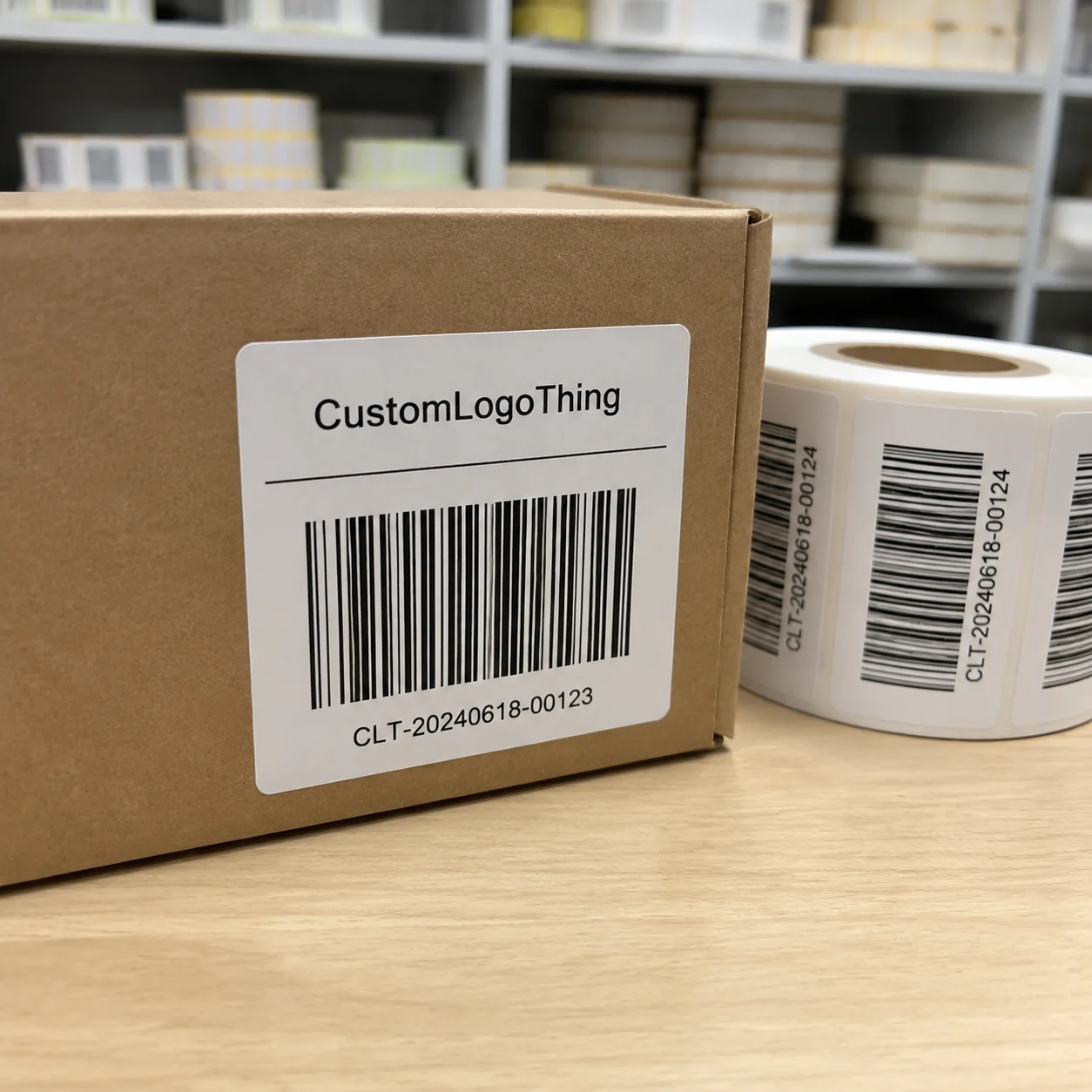
Shipping labels are about survival and scanability. Abrasion resistance, thermal stability, and barcode contrast matter more than cosmetic finish. A shipping label can still be branded, but it should not try to be luxurious. A custom labels comparison here should emphasize performance data, not just color. In distribution centers around Indianapolis, thermal transfer labels with a 300 dpi barcode and strong smear resistance often outperform decorative stocks by a wide margin.
Industrial labels live in a harsh world: chemicals, solvents, UV light, and repeated handling. Polyester and specialty adhesives usually dominate because failure can create safety or traceability problems. I’ve seen manufacturers choose the least expensive label and then replace it six months later because the print data had become illegible. That’s a costly detour. A chemical drum label in Houston might need a 2 mil polyester face stock with a solvent-resistant adhesive and a matte topcoat to survive forklifts, wiping, and sun exposure near the loading dock.
Here’s a useful rule of thumb: the more a package is touched, chilled, washed, rubbed, or exposed to light, the more likely a filmic label will outperform paper. That does not mean paper is obsolete. It means the correct custom labels comparison must match the label to the reality of the package. A bakery box in Phoenix may do fine with paper, while the same label on a chilled juice bottle in Boston will likely fail unless it’s upgraded to a film.
Finish plays a surprisingly large role in shelf impact. Gloss reflects light and can make colors pop. Matte often feels quieter and more refined. Soft-touch adds a tactile premium effect that works especially well for cosmetics and specialty gifts. Foil can create focal points around logos or seals, though too much foil becomes visual noise fast. Clear labels help products appear more minimal or “in the container,” which is why they show up often in beverage and beauty branding. Each finish should earn its place in the custom labels comparison. A spot-foil accent on a 3-inch-wide front panel usually gives more lift than covering the whole surface in metallic film.
“The label wasn’t failing in the printer. It was failing in the fridge.” That was a buyer’s line after we traced a condensation problem on a private-label cold brew.
If you are pairing labels with larger branded packaging systems, remember that the label does not live alone. It has to sit beside cartons, inserts, and sometimes Custom Packaging Products that share the same color story. Consistency matters. A label can raise perceived value by several notches if it echoes the same paper tone, foil detail, or typography used elsewhere in the pack. On a subscription box program in Atlanta, a matte charcoal label matched to a black-coated mailer raised the overall presentation far more than an expensive label choice that ignored the box finish.
Cost and Pricing in a Custom Labels Comparison
Price is the most visible number in any custom labels comparison, but it is rarely the most honest one. The quote may say $0.09 per label, yet if the labels jam on the applicator, arrive late, or fail in cold storage, the true cost climbs fast. I’ve seen teams save a few hundred dollars on the front end and spend several thousand on rework, freight, and lost time. On one run out of Louisville, a low-cost paper label saved $460 upfront and triggered $1,800 in re-labeling, plus a two-day hold on distribution.
What drives pricing? Five things show up again and again: material, size, shape, quantity, and finishing. Adhesive type adds another layer. A 2-inch by 3-inch paper label with a standard permanent adhesive and no special finish can be very economical. Add a custom die-cut shape, metallic foil, freezer-safe adhesive, and a soft-touch coating, and the cost changes immediately. That is normal, not inflation. For 5,000 pieces, the same simple label might be quoted at $0.08 per unit, while the version with foil and a contour cut could land near $0.24 per unit.
Volume changes the equation. Digital printing usually gives better economics at low to mid quantities because setup is lighter. Flexographic and offset approaches can become cheaper per unit as quantities rise, but the setup fees matter more up front. When I worked on a private-label beverage launch in Portland, the client compared a 2,000-piece run to a 20,000-piece run. The larger run had a higher total invoice, naturally, but the unit price dropped by almost 41%. That kind of drop can change the whole custom labels comparison if the brand knows it will reorder quickly.
Premium finishes deserve a rational conversation. Foil stamping, embossing, and textured stocks can support stronger package branding, but they are not free style points. A label that makes a 10-ounce candle look like a $42 item may justify a few extra cents per unit if sell-through improves. I’d rather see a brand spend money on one well-executed premium detail than scatter budget across three effects that fight each other. A raised foil seal on a 4-inch label in Milan can cost only $0.03 to $0.06 more per unit, yet it often does more for perceived value than a second ink color.
Here is a simple comparison of pricing drivers, the way I’d explain them to a founder with three SKUs and a tight cash forecast:
| Pricing Factor | Lower-Cost Choice | Higher-Cost Choice | Impact on Outcome |
|---|---|---|---|
| Material | Paper | Polyester or specialty stock | Durability, moisture resistance, premium feel |
| Quantity | 1,000 units | 10,000+ units | Higher setup vs. lower unit cost |
| Shape | Standard rectangle | Custom die-cut | Brand distinction vs. tooling cost |
| Finish | Uncoated or basic gloss | Soft-touch, foil, spot varnish | Visual impact vs. added production steps |
| Adhesive | Standard permanent | Freezer-safe, removable, tamper-evident | Application performance vs. specialty cost |
One mistake I see constantly: comparing unit price without counting waste. If 4% of labels are misapplied because the adhesive is wrong or the release liner behaves badly on the line, that waste can erase the savings. Same if the team has to re-label 800 bottles because the print shifted 1.5 mm off-center and the barcode no longer scans cleanly. A real custom labels comparison includes line efficiency, rejects, and rework. On a 10,000-unit beverage order, even a 2% reject rate can add $200 to $600 in hidden cost, depending on labor and reprint terms.
Budgeting works best when you compare total cost per packaged unit, not just the label invoice. Add the packaging line labor, expected spoilage, reprint risk, and any artwork revision fees. If the label is part of a broader set of branded packaging assets, include the cost of matching it to cartons, mailers, or inserts. That is how you get a realistic number. A quote for $1,250 may look better than a $1,480 alternative until you count the $0.12 per unit application savings on a 12,000-piece run in Columbus.
Process and Timeline: From Artwork to Finished Labels
A label project usually follows a predictable path: brief, material selection, artwork setup, proofing, printing, finishing, cutting, and delivery. The part people underestimate is how much time can vanish in approval cycles. A custom labels comparison that ignores process timing can be technically correct and operationally useless. A fast-moving team in San Diego may be ready to print by Wednesday, but a compliance review in another department can still hold the job until the following Tuesday.
In practical terms, a digital label run with approved artwork can sometimes move in 7 to 12 business days, depending on queue and finishing. A more complex flexo job with custom dies, specialty coatings, or multiple SKUs may take 15 to 25 business days or more. If color matching is exacting, add time for proof revisions. If compliance text changes, add more. That’s not delay; that’s the real production path. For a 5,000-piece digital order with a matte varnish in Nashville, I’ve seen turnaround land at 12 business days from proof approval, while a foil-stamped flexo run in the Chicago suburbs took 19 business days.
I remember a supplement client who was ready to launch, then changed one ingredient line on the front panel after legal review. The revision took 18 minutes to update in artwork software and 4 extra days to approve because the team had to recheck FDA-style formatting and barcode placement. That’s the kind of detail that turns a rushed custom labels comparison into a lesson in planning. One minor wording change on a 2.5-inch label can affect line breaks, icon placement, and the placement of a 0.25-inch barcode quiet zone.
Custom dies can also extend lead time. If your label shape is a simple square or rectangle, life is easier. If you want a contour cut around a logo, a holographic element, or a unique seal shape, build in extra days. Specialty finishes can also add production stages. A soft-touch lamination or foil application is not just another print run; it is another step with its own setup and quality checks. A die delivered from a tooling house in Illinois may add 2 to 4 business days, while a specialty finish sourced through a converter in Southern California can add another 3 days after press time.
Testing should never be squeezed out of the schedule. If a label is intended for freezer storage, a hot-fill line, or rough transit, you need to see it under those conditions before approving the full order. In my view, the best timeline is not the fastest one. It is the one that leaves room for proofing, real-package trials, and one round of honest revision. A 24-hour cold test at 34°F and a 72-hour shelf test under store lighting can catch problems that no PDF proof will ever reveal.
Here’s a practical way to think about the workflow:
- Brief the project with package dimensions, surface type, and environmental conditions.
- Select materials based on how the product will be stored, shipped, and handled.
- Review artwork for bleed, trim, barcode quality, and legibility at the intended size.
- Approve proofs after checking color, finish, and copy accuracy.
- Test samples on the actual package for 24 to 72 hours if possible.
- Release production only after the line team confirms application fit.
That sequence sounds basic, but I can’t tell you how many late-stage emergencies start with skipping step 5. A measured custom labels comparison gives you time to catch those failures early. On a private-label sauce launch in Tampa, a 48-hour test revealed edge lift from hot-fill moisture, and the team avoided a reprint that would have delayed launch by 9 business days.
Step-by-Step Custom Labels Comparison Checklist
If you want a repeatable method, use the same criteria on every option. That is the only way a custom labels comparison stays fair. I’ve seen teams fall in love with one sample because it used metallic ink, then compare that sample against a plain uncoated backup option as if they were in the same category. They weren’t. Apples to apples matters, especially when one sample is a $0.21-per-unit specialty label and the other is a $0.07 paper label printed in a single pass.
- Define the environment. Is the product dry, chilled, frozen, oily, or exposed to UV light? Write down the temperature range, shelf life, and handling conditions. A product living between 34°F and 40°F has a different label need than a dry pantry item.
- State the branding goal. Do you want premium, eco-minded, transparent, rugged, or minimal? A label for artisan hot sauce and one for industrial lubricant should not solve the same problem. A premium candle line in Brooklyn may need a soft-touch finish, while a warehouse label in Phoenix may need pure scan reliability.
- Pick 3 to 5 realistic options. Keep the custom labels comparison focused. Too many choices create noise, not clarity. A short list might include paper, matte polypropylene, clear polypropylene, and polyester, each with the same 2 x 3 inch size.
- Request samples or proofs. Ask for the exact material, adhesive, finish, and size where possible. Then apply them to the real container, not a flat desktop sheet. If the bottle is 10.5 inches around and curves sharply at the shoulder, test that exact curve.
- Test for 24 to 72 hours. Check for curling, smudging, lift, and readability under bright and dim light. If the product will be refrigerated, cold test it. If it ships, run an abrasion test by hand or use ISTA-aligned procedures. A 48-hour refrigerator test at 36°F tells you far more than a PDF proof ever can.
- Score each option. I like a 1-to-5 system for performance, cost, speed, and visual impact. It keeps emotions from hijacking the decision. If one option scores 5 on shelf appeal but 2 on durability, that tradeoff becomes visible right away.
The scorecard should include a few practical details that are often forgotten: label application time, waste rate, readability at arm’s length, and whether the adhesive leaves residue. Those numbers matter. A beautiful label that takes 20% longer to apply is not actually beautiful from an operations viewpoint. On a 7,500-unit run in Sacramento, a 6-second increase per application added almost 12 labor hours across the batch.
When the comparison is complete, the winner is usually not the cheapest or flashiest label. It is the one that best balances shelf impact, handling durability, and line efficiency. That’s the heart of a smart custom labels comparison. The label that costs $0.14 per unit and runs cleanly may beat the $0.09 option that triggers 300 misapplied pieces and a late-night rework session.
If your product packaging includes cartons, hang tags, or secondary packs, compare how each label integrates with the broader system. A label can look excellent by itself and still clash with a kraft mailer or a metallic box finish. That is why a label decision should sit alongside packaging design decisions, not after them. A matte label on a gloss-laminated carton can work beautifully if the typography and color temperature are aligned from the start.
Common Mistakes and Expert Tips for Better Label Decisions
The most common mistake I see is selecting labels from mockups alone. Digital artwork can hide a lot. It won’t show how a label wrinkles over a shoulder curve, how it reacts to condensation, or whether the white point looks too warm next to your carton board. A real custom labels comparison has to include physical samples. In a run I reviewed in Philadelphia, the screen version looked crisp, but the printed label revealed a cream tint that clashed with a cool gray box by nearly two shade steps.
Another big one is adhesive compatibility. If the container surface has low surface energy, like some plastics, a standard adhesive may struggle. That can create curling, slipping, or edge lift. On textured surfaces, the challenge is different. You may need extra tack or a more forgiving liner release. The wrong adhesive can make a premium package look defective by day three. A 2 mil BOPP label that works on glass may fail on certain HDPE containers if the adhesive is not tuned for that surface.
People also compare only price per label and ignore total production cost. I’ve seen a customer choose a label that was $0.03 cheaper per unit, then spend more on slower application, extra reject handling, and a second freight shipment after half the batch arrived late. The math looked good until the line started running. That’s why a custom labels comparison should include labor and waste. A $0.12 label that applies at 40 labels per minute may outperform a $0.09 label that slows the line to 28 per minute.
Here are a few expert habits I recommend:
- Ask for substrate samples so you can test on the actual bottle, jar, carton, or pouch.
- Test under real light because fluorescent, LED, and sunlight can change color perception more than you’d expect.
- Check legibility from 3 to 4 feet away if the product sells in retail packaging or on shelf.
- Verify barcode performance before full production if the label carries scan data.
- Match the finish to the brand story so the label supports the rest of the package instead of competing with it.
Another thing most people get wrong: they think creativity and practicality are opposites. They are not. Some of the strongest package branding I’ve seen came from simple label choices executed with discipline—one foil accent, one well-chosen matte stock, one clean contour cut. Excess is not the same as premium. On a spirits project in Louisville, a single gold foil line around the neck label did more work than three separate decorative effects would have done.
At a factory visit in Shenzhen, I watched an operator reject a whole roll because the die cut was 1 mm off and the label would have overlapped the bottle shoulder. That might sound small. It wasn’t. On a 12,000-unit run, that tiny error would have become a visible defect on every fourth pallet. The lesson: inspect the mechanics, not just the art. A roll that feeds properly on a labeling head with a 3-inch core can still fail if the die-cut tolerance drifts beyond 0.5 mm.
And if sustainability is part of your decision, compare more than the green claim. Paper is not automatically the most responsible choice if it leads to higher spoilage or reprint rates. Likewise, a film label is not automatically wrong if it reduces waste and survives longer. For environmental context, the EPA recycling and materials guidance can be useful when your team is weighing packaging waste and end-of-life considerations. On a 15,000-unit launch, a label that reduces reject rates from 3% to 0.5% can save more material than a “greener” label that fails early.
The best expert tip I can give is this: keep one foot in branding and one foot in operations. If both feet land in the same place, you have probably missed something. A strong custom labels comparison respects the story the label tells and the work the label must do.
Final Decision Checklist and Next Steps for Your Custom Labels Comparison
If you’ve made it this far, you already know the answer is not “pick the prettiest label.” A serious custom labels comparison comes down to six variables: use case, material, adhesive, finish, budget, and timeline. Miss one, and the project can still fail even if the print quality is excellent. On a 4-SKU launch in Raleigh, the winning label was not the fanciest; it was the one that balanced a $0.15 per unit price, a 12-business-day lead time, and clean application across three bottle sizes.
My final checklist is simple. First, confirm the package surface and environment. Second, narrow your material choices to the two or three that truly fit. Third, match adhesive performance to temperature, moisture, and substrate. Fourth, compare finish options for shelf impact and readability. Fifth, cost the full system, including application and waste. Sixth, verify your timeline with proofing and production built in. If you are ordering 5,000 pieces, ask for the exact quote at that quantity because a label that costs $0.08 at 10,000 units may be $0.13 at 5,000.
Once you have those answers, ask for samples and test them on the actual package. Not a substitute. Not a simulation. The real thing. That is the fastest way to uncover whether your custom labels comparison is pointing toward a label that supports brand perception and operational efficiency at the same time. A 72-hour test in refrigerated storage, plus a 24-hour room-temperature check, can prevent a launch delay worth thousands.
When I work with clients who are choosing between label options, I tell them to do three things in order: collect package specs, build a shortlist of options, and request proof samples with realistic timelines. After that, compare each option using the same scorecard and decide before emotions or deadlines take over. If you do that, your final label choice will feel less like a gamble and more like a controlled packaging decision. On most projects, that process turns a vague label debate into a decision that can be explained in one sentence: “We chose the option that performs best on our container, in our climate, at our planned 8,000-unit reorder volume.”
For brands also building out related assets like cartons, inserts, or tags, a cohesive packaging system matters just as much as the label itself. That is where custom labels comparison becomes part of a larger branded packaging strategy, not a one-off purchase. And that’s where the real value lives, especially when your packaging partner can align labels with custom boxes, inserts, and finishing work produced through a single coordinated production schedule in the Midwest or on the West Coast.
How do I start a custom labels comparison for my product?
Start by identifying the package surface, storage conditions, and branding goals so your comparison is based on real requirements, not just looks. If your product sits on a refrigerated shelf, ships in cartons, or gets handled frequently, those details should come first. In practice, I’d collect substrate specs, temperature range, and print quantity before asking for quotes. A 12-ounce bottle in a 38°F cooler needs a very different label than a dry kraft carton shipped from Atlanta to Denver.
Which material is best in a custom labels comparison for moisture-prone products?
Polypropylene, polyester, or other moisture-resistant films usually outperform paper when exposure to condensation, refrigeration, or handling is expected. Paper can still work in dry conditions, but once moisture enters the picture, the risk of edge lift and wrinkling climbs quickly. A test on the actual container is the safest way to confirm the right material. For a 5,000-piece cold brew run, a 2 mil BOPP label often performs better than a paper stock even if it costs $0.04 to $0.08 more per unit.
How does adhesive choice affect custom labels comparison results?
Adhesive choice determines whether the label stays flat, removes cleanly, or survives cold, heat, oil, or textured surfaces without failure. A standard permanent adhesive may work well on glass, while a freezer-safe or high-tack adhesive may be needed for cold-chain or low-energy plastics. The wrong adhesive can ruin an otherwise excellent label. In one Chicago warehouse trial, changing from a general-purpose adhesive to a freezer-grade formula cut lift failures from 17% to under 2% within a week.
What should I compare besides price in a custom labels comparison?
Compare durability, finish, turnaround time, print quality, application method, and waste risk because the cheapest label can cost more overall if it fails. I’d also check legibility, barcode performance, and how the label looks under store lighting. A label is only cheap if it performs after production, shipping, and shelf placement. If the job is 10,000 units and rework costs even $0.06 per unit, the “cheaper” option can disappear fast.
How do I compare label timelines before ordering?
Ask each supplier for proofing, production, and shipping estimates, then check whether custom dies, special finishes, or artwork revisions could extend delivery. A digital job with approved art may move quickly, while a more complex printed label with foil or contour cutting will need more lead time. Always compare the full schedule, not just the promised ship date. A typical path is 12 to 15 business days from proof approval for a straightforward run, and 18 to 25 business days for a more elaborate project.